
 USD
USD GBP
GBP
 EUR
EUR
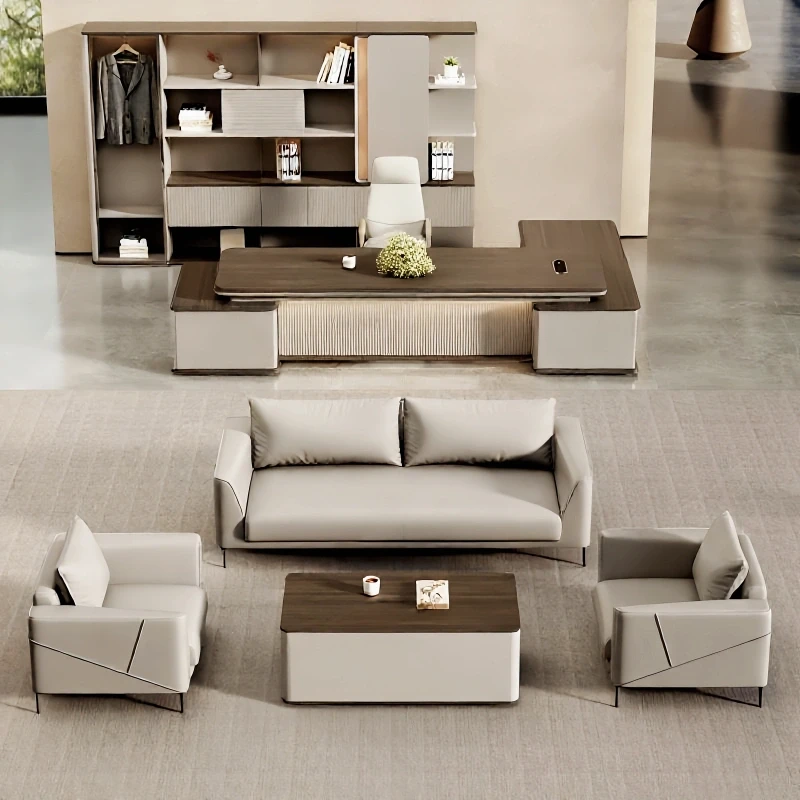
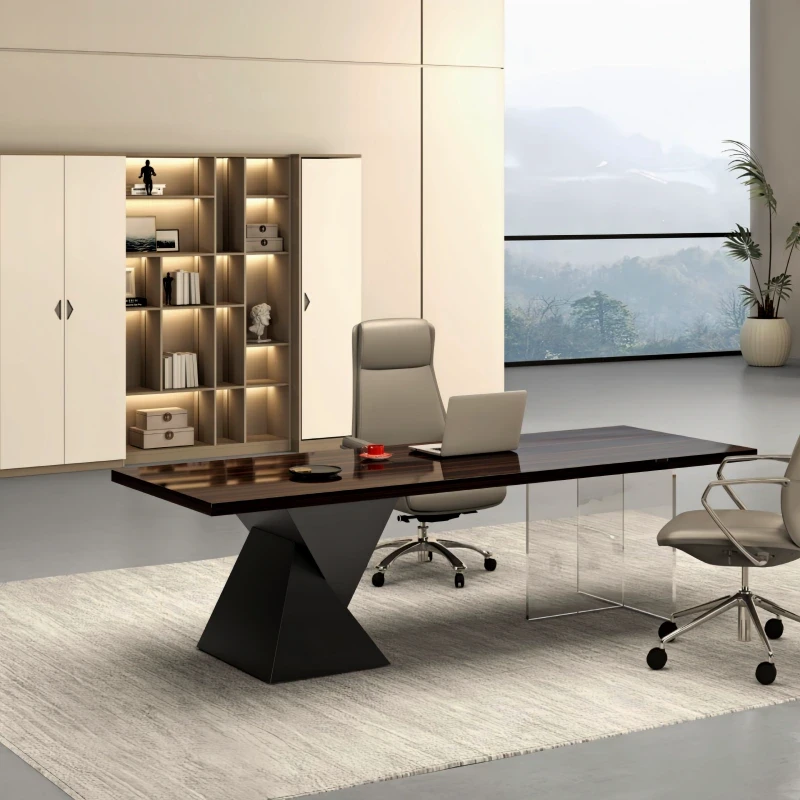


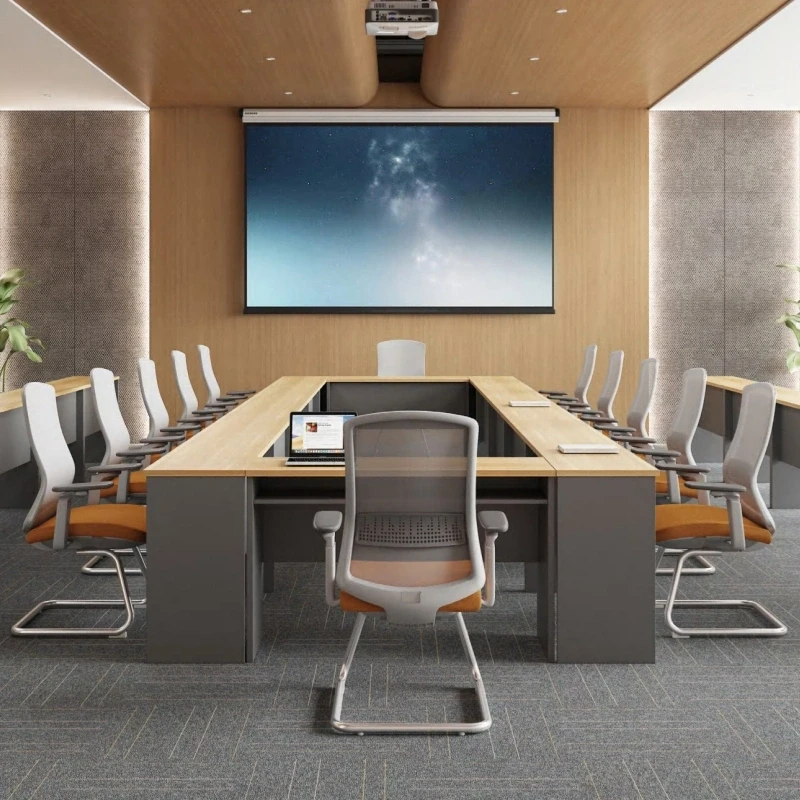
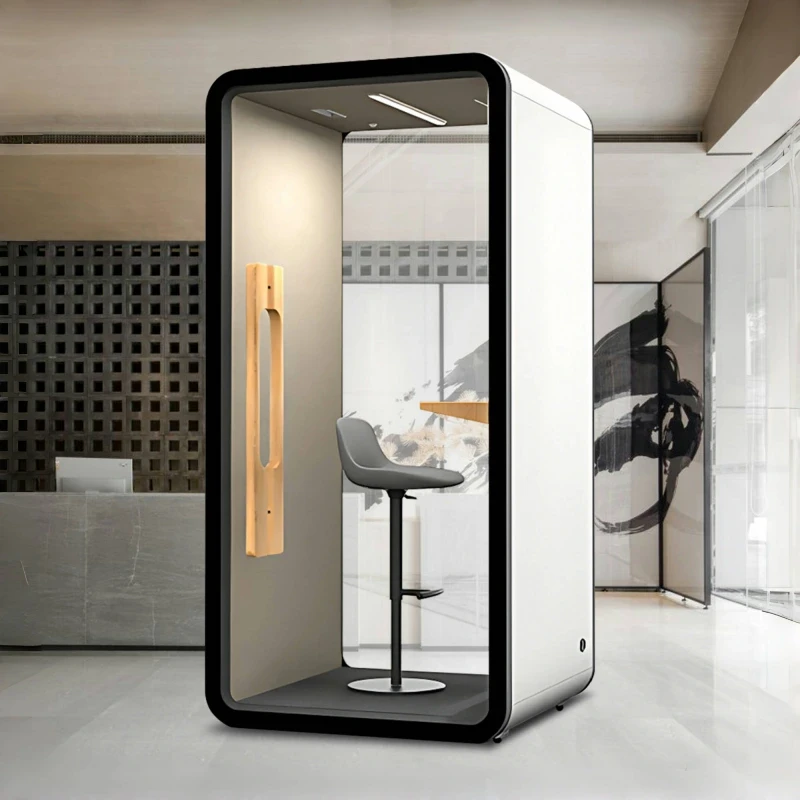
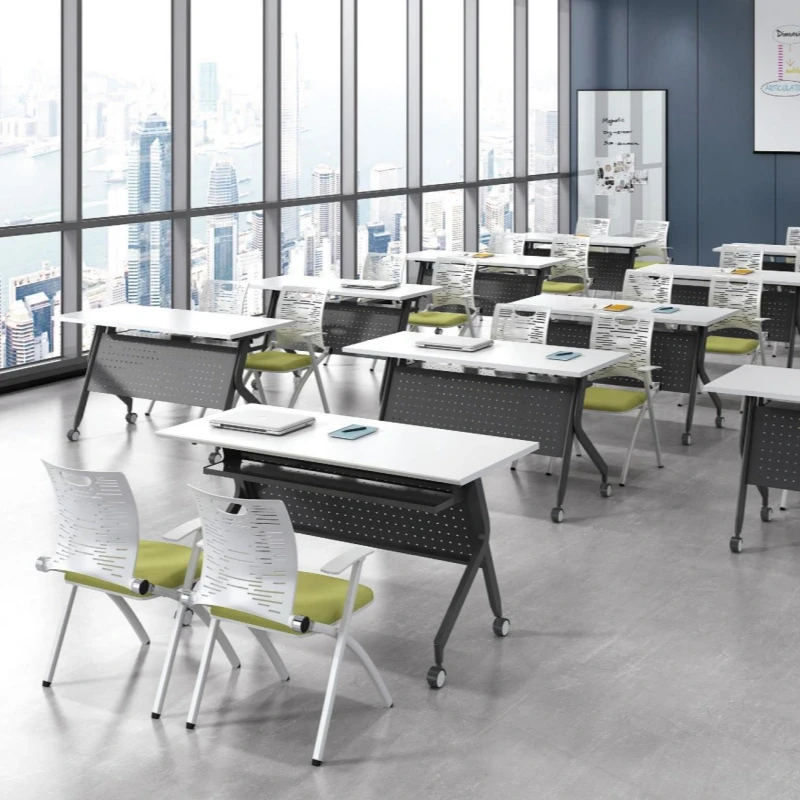




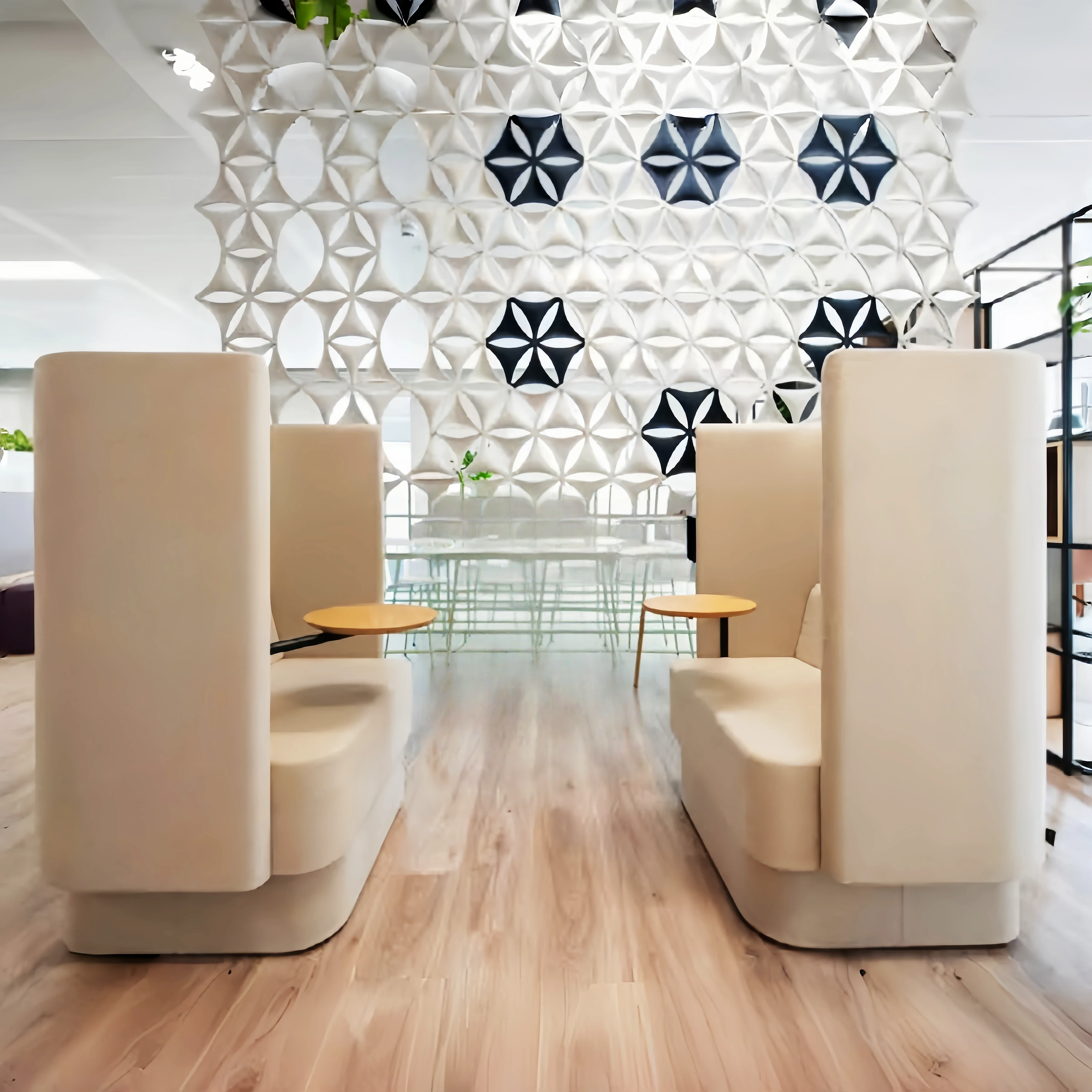

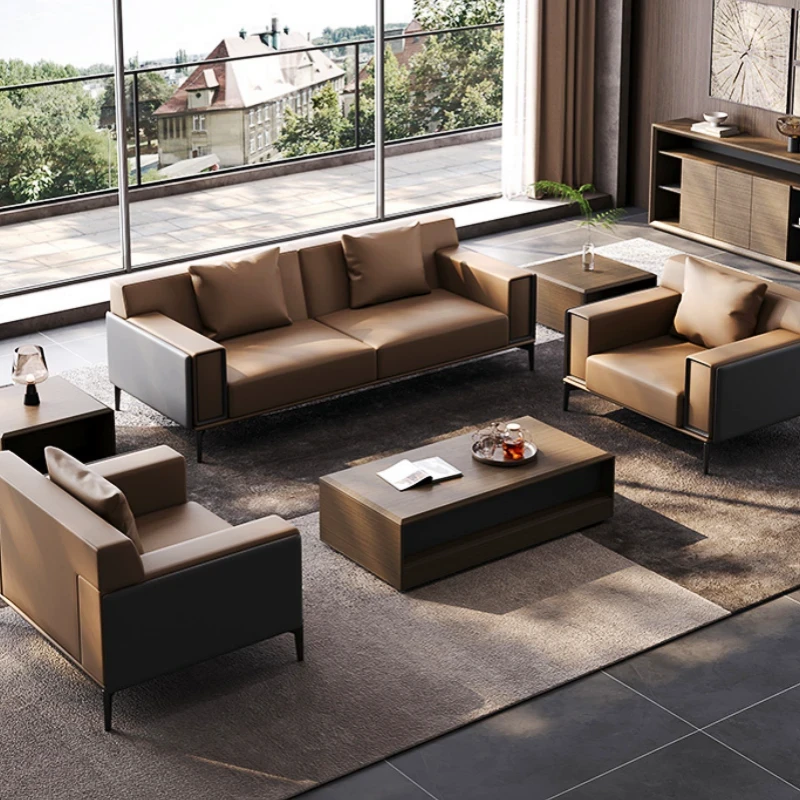
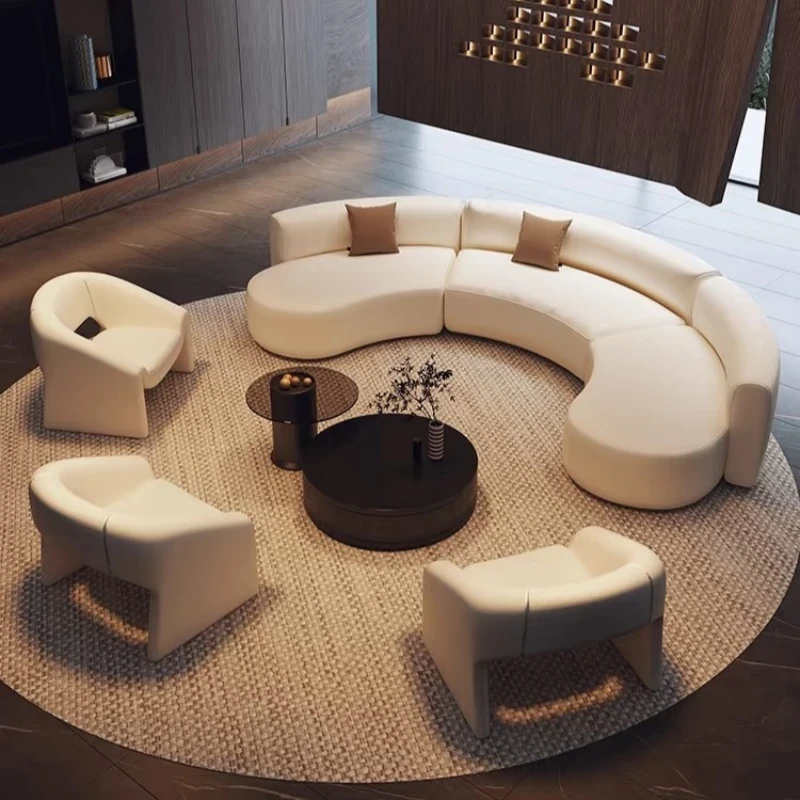
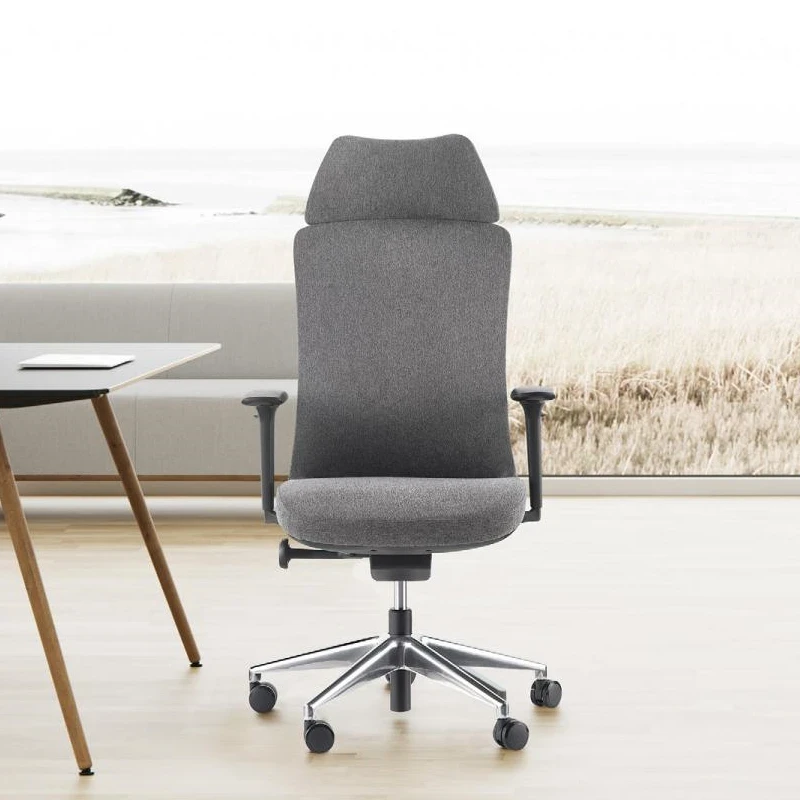


: Seating and Table Types: Select appropriate seating and tables based on employee dining needs. Tables can be either long or round; long tables are suitable for group dining and conversation, while round tables are better for small gatherings. Seating should be flexible; stackable chairs can be chosen for easy space adjustment during peak dining times.
Material Selection: Restaurant furniture materials should be wear-resistant, easy to clean, and able to withstand wear and tear from frequent use. Wood, plastic, or metal are common choices; their durability and maintenance costs must be considered.
II. Comfort and Ergonomic
Seating Design: Employee cafeteria seating should have good ergonomic features, supporting employees' backs and reducing discomfort from prolonged sitting. Appropriate seat height and width can enhance the employee dining experience. Spatial
Layout: Rationally configure the spacing between tables and chairs to ensure employees have sufficient personal space while dining. This not only improves dining comfort but also provides a safety exit in case of emergencies.
III. Style and Atmosphere
: Overall Design: The style of the employee cafeteria furniture should be consistent with the company's brand image and culture. Whether you prefer a modern, minimalist, or warm and casual style, choosing the right design can enhance employees' sense of belonging and identification.
Color Scheme: Appropriate color schemes create a warm and relaxing dining atmosphere. Bright colors can stimulate appetite, while soft tones help employees relax.
Maintenance and Durability
: Choose high-quality furniture that can withstand long-term use and frequent cleaning. Investing in durable furniture not only reduces replacement frequency but also lowers later maintenance costs.
Cleaning and Maintenance: Consider the ease of daily cleaning when choosing furniture. Materials should be easy to clean; avoid using difficult-to-maintain fabrics to reduce the burden of cleaning.
Environmental Protection and Sustainability :
In today's society, companies are increasingly emphasizing environmental protection and sustainable development. When choosing furniture for the employee cafeteria, prioritize furniture made of environmentally friendly materials to reduce environmental impact. At the same time, focus on furniture recycling and reuse, advocating a green corporate culture.
Conclusion:
Choosing furniture for a company's employee cafeteria is a process that comprehensively considers functionality, comfort, style, and sustainability. Through careful planning and selection, companies can not only provide employees with a warm and comfortable dining environment, but also enhance their sense of happiness and belonging, thereby strengthening team cohesion and work efficiency. The employee canteen is not only a place to eat, but also an important space for employee communication and interaction; therefore, paying attention to the selection of canteen furniture is a crucial part of building corporate culture.