
 USD
USD GBP
GBP
 EUR
EUR
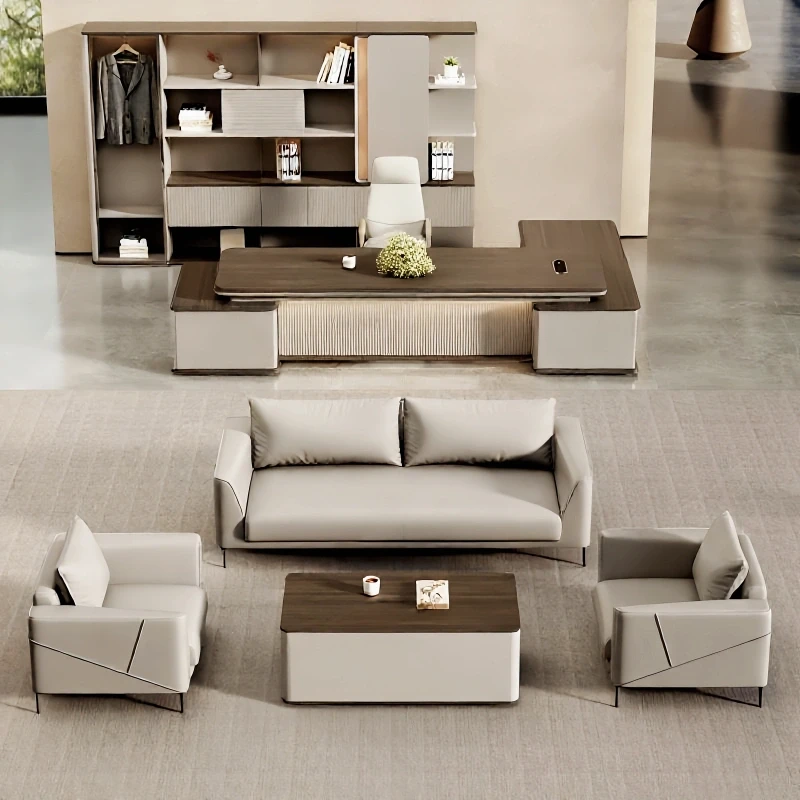
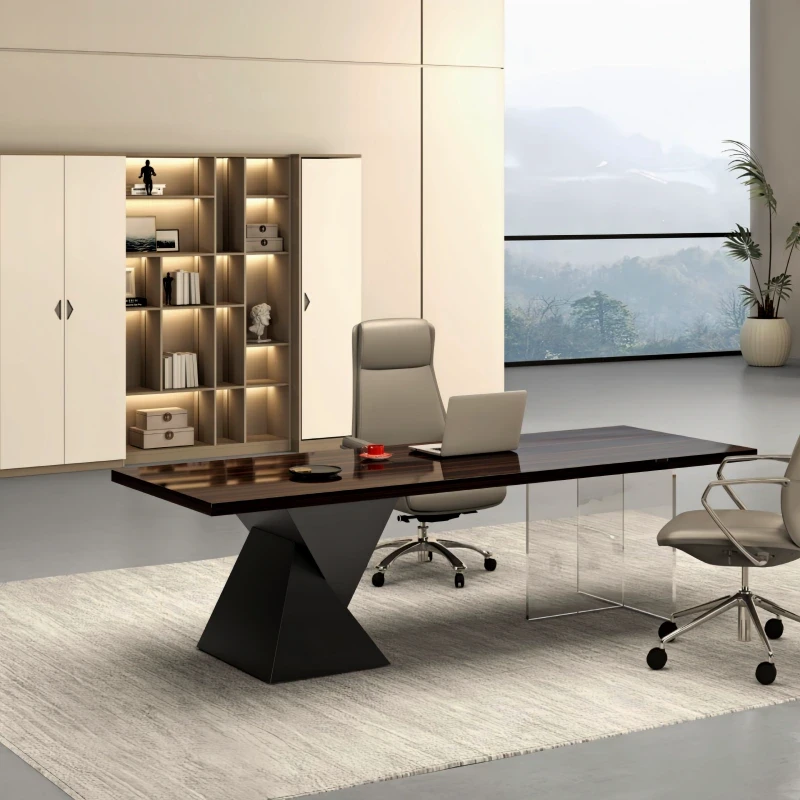


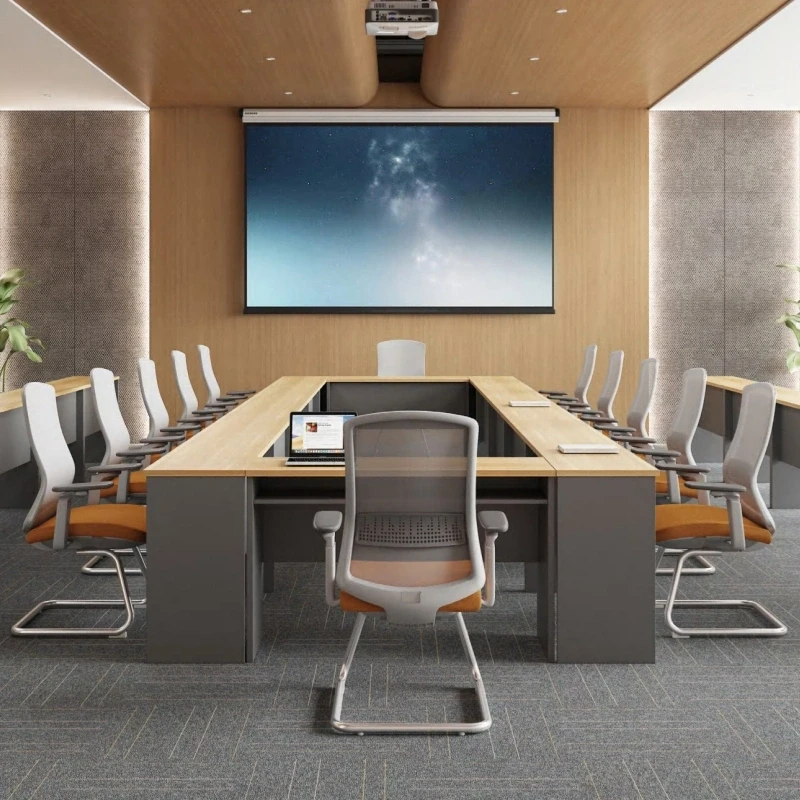
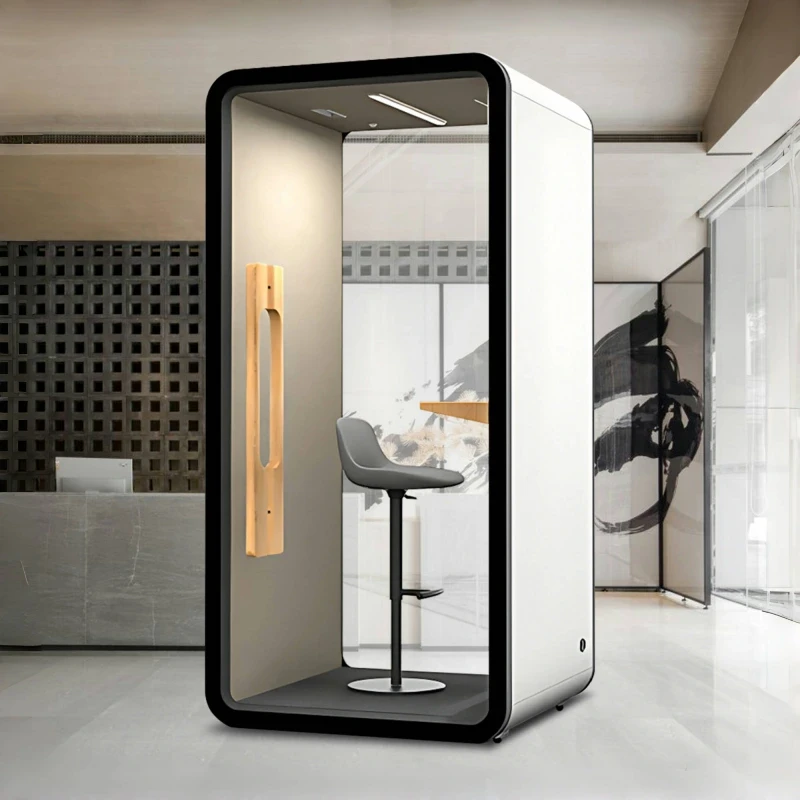
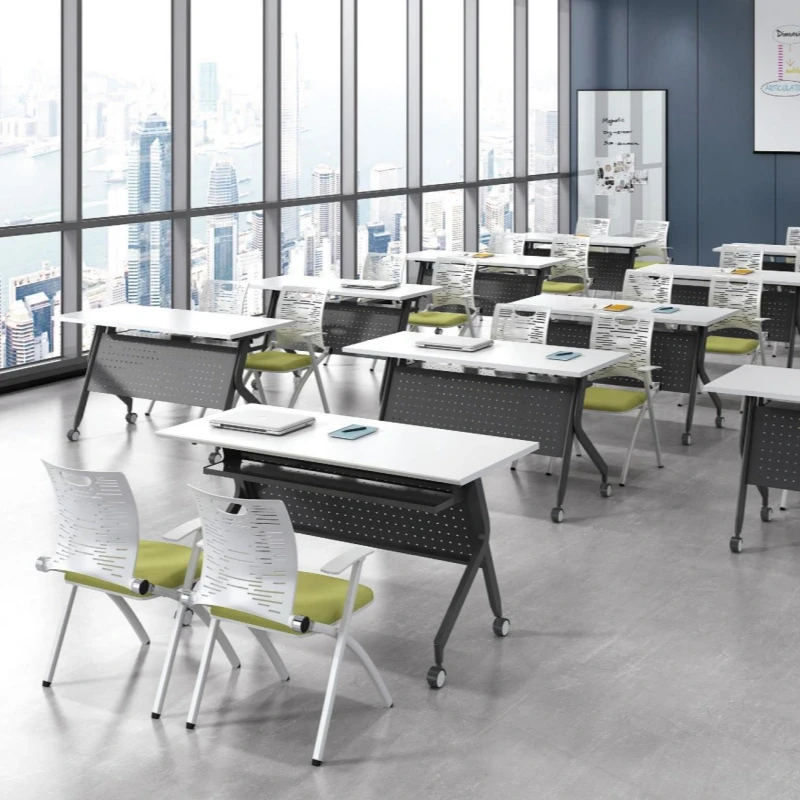
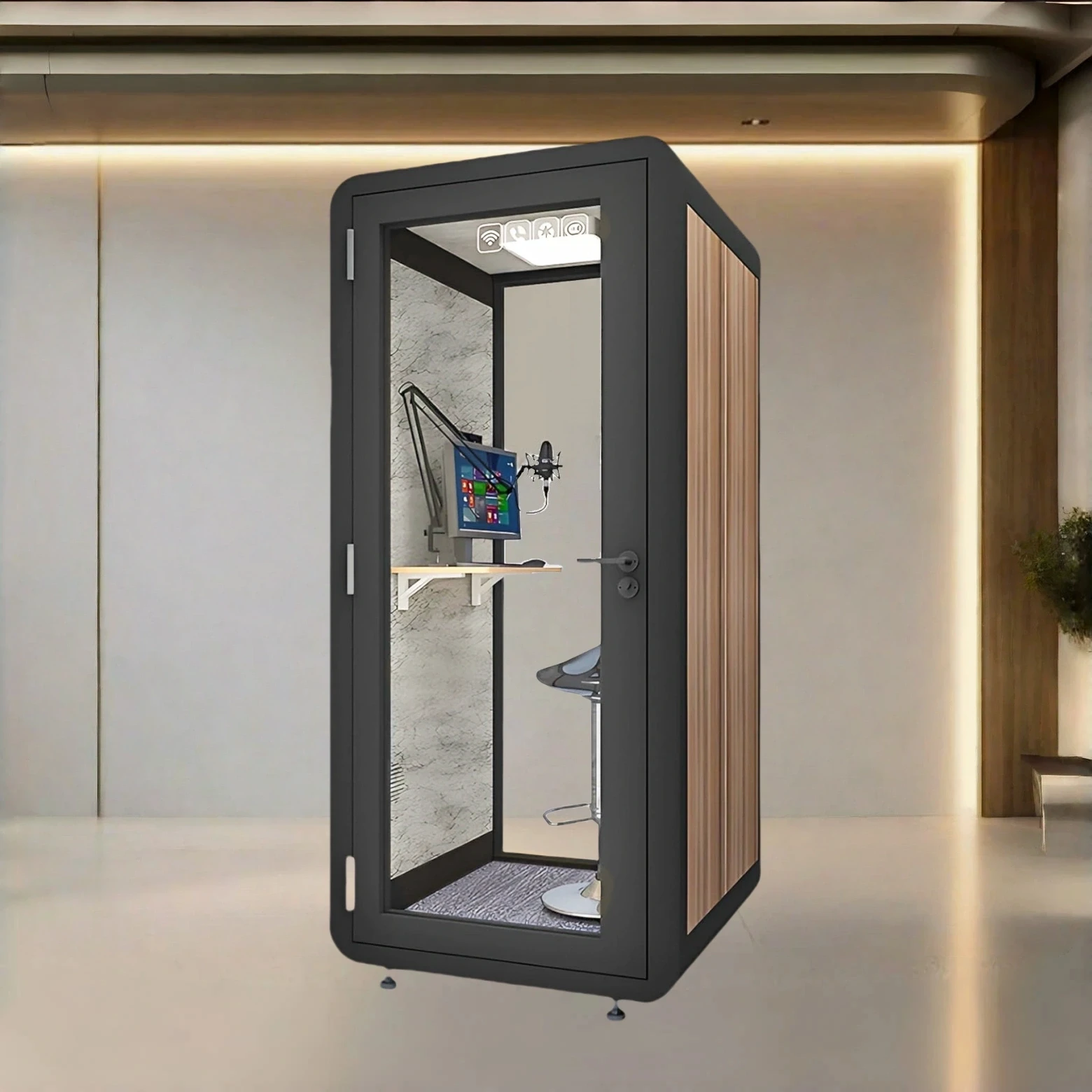
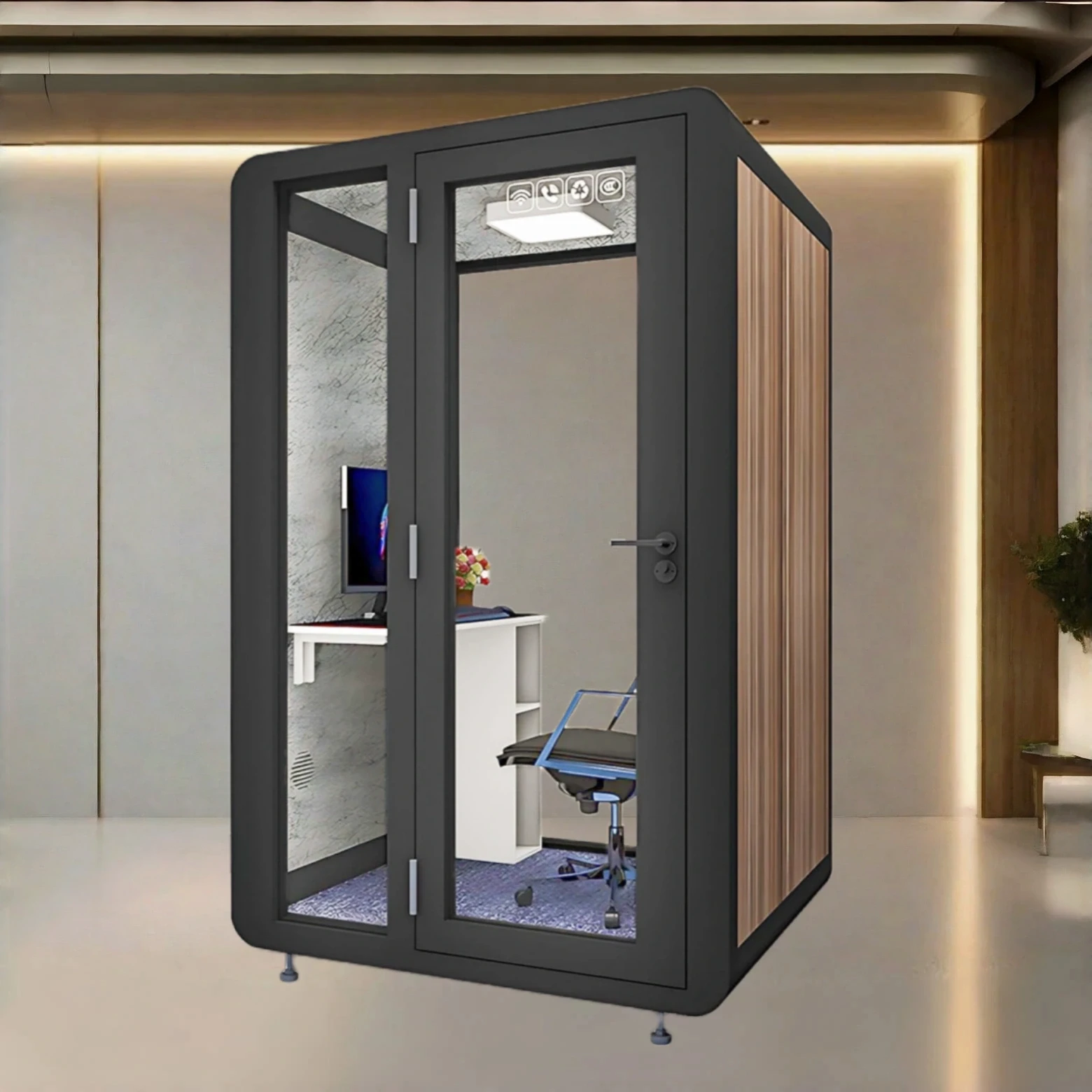
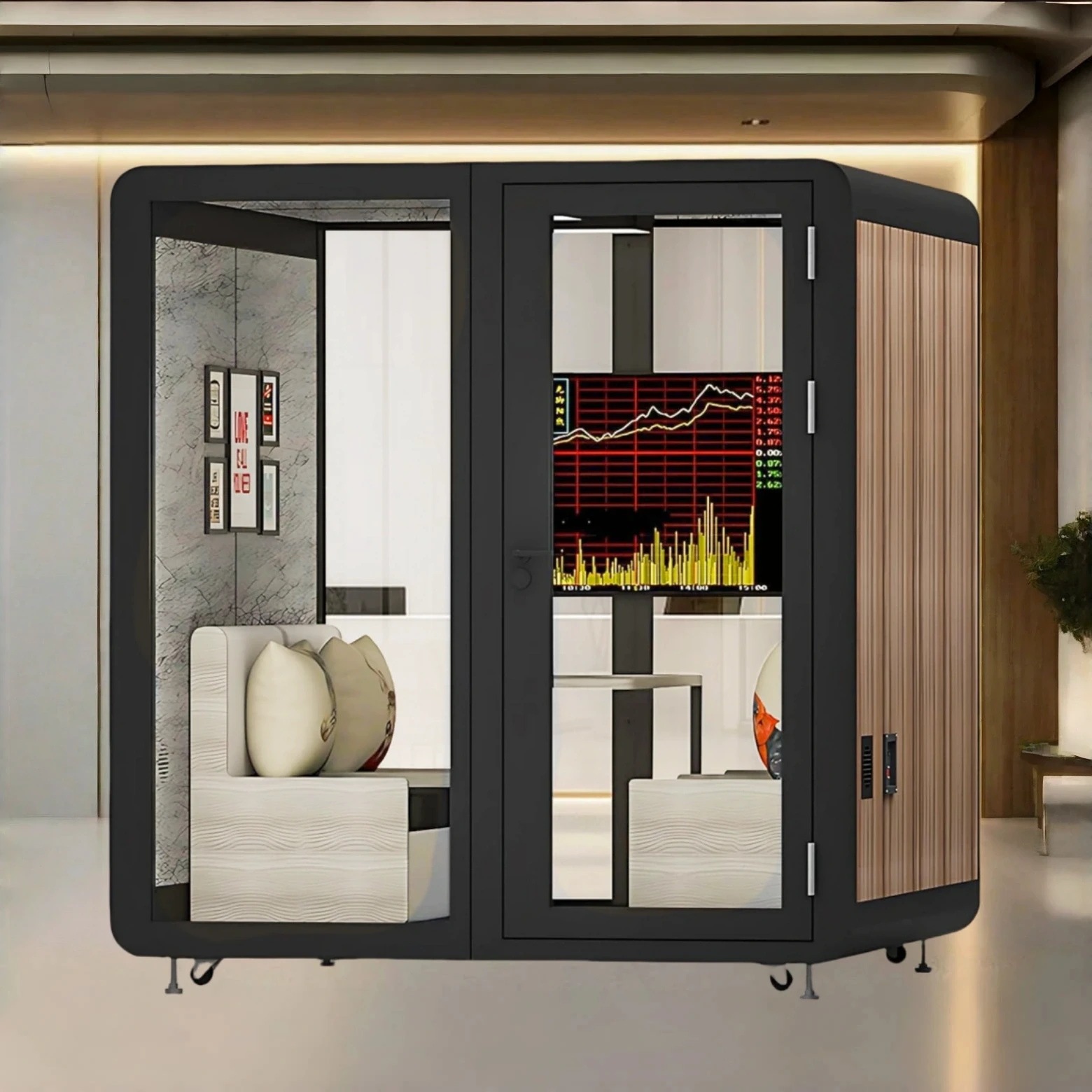
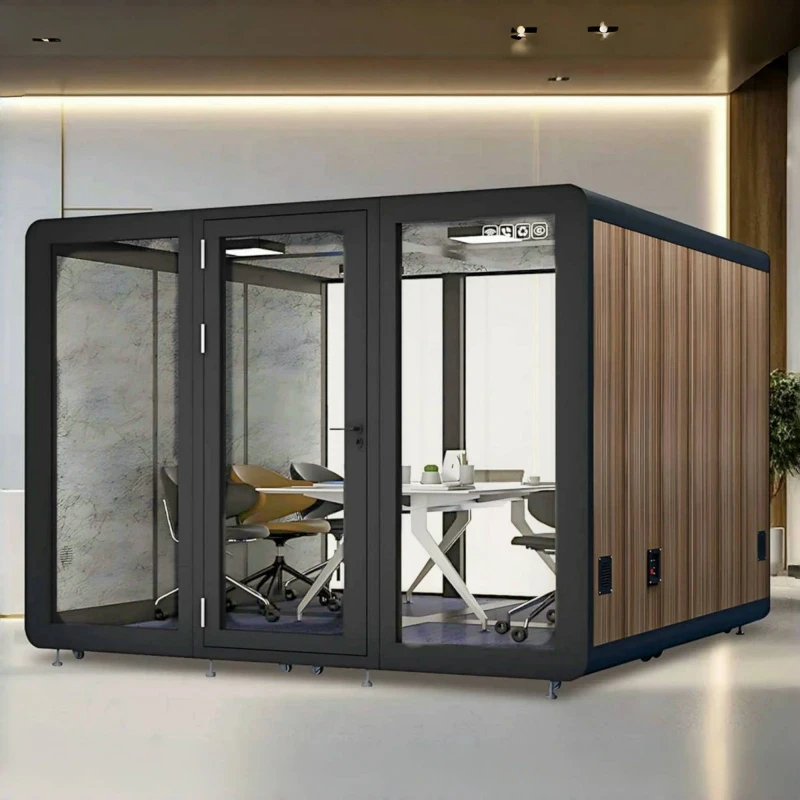


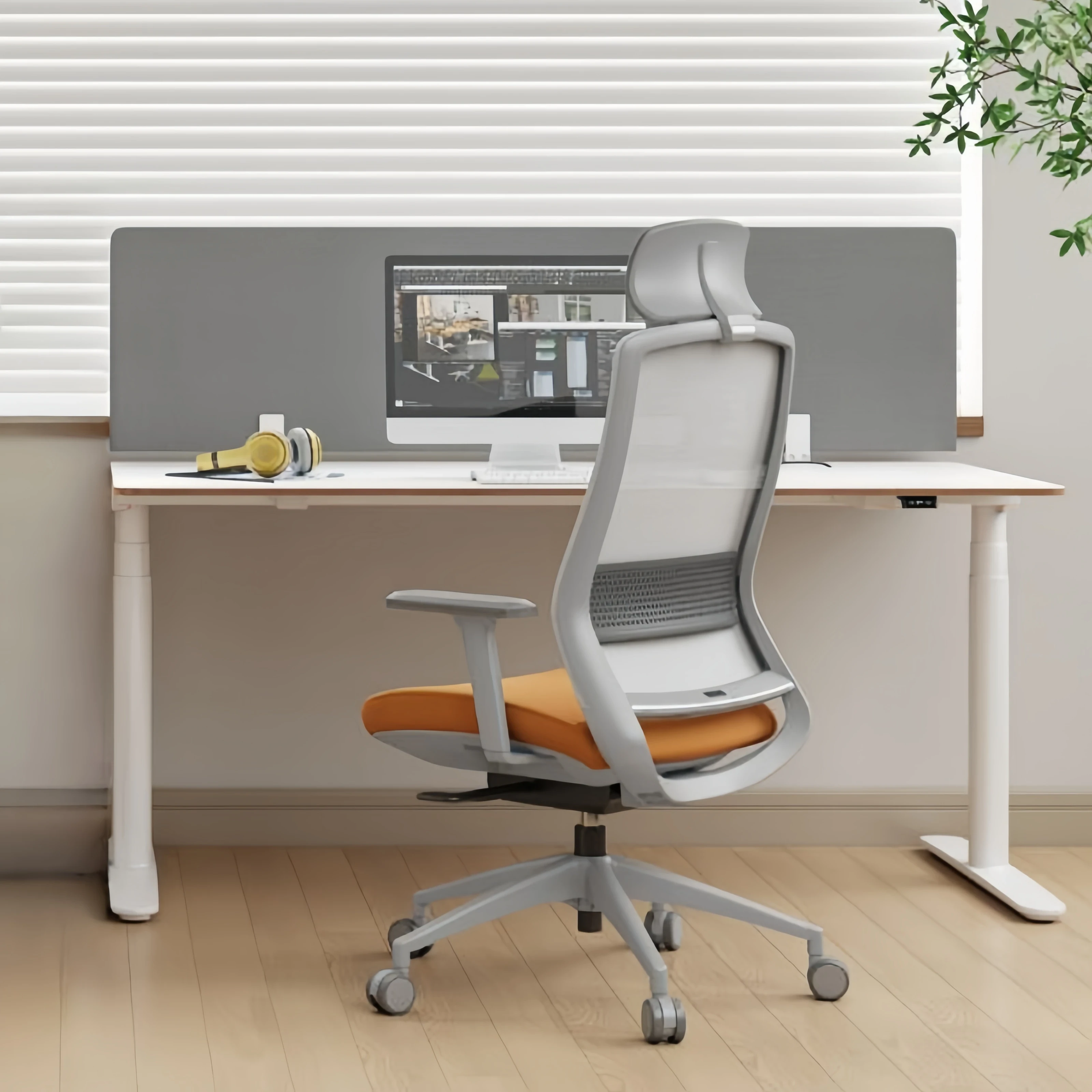



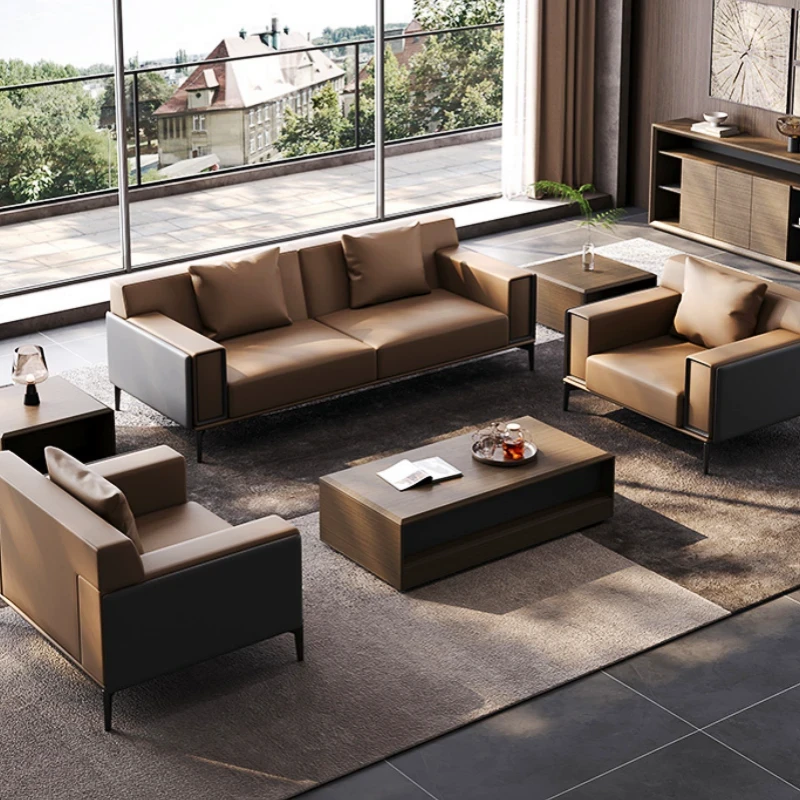
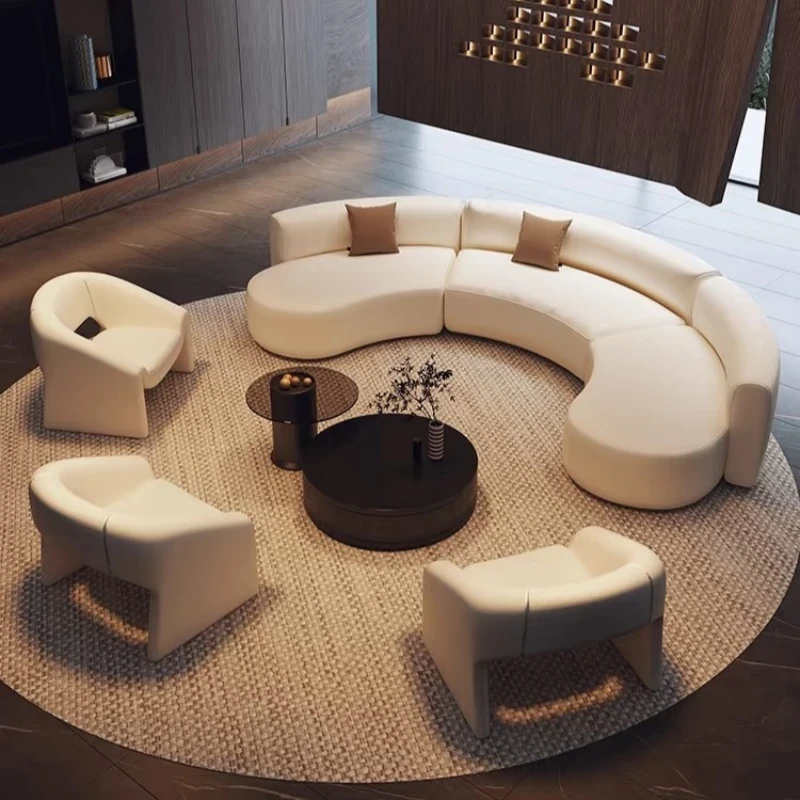
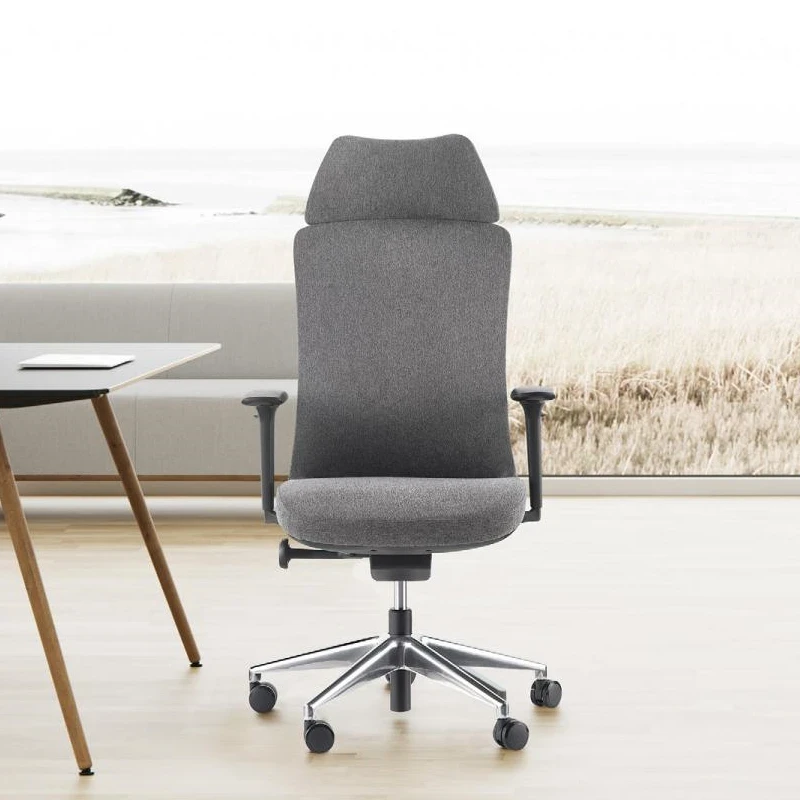


The hotel lobby is the first space guests encounter, and the visual design of the furniture directly impacts brand perception. For example:
Luxury hotels: use marble countertops, genuine leather sofas, and crystal chandeliers to convey a sense of prestige. Boutique hotels
: combine solid wood furniture with handicrafts to create a natural and rustic atmosphere.
Through consistency between furniture style and brand positioning, guests can experience an emotional connection the moment they step into the hotel.
2. Comfort and Privacy of Guest Room Furniture
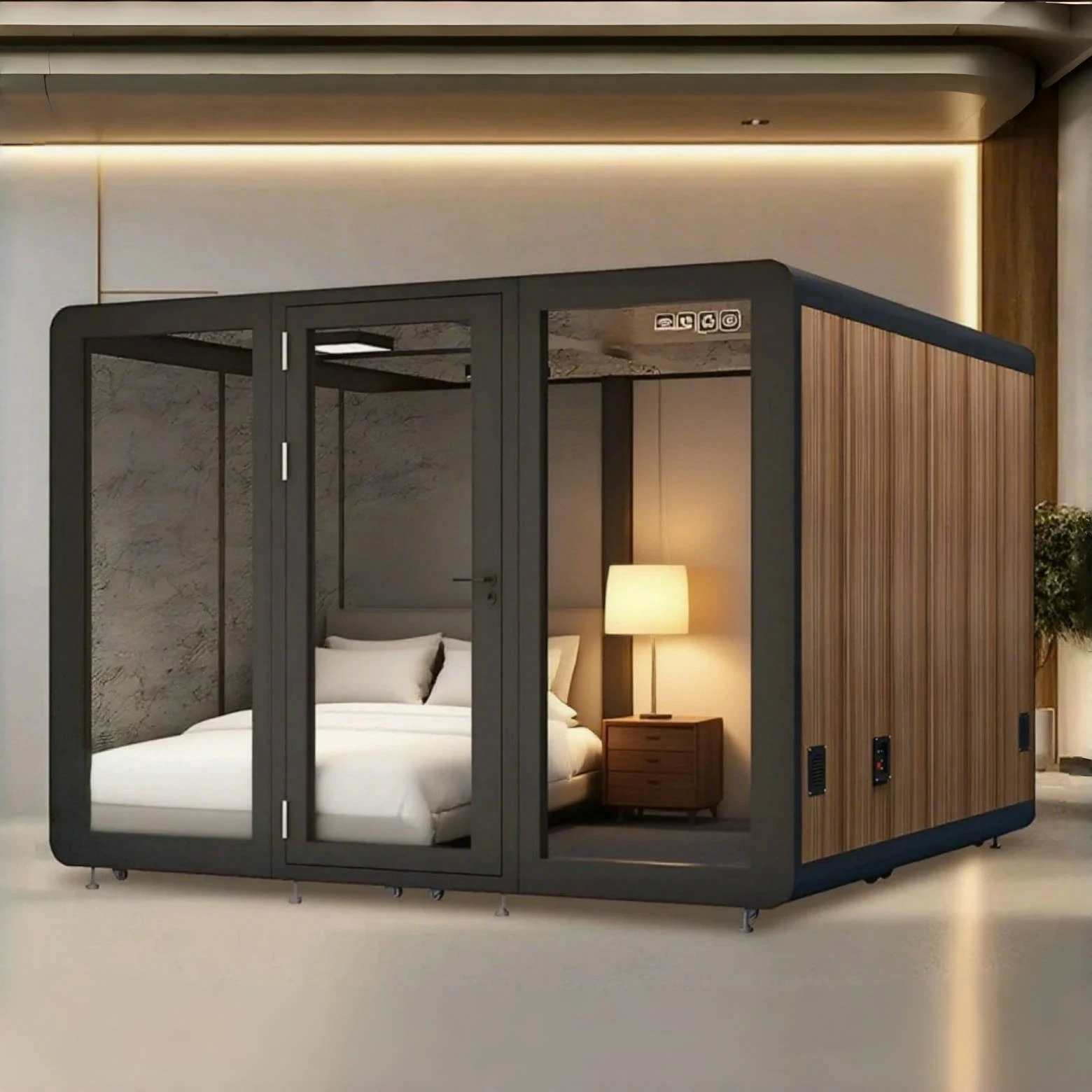
Guest room furniture needs to balance functionality and emotional needs:
Bedding design: High-thread-count bedding and ergonomic mattresses directly affect sleep quality.
Lighting and Furniture Matching: Warm-toned table lamps paired with wooden bedside tables create a relaxing, home-like atmosphere.
Hidden Storage: Built-in wardrobes and minibars keep the space tidy and reduce clutter for guests.
3. Social Attributes of Furniture in Public Spaces
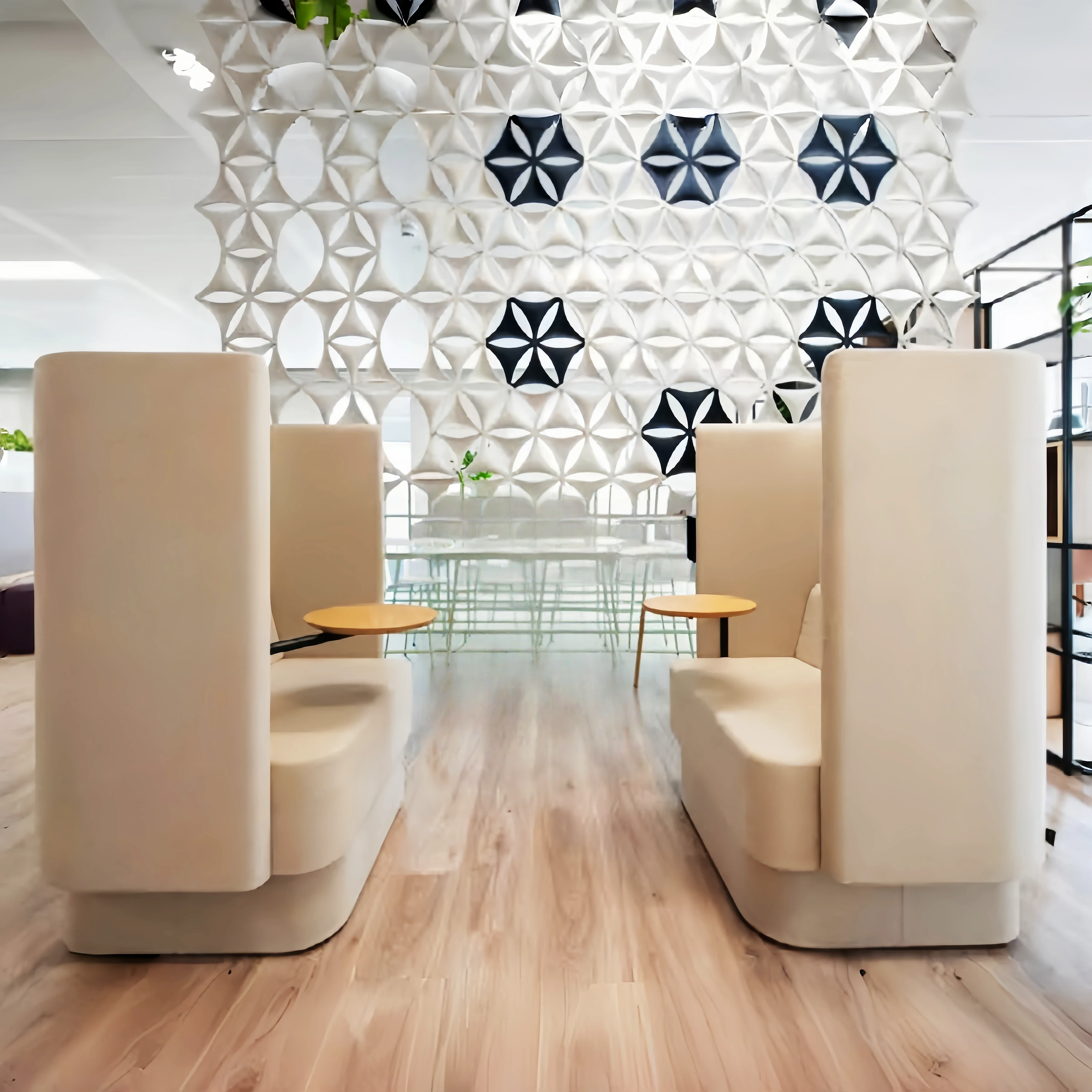
Furniture in restaurants, bars, and meeting areas needs to promote interaction:
Long tables and bar stools: encourage guest interaction, suitable for youthful brands.
Semi-enclosed booths: balance privacy and openness, suitable for business negotiations.
4. The integration of cultural symbols
conveys regional culture through furniture, enhancing memorability:
Hotels near West Lake in Hangzhou use Song Dynasty aesthetic furniture paired with ink-wash screens.
Traditional Kyoto inns recreate a Japanese tea ceremony space with tatami mats and low tables.
In conclusion,
hotel furniture has evolved from a "practical tool" to an "emotional medium." Through visual design, functional optimization, and cultural expression, furniture can deeply connect with guests' senses and emotions, creating a unique stay experience.