
 USD
USD GBP
GBP
 EUR
EUR

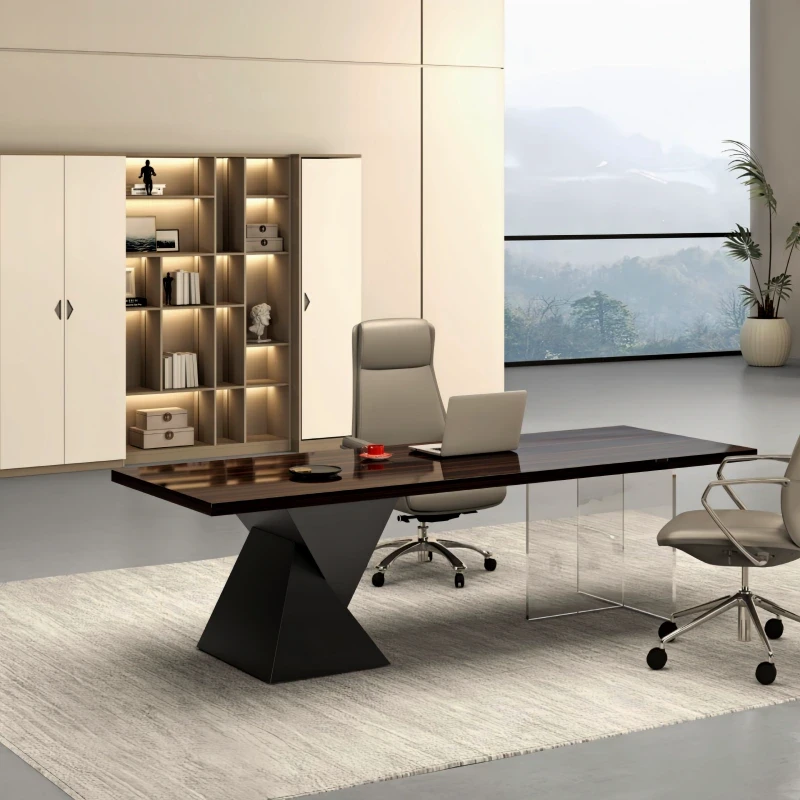


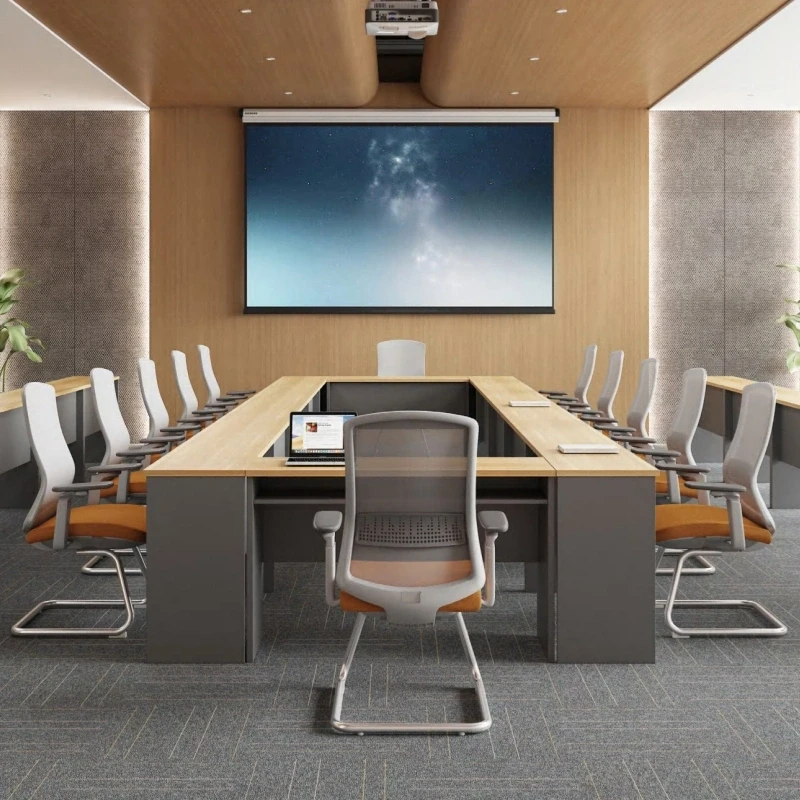

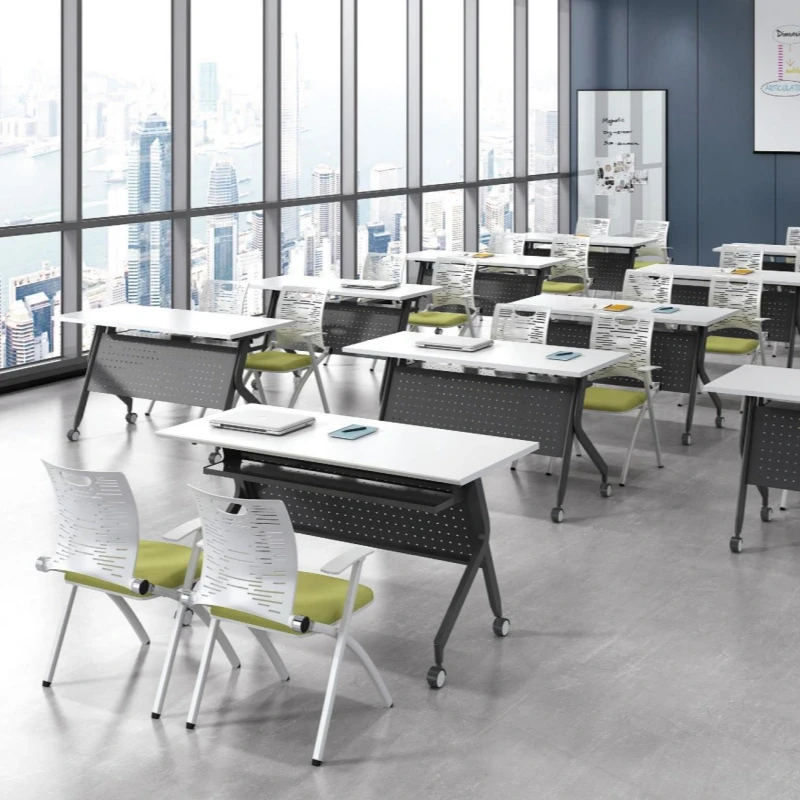










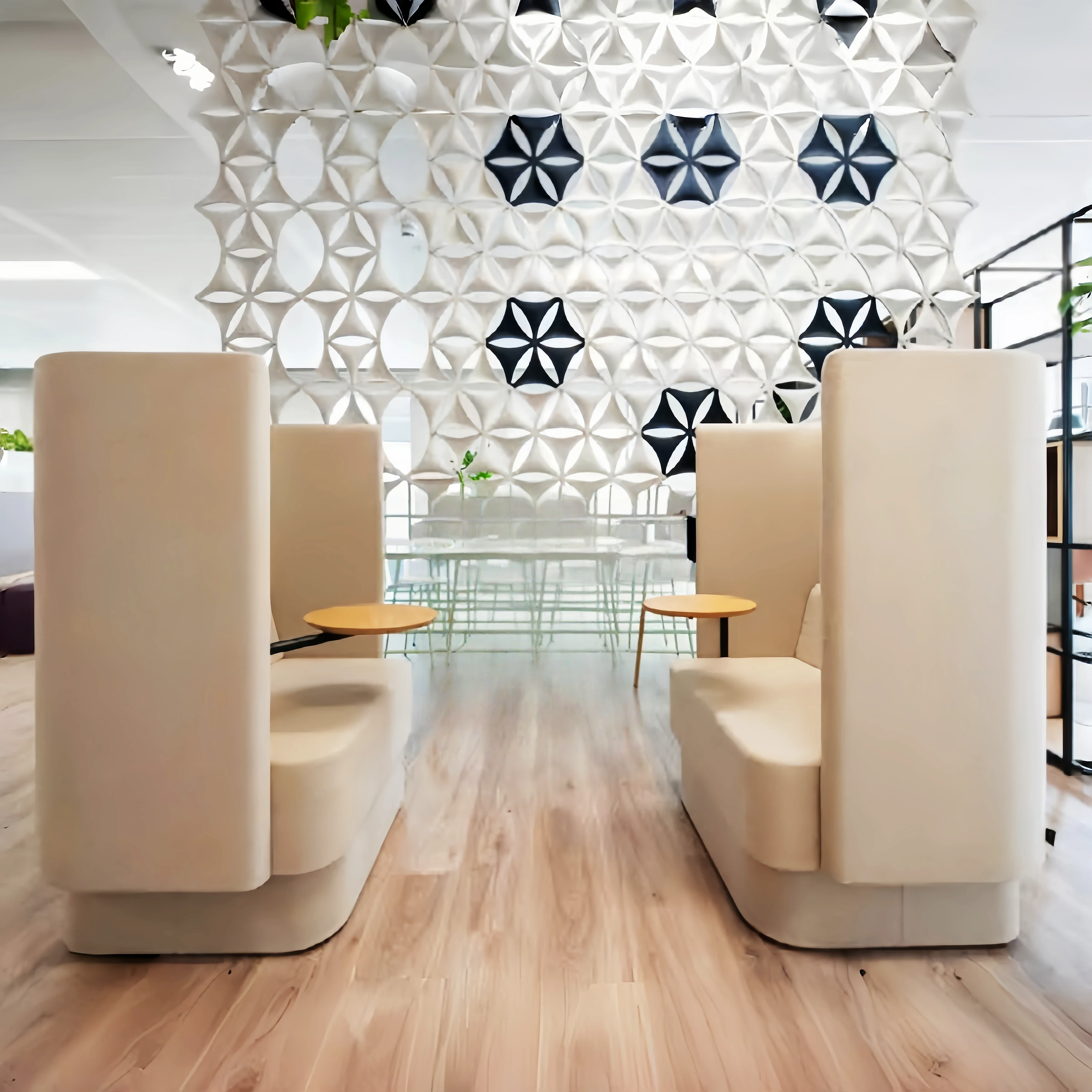

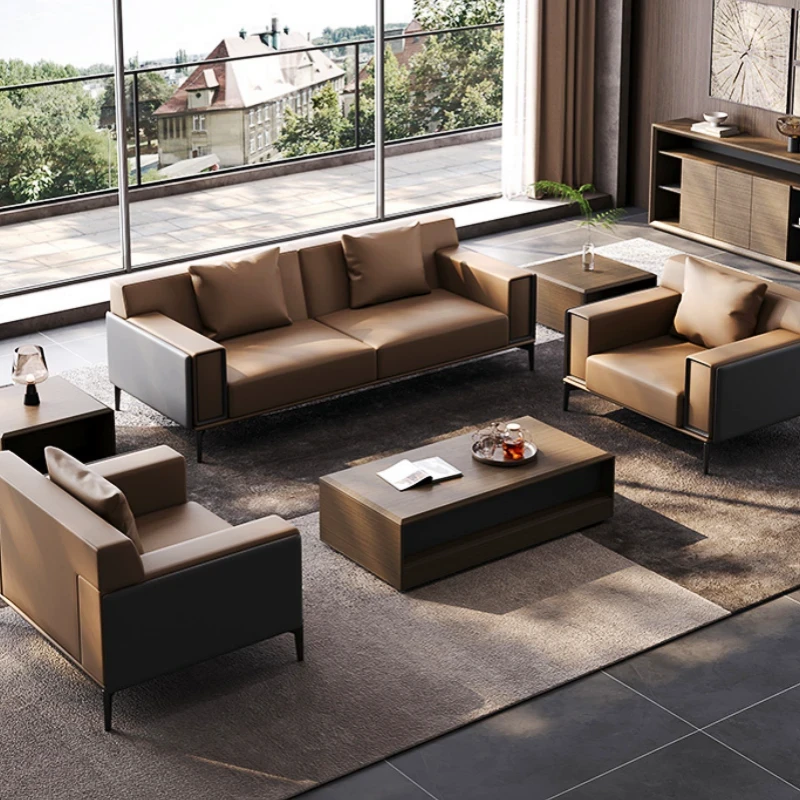
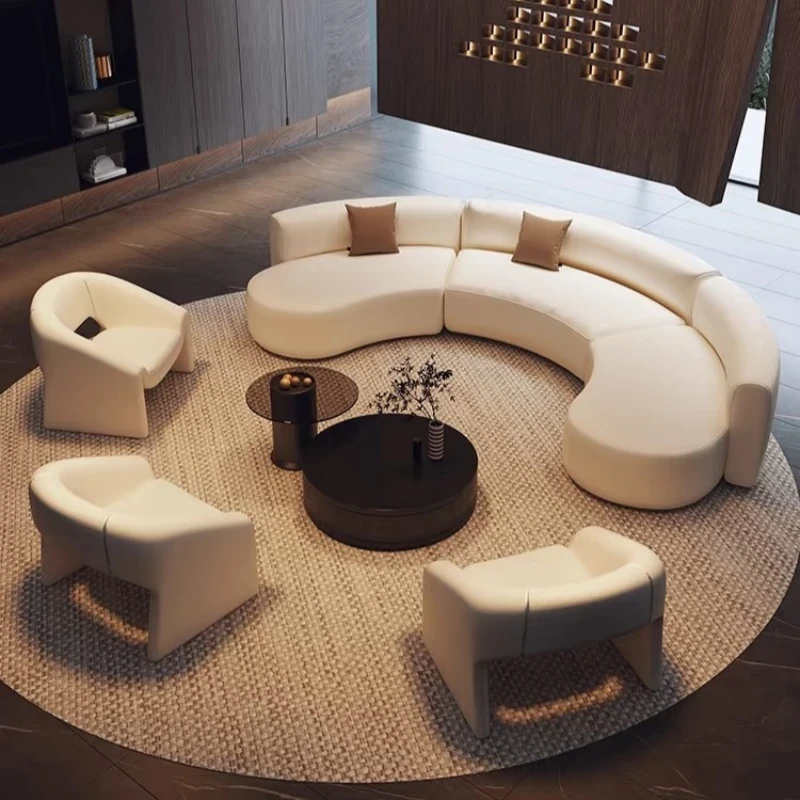
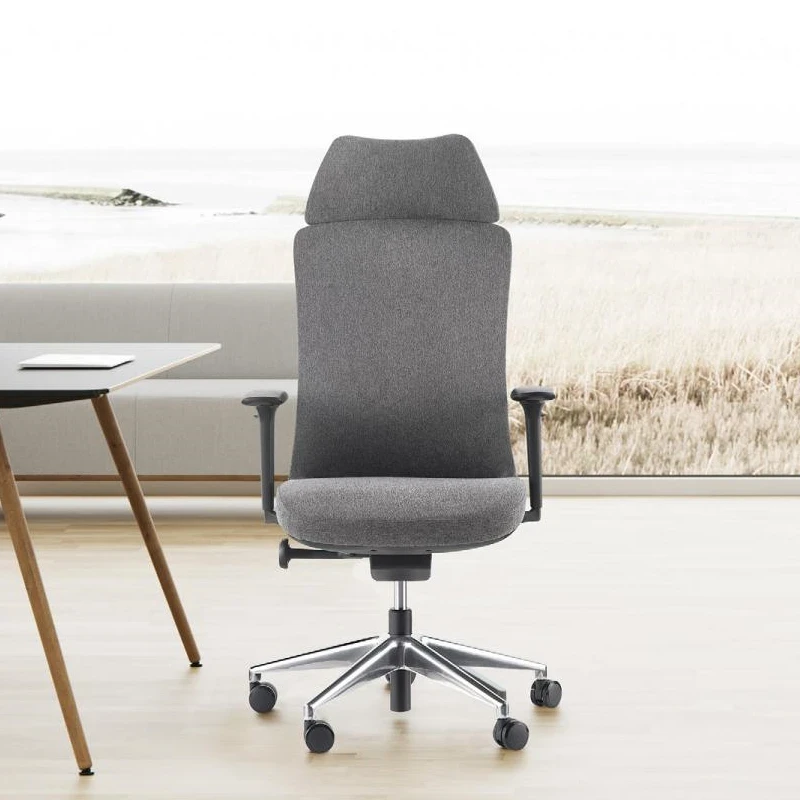


The core of eco-friendly furniture lies in its materials. Traditional furniture often uses formaldehyde-containing plywood or non-renewable wood, while modern green furniture shifts towards bamboo, recycled wood, FSC-certified wood (Forest Stewardship Council certified), and recyclable metals. For example, bamboo has a short growth cycle and requires no pesticides, making it an ideal alternative to solid wood; furniture made from recycled plastics reduces dependence on petroleum resources.
2. International Environmental Certification Systems:
Major global environmental certifications include:
GREENGUARD certification: Ensures that the volatile organic compounds (VOCs) released by furniture meet health standards.
Cradle to Cradle (C2C): Emphasizes the recyclability and lifecycle management of materials.
LEED certification: A comprehensive environmental standard covering building and interior design; hotels can obtain scores by using certified furniture.
Certified furniture not only reduces the risk of allergies for guests but also helps hotels apply for green building certification, attracting environmentally conscious customers.
3. Sustainable Design Practices:
Modular design: For example, InterContinental Hotels uses disassembled and reassembled furniture to extend its lifespan and reduce waste.
Local sourcing: Reduces carbon emissions from transportation; for example, Southeast Asian hotels use locally made rattan furniture.
Upcycling: Redesigning discarded furniture into art installations or functional pieces, giving them new life.
Conclusion:
Environmental certification and sustainable design are not only trends, but also the social responsibility of the hotel industry. By selecting materials scientifically, adhering to international standards, and innovating in design, hotels can enhance their competitiveness and contribute to the sustainable development of the planet.