
 USD
USD GBP
GBP
 EUR
EUR
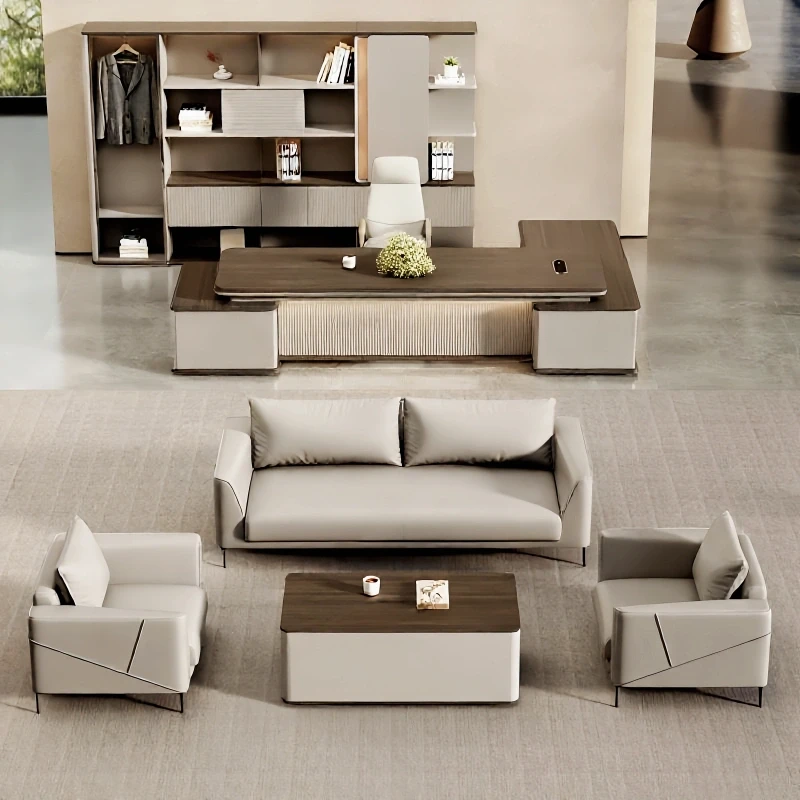
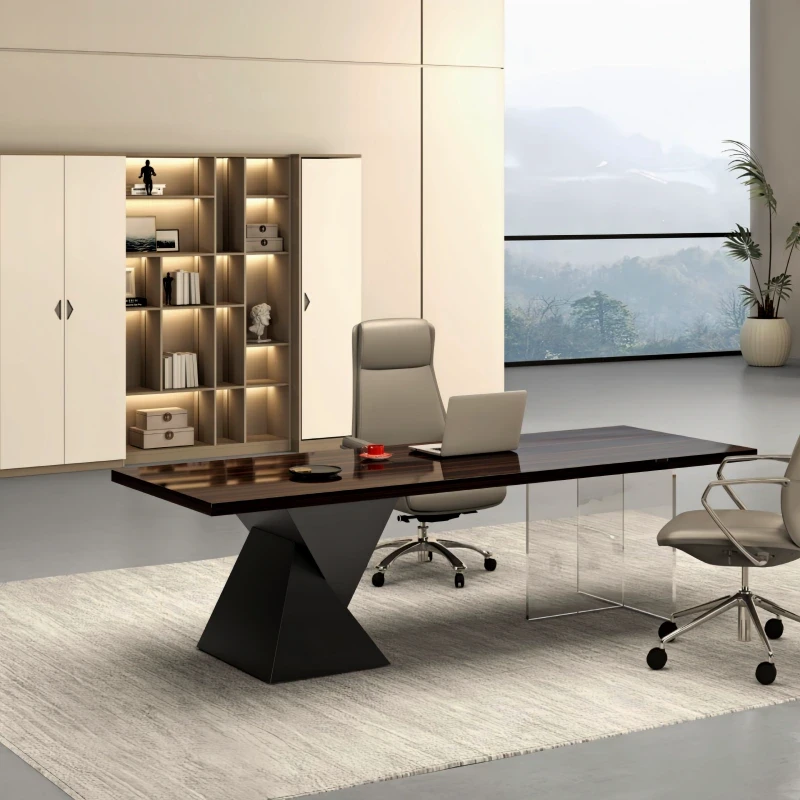


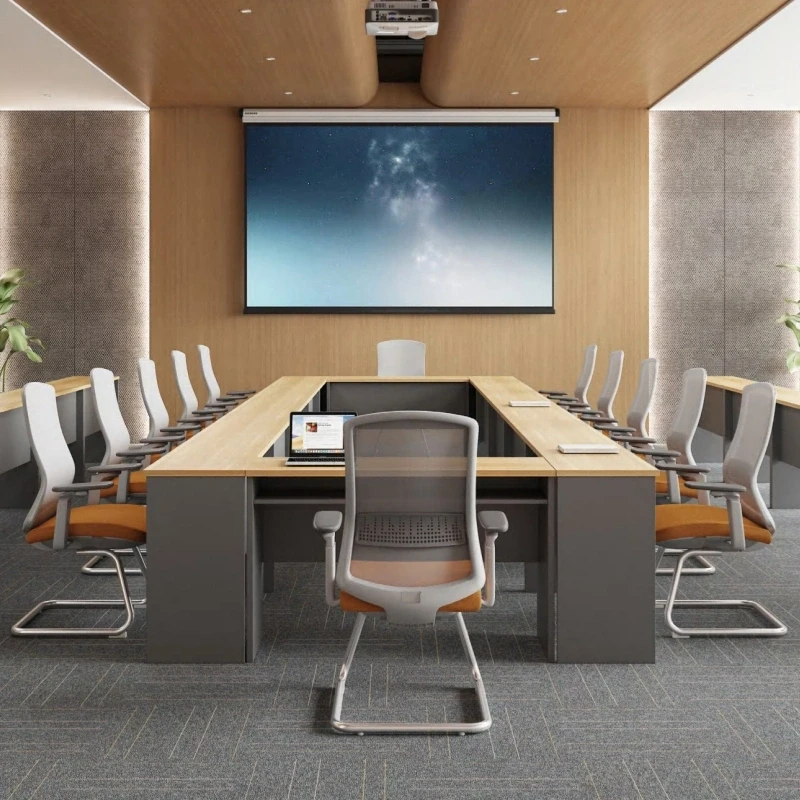
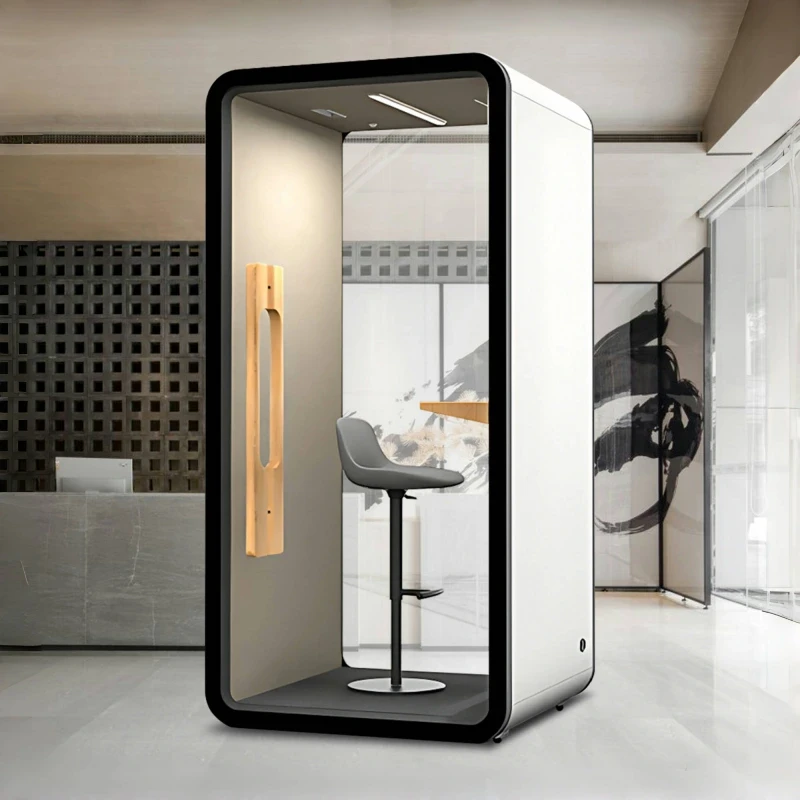
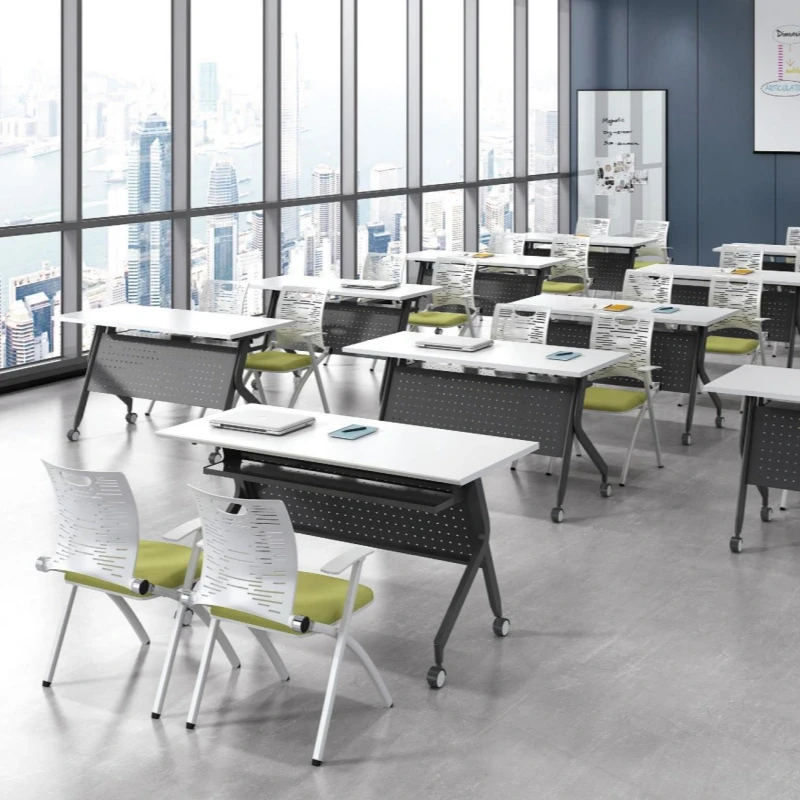
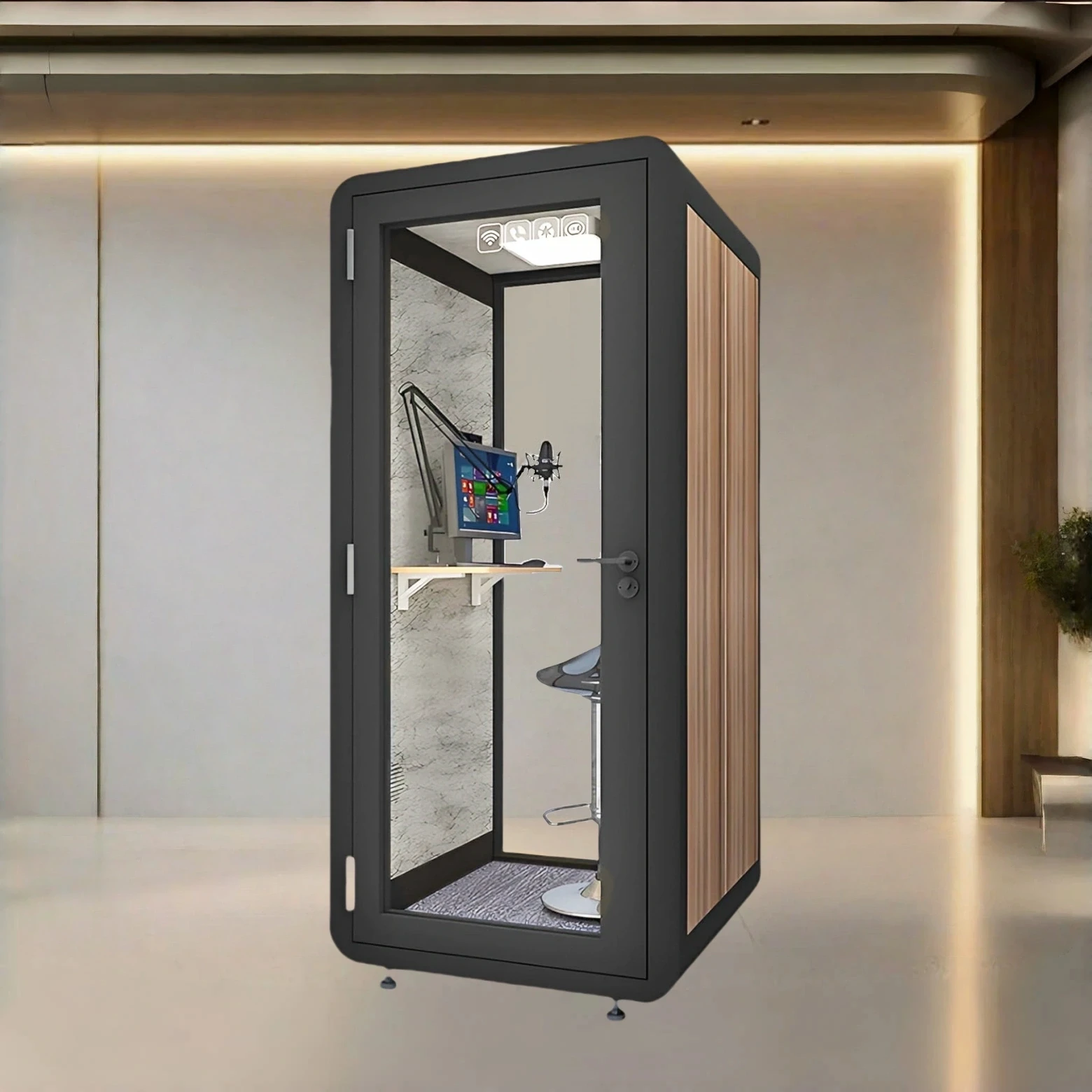
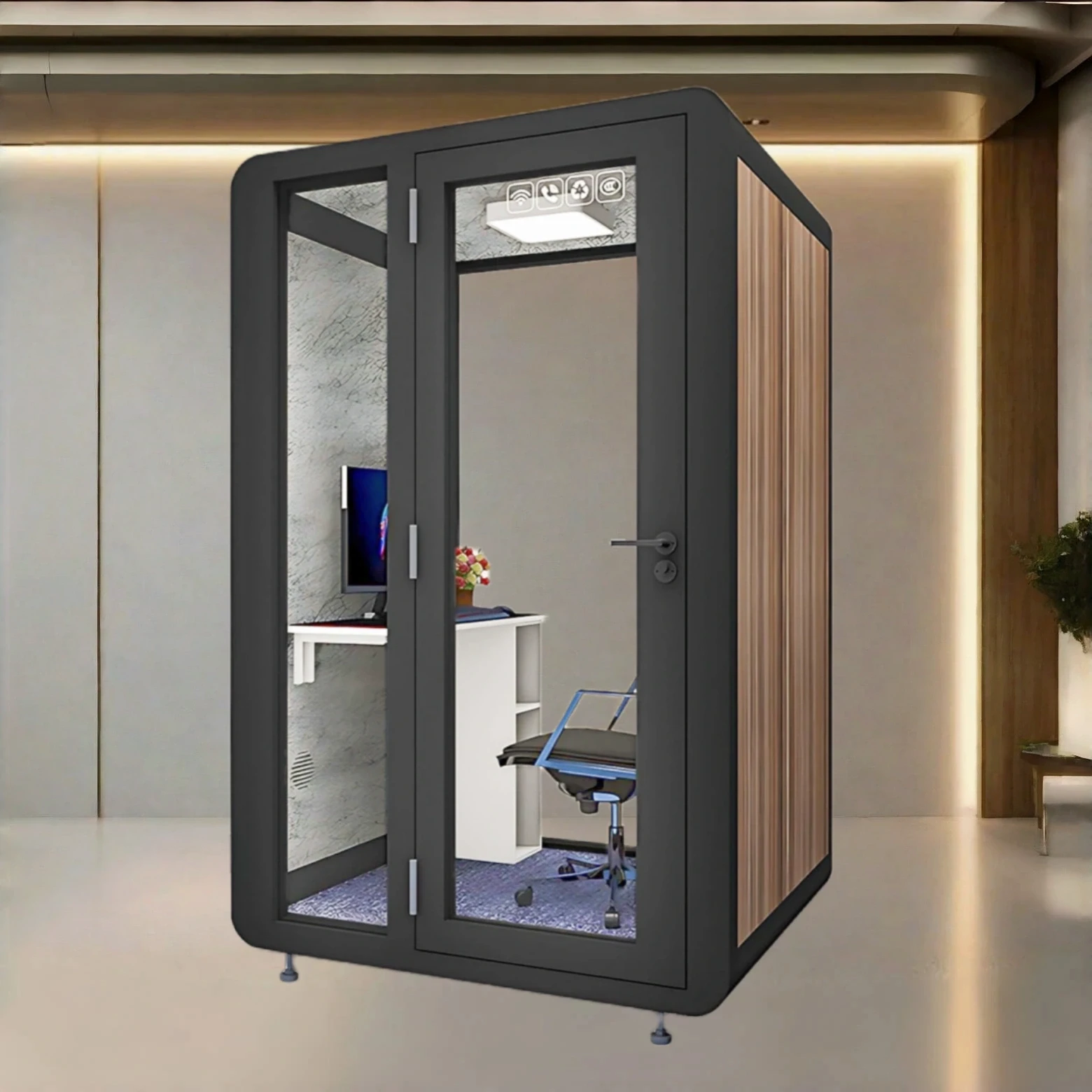
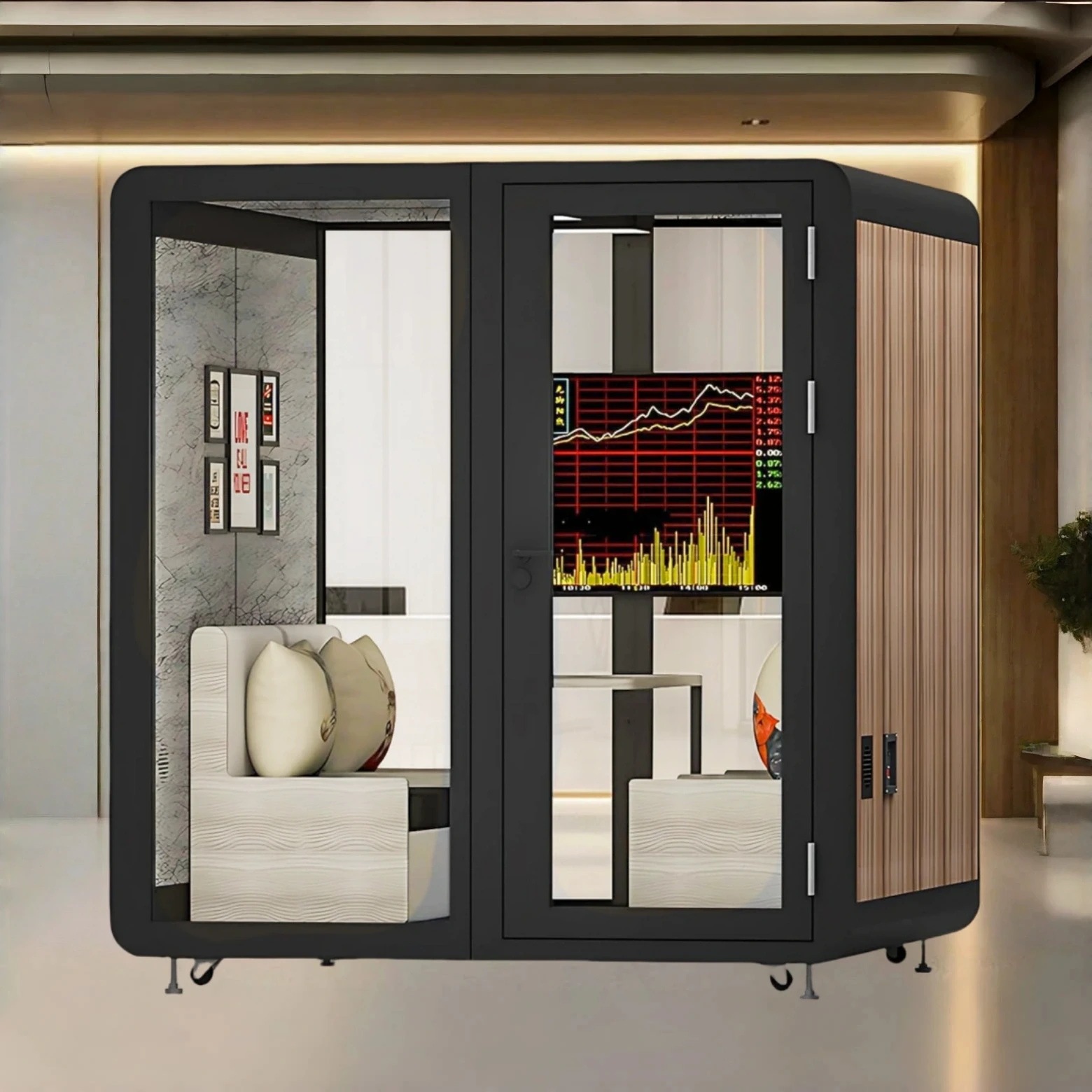
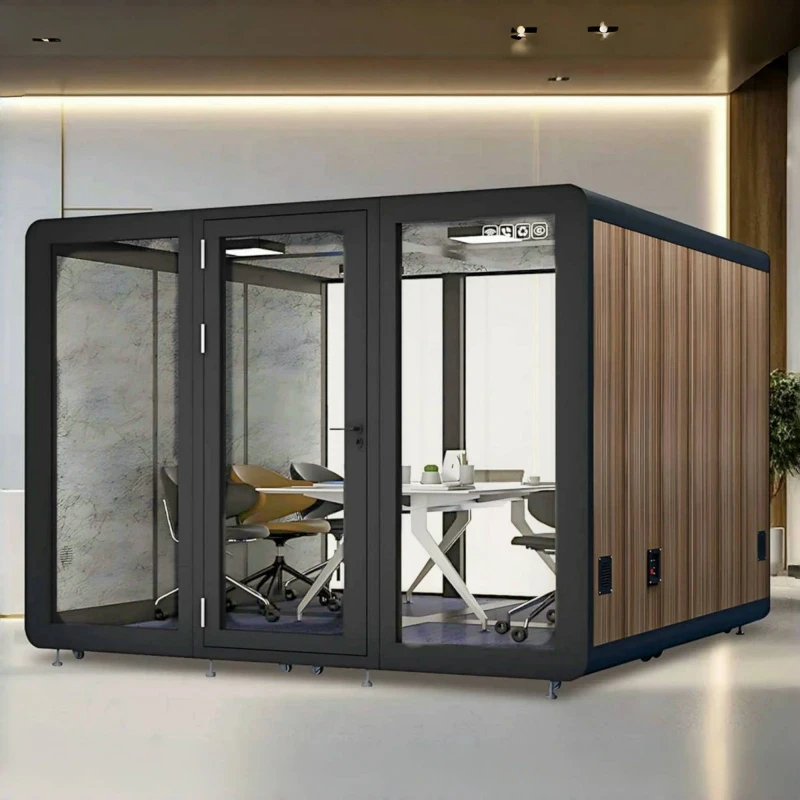
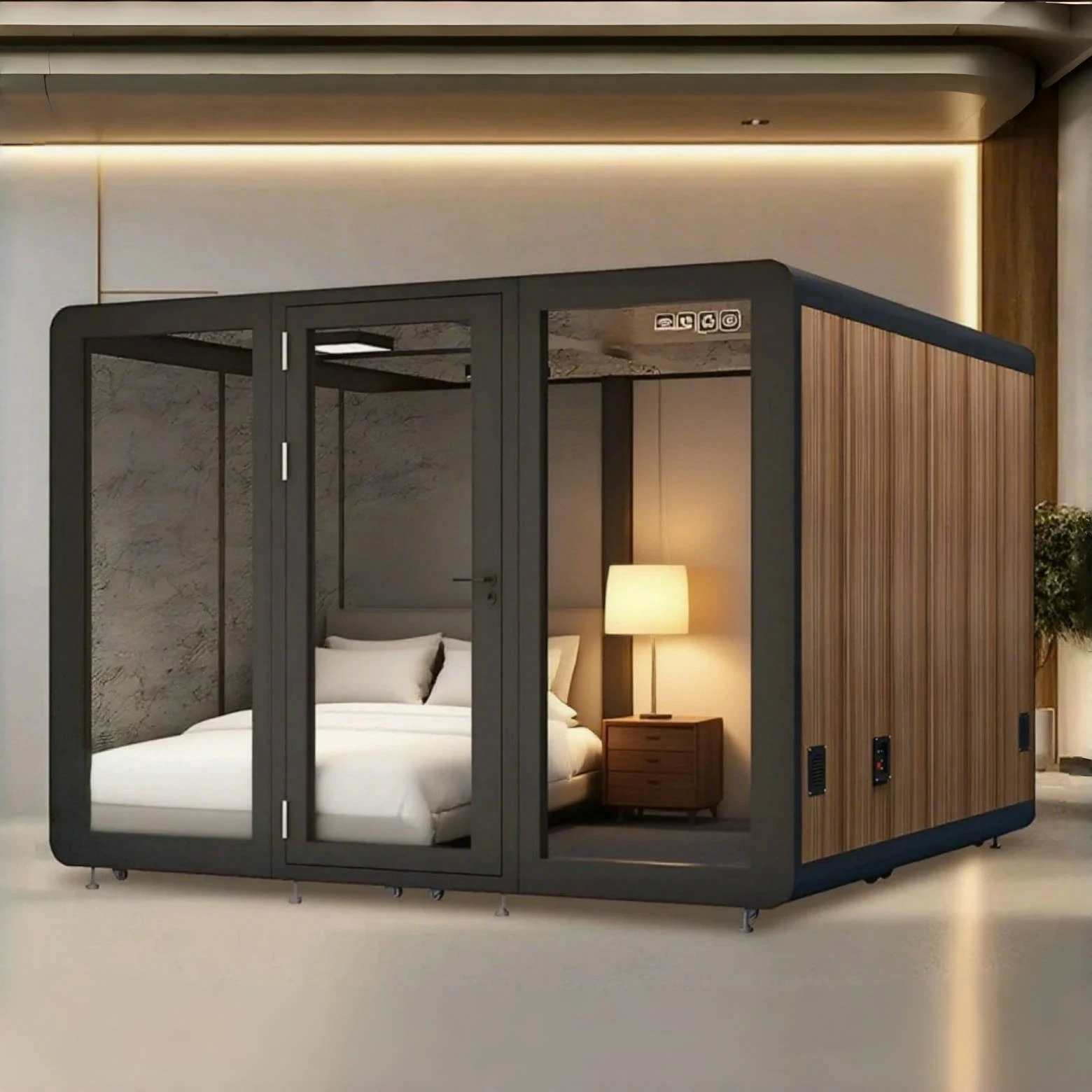


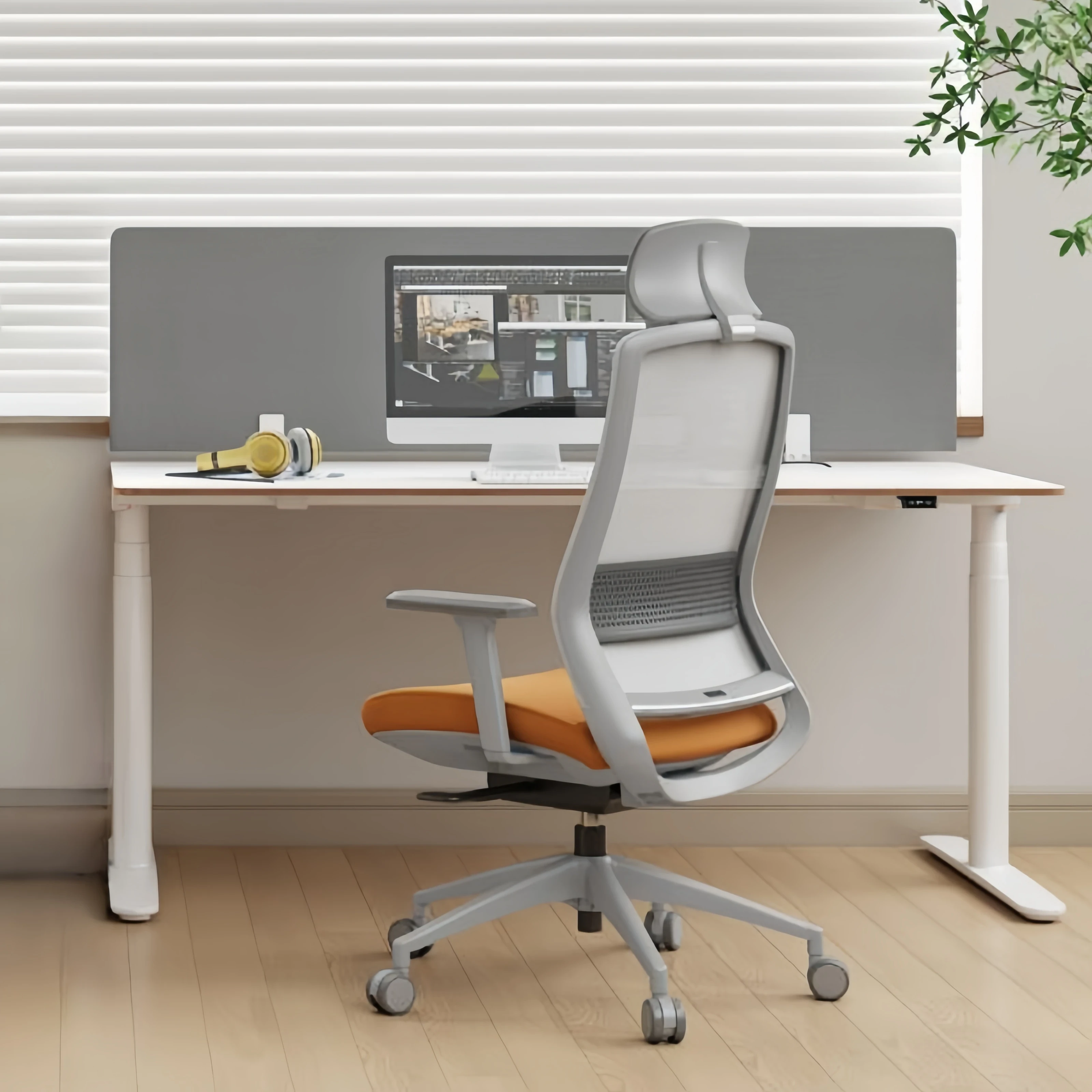


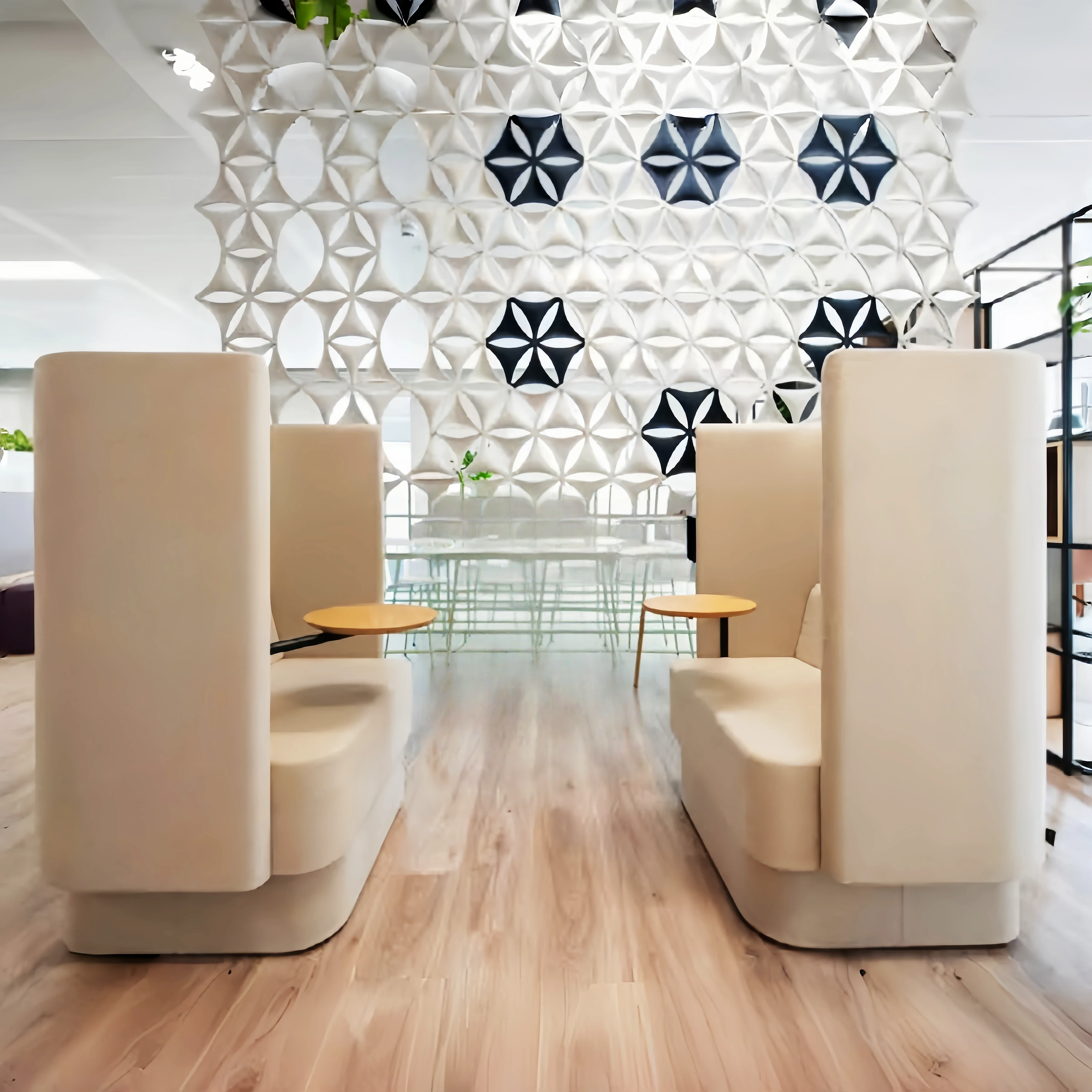

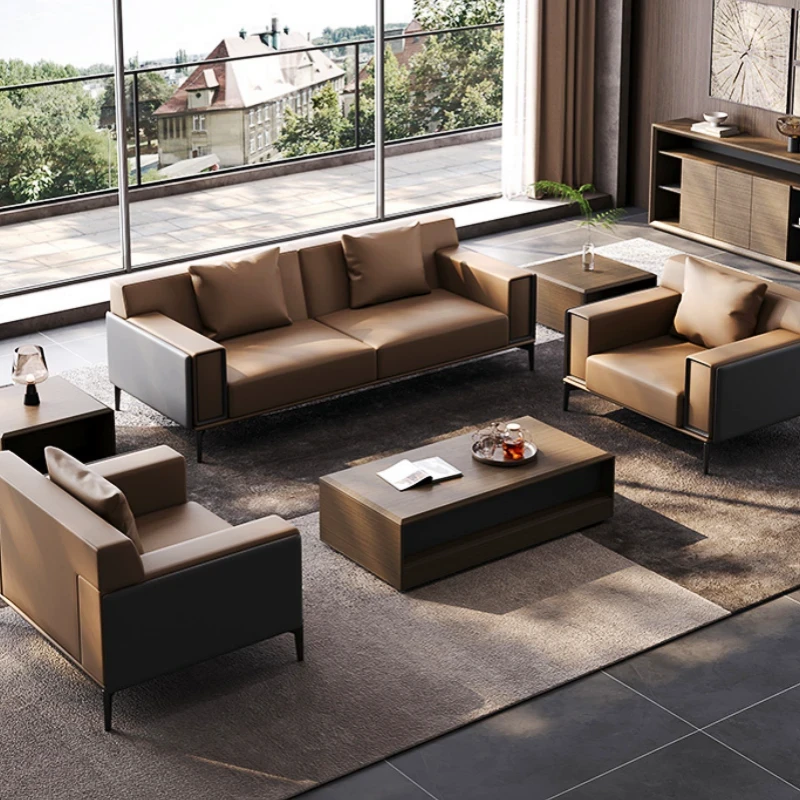
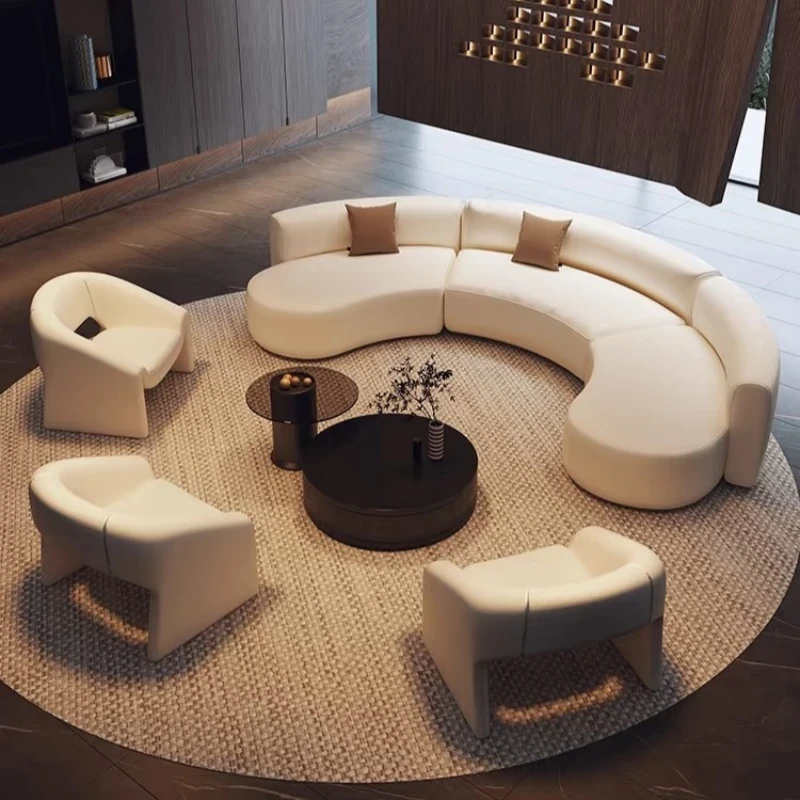
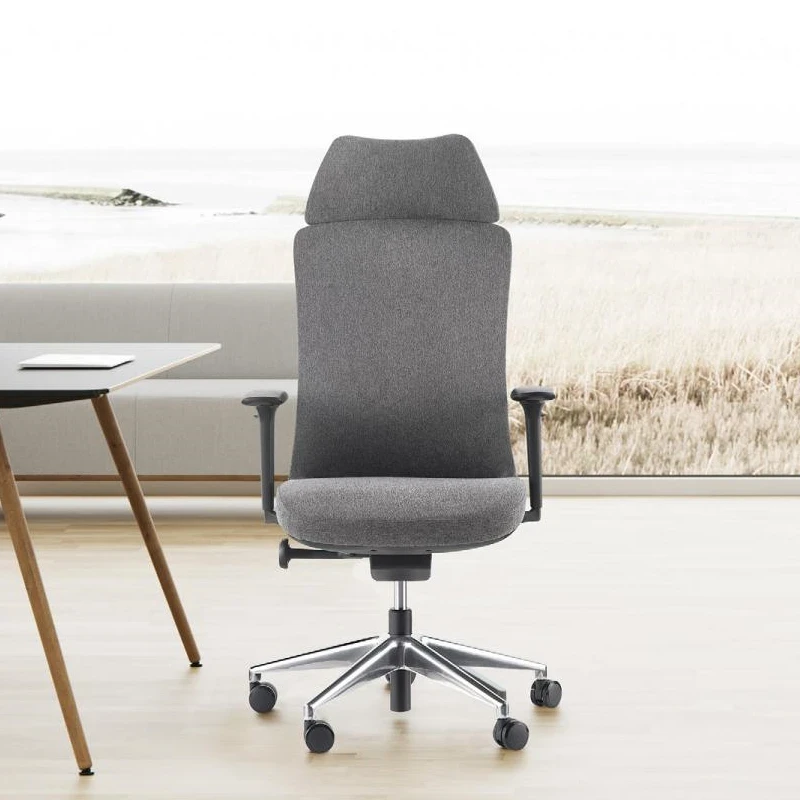


1. Clarifying Functional Needs
Leaders in different positions have different needs for office furniture. For example, a CEO might need a spacious desk to handle large amounts of paperwork and conduct strategic planning, while a sales director might need more display space for client presentations. Therefore, understanding the specific responsibilities and workflows of leaders is the first step in customized design.
2. Optimizing Space Utilization
Efficient space utilization not only improves work efficiency but also creates a comfortable working environment. Based on the office's area and layout, rationally arrange different functional areas such as desks, meeting areas, and rest areas, ensuring smooth connections between areas and avoiding overcrowding or waste of resources.
II. Aesthetic Design: Conveying Brand and Leadership Style
1. Design Style Consistent with Corporate Culture
The design style of the leader's office should be consistent with the company's overall culture and brand image. For example, a technology company can choose a modern minimalist style to highlight a sense of technology and innovation; while a traditional company can choose a classic and sophisticated design to showcase stability and authority.
2. Use of Color and Materials
Color and materials play a crucial role in creating the office atmosphere. Choosing calming colors such as dark blue and gray can convey a professional and trustworthy image; adding some bright accents, such as orange or green, can enhance the vitality of the space. In terms of materials, the reasonable combination of wood, metal, glass, and other materials not only enhances the visual layering but also reflects the leader's taste and the company's level.
3. Personalized Customization Elements
While ensuring overall aesthetics, adding personalized design elements, such as customized bookshelves, distinctive lighting, and artistic decorations, can make the leader's office more unique and personal, enhancing the space's approachability and recognizability.
III. Functional Design: Improving Work Efficiency and Comfort
1. Ergonomic Furniture
The burden on the body from prolonged office work cannot be ignored. Choosing office chairs and desks that conform to ergonomic principles can effectively alleviate cervical and lumbar spine problems, improving work comfort and concentration. In addition, the height adjustability of furniture and the reasonable layout of storage functions can further optimize the user experience.
2. Efficient Storage and Organization
The leader's office needs to handle a large number of documents and materials, and sufficient storage space is essential. Customized bookshelves, filing cabinets, drawers, etc., can not only keep the office space tidy but also facilitate quick and easy retrieval of required materials, improving work efficiency.
3. Technological Integration and Intelligence
Modern office environments increasingly rely on technology. Custom furniture design should consider the integration needs of various electronic devices, such as computers, printers, and monitors, ensuring the reasonable arrangement of power outlets and data cables to avoid clutter. Simultaneously, introducing intelligent functions, such as intelligent lighting and temperature control systems, can further enhance the convenience and comfort of the office environment.
4. Multifunctional Space Design:
The leader's office is not only a workplace but also a space for receiving clients and team discussions. By designing movable furniture and flexible layouts, a multifunctional office environment can be created to meet the needs of different scenarios, improving space utilization and flexibility.
IV. Strategy for Balancing Aesthetics and Functionality
1. Combining Overall Unity with Local Innovation:
In the design process, maintaining overall style consistency while innovating in certain details can achieve functional diversification without compromising overall aesthetics. For example, choosing furniture with a unified color scheme and then using unique desktop designs or customized storage solutions can achieve both harmony and practicality.
2. Dual Considerations for Material Selection:
Choosing materials that are both aesthetically pleasing and durable is an important way to achieve a balance between aesthetics and function. High-quality materials such as wood, stainless steel, and glass not only have good visual effects but also high durability and ease of maintenance, ensuring that the furniture maintains its beauty and functionality over long-term use.
3. Modular Design and Flexibility:
Modular furniture design offers high flexibility, allowing for combination and adjustment based on actual needs. This design not only meets different functional requirements but also enables dynamic space adjustment without altering the overall style, adapting to changes in business development.
V. Case Analysis and Practical Guidance
1. Successful Case Sharing:
By analyzing successful customized leadership office design cases, such as the modern minimalist design of a technology company CEO's office or the classic and grand design of a financial company president's office, we can learn from their experience and strategies in balancing aesthetics and function and apply them to our own designs.
2. Considerations for Design Implementation
: During the actual design and implementation process, the following points should be noted:
Thorough Communication with Leadership: Understand the leadership's preferences, needs, and work habits to ensure the design meets their personal requirements.
Budget Control and Value Maximization: Within a limited budget, achieve optimal aesthetics and functionality through reasonable material selection and design.
Professional Design and Construction Team: Select experienced designers and construction teams to ensure high-quality implementation of the design.
VI. Conclusion:
In customized leadership office furniture design, balancing aesthetics and function is key to improving work efficiency. By deeply understanding the role and needs of leaders, making reasonable use of color and materials, emphasizing ergonomics and technological integration, and combining a design strategy of overall unity with localized innovation, it is possible to create a visually impactful yet practical and efficient leadership office space. Ultimately, a well-designed leadership office not only improves the leader's work efficiency but also conveys the company's culture and values, laying a solid foundation for the company's long-term development.