
 USD
USD GBP
GBP
 EUR
EUR


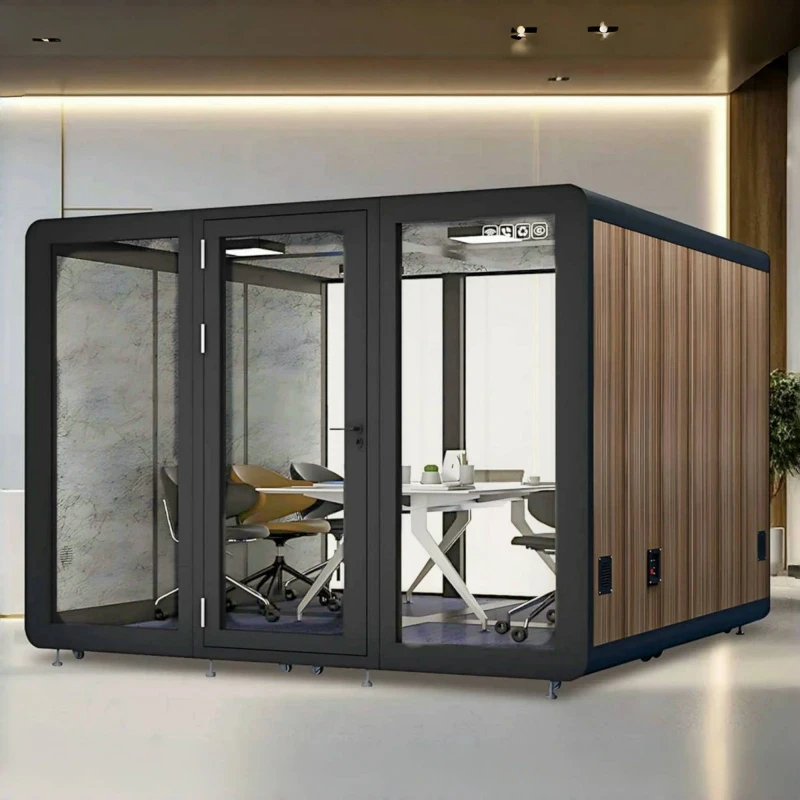
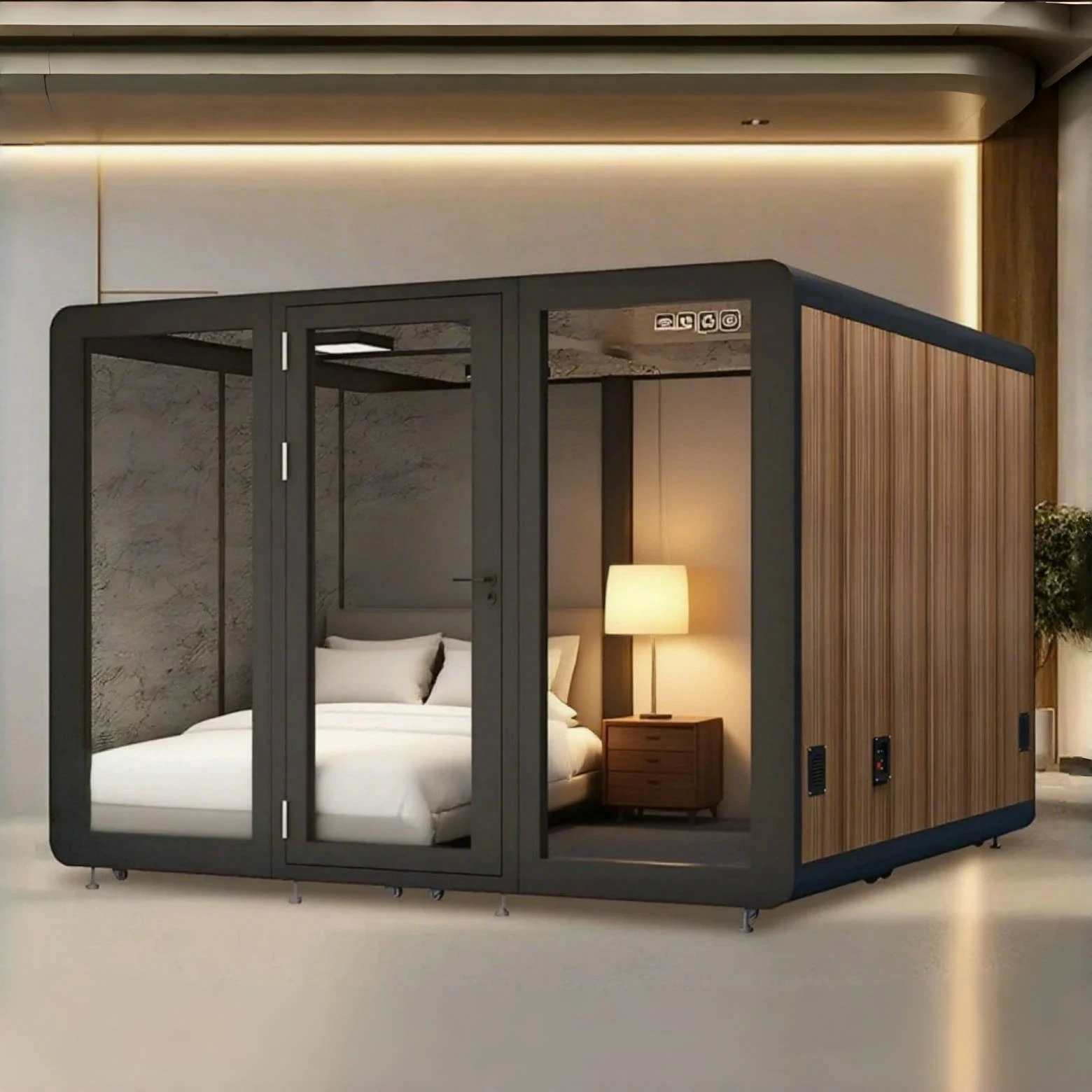


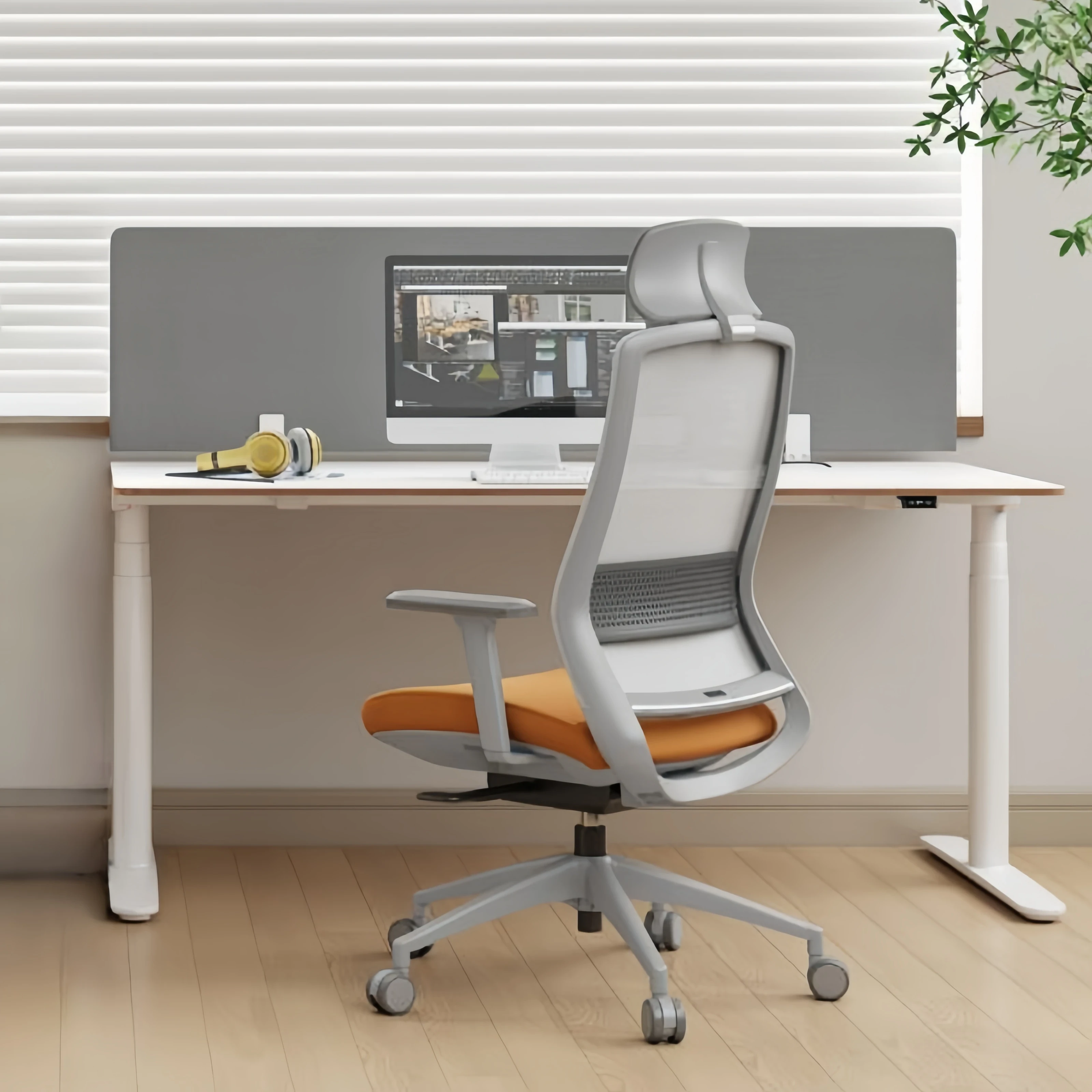


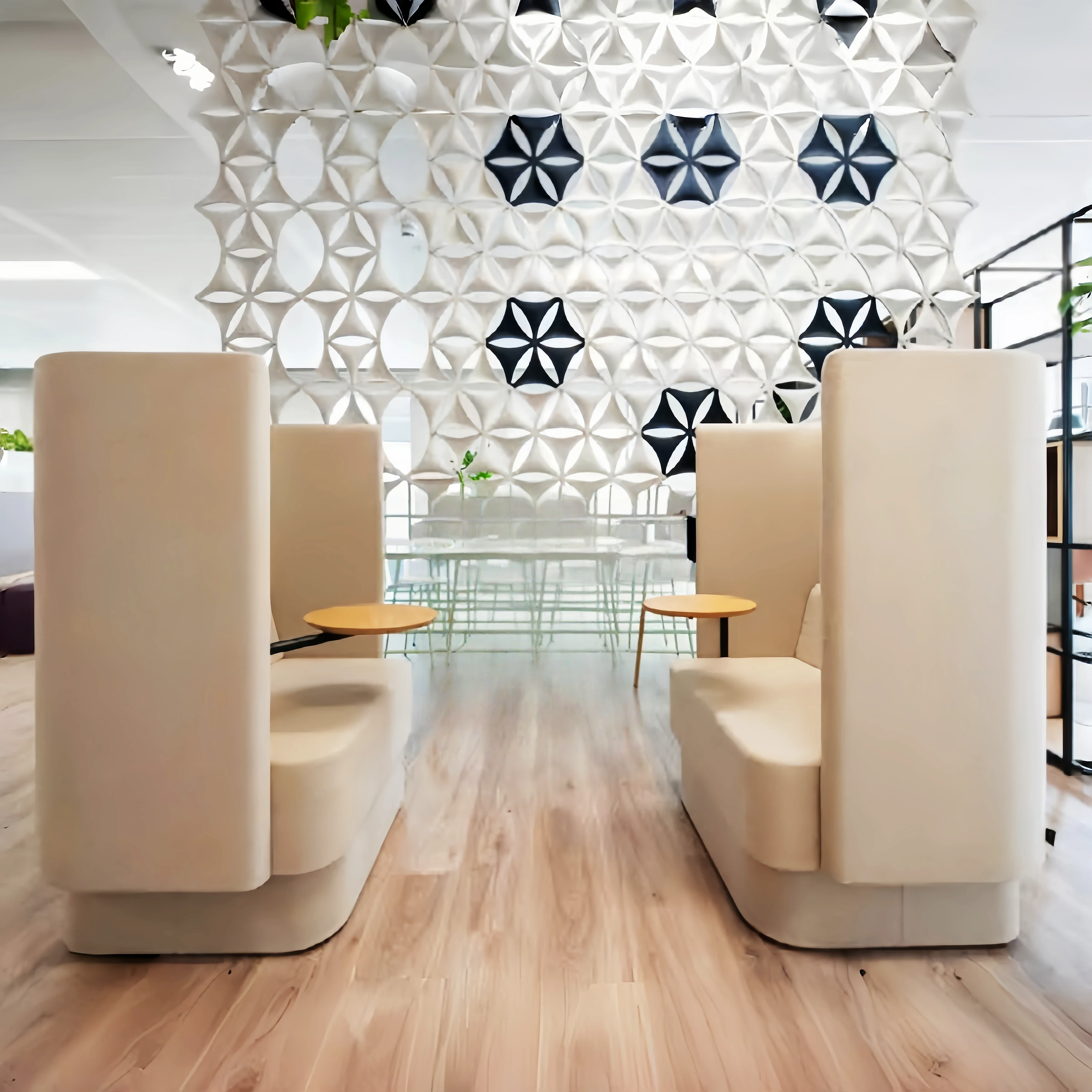

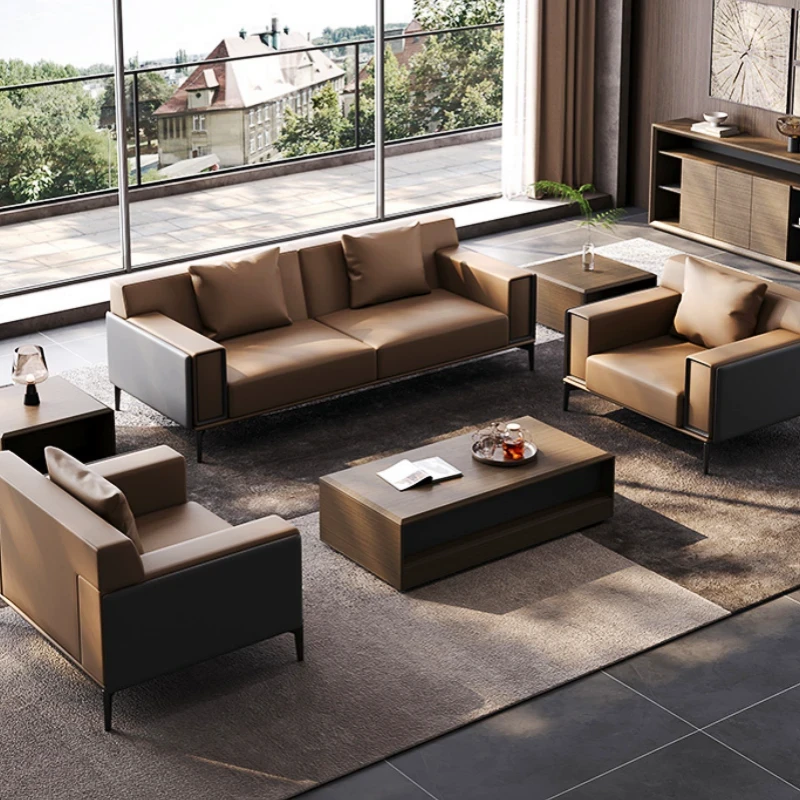
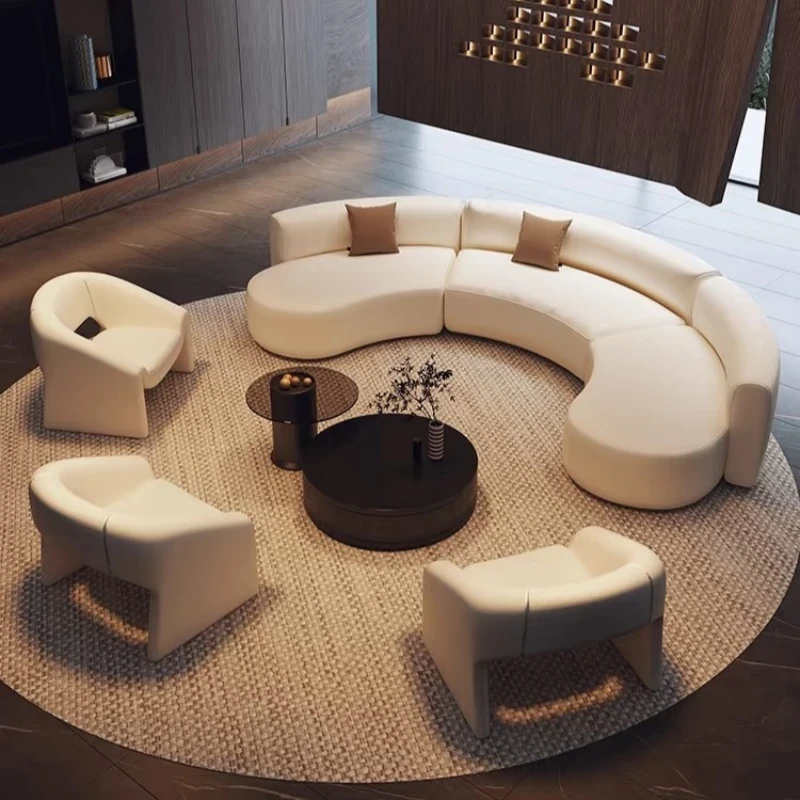
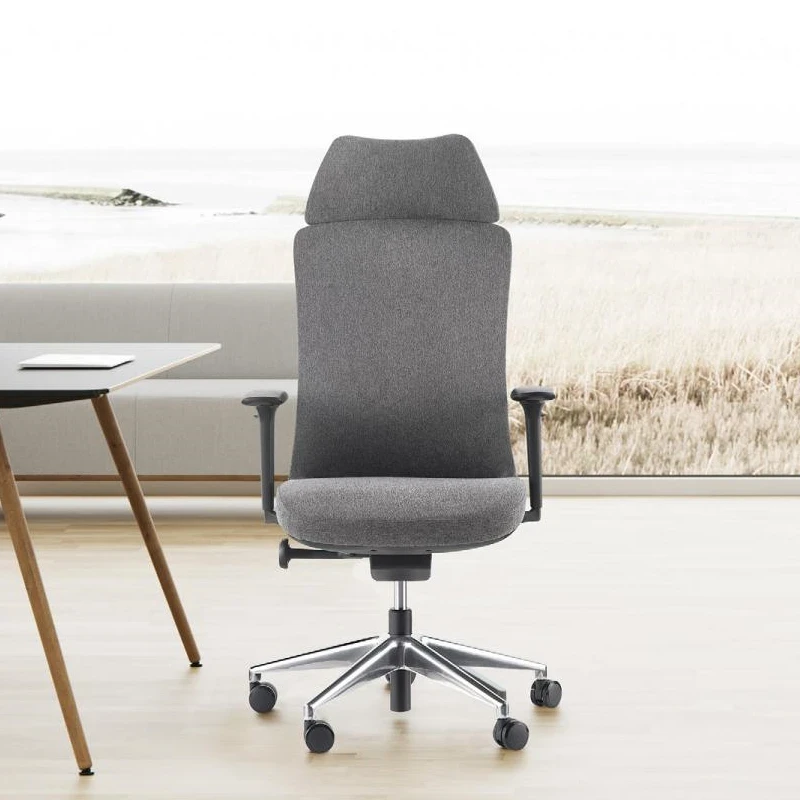


When purchasing outdoor furniture, selecting high-quality, durable materials is the first step to extending its lifespan.
1. Metal Furniture
Metal furniture, such as aluminum alloy, stainless steel, and wrought iron furniture, is sturdy and durable. Aluminum alloy is lightweight and rust-resistant, stainless steel has excellent corrosion resistance, and wrought iron furniture is even more robust. However, metal furniture still needs to be checked regularly for signs of corrosion or rust and treated promptly.
2. Natural Wood
Teak, bamboo, cedar, and other natural woods are widely used in outdoor furniture due to their natural weather resistance. Regular wood care, such as oiling or applying waterproofing agents, can effectively extend the lifespan of wooden furniture and prevent cracking, warping, and insect infestation.
3. Synthetic Rattan
Synthetic rattan furniture is lightweight, easy to clean, and highly weather-resistant. Compared to natural rattan, synthetic rattan is less prone to fading and warping, making it suitable for long-term outdoor use.
4. Plastics and Resins
High-quality outdoor-grade plastic and resin furniture is waterproof, mildew-proof, and easy to clean, suitable for various climatic conditions. However, it is important to choose products resistant to ultraviolet rays to prevent discoloration or cracking due to prolonged exposure to sunlight.
II. Regular Cleaning and Maintenance
Keeping outdoor furniture clean not only enhances its appearance but also prevents dirt and mold growth, extending its lifespan.
1. Remove Dust and Dirt:
Regularly remove dust and dirt from the furniture surface using a soft brush or damp cloth. For stubborn stains, use mild soapy water or a specialized cleaner, but avoid using strong acids or alkalis to prevent damage to the material surface.
2. Mold Prevention:
Mold easily grows in humid environments, especially on wooden and rattan furniture. Regularly treat with an anti-mold agent and keep the furniture dry. Additionally, ensure the furniture is thoroughly dried after use to prevent prolonged dampness and mold growth.
3. Protective Coating:
For wooden furniture, regularly apply waterproof oil or wood wax oil to form a protective layer, preventing moisture penetration and UV damage. Metal furniture can be coated with rust-preventive paint to increase corrosion resistance.
III. Proper Storage and Protection:
Proper storage and protection are crucial for extending the lifespan of outdoor furniture and can effectively reduce environmental damage.
1. Use Protective Covers:
Using a dedicated outdoor furniture protective cover can effectively prevent rain, dust, and direct sunlight. 1. Choose waterproof and breathable covers to help prevent mold growth and water accumulation.
2. Seasonal storage:
Before winter or inclement weather, move outdoor furniture indoors or into a garage to avoid damage from low temperatures, snow, and strong winds. Using waterproof and dustproof storage boxes is also a good option.
3. Avoid direct sunlight:
Prolonged exposure to ultraviolet rays can cause furniture to fade and materials to age. Placing furniture in a semi-shaded area or using sunshades or awnings to block direct sunlight helps reduce UV damage.
IV. Regular inspection and maintenance:
Regularly inspect all parts of outdoor furniture to identify and address potential problems promptly, preventing small issues from escalating into major malfunctions and extending the furniture's lifespan.
1. Tighten connections:
Check screws, nuts, and other connections for looseness and tighten or replace them as needed to ensure structural stability.
2. Replace damaged parts:
Replace damaged or severely worn parts, such as pads and folding mechanisms, promptly to avoid affecting overall usability and safety.
3. Lubricate Moving Parts
: For furniture with moving parts, such as adjustable chair backs and telescopic table legs, lubricate regularly to ensure smooth operation and reduce wear.
V. Proper Use and Maintenance Habits:
Good use and maintenance habits are also important factors in extending the lifespan of outdoor furniture.
1. Avoid Excessive Weight:
Do not pile excessively heavy items on furniture to avoid excessive structural stress, which can lead to deformation or damage.
2. Remove Accumulated Water Promptly
: After rain or washing, dry the furniture promptly to prevent corrosion and mold caused by water accumulation.
3. Prevent Chemical Contact:
Avoid contact with strong acids, strong alkalis, paints, and other chemicals on the furniture surface to prevent corrosion or discoloration.
VI. Choose Suitable Maintenance Products
: Choosing appropriate maintenance products based on the different materials of the furniture can effectively protect it and extend its lifespan.
1. Wood Care Products:
Use specialized wood care oils, wood wax oils, or waterproof coatings, applying them regularly to maintain the natural toughness and color of wooden furniture.
2. Metal Anti-corrosion Products:
Use anti-rust paints, preservatives, and other products to protect metal furniture from oxidation and corrosion.
3. Cleaning and Mold Inhibitors:
Choose cleaning agents suitable for specific materials, clean regularly, and use mold inhibitors to keep the furniture clean and hygienic.
Conclusion:
Outdoor furniture is an important investment in improving quality of life; however, its lifespan is affected by many factors. By choosing high-quality, durable materials, regular cleaning and maintenance, proper storage and protection, regular inspection and repair, and developing good usage and maintenance habits, the lifespan of outdoor furniture can be effectively extended, ensuring it remains beautiful and practical in all weather conditions. Pay attention to details and maintain it scientifically, allowing your outdoor furniture to accompany you in enjoying more wonderful outdoor time.