
 USD
USD GBP
GBP
 EUR
EUR
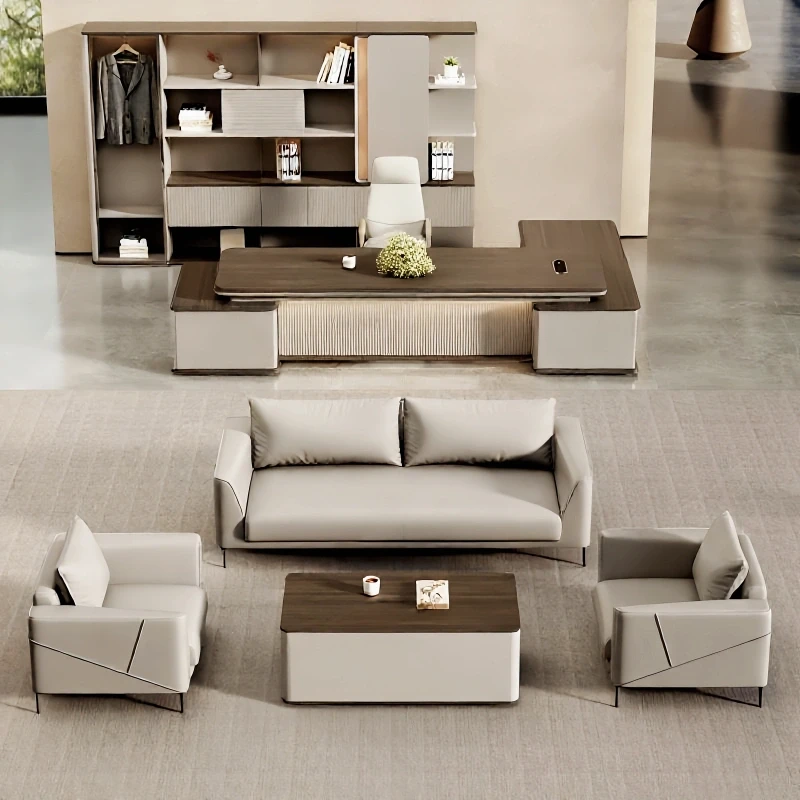
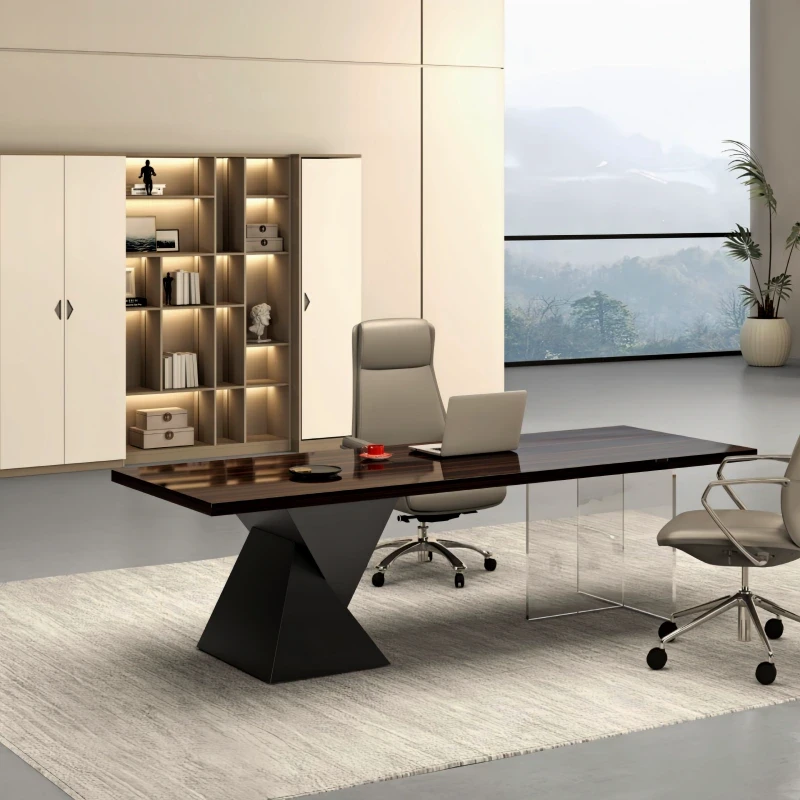


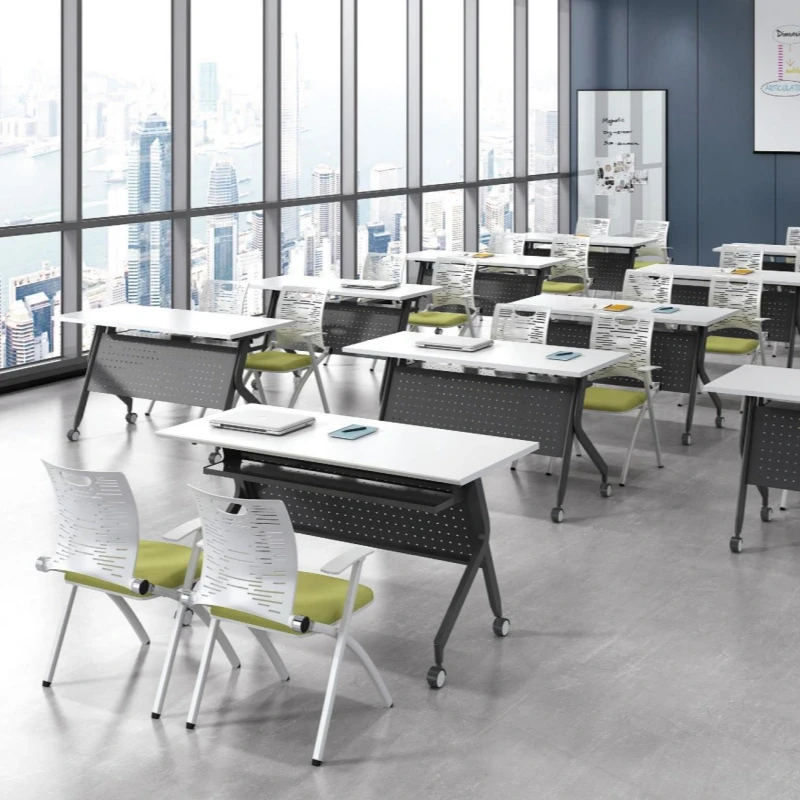
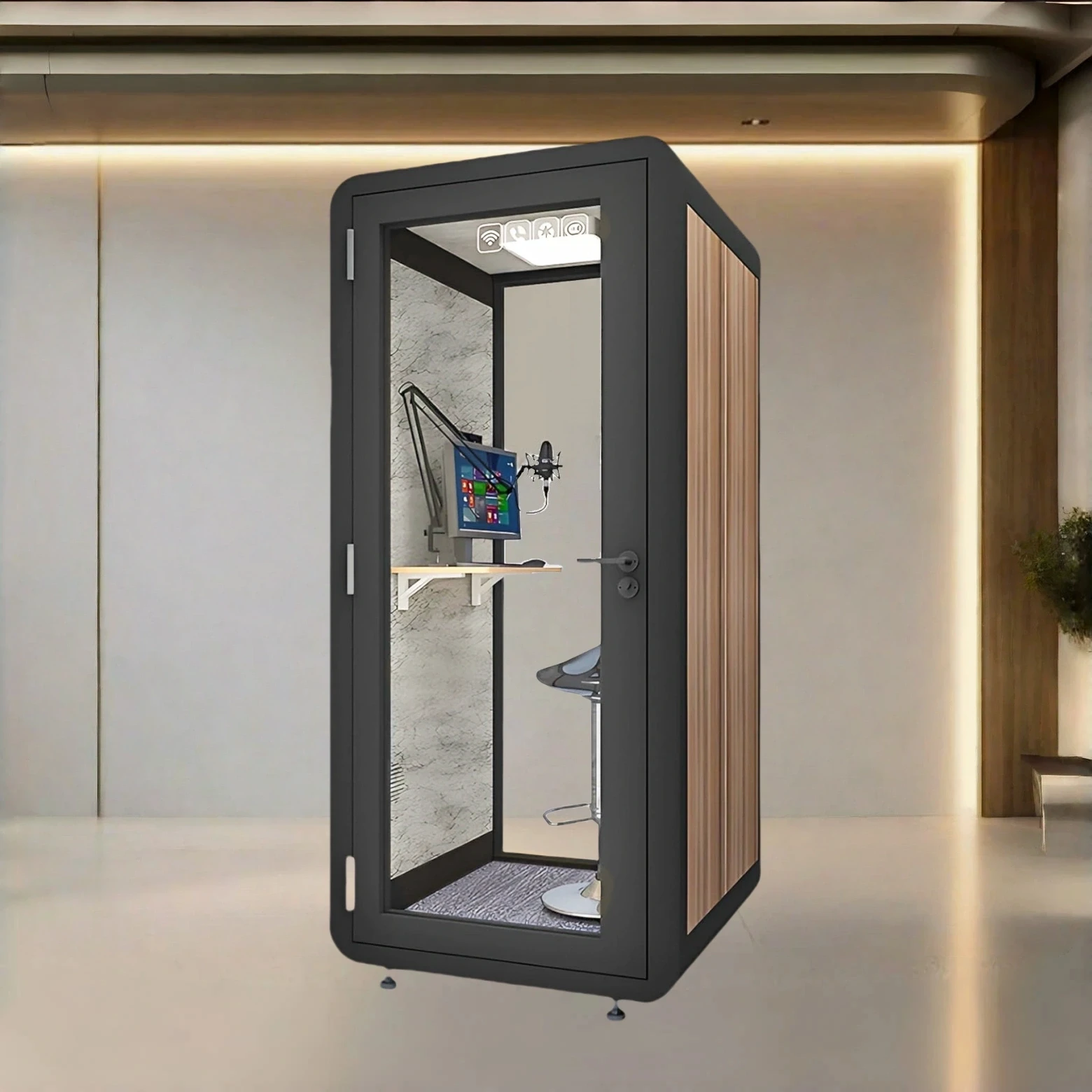
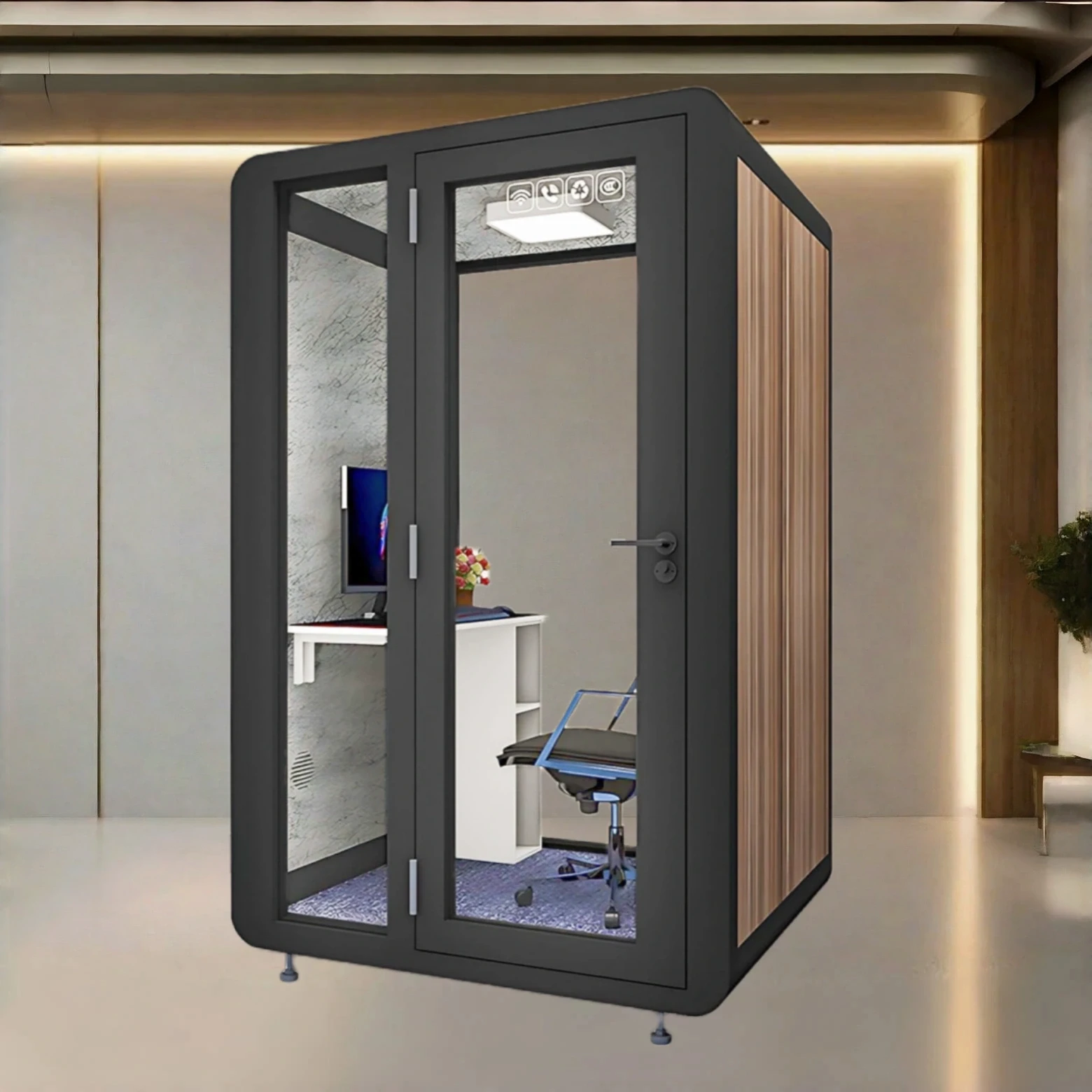
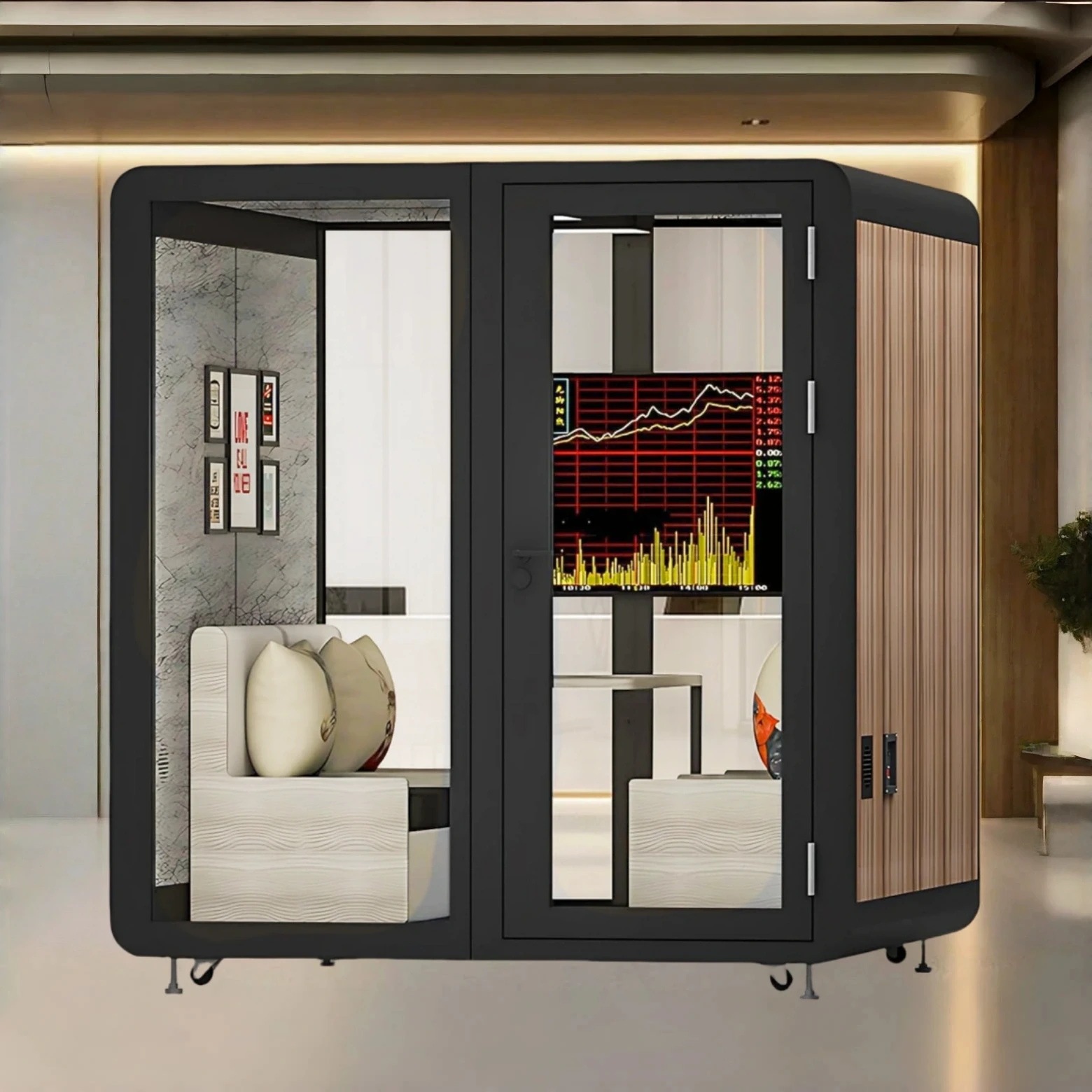


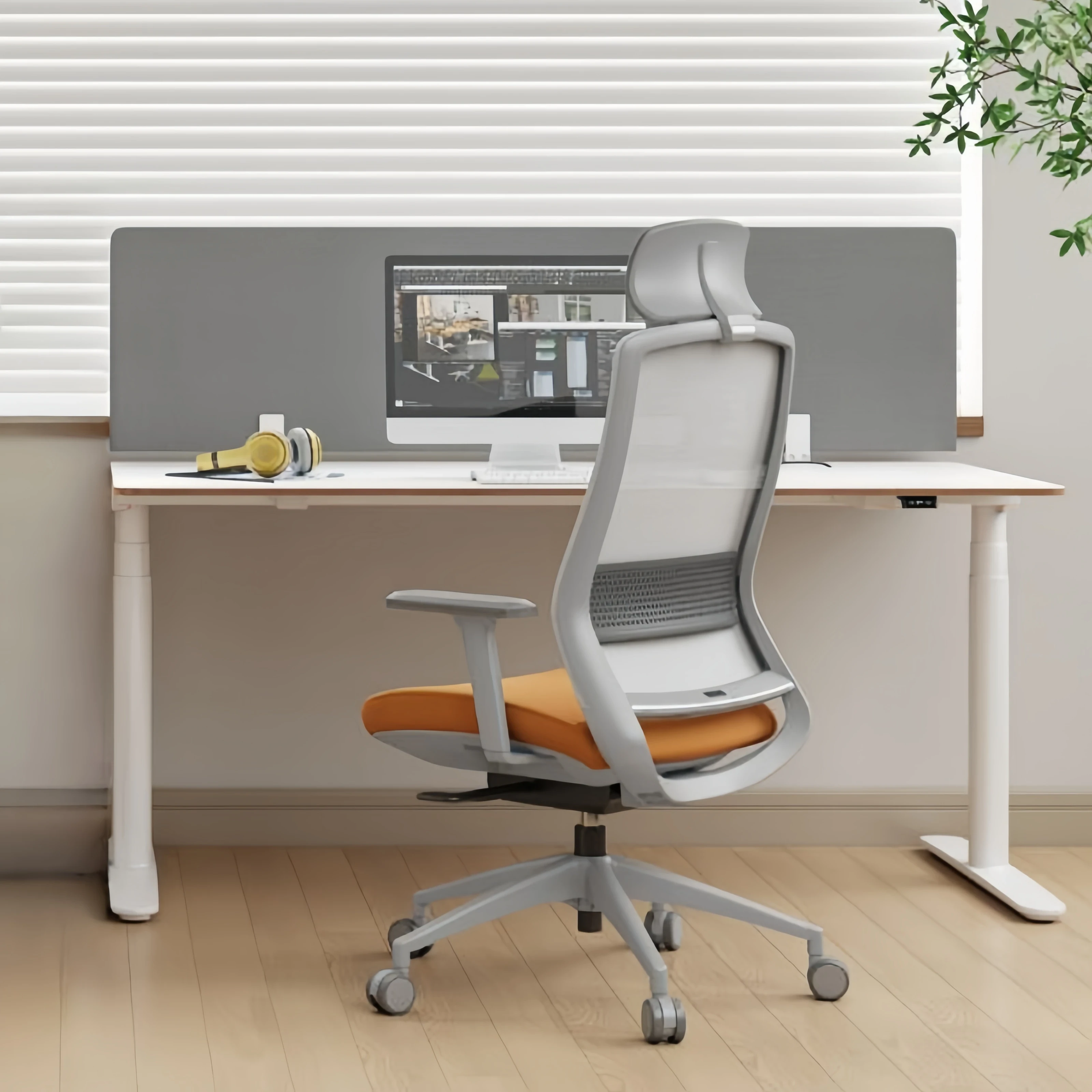



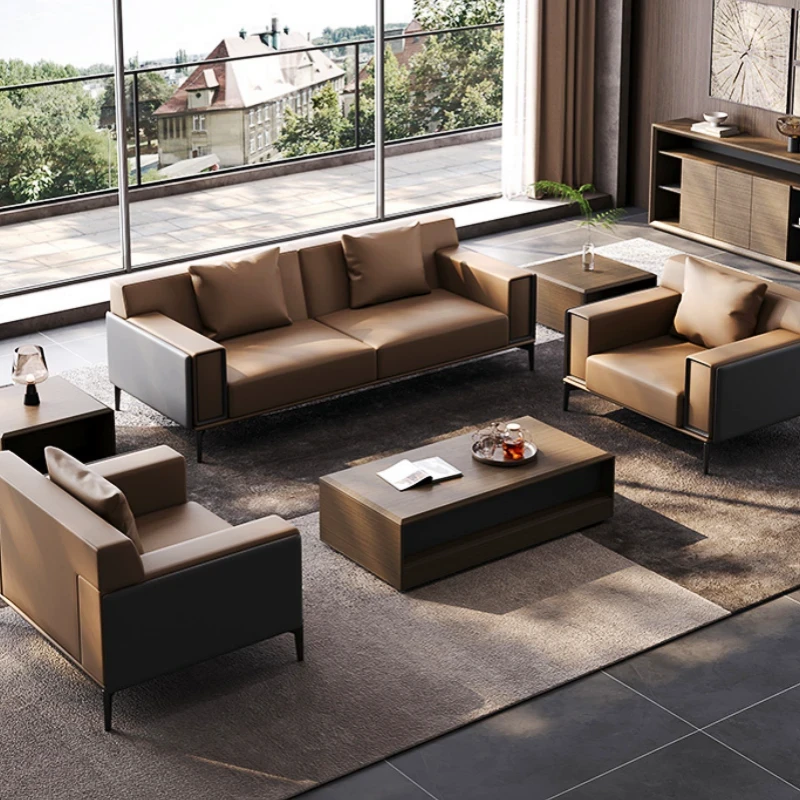
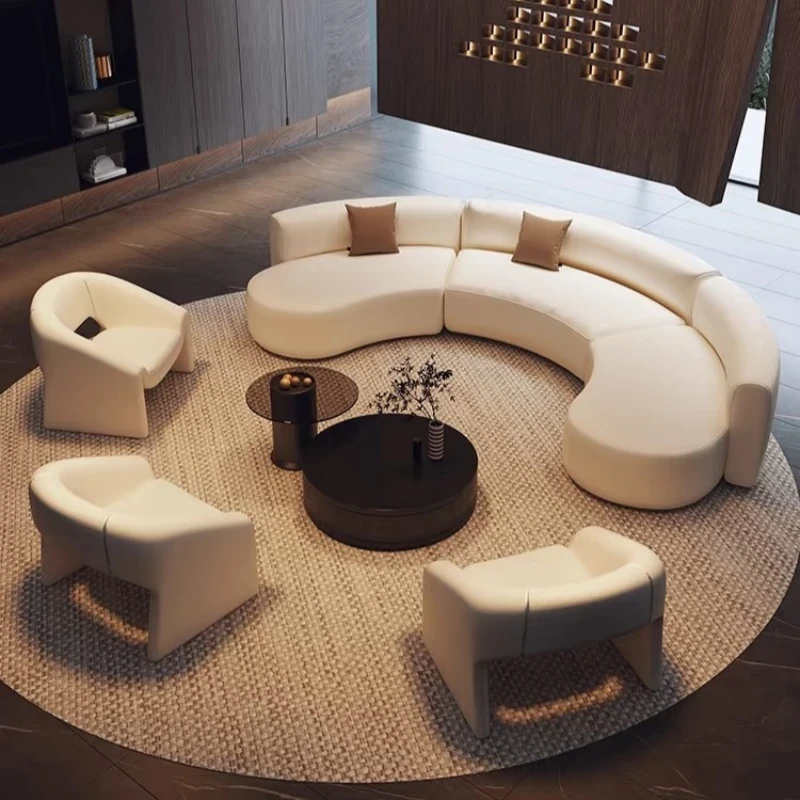


Straight Desk: This type of desk is the most common and suitable for most office environments. It is simple to use and convenient for placing computers, documents, and office supplies.
L-Shaped Desk: Suitable for employees who need more operating space. The L-shaped design provides more space in the office environment and is suitable for users who need to handle multiple devices simultaneously.
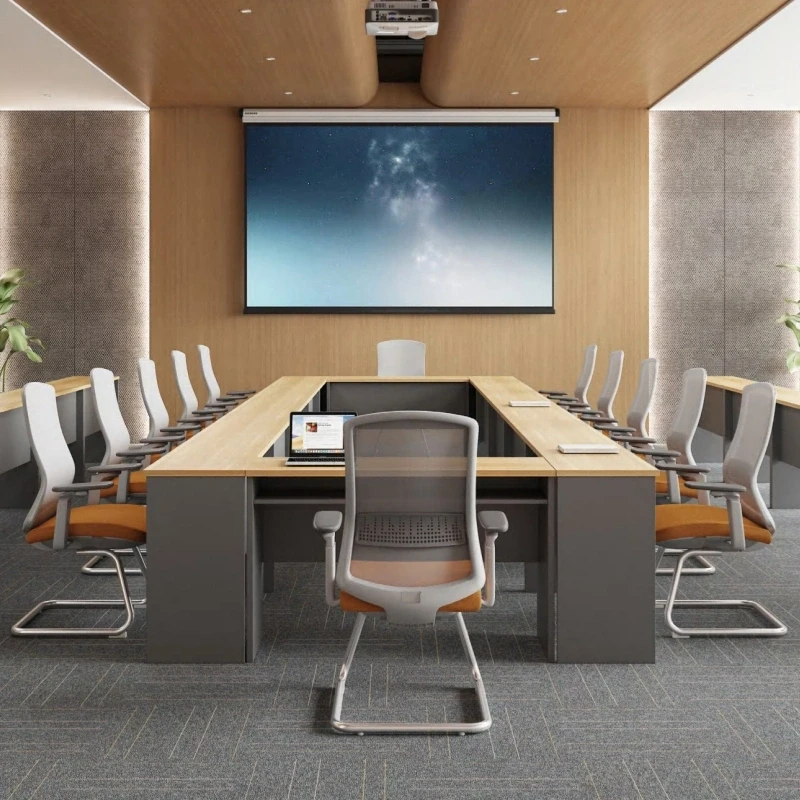
Folding Desk: With the rise of flexible work trends, folding desks are becoming increasingly popular. This type of desk can be adjusted according to specific needs, facilitating use in various scenarios.
II. Choosing an Office Chair
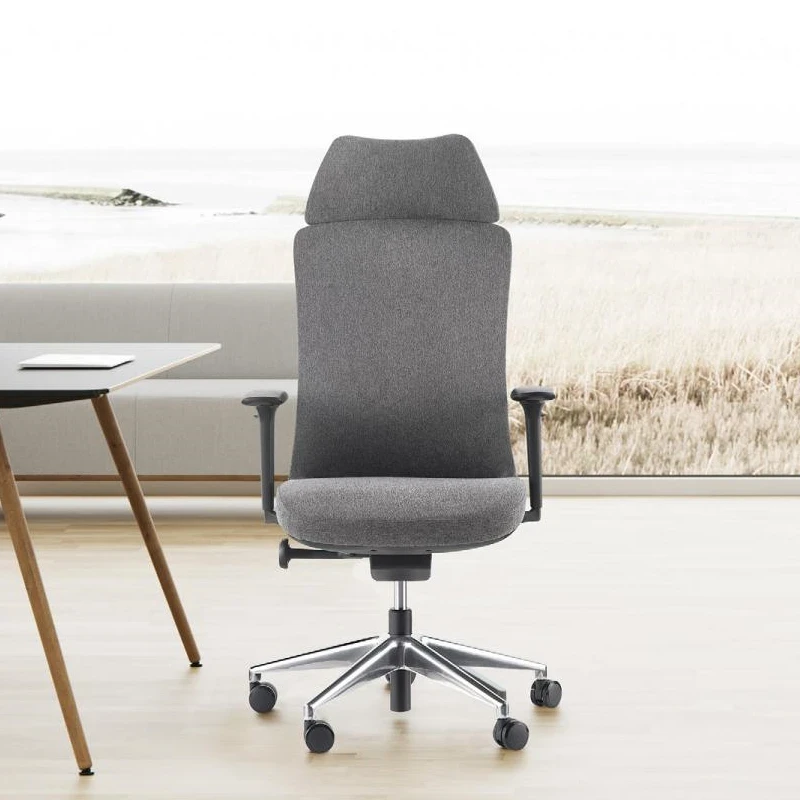
Ergonomic Chair: This type of chair is designed according to human physiological structure, providing better support and reducing fatigue from prolonged sitting, especially effective in protecting the lumbar and cervical spine.
Mesh Chair: Mesh chairs are widely popular due to their good breathability and are suitable for long hours of work, making them a mainstream choice in modern offices.
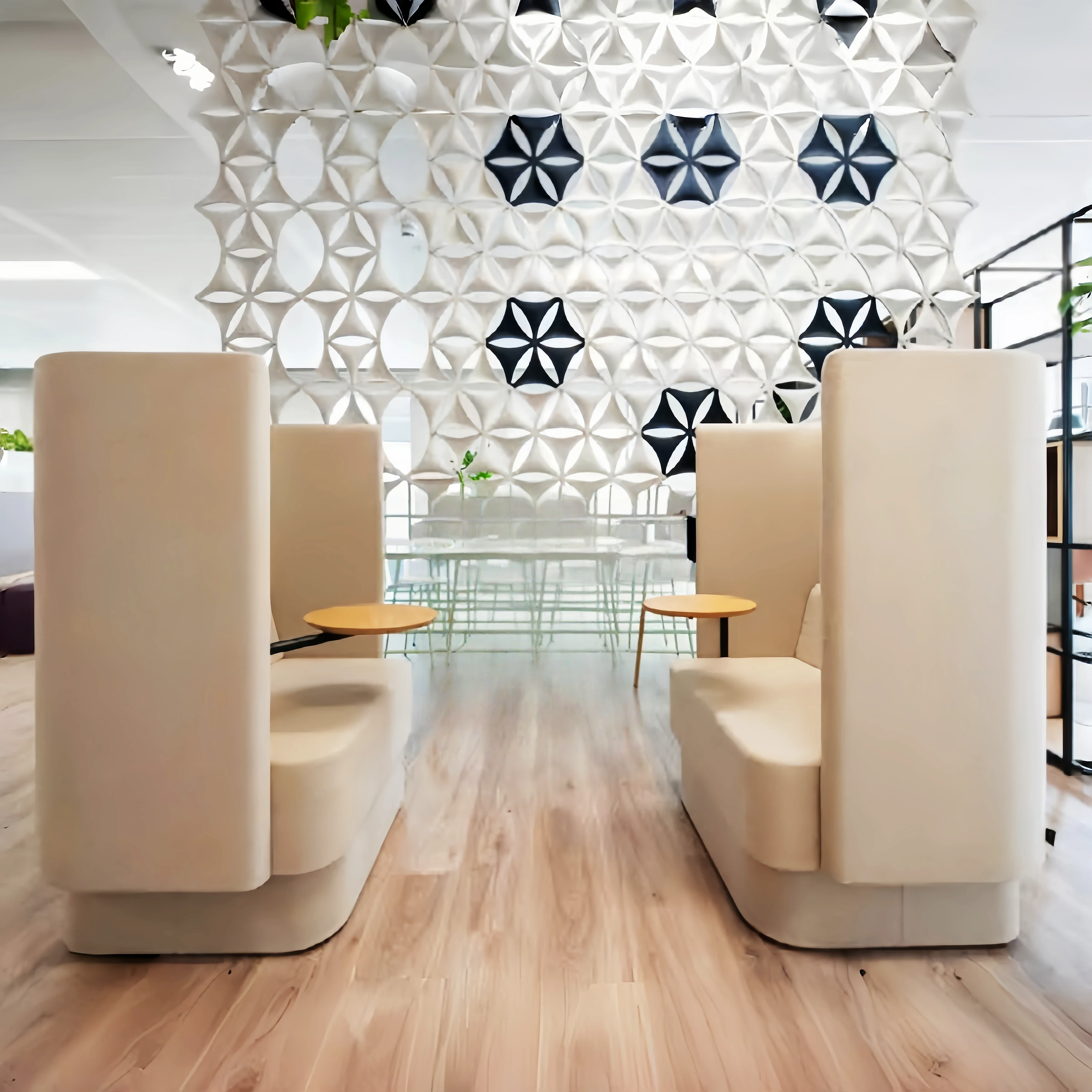
Lounge Chair: In open-plan office environments, appropriately placing some lounge chairs can help improve employee creativity and communication efficiency.
III. Matching and Arrangement
Color Matching: The colors of office desks and chairs should coordinate with the overall office environment to avoid visual conflict. It is generally recommended to choose similar or complementary colors to make the environment more harmonious and comfortable.
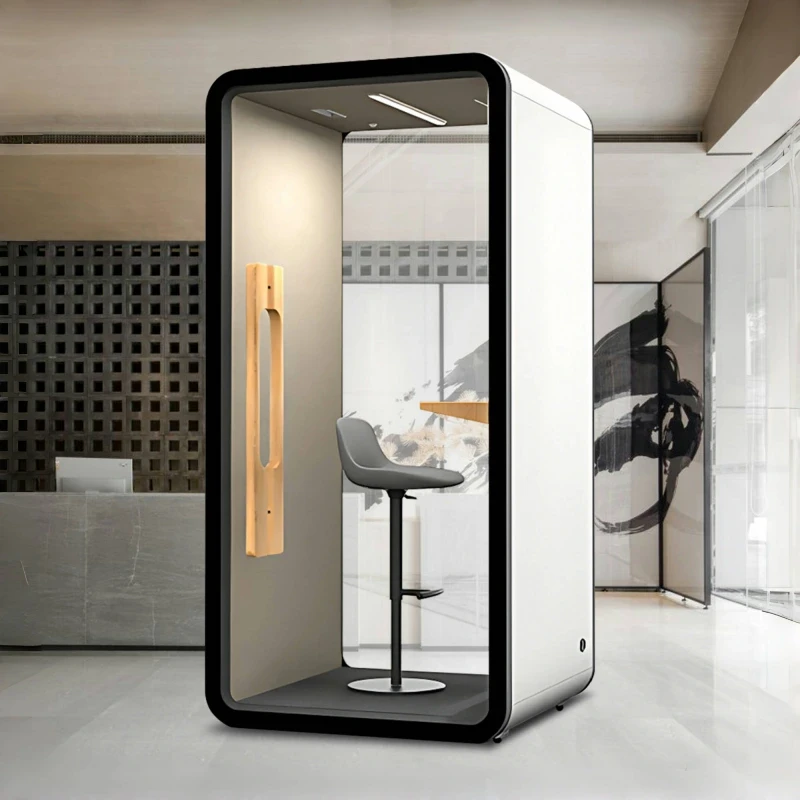
Functional Area Division: In terms of layout, different functional areas can be separated. Office areas, leisure areas, and meeting areas should maintain clear boundaries to ensure the functionality of each area.
IV. Maintenance and Upkeep:
Regular Cleaning: Keeping office desks and chairs clean not only helps improve work efficiency but also leaves a good impression on clients.
Inspection and Repair: Regular inspection and repair of desks and chairs can extend their lifespan and avoid unnecessary expenses.
Conclusion:
The selection and matching of office desks and chairs not only affects employee work efficiency but also reflects company culture and image. Through reasonable design and layout, companies can create a more comfortable working environment for employees, thereby achieving higher productivity.