
 USD
USD GBP
GBP
 EUR
EUR
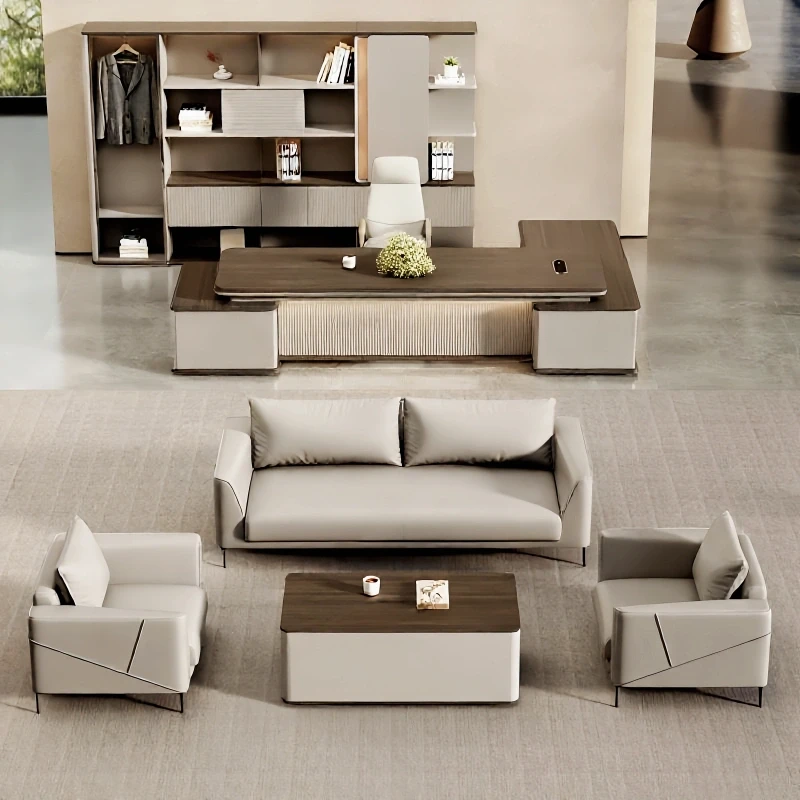
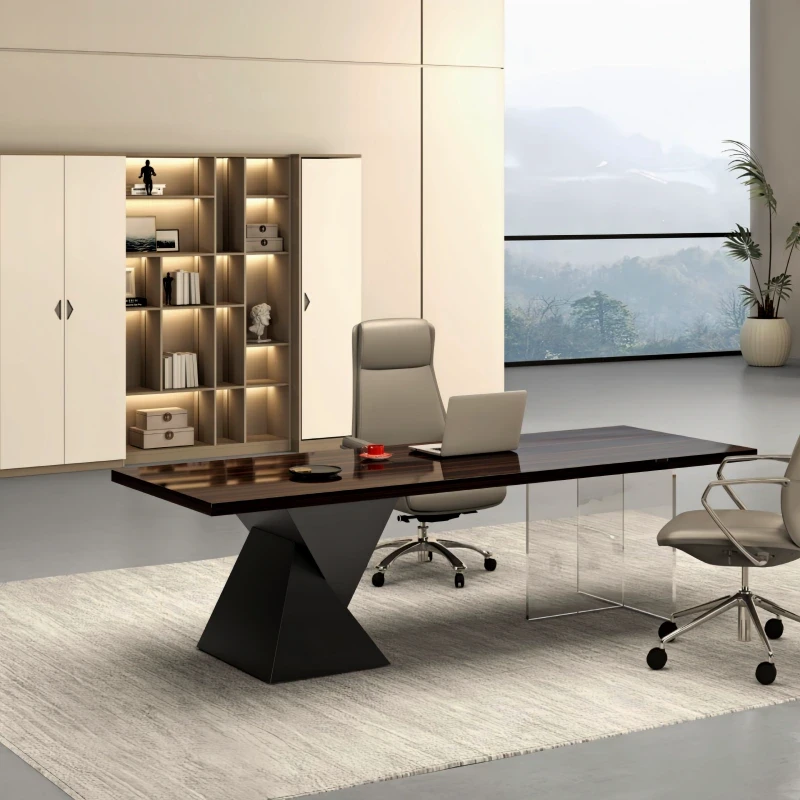



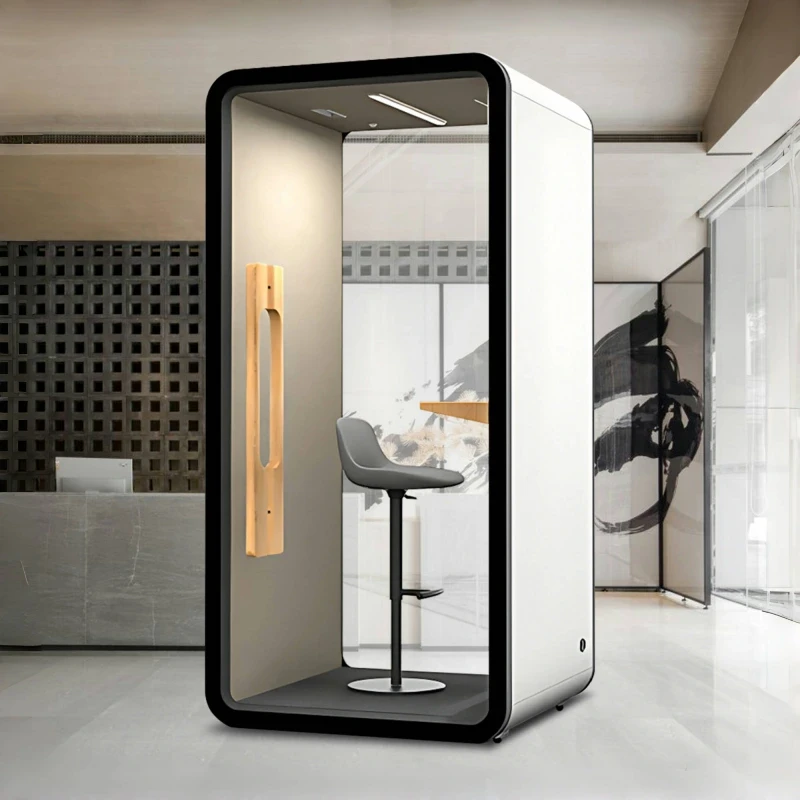

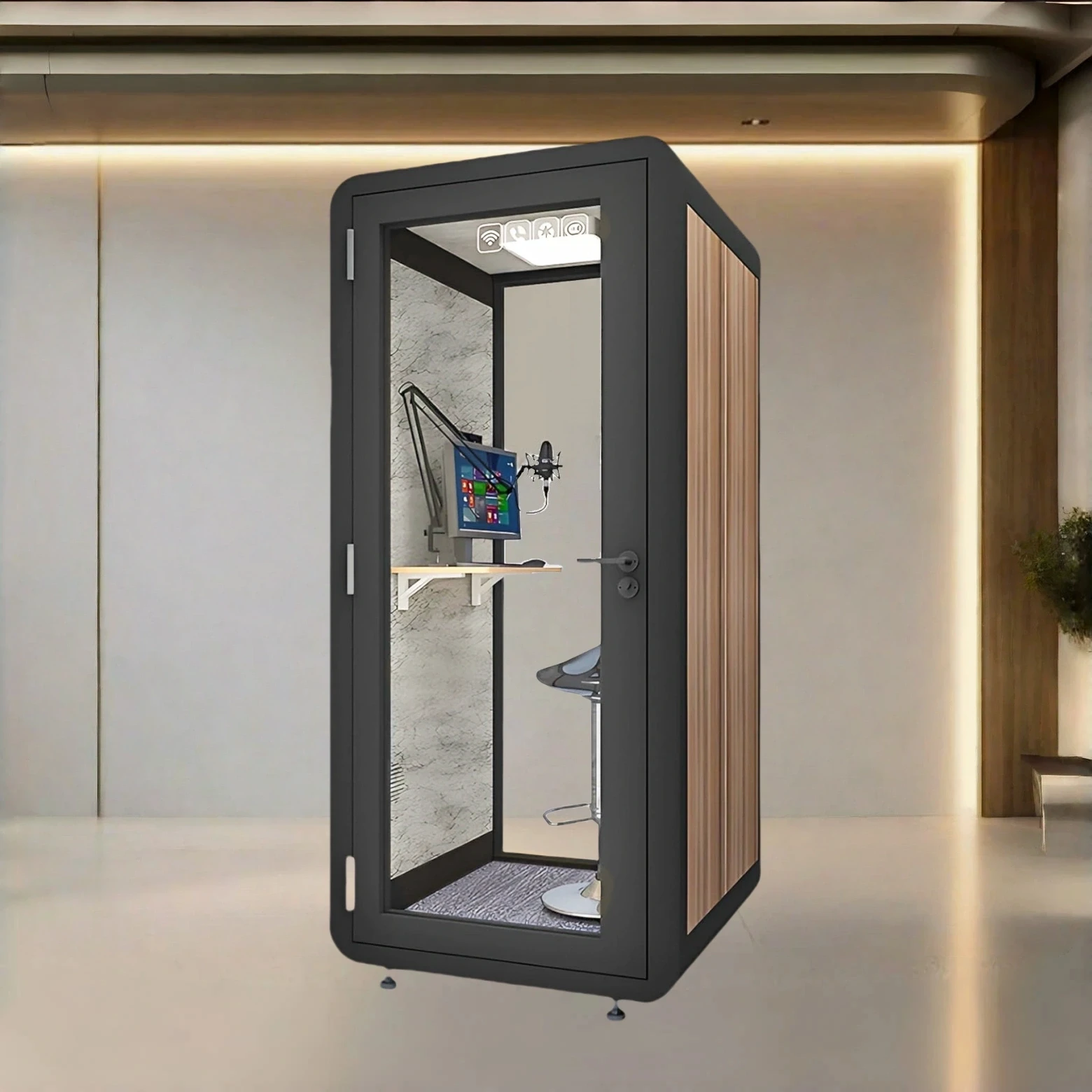
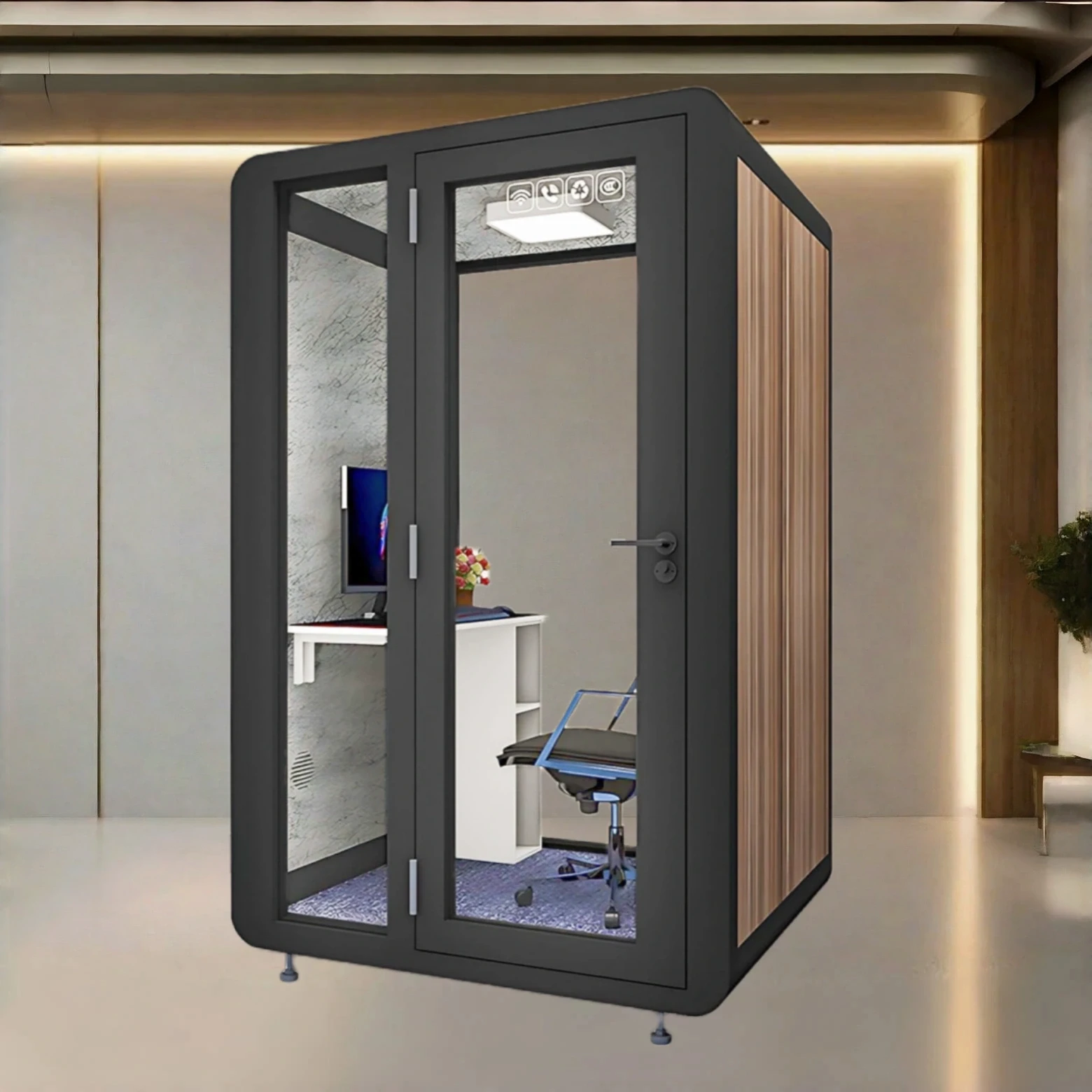
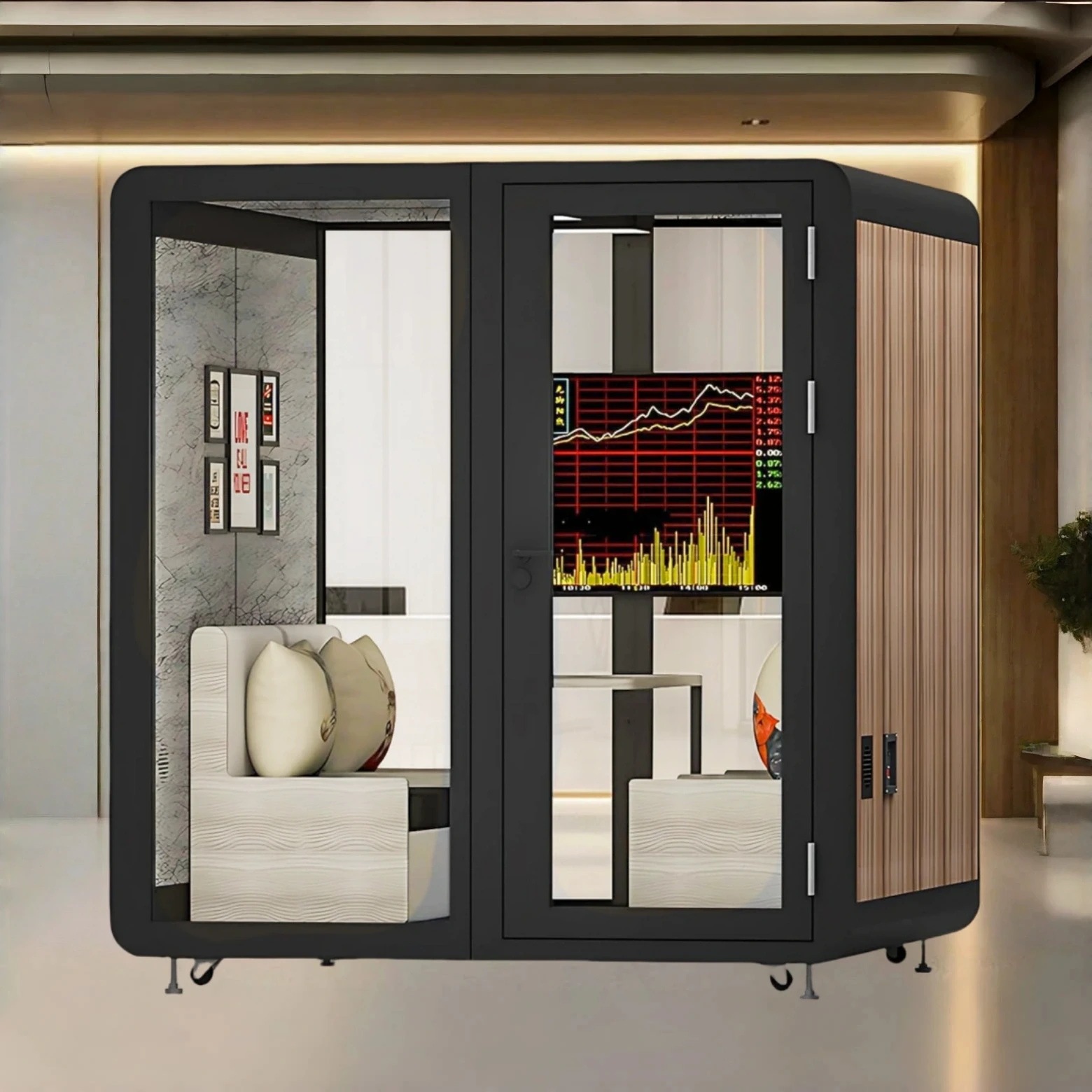




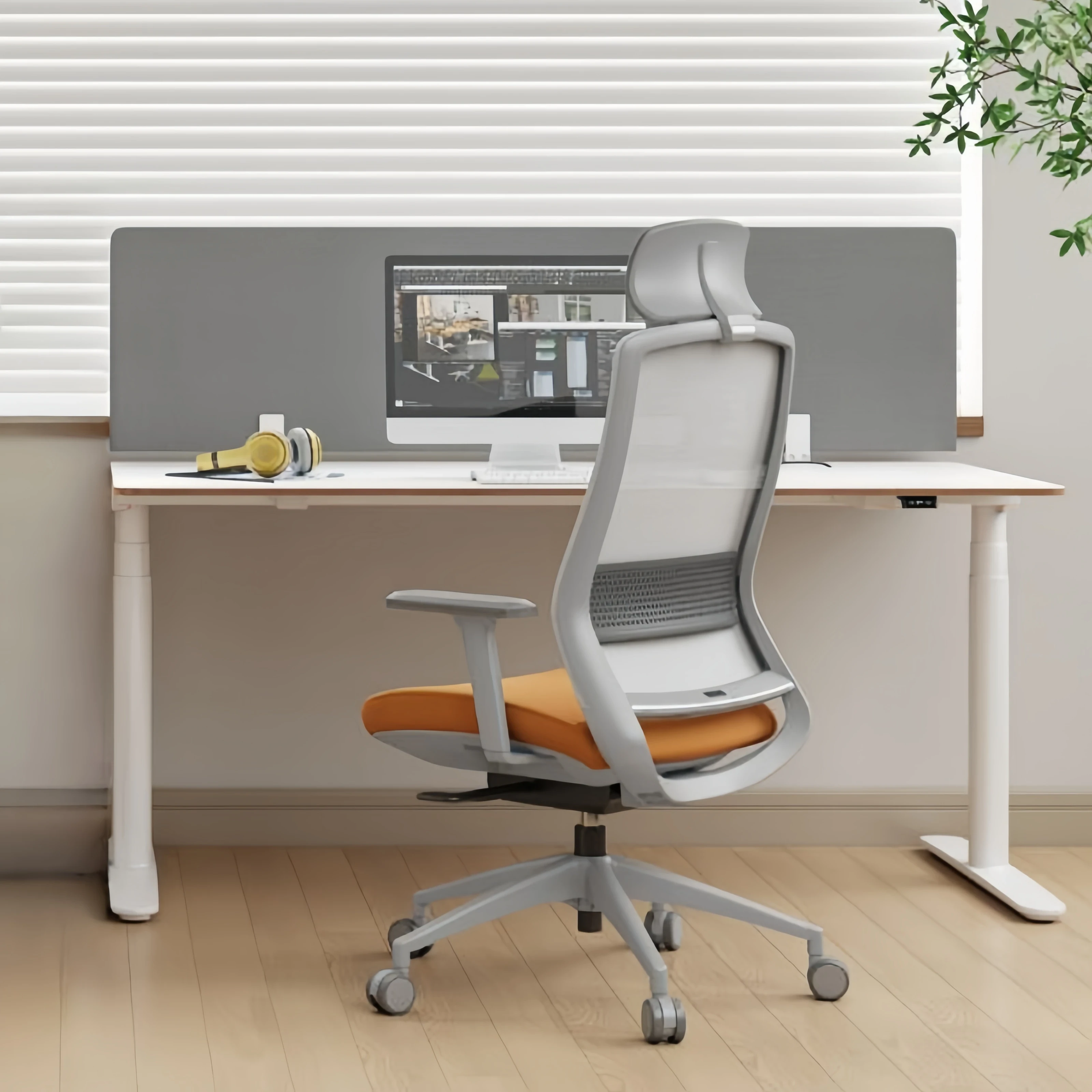




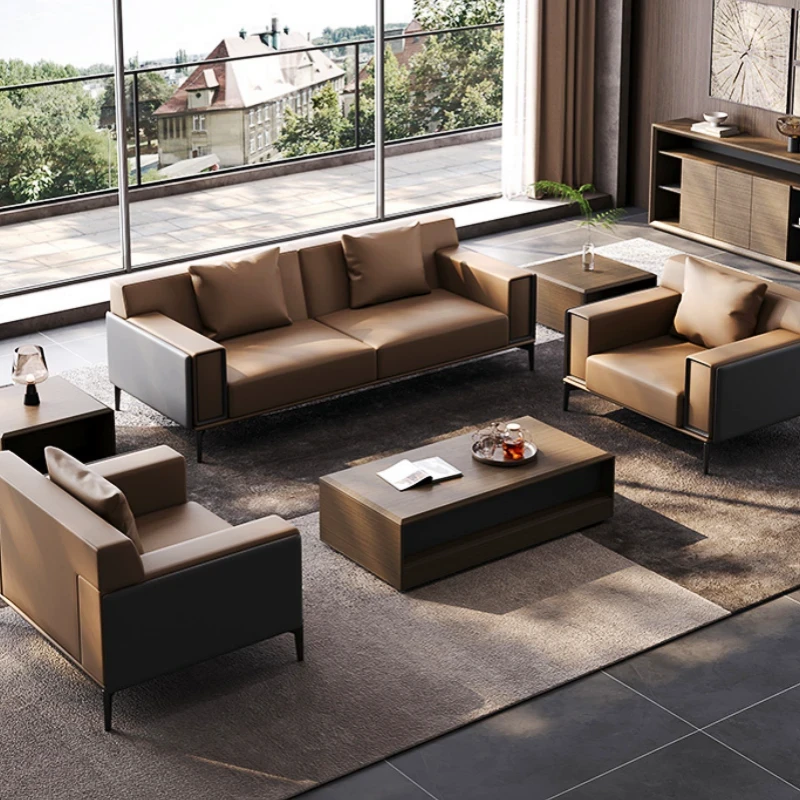
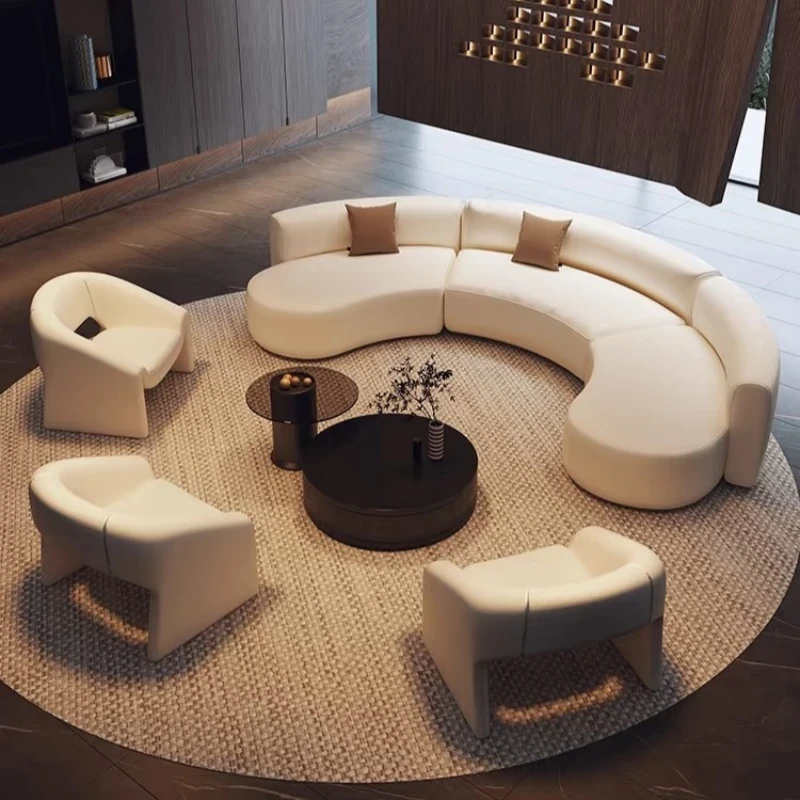
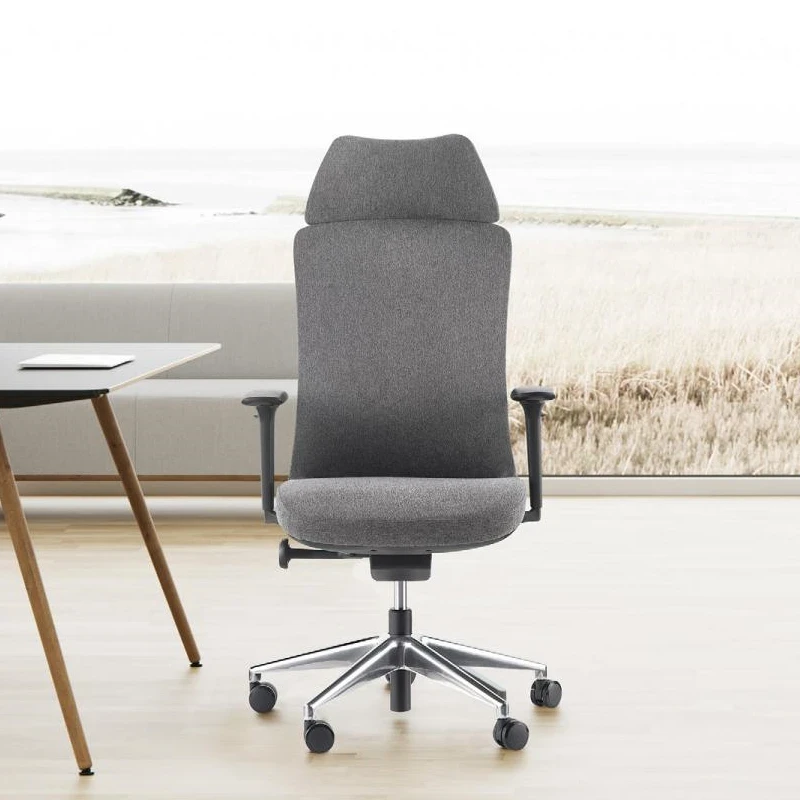


Medical and elderly care furniture refers to specialized furniture designed and manufactured to meet the needs of medical and elderly care services. This type of furniture not only needs to possess basic practical functions but also needs to consider the physical condition, psychological needs, and living habits of the elderly to ensure their safety, comfort, and convenience.
II. Types of Medical and Elderly Care Furniture
Nursing Beds: Nursing beds are commonly provided in medical institutions and nursing homes. These beds are usually height and tilt angle adjustable, facilitating caregivers' attention to the elderly and helping them get in and out of bed more easily.
Rehabilitation Training Equipment: Furniture that helps the elderly with physical exercise, such as rehabilitation chairs and gait trainers, can promote the recovery of physical functions.
Safety Handrails and Guardrails: To prevent accidental falls, the handrails and guardrails in medical and elderly care furniture should be ergonomically designed to ensure the safety and comfort of the elderly.
Multifunctional Sofas and Chairs: These furniture pieces are flexibly designed, convenient for the elderly to rest and chat, and suitable for various home settings. At the same time, the materials used should be easy to clean and maintain.
III. Precautions for Purchasing Medical and Elderly Care Furniture
Safety: As the physical functions of the elderly decline, the edges and corners of the furniture should be rounded to avoid collision injuries. Meanwhile, the furniture should not have small parts to prevent accidental swallowing.
Applicability and Human-centered Design: The furniture should have functions adapted to the needs of the elderly, such as adjustable seat height and easy-to-use switches, making it convenient for them to use.
Durability: Due to the high frequency of use of medical and elderly care furniture, choosing durable and sturdy materials is crucial to ensure its long-term use.
Ease of Cleaning and Maintenance: The elderly are prone to dirt and odors, so the ease of cleaning should be considered when selecting materials to reduce maintenance costs.
IV. Application Practices of Medical and Elderly Care Furniture
Home-based Elderly Care: In the home environment, the selection of medical and elderly care furniture can not only improve the quality of life of the elderly but also provide assistance to family members and reduce the difficulty of care.
Nursing Homes and Medical Institutions: In professional nursing institutions, the reasonable configuration of medical and elderly care furniture can effectively improve nursing efficiency, provide a better working environment for staff, and provide better well-being for patients.
Community Support: With the rise of community-based elderly care models, the application of medical and elderly care furniture can greatly improve the living environment of the elderly in the community, provide necessary assistance, and promote social interaction among the elderly.
V. Conclusion
Medical and elderly care furniture is an important guarantee for improving the quality of life of the elderly. By selecting furniture that meets safety, comfort, and practicality criteria, we can provide strong support for the integrated medical and elderly care model. As market demand expands, the design concepts of medical and elderly care furniture should continuously innovate to meet the growing needs of an aging society and create a more comfortable and safer living environment for the elderly.