
 USD
USD GBP
GBP
 EUR
EUR
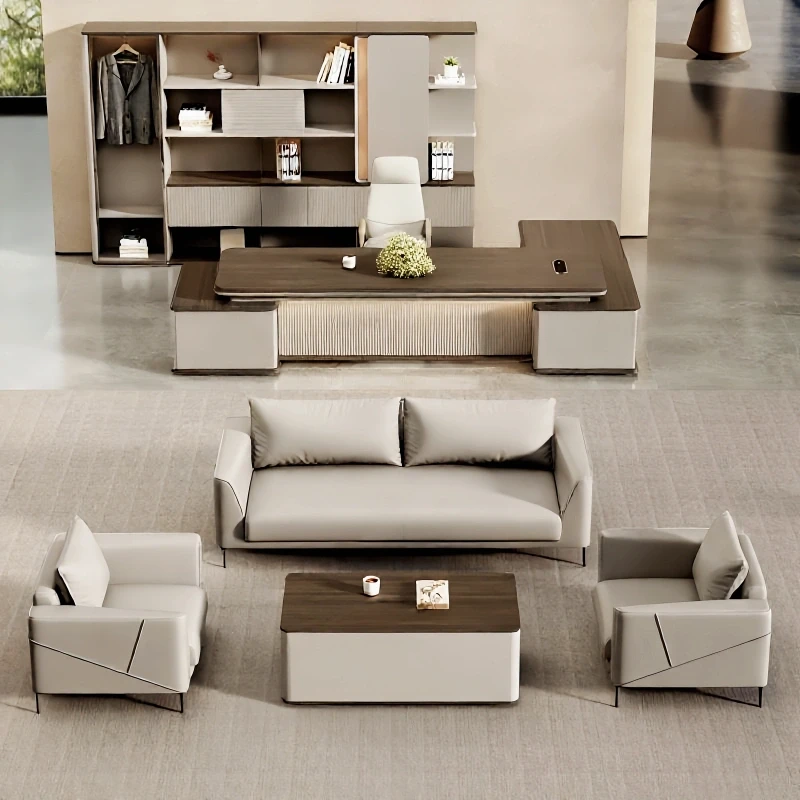
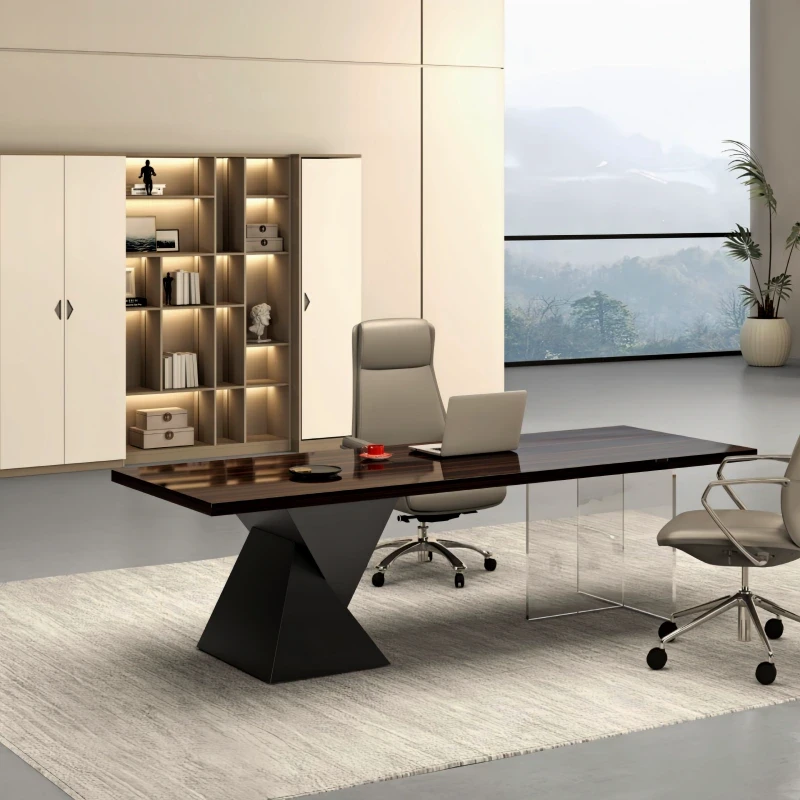


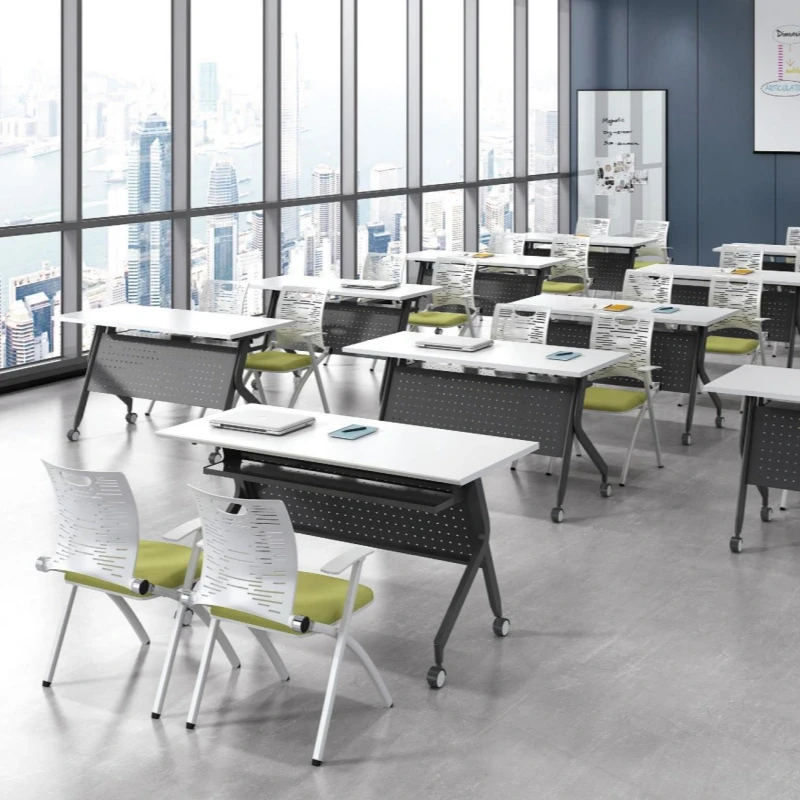
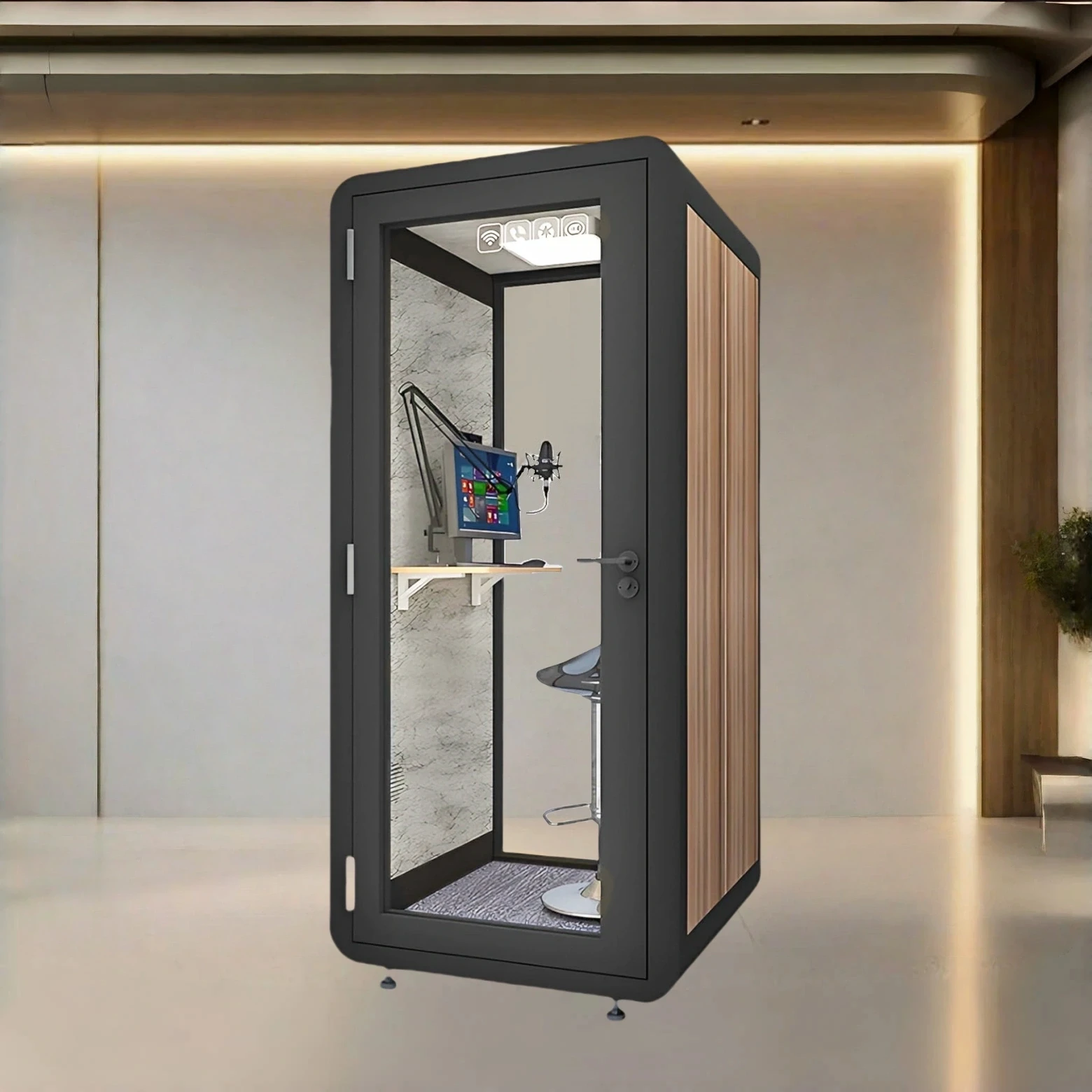
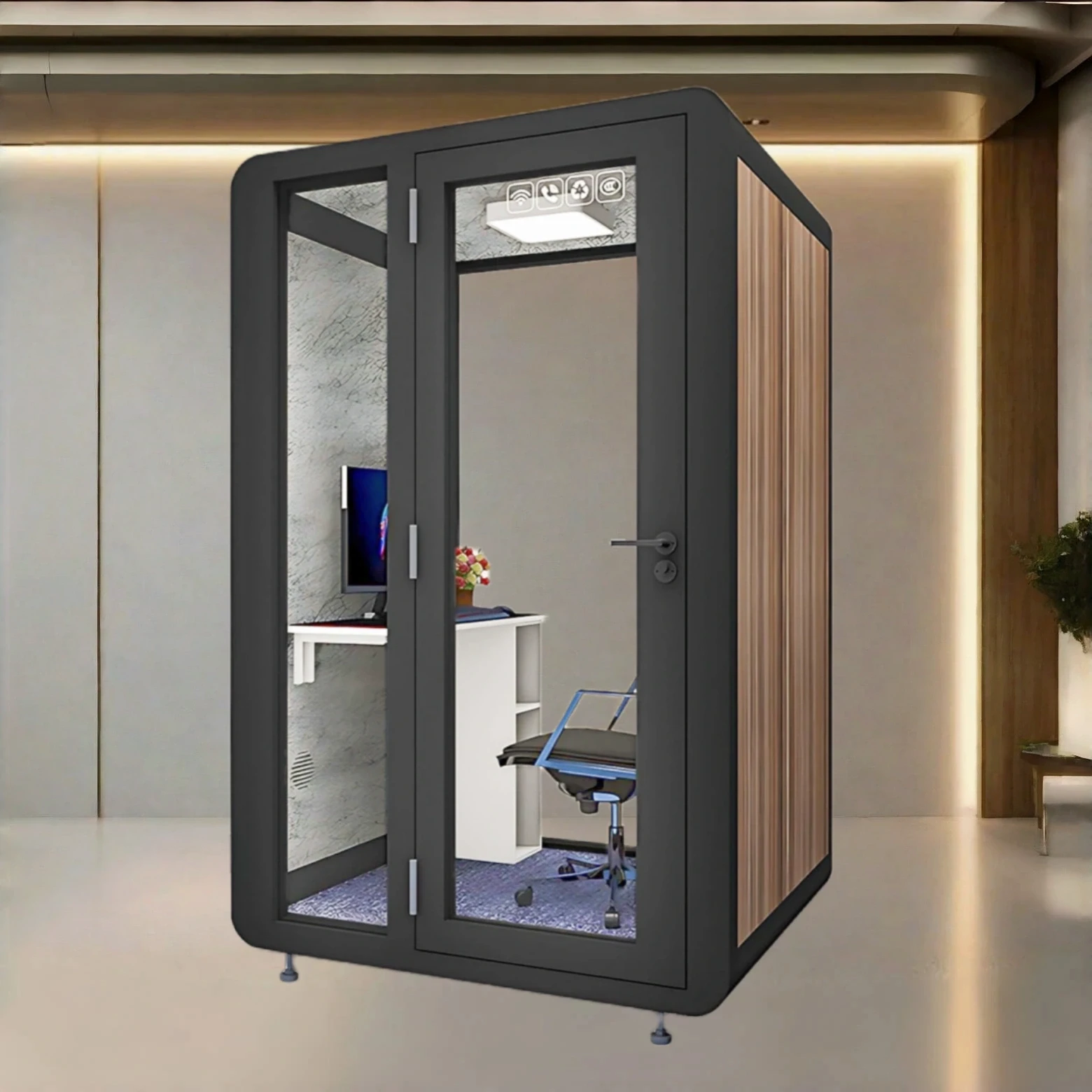
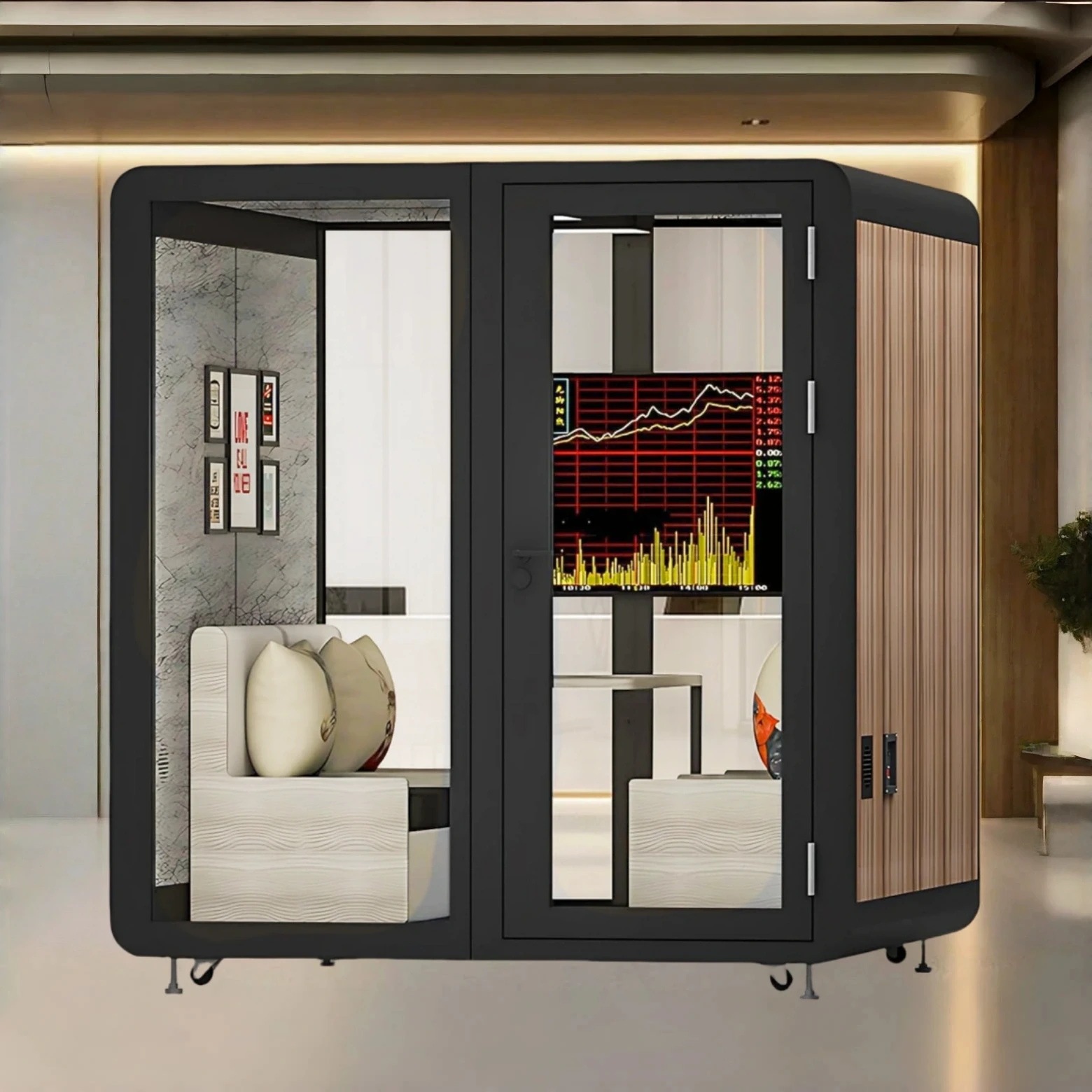
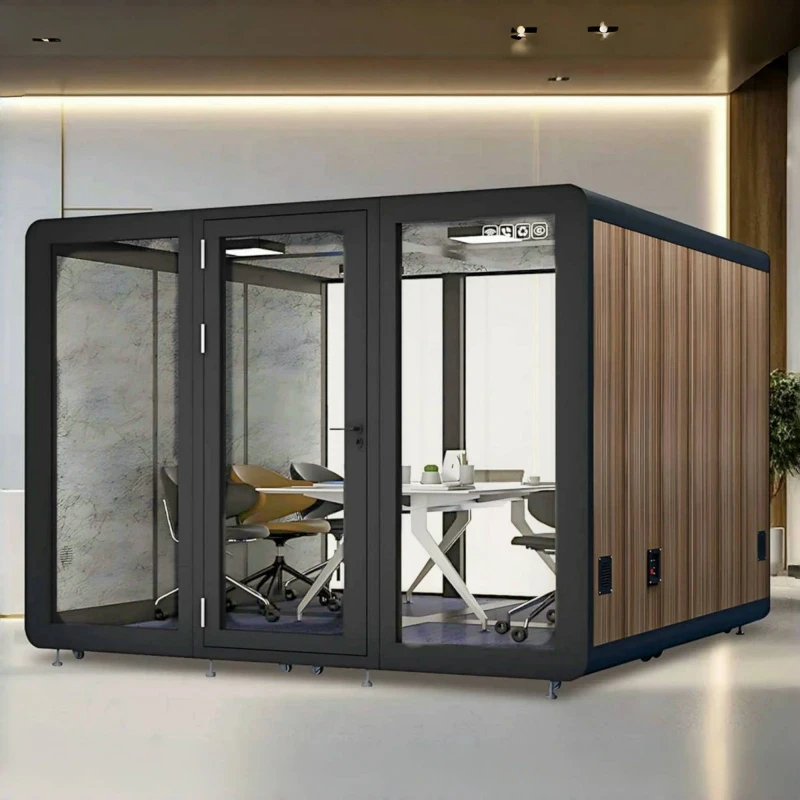
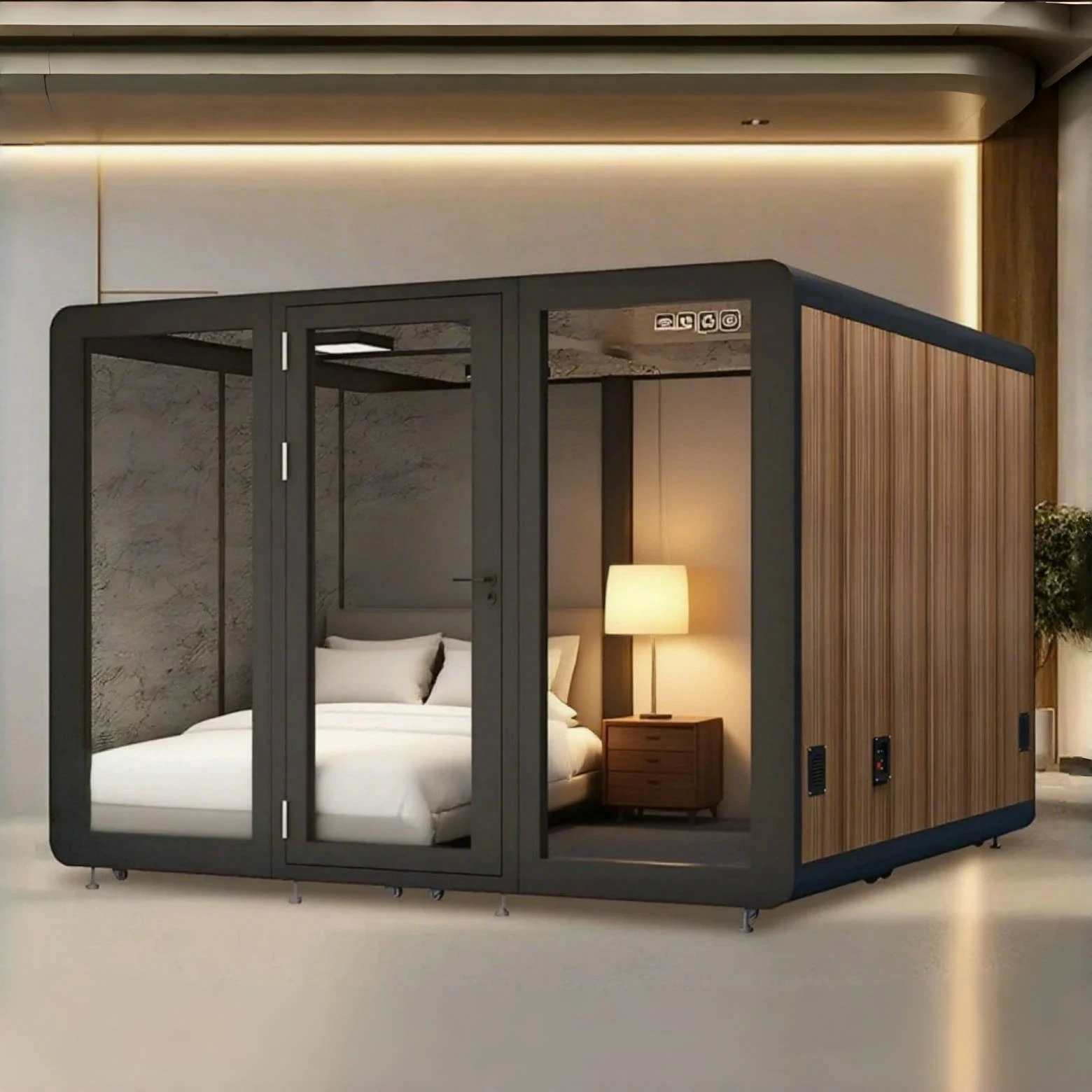


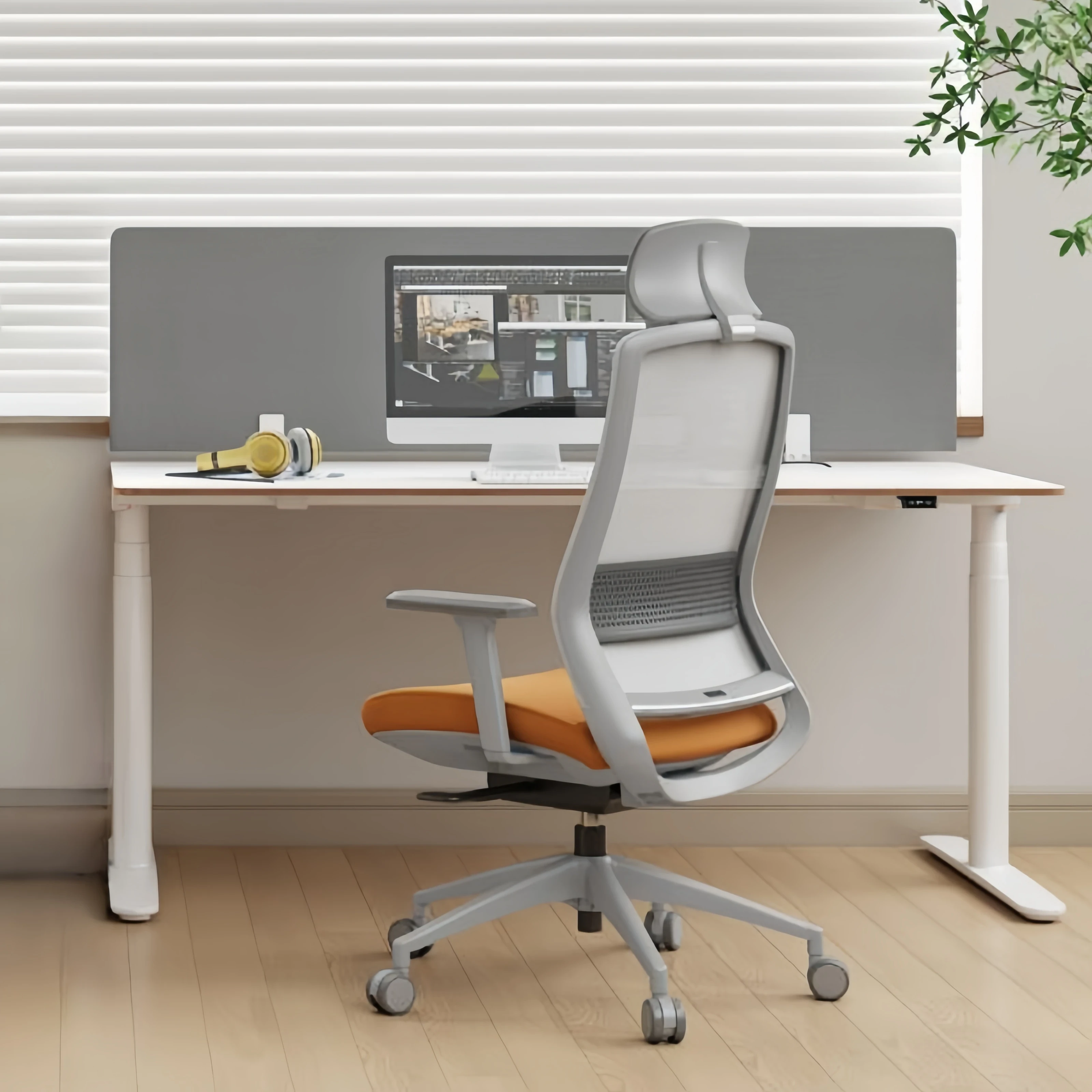


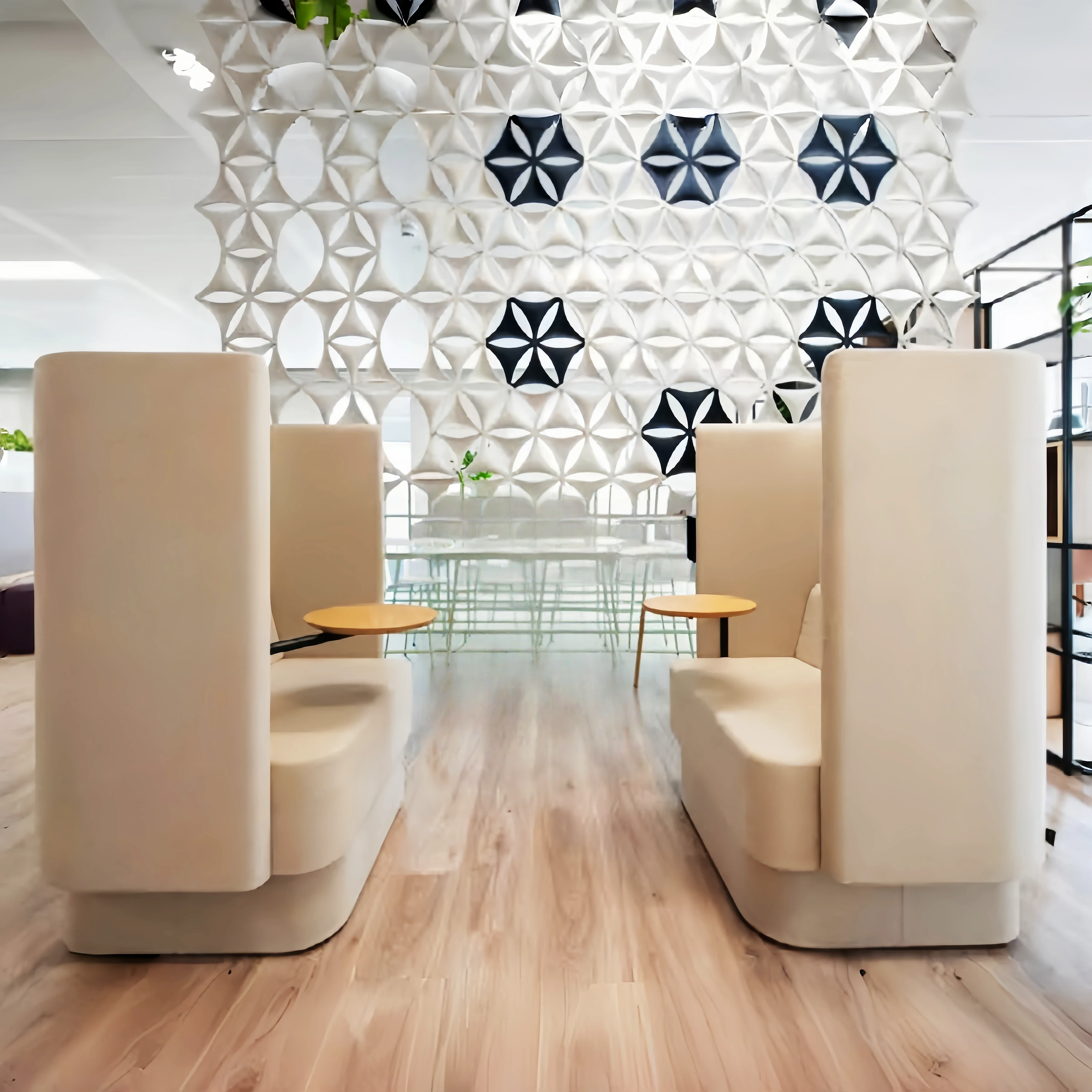

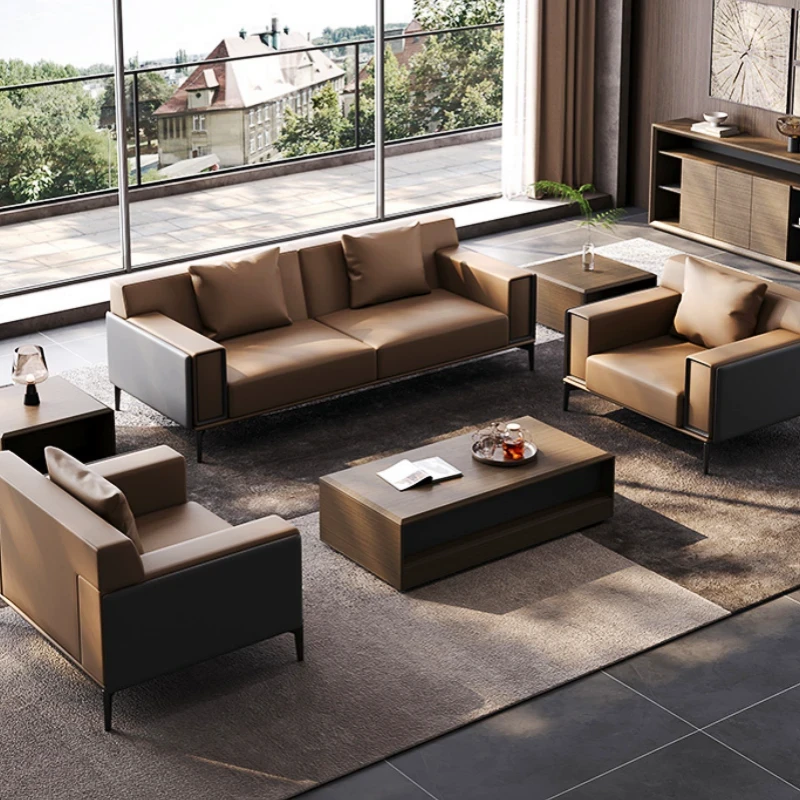
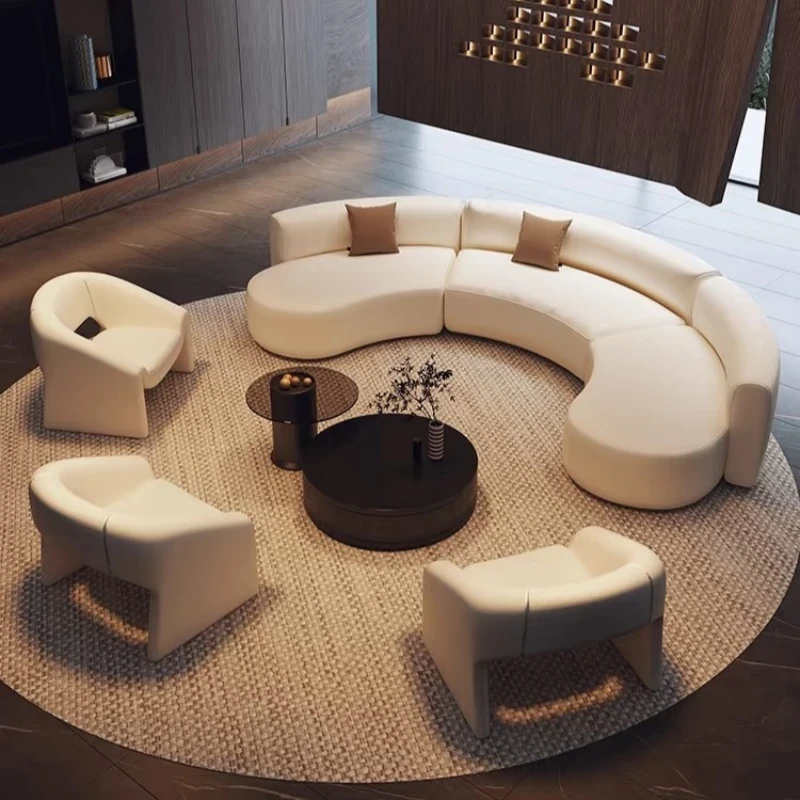
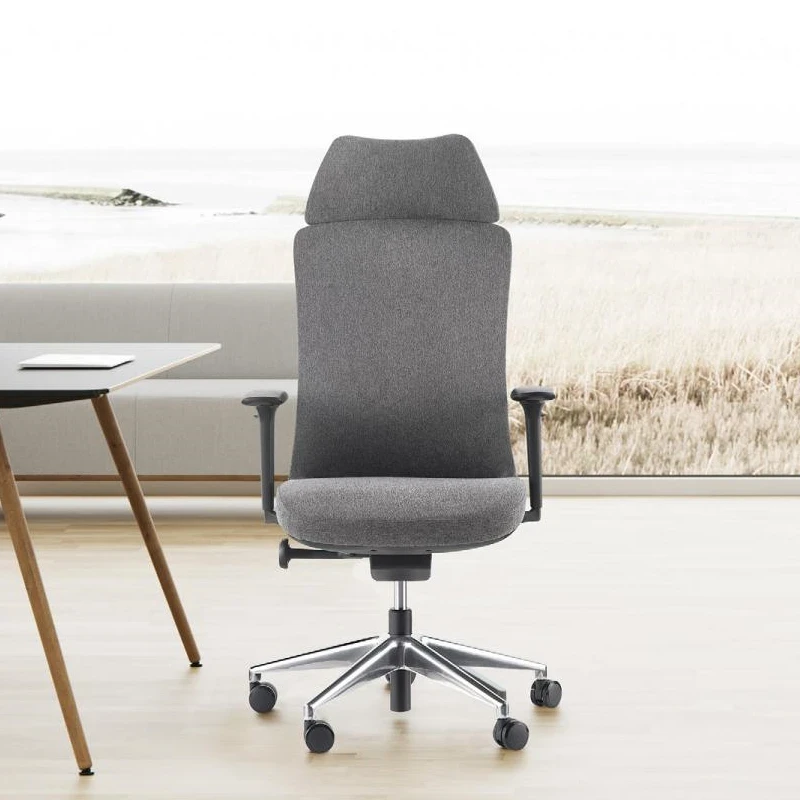


Office Furniture for Leaders Desk: As the core furniture in a leader's office, the desk should be designed with sufficient area to support multiple functions. High-end wooden or metal desks are often chosen, symbolizing stability and authority.
Office Chair: The office chair should have a comfortable cushion and a reasonable ergonomic design to ensure the leader's comfort during long working hours. At the same time, the chair's appearance should coordinate with the desk, reflecting overall aesthetics.
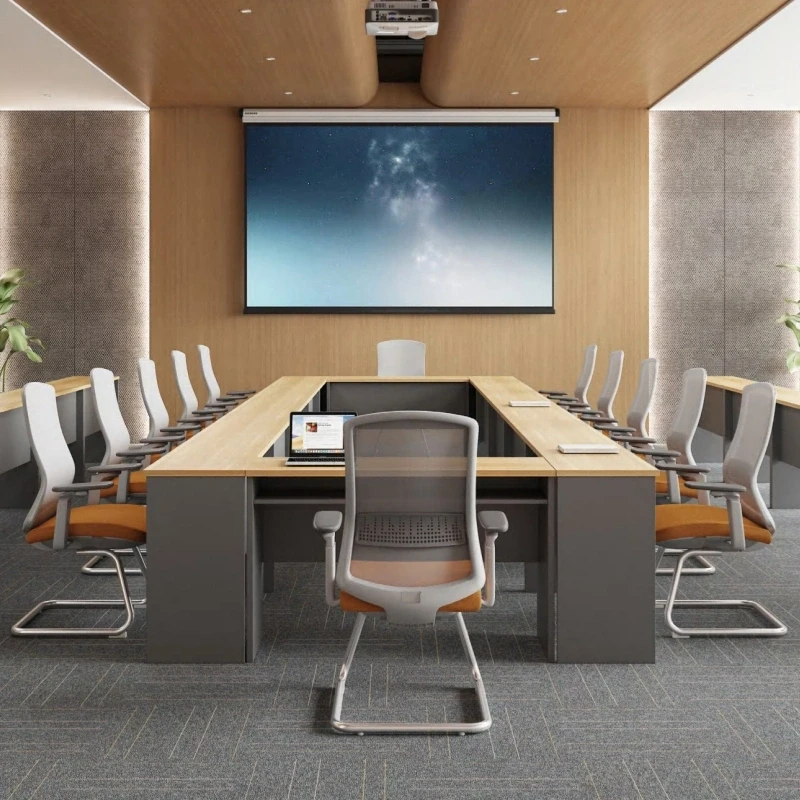
Conference Table: The design and size of the conference table are very important when conducting multiple work meetings. An appropriate table type should be selected according to the scale and format of the meeting; a larger table can facilitate team communication.
Bookshelves and Storage Cabinets: A leader's office needs to be equipped with bookshelves and storage cabinets for storing various documents and items. Bookshelves not only provide storage but also showcase the leader's professional image.
II. Elements of Choosing Office Furniture for Leaders
Style: The company's culture and leadership style often determine the style of the office furniture. Modern companies tend to favor simple and fashionable designs, while traditional companies prefer classic and stable styles.
Quality: High-quality furniture enhances the overall ambiance of the office. Using premium materials and craftsmanship reflects a company's responsibility and professionalism in the details.
Functionality: Leaders often require multiple functionalities in their daily work, such as power outlets and data cable access. Choosing furniture with good functionality increases work convenience.
Space Utilization: The layout of a leader's office should be rationally designed, ensuring both the fluidity and openness of the workspace and the privacy of the rest area.
III. Principles of Leader's Office Layout
: Rational Zoning: Office space should be divided according to function, such as work areas, meeting areas, and rest areas, ensuring efficiency while avoiding wasted space.
Light Utilization: Make reasonable use of natural light, selecting appropriate curtains and lighting fixtures to create an ideal working atmosphere through different lighting environments.
Ergonomics: The height of desks and chairs should be adjusted according to the user's height to ensure comfort and reduce physical strain.
Accessories and Decorations: Appropriately adding greenery, artwork, and other decorative items can not only beautify the space but also reduce work pressure and enhance motivation.
IV. Conclusion:
The selection and layout of furniture in a leader's office plays a crucial role in improving work efficiency and shaping the company's image. By comprehensively considering style, quality, functionality, and space utilization, an ideal office environment can be created for leaders. Furthermore, a rational layout not only improves work efficiency but also fosters a harmonious working atmosphere, providing strong support for leaders' decision-making and management.