
 USD
USD GBP
GBP
 EUR
EUR
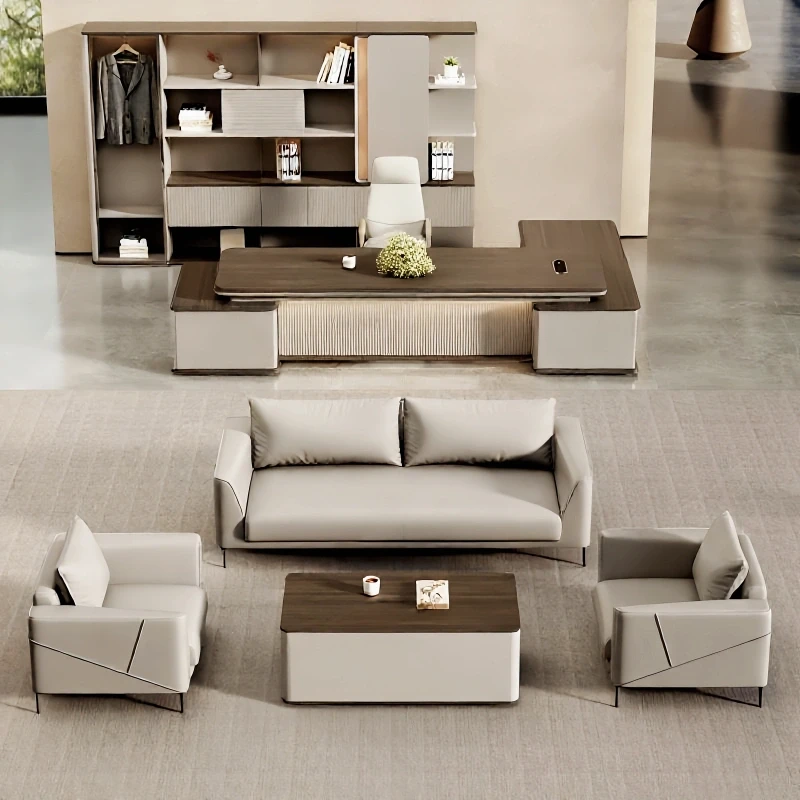
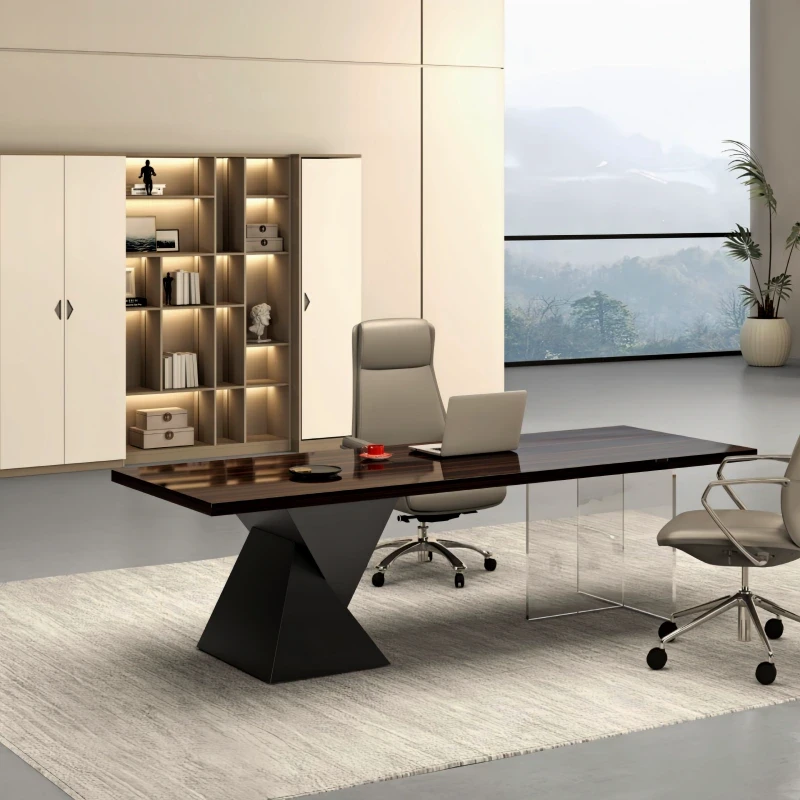


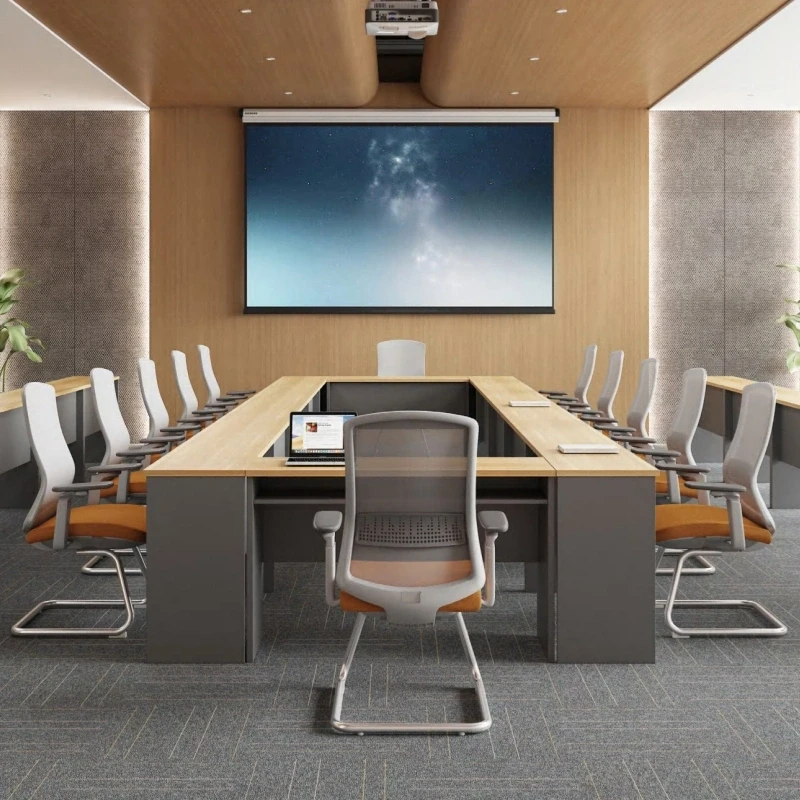
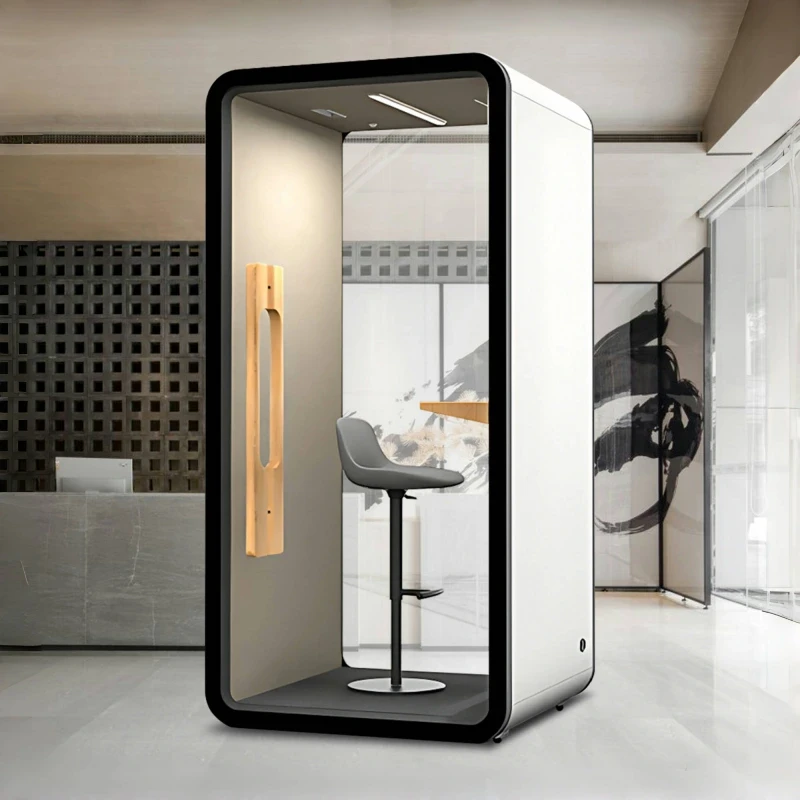
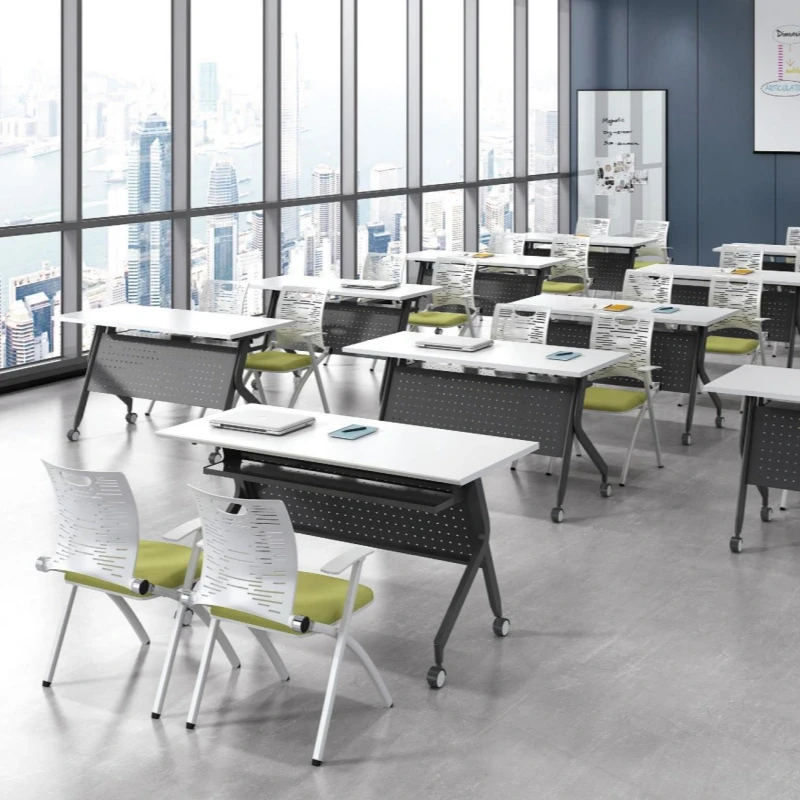
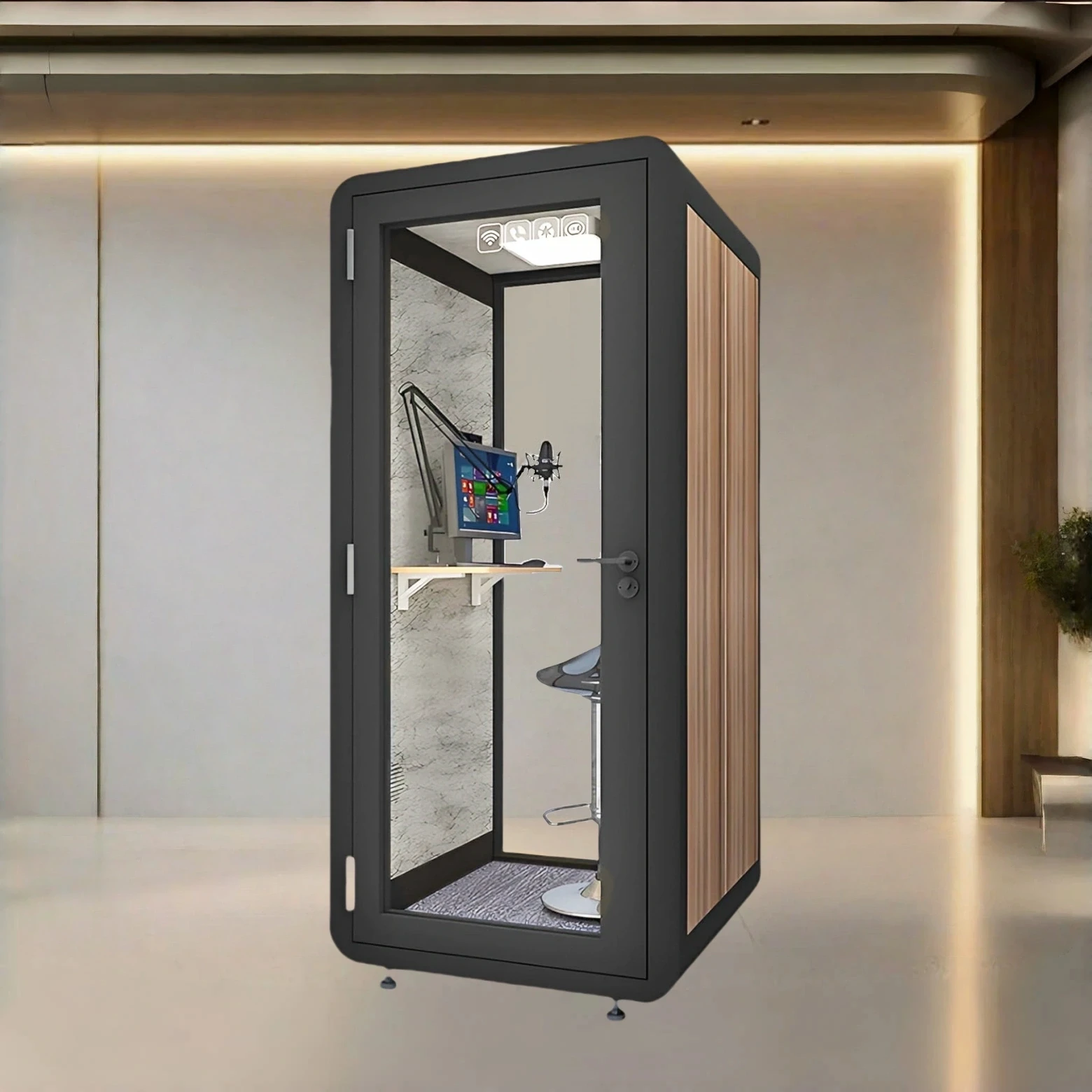
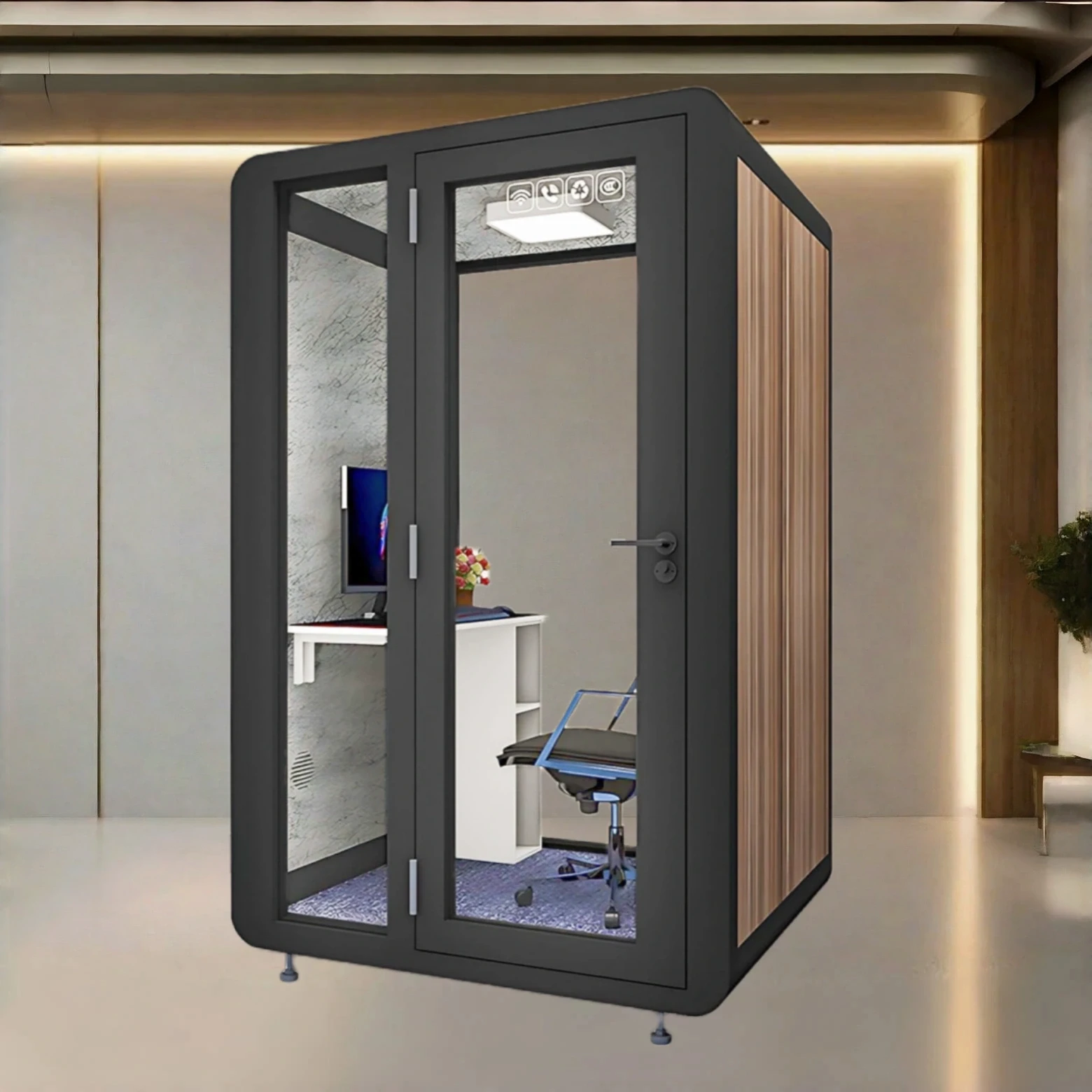
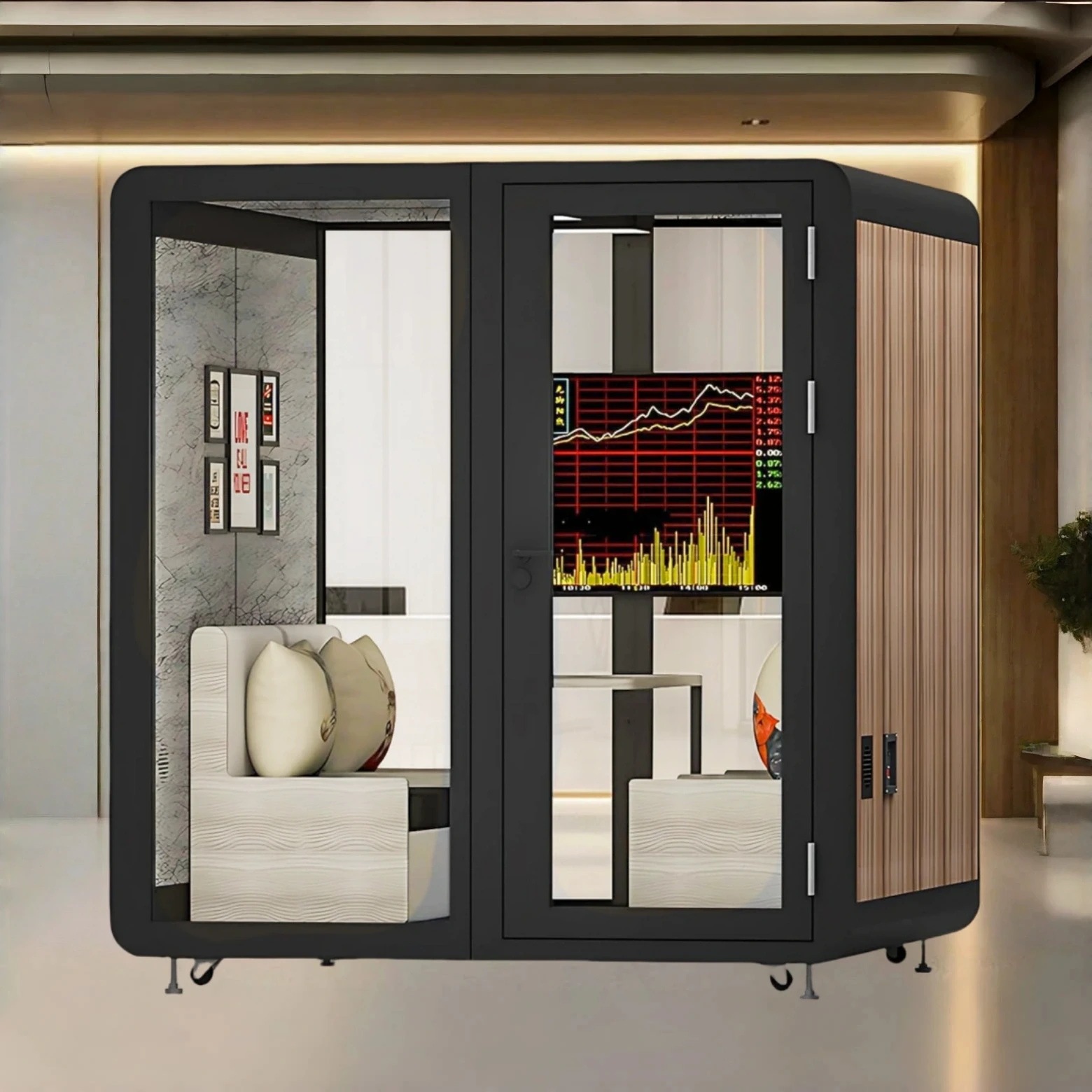
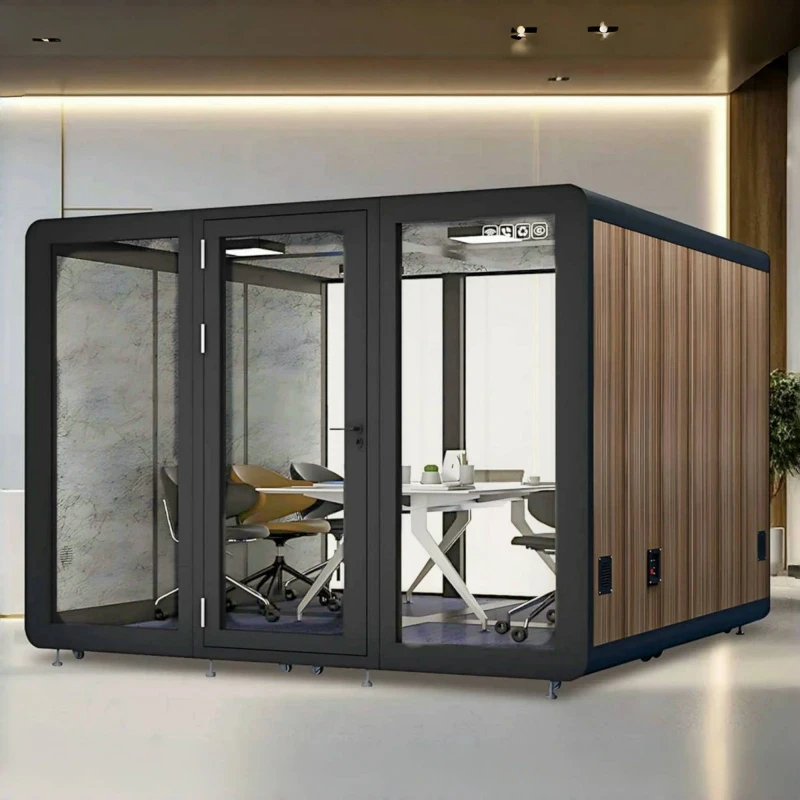
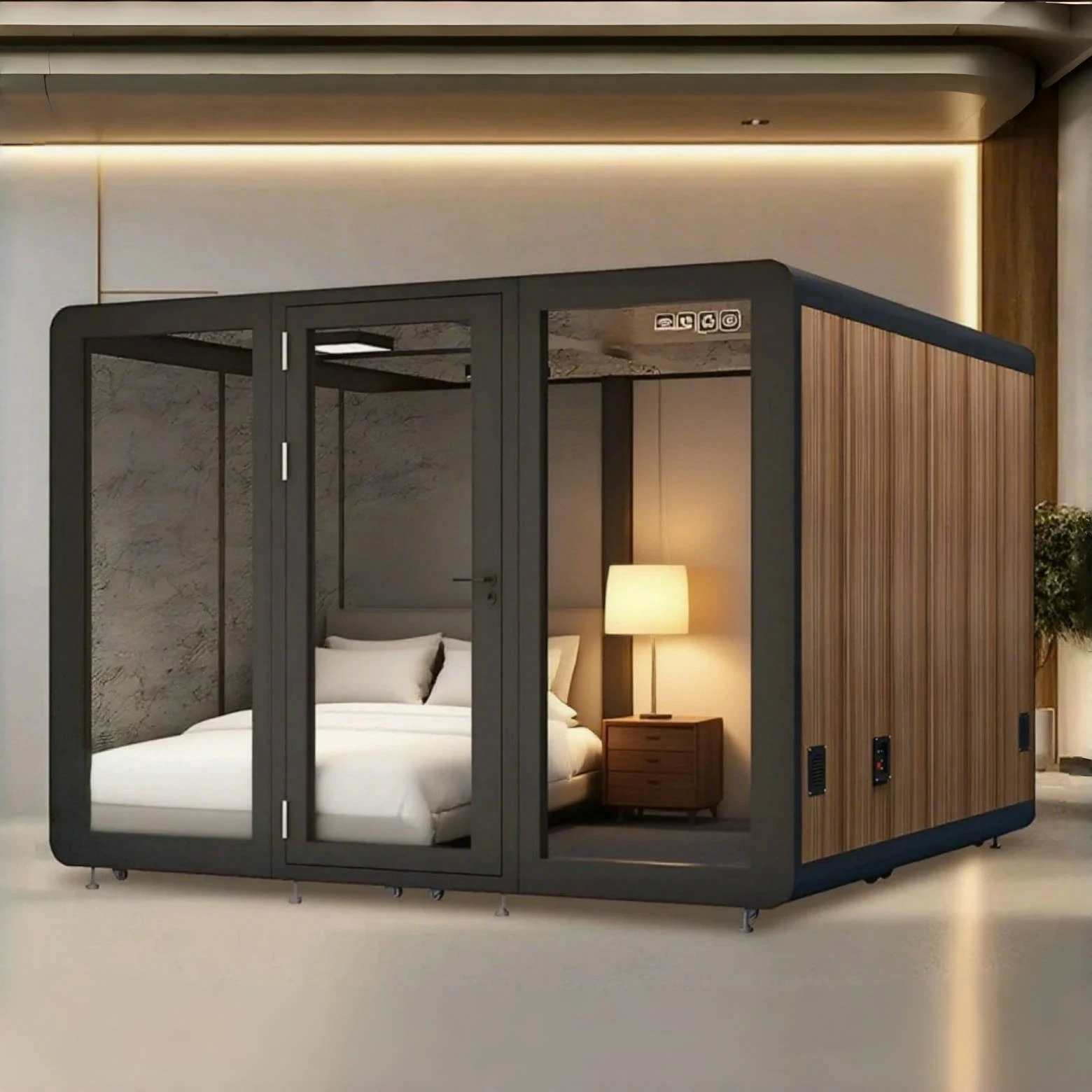


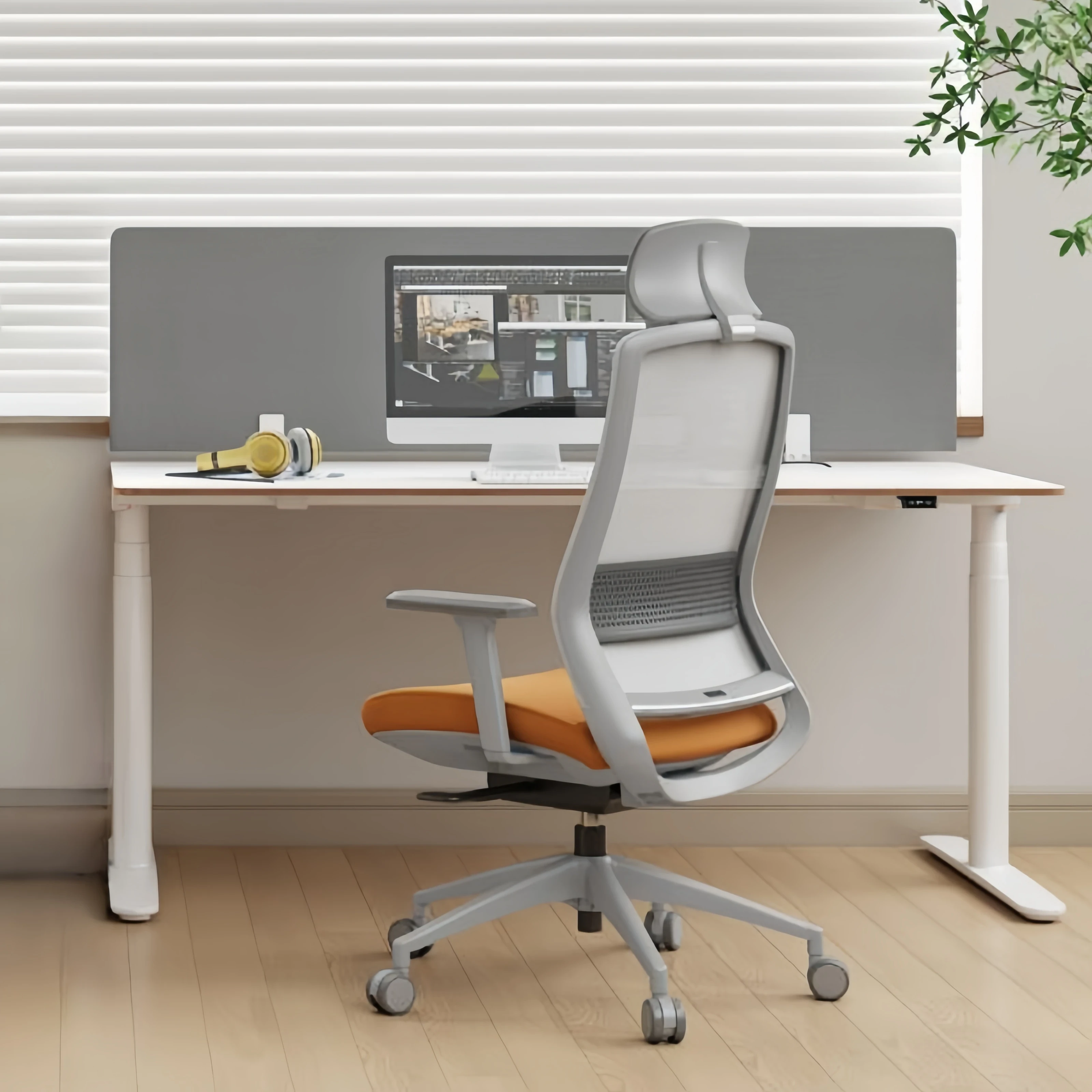


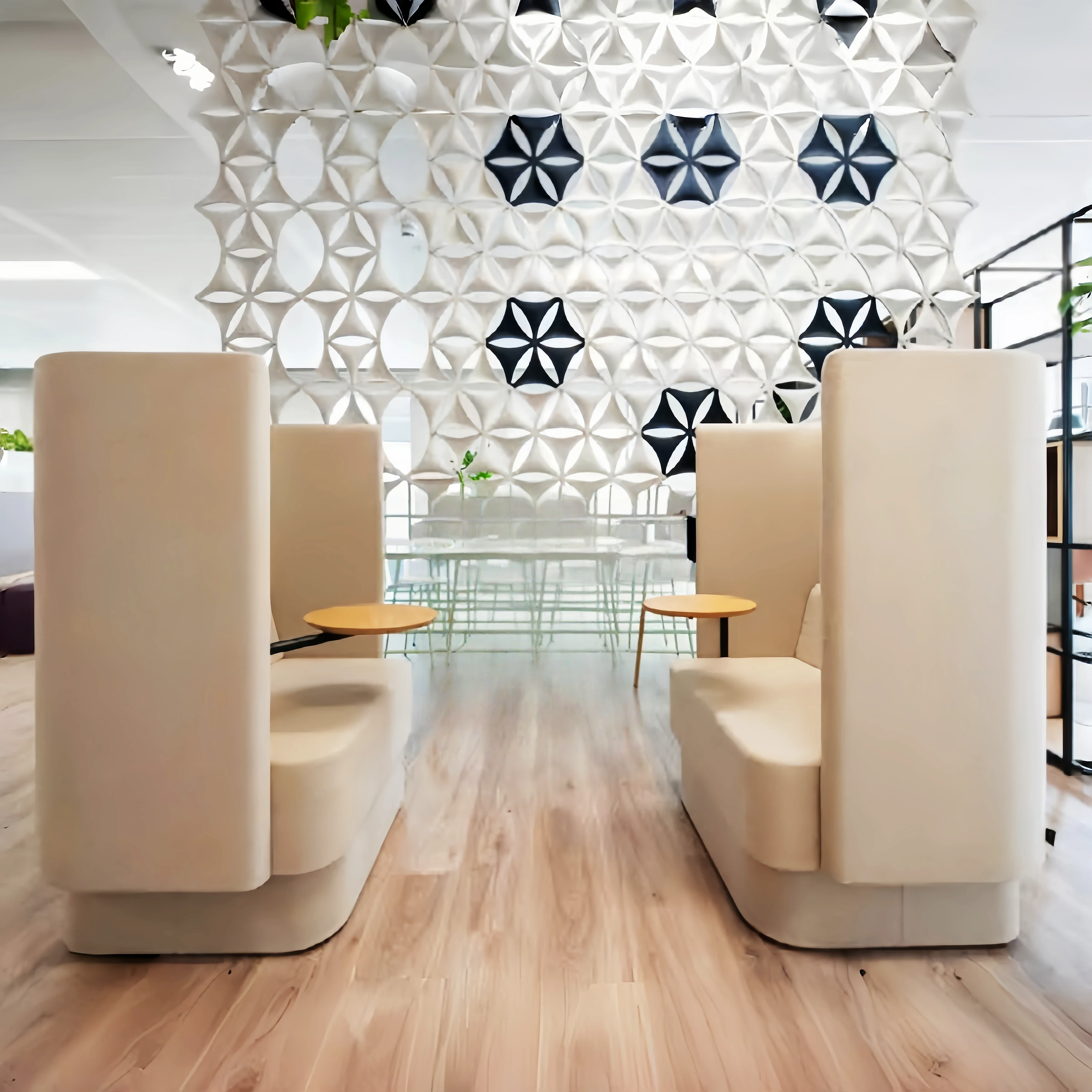

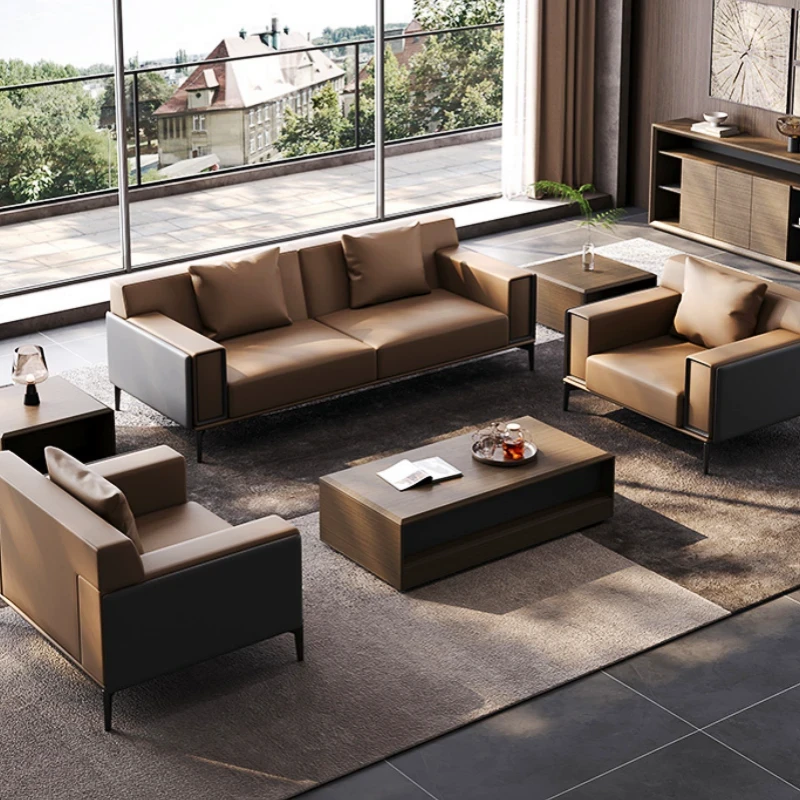
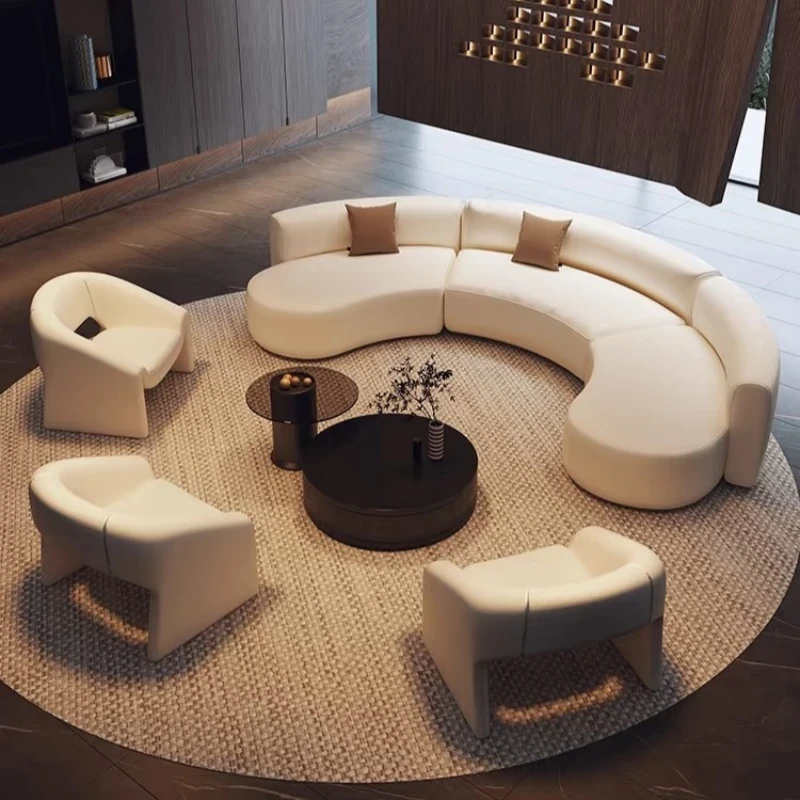
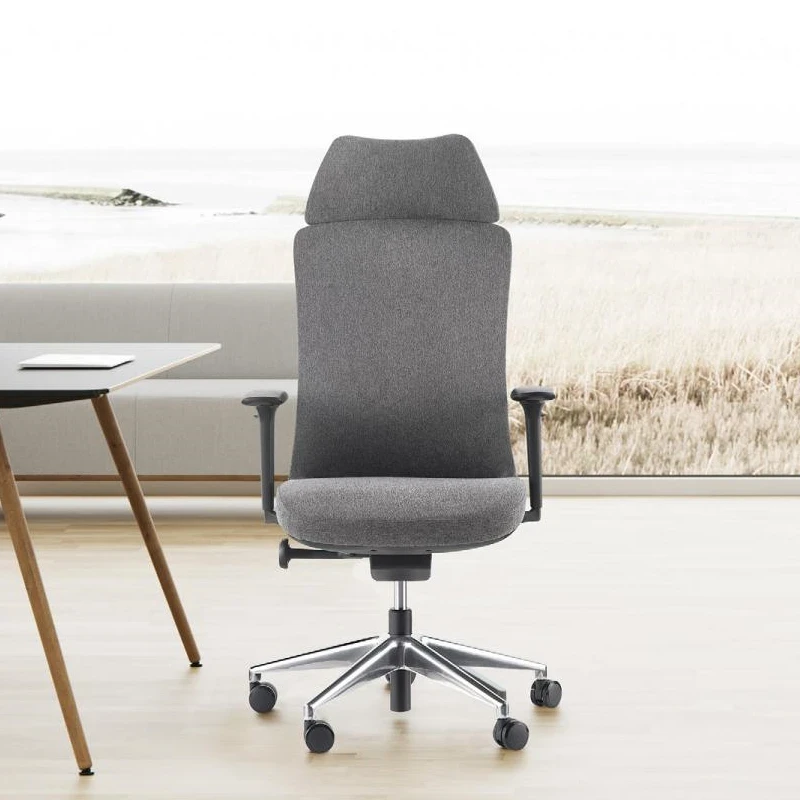


1. Determine Furniture Function and Style
Before selecting a supplier, it's essential to clarify the specific functional requirements and design style of the lounge furniture. For example, is it for a student rest area in a school, an employee break area in an office, or a lobby lounge area in a hotel? Different usage scenarios have different requirements for the furniture's functionality, comfort, and aesthetics. Determining these basic needs helps in more targeted supplier selection.
2. Establish Quality and Durability Standards
Lounge furniture typically undergoes frequent use, making its quality and durability paramount. Establishing clear quality standards, such as material selection, manufacturing processes, wear resistance, and corrosion resistance, helps in selecting suppliers that meet these standards, ensuring the purchased furniture can be used for a long time and reducing maintenance and replacement costs.
II. Evaluate Supplier Qualifications and Experience
1. Supplier Certifications
Selecting suppliers with relevant certifications, such as ISO quality management system certification and environmental certification, ensures that their production capacity and product quality meet industry standards. These certifications not only reflect the supplier's strength but also provide quality assurance for the purchaser.
2. **Extensive Industry Experience
:** Suppliers with extensive industry experience typically understand market demands and customer expectations better, enabling them to provide more professional advice and solutions. Examining a supplier's successful case studies and customer reviews in leisure area furniture customization can help determine their ability to handle similar projects.
III. **Assessing the Supplier's Design and R&D Capabilities:
** 1. **Professional Design Team:**
Excellent suppliers usually possess professional design teams capable of providing innovative and practical design solutions based on specific customer needs. The design team's professionalism and creativity directly impact the final furniture's visual appeal and user experience.
2. **Customization Capabilities:**
Different customers may have different needs. Suppliers with strong customization capabilities can flexibly adjust designs to meet specific customer requirements. Whether it's size, color, material, or functional configuration, customization ensures the furniture perfectly fits the actual usage environment.
IV. **Production and Delivery Capabilities:
** 1. **Advanced Production Equipment:**
The sophistication of a supplier's production equipment directly affects the precision and efficiency of furniture manufacturing. Choosing a supplier with modern production equipment ensures high standards of craftsmanship and quality for customized furniture.
2. **Stable Production Capacity:
** Project sizes vary, requiring different production capabilities from suppliers. Ensuring suppliers have sufficient production capacity to complete orders on time and avoid delivery delays is crucial for the smooth progress of the project.
3. Reasonable Delivery Cycle:
Understanding supplier delivery cycles ensures they can complete furniture production and delivery within the stipulated timeframe. A reasonable delivery cycle not only meets project schedules but also avoids other problems caused by delays.
V. Supply Chain Management and Material Selection
1. High-Quality Raw Material Supply:
The quality of leisure area furniture largely depends on the selection of raw materials. Choosing suppliers that can provide stable, high-quality raw materials ensures the durability and aesthetics of the furniture. High-quality raw materials also guarantee the furniture's environmental friendliness and health benefits.
2. Supply Chain Stability:
The stability of supply chain management directly affects the smooth operation of production and distribution. Choosing suppliers with excellent supply chain management can reduce production delays caused by raw material shortages or logistical problems, ensuring the project progresses as planned.
VI. After-Sales Service and Guarantee
1. Comprehensive After-Sales Service System:
Good after-sales service is an important consideration when selecting suppliers. Services including installation, commissioning, maintenance, and product replacement provide timely support during furniture use, ensuring its long-term smooth operation.
2. Clear Warranty Policy:
Suppliers should provide a clear warranty policy to guarantee the furniture's quality within a certain period. Understanding the warranty coverage and procedures helps ensure quick resolution of problems and reduces inconvenience during use.
VII. Price and Cost-Effectiveness Analysis
1. Reasonable Price Positioning:
Under the premise of ensuring quality and service, reasonable price positioning is an important reference for selecting suppliers. By comparing prices from multiple sources, selecting the supplier with the highest cost-effectiveness can meet budget requirements and obtain satisfactory products and services.
2. Transparent Pricing System:
Suppliers should provide a transparent pricing system, clearly defining the composition of each cost to avoid hidden fees later. Transparent pricing not only helps with budget management but also reflects the supplier's integrity and professionalism.
VIII. Referencing Customer Reviews and Reputation
1. Customer Feedback and Evaluation:
By reviewing the supplier's customer reviews and feedback, understand their performance and service level in actual projects. Good customer reputation is usually the best proof of a supplier's strength and credibility.
2. Case Analysis and On-Site Visits:
Analyze the supplier's successful cases to understand their performance in similar projects. In addition, on-site visits to the supplier's production workshop and showroom to personally experience product quality and service attitude are also important means of evaluating suppliers.
IX. Establishing Long-Term Cooperative Relationships
1. Willingness to Cooperate and Communication Efficiency
: Selecting suppliers willing to establish long-term cooperative relationships can ensure continued support and preferential treatment in future projects. Effective communication and a willingness to cooperate facilitate the smooth resolution of various issues during project implementation.
2. Collaborative Development and Innovation
: Establishing a partnership with suppliers fosters mutual growth, encouraging continuous innovation in design, materials, and processes to meet evolving market demands. This collaborative approach drives mutual improvement in quality and service.
Conclusion:
Selecting suitable suppliers for customized furniture procurement in the leisure area is a crucial step in ensuring project success and achieving expected results. By clarifying needs and standards, evaluating supplier qualifications and experience, assessing design and R&D capabilities, focusing on production and delivery capabilities, managing the supply chain and material selection, prioritizing after-sales service and support, conducting price and cost-effectiveness analysis, considering customer reviews and reputation, and establishing long-term partnerships, the procuring party can find the most suitable supplier, ensuring high quality and efficiency in the procurement of customized furniture for the leisure area. Ultimately, this not only enhances the overall atmosphere and user experience of the leisure area but also brings long-term economic benefits and brand value to the organization.