
 USD
USD GBP
GBP
 EUR
EUR


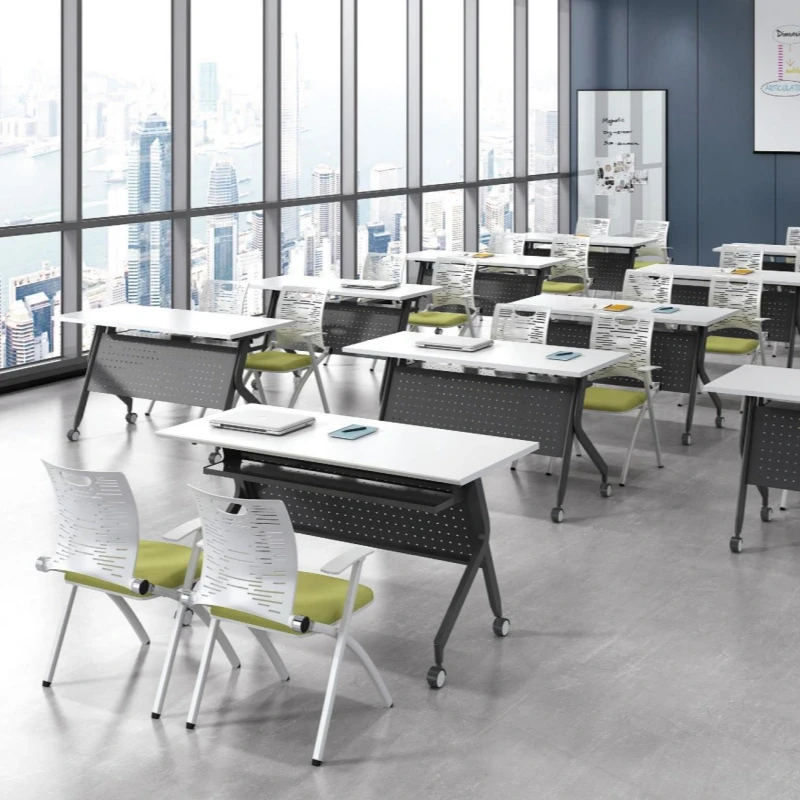
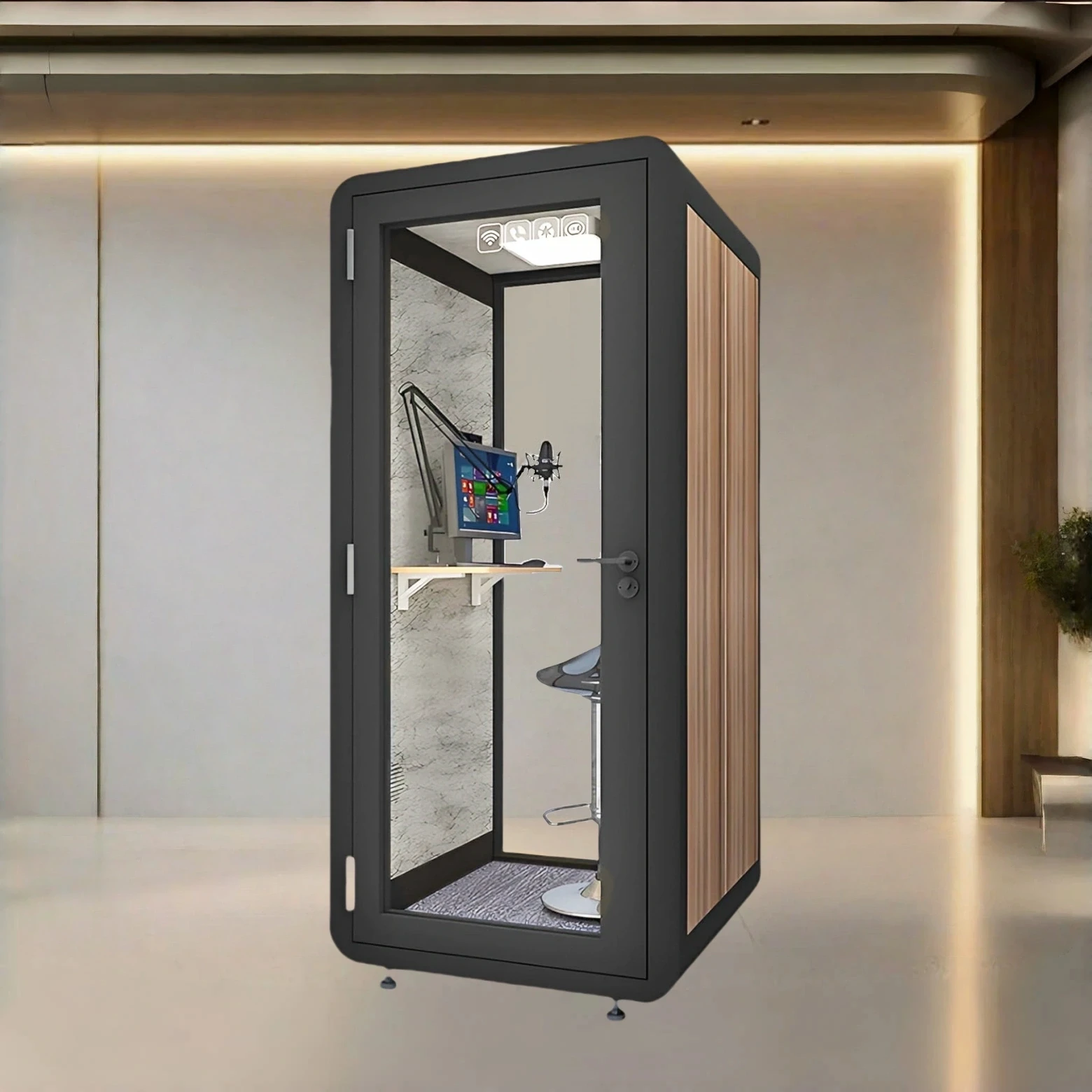
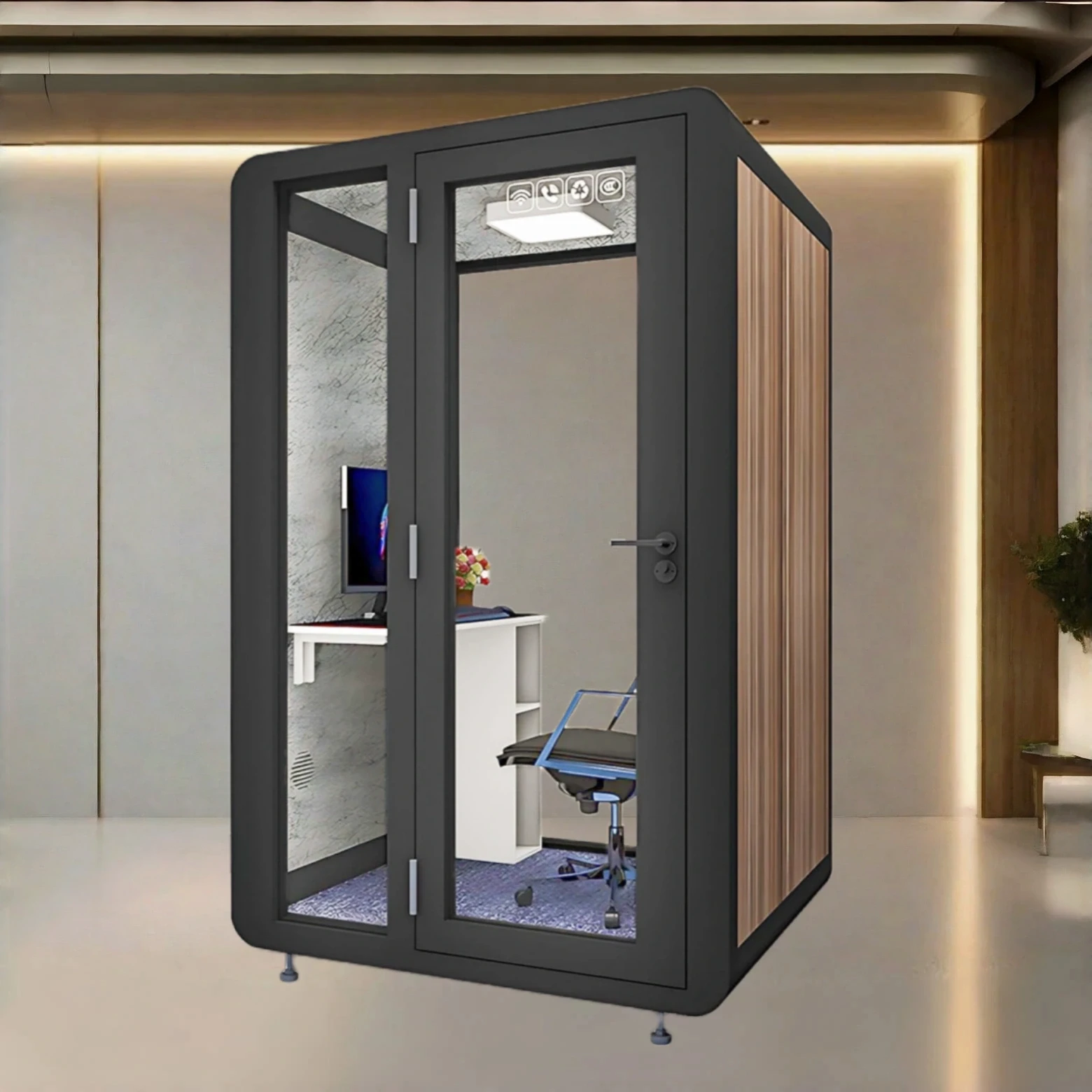
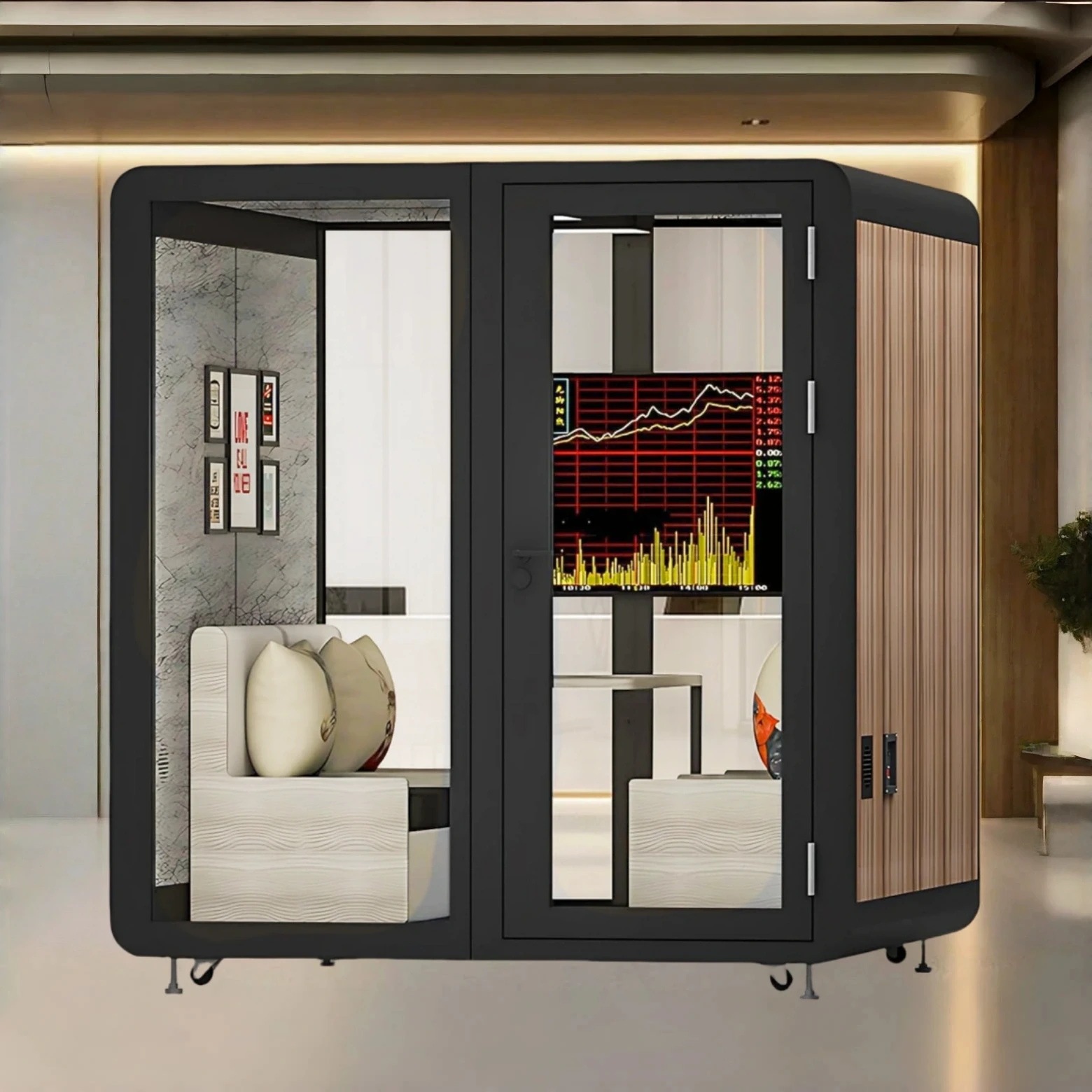











1. Production Equipment and Technology Level:
Understanding a manufacturer's production equipment and technology level is the first step in assessing its production capacity. Advanced equipment and mature technology not only improve production efficiency but also ensure product precision and consistency. Examine whether the manufacturer is equipped with modern machinery, such as CNC machine tools and automated production lines, and whether it possesses advanced design software and a technical team.
2. Production Scale and Capacity:
A manufacturer's production scale and capacity directly affect order delivery time and large-scale production capabilities. Companies should understand the manufacturer's annual output, monthly output, and peak-period processing capacity to ensure it can meet their own needs. Simultaneously, assess the manufacturer's expansion capabilities to cope with future business growth or sudden order demands.
3. Raw Material Supply and Management:
High-quality office desks and chairs rely on high-quality raw materials. Understand whether the manufacturer has a stable raw material supply chain, whether it uses environmentally friendly materials, and the qualifications and cooperative relationships of its suppliers. Good raw material management not only ensures product quality but also reduces production delays and cost fluctuations.
4. Production Cycle and Delivery Capacity:
Clarifying a manufacturer's production cycle and delivery capacity is crucial for a company's procurement plans. Understand their typical production cycle, order processing time, and ability to handle urgent orders to ensure timely project completion and avoid disruptions to office layout and usage due to delivery delays.
II. Evaluate Service Quality
1. Customer Service and Response Speed
Excellent customer service is the foundation of a good working relationship. Evaluate the manufacturer's responsiveness and attitude during communication, and whether they can promptly answer questions and resolve issues. A good manufacturer should have a professional customer service team that can provide support and guidance at every stage.
2. Customization Capability and Flexibility
Different companies have different needs for office desks and chairs; customization capability is an important criterion for selecting a manufacturer. Understand whether the manufacturer can design and adjust according to the company's specific needs, such as size, color, materials, and functions. Evaluate the flexibility and creativity offered during the customization process to ensure the final product fully meets the company's requirements.
3. After-Sales Service and Guarantee
A comprehensive after-sales service system can provide timely solutions when product problems arise, including repair, replacement, and technical support. Understand the manufacturer's after-sales service policy, clarify the warranty scope and period, and ensure effective protection during product use, reducing subsequent maintenance costs and hassles.
4. Customer Reviews and Market Reputation:
By reviewing customer reviews and market reputation, companies can gain a direct understanding of a manufacturer's credibility and service level. They can refer to feedback from other customers to understand their performance in actual cooperation, such as on-time delivery, product quality, and service attitude. Choosing a manufacturer with a good reputation can reduce cooperation risks and ensure a smooth procurement process.
5. Communication and Cooperation Attitude:
Good communication is key to successful cooperation. Evaluate the manufacturer's communication effectiveness at the beginning of the project, whether they understand and respect the company's needs, and whether they are willing to provide professional advice and support. Manufacturers with a positive and sincere cooperation attitude are more likely to establish long-term and stable cooperative relationships, jointly promoting the smooth implementation of the project.
III. On-site Inspection and Sample Verification
1. On-site Inspection of Production Base:
If conditions permit, companies should personally visit the manufacturer's production base for an on-site inspection. Through on-site observation, companies can directly understand the manufacturer's production environment, equipment status, management level, and working conditions. This not only helps to assess their production capacity but also verifies whether they meet relevant industry standards and environmental protection requirements.
2. Sample Testing and Verification:
Before making a final decision, request the manufacturer to provide samples for testing and verification. Through actual use, the quality, comfort, durability, and other aspects of the product can be evaluated to determine whether they meet expectations. Meanwhile, sample testing can also help companies discover potential problems in the design and manufacturing process, avoiding quality risks in large-scale production.
IV. Price and Cost-Effectiveness Analysis
Price is an important factor to consider when choosing a manufacturer, but it is not the only criterion. Companies should conduct a comprehensive analysis of price and cost-effectiveness while ensuring quality and service. Compare quotations from different manufacturers, combining their production capacity and service quality, to select the partner with the most comprehensive advantages. Avoid using the lowest price as the sole criterion, neglecting the importance of quality and service, which can lead to various problems later.
V. Contract and Legal Protection
After confirming the intention to cooperate, formulating detailed contract terms is key to protecting the rights and interests of both parties. The contract should clearly define product specifications, price, delivery time, payment method, after-sales service, etc., to avoid disputes caused by vague terms. At the same time, understand and abide by relevant laws and regulations to ensure the legality and compliance of the cooperation process.
Conclusion
Evaluating the production capacity and service quality of office desk and chair customization manufacturers is an important step in ensuring smooth procurement and product satisfaction for enterprises. By comprehensively examining the manufacturer's production equipment, capacity, raw material management, customer service, customization capabilities, after-sales guarantees, and market reputation, enterprises can select the most suitable partner to improve the comfort of the office environment and work efficiency. At the same time, the good cooperative relationship provides a solid guarantee for the company's future office furniture needs and helps the company to continue to develop.