
 USD
USD GBP
GBP
 EUR
EUR
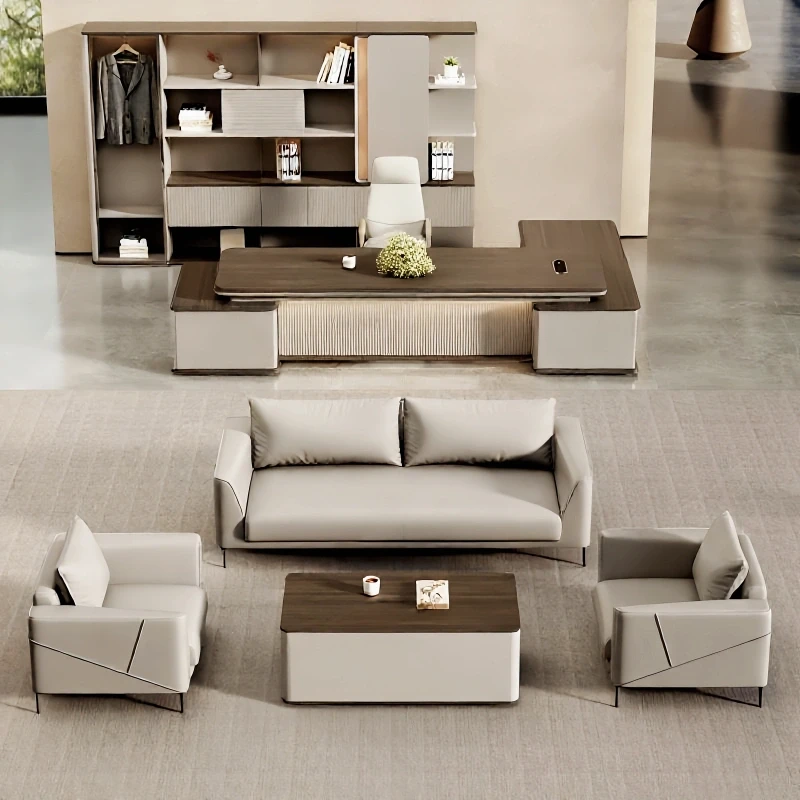
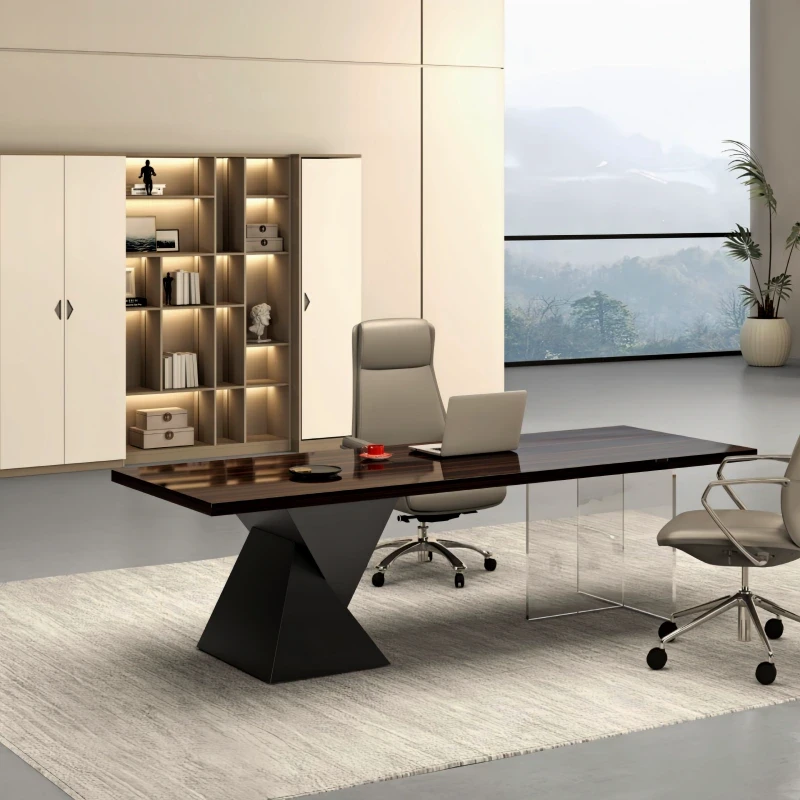


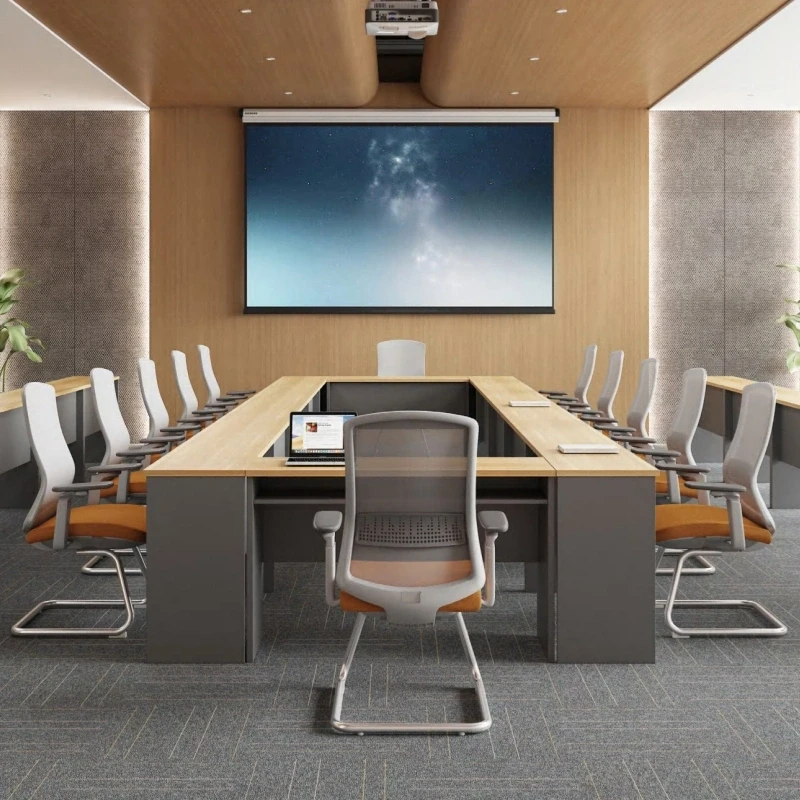
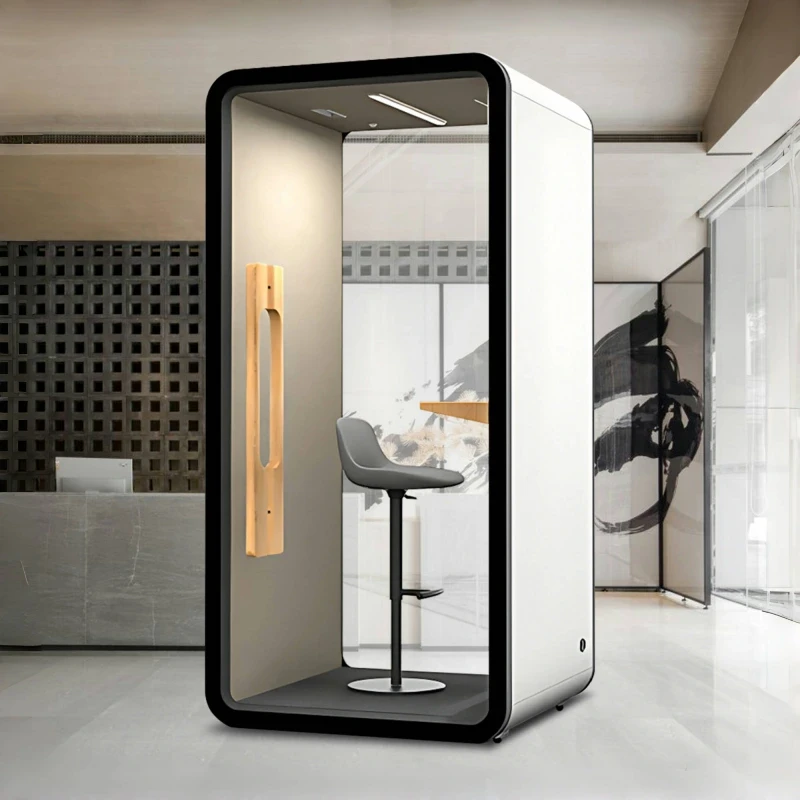
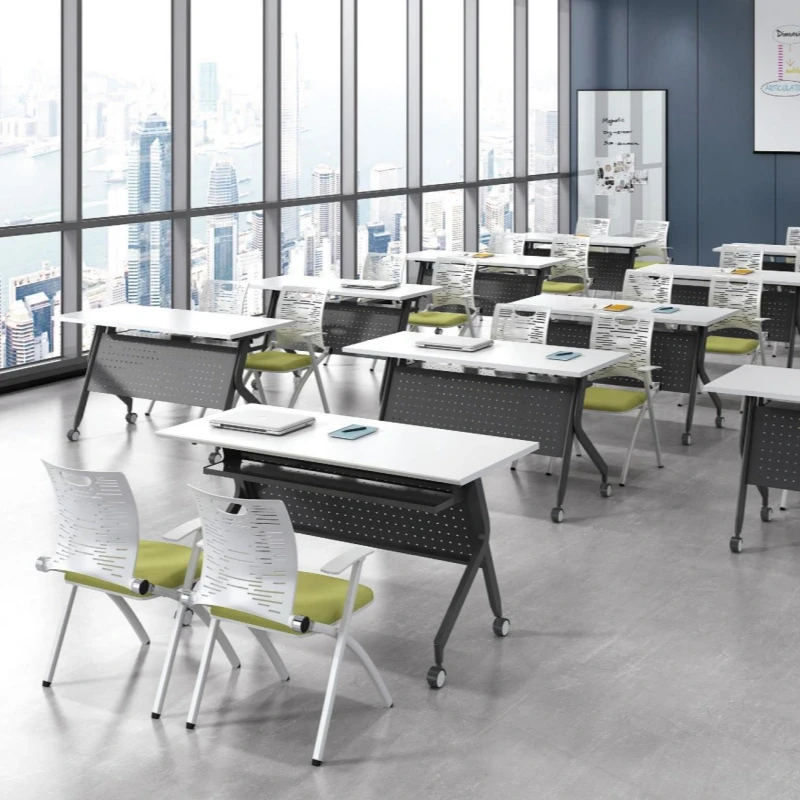
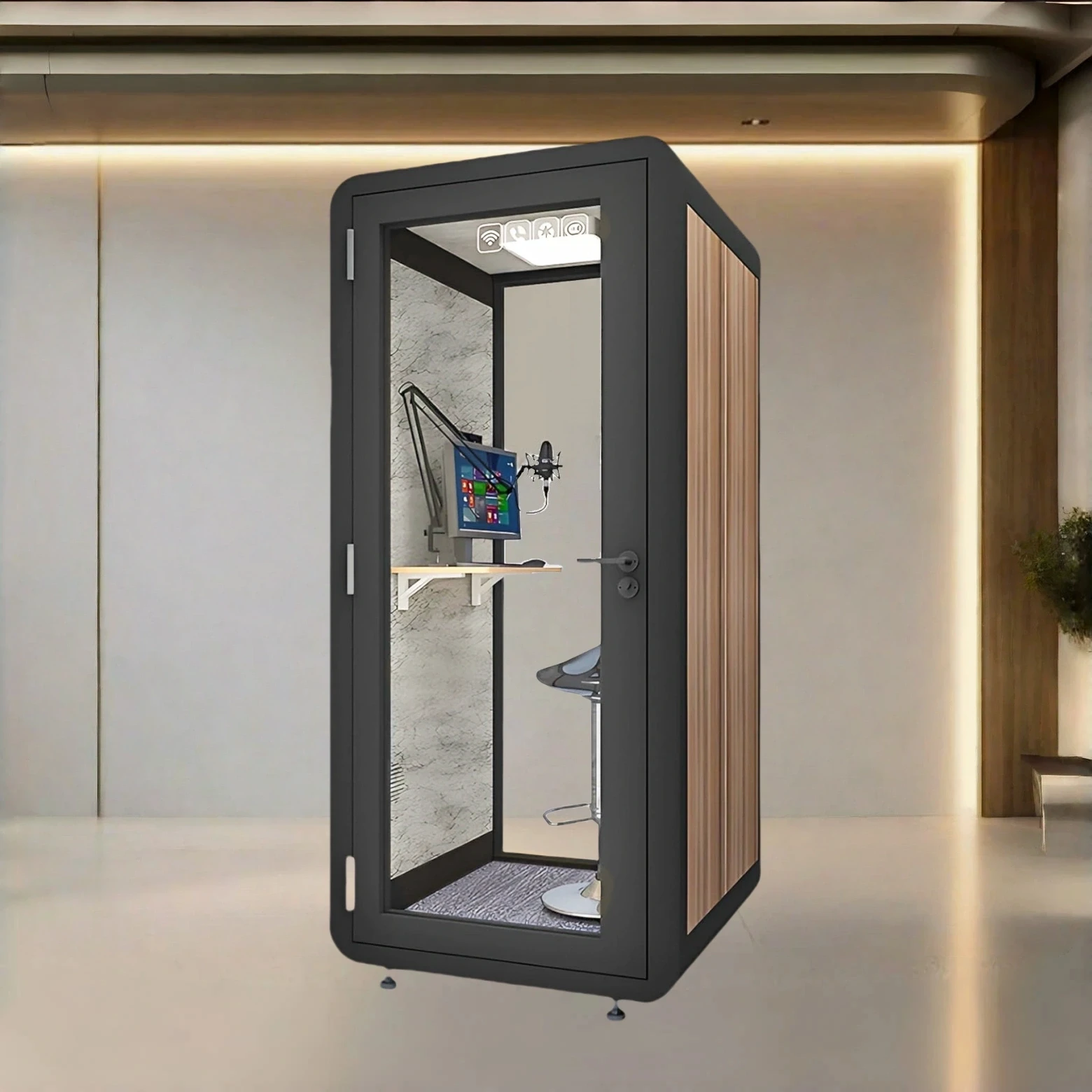
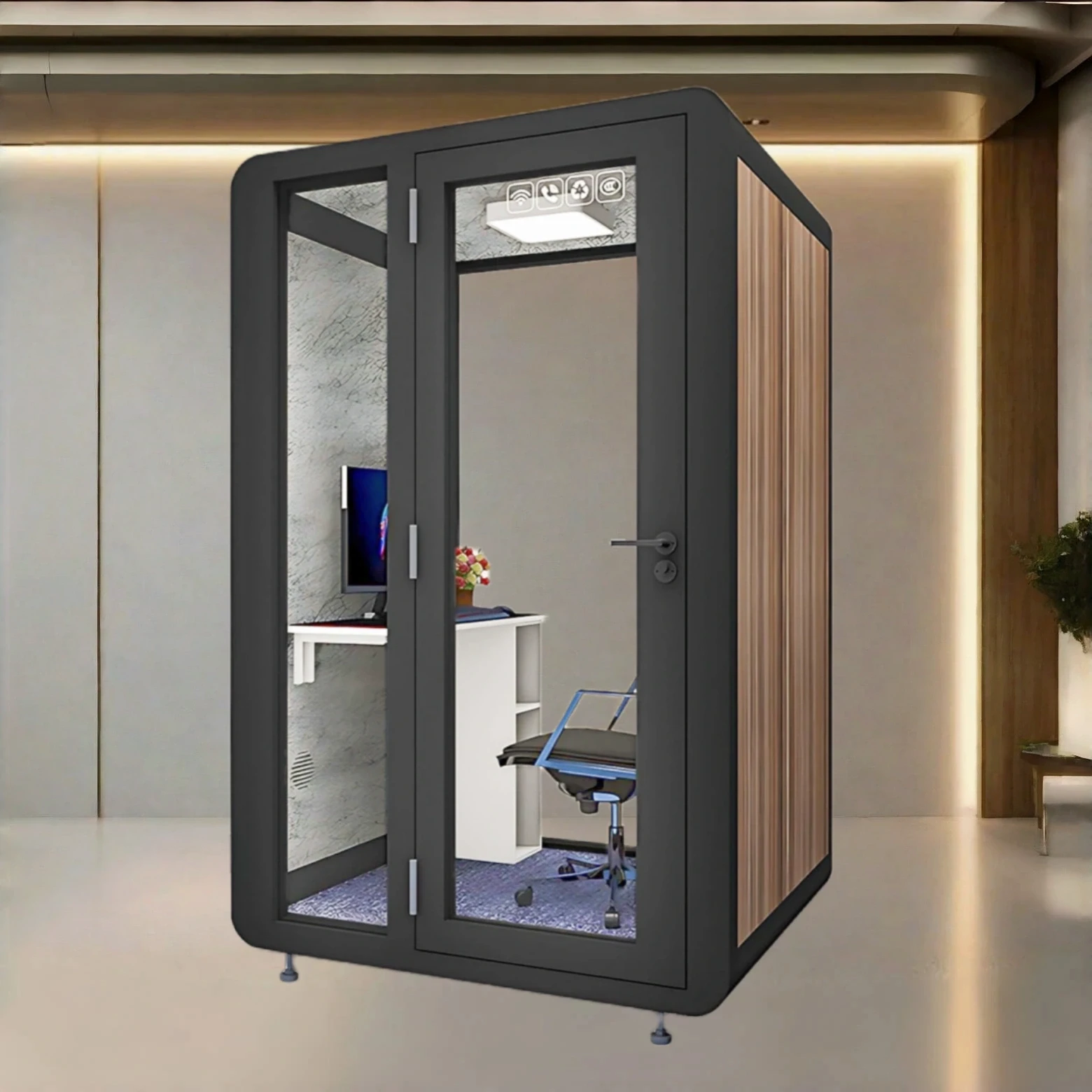
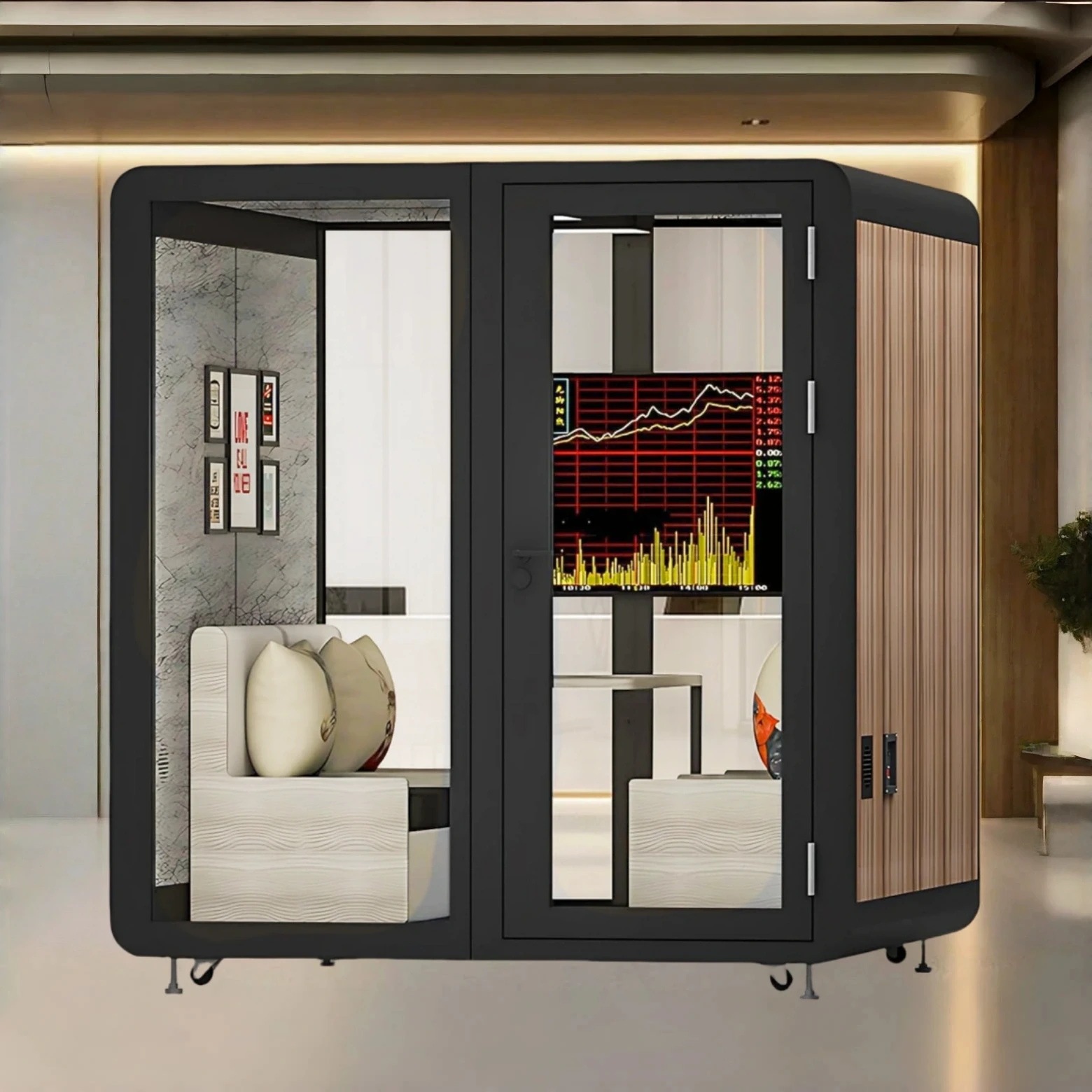





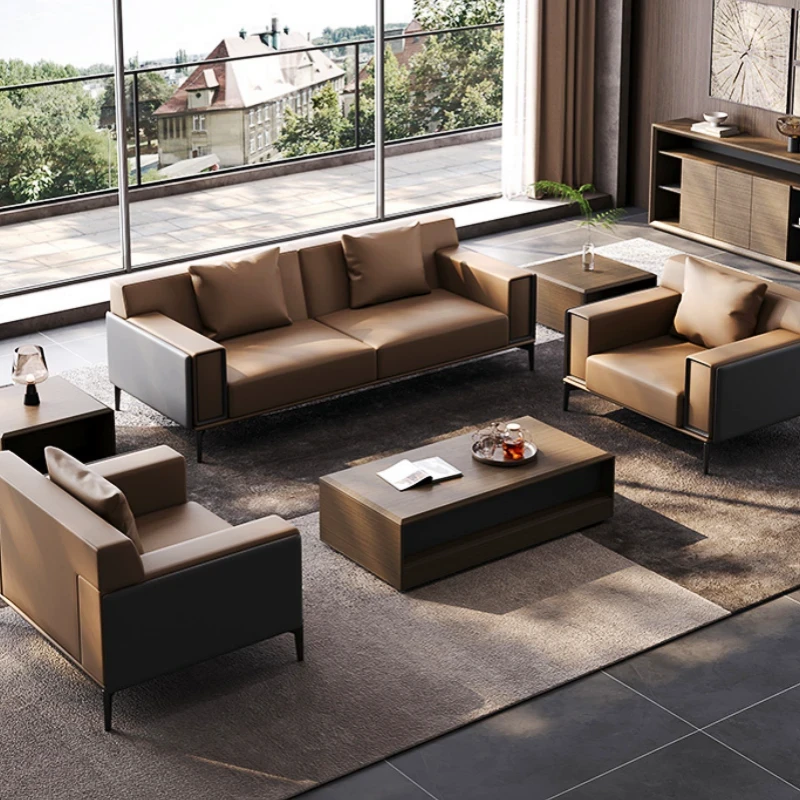
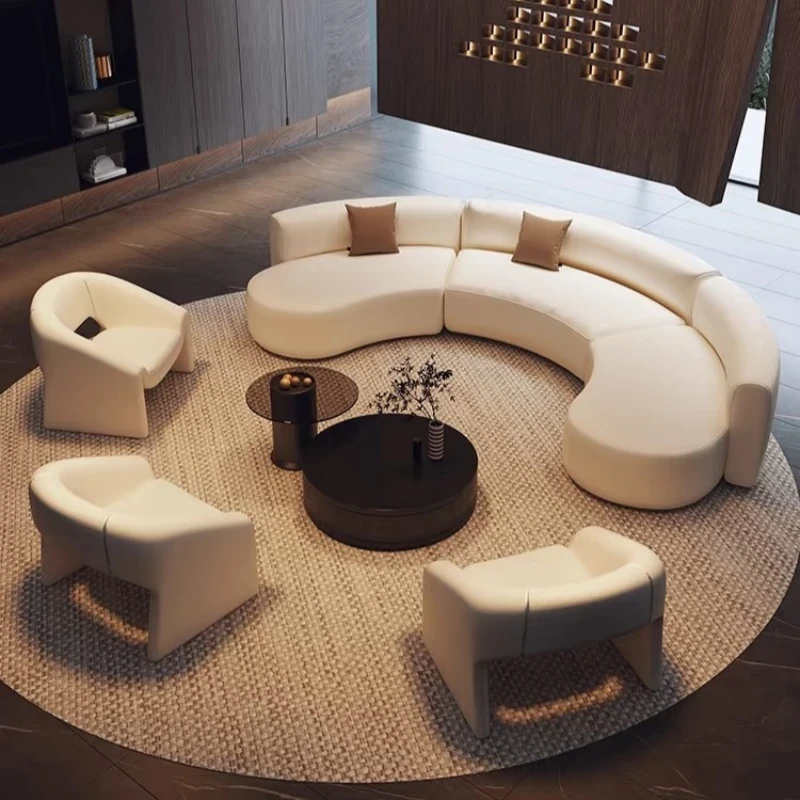
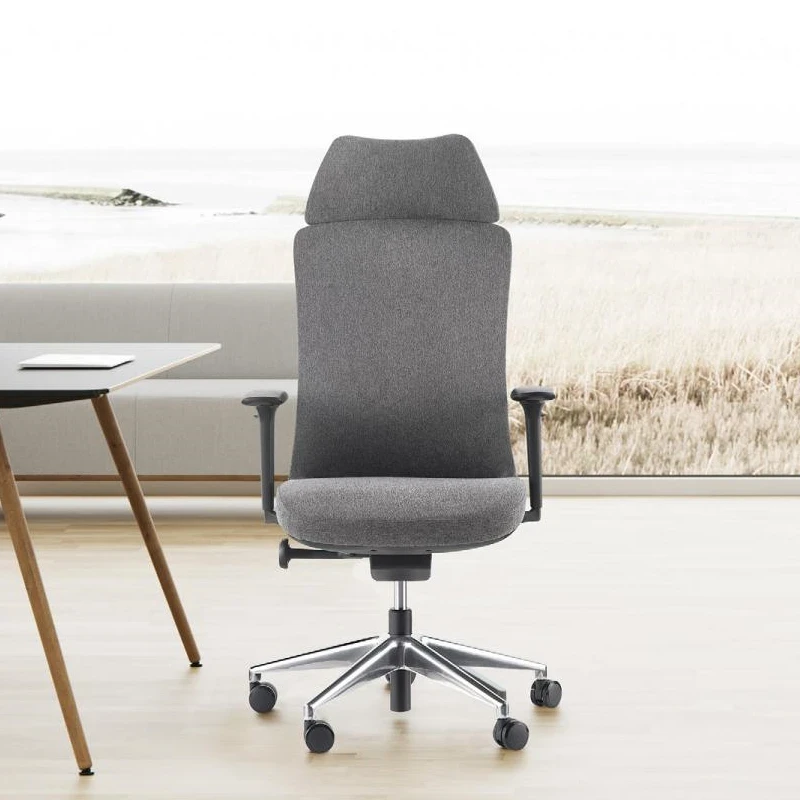


1. Desks and Chairs
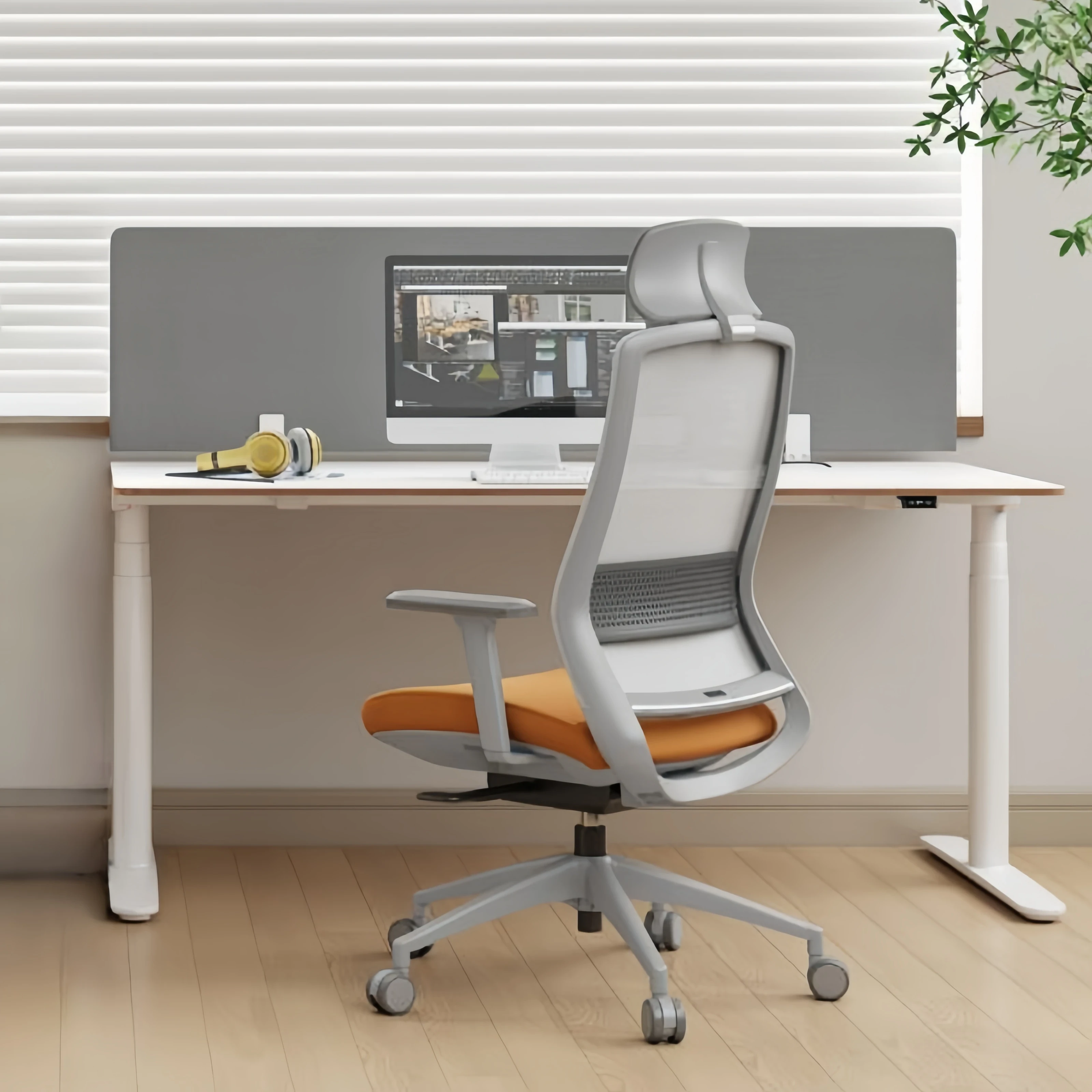
Desks and chairs are the most basic and important furniture in an office. Modern offices emphasize ergonomic design; office chairs need to be height-adjustable, have back support, and be comfortable, while desks need to provide sufficient workspace and storage.
2. Lockers and Filing Cabinets
Lockers and filing cabinets are essential to maintain a clean and orderly office environment. These pieces of furniture usually feature locks to ensure the safe storage of documents and items, while also facilitating categorized management.
3. Conference Tables and Chairs
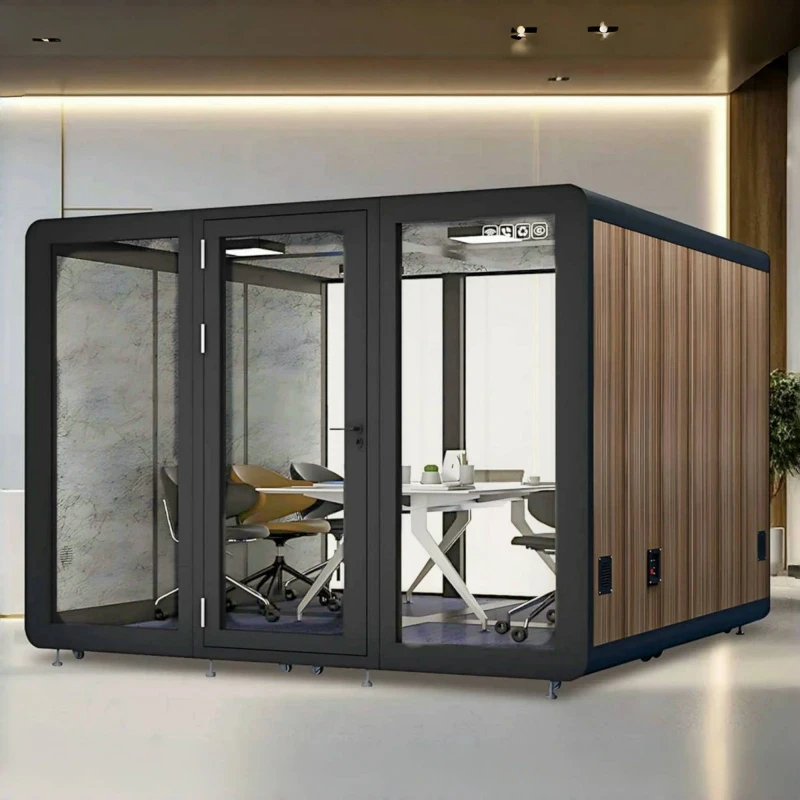
Conference areas need to be equipped with conference tables suitable for group discussions and comfortable conference chairs. The size and shape of the conference table should be selected according to the size of the meeting room and usage needs to promote efficient communication and collaboration.
4. Reception Area Furniture
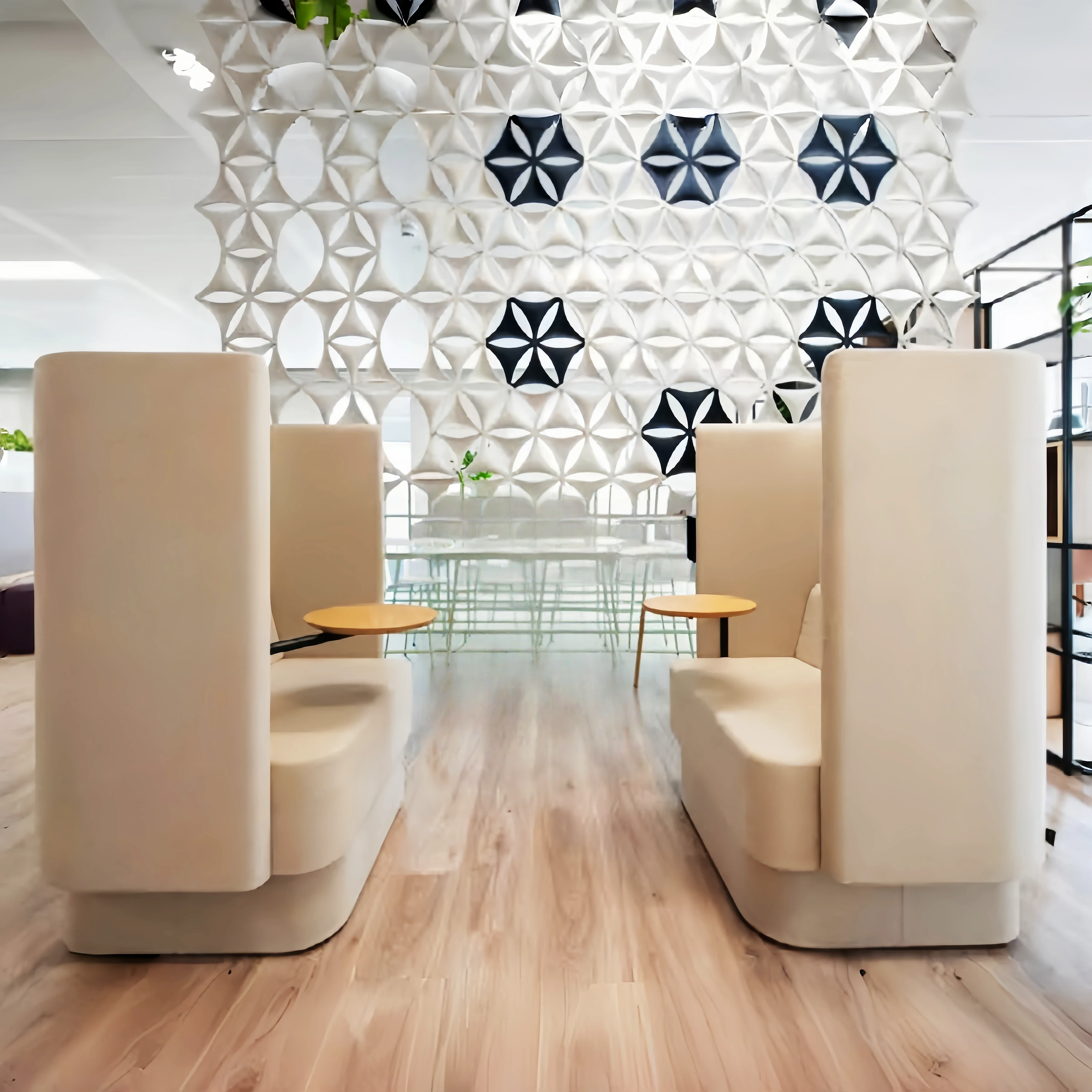
The reception area is an important space for showcasing a company's image, typically including a reception desk, waiting sofas, and coffee tables. This furniture should not only be aesthetically pleasing but also practical and comfortable, leaving a good first impression on visitors.
II. Hotel Furniture
1. Guest Room Furniture
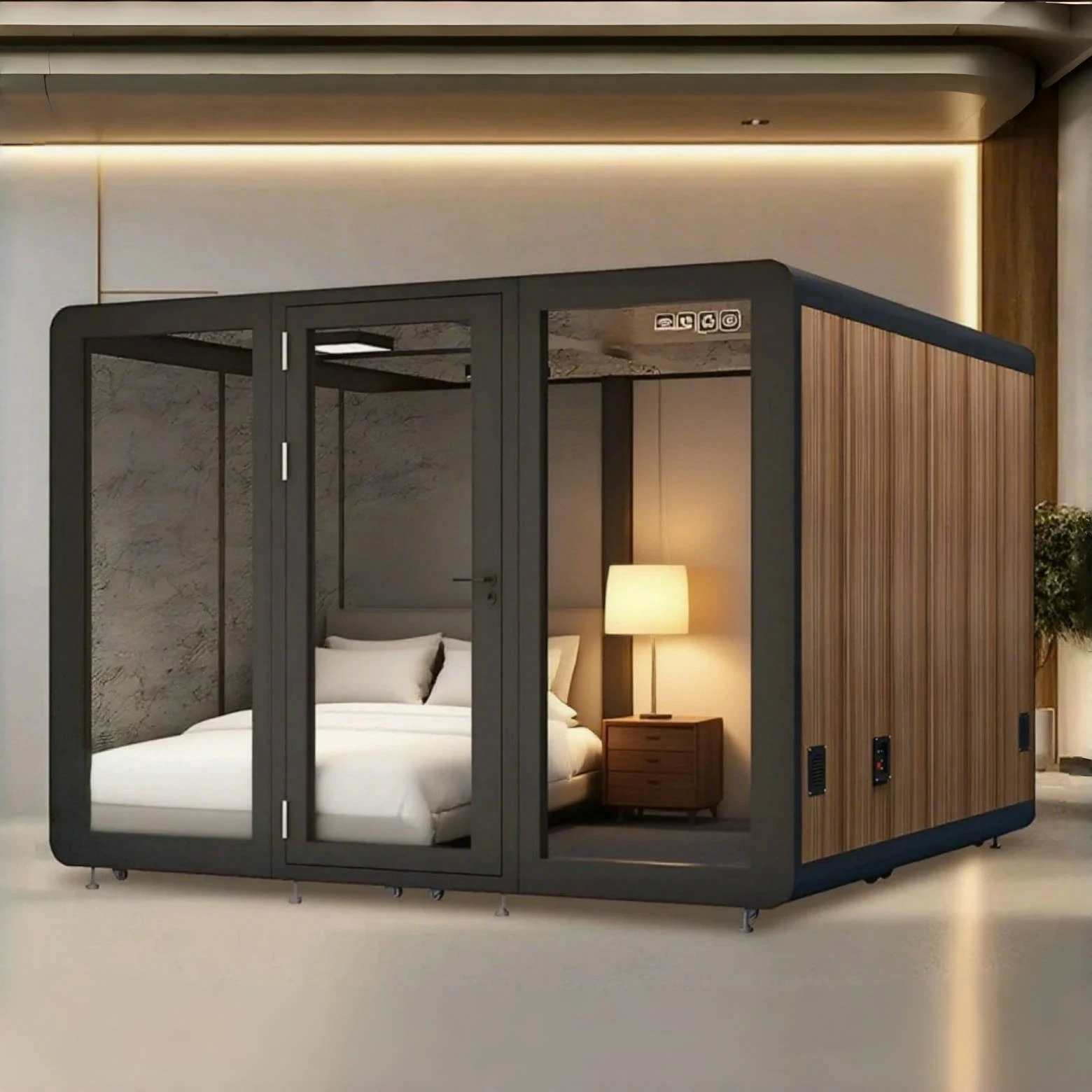
Hotel guest room furniture includes beds, bedside tables, wardrobes, desks, and chairs. 1. Guest Room Furniture: Guest room furniture should balance comfort and functionality, while also ensuring harmony between design style and overall décor to enhance the guest experience.
2. Lobby Furniture:
The hotel lobby is a key area showcasing the hotel's class and taste. Common lobby furniture includes a reception desk, sofas, coffee tables, and display cabinets. This furniture needs to be high-quality and artistic, creating a comfortable and upscale atmosphere.
3. Restaurant and Bar Furniture:
Hotel restaurants and bars need to be equipped with tables, chairs, bar stools, and storage cabinets that match the theme and style. The materials and design of the furniture should consider durability and ease of cleaning to meet the needs of high-frequency use and various dining environments.
4. Conference and Banquet Furniture:
Hotel conference rooms and banquet halls need to be equipped with multifunctional conference tables, banquet chairs, stage equipment, etc. This type of furniture typically needs to be easy to move, combinable, and versatile to adapt to the needs of meetings and events of different sizes and types.
III. Catering Furniture
1. Tables and Chairs:
The core furniture in catering establishments is the table and chairs. The design needs to consider the spatial layout, the number of diners, and dining comfort. Different types of restaurants may require different styles and materials of tables and chairs to match the overall décor.
2. Bar furniture
includes bar tables, bar stools, and storage cabinets. This type of furniture needs to be both functional and stylish, meeting customer needs while enhancing the overall space's fashion and vibrancy.
3. Display cabinets and storage shelves:
Display cabinets and storage shelves used to display food, drinks, or decorative items are important accessories for catering establishments. These pieces of furniture need to provide good display effects and practical storage functions, while maintaining hygiene and safety.
IV. Retail Furniture
1. Display racks and cabinets:
Retail stores need various display racks and cabinets to showcase merchandise and enhance its visibility and appeal. This furniture needs to be designed according to the type of merchandise and the store layout, adapting flexibly to different display needs.
2. Cash register and customer service area furniture:
The cash register is the first point of contact between the retail store and customers, and its design needs to be simple and efficient. The customer service area needs to be equipped with comfortable seating and an information desk to enhance the customer shopping experience and satisfaction.
3. Storage Furniture:
Storage furniture used for storing inventory and replenishing stock, such as shelves and warehouse cabinets. This furniture needs to have strong load-bearing capacity and good organization to ensure the safety of goods and convenient management.
V. Medical Institution Furniture
1. Ward Furniture:
Includes hospital beds, nurse stations, patient lockers, and bedside tables. Ward furniture needs to be ergonomically designed to ensure patient comfort and efficient work for nursing staff.
2. Reception and Waiting Area Furniture:
Reception and waiting areas in medical institutions need to be equipped with comfortable chairs, tables, and decorative furniture to create a warm and harmonious environment and alleviate patient anxiety.
3. Office Furniture:
Medical staff's office areas need to be equipped with desks and chairs, lockers, and filing cabinets that meet professional needs to ensure a clean and efficient working environment.
VI. Educational Institution Furniture
1. Classroom Furniture:
Includes teacher's desks and chairs, blackboards, lecterns, and lockers. Classroom furniture needs to consider both student comfort and teachers' teaching needs to promote a good learning atmosphere.
2. Office and Teacher Rest Area Furniture:
School management and teacher office areas need to be equipped with desks and chairs, lockers, and comfortable rest seats to improve work efficiency and teacher job satisfaction.
3. Library Furniture:
Libraries need to be equipped with bookshelves, reading tables and chairs, and computer desks. The design should focus on the rational use of space and a quiet reading environment to enhance students' learning experience.
VII. Other Commercial Space Furniture
1. Gym Furniture:
Includes gym equipment, rest area seating, lockers, and storage lockers. Gym furniture needs to be durable and functional to meet different fitness needs and usage frequencies.
2. Cinema Furniture:
Cinema seats, aisle handrails, projection room furniture, etc., need to be comfortable and safe, while also considering the overall layout of the space and the viewing experience.
3. Bar and Entertainment Furniture:
Includes bar stools, stage equipment, sofas, and game area furniture. This type of furniture needs to be both stylish and functional, creating a lively and pleasant atmosphere.
Conclusion:
Commercial engineering furniture covers a diverse range of furniture required for various commercial spaces, from offices to hotels, from catering to retail; each industry has its unique furniture needs. Choosing the right furniture can not only enhance the functionality and aesthetics of a space, but also strengthen a company's brand image and customer experience. By understanding the types and characteristics of furniture for different commercial spaces, businesses and managers can make more informed furniture selections and layouts, creating an efficient, comfortable, and attractive business environment.