
 USD
USD GBP
GBP
 EUR
EUR
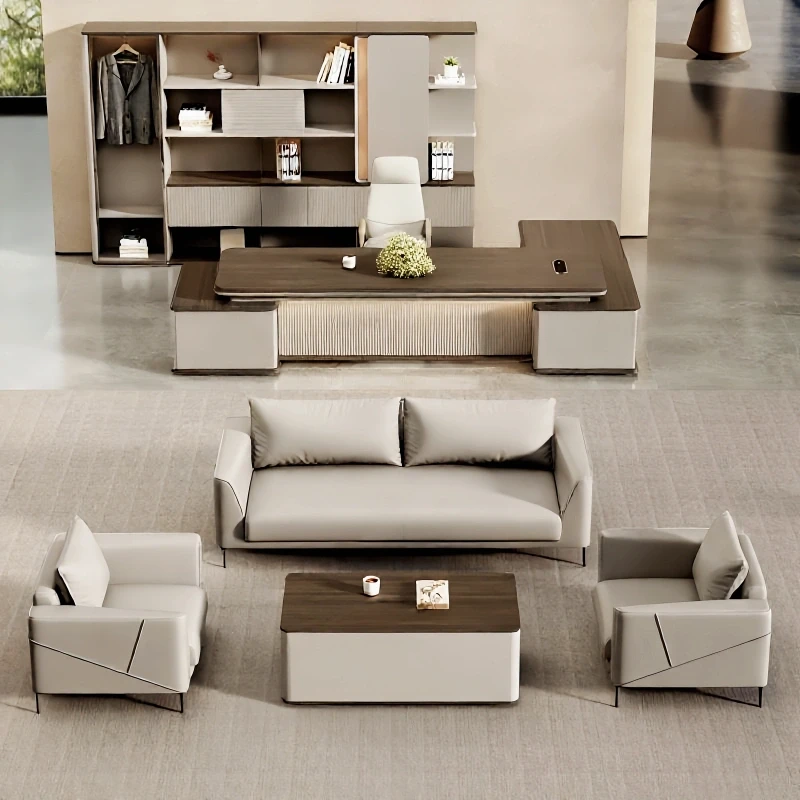
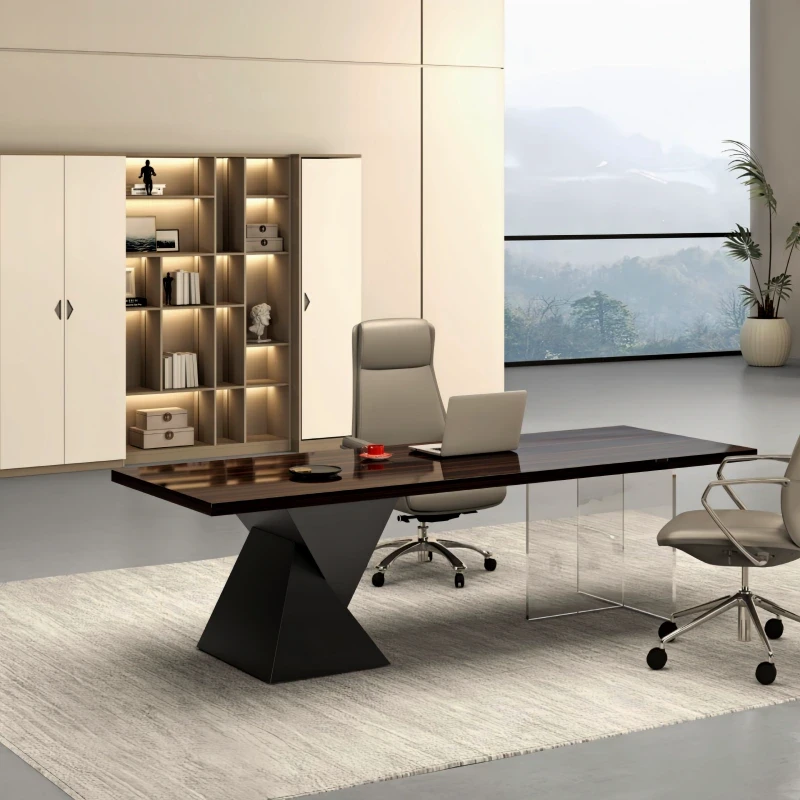


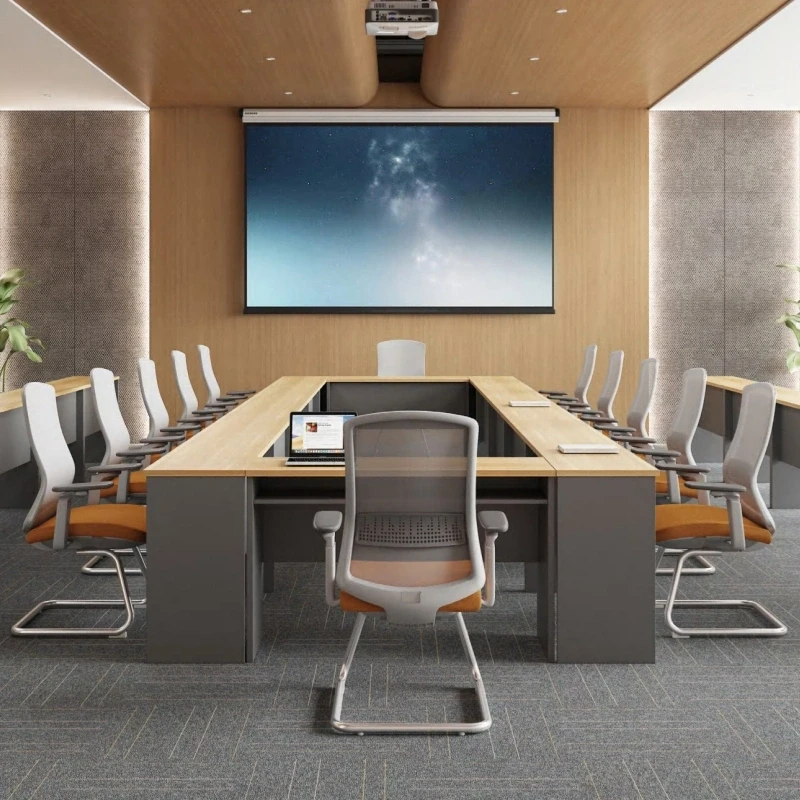
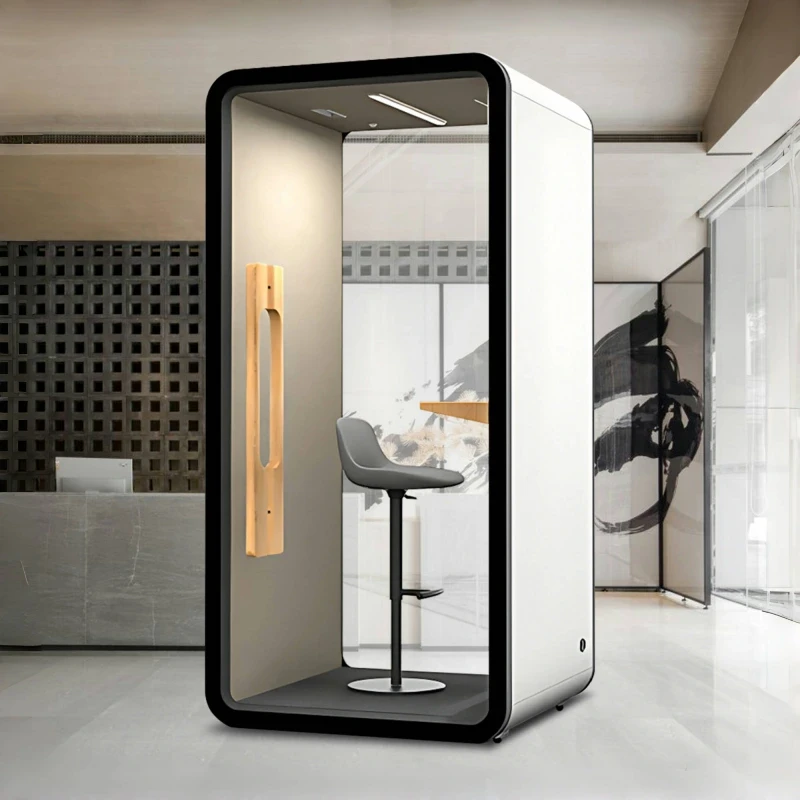
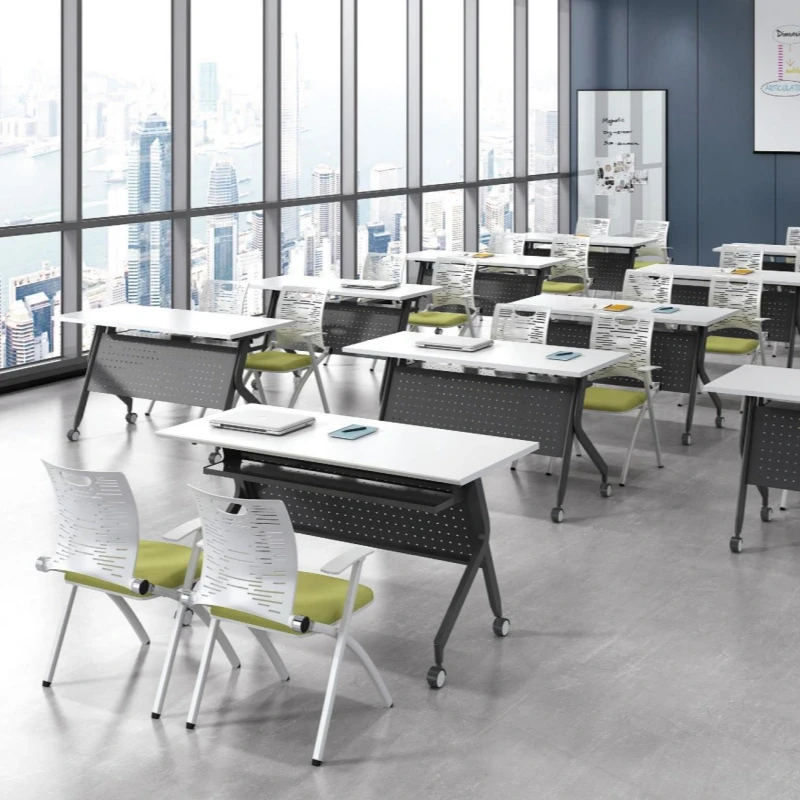
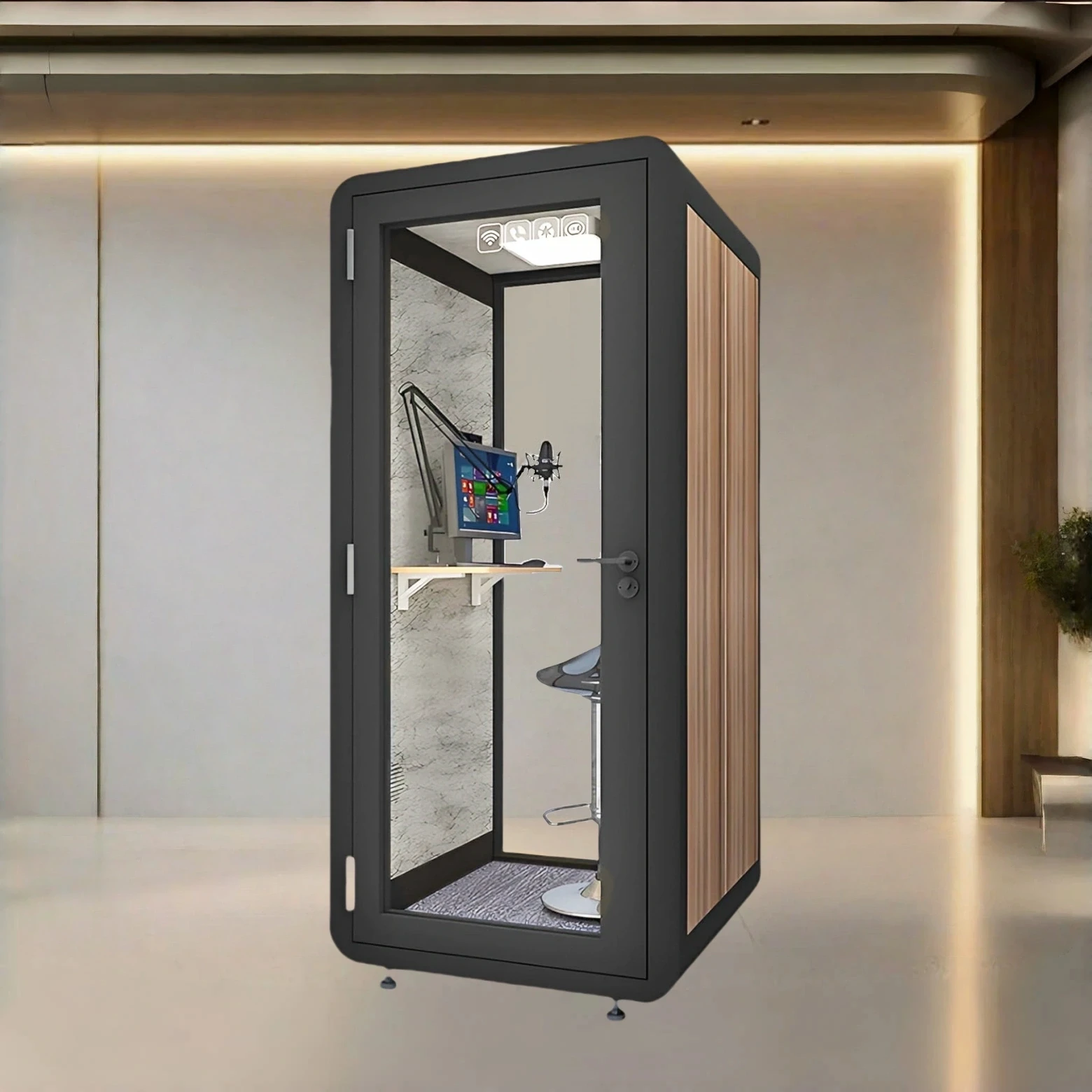
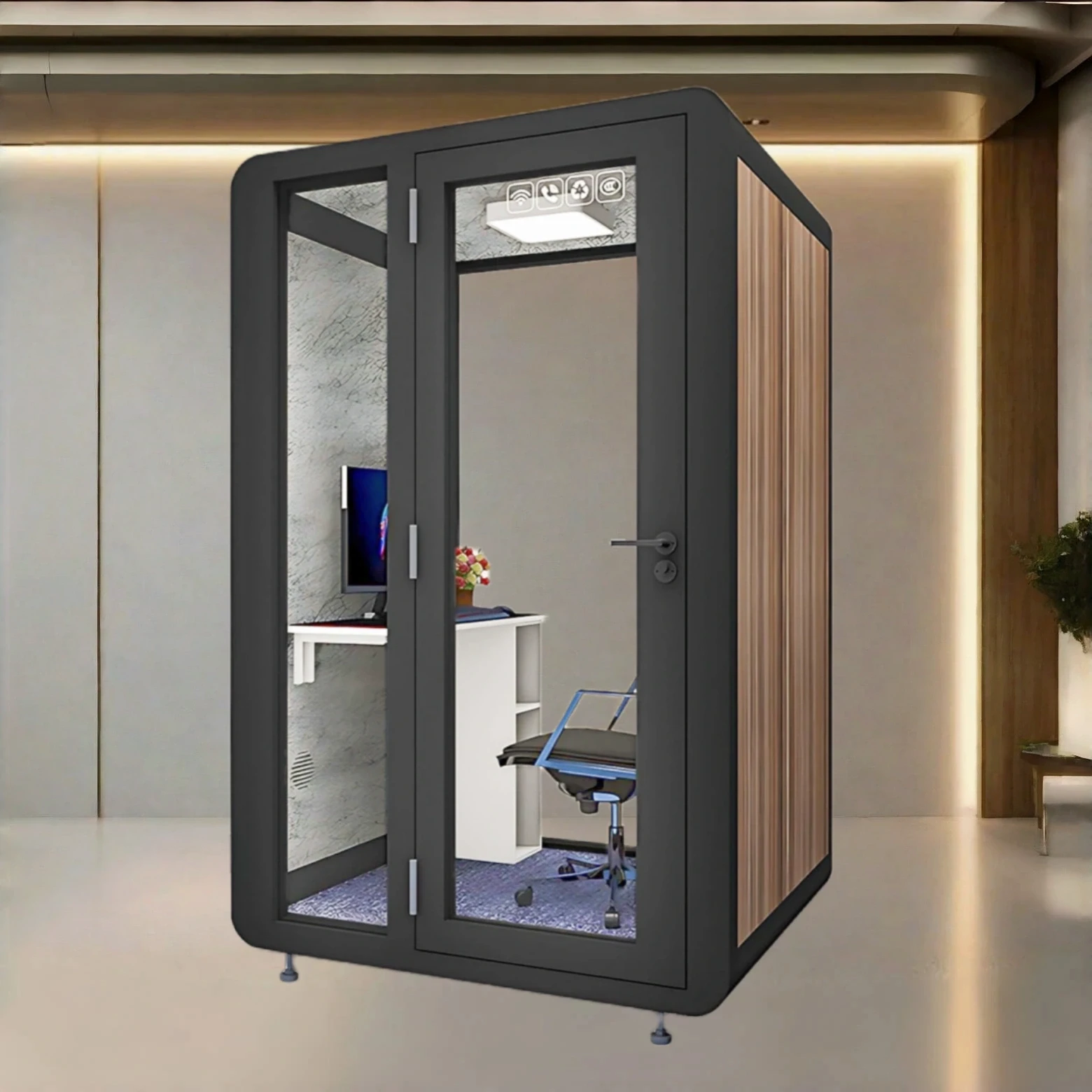
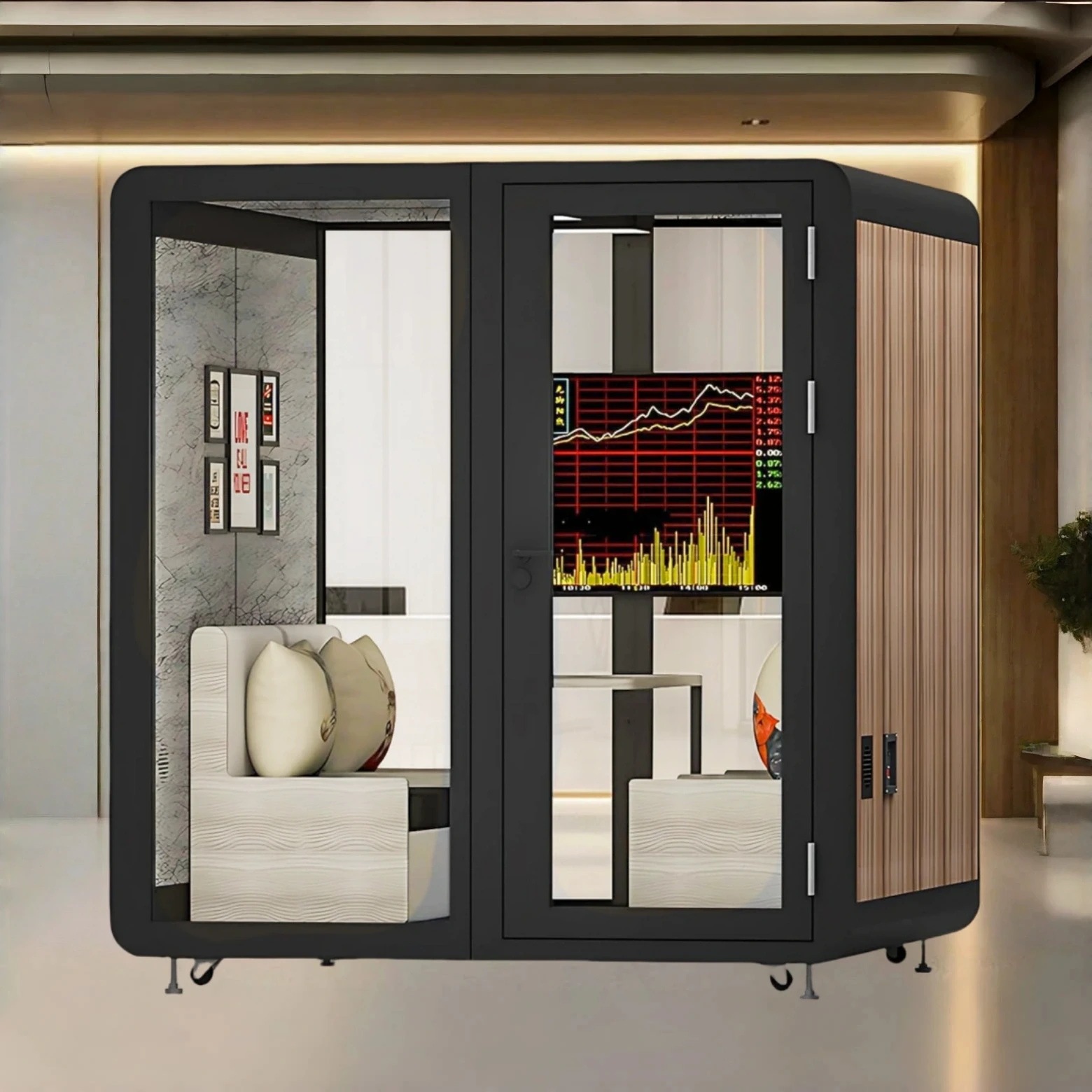
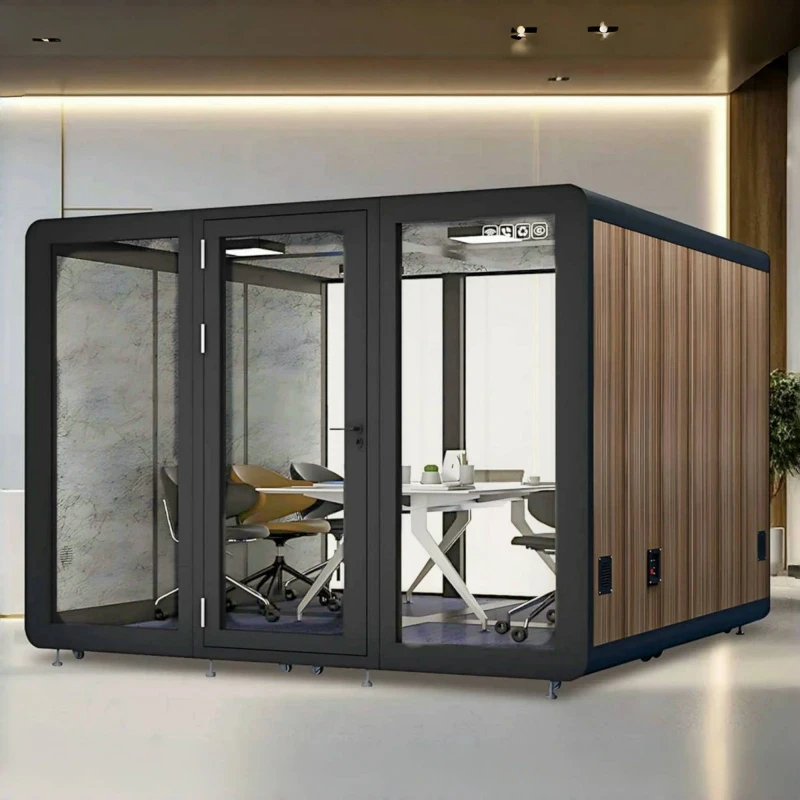
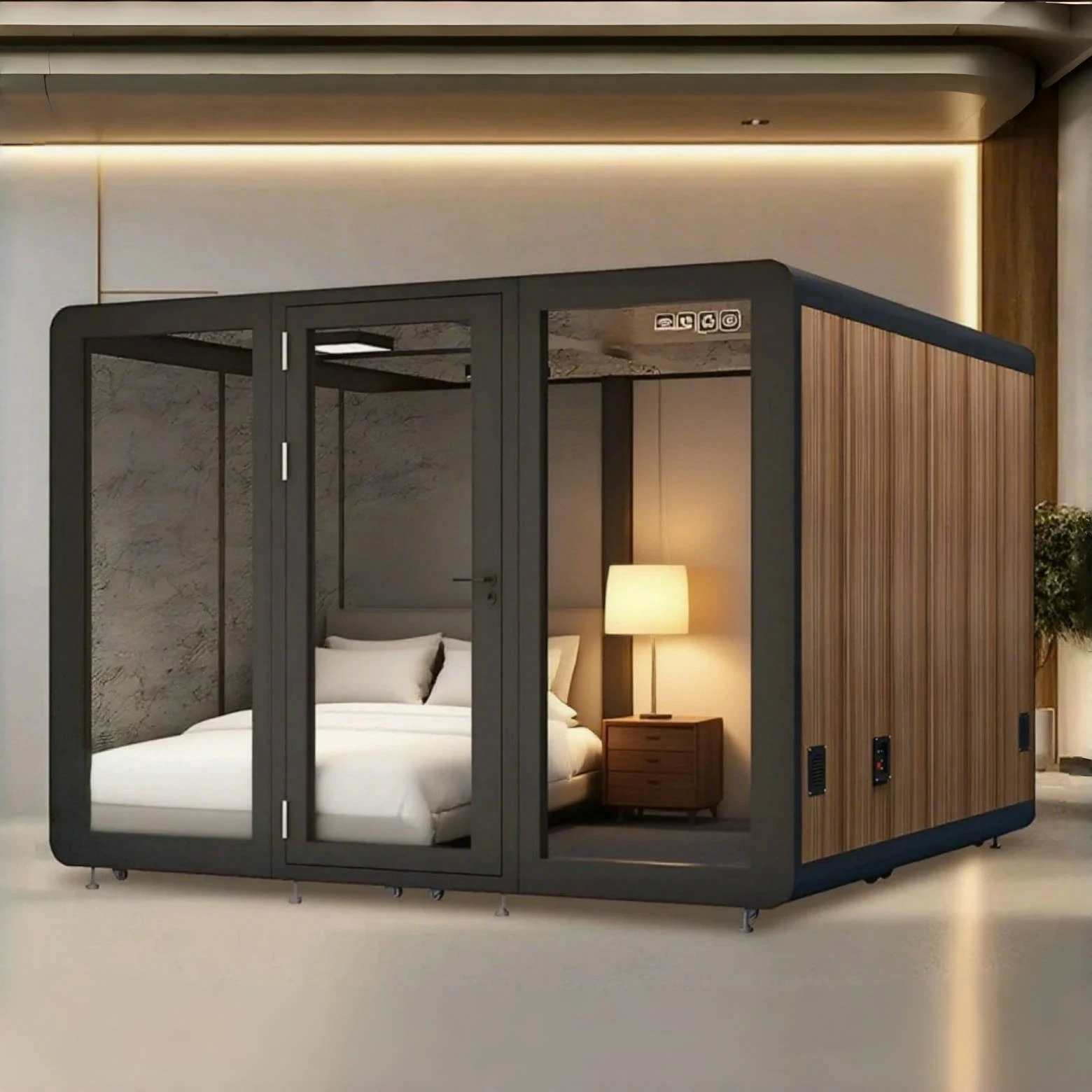


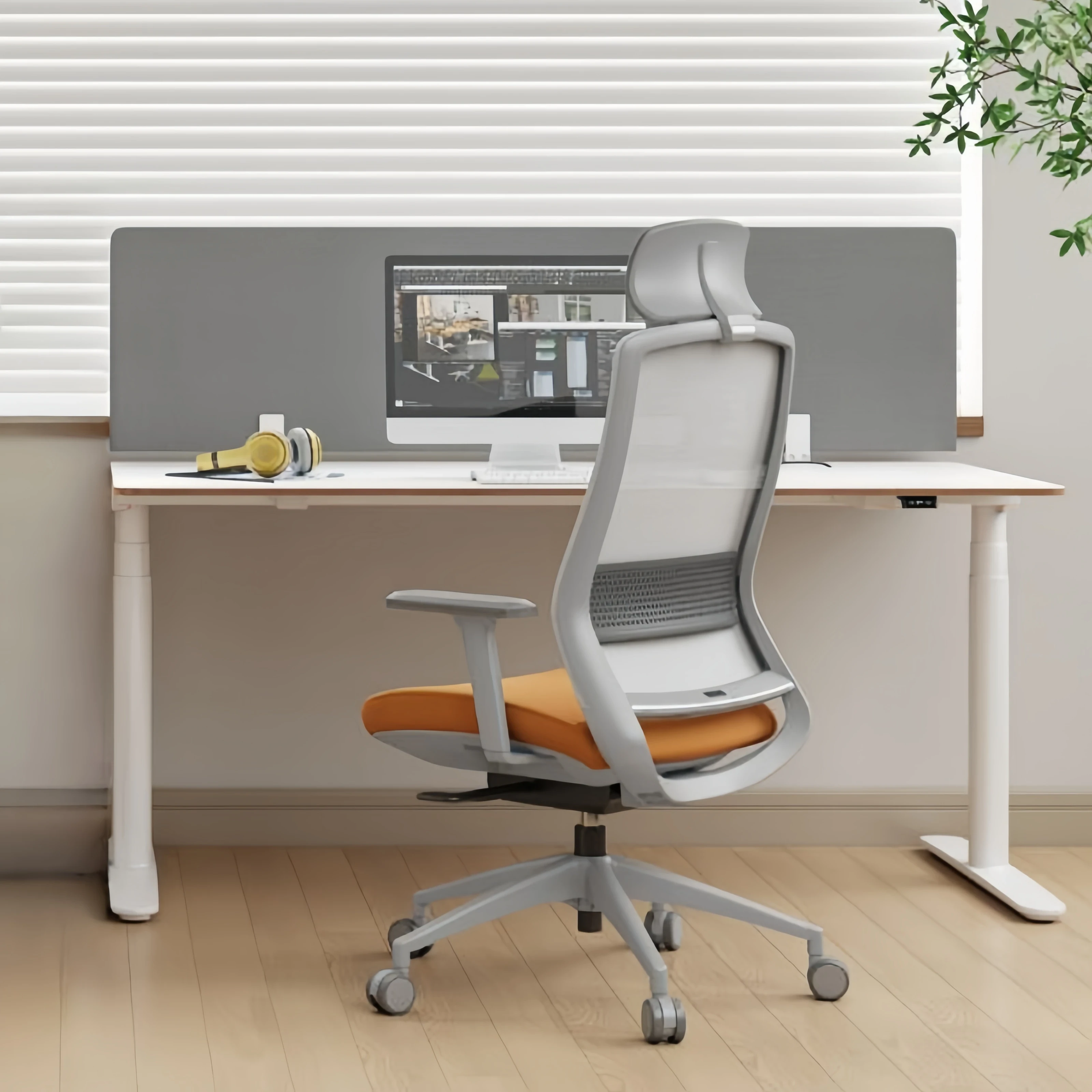


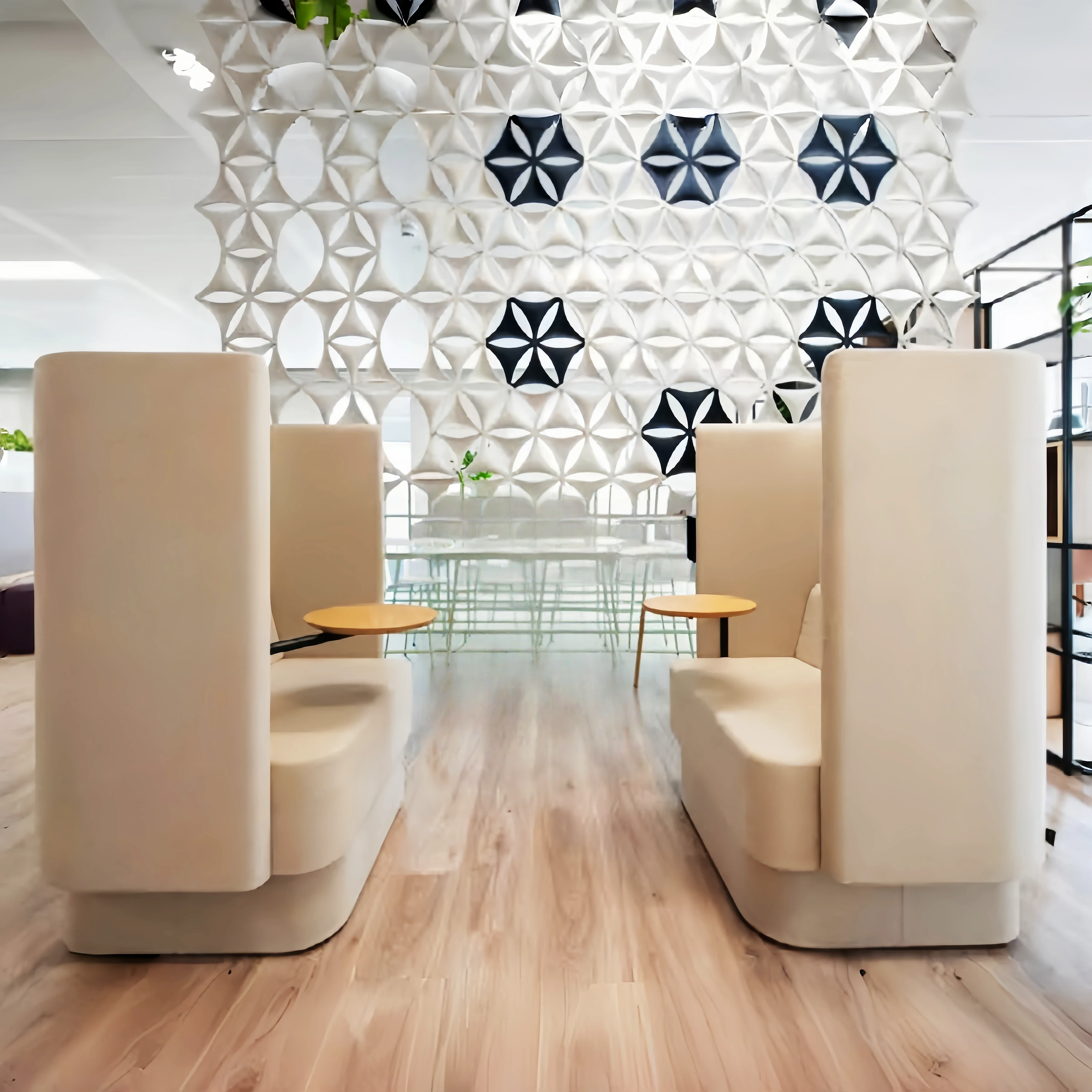

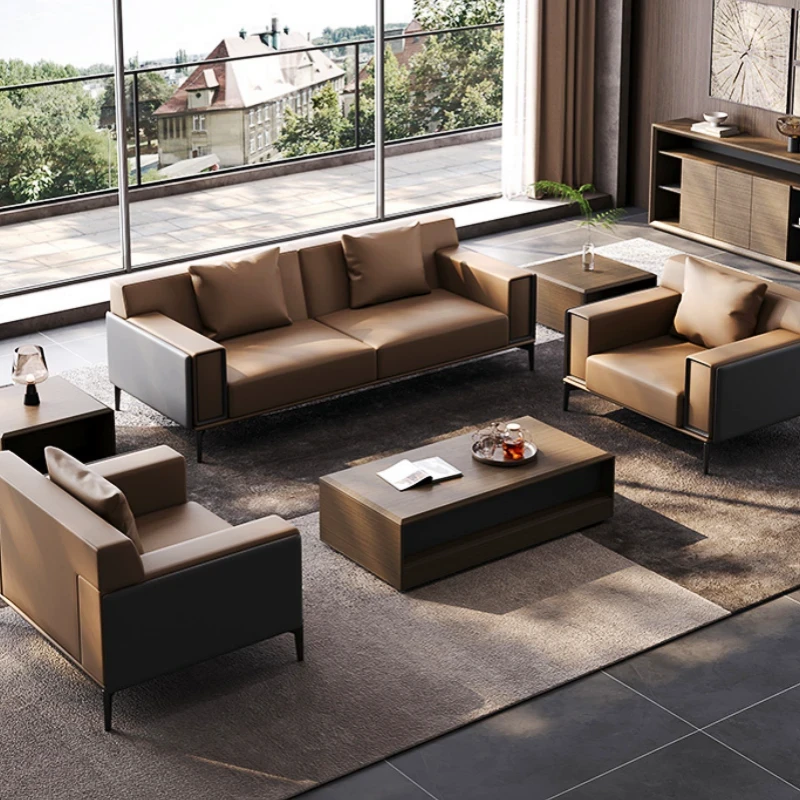
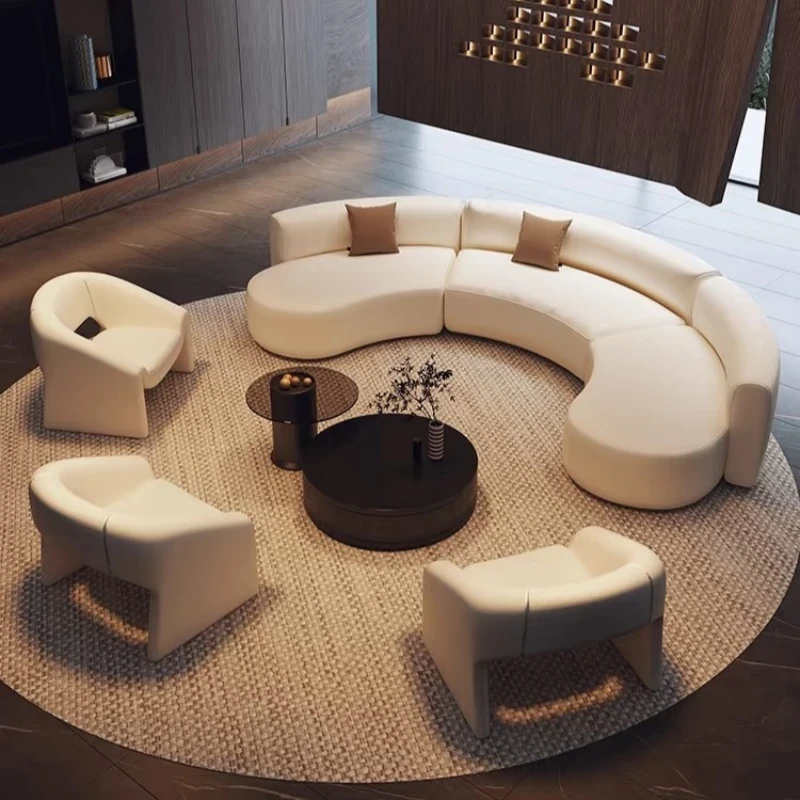
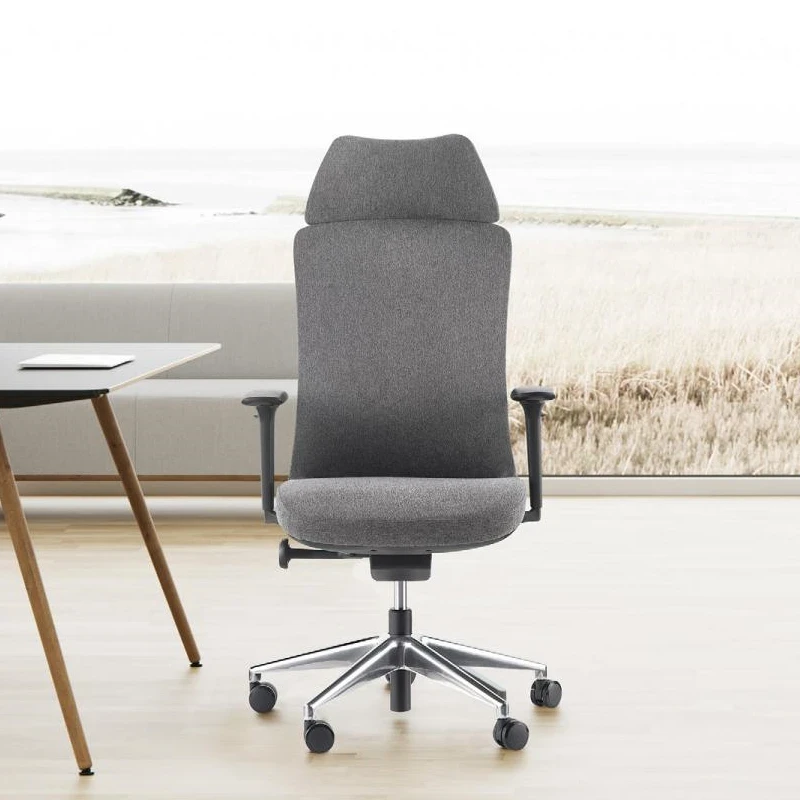


Second, sustainable materials excel at extending the lifespan of furniture. High-quality recycled materials and innovative processing techniques make furniture more durable. Such furniture typically has stronger resistance to wear and aging, maintaining a good structure and appearance even after long-term use. This not only reduces the frequency of furniture replacement but also reduces the environmental problems caused by furniture disposal.
Furthermore, many furniture designs made from sustainable materials take future repairability and disassembly into account. This means that when parts of the furniture are damaged, the overall lifespan of the product can be extended by replacing individual components rather than the entire piece. This design philosophy not only improves resource efficiency but also reduces long-term operating costs.
Furthermore, by choosing office furniture made from sustainable materials, businesses are conveying their values of environmental protection and social responsibility. This choice can enhance a company's brand image and attract customers and employees who share the same environmental concerns. This not only helps build a company's market reputation but also supports its sustainable development strategy.
In short, office furniture made from sustainable materials has significant advantages in terms of environmental performance and lifespan. Choosing this furniture is not only contributing to the future environment of the planet but also pursuing an economical, practical, and forward-thinking office furniture solution. With continuous advancements in technology and design, we have reason to believe that sustainable materials will play an increasingly important role in the future office furniture market.