
 USD
USD GBP
GBP
 EUR
EUR
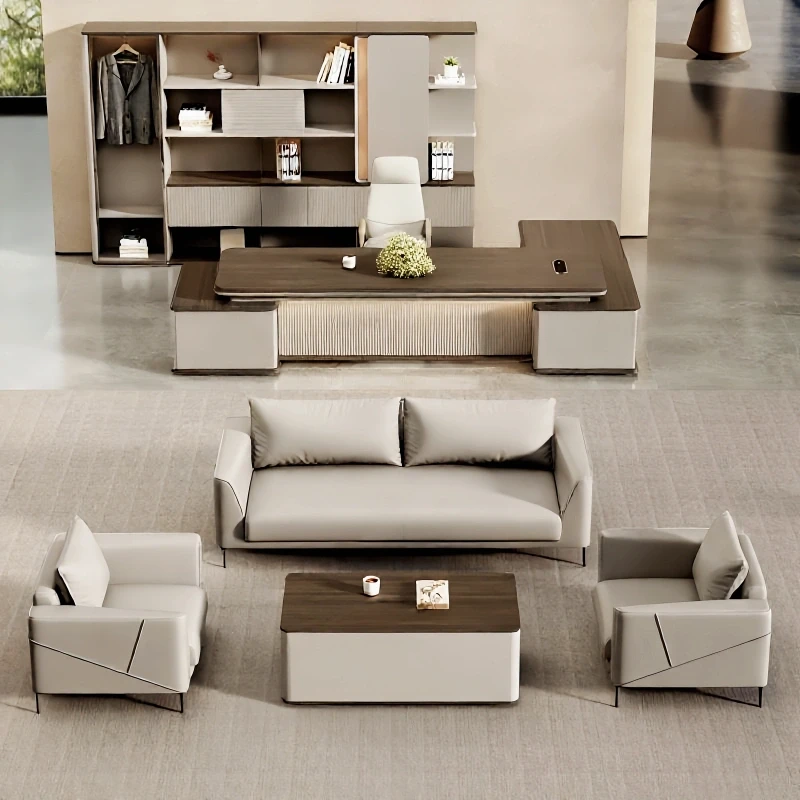
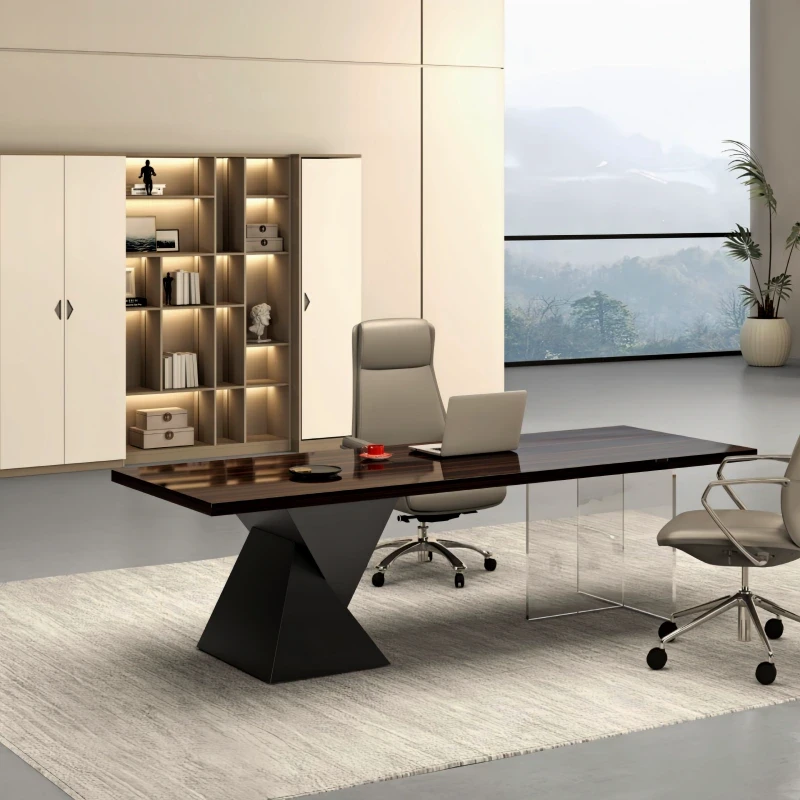


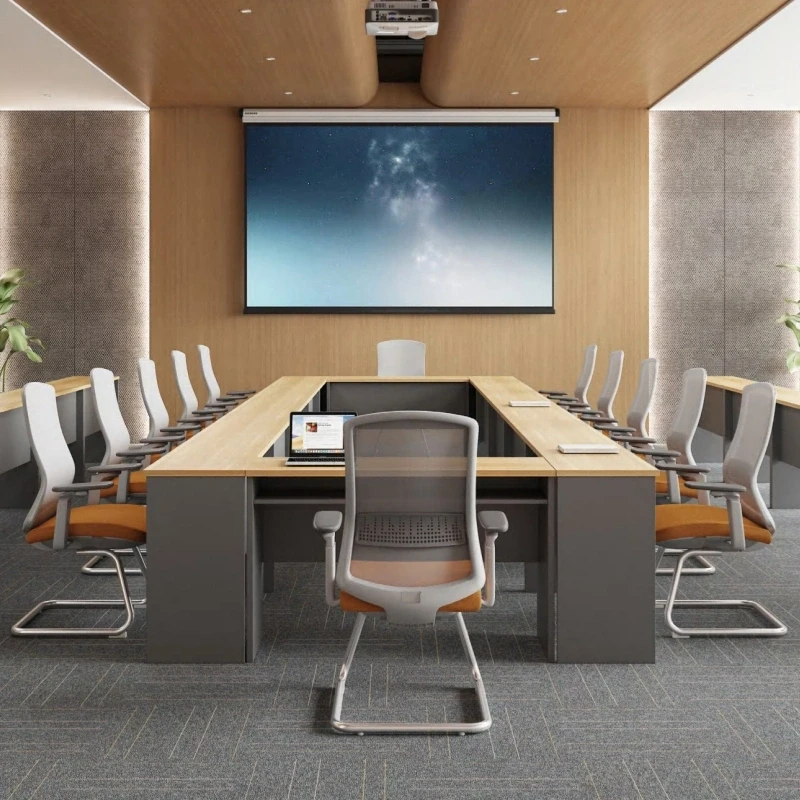
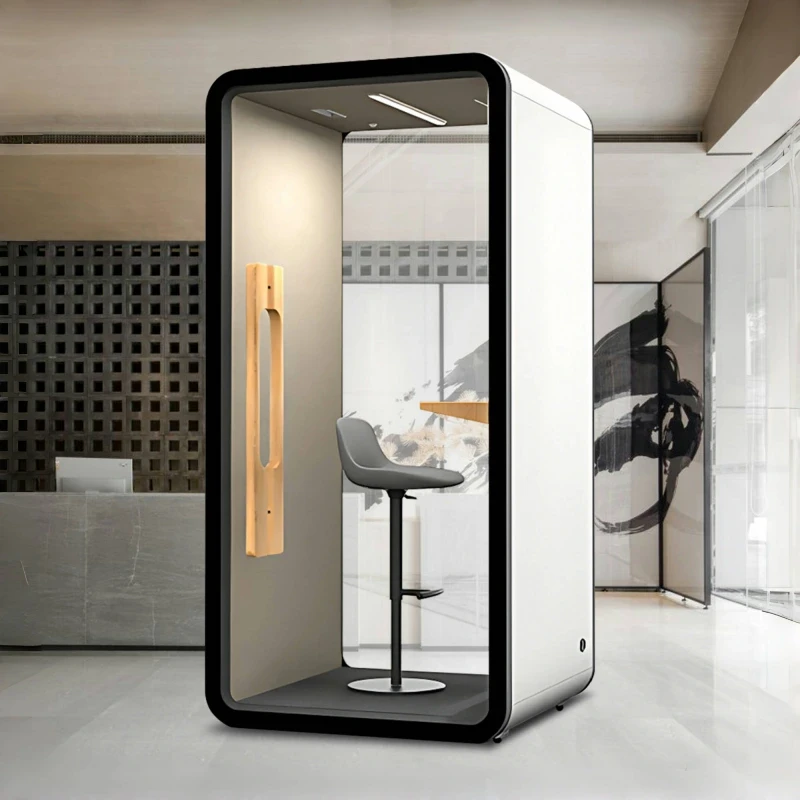
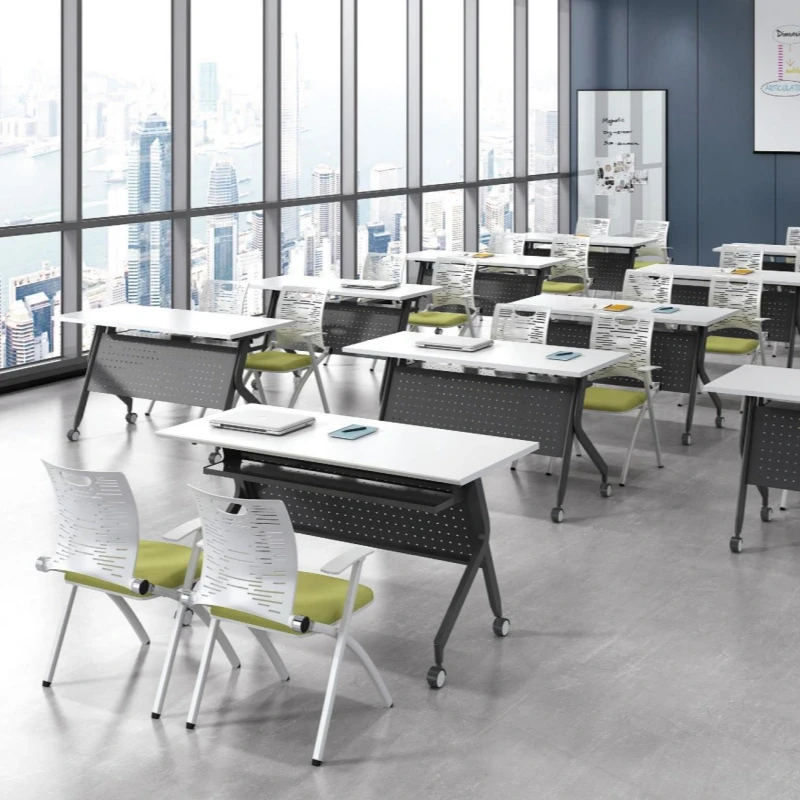
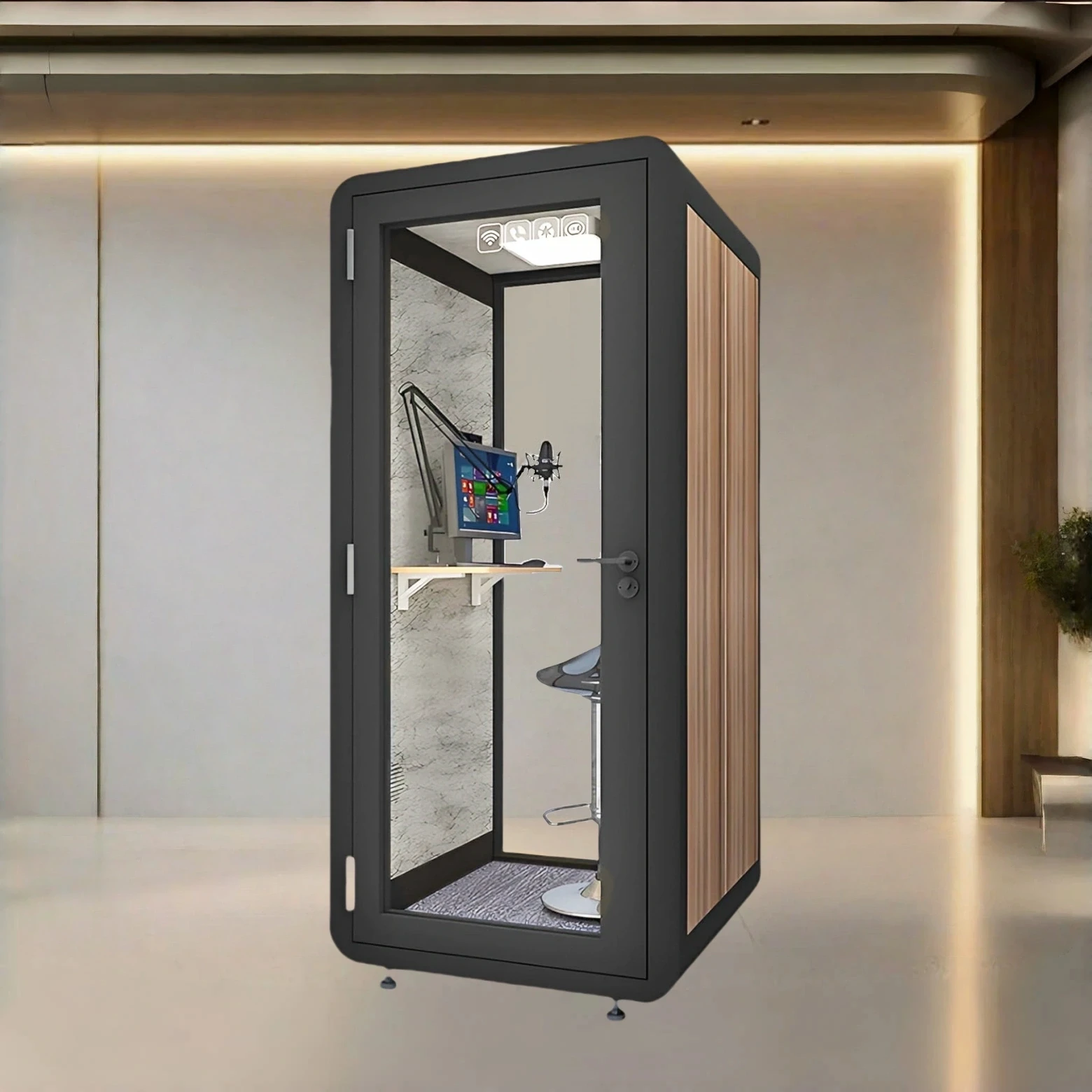
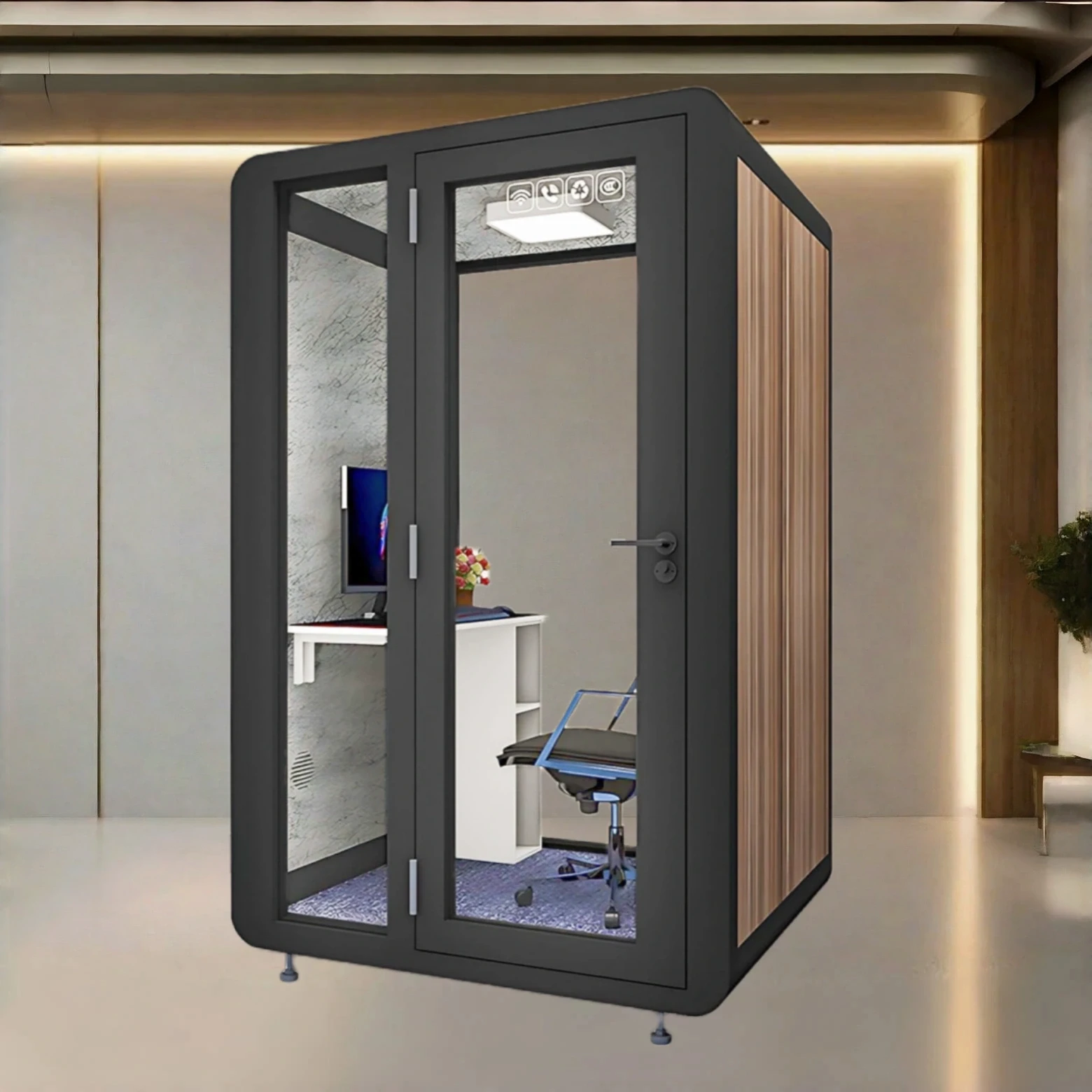
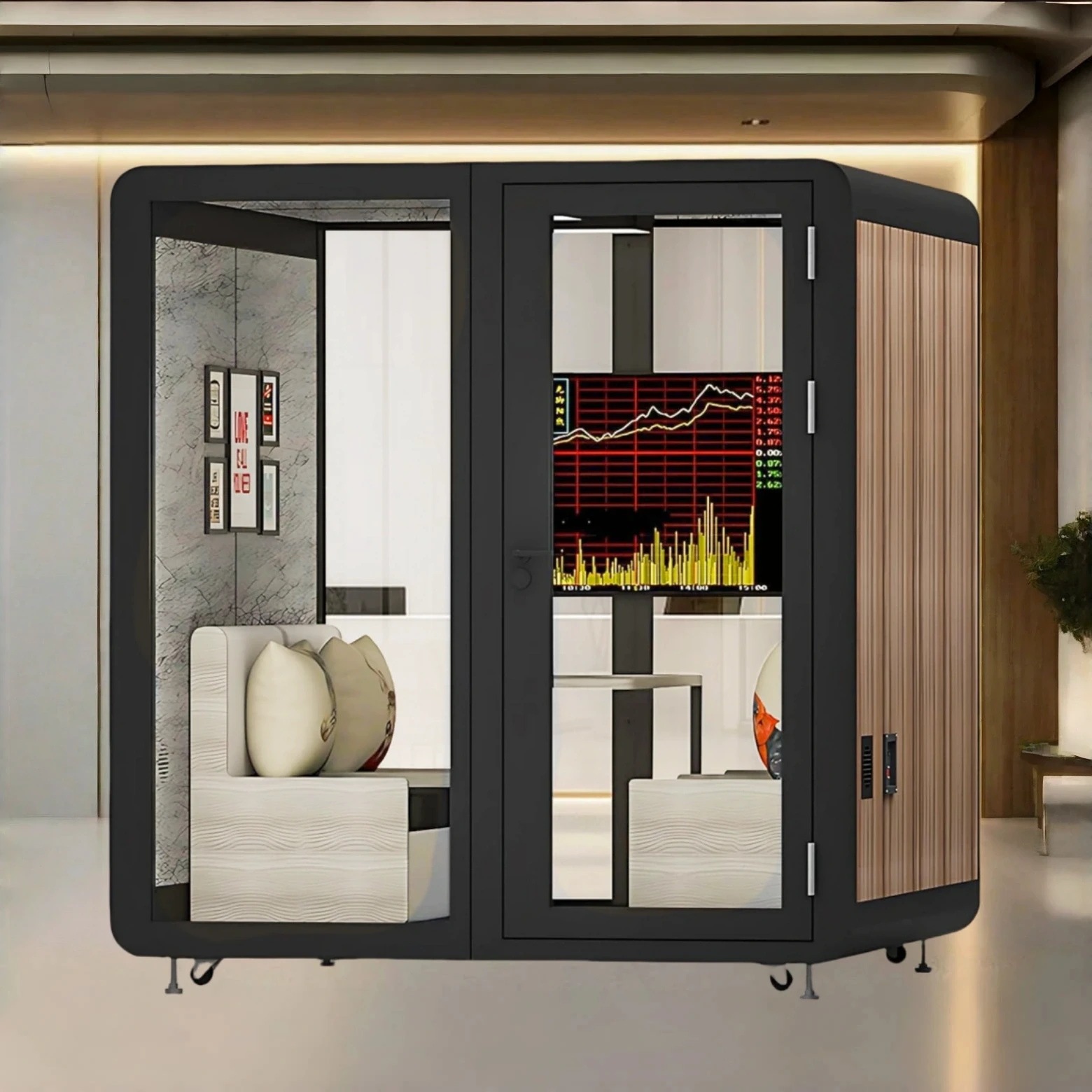
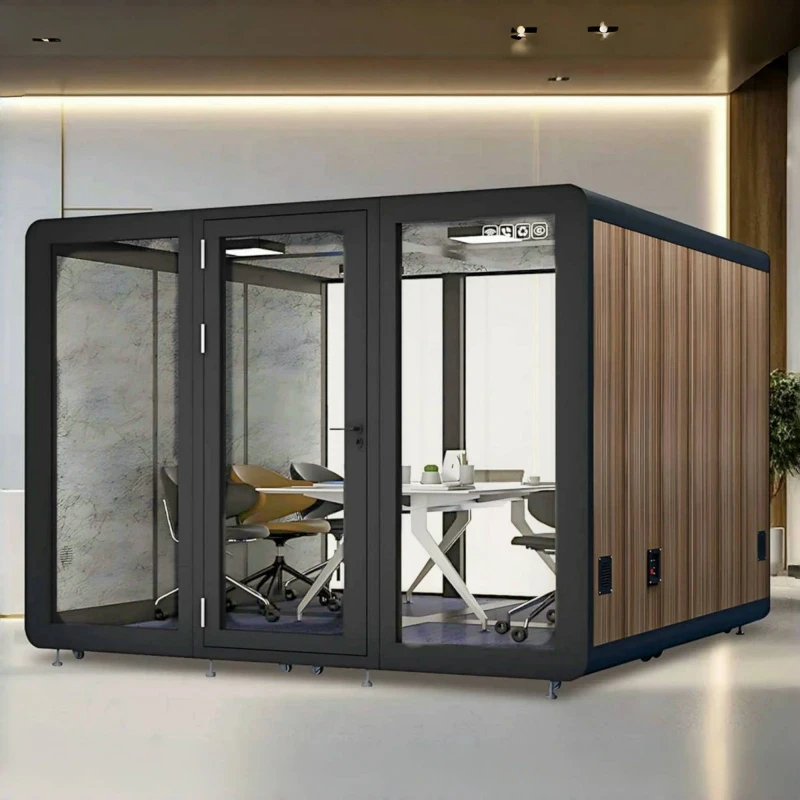
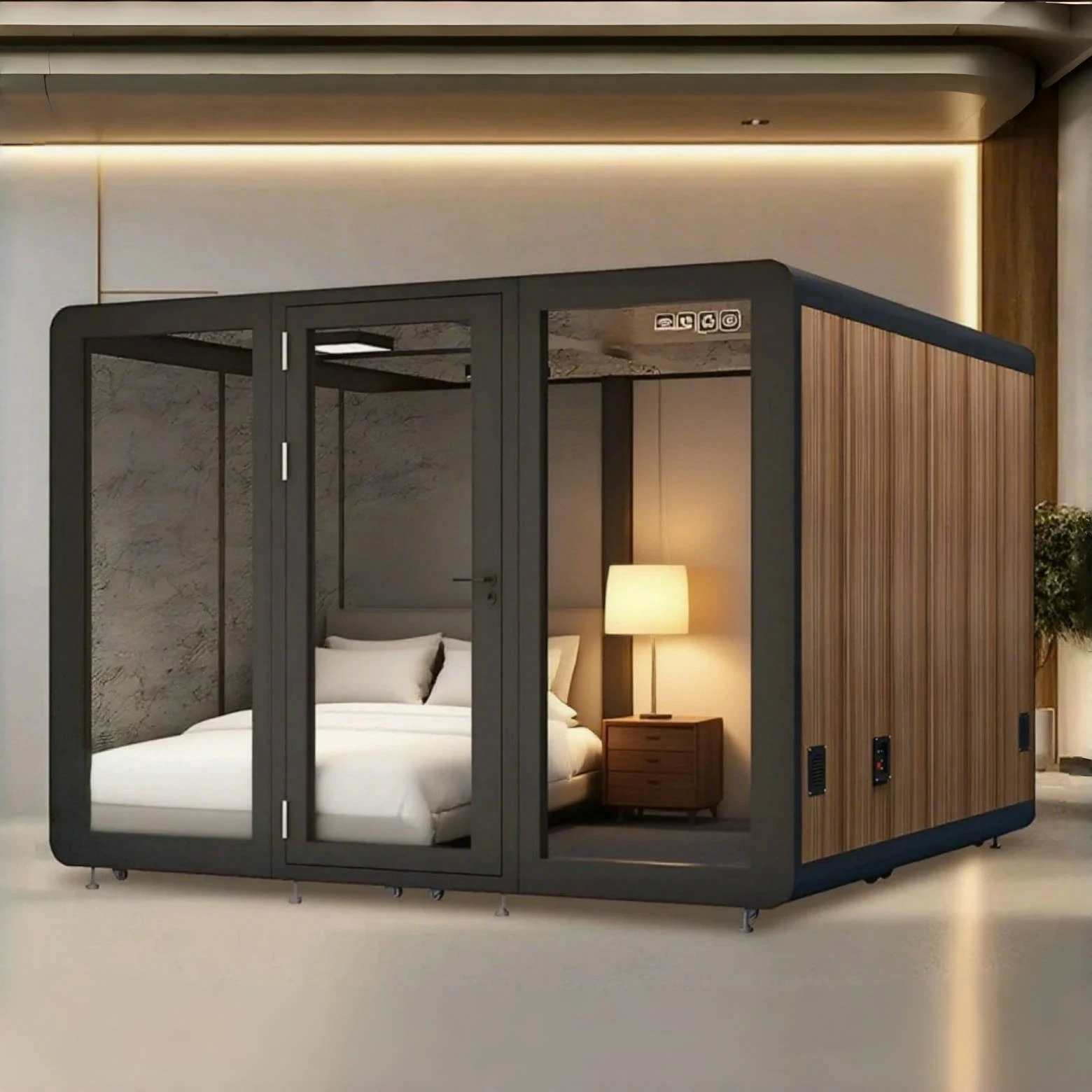


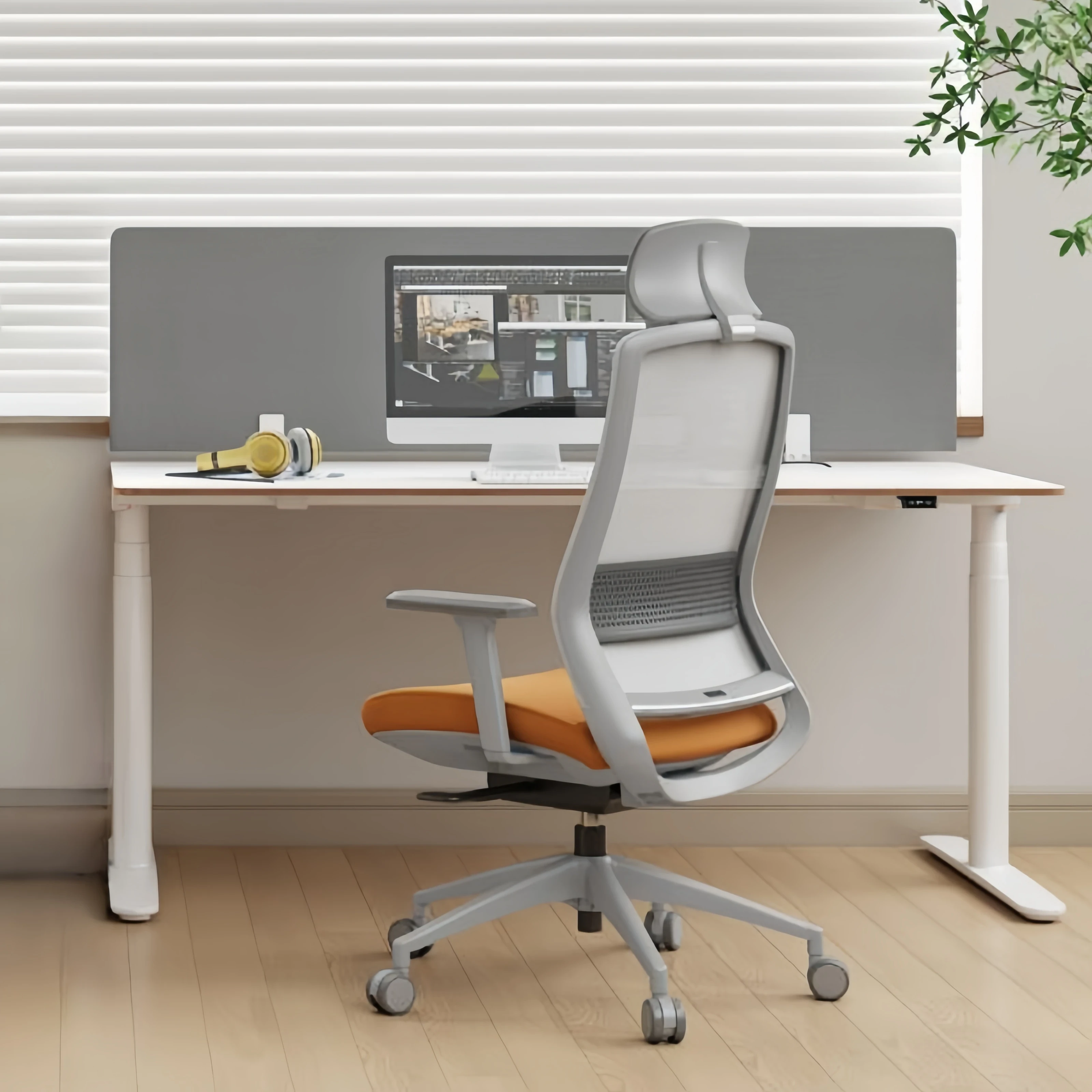


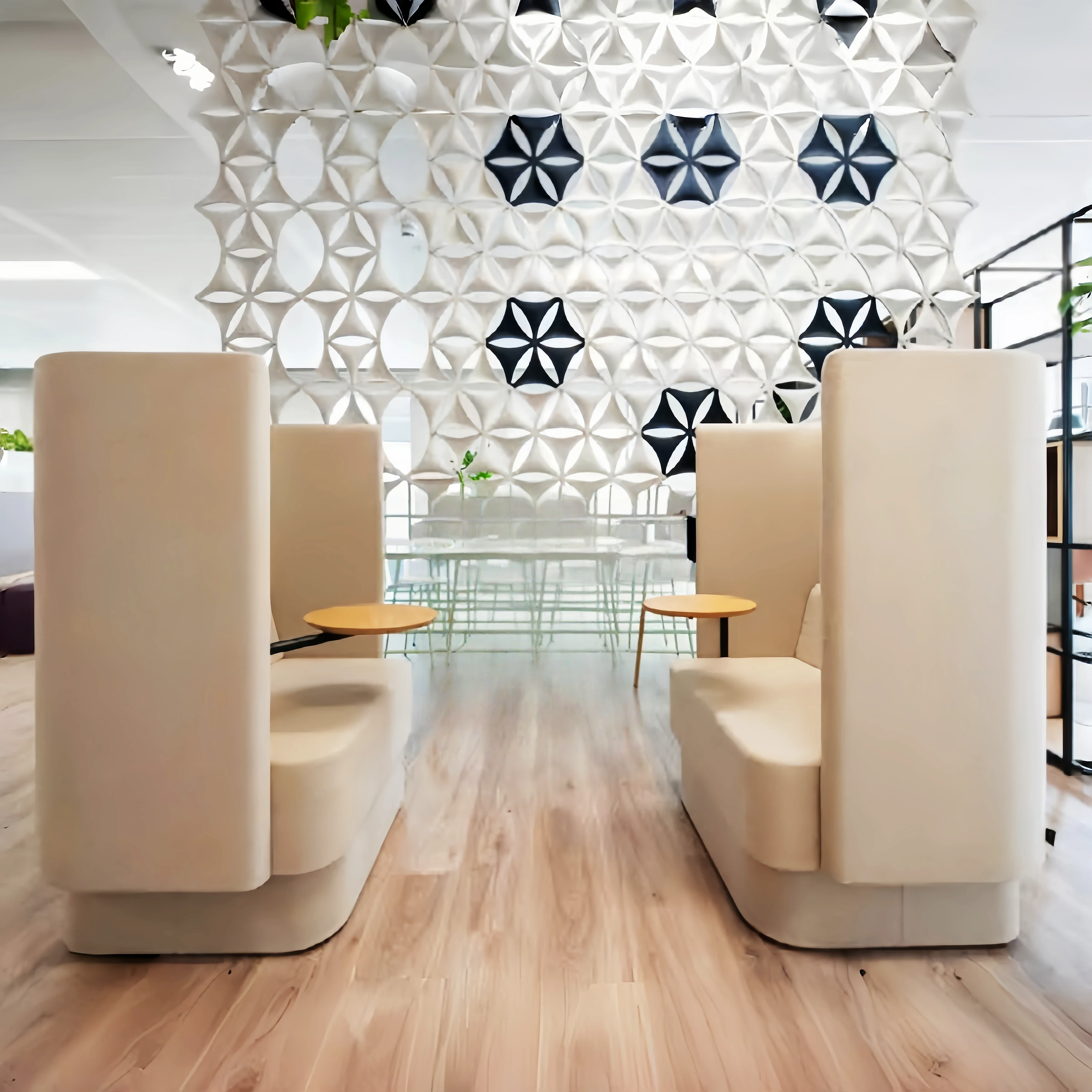

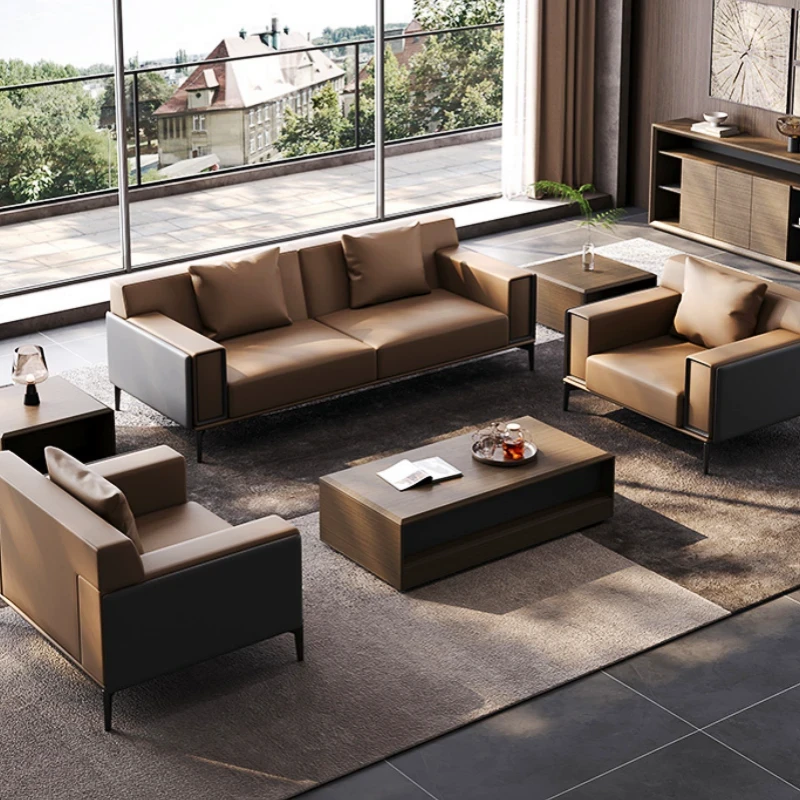
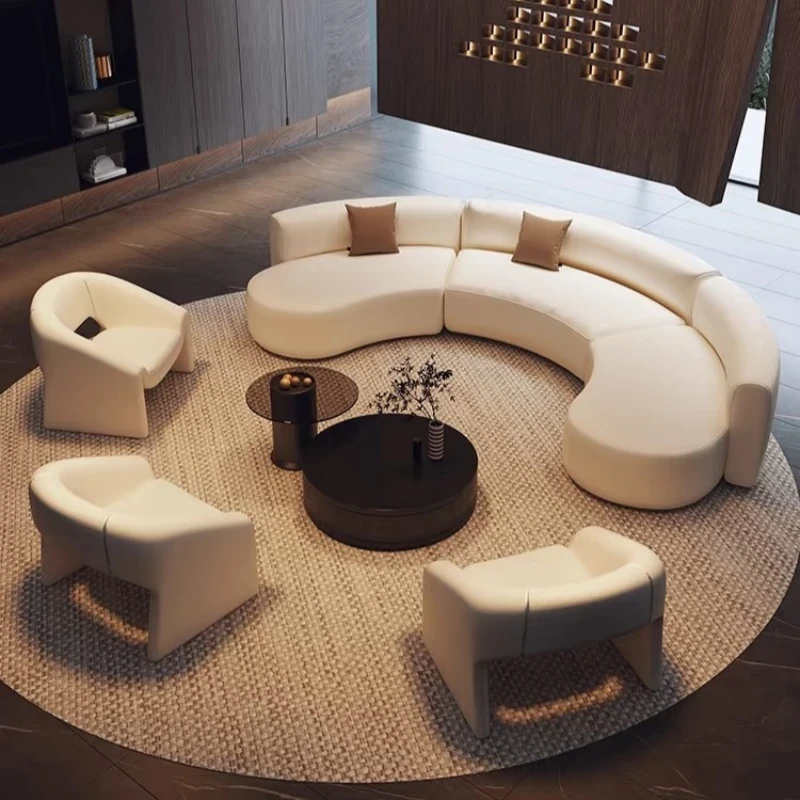
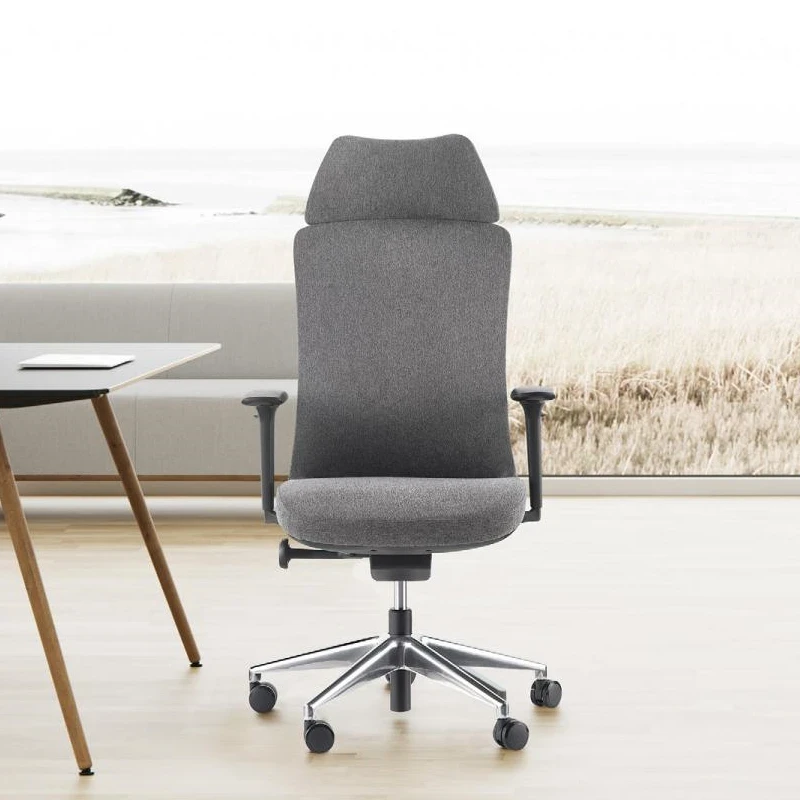


Second, smart office furniture achieves a higher level of office automation by integrating Internet of Things (IoT) technology. This furniture can interact with other smart devices wirelessly, forming a comprehensive smart office network. For example, a smart conference table can automatically detect the positions of meeting participants and adjust lighting and displays to create the best meeting environment. Furthermore, by integrating with smart assistants, office furniture can also support voice commands to control office equipment, such as starting video conferences, adjusting lighting, and managing audio systems. This greatly simplifies daily office processes and improves work efficiency.
Smart office furniture also focuses on resource management and energy conservation. In daily use, these pieces of furniture can monitor office temperature, humidity, and air quality, automatically adjusting environmental parameters to ensure employees work in comfortable conditions. Furthermore, intelligent energy-saving systems can detect occupant activity and automatically shut down unnecessary equipment when no one is present, thus saving energy. This not only reduces operating costs but also demonstrates a company's commitment to environmental responsibility.
Finally, the innovation of smart office furniture extends to data analysis and feedback. By collecting and analyzing usage data, these pieces of furniture can provide detailed usage reports and recommendations to help companies optimize space planning and resource allocation. For example, usage analysis can reveal which areas are used most frequently, providing data support for space adjustments and design.
In conclusion, the technological innovation of smart office furniture is comprehensively improving the user experience of modern office environments. By increasing personalization, automation, and resource management efficiency, these pieces of furniture not only bring greater work comfort and health benefits to employees but also enhance overall productivity and sustainability for companies. In this technology-driven era, smart office furniture is undoubtedly a revolutionary upgrade for modern offices.