
 USD
USD GBP
GBP
 EUR
EUR
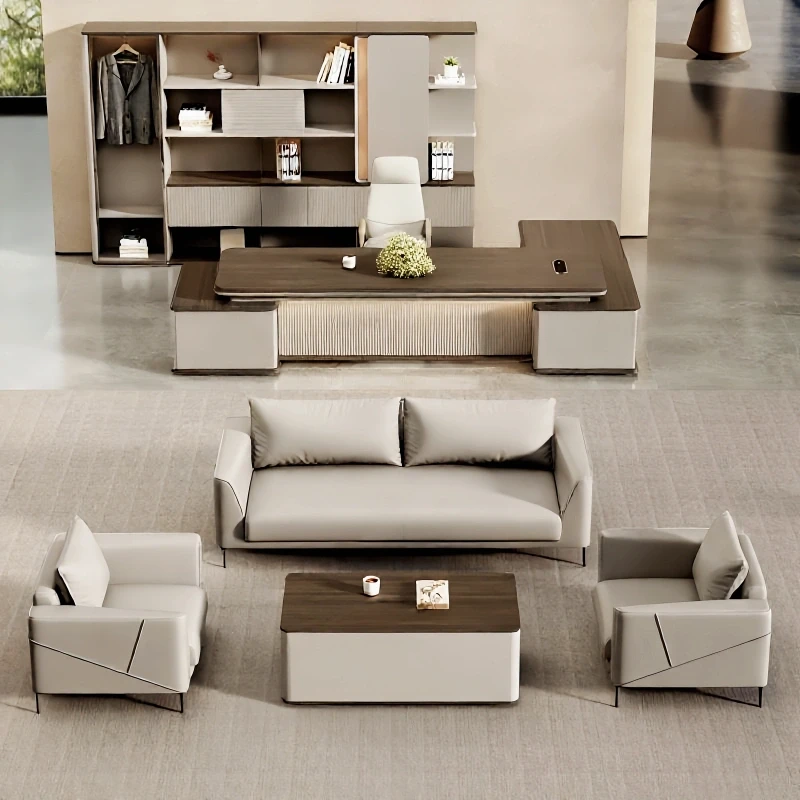
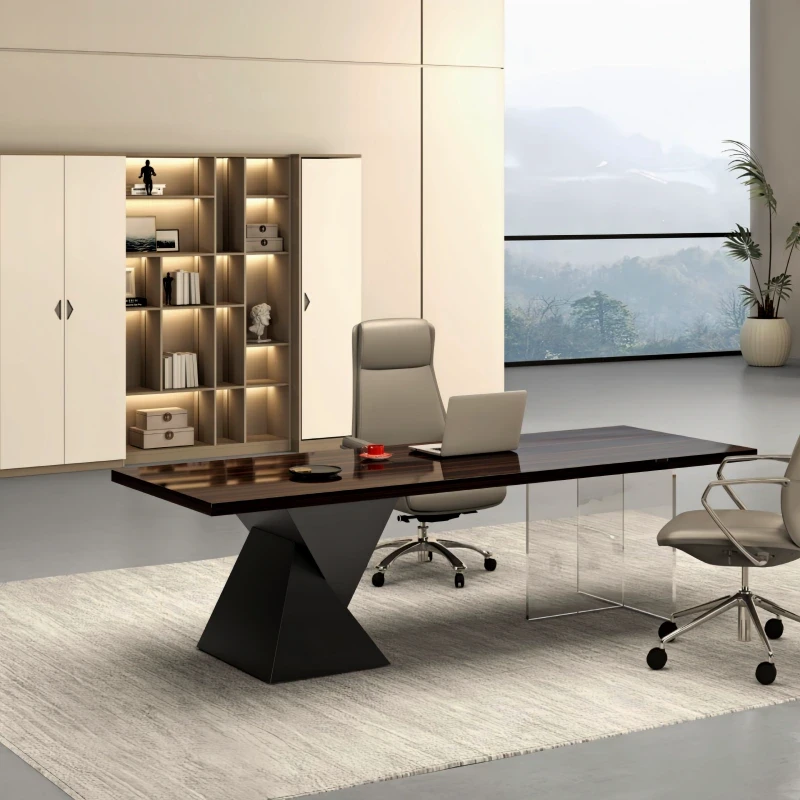








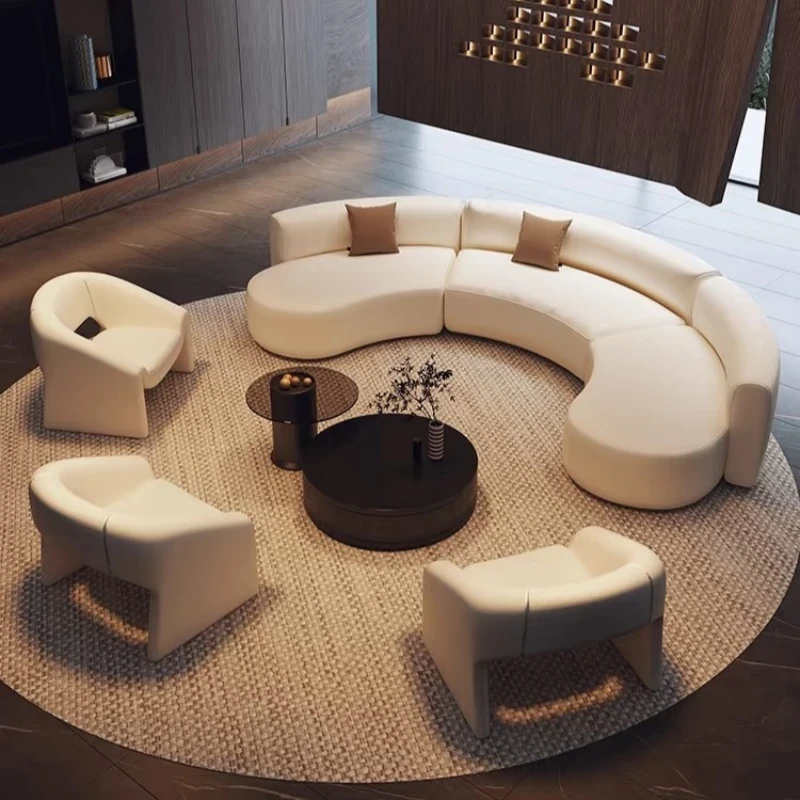
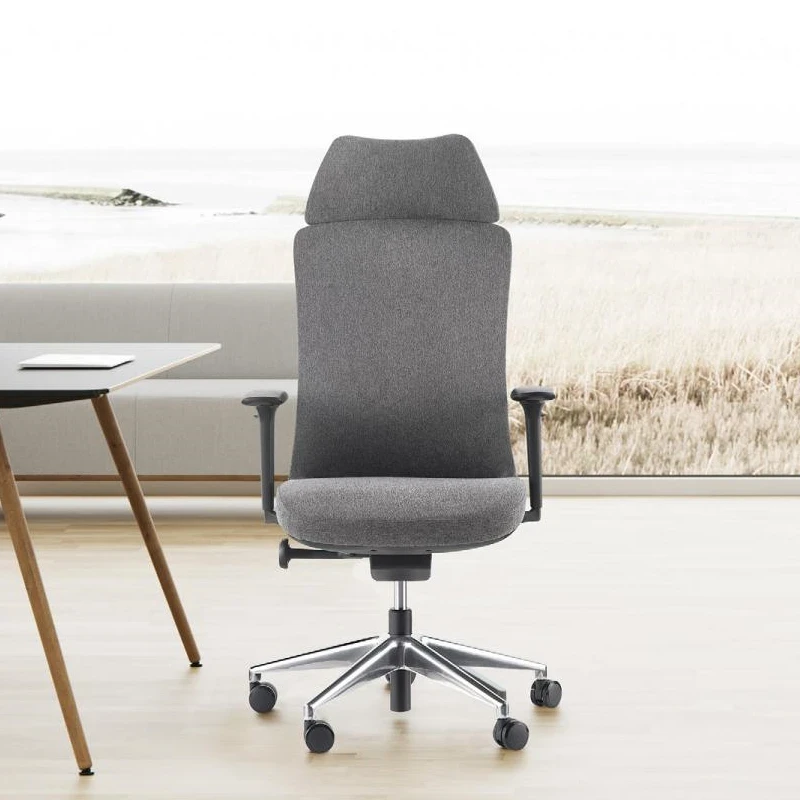


Material is one of the most direct factors affecting the cost of custom storage cabinets. Commonly used materials include solid wood, composite boards, metal, and plastic. Solid wood is generally more expensive, but its durability and aesthetics make it a high-end choice. Composite boards and plastics offer more economical options suitable for projects with limited budgets. Metal storage cabinets are often used in industrial applications, offering strong durability and load-bearing capacity.
2. Size and Complexity:
The size, shape, and structural complexity of a storage cabinet also directly impact its cost. Large or irregularly shaped cabinets require more materials and labor, increasing the difficulty of design and manufacturing. Furthermore, complex designs such as multi-tiered drawers, rotating shelves, or hidden compartments will add extra processing requirements, thus increasing costs.
3. Functional Requirements:
Storage cabinets for different purposes require different functional features. For example, kitchen storage cabinets may require heat-resistant and moisture-proof designs, while garage storage cabinets need to support heavy items. Specific functional configurations, such as drawer slides, dampers, or locks, will also increase design and manufacturing complexity, thus affecting costs.
4. Personalized Design and Aesthetic Needs:
As consumers' demand for personalization continues to grow, storage cabinet designs are becoming increasingly diverse. Color, style, surface finish, and decorative details can all affect the cost of storage cabinets. Highly customized designs, especially projects that need to perfectly integrate with existing décor, typically require higher design and construction costs.
5. Accessories and Hardware:
Choosing high-quality accessories and hardware, such as hinges, handles, and drawer slides, can enhance the user experience and durability of storage cabinets. However, premium or high-end accessories are often more expensive, thus increasing the overall cost. A balance needs to be struck between budget constraints and durability when making selections.
6. Installation and Transportation:
The installation and transportation costs of customized storage cabinets are also an important aspect to consider. Larger or heavier storage cabinets may require professional transportation and installation services, which will increase additional costs. Furthermore, the complexity of installation conditions, such as limited installation space or the need for additional installation support, can also affect costs.
Conclusion:
Customizing storage cabinets involves multiple influencing factors, from materials to design to installation; the choices at each stage can significantly impact the overall cost and design effect. Before customizing storage cabinets, consumers need to carefully consider their own needs and budget constraints, and communicate thoroughly with suppliers or designers to ensure that the chosen cabinets meet their actual needs while avoiding unnecessary expenses. Understanding these factors will help you make informed decisions during the storage cabinet customization process, maximizing the use of space and functionality.