
 USD
USD GBP
GBP
 EUR
EUR


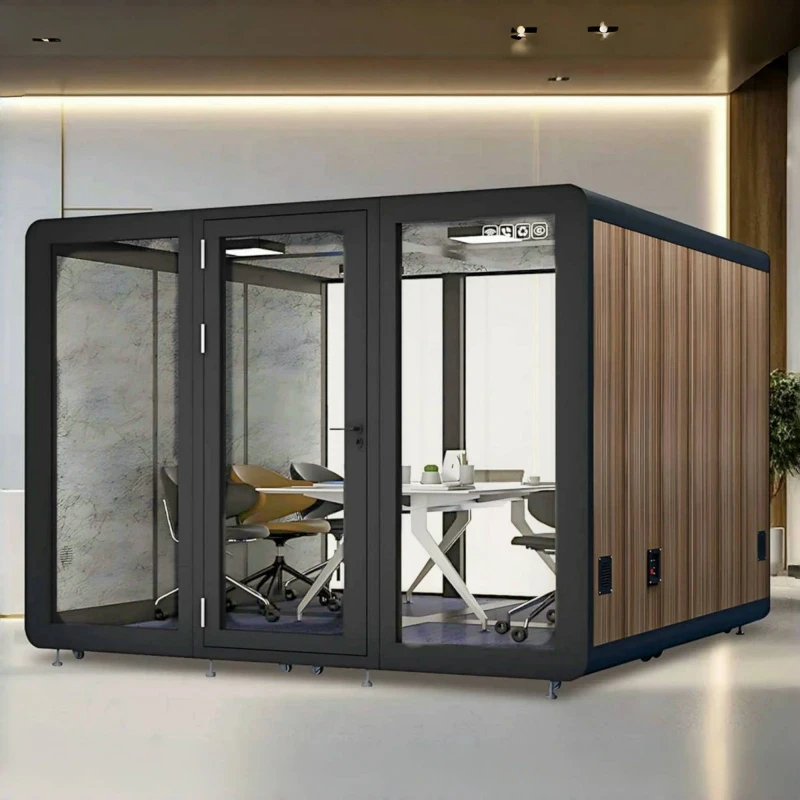
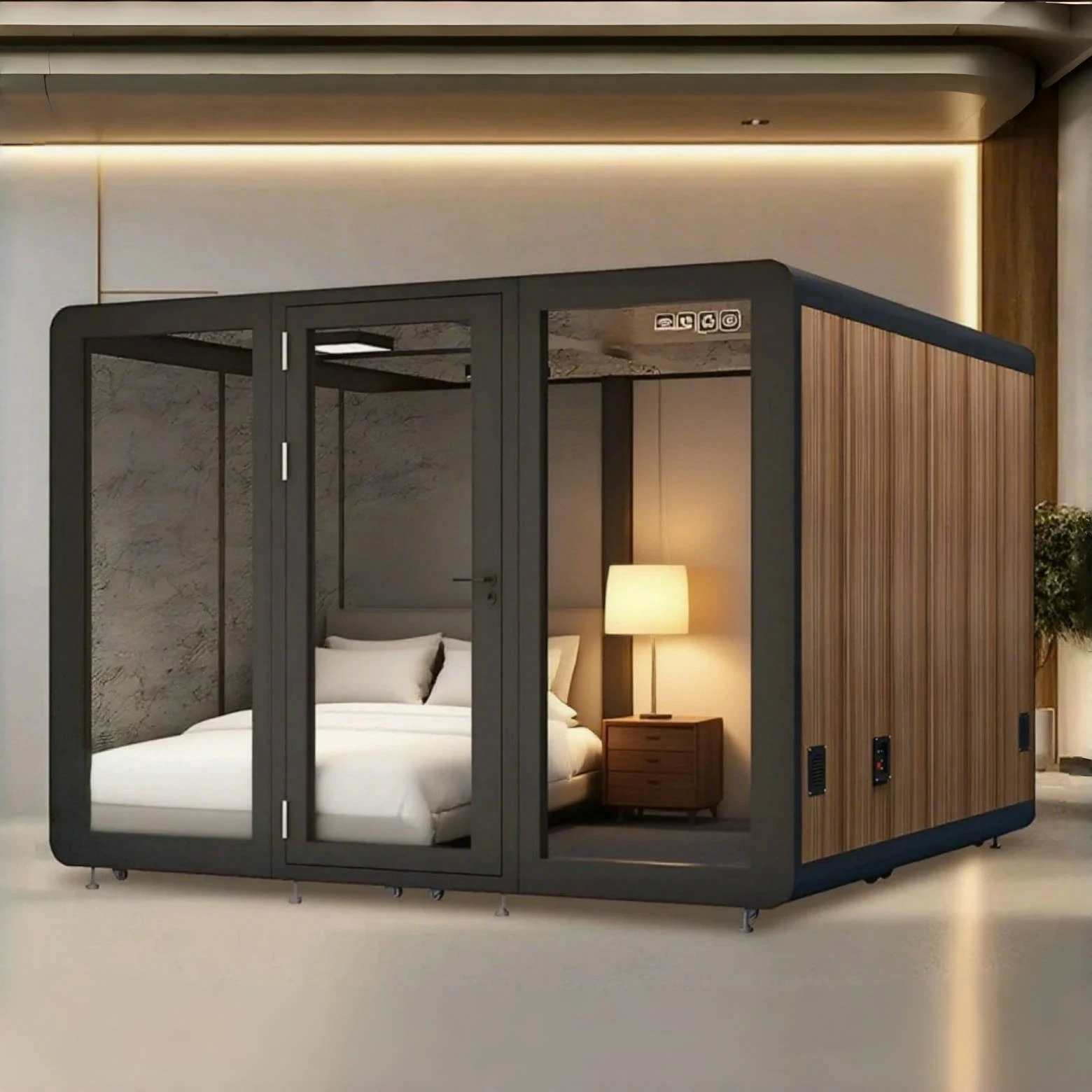




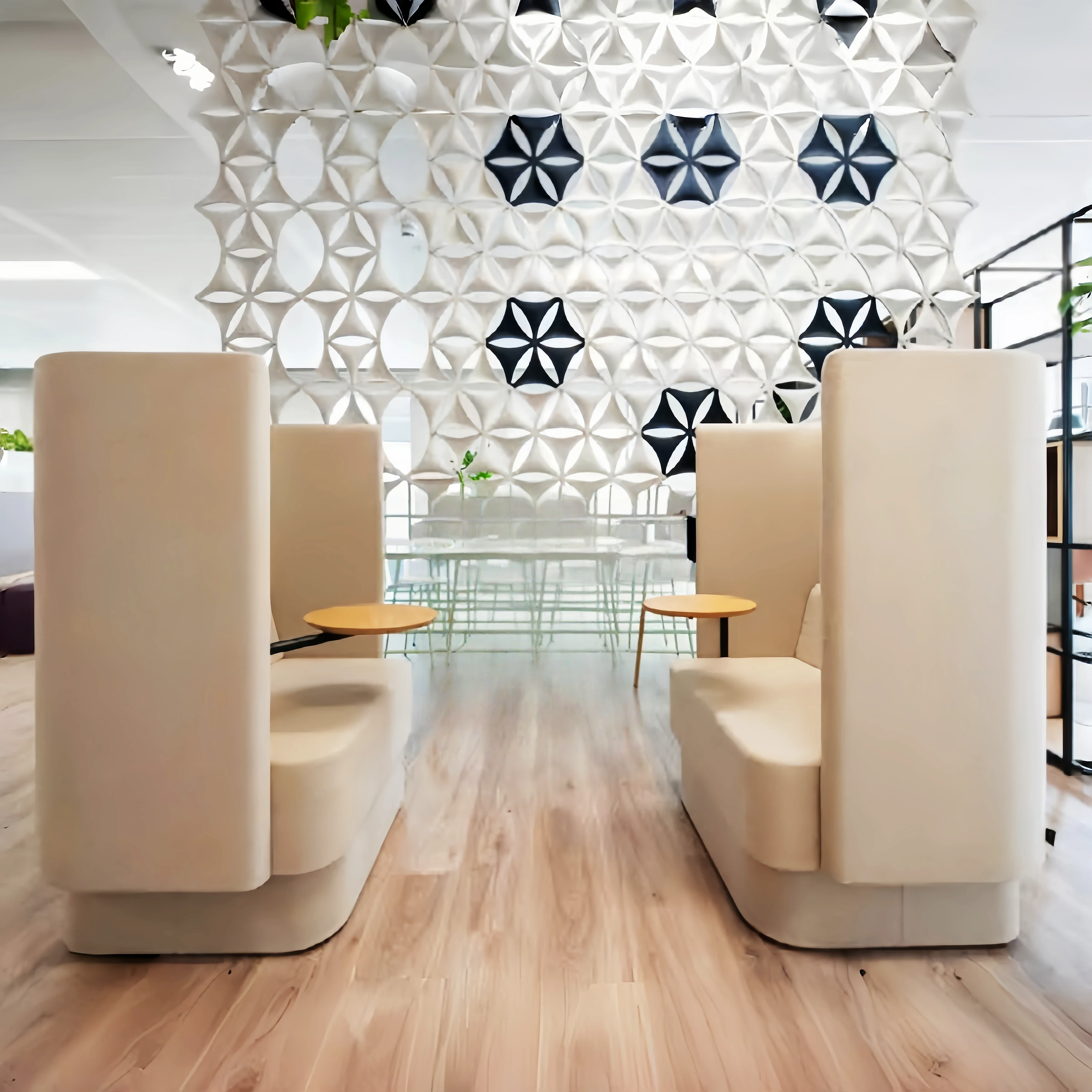



1. Bed Design:
The bed is the most basic component of dormitory furniture. Choosing a mattress with good support and comfort can effectively improve students' sleep quality. Furthermore, the height and size of the bed should suit the student's height and usage habits to avoid discomfort or safety hazards caused by an unsuitable bed design.
2. Desks and Chairs:
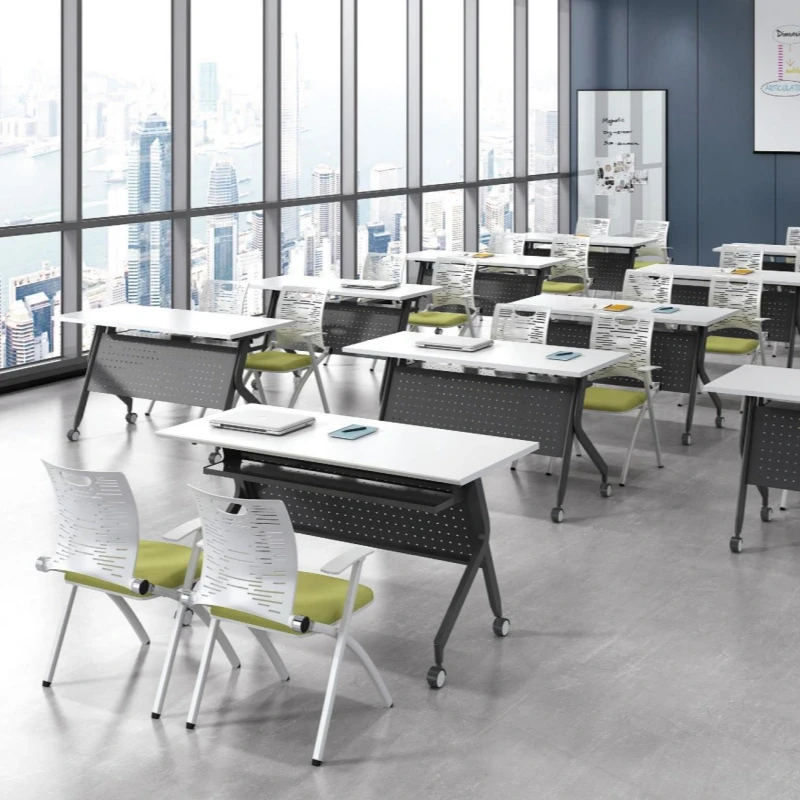
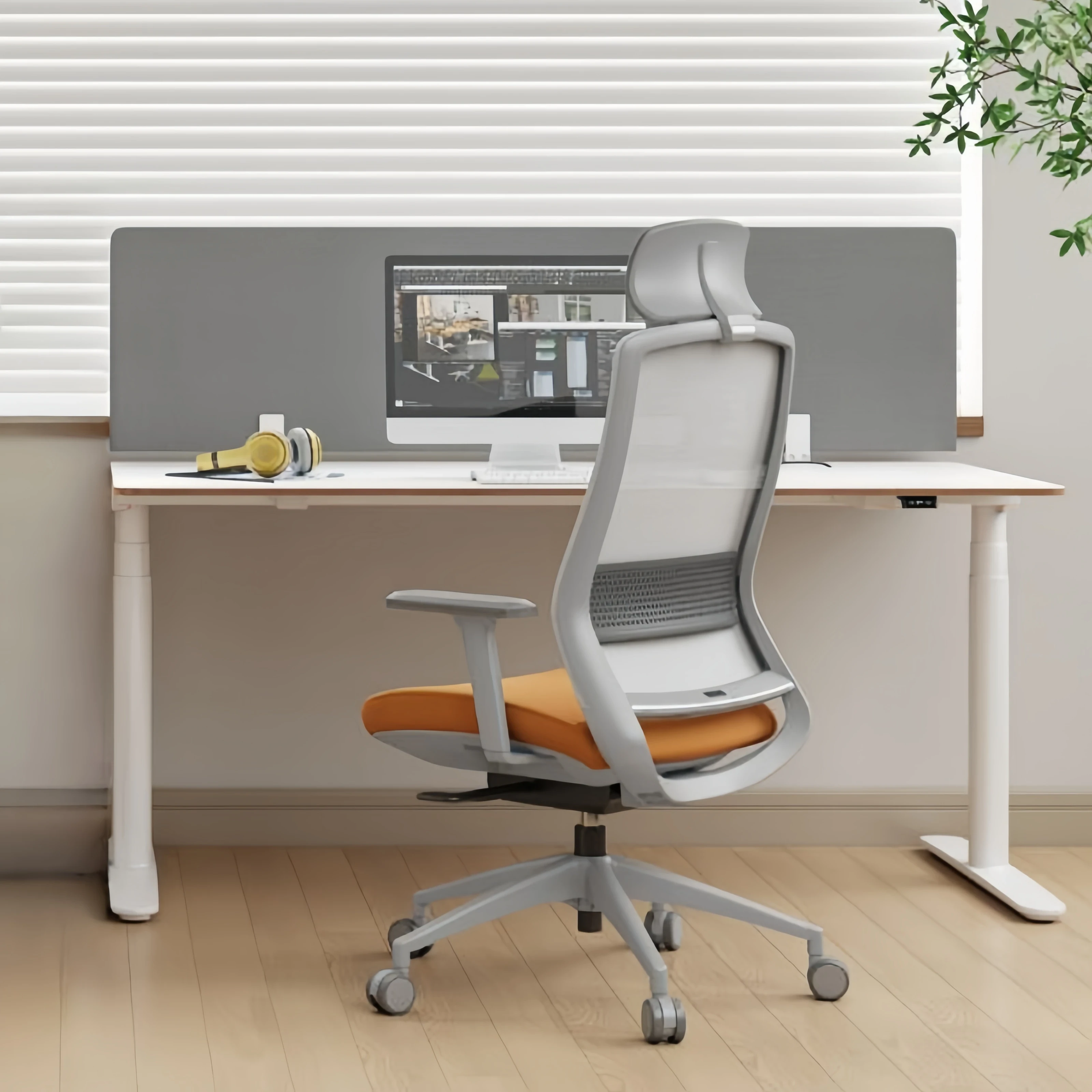
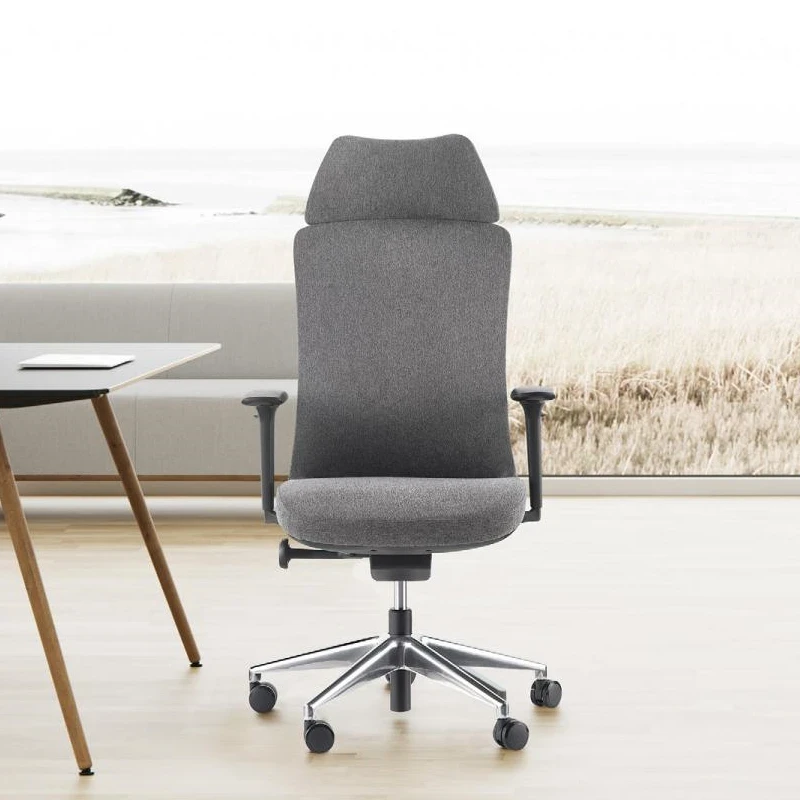
The design of desks and chairs should conform to ergonomic principles, providing good posture support and reducing fatigue and discomfort from prolonged study. Height-adjustable desks and chairs can better accommodate the needs of students of different heights, improving learning efficiency.
II. Durability and Material Selection
1. Material Quality:
Dormitory furniture typically needs to withstand frequent use and movement, so choosing durable and easy-to-clean materials is crucial. Commonly used materials include solid wood, metal, and high-strength plastics, which not only have a long service life but also maintain a good appearance during daily maintenance.
2. Structural Design:
The structural design of the furniture should be sturdy and stable, able to withstand the wear and pressure of daily use. Avoid choosing designs that are easily deformed or damaged to ensure that the furniture maintains good function and appearance after repeated moving and use.
III. Space Utilization and Functionality
1. Multifunctional Design
Dormitory space is limited, and multifunctional furniture design can maximize the use of limited space. For example, beds with storage functions, folding desks, and modular wardrobes can effectively improve the efficiency of dormitory use and reduce space waste.
2. Modular Layout
Modular furniture can be flexibly combined and adjusted according to the actual situation of the dormitory to adapt to the needs of different numbers of people and layouts. This flexibility not only facilitates the moving and rearranging of furniture, but also allows for personalized settings according to the actual needs of students.
IV. Safety and Compliance
1. No Sharp Edges
Dormitory furniture should avoid designs with sharp edges to reduce the risk of accidental injury. Rounded corner designs or the use of protective frames can effectively improve the safety of furniture and protect the personal safety of students.
2. Meets Fire and Environmental Protection Standards
Dormitory furniture should meet relevant fire and environmental protection standards, using flame-retardant materials and environmentally friendly coatings to reduce fire hazards and the release of harmful substances, creating a healthy and safe living environment.
V. Aesthetics and Style Unity
1. Color Matching
The colors of dormitory furniture should be coordinated with the overall decoration style and color scheme of the dormitory to create a comfortable and pleasant living atmosphere. Light-colored furniture can enhance the brightness of a space, while dark-colored furniture appears more stable and elegant.
2. Unified Style:
A unified furniture style helps improve the overall aesthetics and harmony of the dormitory. Different design styles, such as modern minimalist, Nordic, or campus style, should be selected according to the school's overall positioning and students' preferences to ensure a beautiful and clean dormitory environment.
VI. Cost and Budget Control
1. Cost-Effectiveness Analysis:
When choosing dormitory furniture, price and quality should be considered comprehensively, selecting products with high cost-effectiveness. Although high-quality furniture requires a larger initial investment, its durability and lower maintenance costs make it more economical in the long run.
2. Bulk Purchase Discounts:
School dormitory furniture usually needs to be purchased in large quantities. Bulk purchase discounts or preferential treatment can be obtained through negotiation, improving procurement efficiency and reducing total costs.
VII. Maintenance and After-Sales Service
1. Easy Maintenance:
Choosing furniture materials and designs that are easy to clean and maintain can reduce the workload of daily management and maintain a clean and hygienic dormitory environment.
2. Comprehensive After-Sales Service:
The supplier should provide comprehensive after-sales service, including furniture repair, replacement, and technical support, ensuring that problems encountered during use can be resolved promptly and guaranteeing the normal use of dormitory furniture.
In conclusion,
selecting suitable school dormitory furniture requires comprehensive consideration of multiple factors, including comfort, durability, space utilization, safety, aesthetics, cost control, and maintenance and after-sales service. Through comprehensive evaluation and scientific decision-making, schools can provide students with a safe, comfortable, and fully functional living and learning environment, promoting their all-round development and healthy growth. At the same time, high-quality dormitory furniture can also enhance the school's overall image and management level, laying a solid foundation for the school's long-term development.