
 USD
USD GBP
GBP
 EUR
EUR
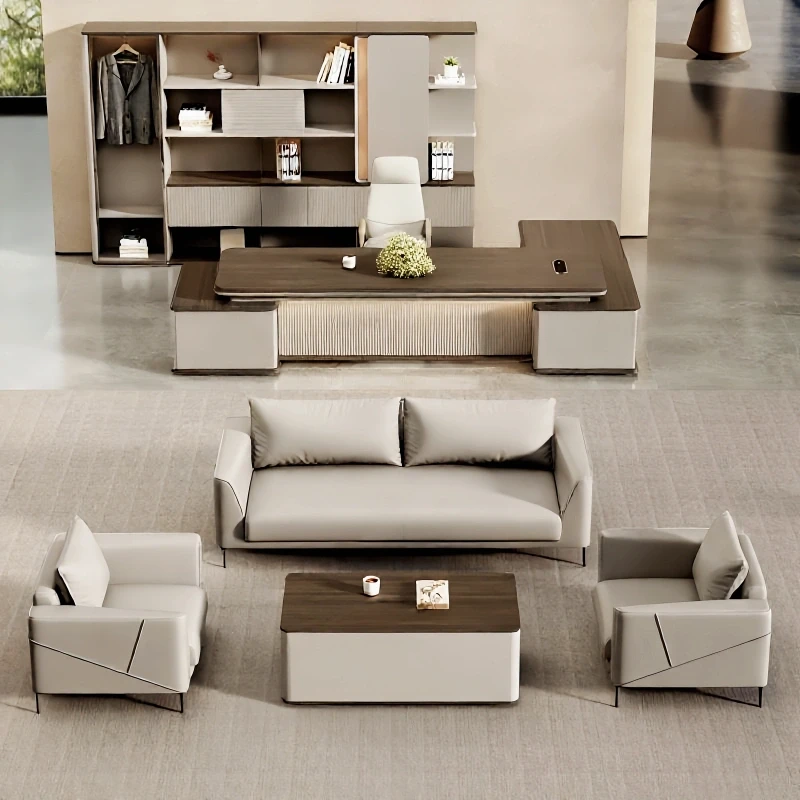
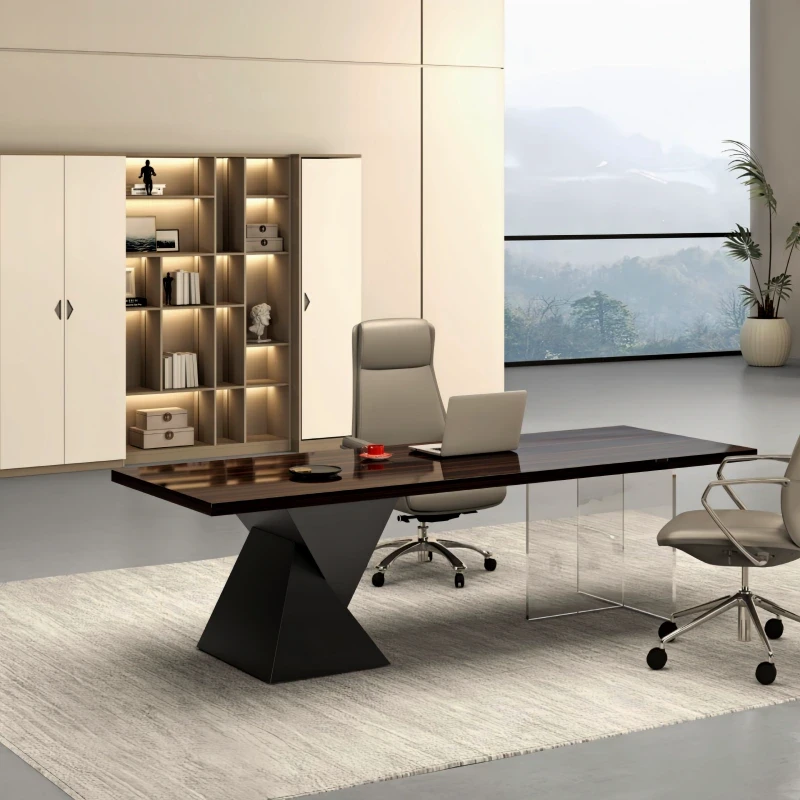


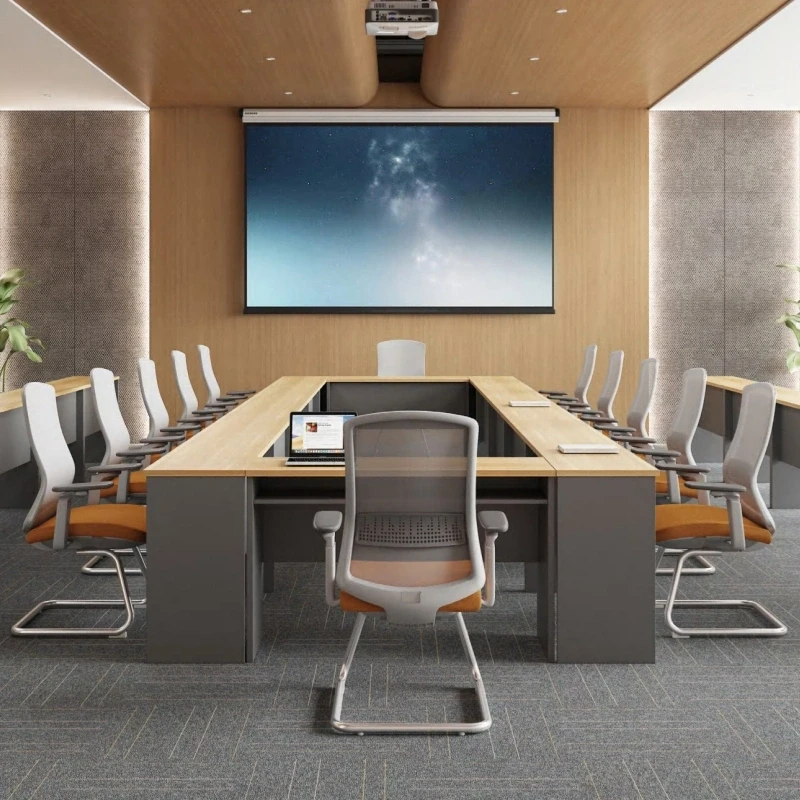
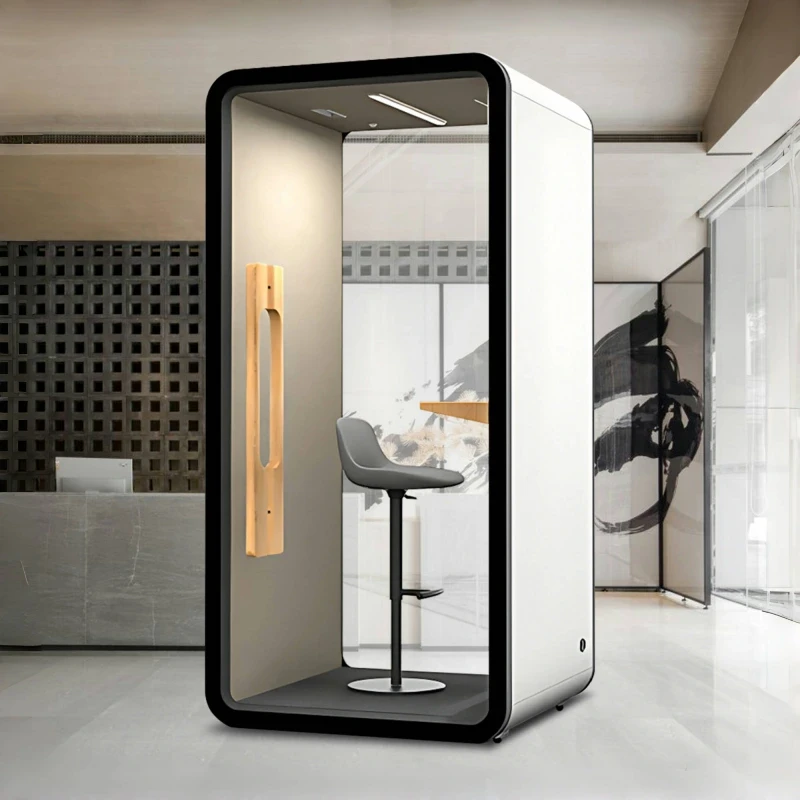
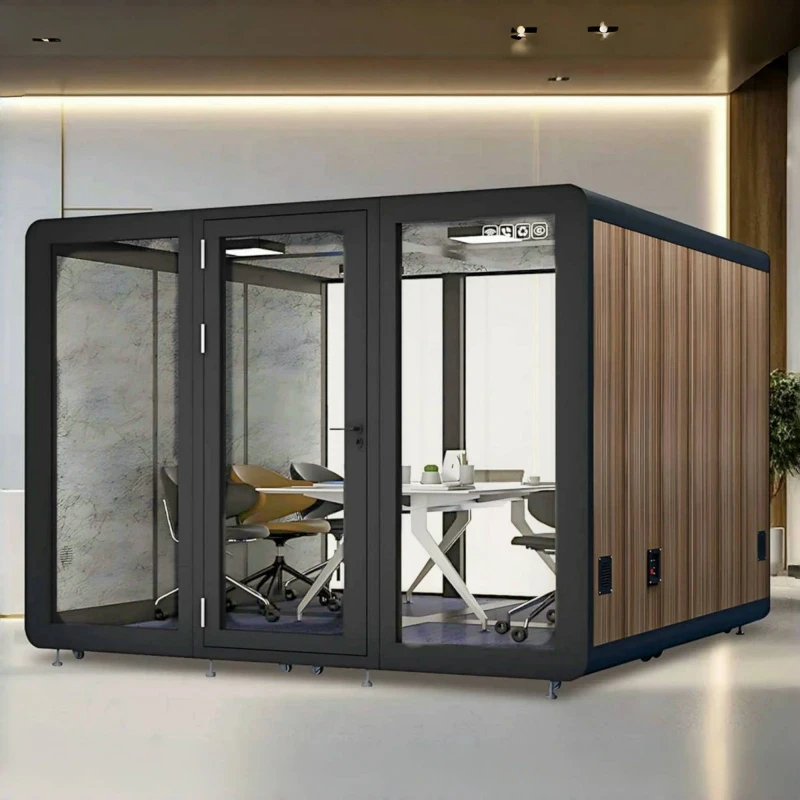
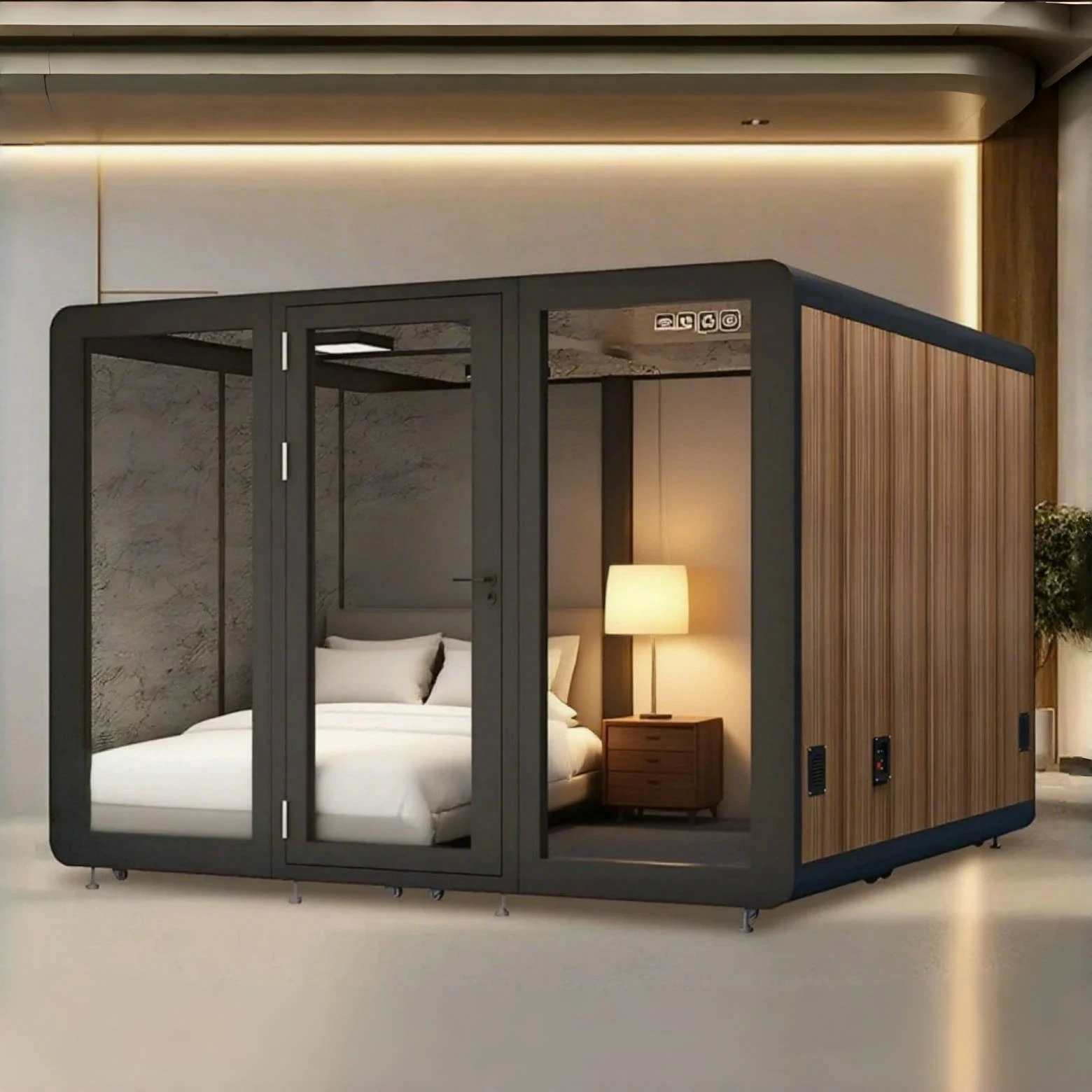


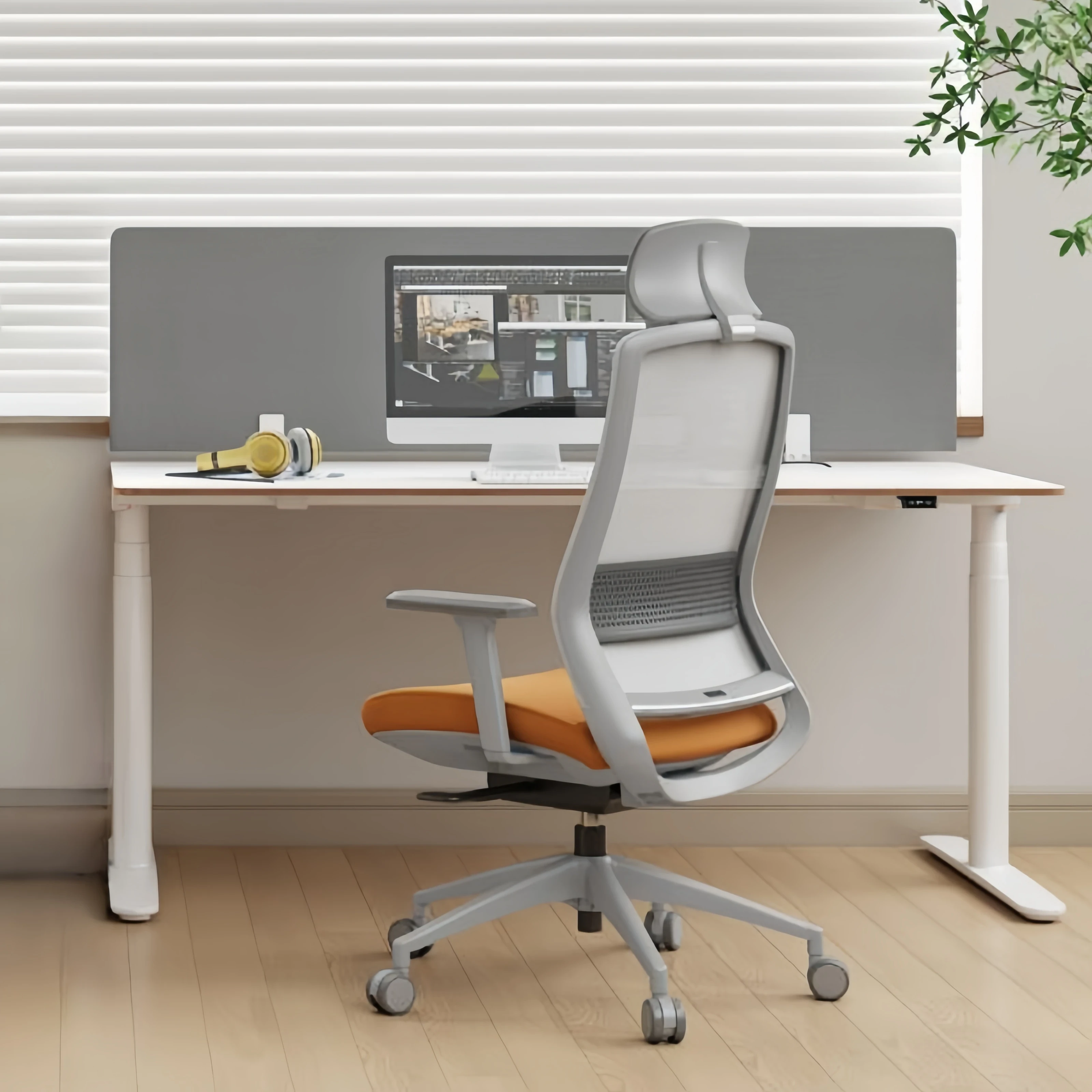


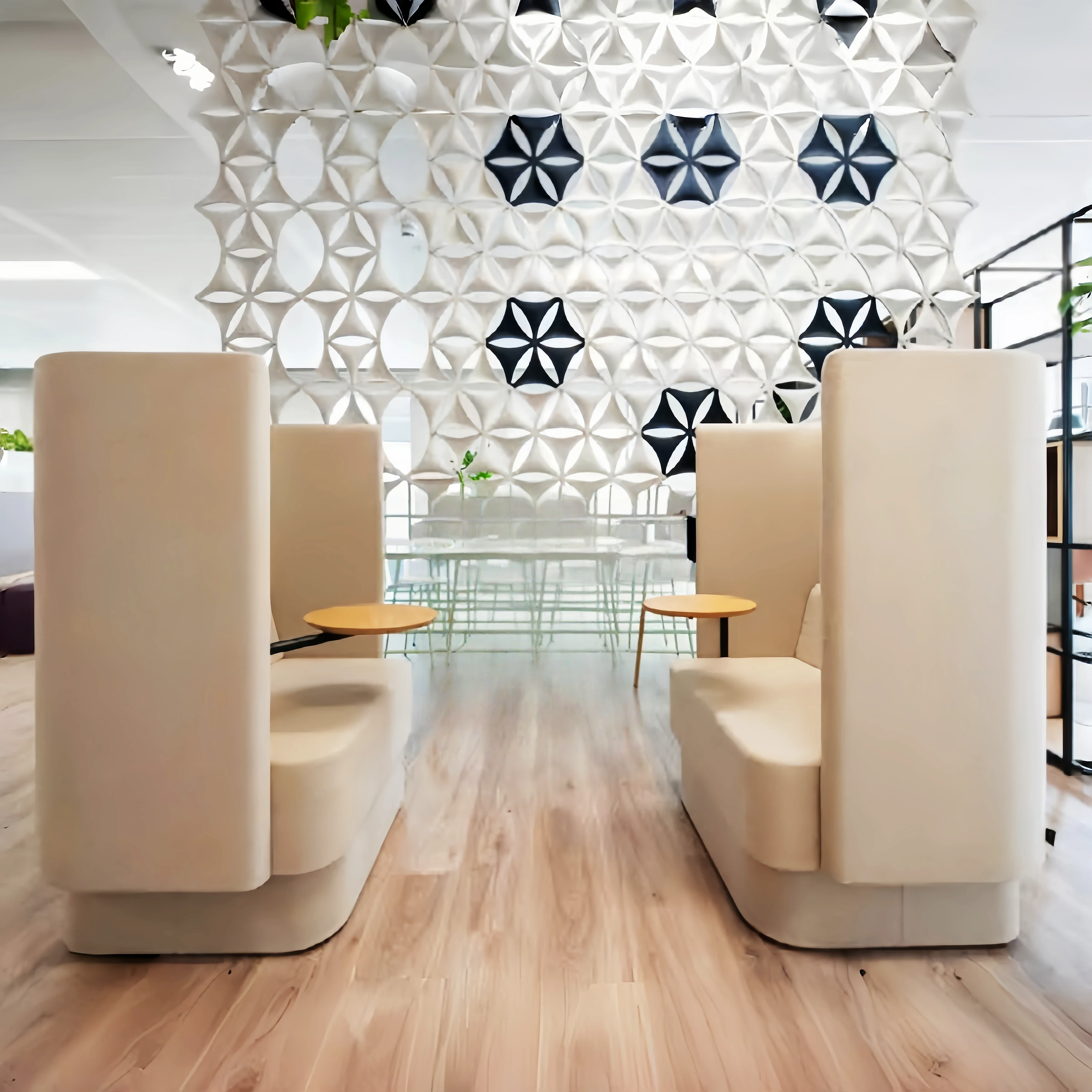

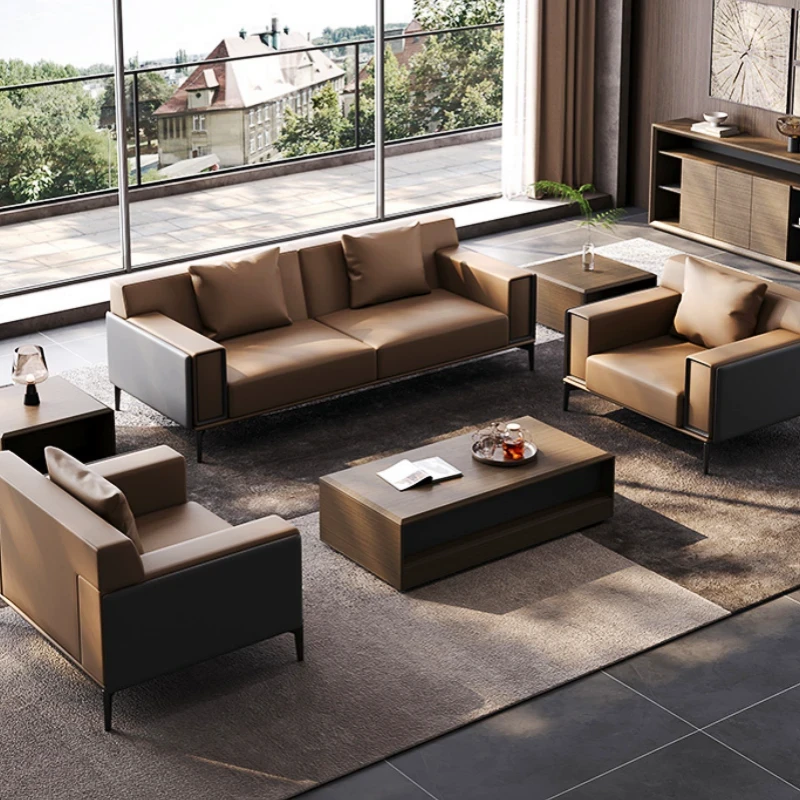
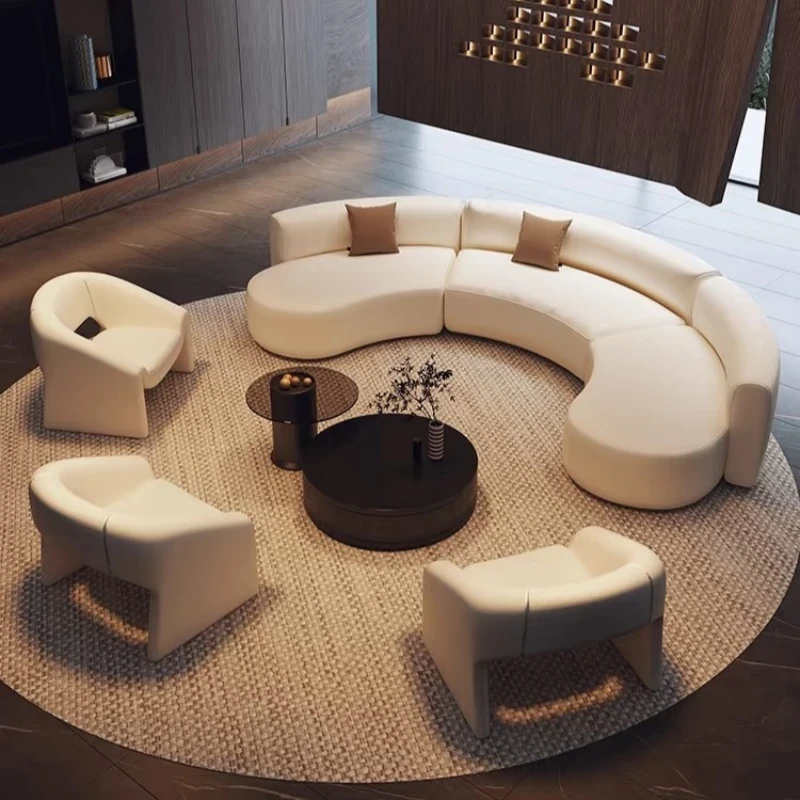
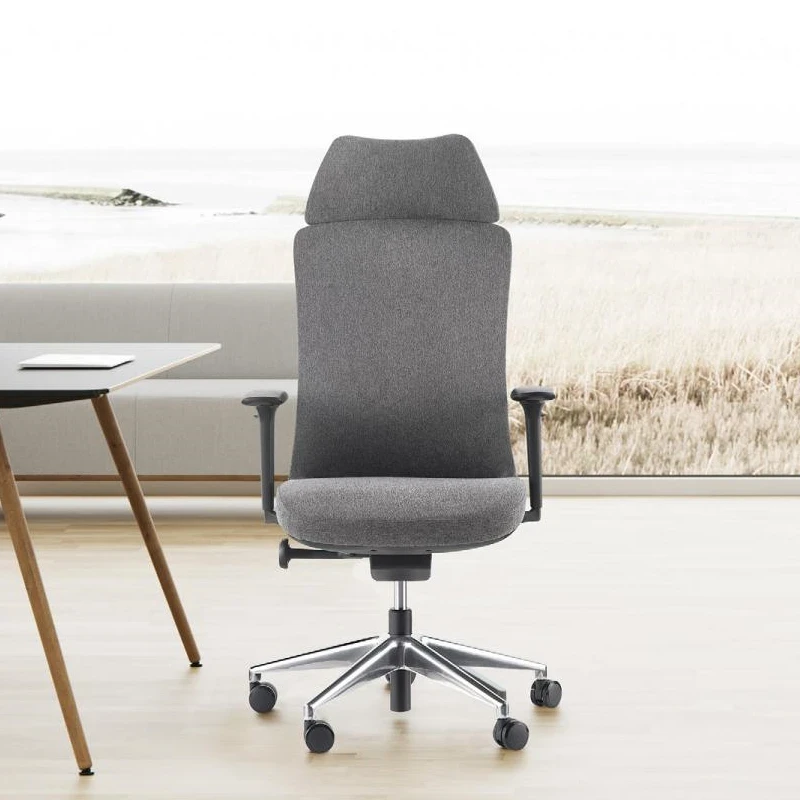


Material Selection: High-cost materials such as genuine leather, solid wood, and marble are used, emphasizing luxury and durability.
Customized Design: Collaborating with designers to create exclusive furniture, such as the Ritz-Carlton's exclusive art sofas.
Long-Term Cost Considerations: High-end furniture can last for more than 10 years, reducing the cost of frequent replacements.
2. Budget Hotels: Cost-Effectiveness and Standardized Production
. Modular Procurement: Choosing standardized furniture sizes facilitates bulk purchasing and rapid replacement.
Durability and Ease of Maintenance: Prioritizing wear-resistant materials such as fire-resistant boards and engineered wood.
Cost Control: Reducing unit prices through centralized group procurement, such as the unified supply chain of hotels under the Huazhu Group.
3. Differences in Functional Design Focus.
High-end Hotels: Adding "non-essential" functions to enhance the experience, such as smart massage chairs and minibar temperature-controlled cabinets.
Budget Hotels: Focusing on core functions, such as bed comfort and desk practicality.
4. Case Comparison: Four Seasons Hotels vs. Home Inns.
Four Seasons Hotels: Guest room desks are made of hand-carved solid wood, paired with Italian brand lighting fixtures.
Home Inns: Uses standardized panel furniture, and the bed frame is a steel-wood structure, reducing costs by 40%.
In conclusion,
furniture procurement strategies are essentially an extension of brand positioning and business model. High-end hotels convey luxury value through furniture, while budget hotels pursue a balance between efficiency and cost; both maximize profits within their respective sectors.