
 USD
USD GBP
GBP
 EUR
EUR
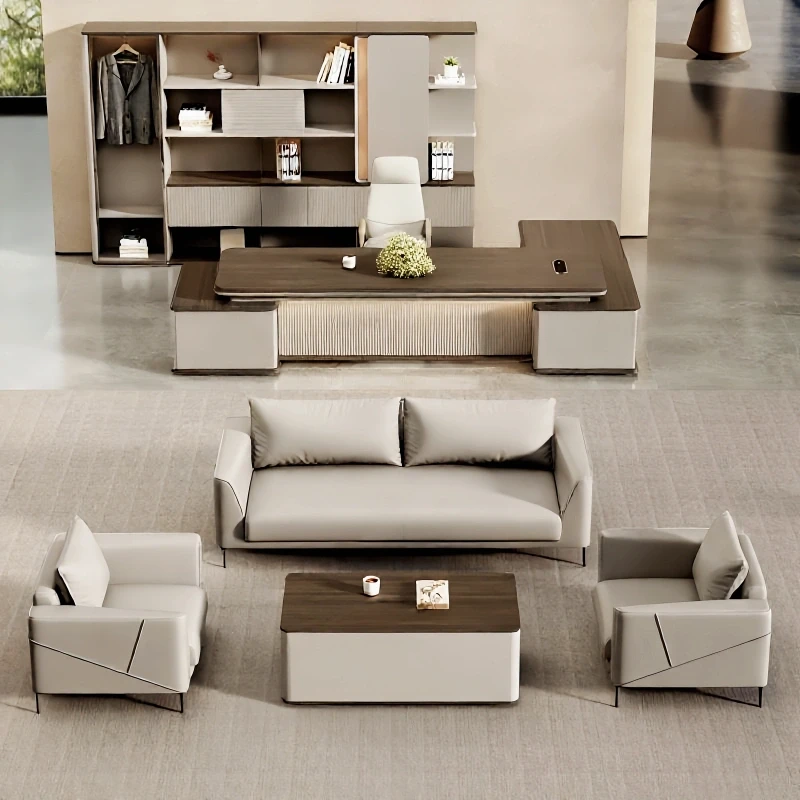
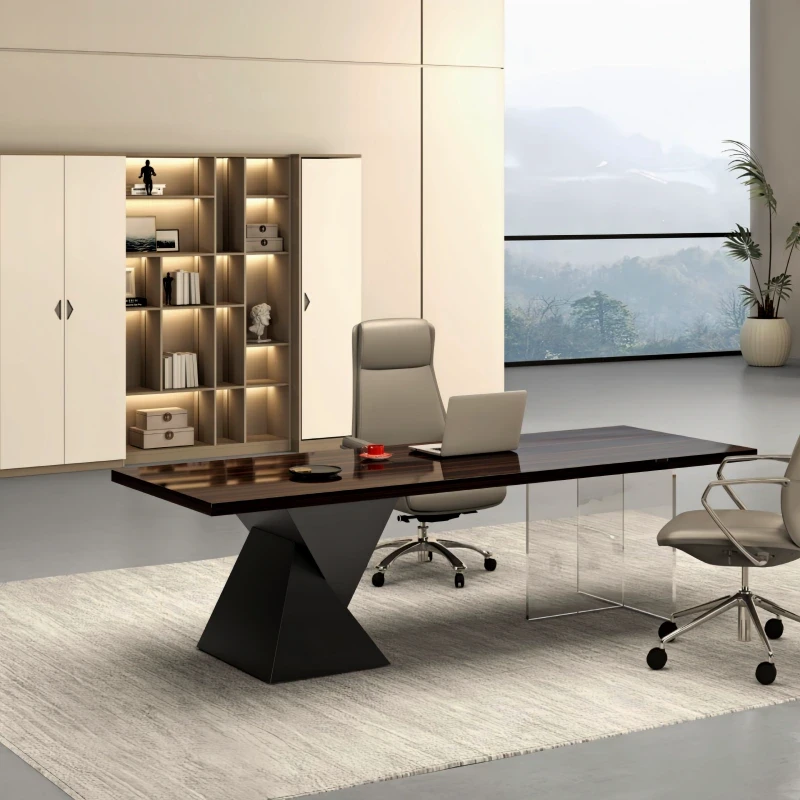


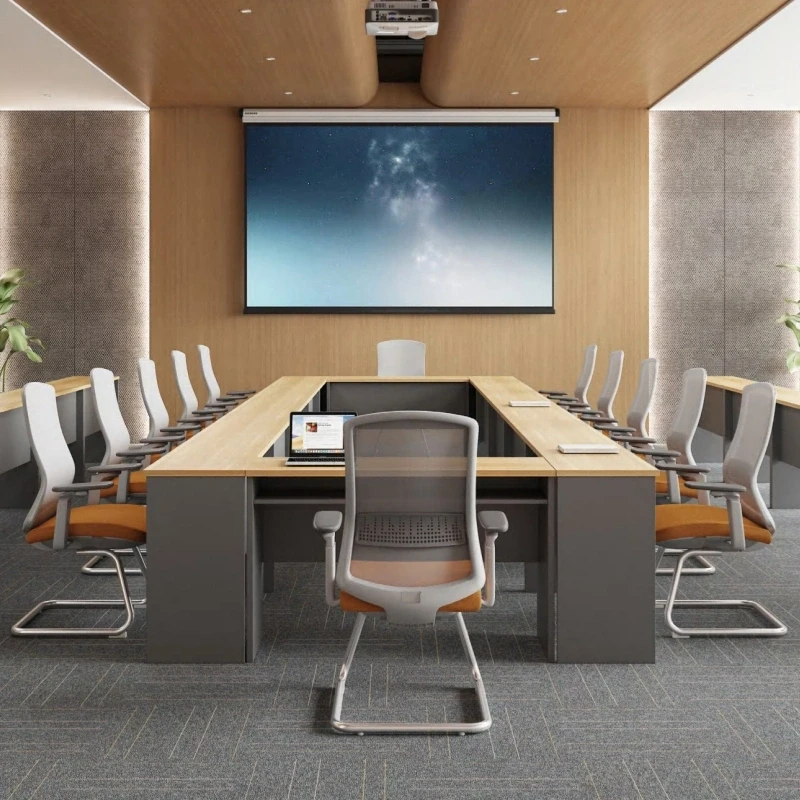
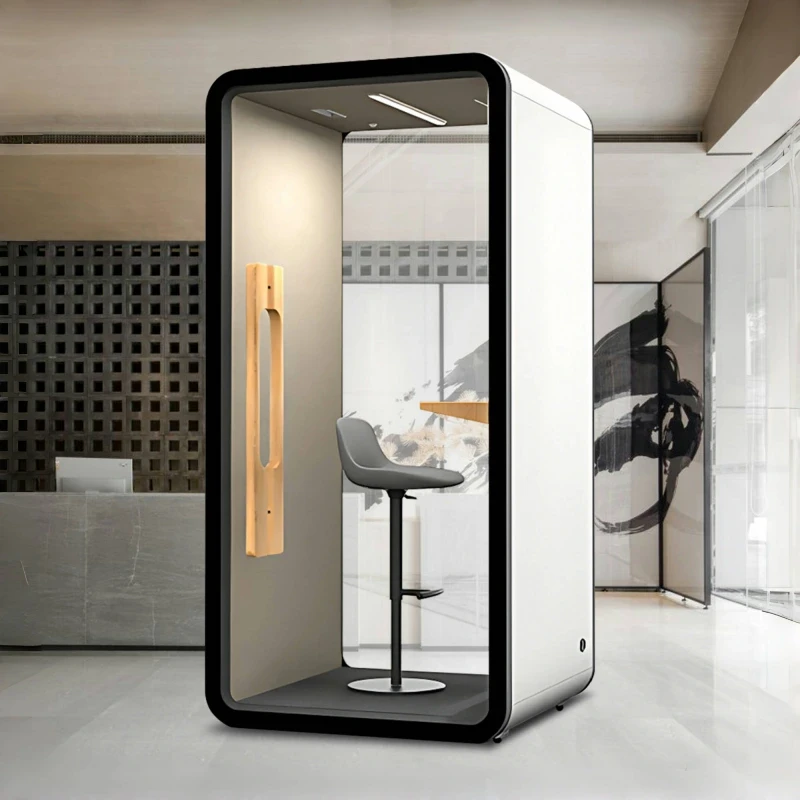
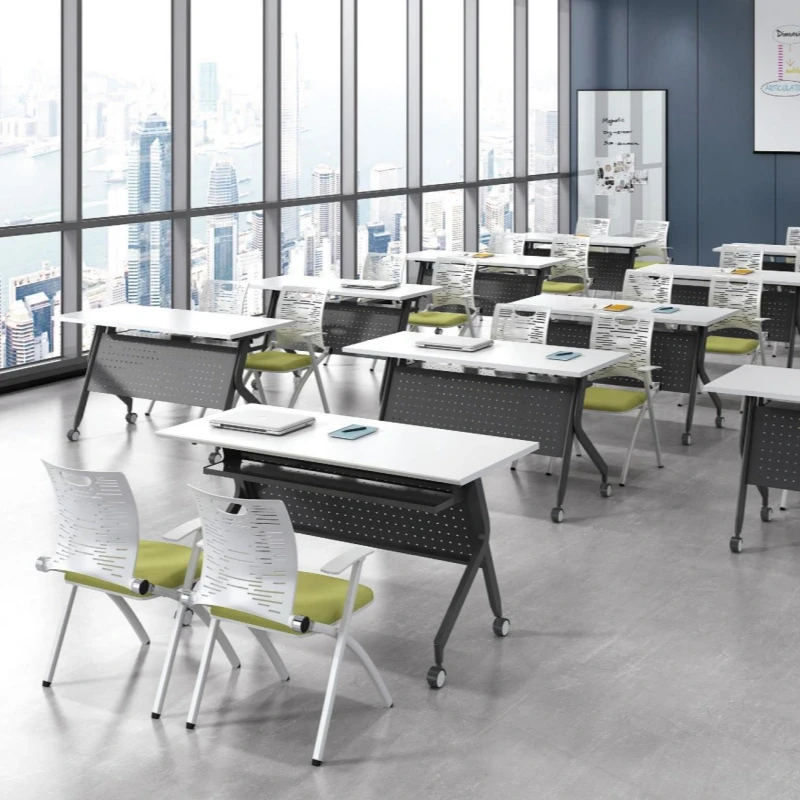
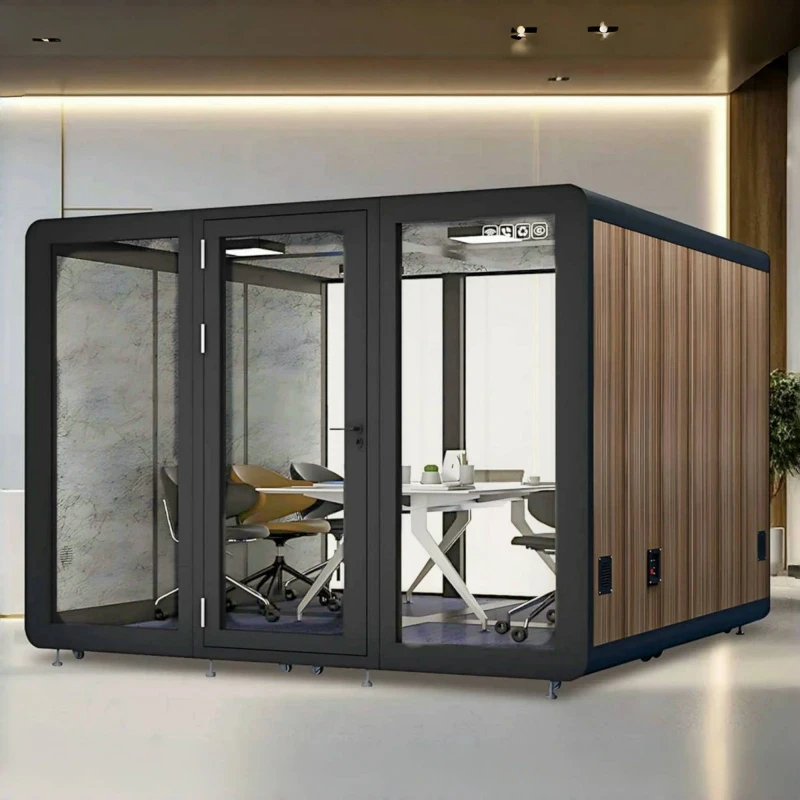
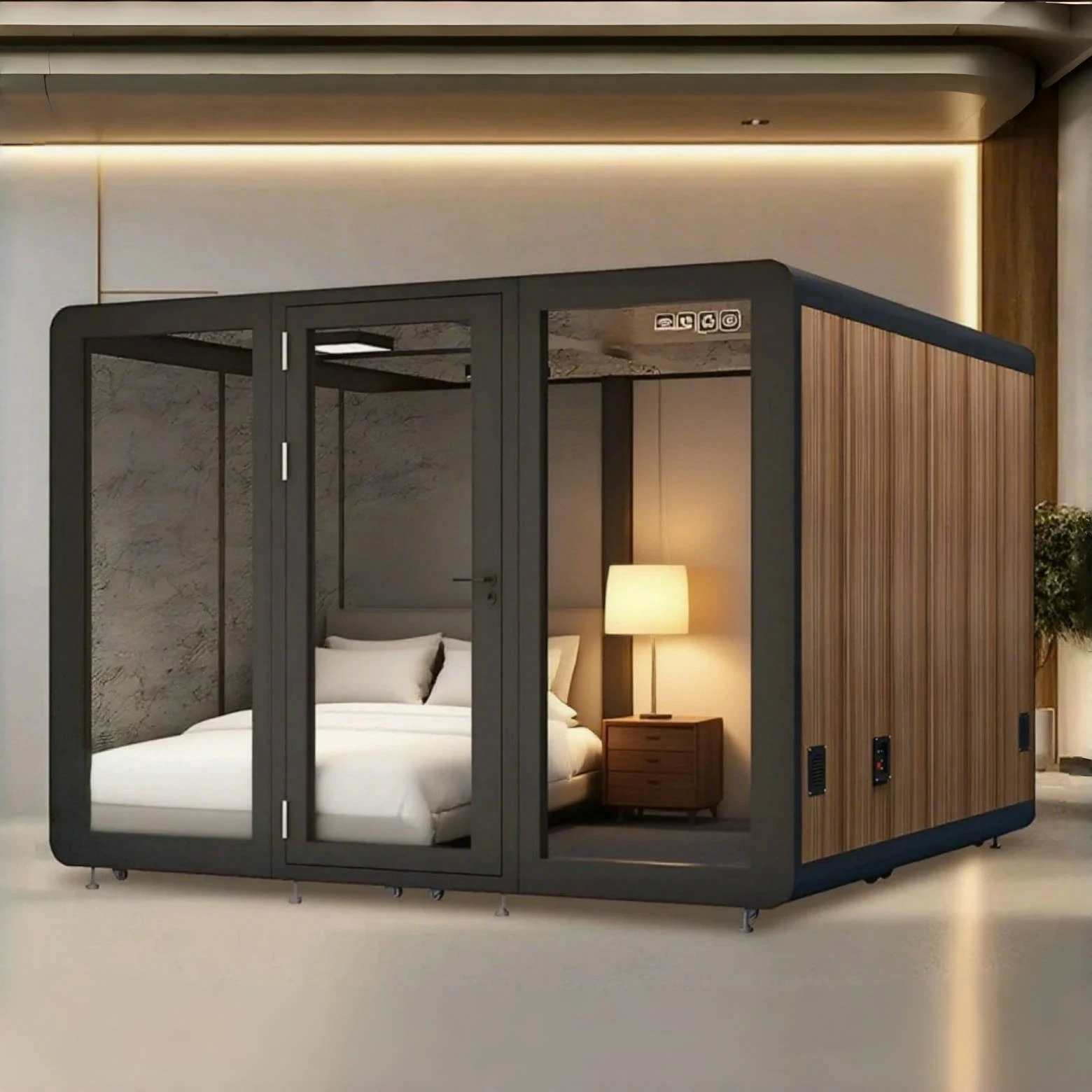


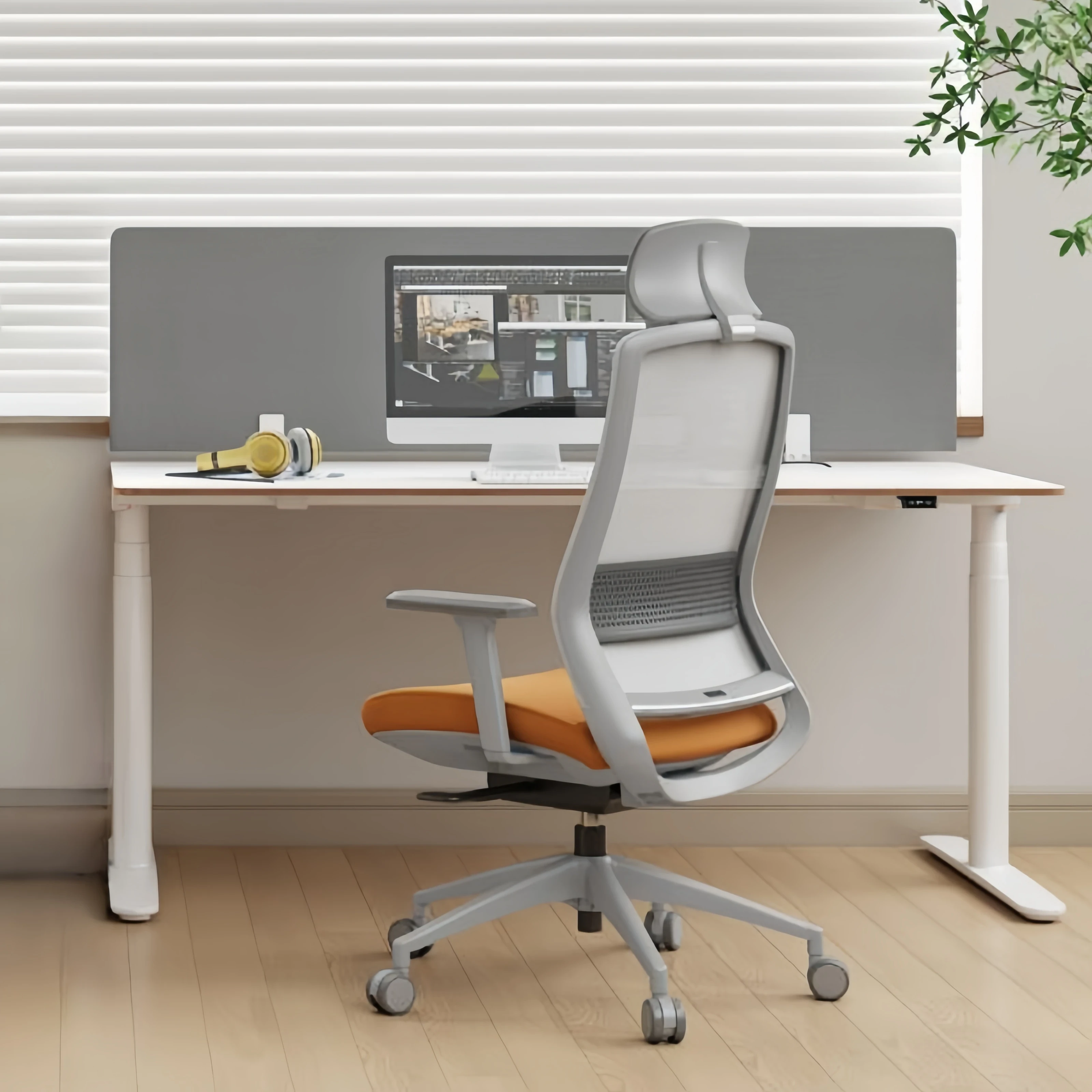


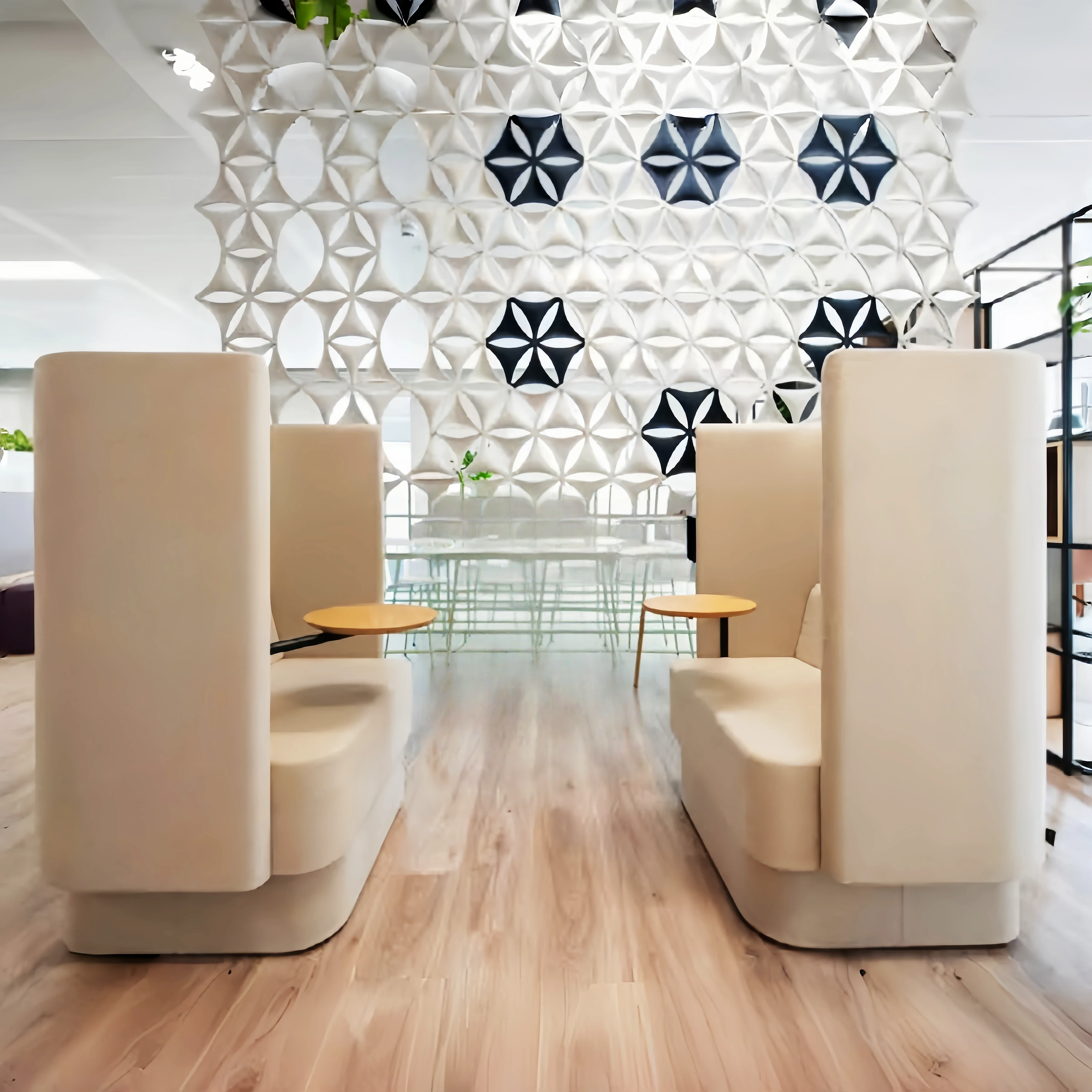

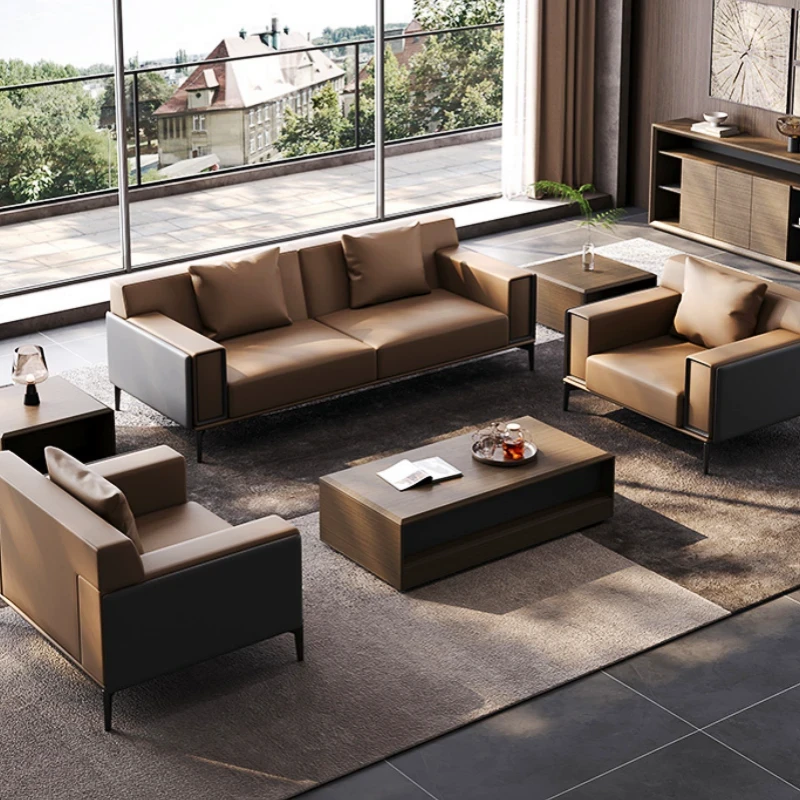
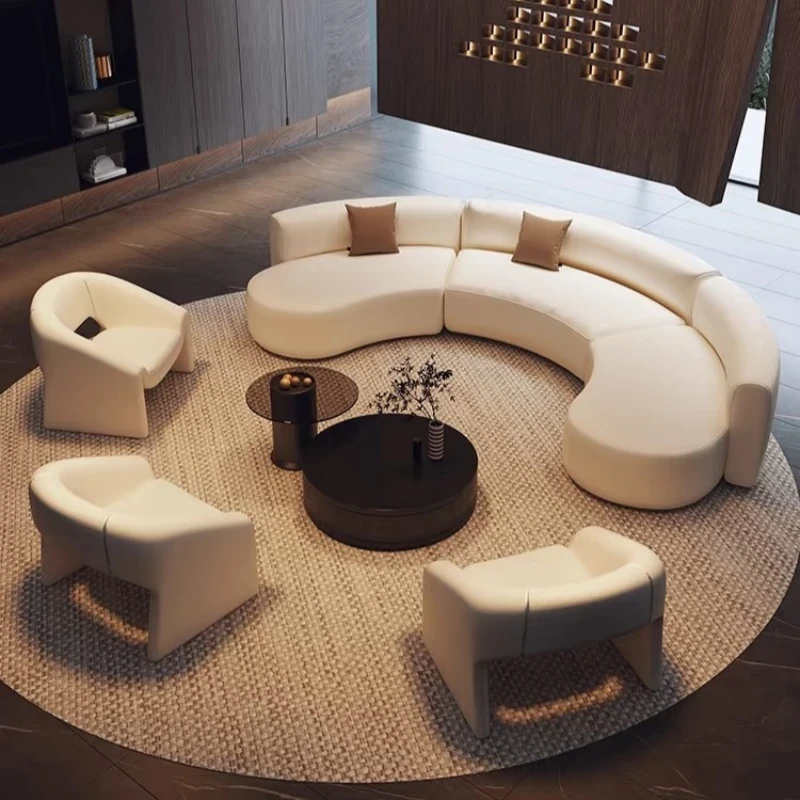
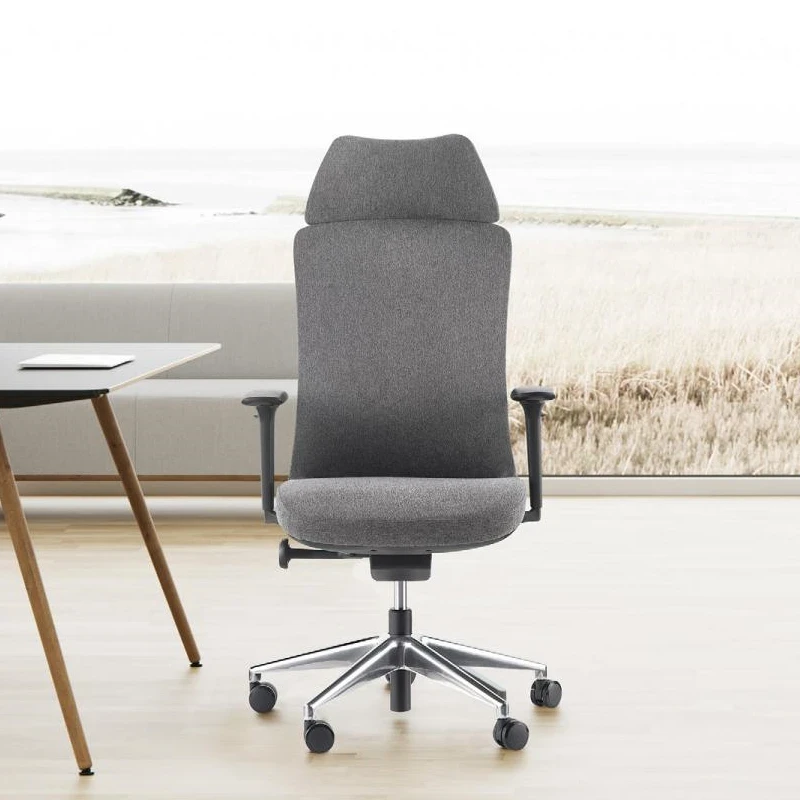


First and foremost, the restaurant's positioning and style form the basis for furniture selection. Whether it's a high-end restaurant, a fast-food chain, or a family-run establishment, the furniture design should align with the overall brand image. For instance, a high-end restaurant might choose elegant solid wood furniture, while a fast-food chain might prefer brightly colored, easy-to-clean plastic or metal furniture. When purchasing furniture, clearly define the atmosphere and style the restaurant aims to convey.
2. Consider Comfort and Functionality:
The comfort of restaurant furniture is paramount, especially the choice of seating, which directly impacts the customer's dining experience. Consider the seat height, cushion firmness, and back support design. Furthermore, the combination of tables and chairs should be designed for quick and flexible adjustments to accommodate different dining needs, thus improving operational efficiency.
3. Material Selection and Durability:
Since restaurants are high-frequency use areas, furniture durability is crucial. Choose furniture made of high-quality, easy-to-maintain materials, such as water-resistant and stain-resistant materials, which effectively reduces cleaning time. Additionally, consider aesthetically pleasing synthetic materials to reduce operating costs while maintaining aesthetics.
4. Rational Use of Space:
The spatial layout of a restaurant directly impacts the customer dining experience and operational efficiency. When purchasing furniture, the layout of tables and seats should be planned in advance to ensure sufficient privacy for customers and avoid overcrowding. Flexible furniture (such as foldable or movable tables and chairs) can better adapt to different dining needs and provide more efficient service during peak hours.
5. Safety:
The safety of restaurant furniture is crucial to customer health and the restaurant's reputation. Choose designs without sharp corners and that will not cause accidental injury, and avoid using furniture made of toxic materials. Ensure that the wood used is treated to prevent insect infestation and mold, ensuring customer health.
6. Budget and Return on Investment
: Budget is an important consideration when purchasing restaurant furniture. Although high-quality furniture requires a larger initial investment, its durability and ease of maintenance can save costs for the restaurant in the long run. Choosing cost-effective furniture can effectively control the budget while ensuring quality, improving the overall operational efficiency of the restaurant.
Conclusion:
The selection of restaurant furniture affects the customer dining experience and the restaurant's operational efficiency. By comprehensively considering factors such as the restaurant's positioning and style, comfort and functionality, material selection and durability, space utilization, safety, and budget control, the restaurant can provide a high-quality dining environment, thereby increasing customer satisfaction and repeat business.