
 USD
USD GBP
GBP
 EUR
EUR
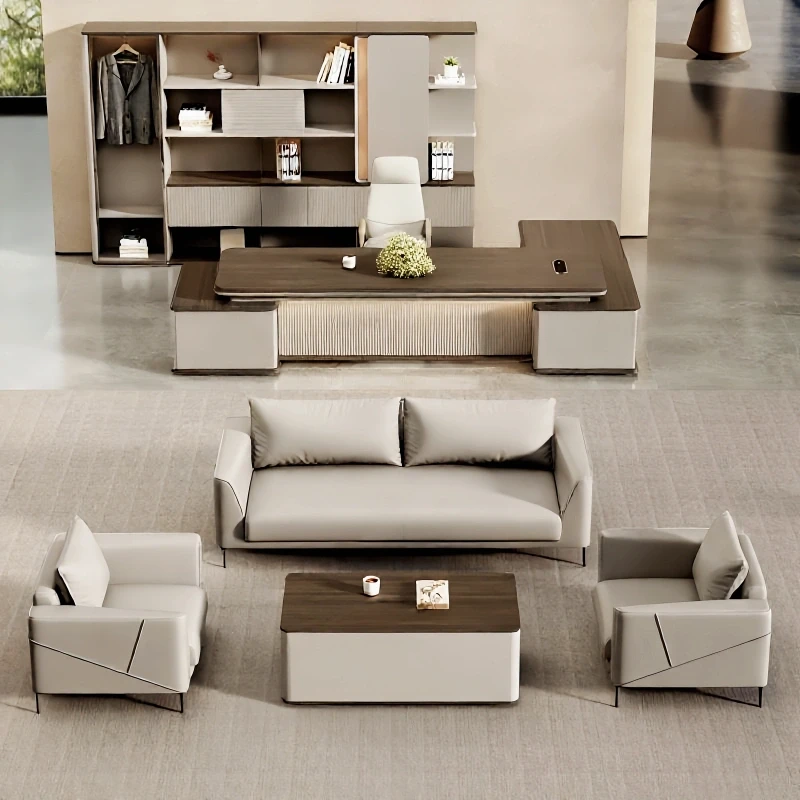
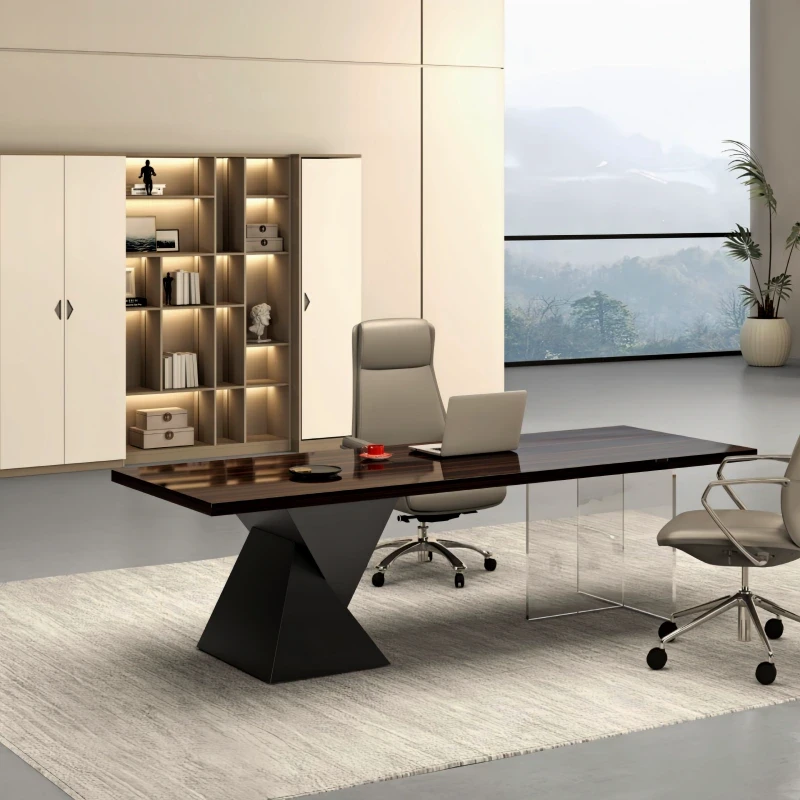


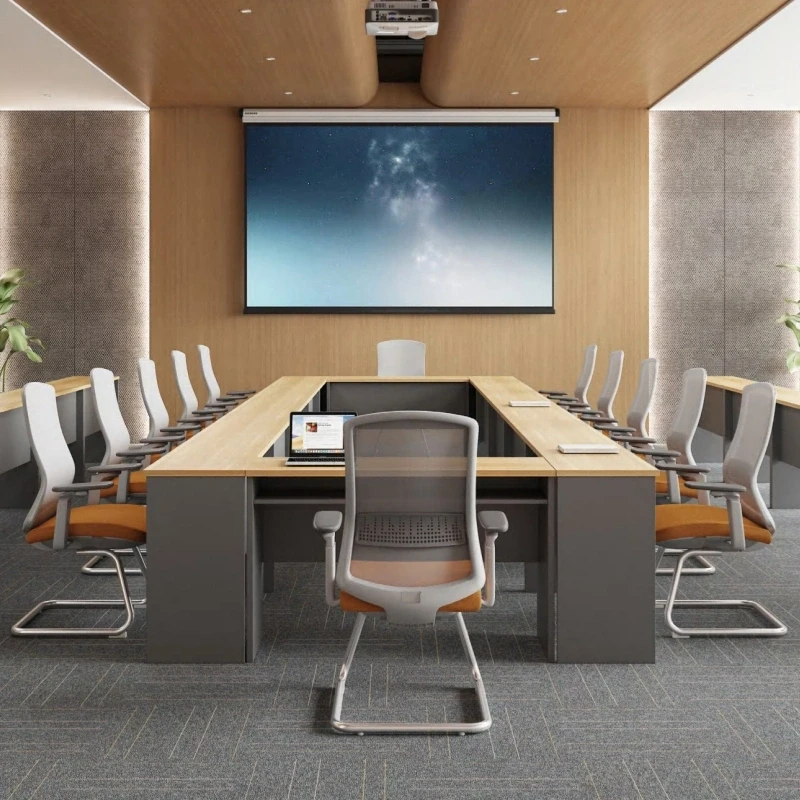
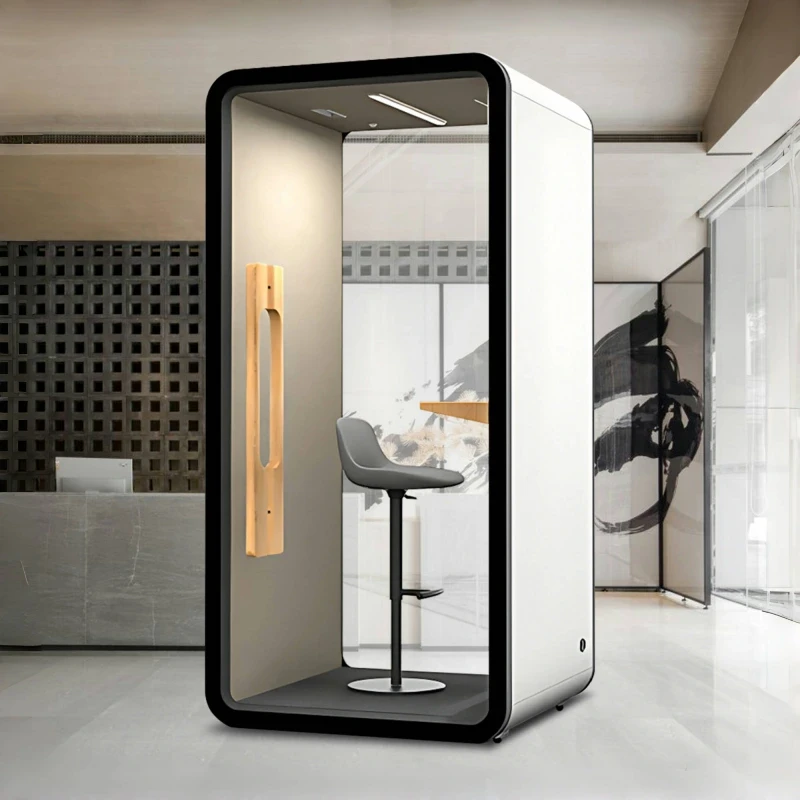
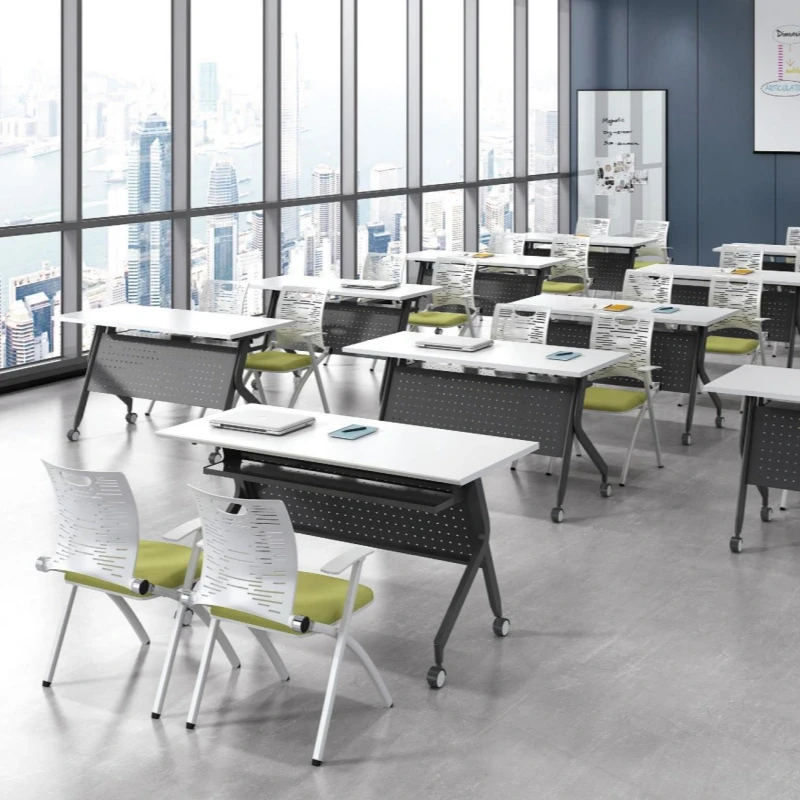
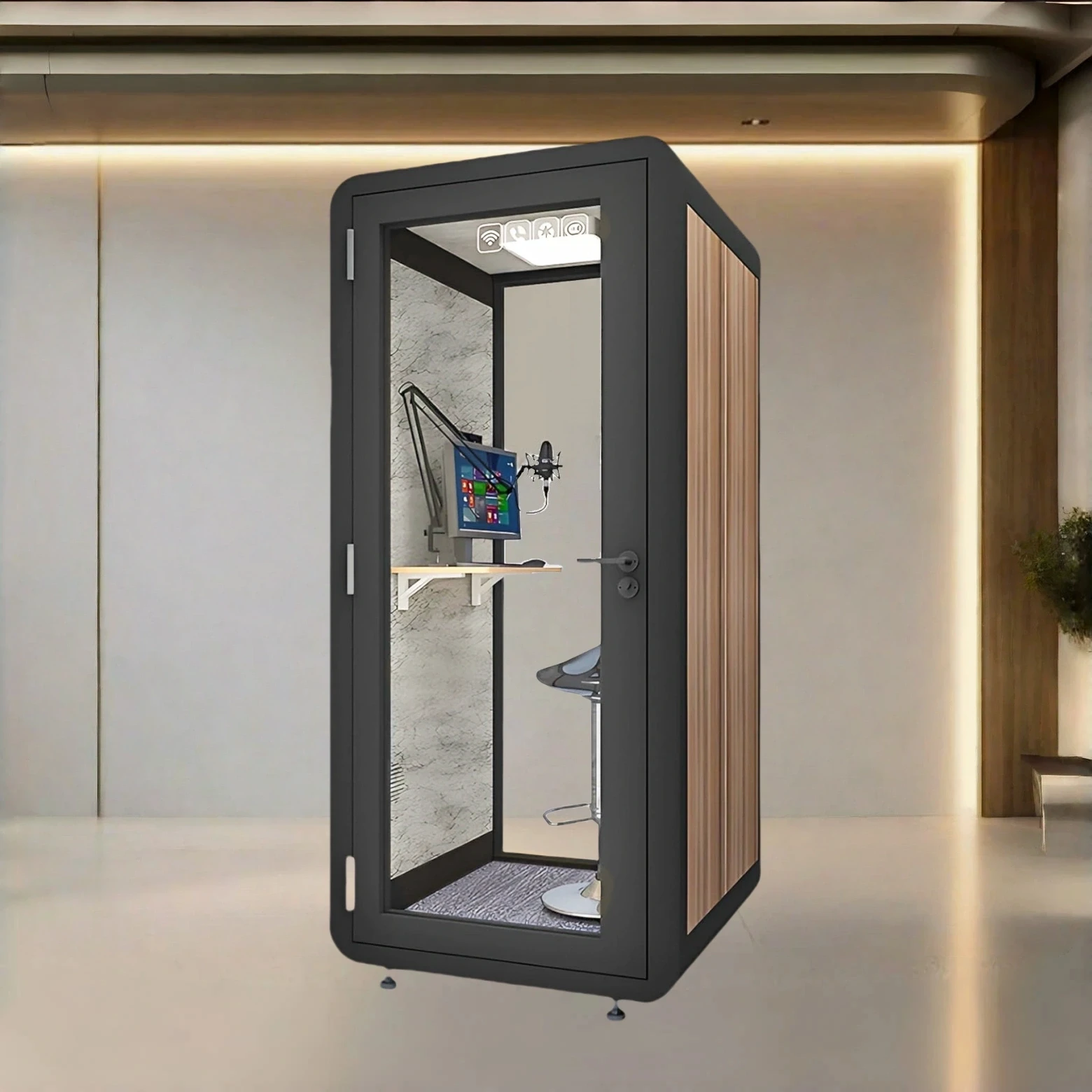
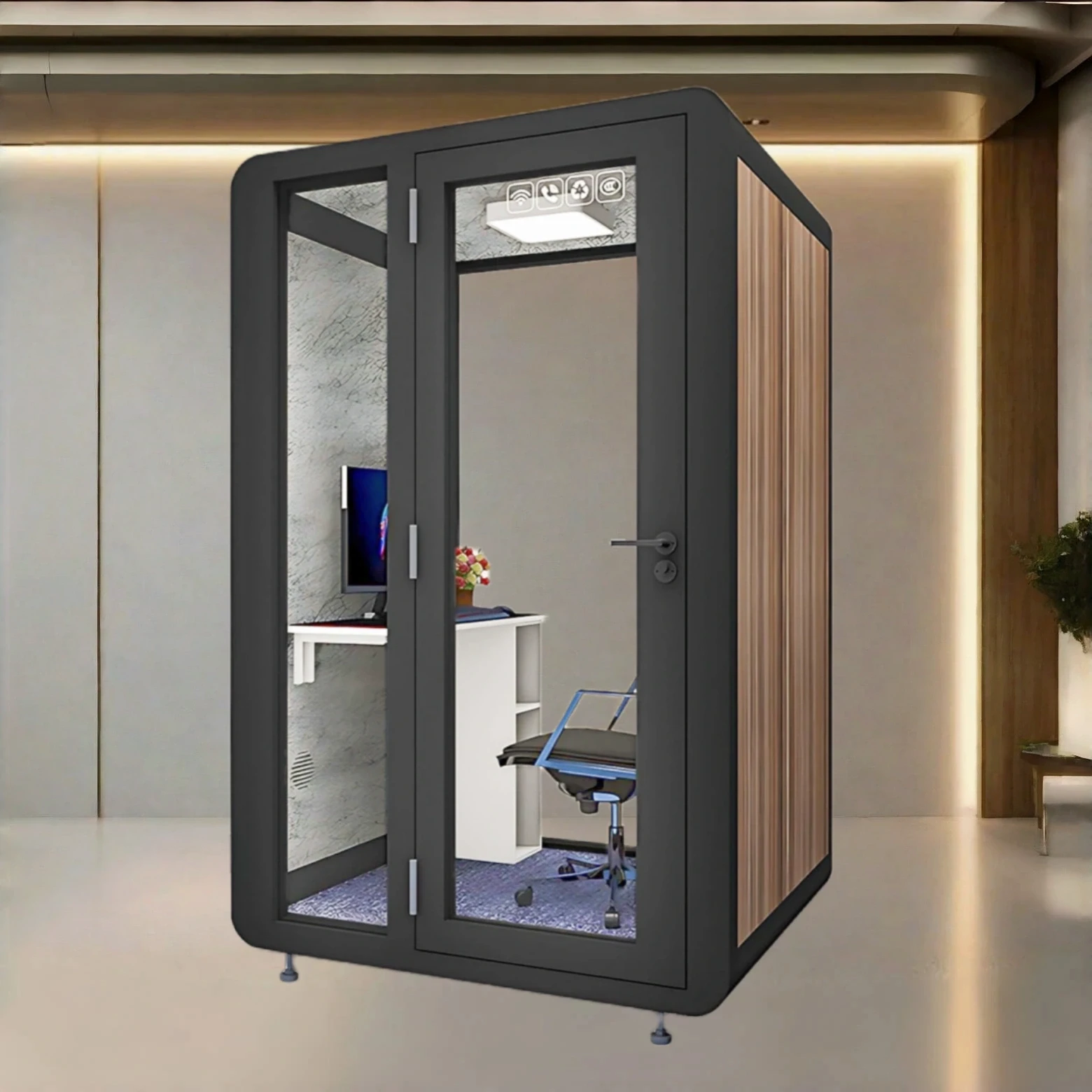
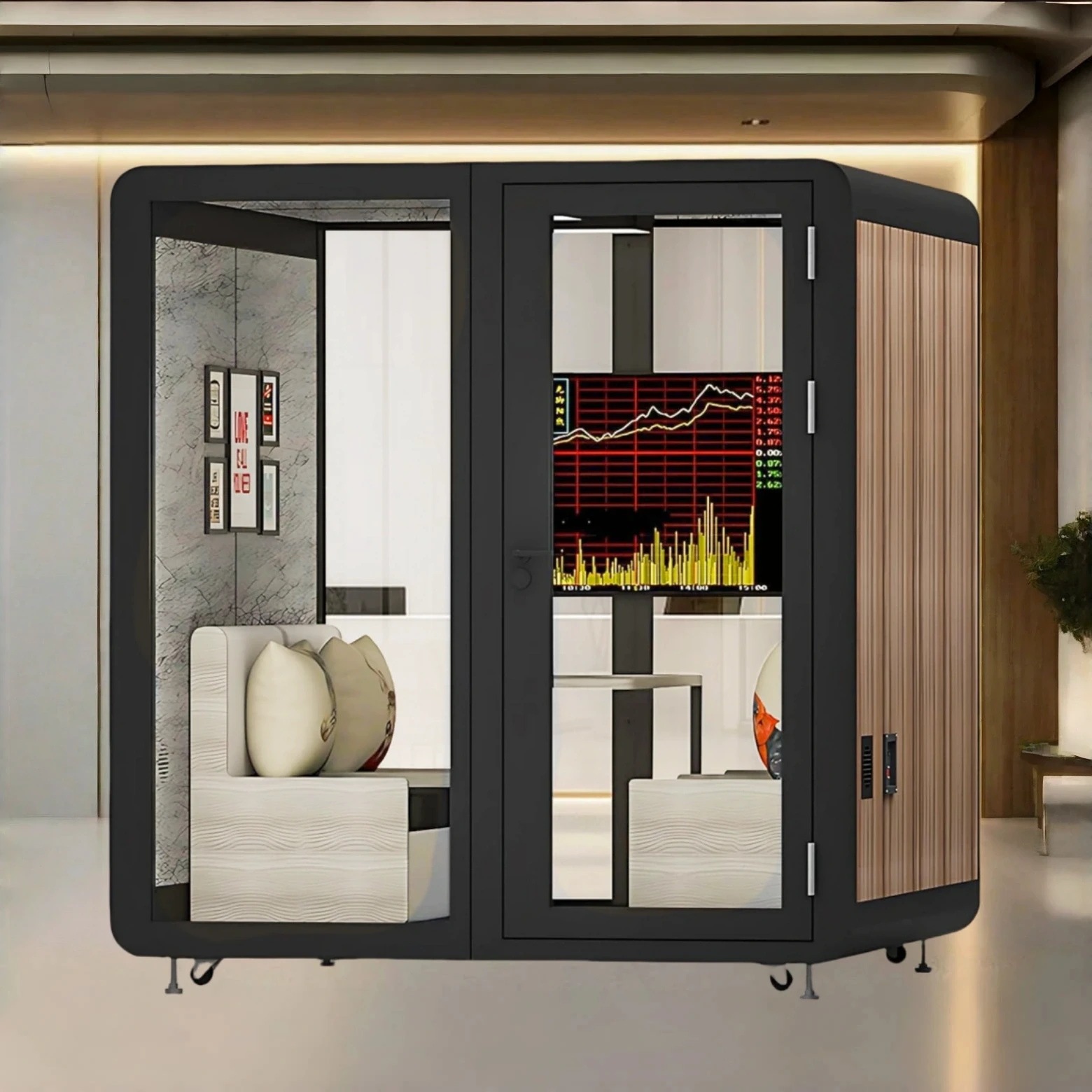
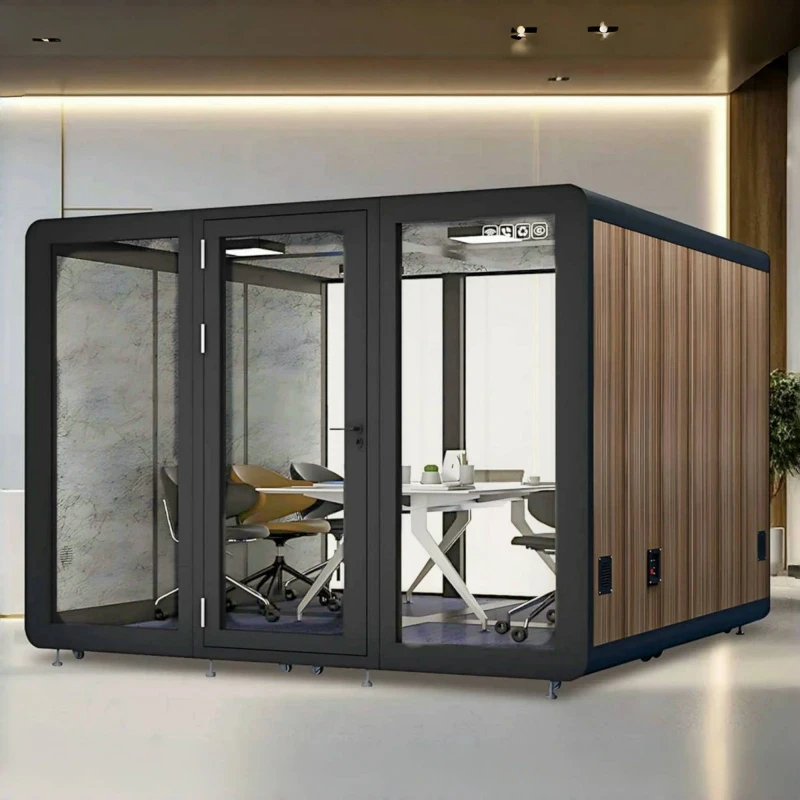
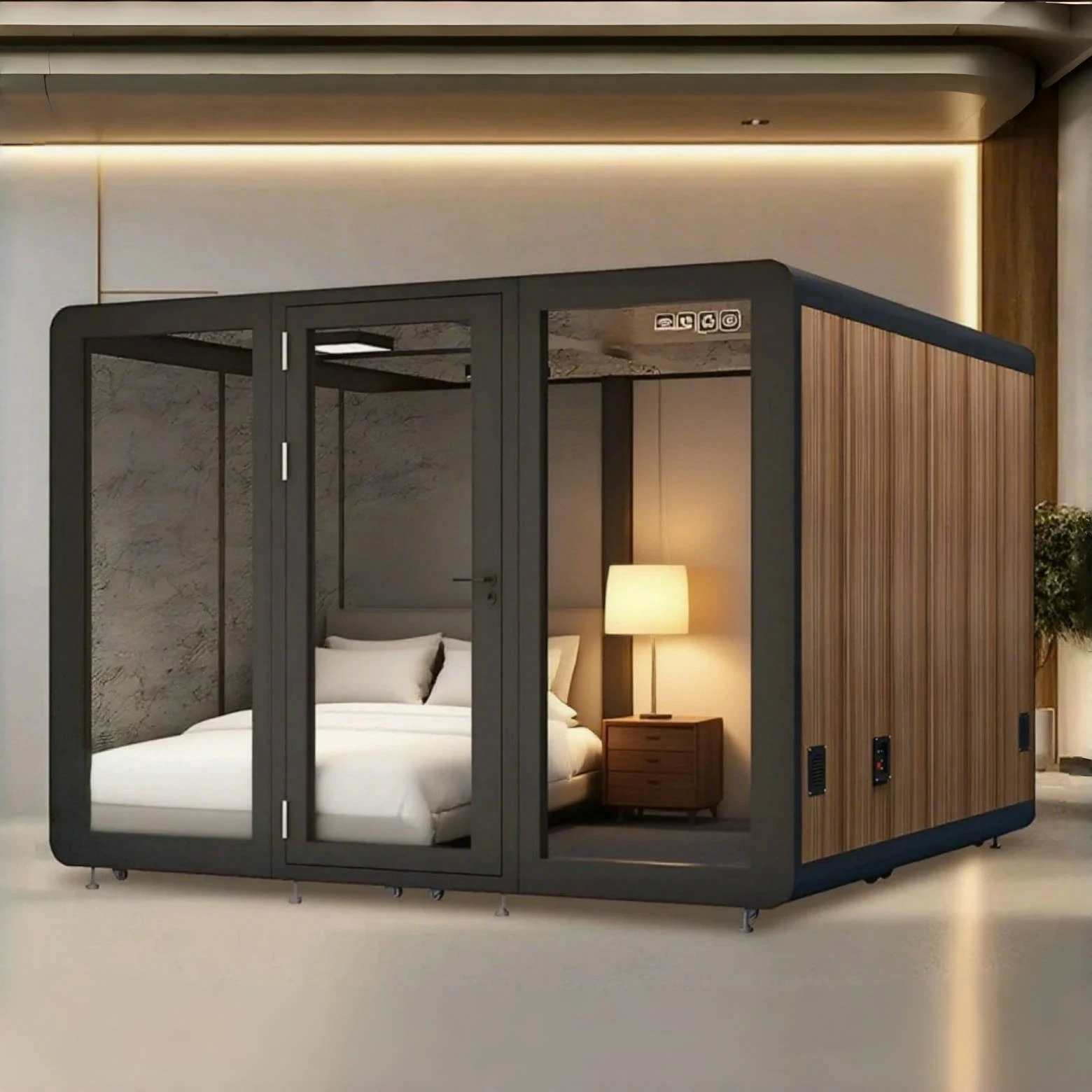


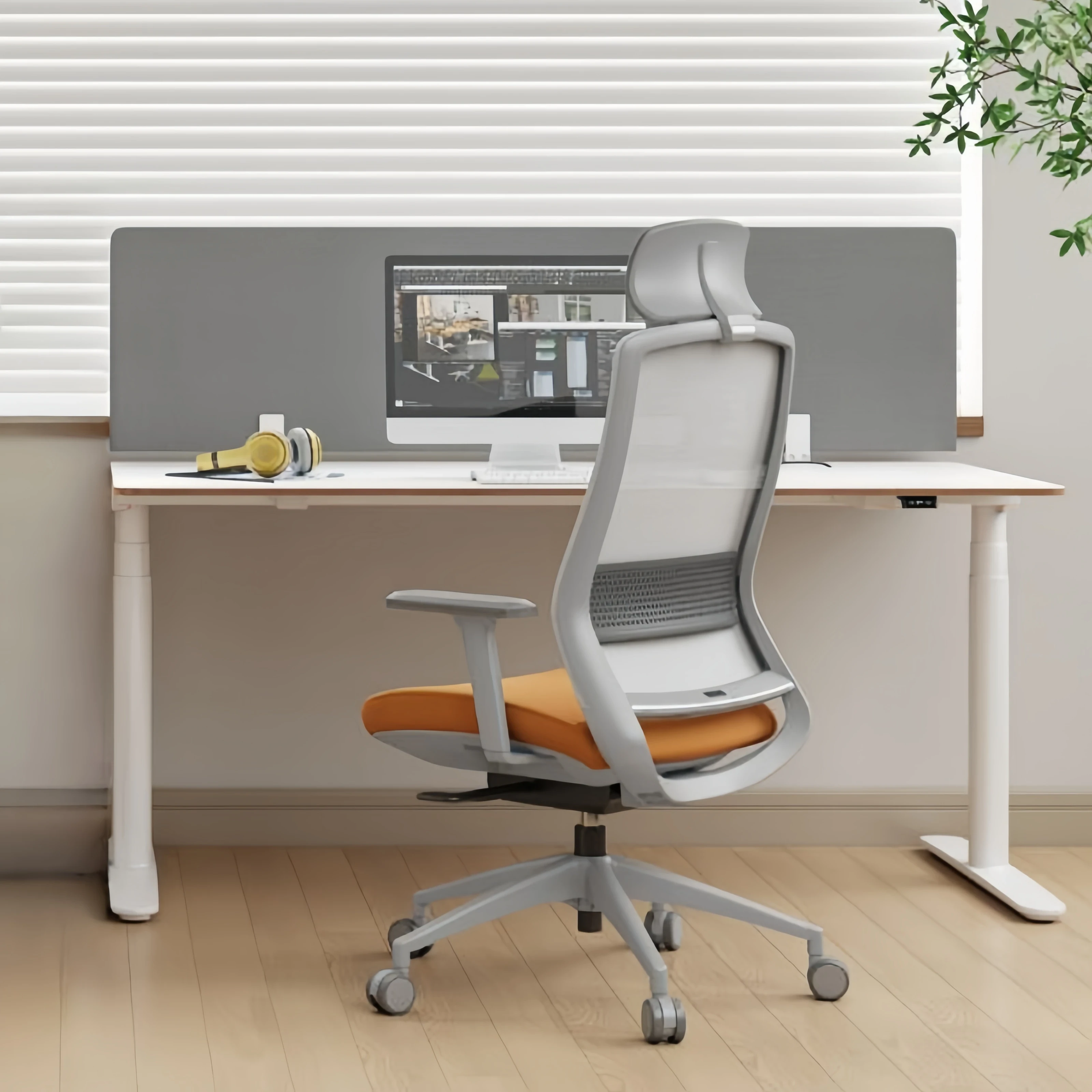


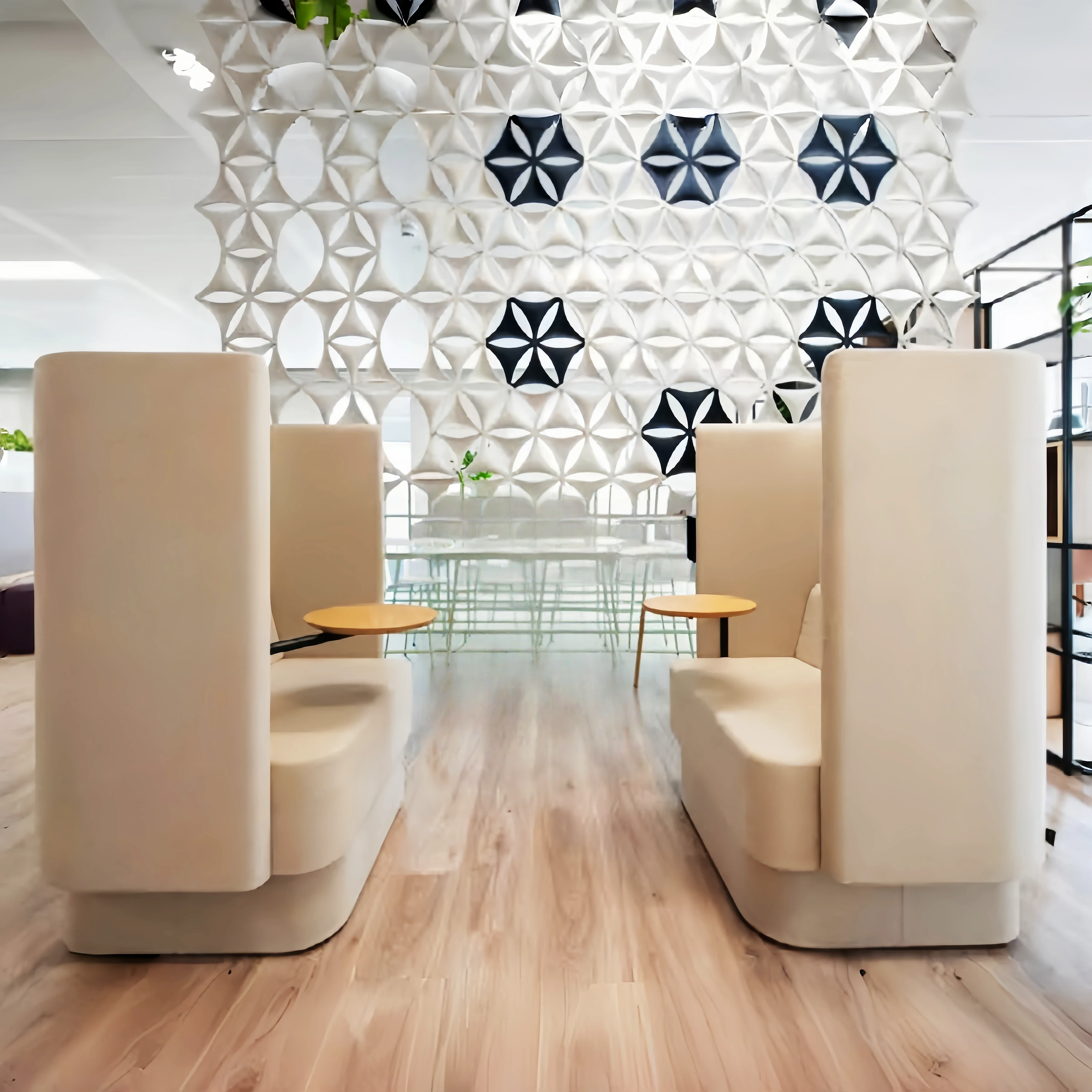

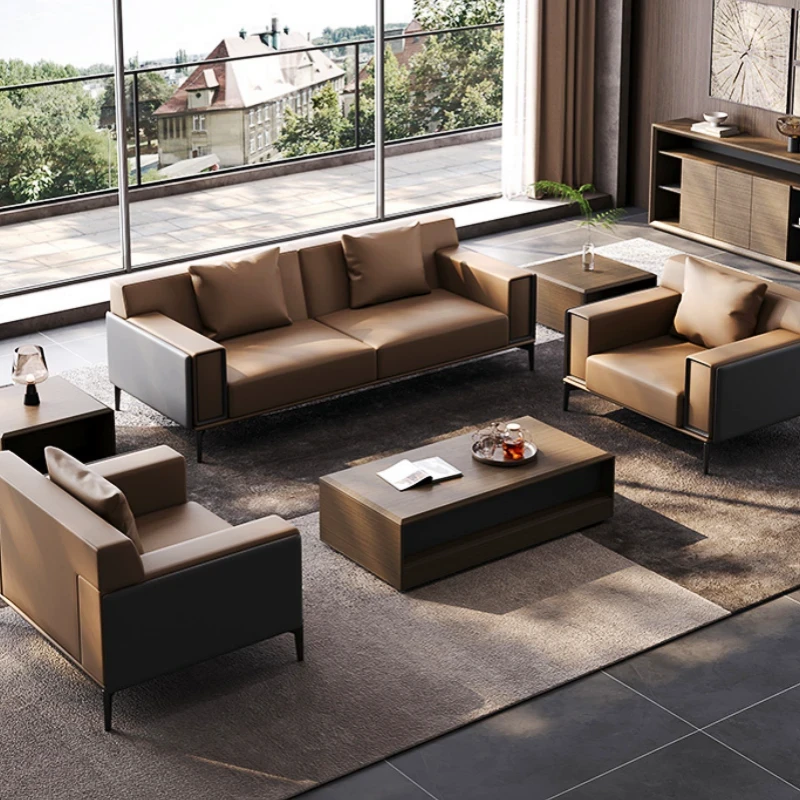
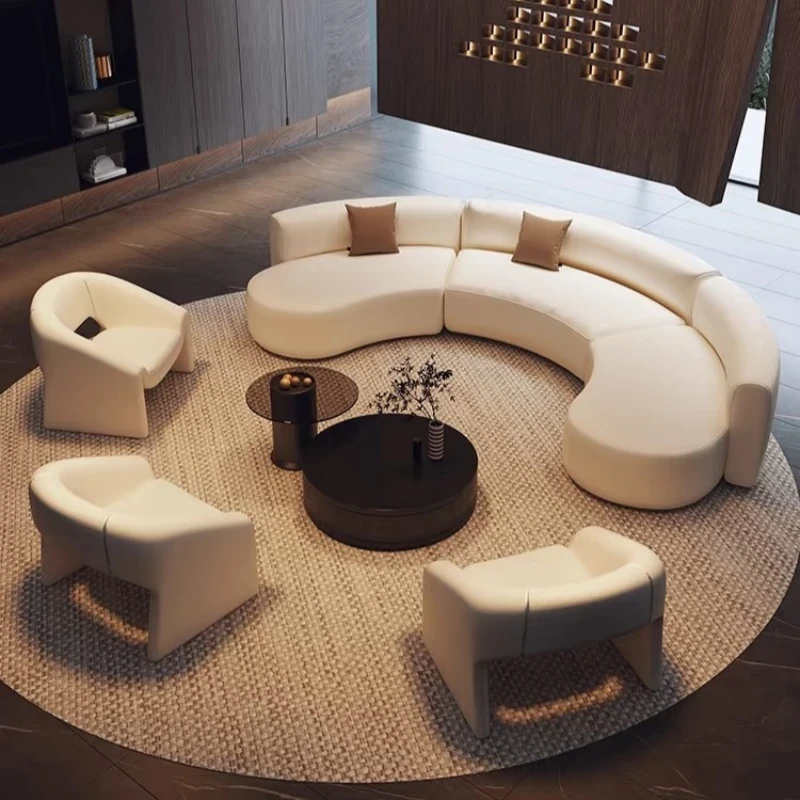
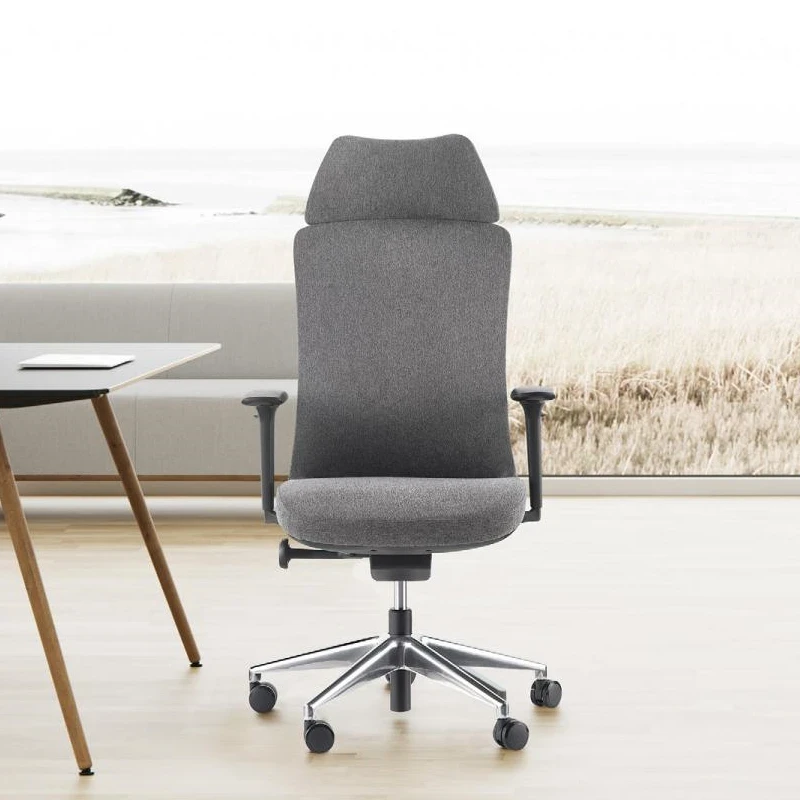


When selecting furniture for a leader's office, it's crucial to first understand the leader's role and needs. Leaders typically need to communicate, make decisions, and think with their teams. Therefore, furniture selection should revolve around the leader's work characteristics. For example, considering the leader's need for meetings and receptions, the desk may need to be larger to provide sufficient space for document processing and equipment placement.
2. The Importance of Design Style:
The design style of furniture in a leader's office not only reflects the company's image but also influences employees' sense of identity and belonging. Modern enterprises tend to choose simple and contemporary designs to cultivate a professional image. At the same time, good design can stimulate creativity and efficiency; therefore, avoid overly elaborate decorations to ensure a clean and orderly overall environment.
3. Balancing Comfort and Functionality:
The comfort of office furniture is paramount, especially in a leader's office. Long hours of work require comfortable chairs to provide sufficient support and reduce fatigue. Simultaneously, the height of the desk, the depth of the desktop, and storage space, among other functional and ergonomic design considerations, must be taken into account to ensure the leader's comfort while working efficiently.
4. Choosing Multifunctional Furniture:
Since a leader's office typically involves multiple activities, choosing multifunctional furniture is particularly important. For example, movable sofas can be chosen as a relaxation area, helping leaders unwind during busy work hours and providing a convenient space for visiting clients or employees to interact. Additionally, desks with storage functions can be selected to ensure a tidy office environment and proper storage of belongings.
5. Materials and Environmental Awareness:
When selecting furniture for a leader's office, environmentally friendly materials should be prioritized. Using materials that meet environmental standards not only improves the quality of the office environment but also demonstrates the company's focus on sustainable development. Furthermore, high-quality materials increase the durability of furniture, reducing the frequency of repairs and replacements, and lowering costs in the long run.
6. The Art of Color Matching:
In the design of a leader's office, color matching should complement the overall spatial atmosphere. Generally, warm tones create a relaxing environment, while minimalist cool tones convey a more professional feel. Color should be integrated into the furniture and decoration design based on the leader's personal preferences and the company's cultural characteristics to enhance overall harmony.
7. Coordination with Space:
The layout of the leader's office should be coordinated with the entire office space to ensure smooth flow. Furniture selection should consider the size of the furniture and its compatibility with the space to avoid making the space feel cramped. Meanwhile, a well-planned layout can promote communication and collaboration within the team, creating a more harmonious working atmosphere.
In conclusion,
the choice of furniture for a leader's office not only affects their personal comfort but also their image and influence within the team. By understanding the leader's needs, considering design style, focusing on comfort and functionality, selecting environmentally friendly materials, and using appropriate color schemes, an efficient and comfortable working environment for leaders can be created, contributing to the company's development.