
 USD
USD GBP
GBP
 EUR
EUR
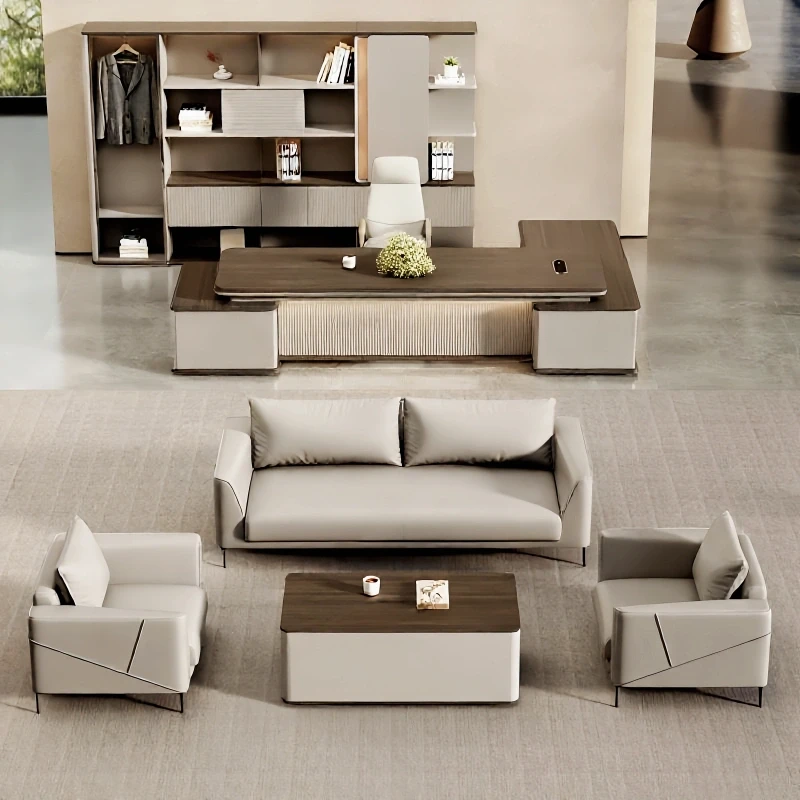
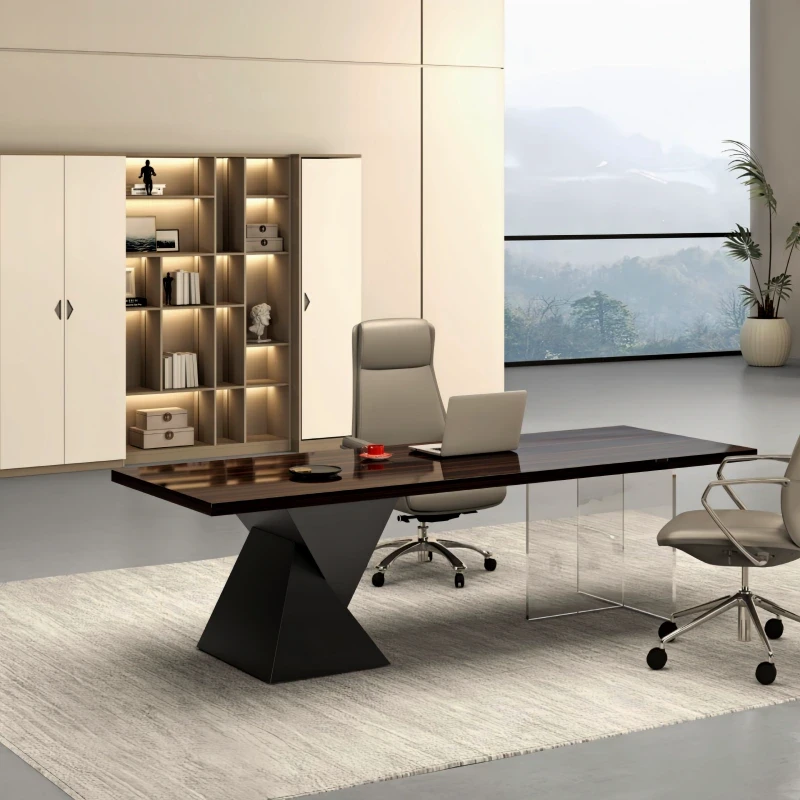




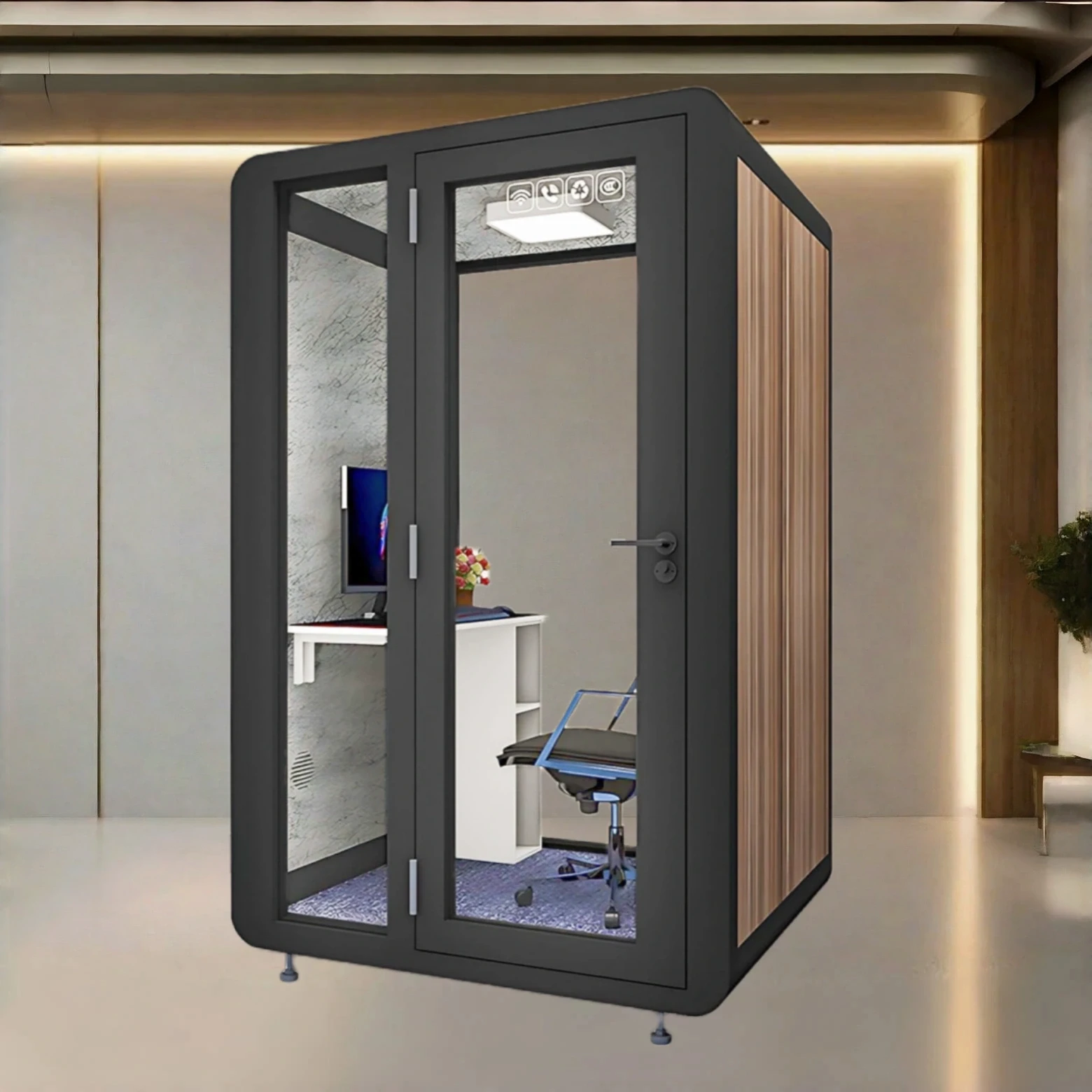
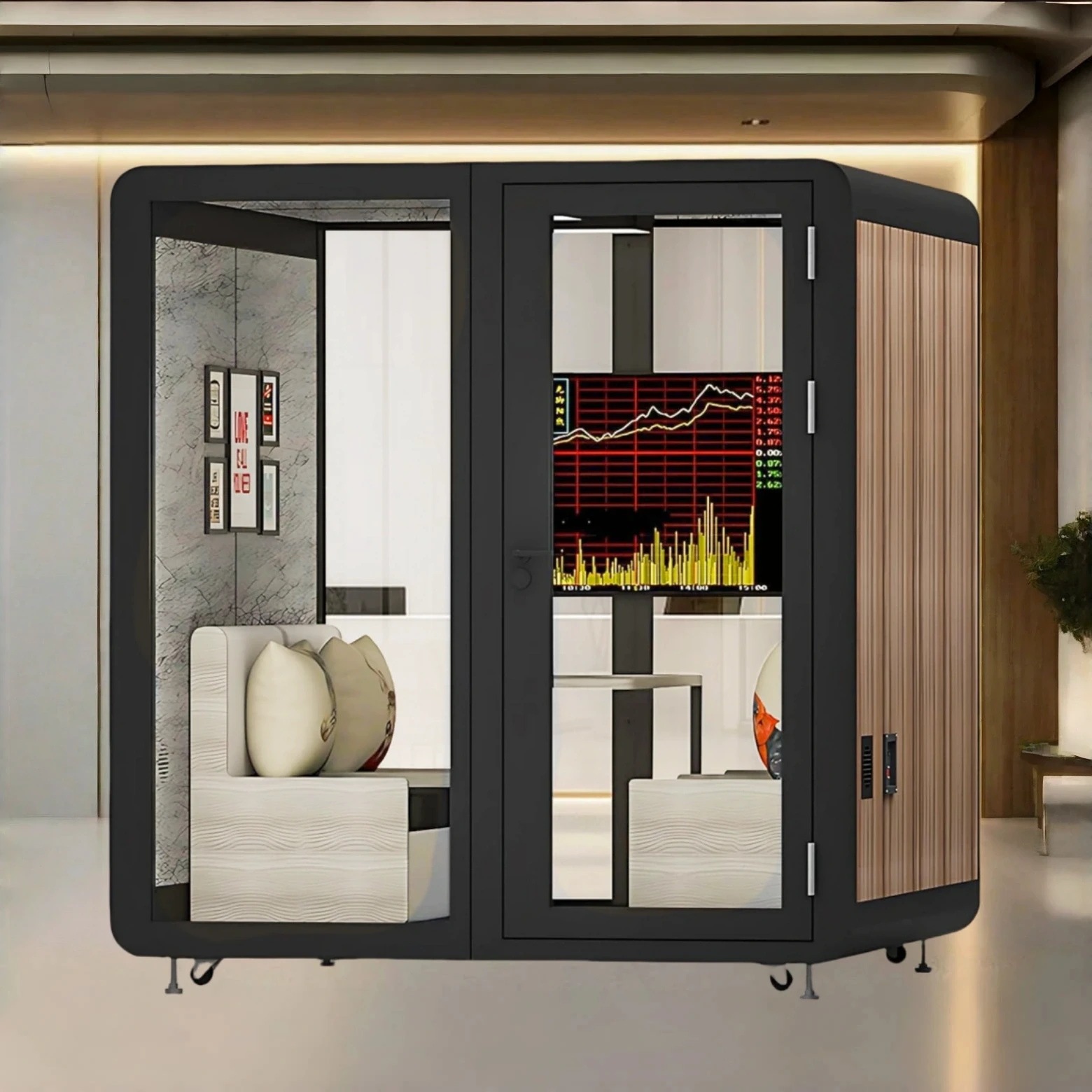
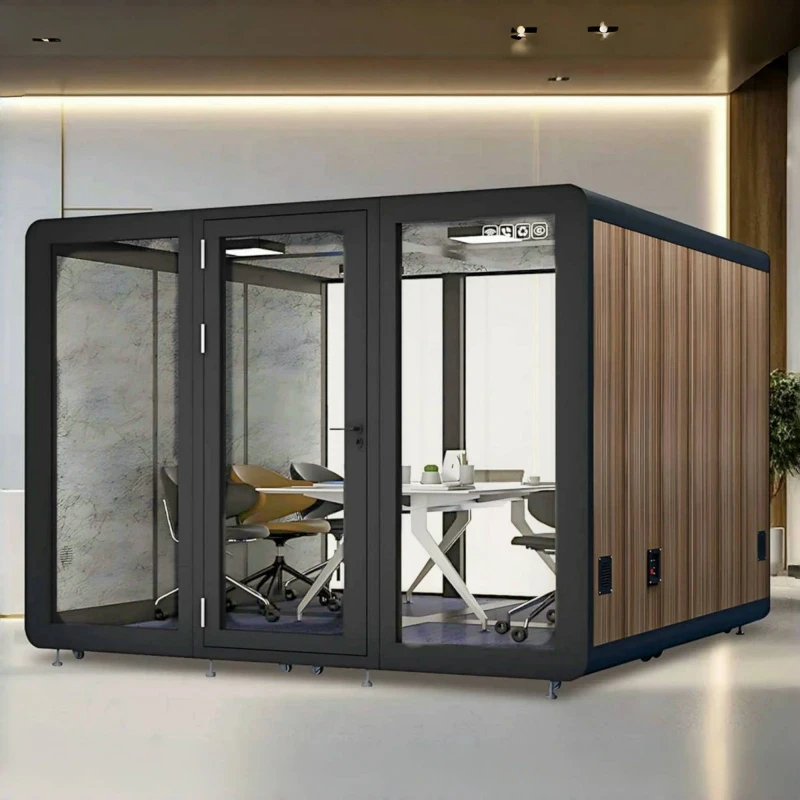



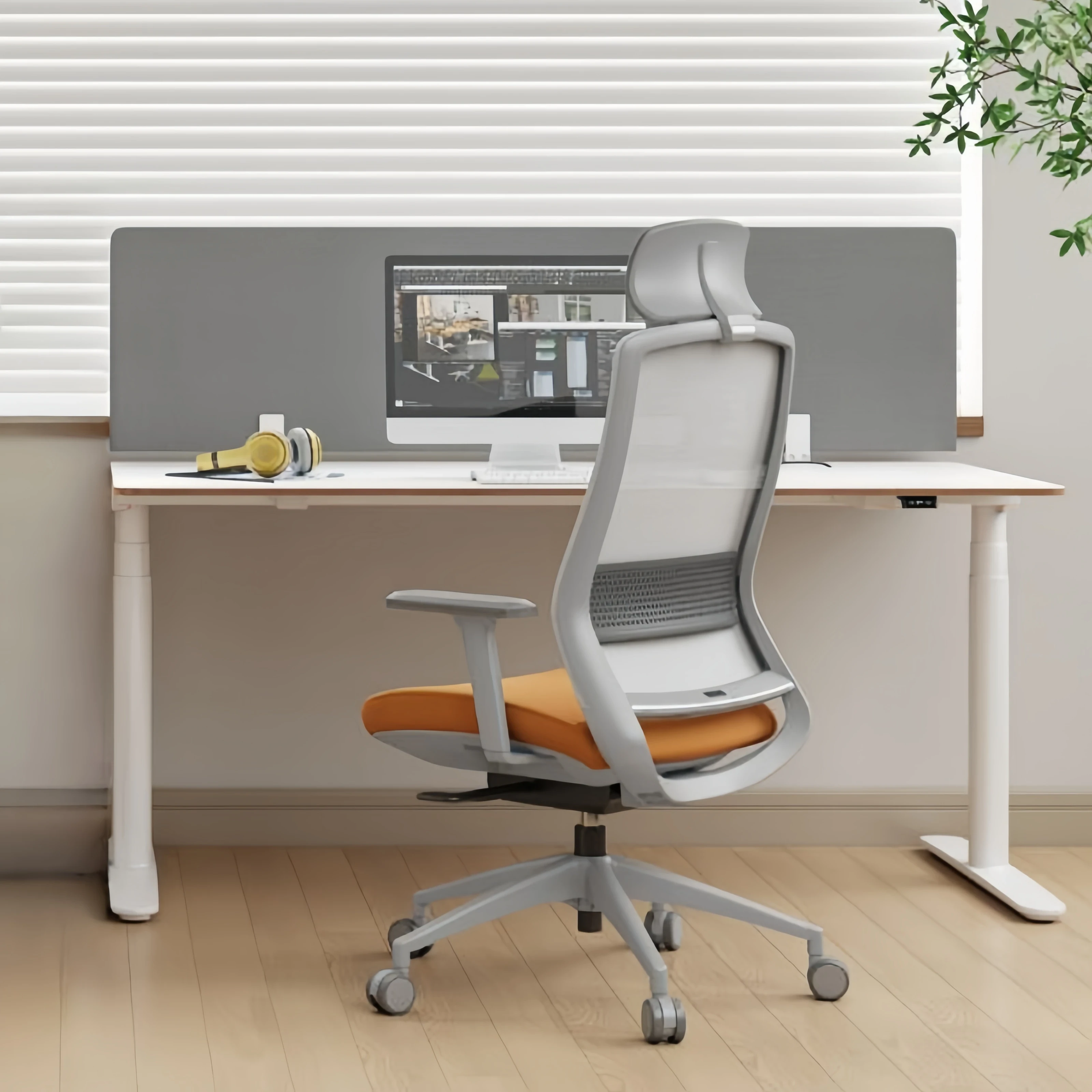






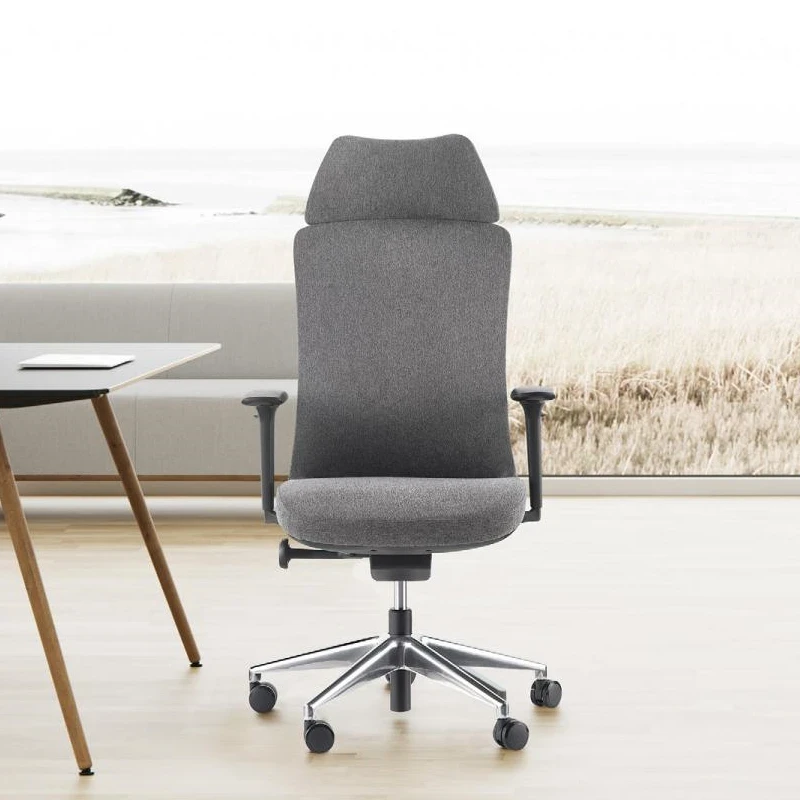


: First, clarify the office's storage needs before choosing a filing cabinet. Different departments and positions may have different requirements for document classification and storage. For example, the human resources department needs to store a large number of personal files, while the finance department needs to securely store important financial data. Therefore, when purchasing a filing cabinet, the size, number of shelves, and functions should be considered based on actual needs.
2. Security and Protection Measures:
Especially when storing sensitive documents, the security of the filing cabinet is crucial. Consider purchasing a filing cabinet with a locking system to ensure the privacy and security of the documents. In addition, fireproof filing cabinets are also a worthwhile option, effectively preventing the loss of financial data and company secrets in emergencies.
3. Space Utilization and Design:
When choosing a filing cabinet, the office's space utilization should also be considered. Choose a filing cabinet that suits the office layout to ensure it doesn't take up too much space while maintaining good passage distance. Compact filing cabinets can provide greater storage capacity in limited space, while movable filing cabinets can more flexibly adapt to different work environments.
4. Materials and Durability:
The materials of the filing cabinet not only affect its appearance but also its durability and practicality. Metal filing cabinets are generally more wear-resistant and suitable for high-frequency use environments, while wooden filing cabinets offer an elegant appearance and are more suitable for office environments requiring frequent client interaction. Therefore, choosing the right material based on the actual environment is crucial.
5. Convenience and Visibility:
In modern office environments, documents are accessed frequently, so filing cabinets should be designed for ease of use. Choosing filing cabinets with clear labels or transparent windows improves staff's ability to identify document locations, helping them quickly find the required documents. Furthermore, a suitable height ensures that users can easily retrieve documents without fatigue.
6. Cost and Return on Investment:
Budget control is also essential when purchasing filing cabinets. While high-end filing cabinets have a higher initial investment, their durability and quality save on maintenance costs later on. Therefore, in the long run, choosing a high-performance filing cabinet is a more reasonable choice.
Conclusion:
The choice of office filing cabinets is not only related to document storage and security but also directly related to office efficiency. By comprehensively analyzing factors such as storage needs, security, space utilization, material selection, convenience, and cost-effectiveness, companies can select the most suitable filing cabinets to improve office efficiency.