
 USD
USD GBP
GBP
 EUR
EUR
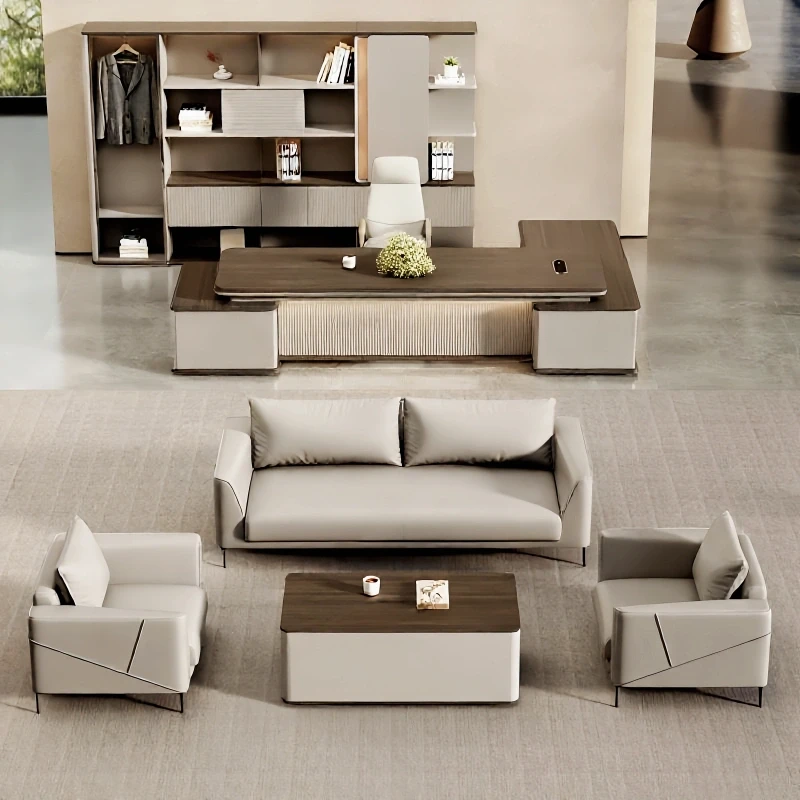
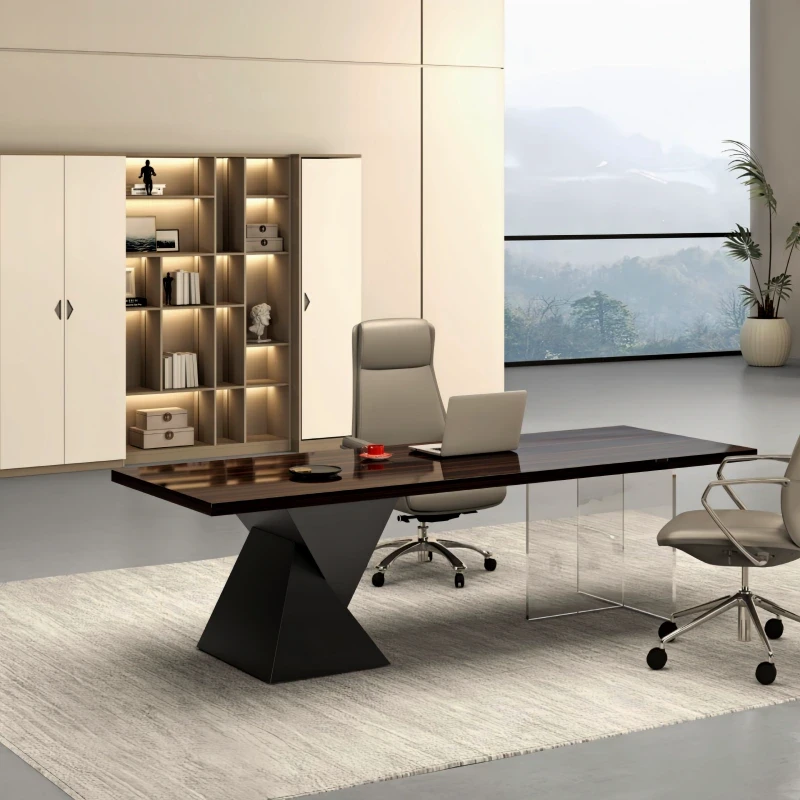


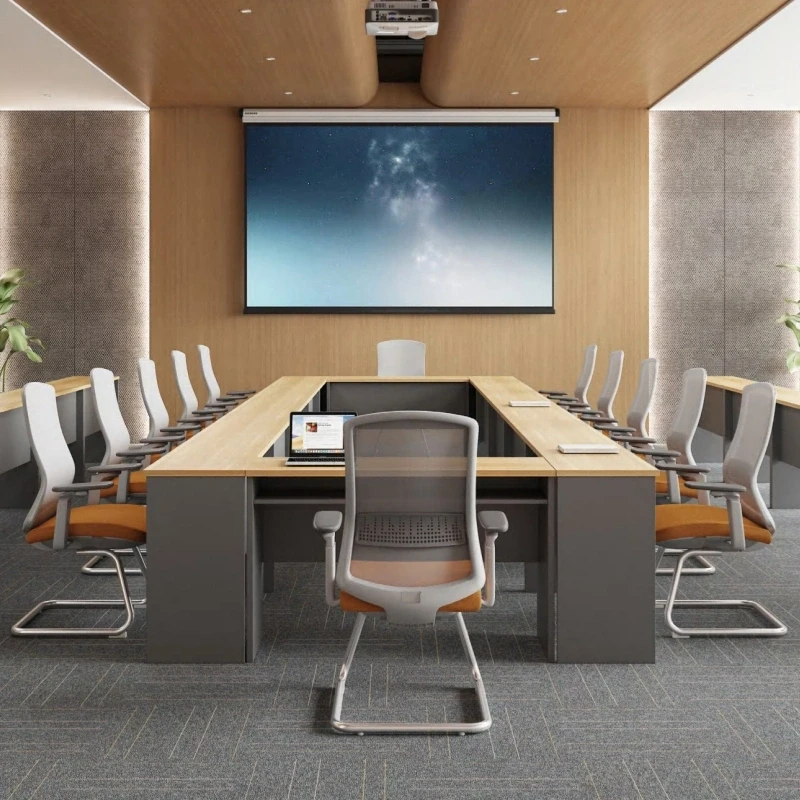
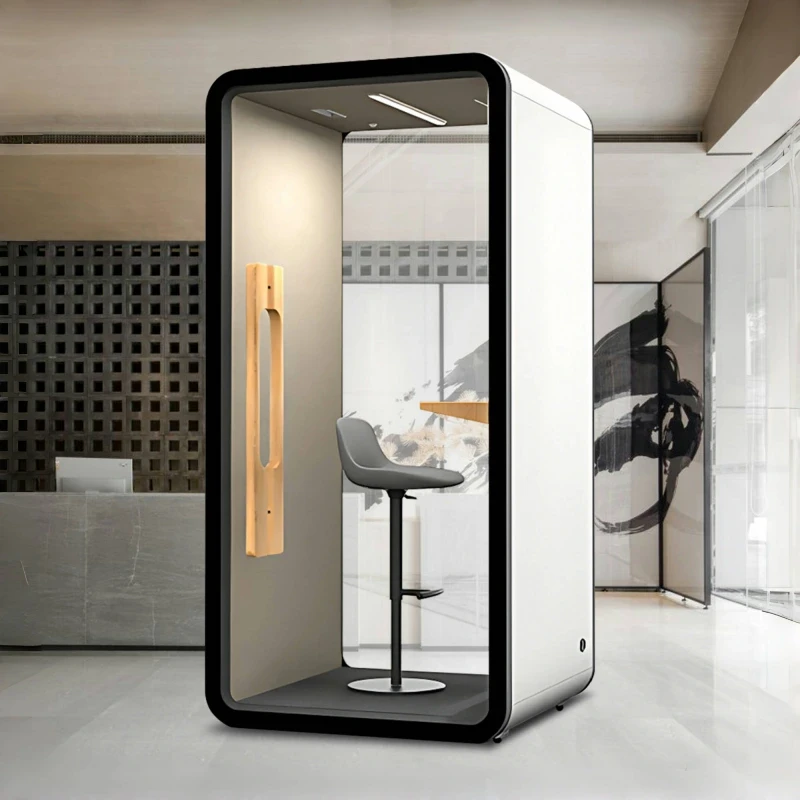









1. Stability and Balance:
The elderly move relatively slowly and are prone to losing their balance; therefore, furniture must be highly stable. For example, chairs and beds should have sturdy structures to prevent tipping; and the weight of the furniture should be moderate to facilitate movement or adjustment.
2. Rounded Edges:
The edges and corners of furniture should be rounded to avoid injury to the elderly during activities. This is especially crucial in areas where the elderly are frequently active, such as dining rooms and lounges.
3. Anti-Slip Materials:
Using anti-slip materials on floors and furniture surfaces can effectively reduce accidental injuries caused by slips. For example, chair legs and floor mats should have anti-slip designs to ensure the elderly are more stable when getting up or sitting down.
II. Comfort Design: Enhancing the Quality of Life for the Elderly
1. Ergonomic Design:
Ergonomically designed furniture better supports the elderly's bodies and reduces discomfort from prolonged sitting or lying down. For example, the backrest and seat cushion of chairs should have good support to help maintain correct posture and reduce spinal pressure.
2. Adjustable Functionality:
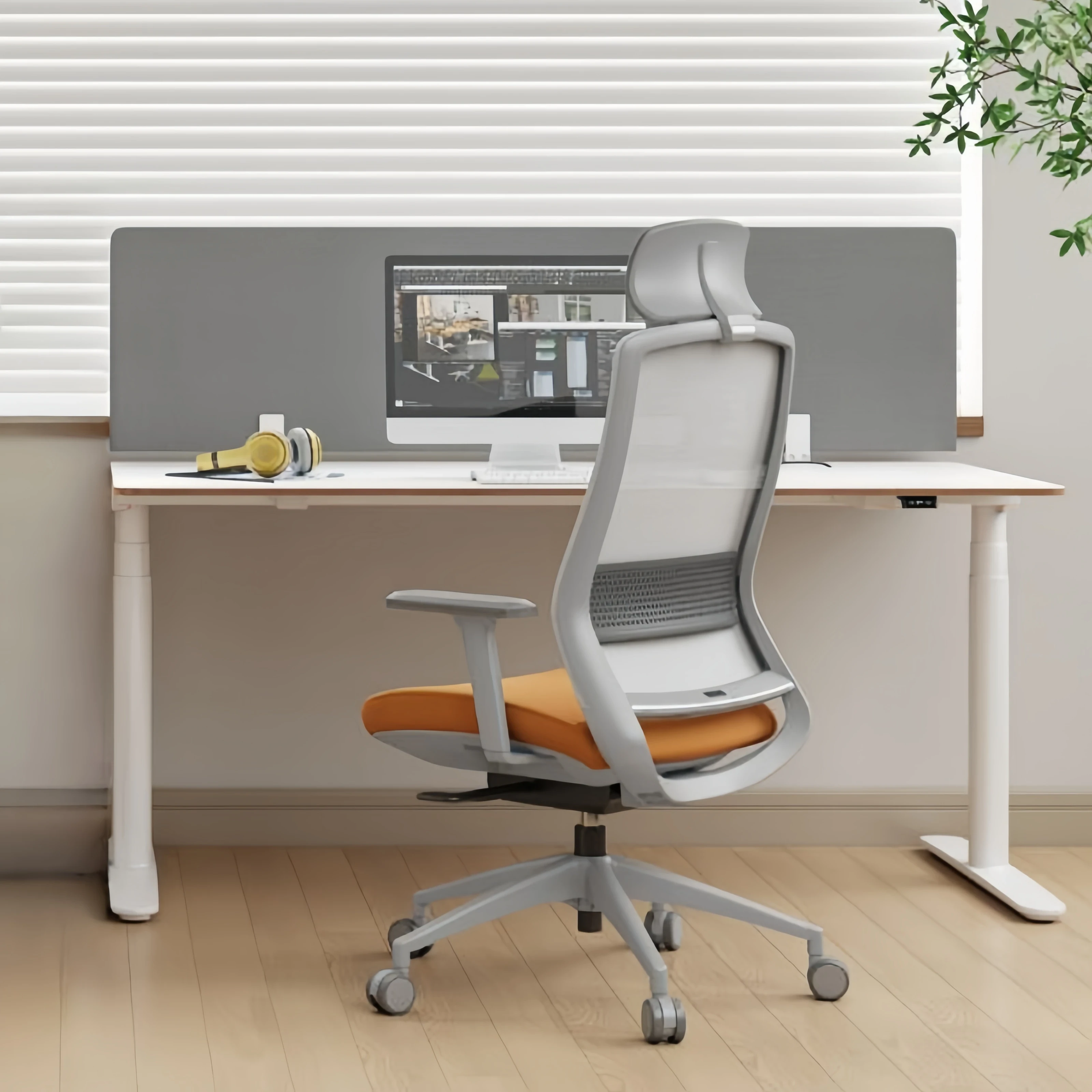
Elderly people have varying body shapes and health conditions, so furniture should be adjustable to suit different users' needs. Height-adjustable tables and chairs, multi-functional adjustable beds, etc., can provide a personalized and comfortable experience for the elderly.
3. Breathable and Soft Materials
: Using breathable and soft materials, such as high-quality fabrics or memory foam, can improve the comfort of chairs and beds, making them suitable for long-term use and avoiding skin irritation and discomfort.
III. Assistive Function Design: Supporting Independent Living for the Elderly
1. Furniture with Armrests:
Chairs, beds, and bathroom furniture should be equipped with sturdy armrests to help the elderly sit down, get up, or move, enhancing their autonomy and sense of security.
2. Easy Access Design:
The height and structure of furniture should facilitate easy access for the elderly. For example, the seat height of chairs should be moderate, neither too high nor too low, making it easy for the elderly to sit down and stand up.
IV. Easy to Clean and Maintain: Maintaining a Clean and Hygienic Environment
1. Durable and Easy-to-Clean Materials
: Furniture for nursing homes should be made of wear-resistant, stain-resistant, and easy-to-clean materials, such as wood or metal with a waterproof coating. This not only extends the lifespan of the furniture but also facilitates daily maintenance, ensuring a hygienic environment.
2. Simple Design:
Avoid overly complex shapes and decorations. A simple design is not only aesthetically pleasing but also convenient for cleaning and maintenance, reducing blind spots and dust accumulation in hidden areas during cleaning.
V. Storage Space and Multifunctionality: Improving Space Utilization Efficiency
1. Integrated Storage Design
: Provide ample storage space for the elderly, such as beds and chairs with drawers or cabinet doors, making it convenient for them to store personal belongings and maintain a clean and orderly living space.
2. Multifunctional Furniture:
Multifunctional designs, such as convertible sofa beds or coffee tables with storage functions, can effectively utilize limited space and meet the diverse living needs of the elderly.
VI. Barrier-Free Design: Ensuring Convenient Access
1. Spacious Aisles :
Furniture should be placed reasonably to keep aisles clear, avoiding crowding and obstacles, facilitating the free movement of the elderly using walkers or wheelchairs.
2. Moderate Height:
The height of the furniture should conform to ergonomics, making it easy for the elderly to use. For example, the height of tables and chairs should be moderate to ensure that the elderly can comfortably engage in dining or reading activities.
VII. Color and Visual Design: Enhancing Psychological Comfort
1. High-Contrast Colors
: Using high-contrast colors helps elderly people with declining vision better identify furniture and their environment, reducing the risk of getting lost or bumping into things.
2. Warm and Soft Tones:
Choosing warm and soft colors, such as light shades of blue and green, can create a comfortable and pleasant environment, helping to improve the mental health and well-being of the elderly.
VIII. Personalized and Dignified Design: Respecting the Unique Needs of the Elderly
1. Personalized Choices
: Providing a variety of furniture styles and colors allows the elderly to choose according to their preferences and needs, enhancing their autonomy and sense of dignity.
2. Maintaining Private Space
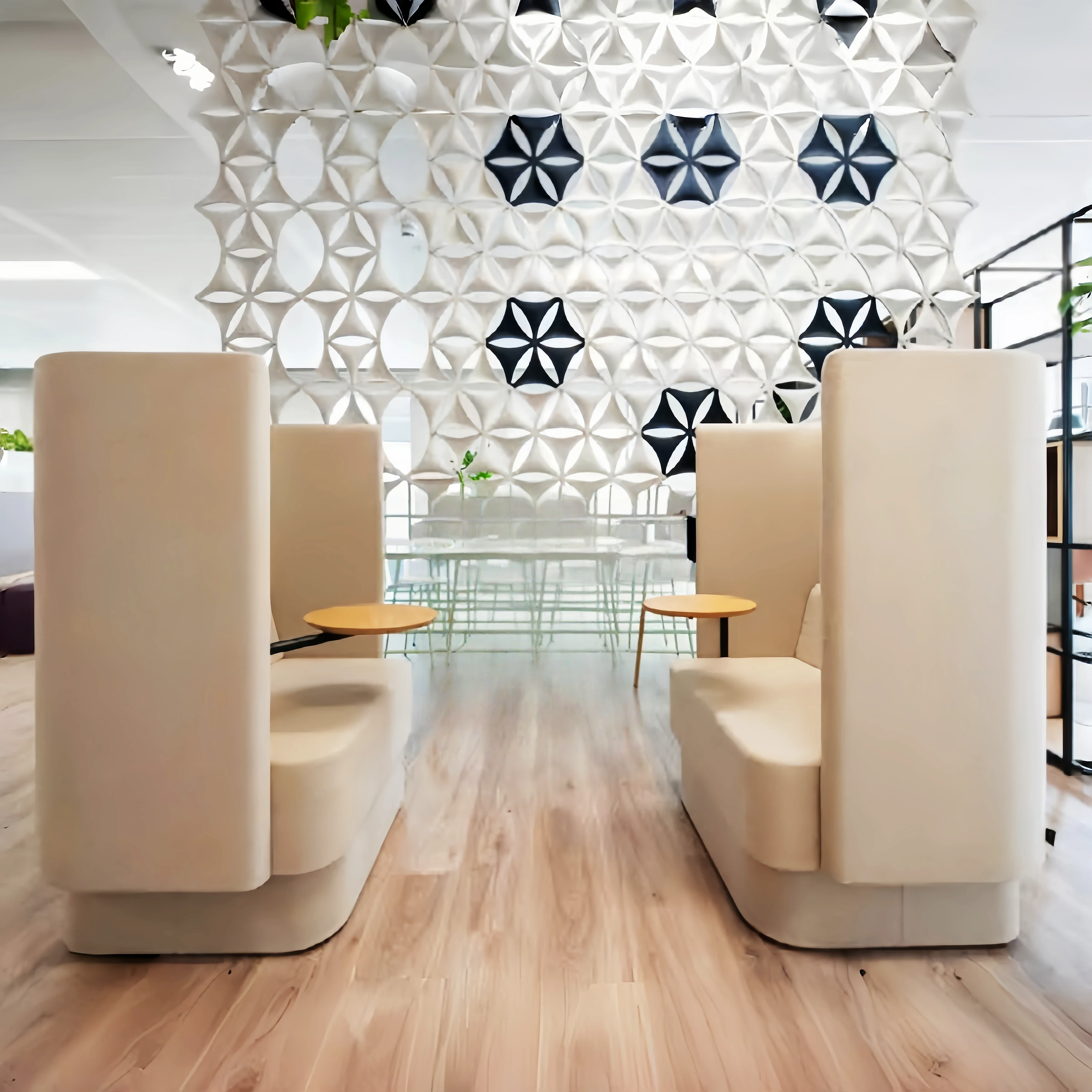
: The design should consider the privacy needs of the elderly, providing appropriate private storage space and partitions to ensure they have independent activity areas when needed.
Conclusion:
In the design of nursing home furniture, fully considering the special needs of the elderly is key to improving their quality of life. By comprehensively considering safety, comfort, assistive functions, ease of maintenance, storage and multifunctionality, accessibility, color and visual design, and personalized and dignified design, designers can create a safe and comfortable living environment that meets the diverse needs of the elderly for physical and mental well-being. In the future, with the continuous development of technology and design concepts, nursing home furniture will move towards greater intelligence, humanization, and environmental friendliness, creating a better later life for the elderly.