
 USD
USD GBP
GBP
 EUR
EUR





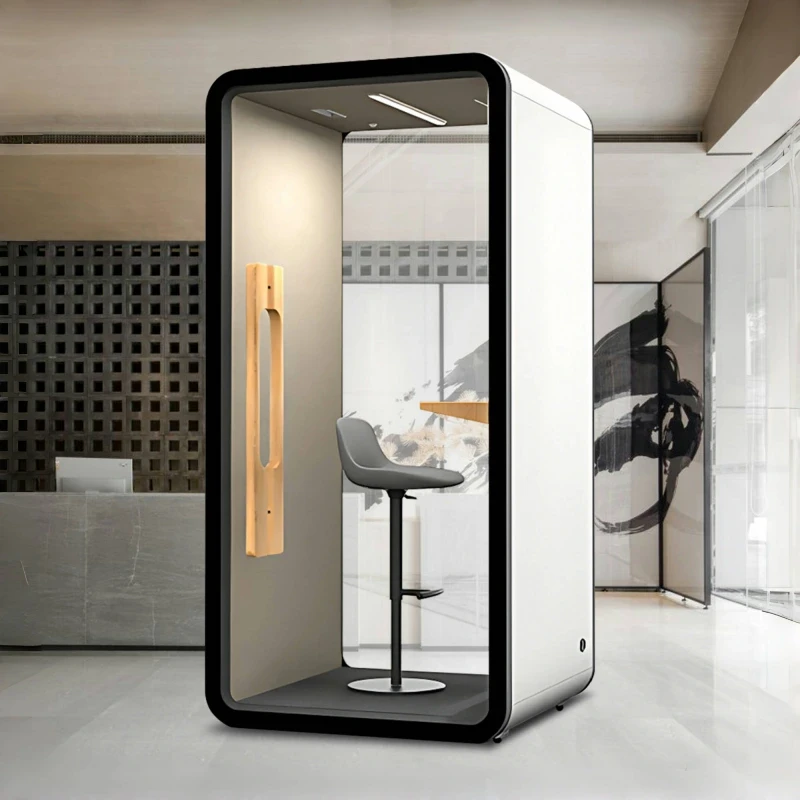
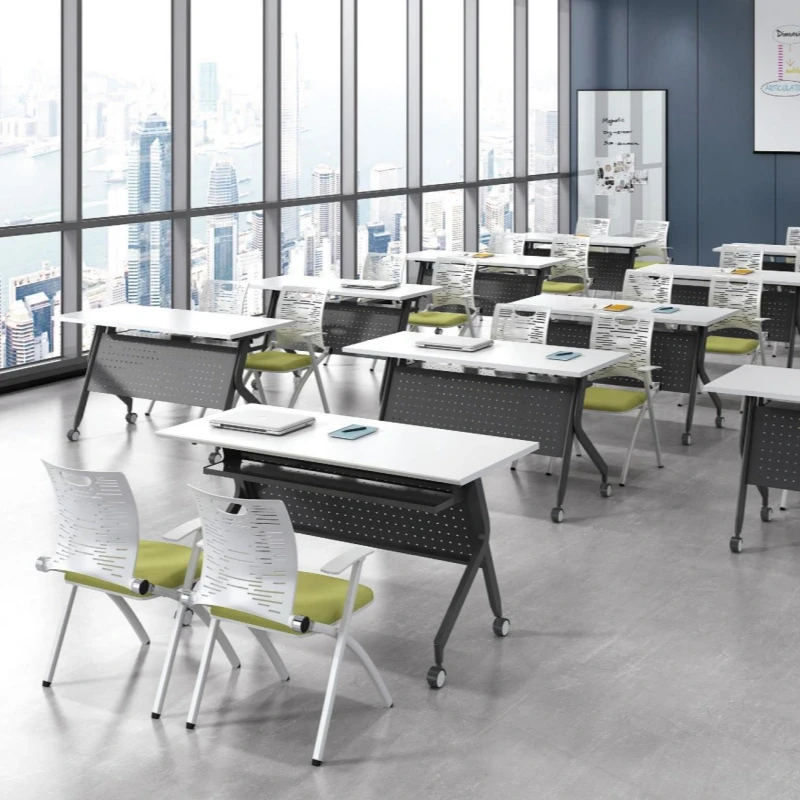
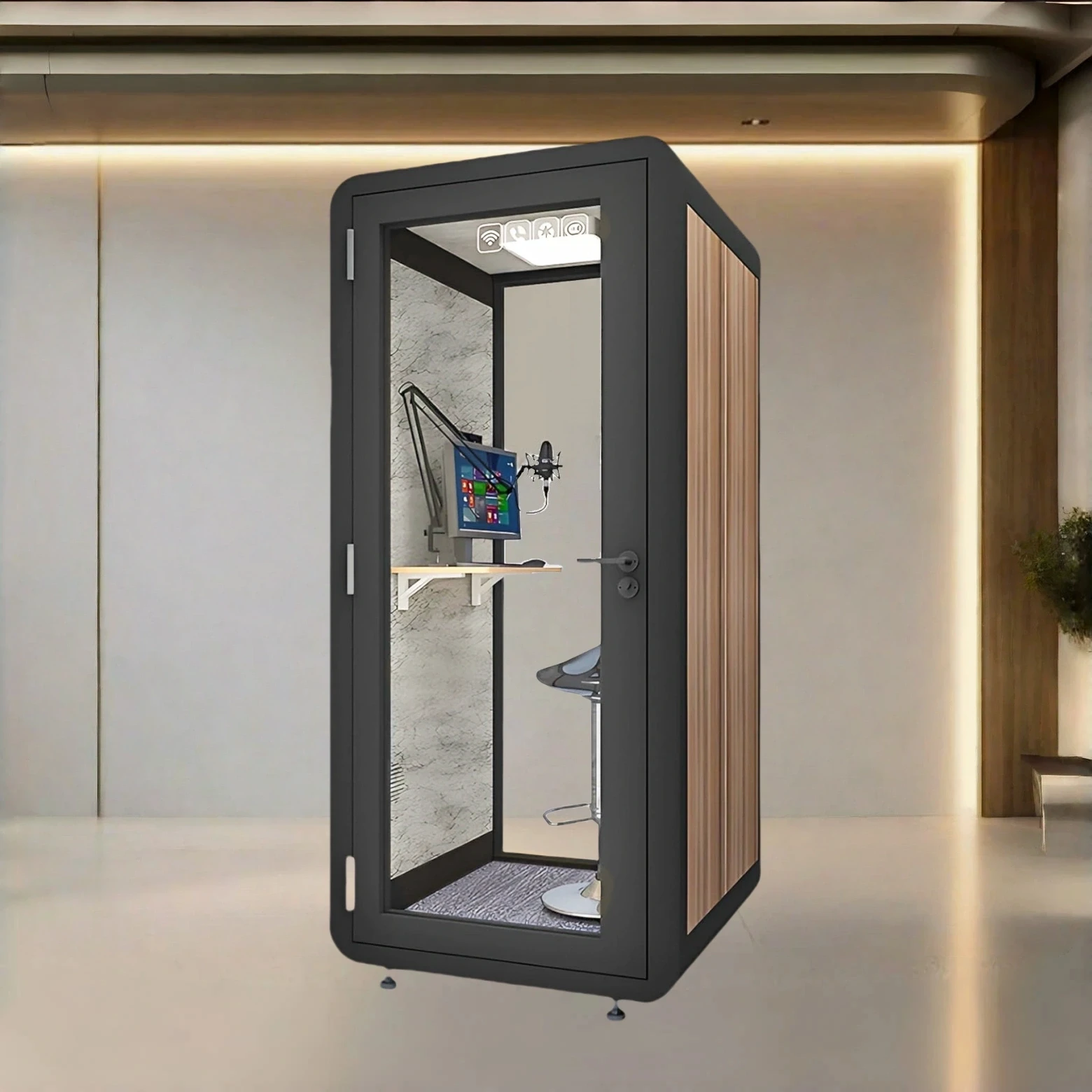
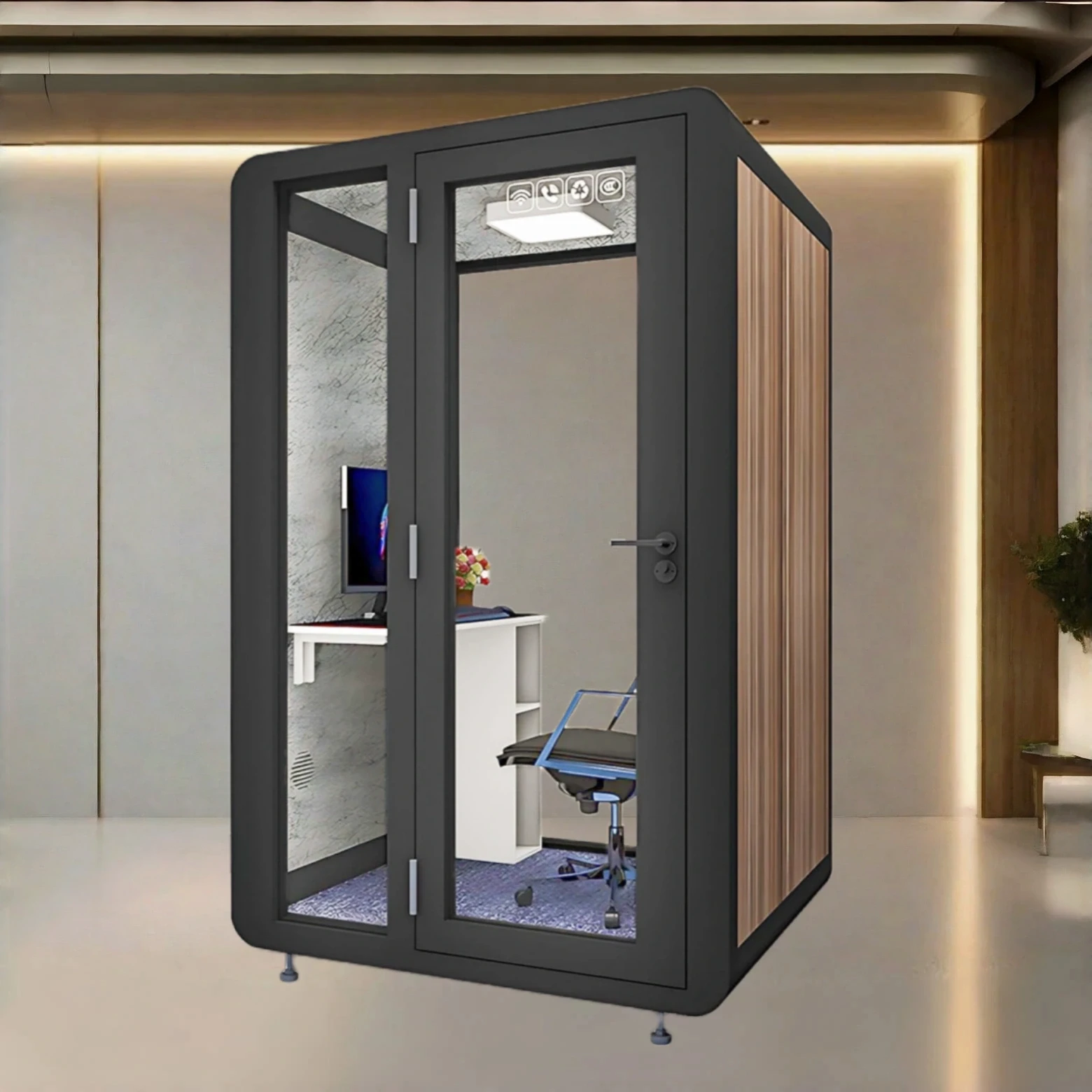
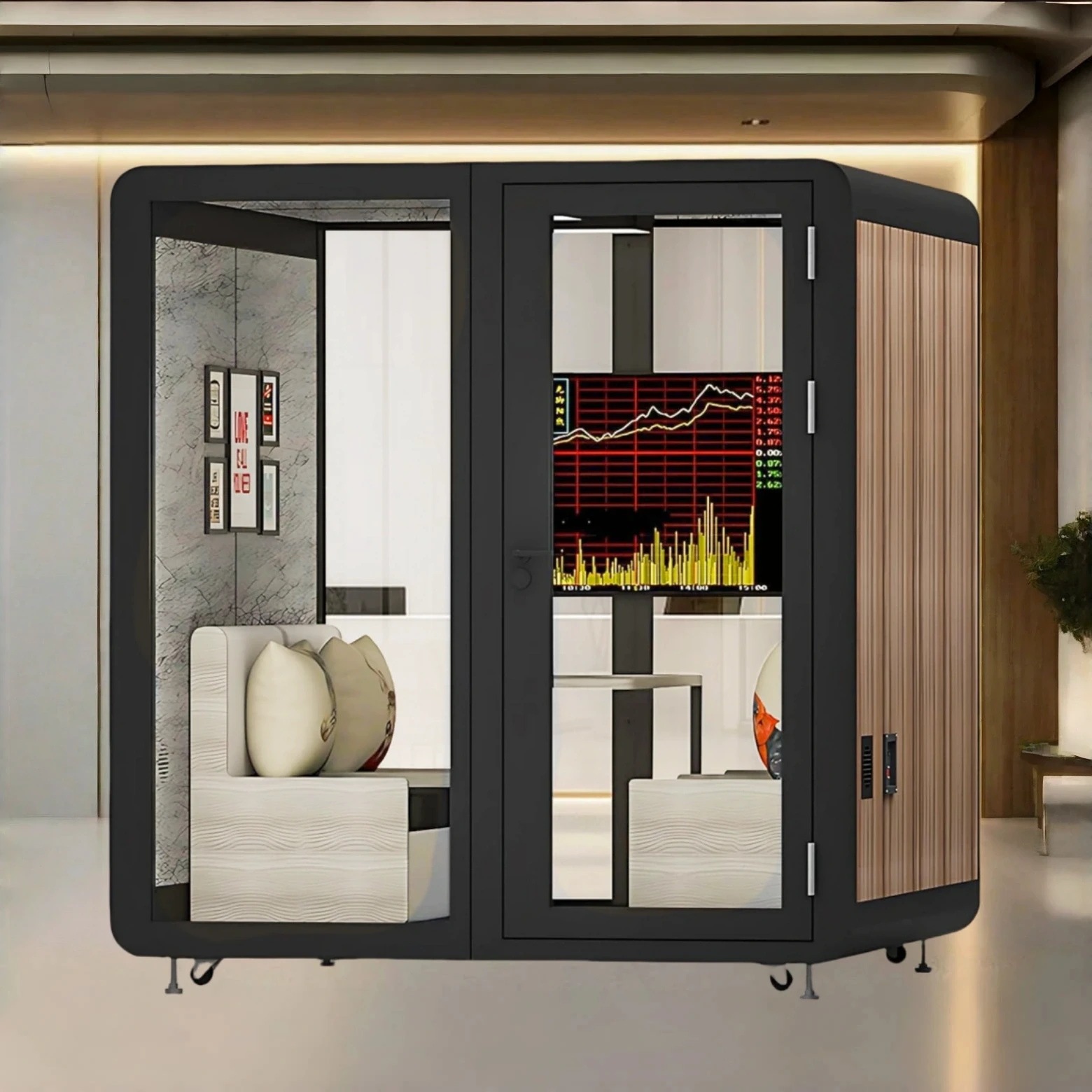







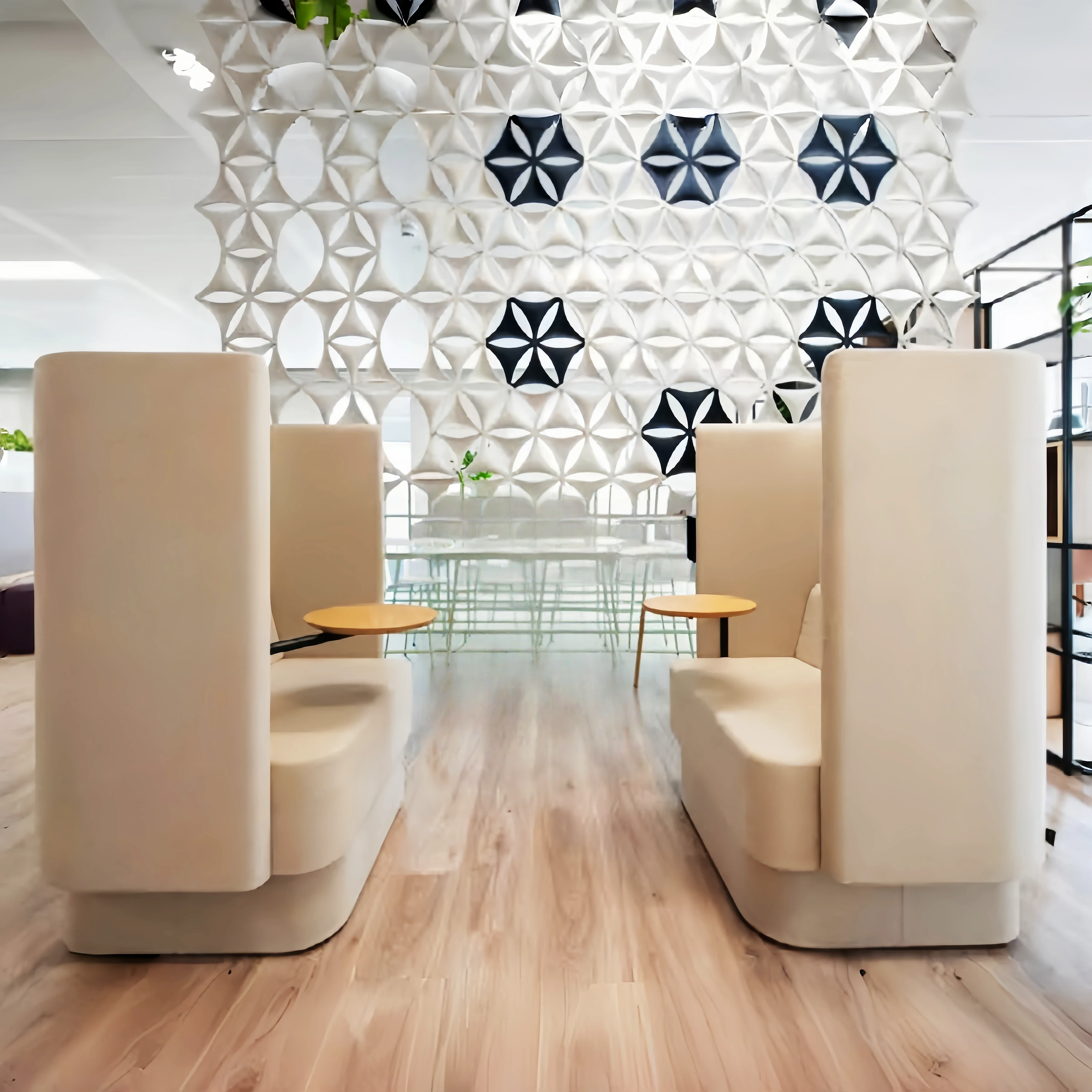

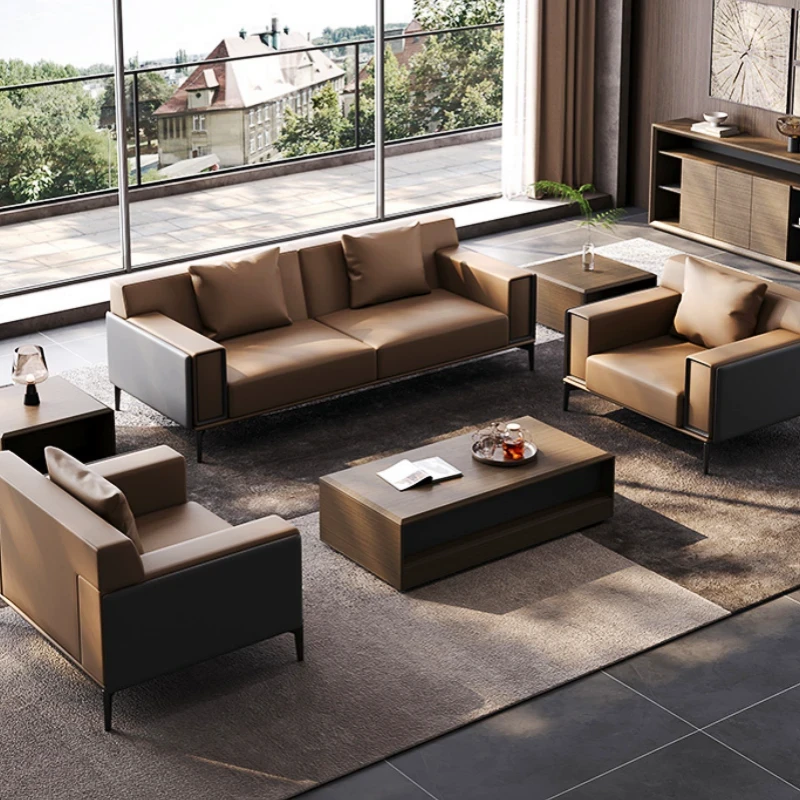




:
Environmentally friendly materials reduce negative environmental impacts and ensure that furniture does not release harmful substances during use, protecting the health of guests.
Assessment Methods:
Material Certification: Check if the brand uses certified environmentally friendly materials, such as FSC-certified wood.
Low VOC Emissions: Understand the VOC (volatile organic compound) emission levels of furniture coatings and adhesives, and choose low-VOC products. 2. Reasons and Importance of
Sustainable Practices in Production : Environmentally friendly measures in the production process not only reduce environmental pollution but also lower energy consumption, reflecting the brand's social responsibility. Assessment Methods: Production Technology: Inquire whether the brand uses energy-saving and consumption-reducing production technologies, such as waste recycling and reuse technologies. Environmental Certification: Check if the factory has obtained ISO 14001 environmental management system certification, indicating that it follows strict environmental standards in the production process. 3. Reasons and Importance of Life Cycle Design : The life cycle design concept emphasizes the durability, repairability, and recyclability of products, extending the lifespan of furniture while reducing waste. Assessment Methods: Product Durability: Choose furniture designed to be sturdy, durable, easy to maintain and repair, thereby reducing the frequency of replacement. Recycling Program: Understand whether the brand offers old furniture recycling or refurbishment services to promote resource recycling. 4. Corporate Environmental Responsibility : Reasons and Importance: A furniture customization brand's commitment and actions regarding environmental protection directly affect its reputation in the industry and also influence customer trust in its products. Assessment Method: Corporate Mission and Values: Examine the brand's corporate culture, mission statement, and corporate social responsibility reports regarding environmental protection. Participation in Environmental Projects: Understand whether the brand actively participates in or organizes environmental and community sustainability projects. 5. Supply Chain Transparency and Traceability : Reasons and Importance: A transparent supply chain system helps ensure that all links meet environmental standards and gives customers a clearer understanding of the product's origin and production methods. Assessment Method: Supplier Selection: Does the brand choose material suppliers who also highly value environmental protection? Information Transparency: Does the brand provide detailed information on product materials and production processes to ensure environmental compliance in product manufacturing? Conclusion: Choosing a trustworthy custom furniture brand for guesthouses and hotels that is committed to environmental protection and sustainable development can not only enhance the brand's market competitiveness but also contribute to environmental protection and sustainable resource utilization. By focusing on the environmental friendliness of raw materials, sustainable practices in the production process, product lifecycle design, corporate environmental responsibility, and supply chain transparency, guesthouses and hotels can establish a green and environmentally friendly image in the market, attracting more and more environmentally conscious consumers. Ultimately, this is not only an optimization of business strategy, but also a responsibility to the planet and future generations.