
 USD
USD GBP
GBP
 EUR
EUR
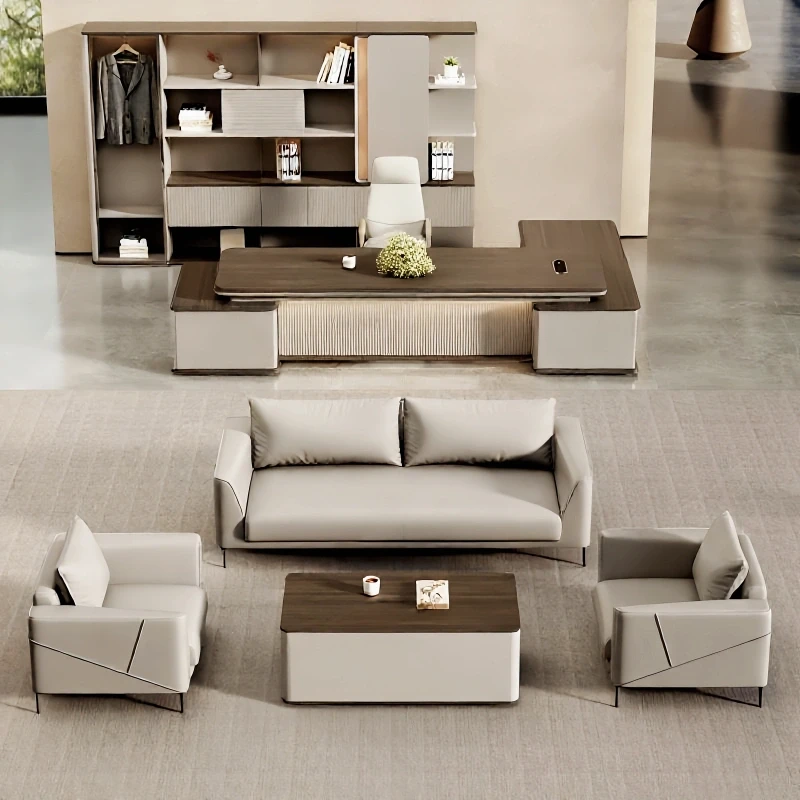
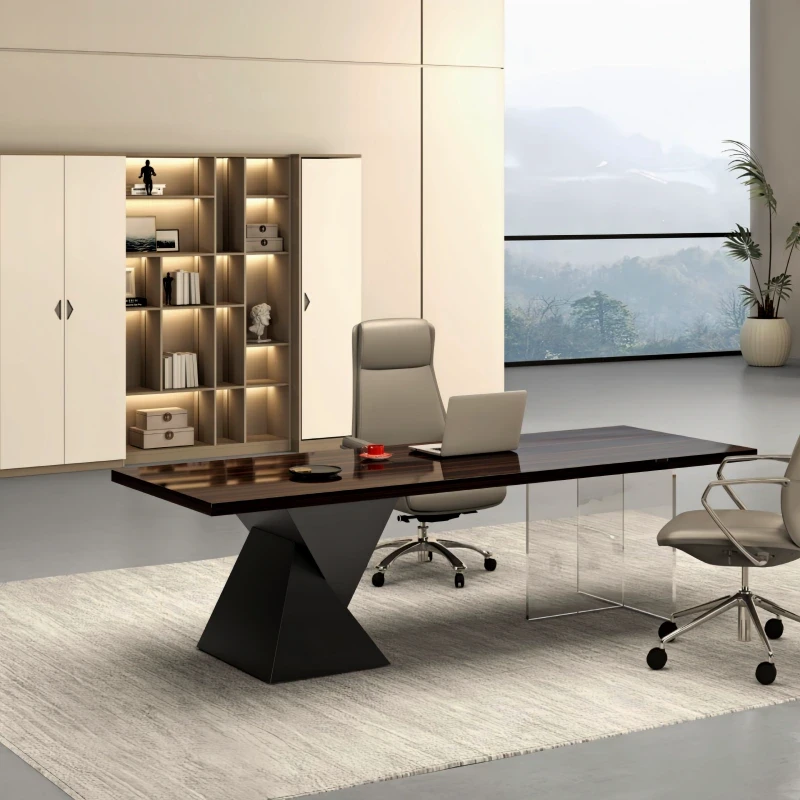


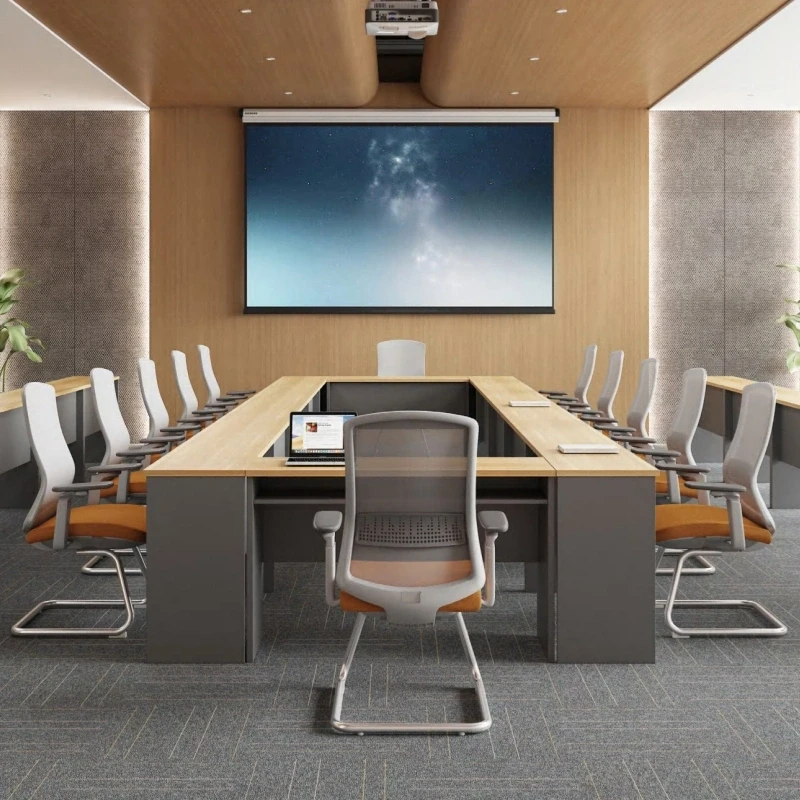
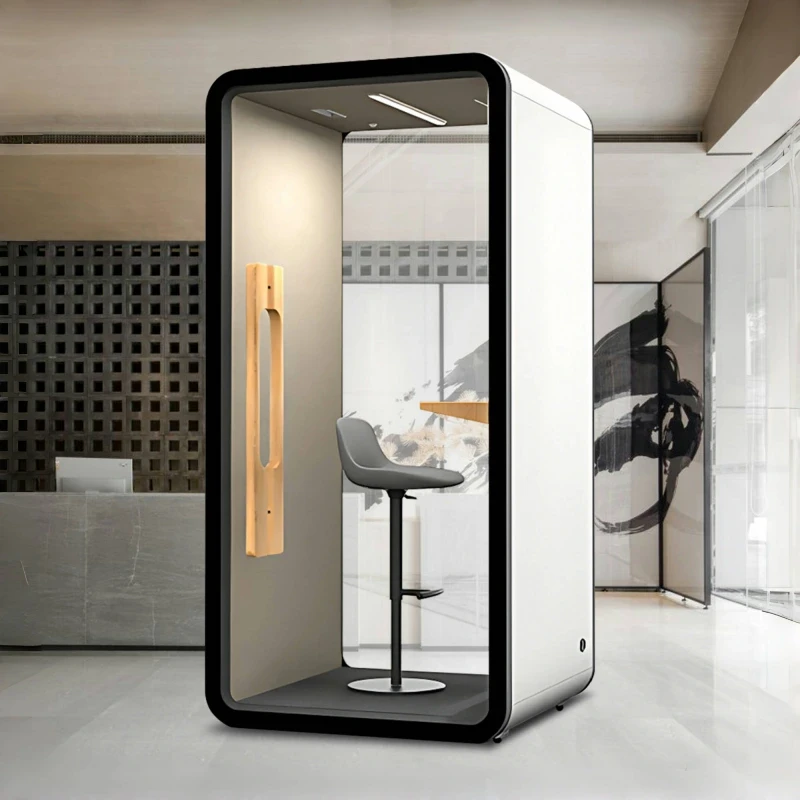
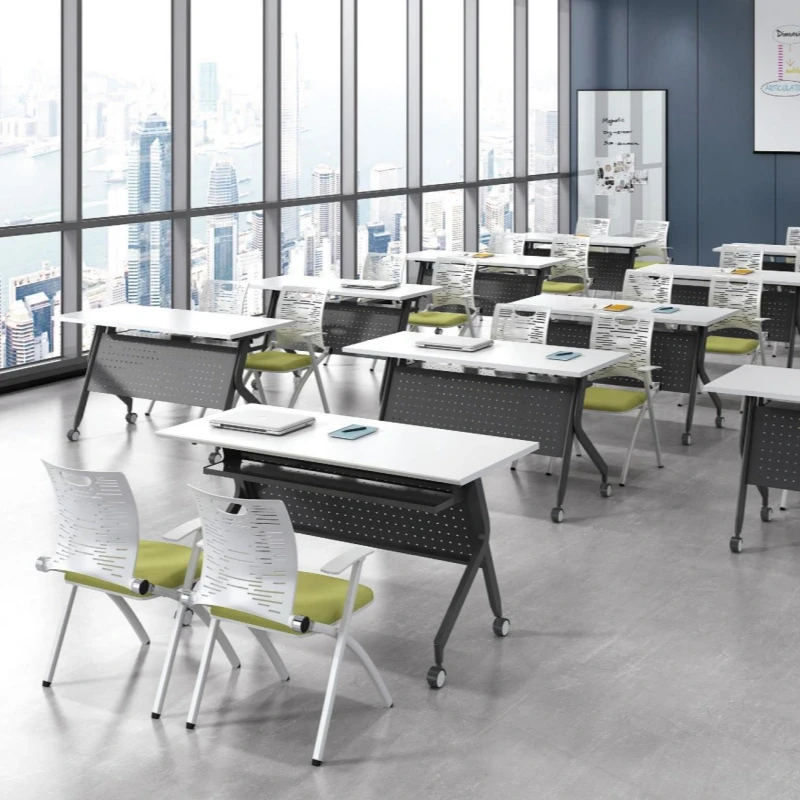
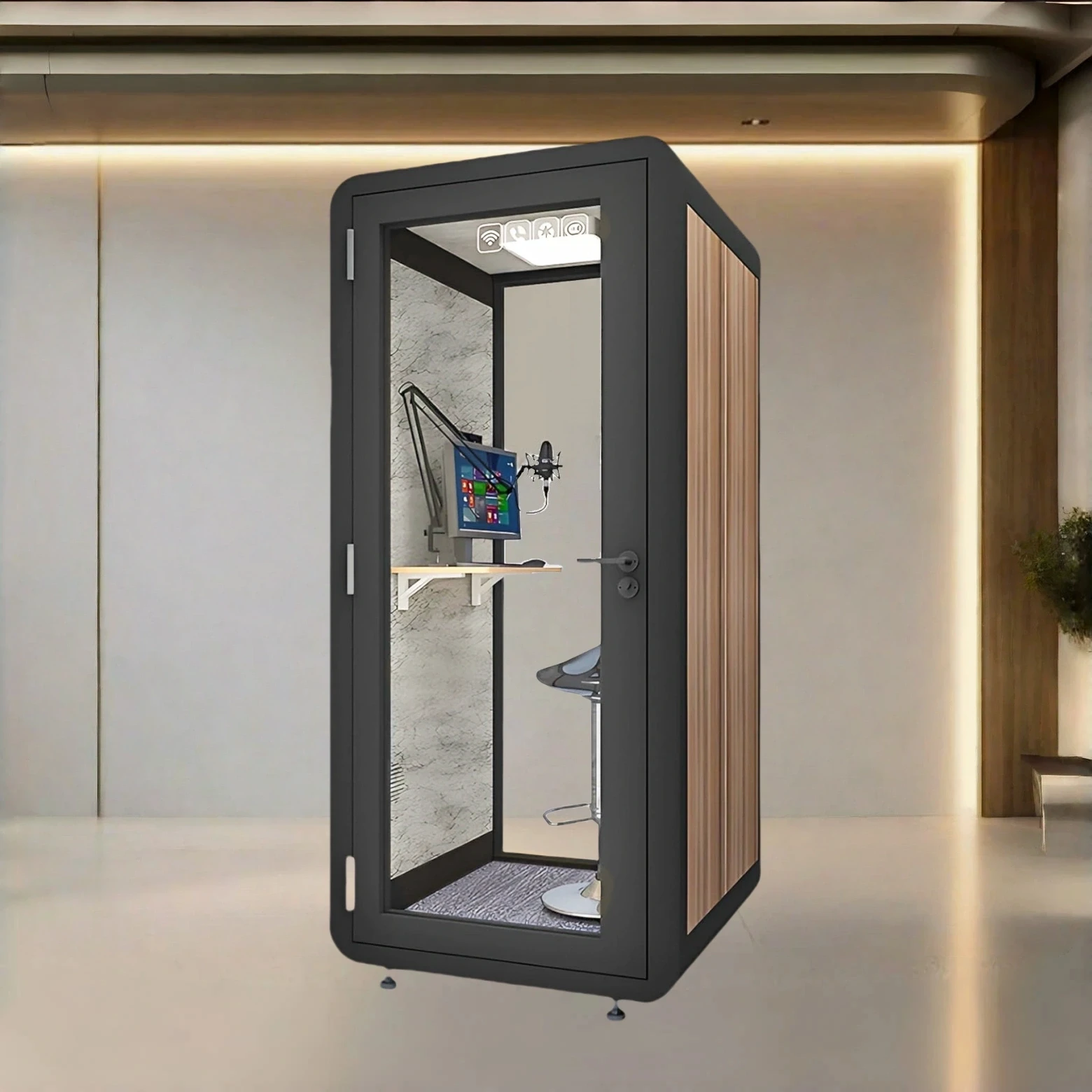
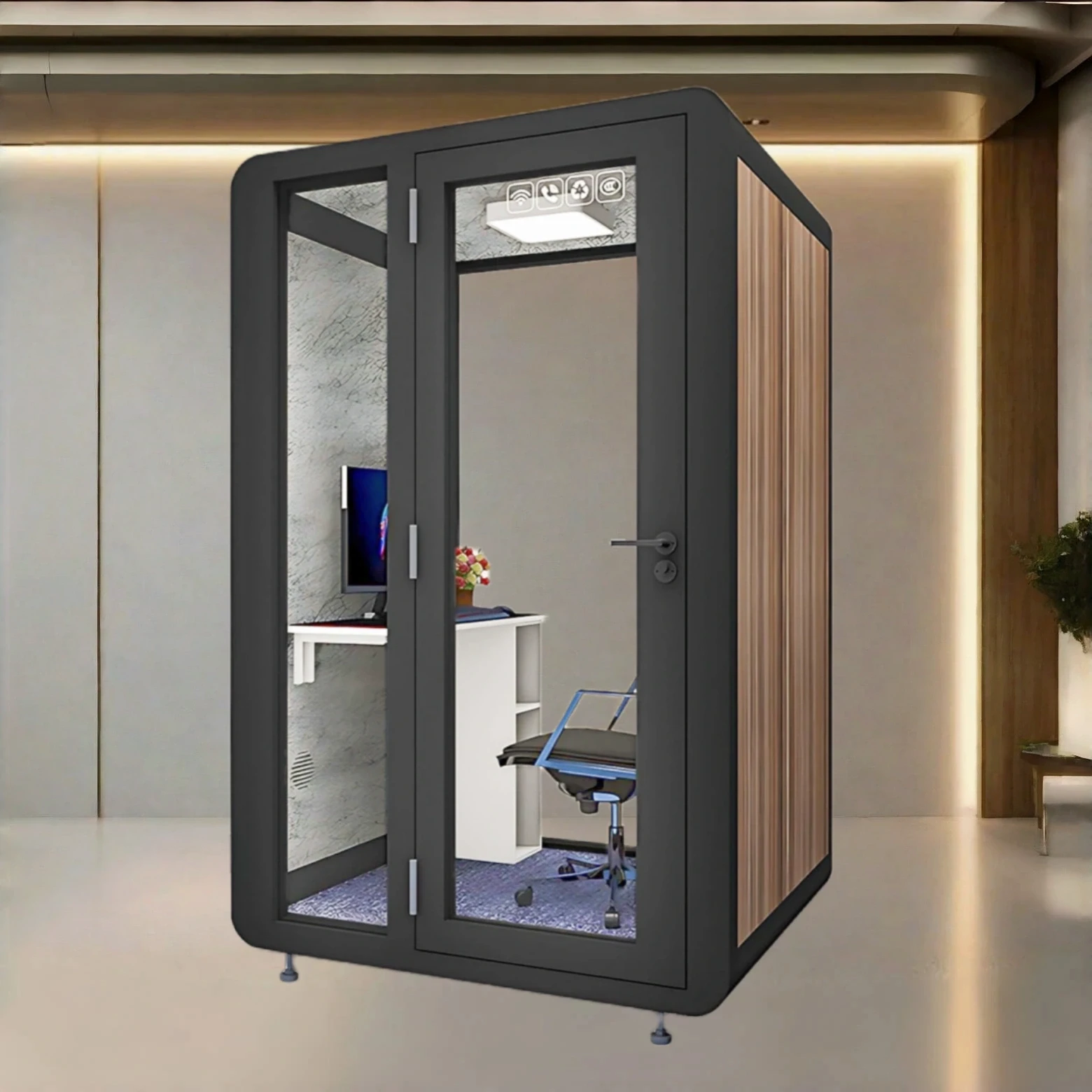
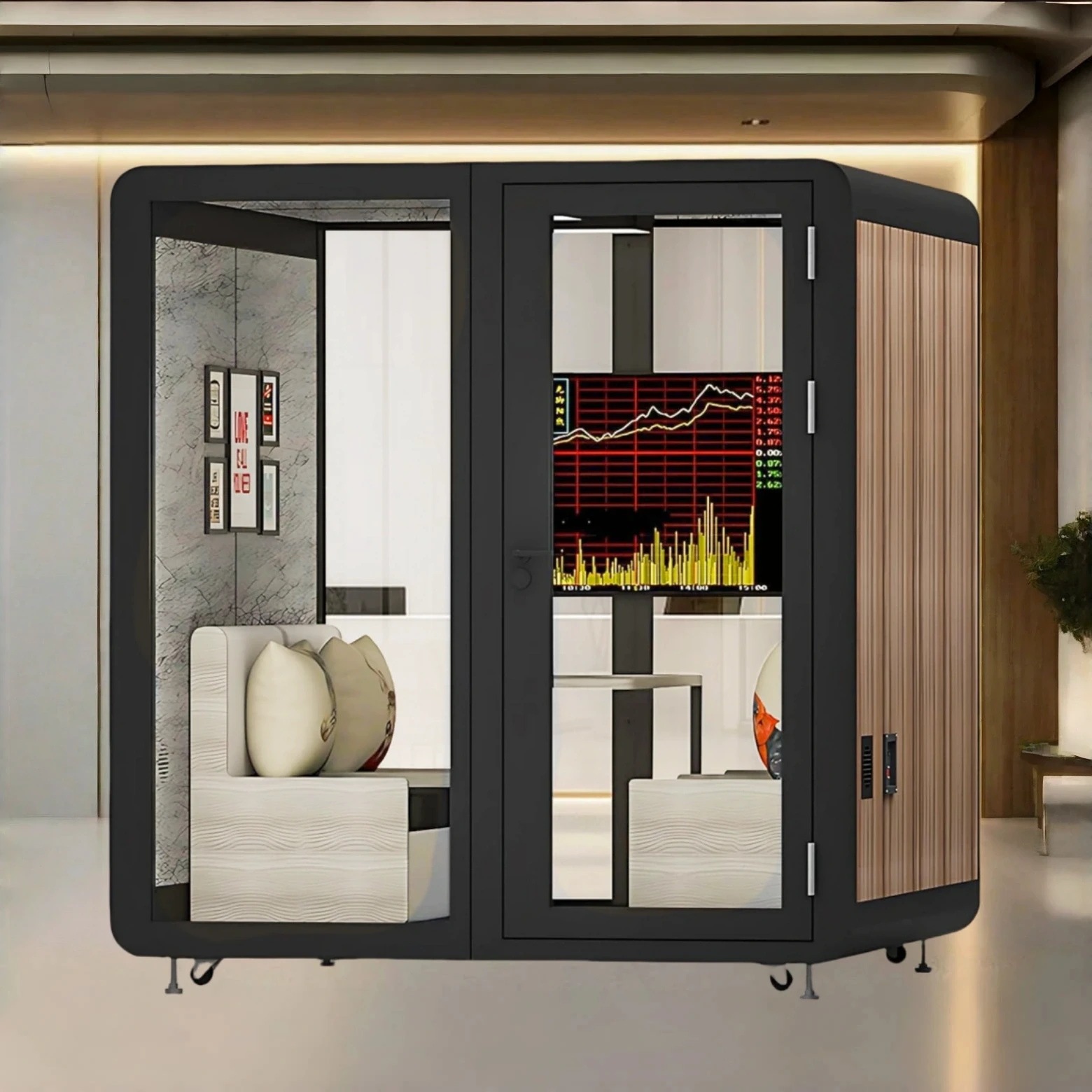
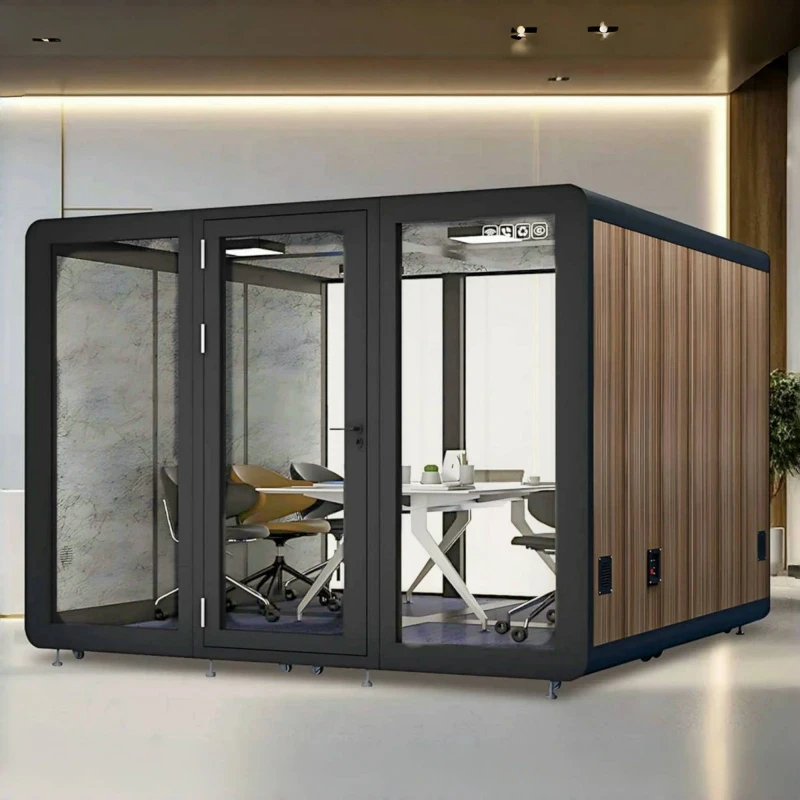
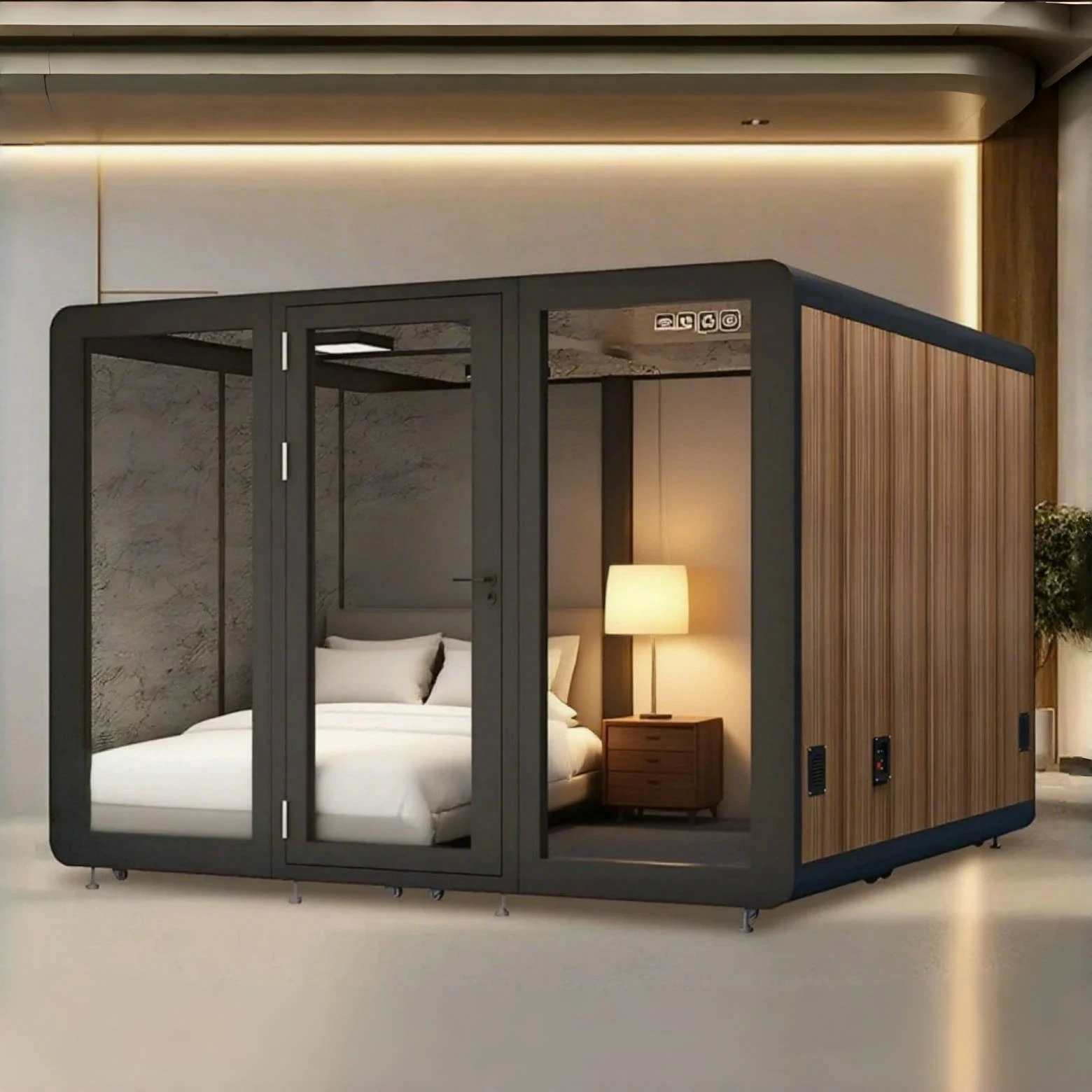


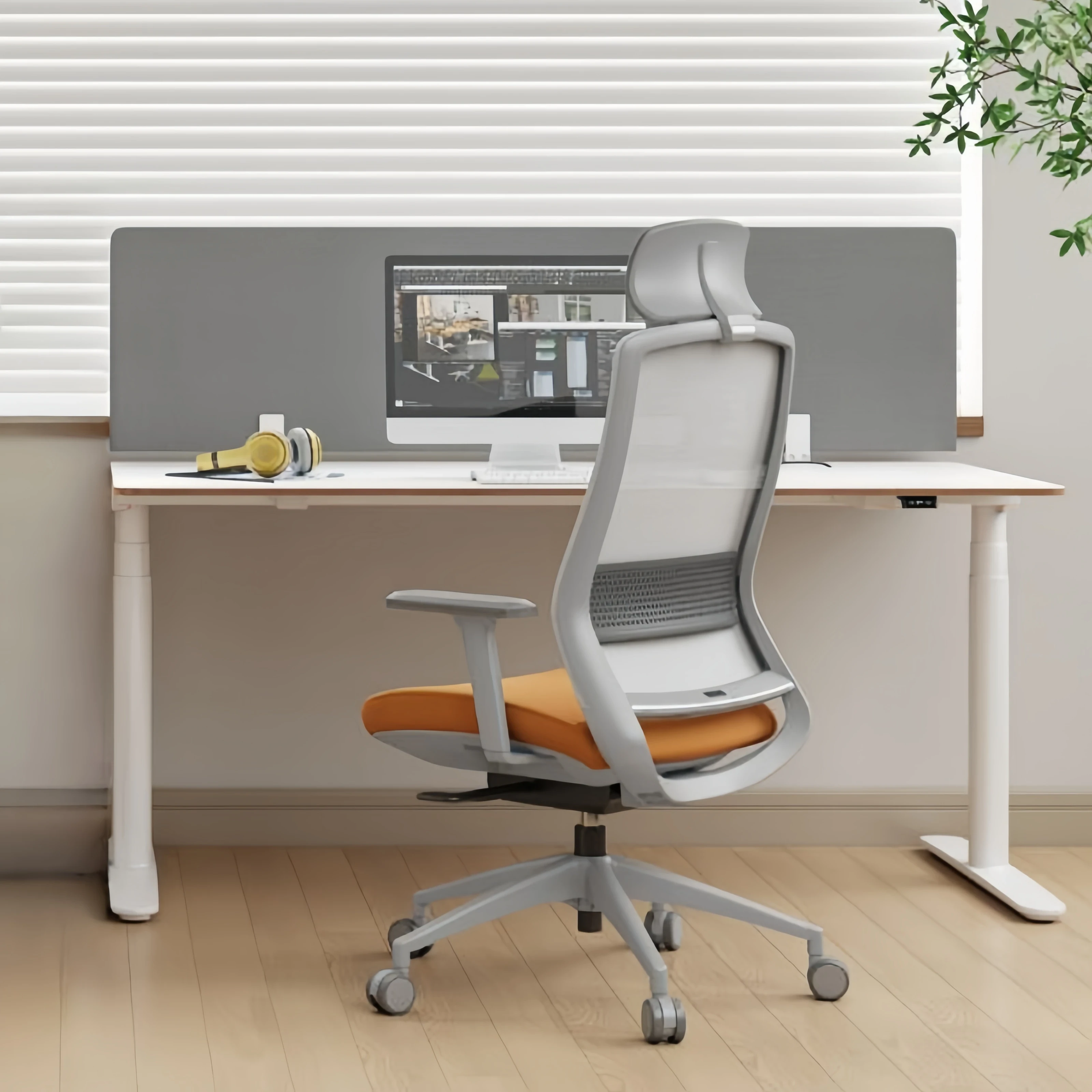


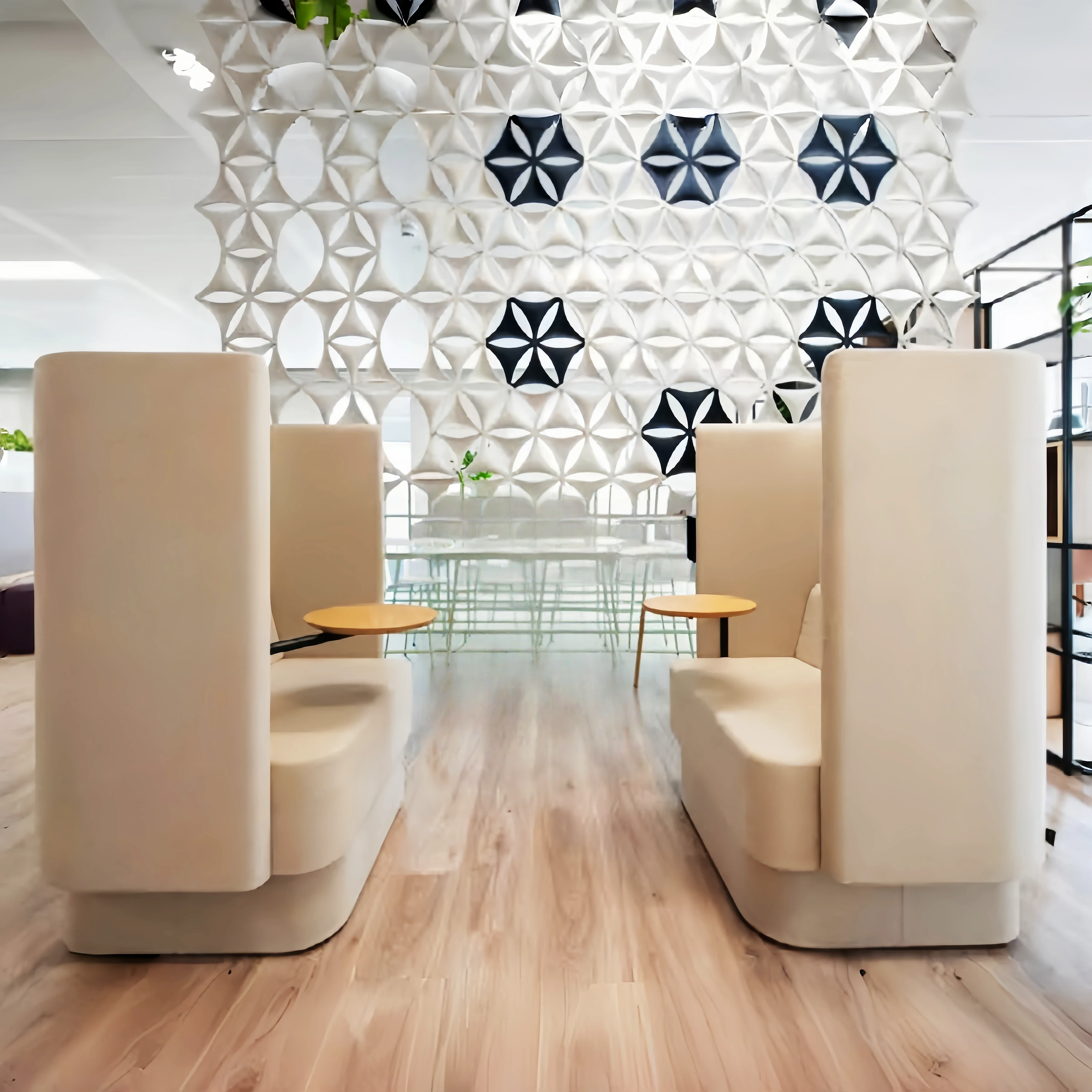

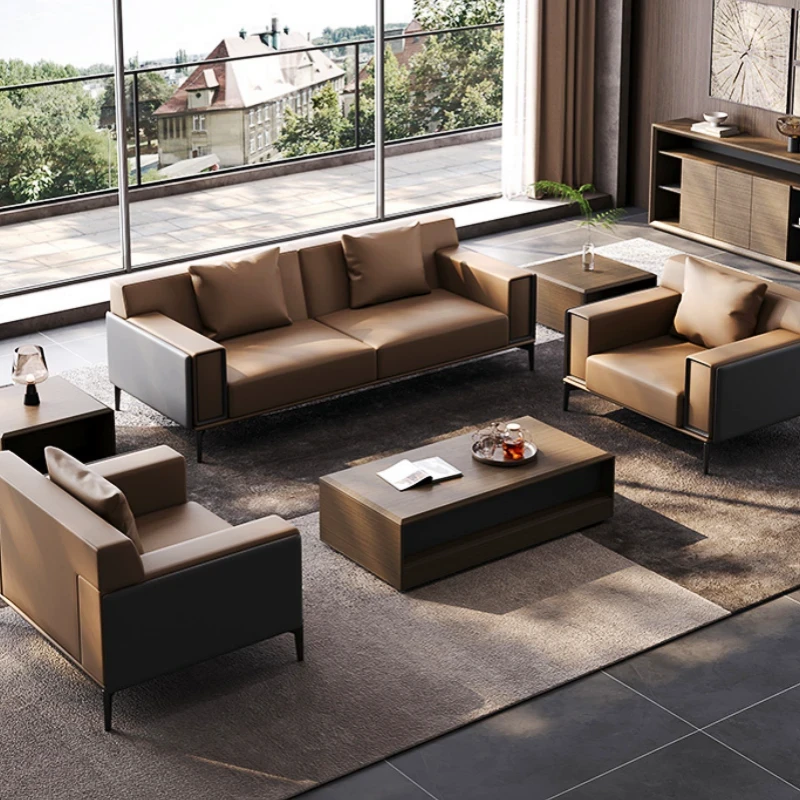
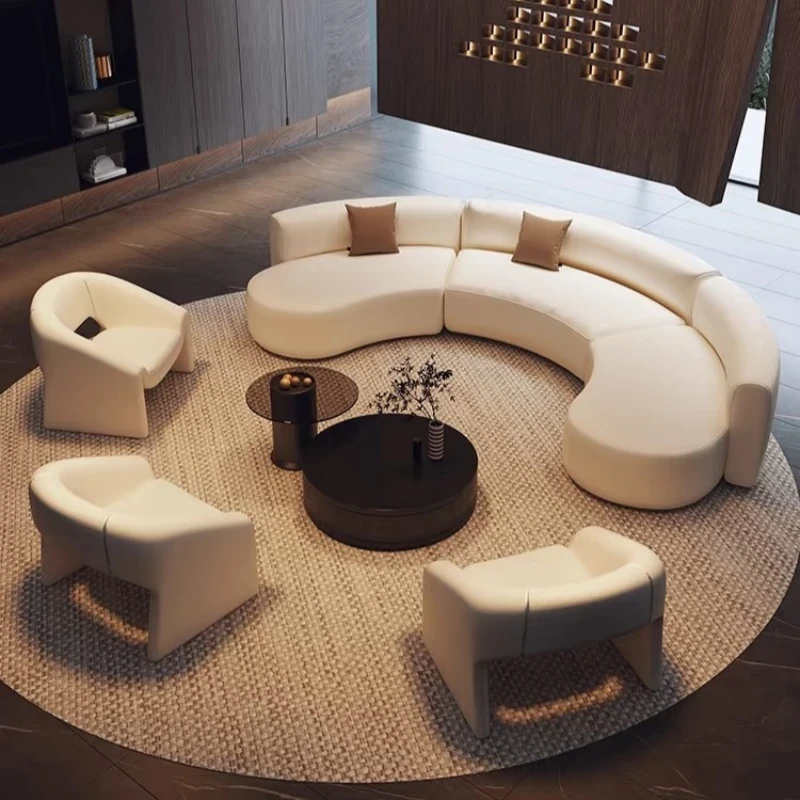
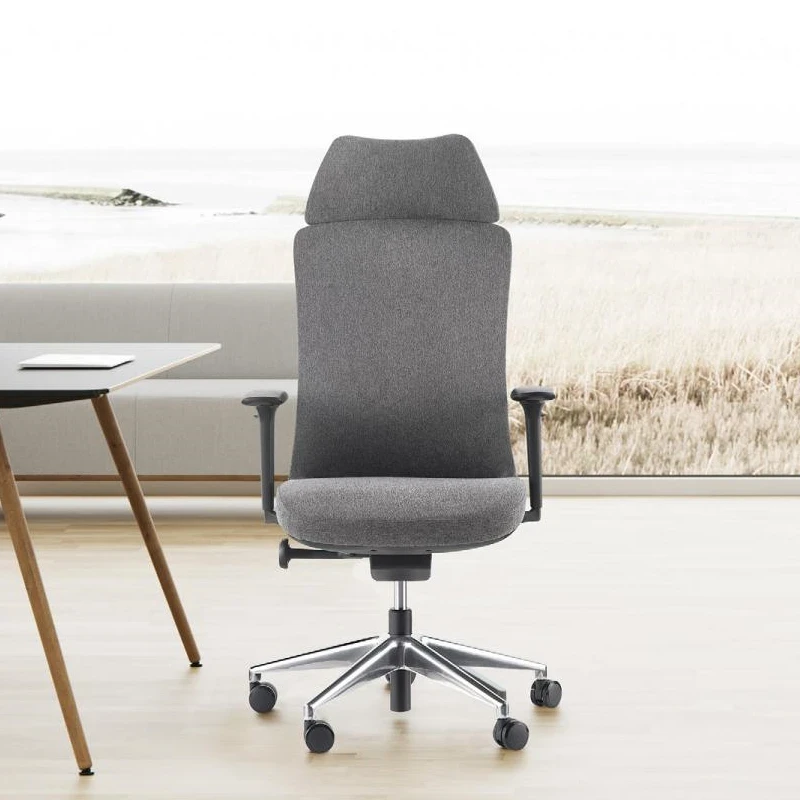


First, chain hotels need to clearly define their brand style and values. This includes detailed descriptions of overall color scheme, design elements, material selection, and visual style. Establishing detailed brand style guidelines, including color codes, preferred materials, and design features, provides clear direction for furniture design. This ensures consistency across multiple branches, conveying a unified brand image.
2. Choose the Right Design Partner:
To achieve furniture design consistent with the brand image, choosing an experienced design team that understands the hotel's brand values is crucial. The design partner needs a deep understanding of the hotel's brand philosophy and the ability to translate it into concrete furniture design solutions. Collaborating with designers or design firms that can provide customized solutions effectively ensures the uniqueness and consistency of the design.
3. Establish a Strong Communication Mechanism:
During the furniture design and production process, there must be smooth communication channels between hotel management and the design and production teams. Regular design meetings ensure that all parties have the same understanding and expectations regarding design concepts, schedules, and cost control. Real-time communication and feedback mechanisms allow for timely resolution of design issues, ensuring that the final product meets the brand's standards and direction.
4. Use Consistent Materials and Colors:
Materials and colors are crucial to brand style and should be consistent in furniture customization. Choose fabrics and finishes that match the brand's color scheme and apply them uniformly across different chain stores. This not only helps maintain overall visual consistency but also creates economies of scale in procurement and manufacturing, reducing costs.
5. Pay Attention to Detail: Design
details are often the deciding factor in success. In the customization of chain hotel furniture, meticulous control over style, accessories, and decorative elements is paramount. These details should align with the brand's overall style, reflecting the hotel's unique personality. For example, consistent handle designs and similar decorative patterns can enhance a sense of unity.
6. Standardized Production Processes:
Standardized production processes effectively guarantee the stability of furniture quality and design consistency. Collaborating with production suppliers familiar with brand standards ensures that every product undergoes rigorous quality control inspections, guaranteeing the perfect execution of the design.
7. Continuous Monitoring and Feedback:
Finally, after furniture installation and use, continuously monitor the consistency between the furniture design and the brand image through customer feedback and staff feedback. Based on feedback data, continuously optimize and adjust future design schemes to maintain the brand image's competitive advantage in the market. In
conclusion
, ensuring consistency between design and the overall brand image is crucial for the furniture customization and procurement process in chain hotels. By clearly defining brand style, selecting suitable partners, strengthening communication mechanisms, and paying meticulous attention to material selection and detail design, hotels can effectively maintain brand image consistency and enhance the guest experience. Furthermore, continuous monitoring and feedback ensure that the design is constantly optimized as the brand and market evolve.