
 USD
USD GBP
GBP
 EUR
EUR
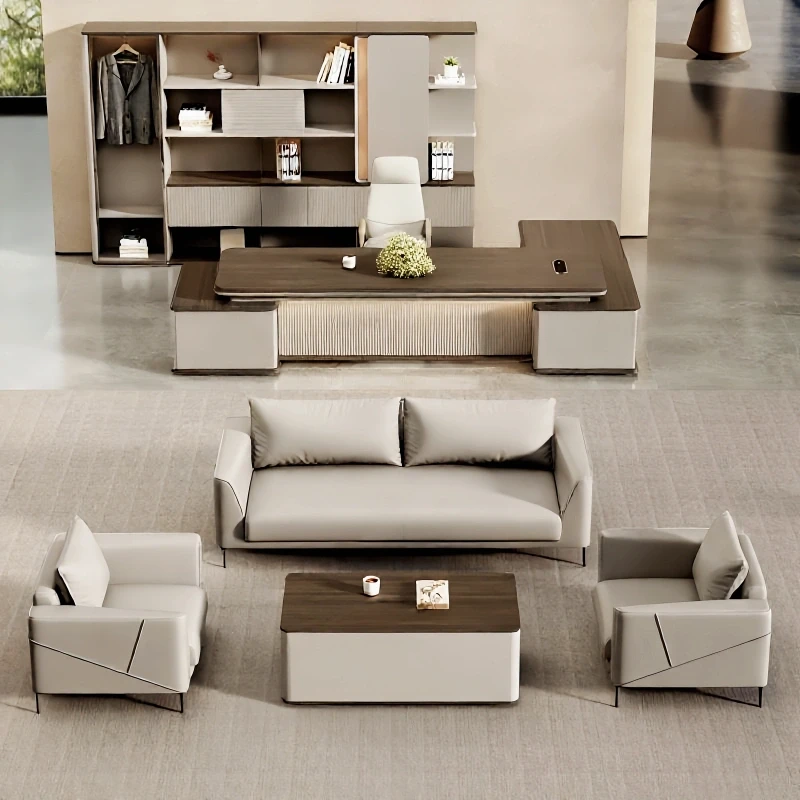
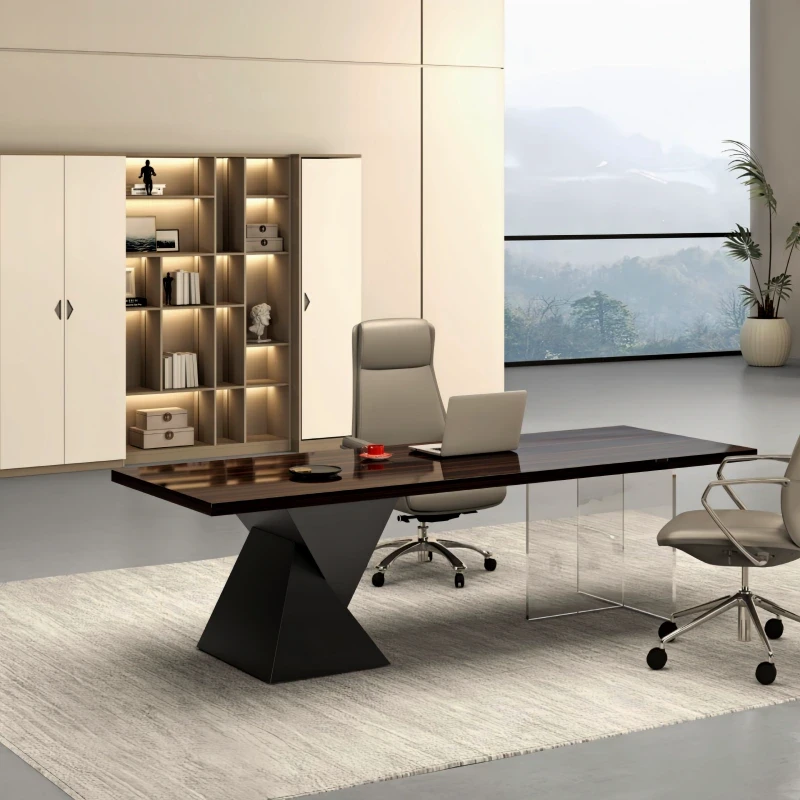


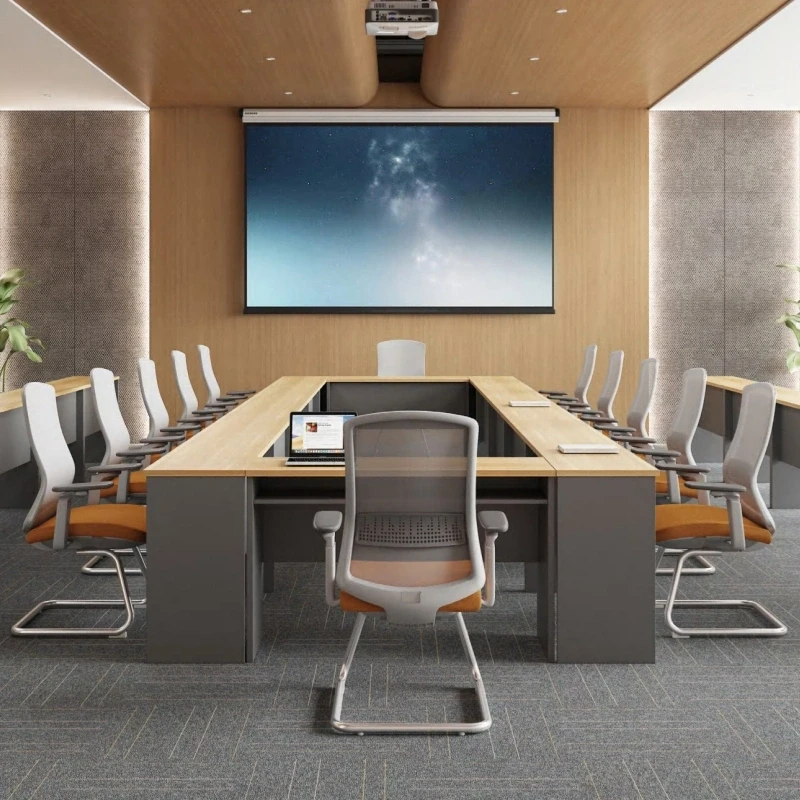
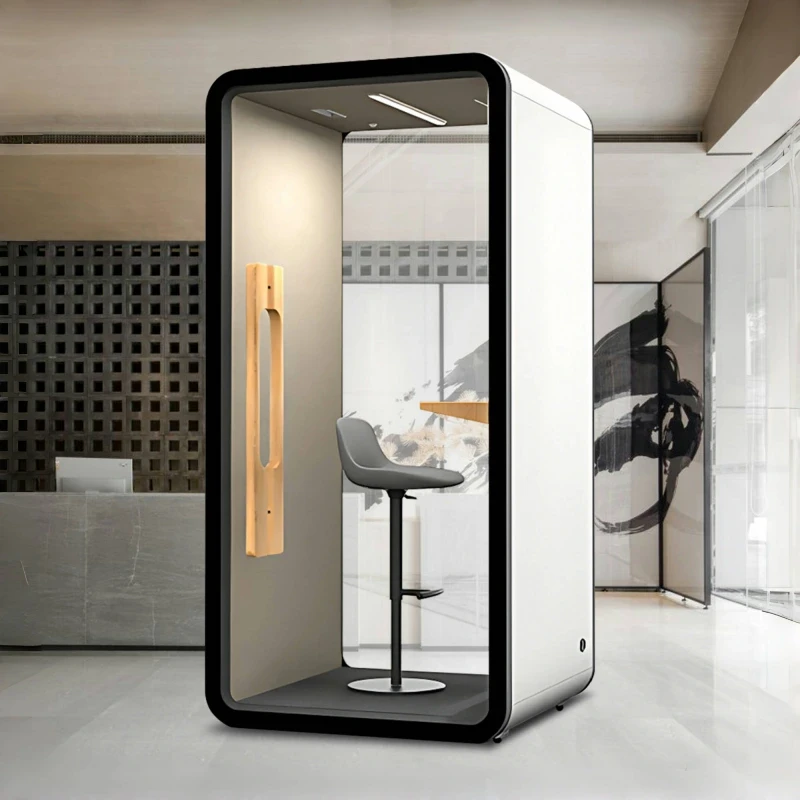
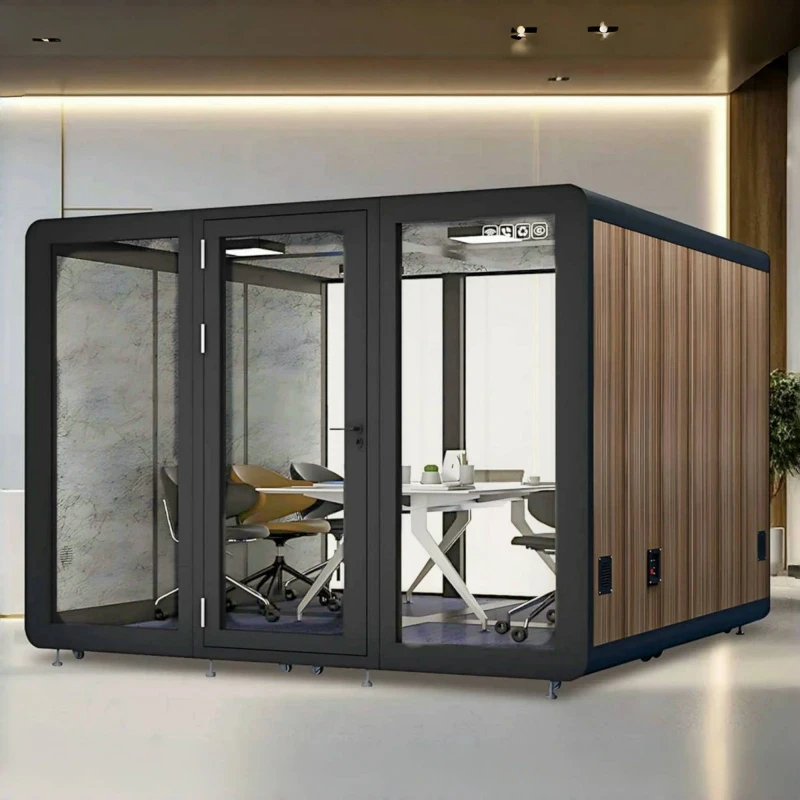
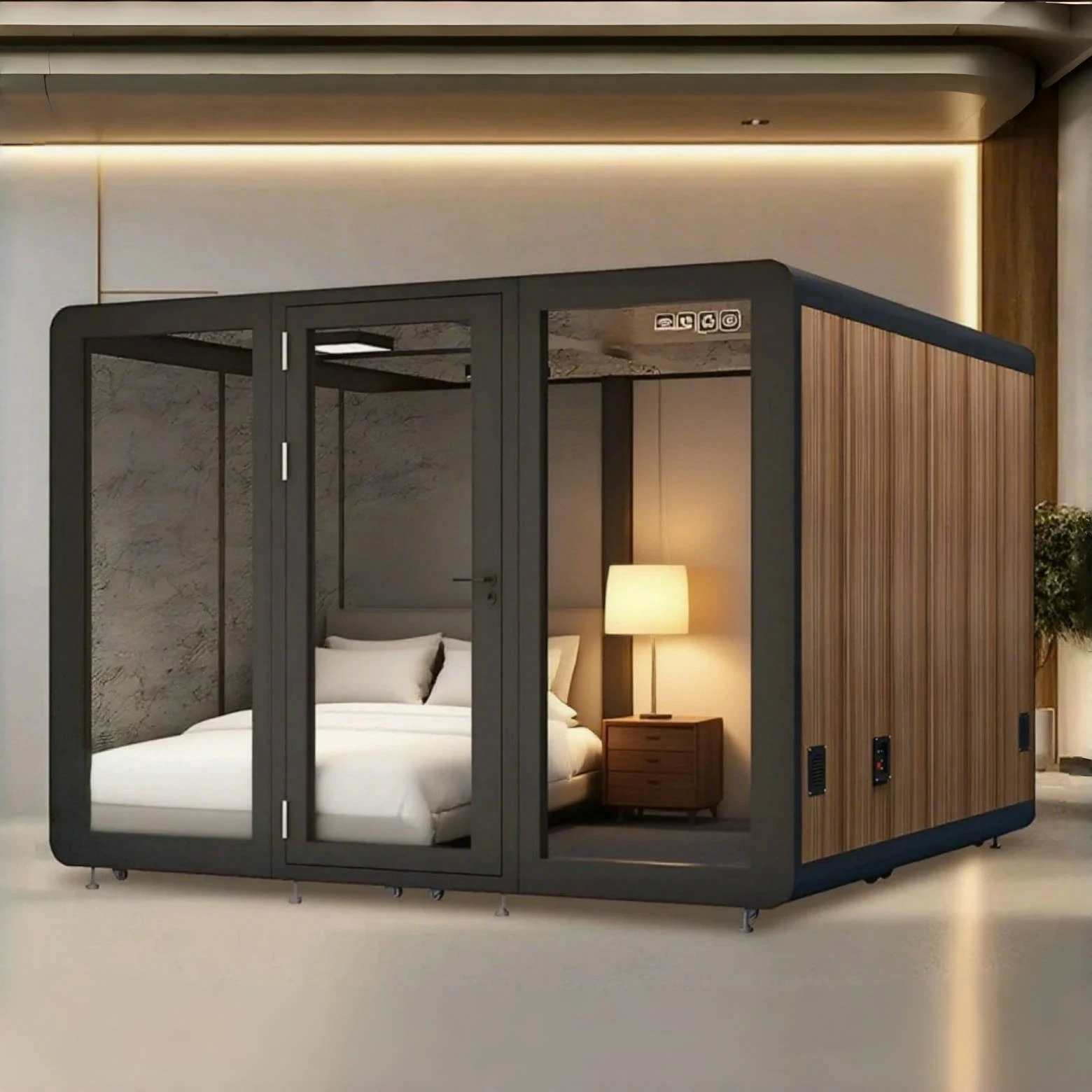


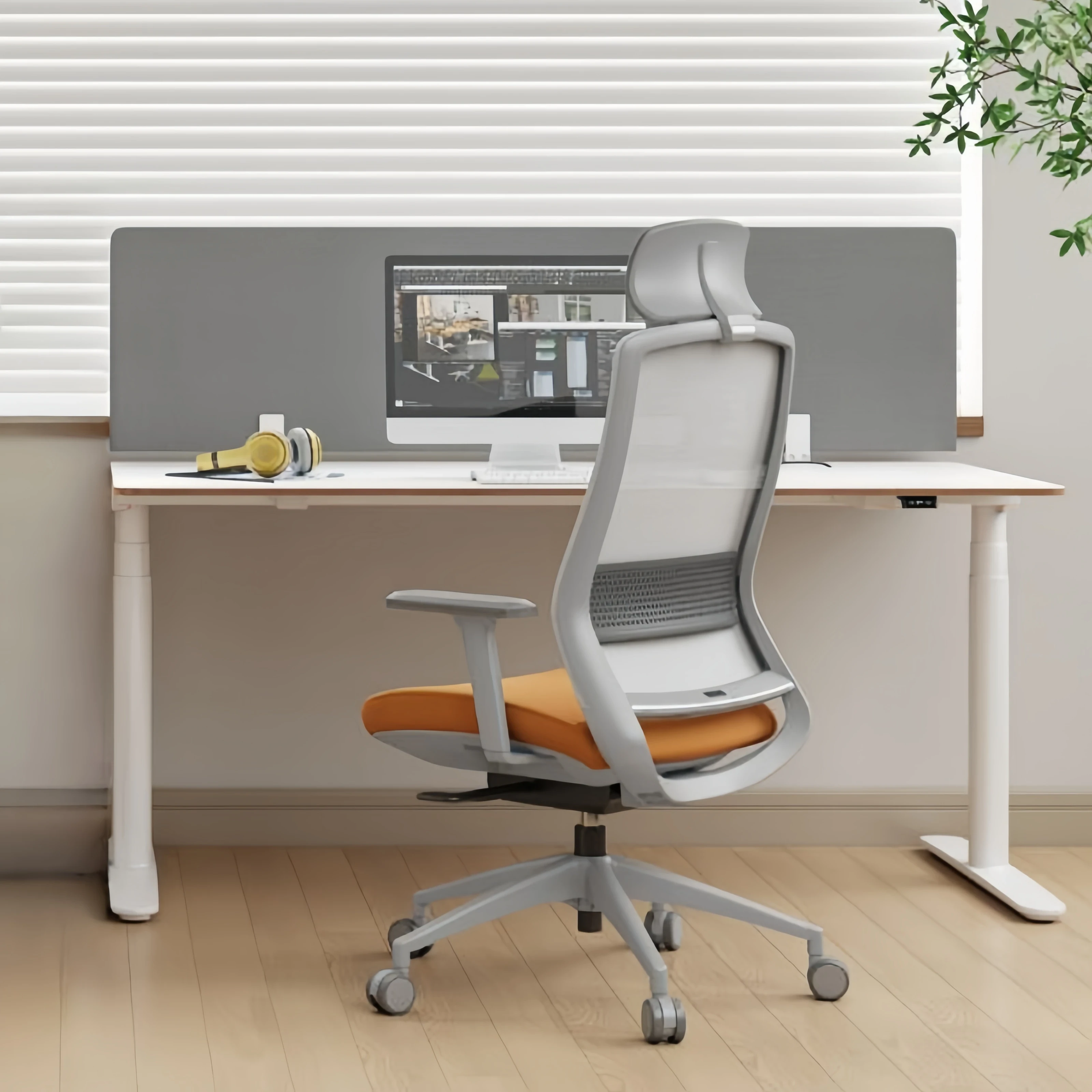


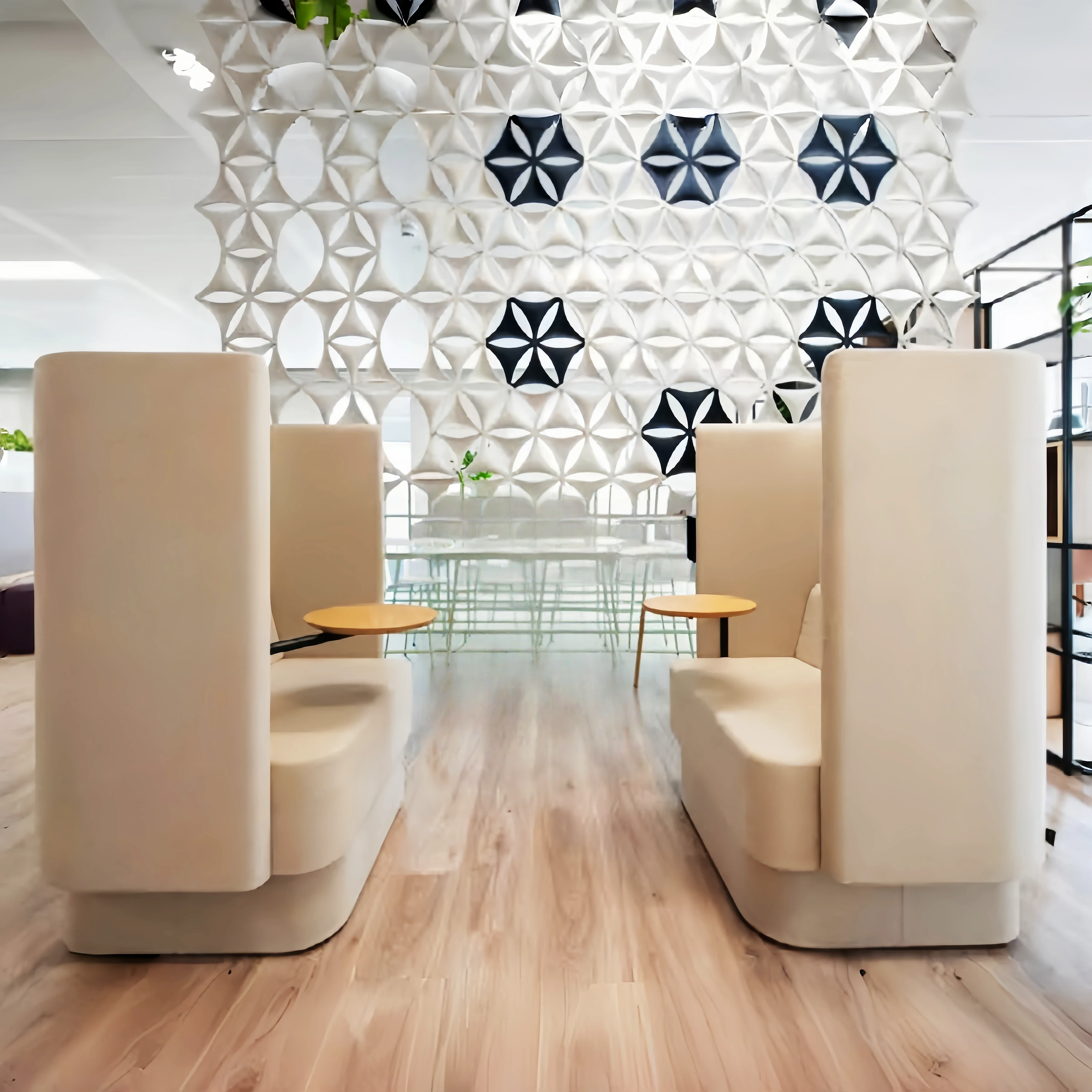

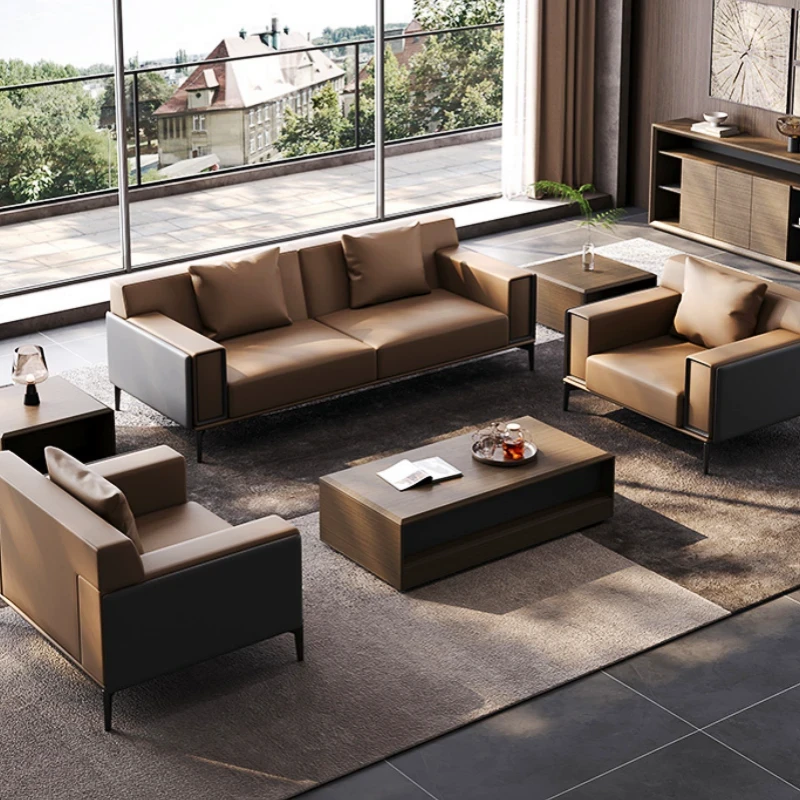
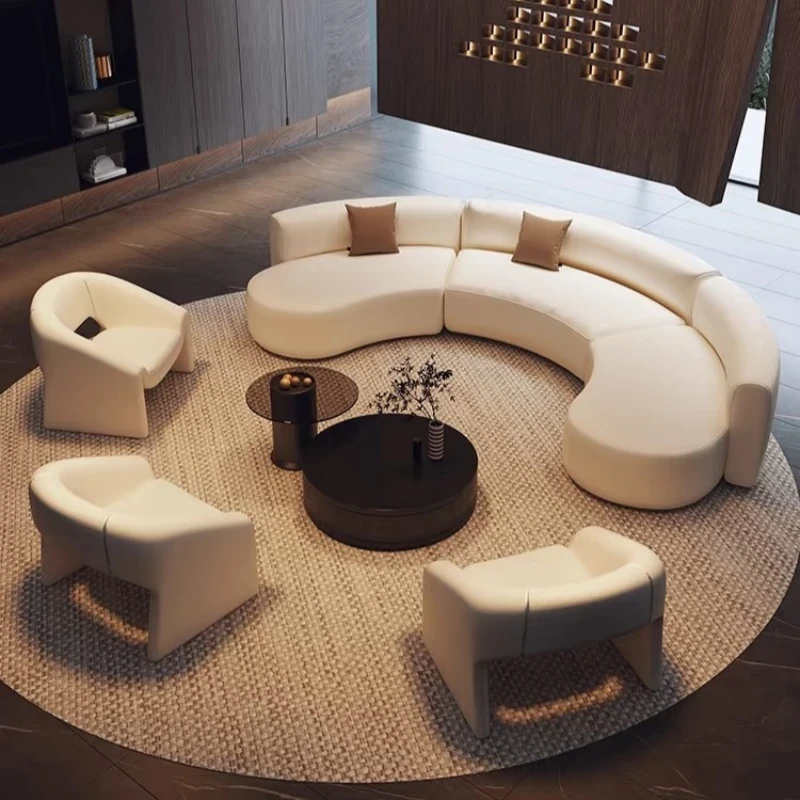
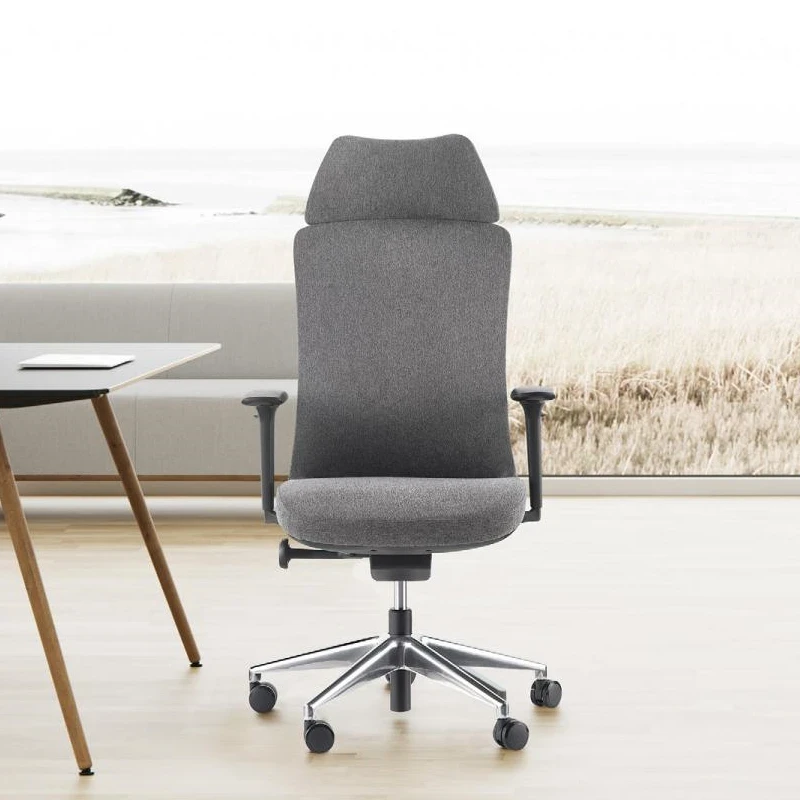


Every design begins with understanding and research. For brands aiming to integrate into regional culture, a deep understanding of local history, traditional crafts, art forms, and customs is crucial. This can include:
Traditional Crafts: Investigating local traditional handicrafts such as weaving, carving, and dyeing, and incorporating these elements into furniture design.
Historical Elements: Studying local historical architecture, traditional clothing patterns, or ancient legends to extract design inspiration.
Local Materials: Examining locally available natural materials, such as unique woods or textiles, to reflect geographical and ecological characteristics.
2. Collaboration and Co-creation
: Collaborating with local artists and artisans is an effective way to reflect local characteristics. This not only increases the authenticity of the design but also promotes cultural exchange and inheritance. For example:
Artist Collaboration: Inviting local artists to design decorative details for furniture, such as carvings, paintings, or textile patterns.
Artisan Workshops: Establishing collaborations with local artisans to add handcrafted details to the design and preserve traditional techniques.
3. Skillful Use of Color and Pattern:
Color and pattern are two very intuitive and powerful elements in design that can be used to reflect the cultural characteristics of a region. Designers can:
1. **Main Color Scheme:** Utilize colors from local natural scenery and traditional clothing as the room's main color scheme, such as the earthy tones of desert regions or the greens of forest areas. 2.
**Pattern Design:** Incorporate unique patterns from the local culture, such as distinctive geometric patterns, plant motifs, or ethnic markings, to enhance the cultural atmosphere.
3. **Functional and Cultural Integration :
** Design is not only about visual aesthetics but also about considering the practical functions of furniture and integrating them with cultural elements. For example:
Functional Design: Incorporate local lifestyles into the functional design of furniture, such as using furniture of specific shapes to mimic traditional local architectural structures. 4.
**Inspirational and Practical Integration:** Design furniture inspired by local cultural activities, such as a dedicated tea table for tea ceremonies or a dining table design suitable for local cuisine.
5. **Storytelling and Experiential Elements :
** Every piece of furniture can be a vehicle for telling a local cultural story. Through design and customization, furniture becomes not only a visual and functional experience but also a storyteller of culture and history.
Customized Details: Engraving or printing details on furniture that tell local stories allows residents to experience cultural resonance during use.
Interactive Design: Designing interactive furniture allows guests to experience the charm of the culture during use, such as traditional screens that can be freely adjusted.
Conclusion:
In guesthouses and hotels, furniture design is not only about aesthetics and practicality, but also about reflecting the rich local culture. This kind of design not only increases the attractiveness of the guesthouse, but also provides guests with an unforgettable cultural experience. By deeply researching local culture, collaborating with artists and artisans, skillfully using colors and patterns, and exploring storytelling and interactive design, custom guesthouse and hotel furniture brands can stand out in global trends and create unique spaces with local characteristics.