
 USD
USD GBP
GBP
 EUR
EUR











1. Bed and Mattress
The bed is a core concern for every guest staying at a hotel. A high-quality mattress provides excellent support and comfort, ensuring a quality sleep experience. In addition, choosing soft bedding and a variety of pillow options are also important factors in enhancing comfort.
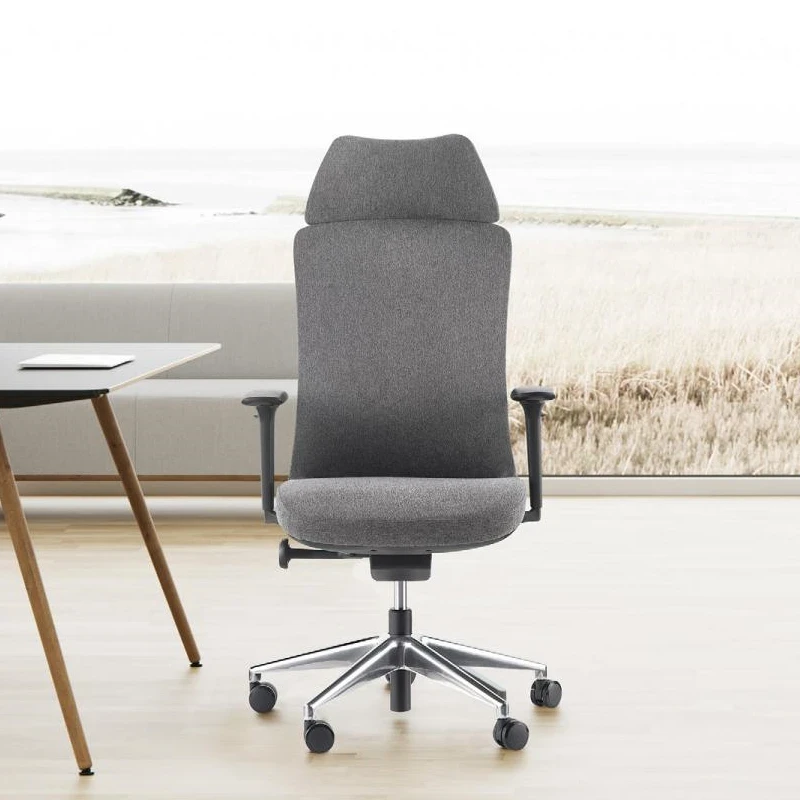
2. Seating and Sofa
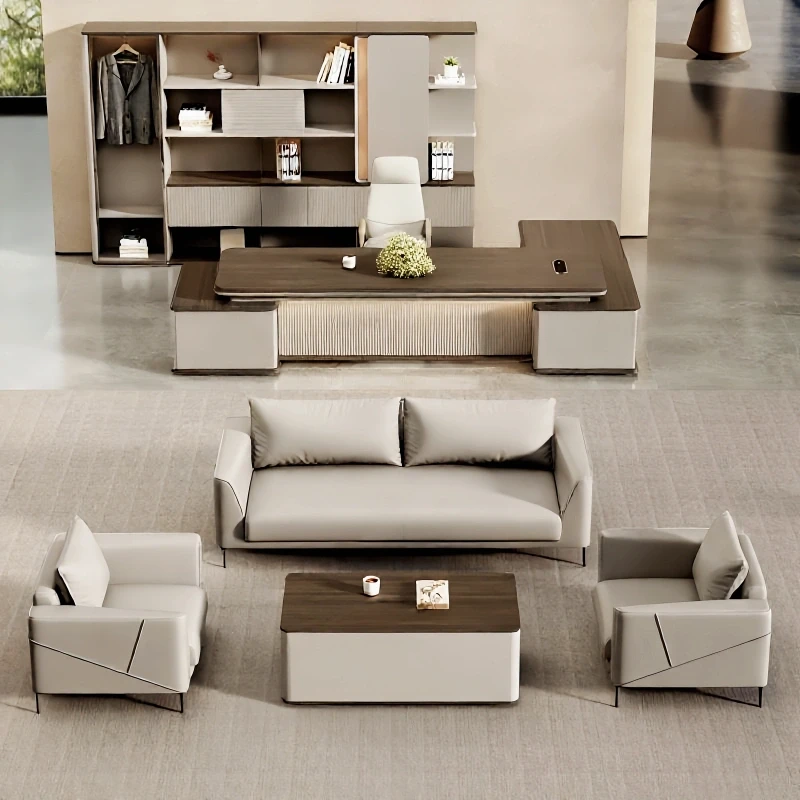
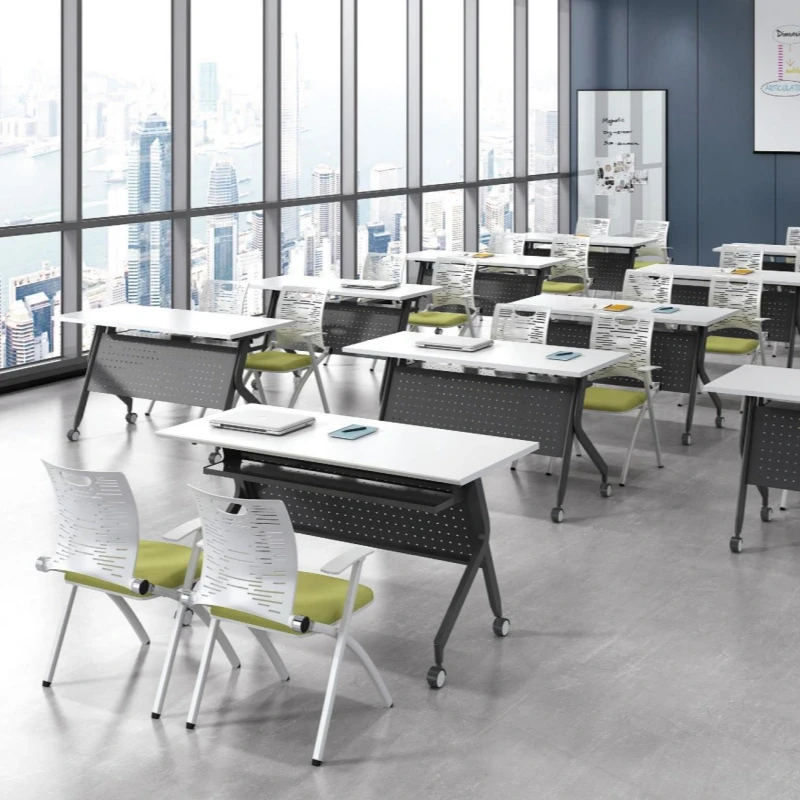
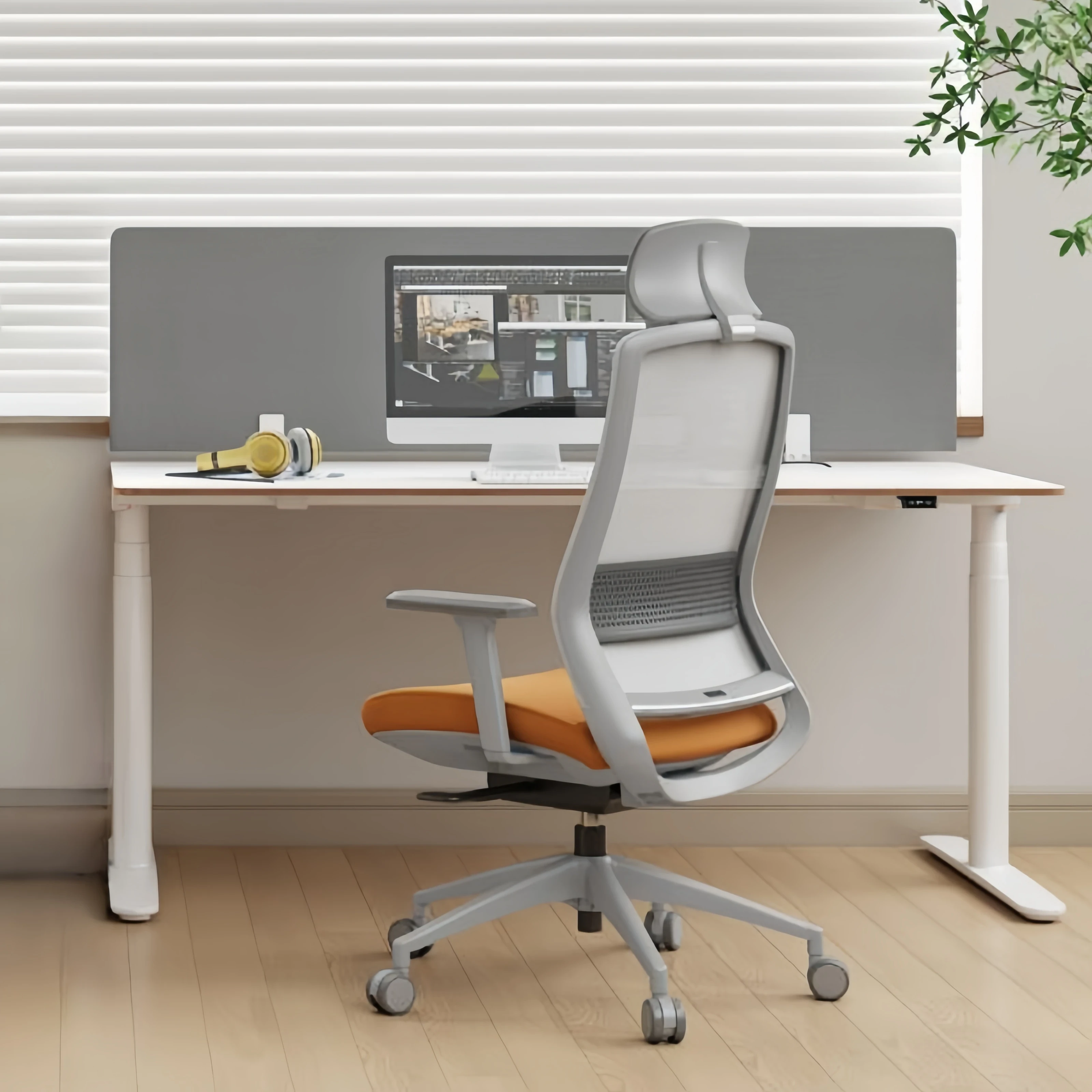
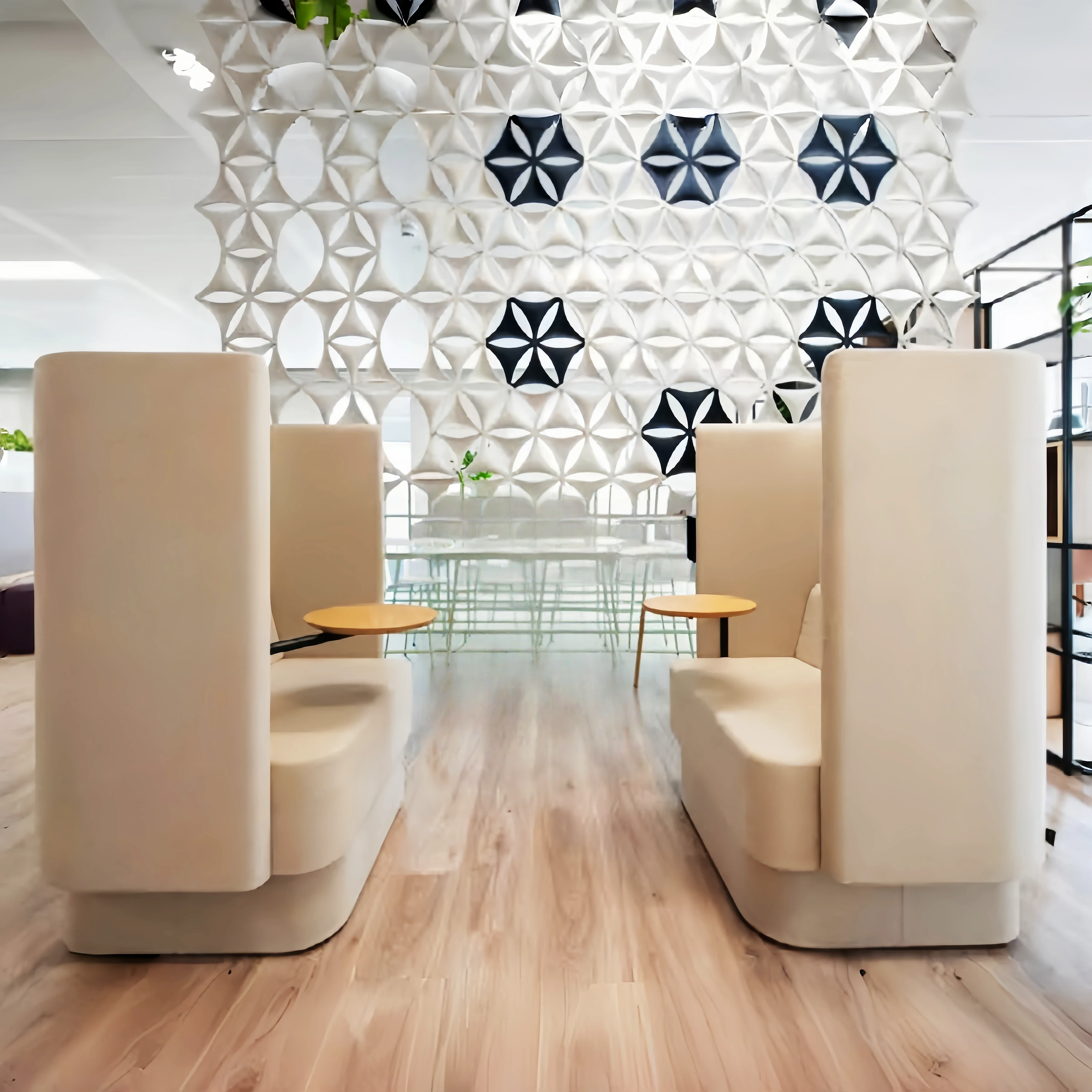
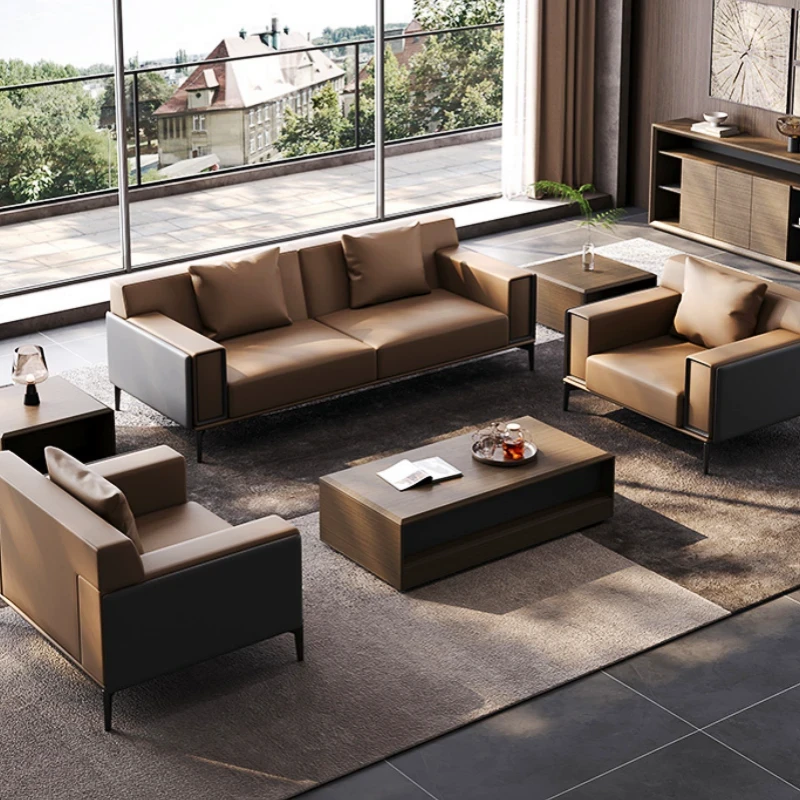
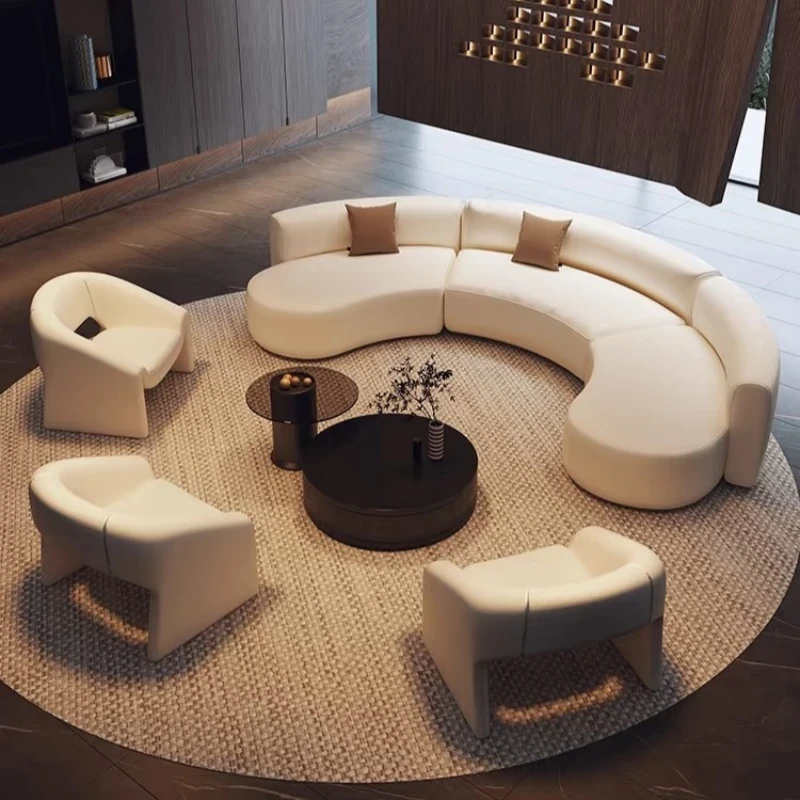
The seating and sofas in hotel rooms should be ergonomically designed, providing guests with comfortable relaxation and work spaces. Soft yet firm cushions and backrests can improve overall comfort, allowing guests to relax more while moving around in the room.
II. Functionality
1. Storage Space
A well-designed storage system is an indispensable part of hotel furniture. Ample wardrobe space and cleverly arranged drawers, luggage racks, etc., make it easy for guests to organize and store their belongings, thereby enhancing the stay experience.
2. Multifunctional Furniture
In limited room space, multifunctional furniture can play a significant role. For example, bedside tables with USB charging ports and small round tables that can be used as workbenches not only save space but also provide convenience for guests.
III. Durability and Safety
1. Material Selection
Hotel furniture faces a lot of daily use, so choosing durable materials is crucial. High-quality wood, alloys, and fabrics can extend the lifespan of furniture and reduce maintenance costs. Furthermore, these materials should possess fire-retardant and environmentally friendly properties to ensure the safety and health of guests.
2. Craftsmanship Quality
The craftsmanship and details of furniture directly affect its durability. Solid construction, meticulous seam treatment, and sturdy hardware are important standards for evaluating craftsmanship quality.
IV. Aesthetics and Style
1. Style Consistency
The style of furniture in the hotel should be consistent with the overall design style, creating a harmonious and aesthetically pleasing visual effect. This sense of consistency enhances the overall sensory experience for guests, making them feel visually pleasant and relaxed.
2. Color Matching
Color plays an important role in creating atmosphere. Soft tones can create a relaxing environment, while vibrant colors can add vitality and a modern feel. Choosing a color scheme that suits the hotel's positioning and target customer group is crucial.
Conclusion
Choosing suitable hotel furniture is a task that comprehensively considers multiple needs. By considering comfort, functionality, durability, and aesthetics, and combining these factors, the hotel can create a memorable stay experience for its guests. This not only increases customer satisfaction but may also encourage repeat visits and word-of-mouth referrals, turning them into long-term loyal customers.