
 USD
USD GBP
GBP
 EUR
EUR
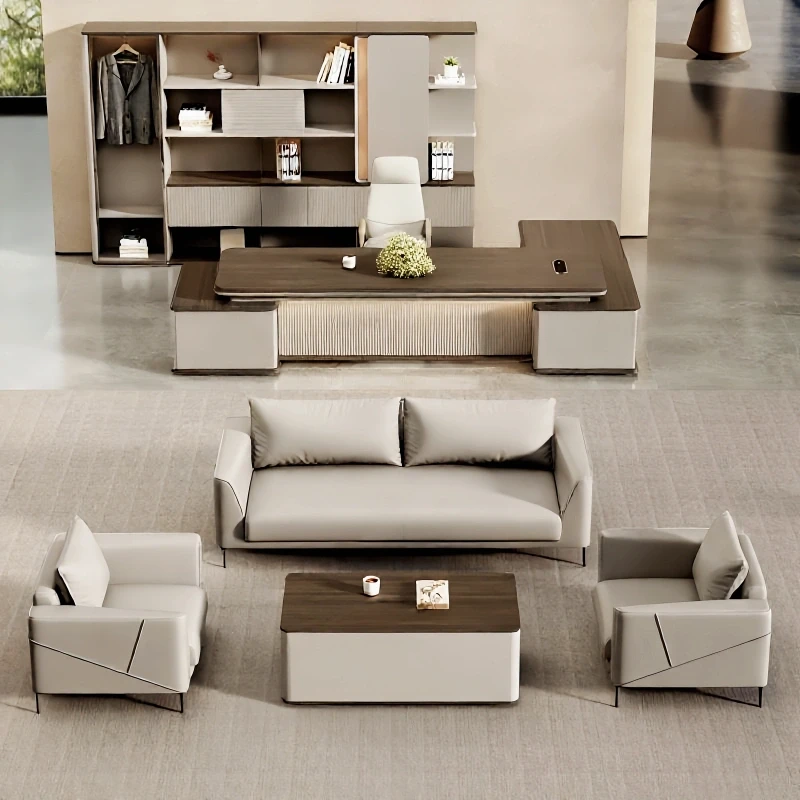
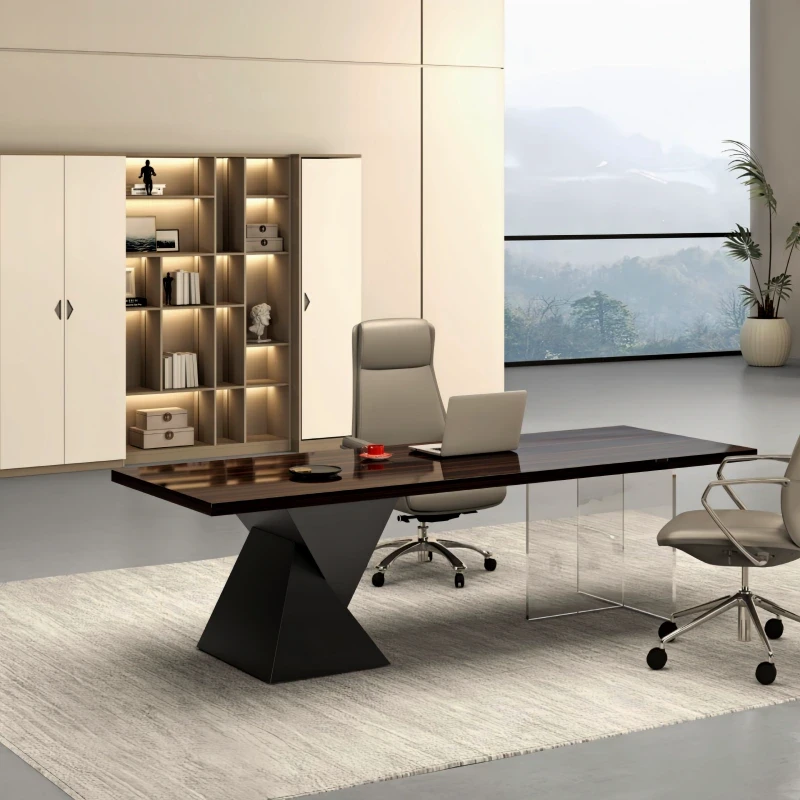


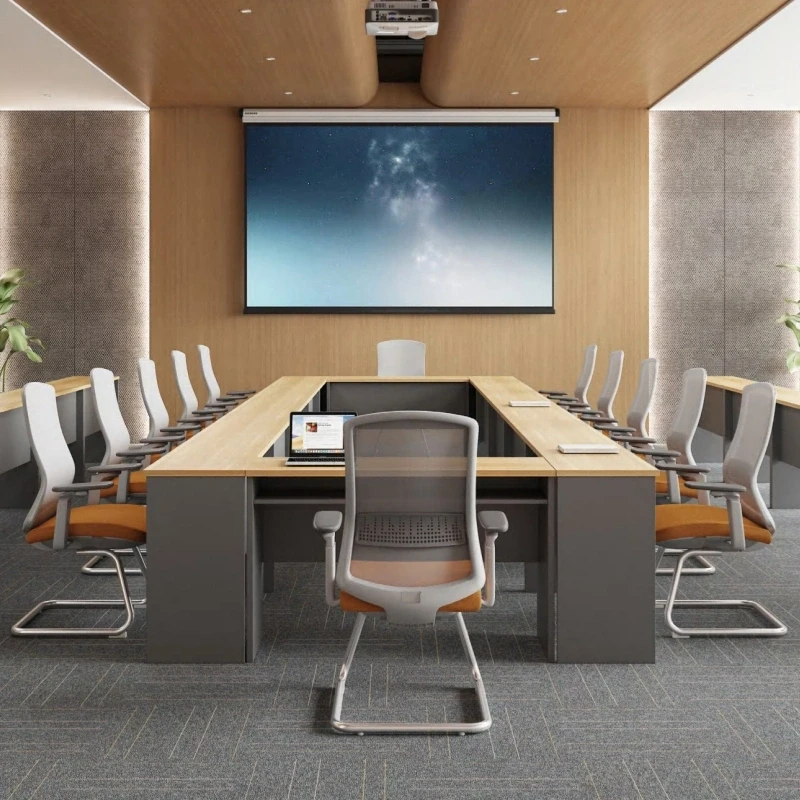
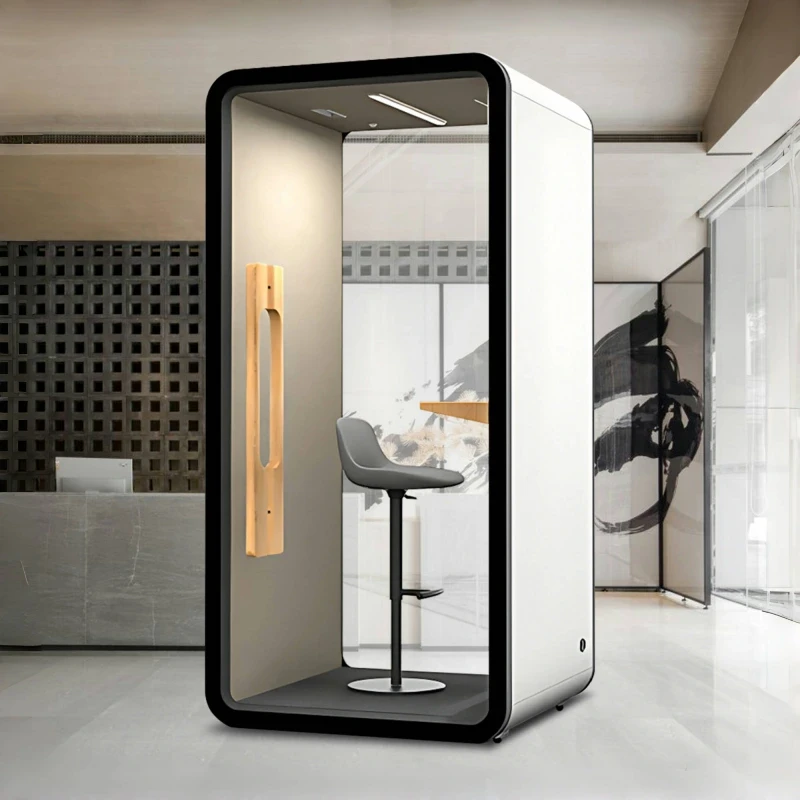
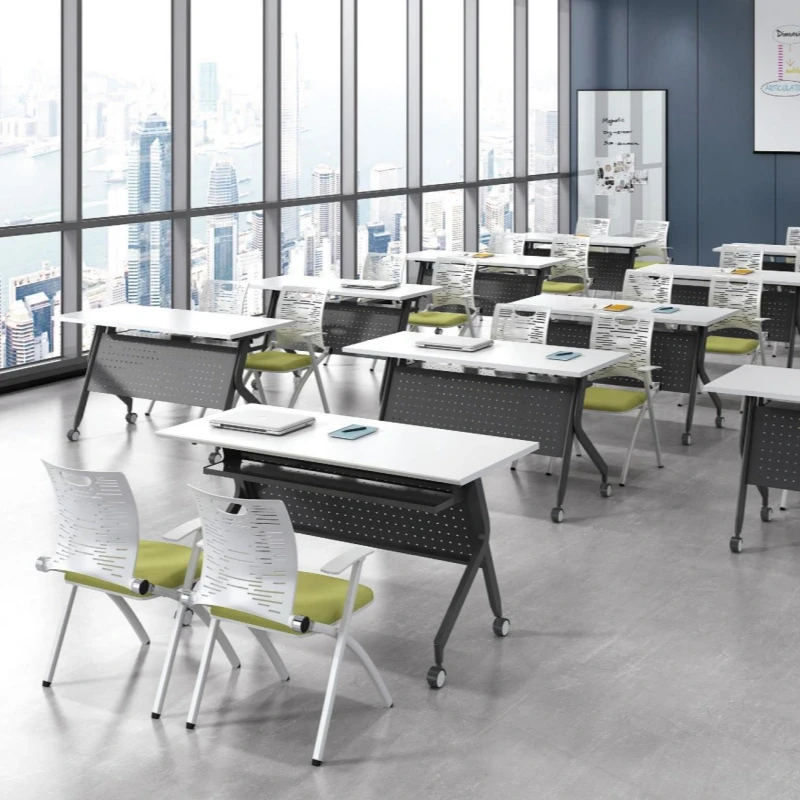
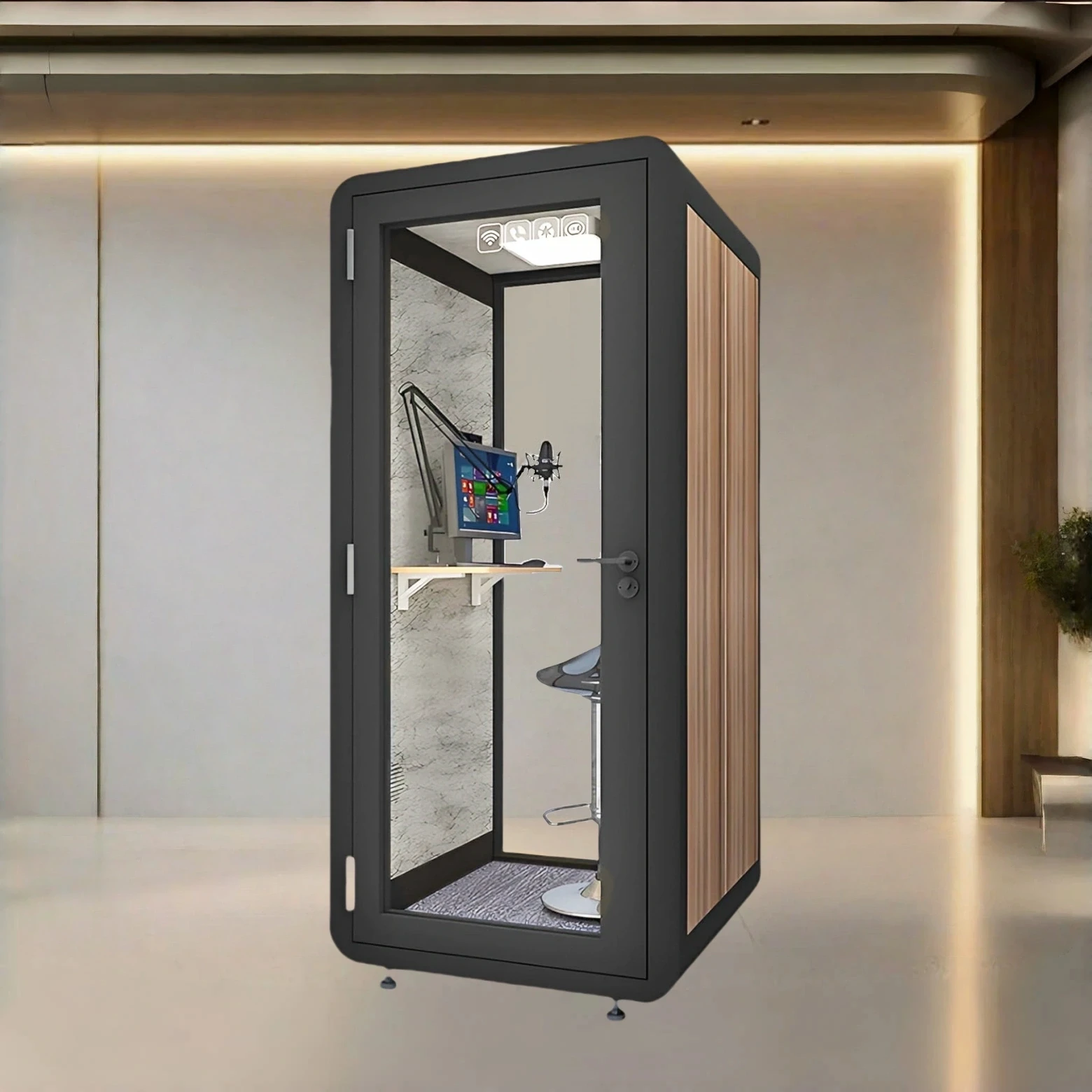
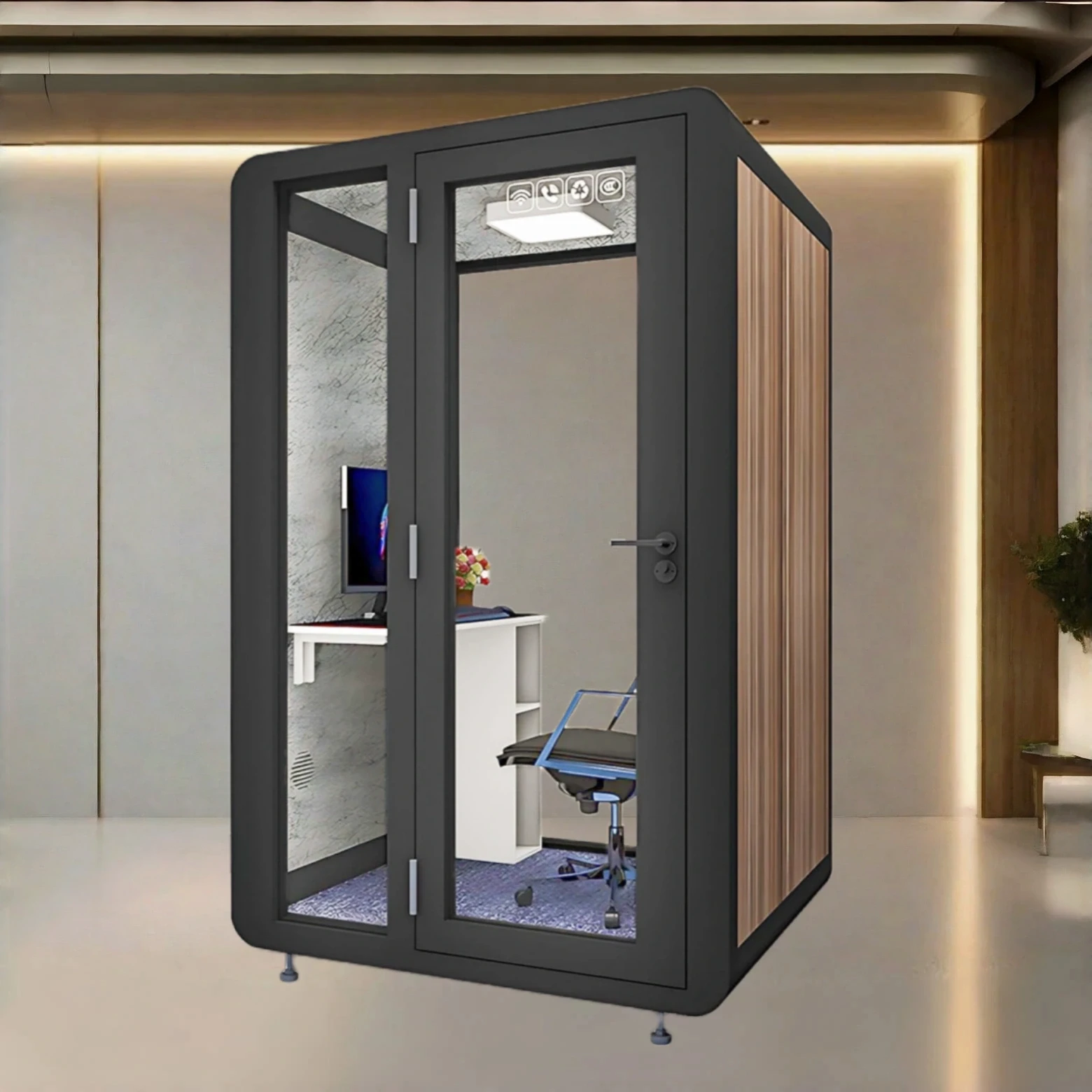
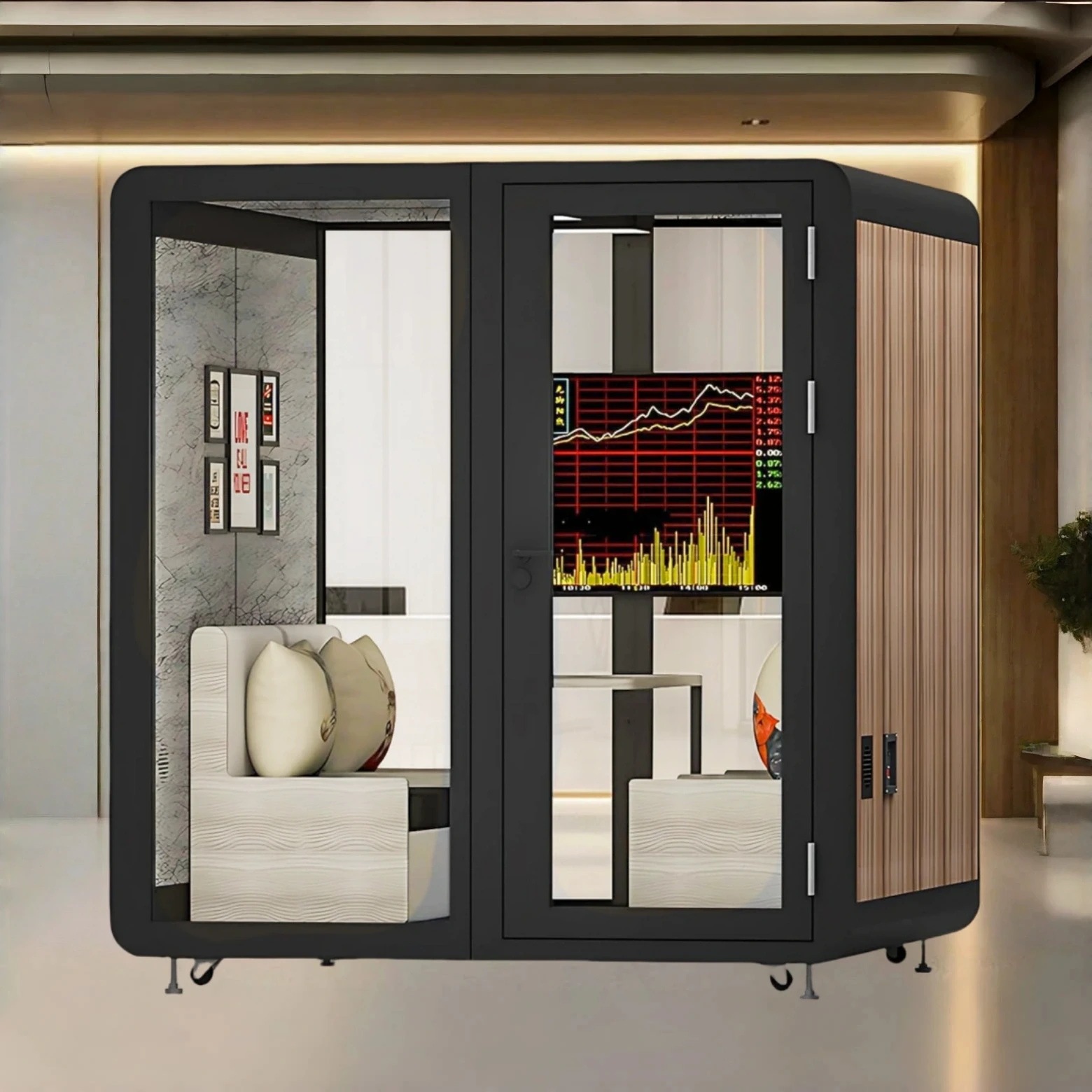
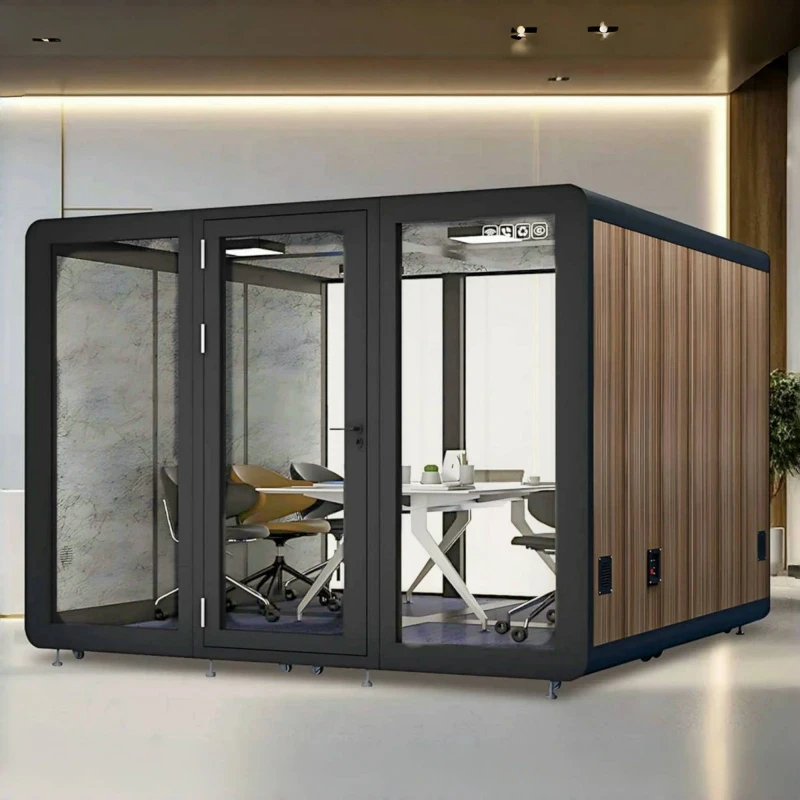
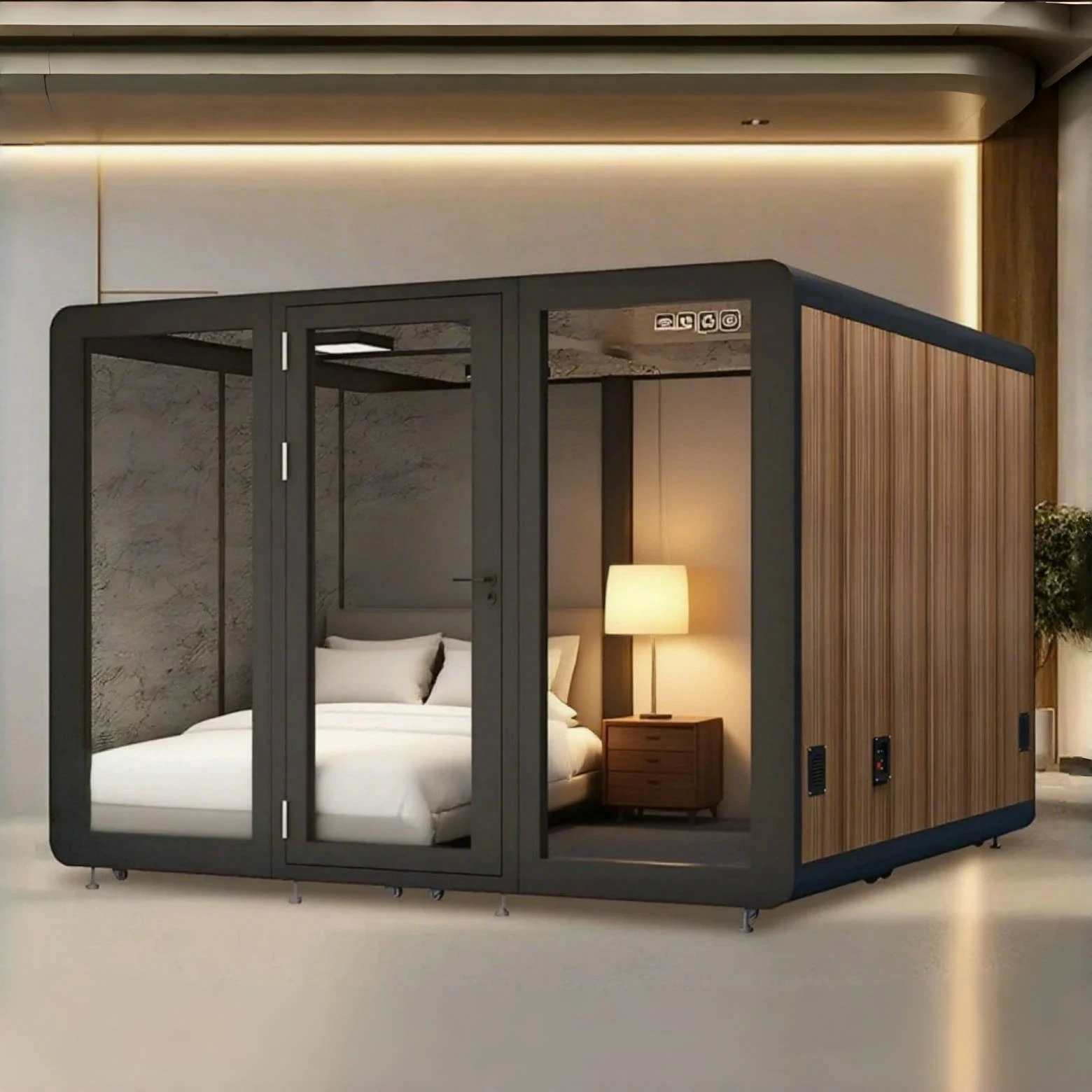


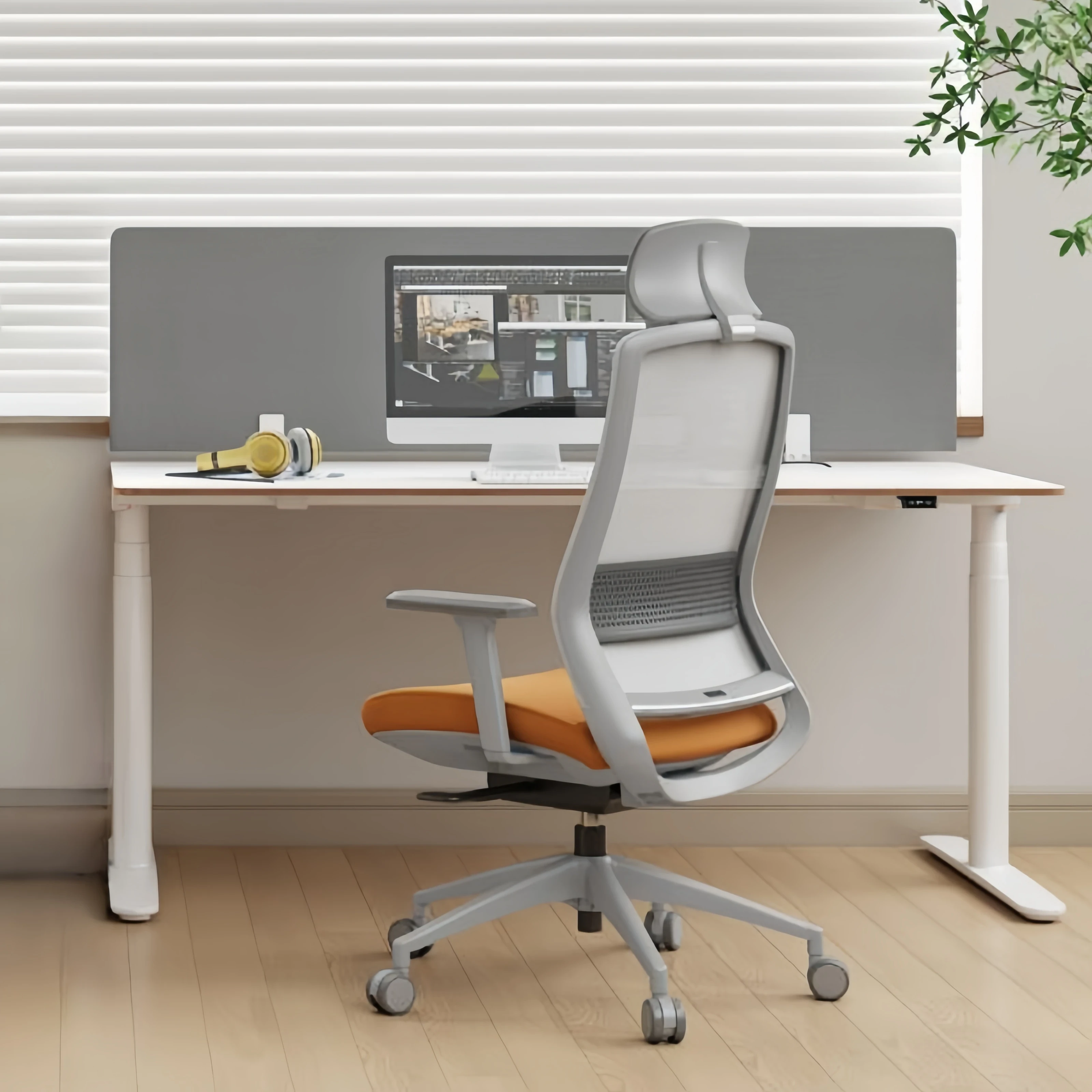


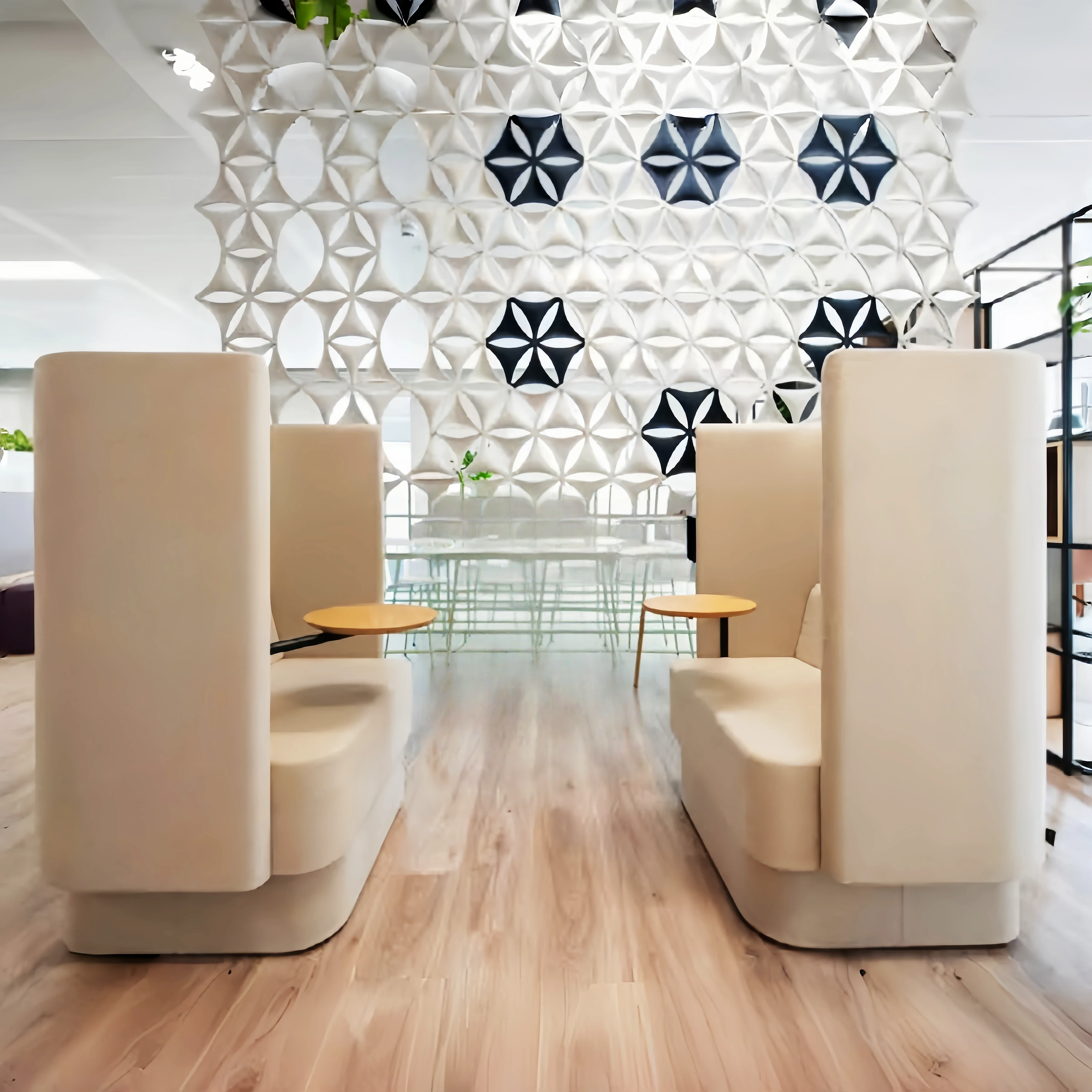

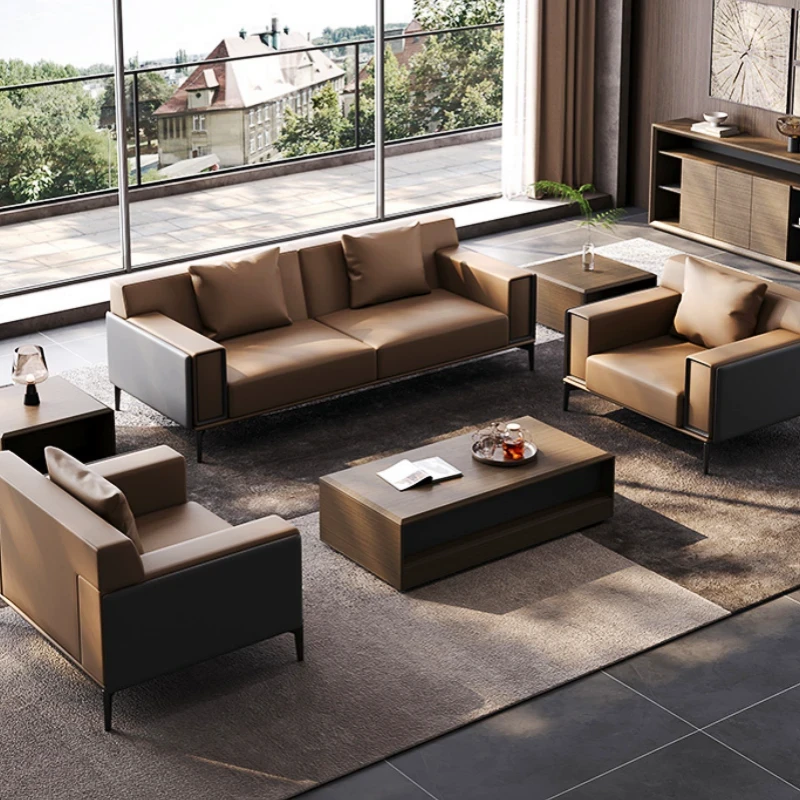
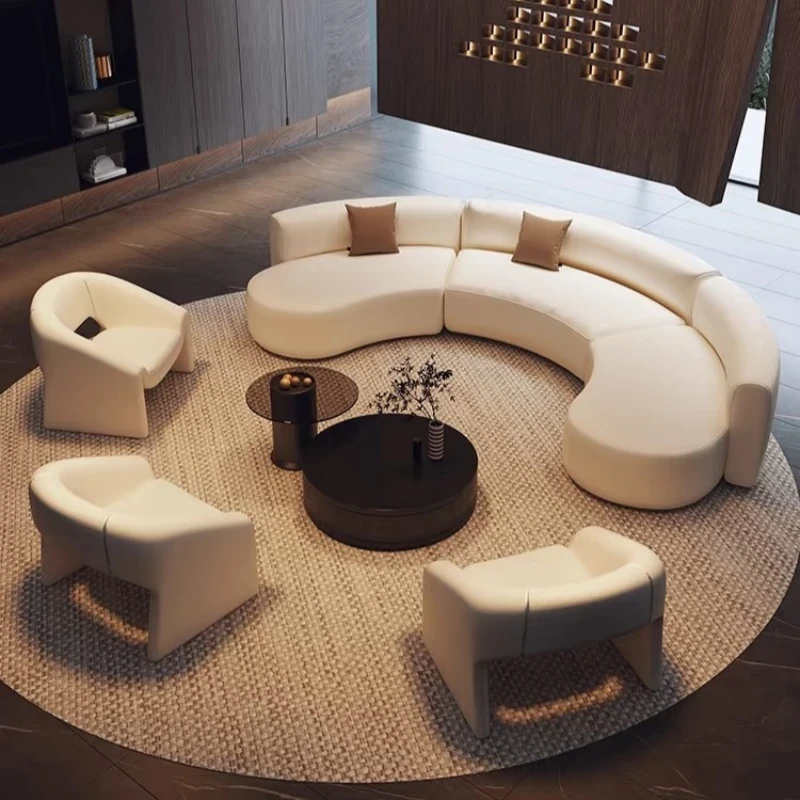
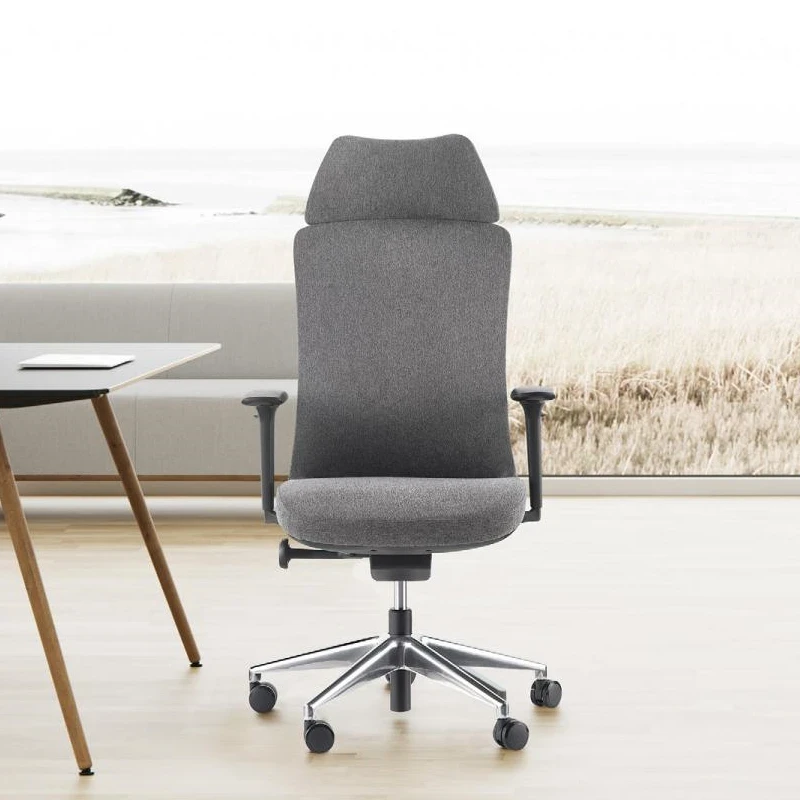


1. Definition of Aesthetics:
Aesthetic design lies in its visual appeal and harmony with the overall style. For hotels, aesthetically pleasing furniture can enhance guests' first impression and is an important part of the brand image.
2. Importance of Practicality:
Practicality involves the functionality, durability, and degree to which furniture meets user needs. Hotel furniture needs to be suitable for high-frequency use, easy to clean and maintain, and should maximize space efficiency.
II. Design Principles
1. Material Selection:
The selection of high-quality materials not only affects the aesthetics of furniture but also directly determines its durability. For example, using high-grade solid wood or metal materials enhances the visual effect and ensures durability. It is worth noting that environmental protection and fire safety requirements must also be considered when selecting materials.
2. Color and Style Coordination:
Different colors and styles can influence guests' emotions and experiences. Modern hotels typically adopt neutral tones and minimalist modern designs to cater to a wider range of guests' tastes and provide a visually comfortable and relaxing feeling. A unified and harmonious style makes the space appear more upscale and professional.
III. Combination of Design and Function
1. Modular Design:
Modular design makes furniture more multifunctional, while also facilitating movement and reconfiguration, effectively utilizing limited space. For example, designs such as folding sofa beds or expandable dining tables offer both a modern visual appeal and meet diverse guest needs in terms of practicality.
2. Integration of Smart Elements:
By embedding smart technologies, such as integrated charging sockets, adjustable lighting, and temperature control systems, furniture not only enhances practicality but also improves the guest experience. This design not only meets modern needs but also further enhances the visual sense of technology.
IV. Direct Impact on Guest Experience
1. Details Determine Success or Failure:
Paying attention to design details, such as the comfort of ergonomic chairs and the layout of wardrobe space, can significantly improve guest comfort and a sense of belonging. Detailed design directly impacts guest satisfaction in terms of practicality and comfort.
2. Feedback and Adjustment:
By analyzing guest feedback and continuously adjusting and optimizing furniture design, existing problems can be solved, and a new balance between aesthetics and practicality can be found. For example, regularly updating hotel furniture design to adapt to new trends and changing needs.
Conclusion:
Achieving both aesthetics and practicality in hotel furniture design is a continuous optimization process. By carefully selecting materials, paying attention to color and style coordination, and employing modular and intelligent design, we can create an exceptional environment that reflects the hotel's brand value while meeting guests' needs. By focusing on details and user experience, hotels can better enhance their market competitiveness and provide guests with unforgettable stays.