
 USD
USD GBP
GBP
 EUR
EUR
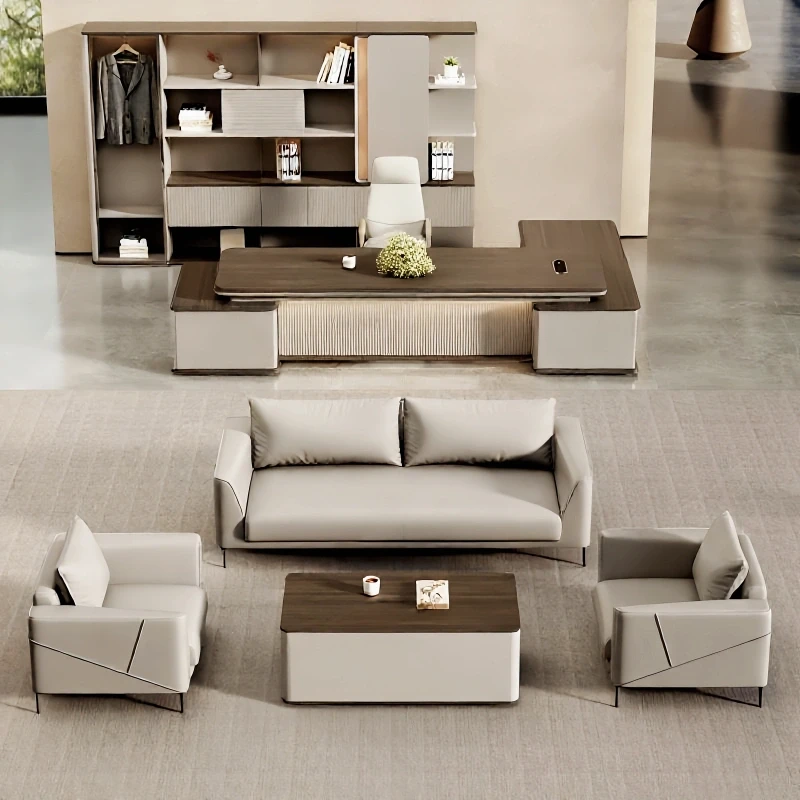
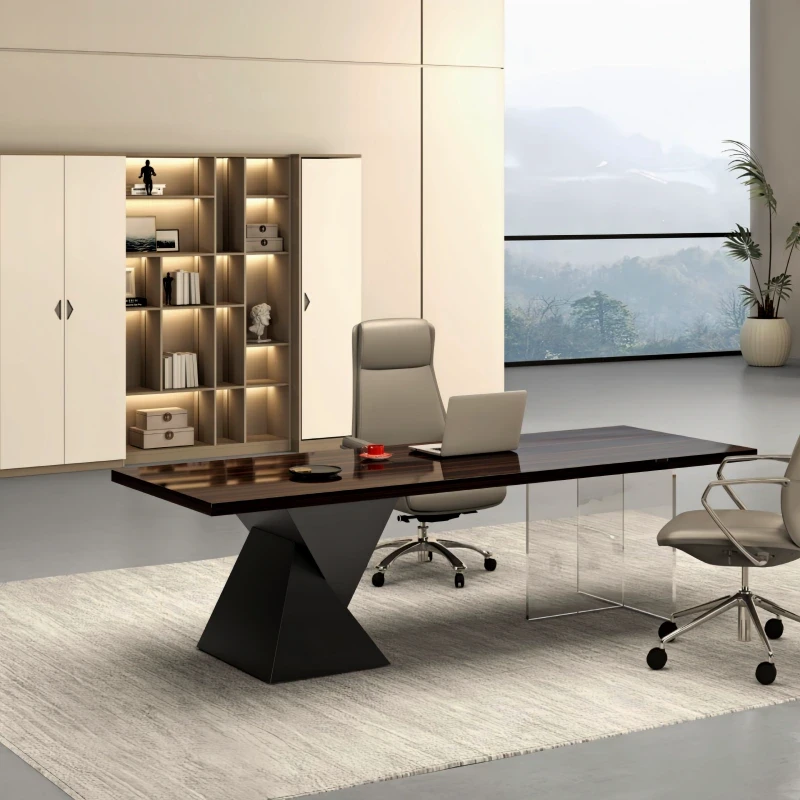


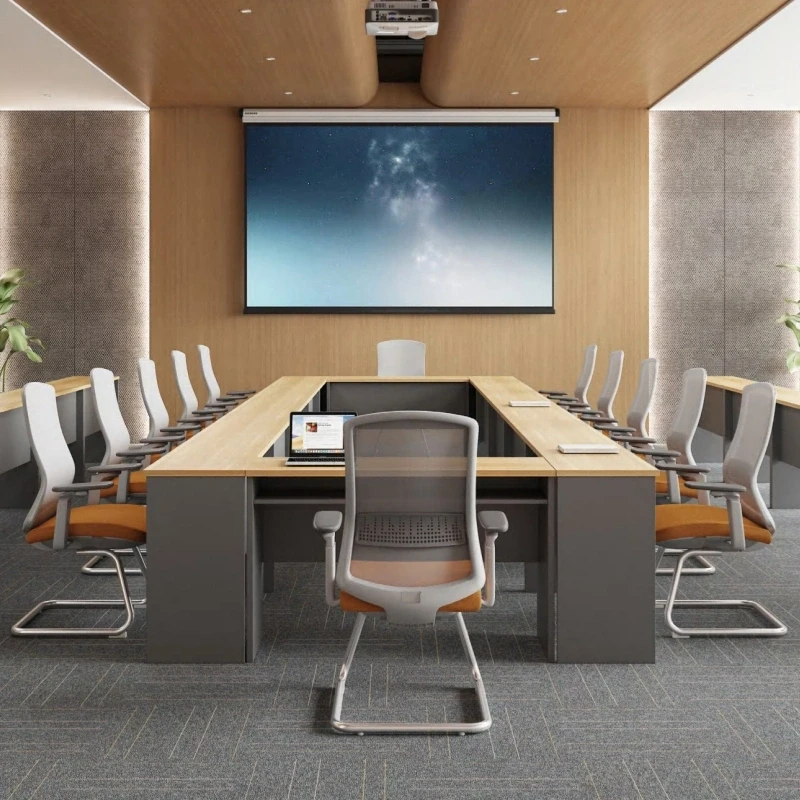
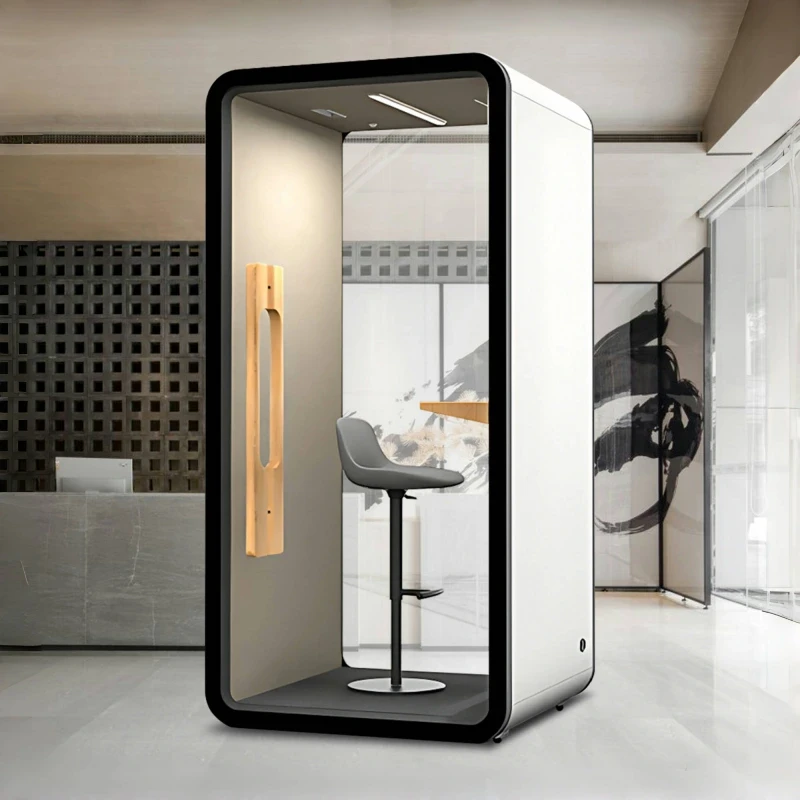
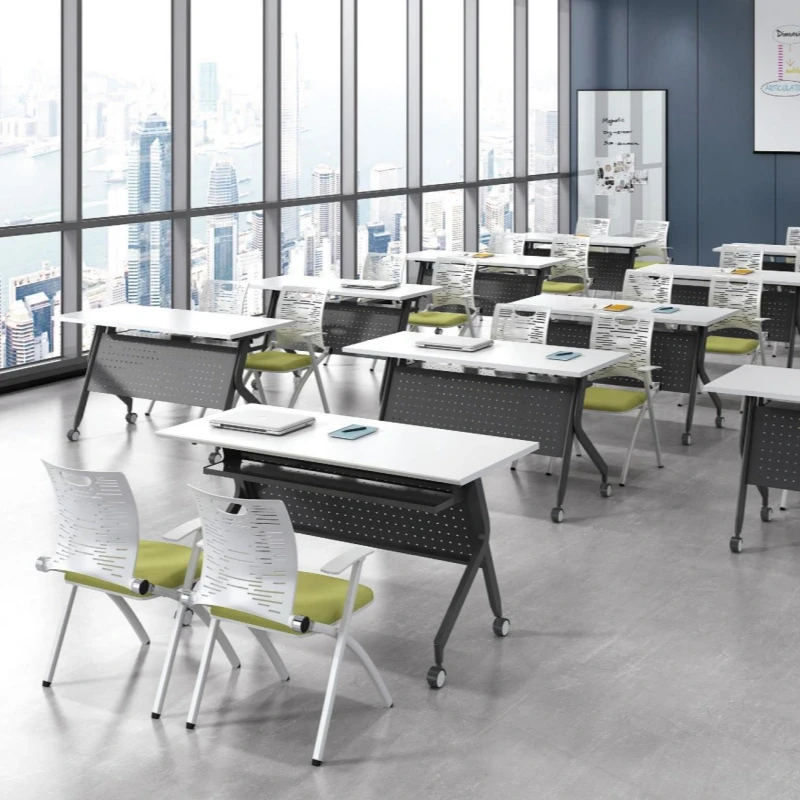
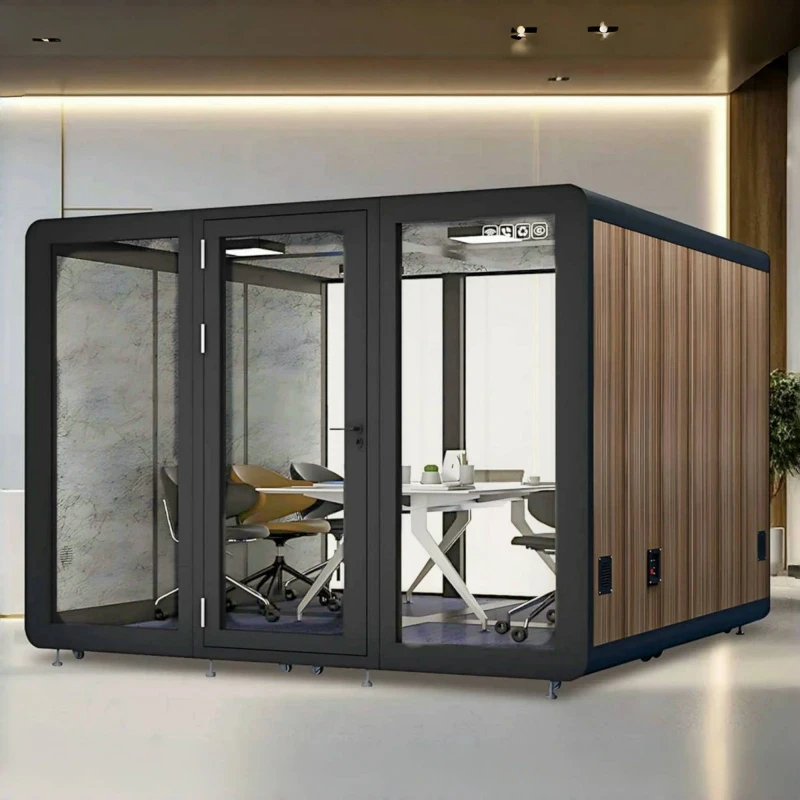




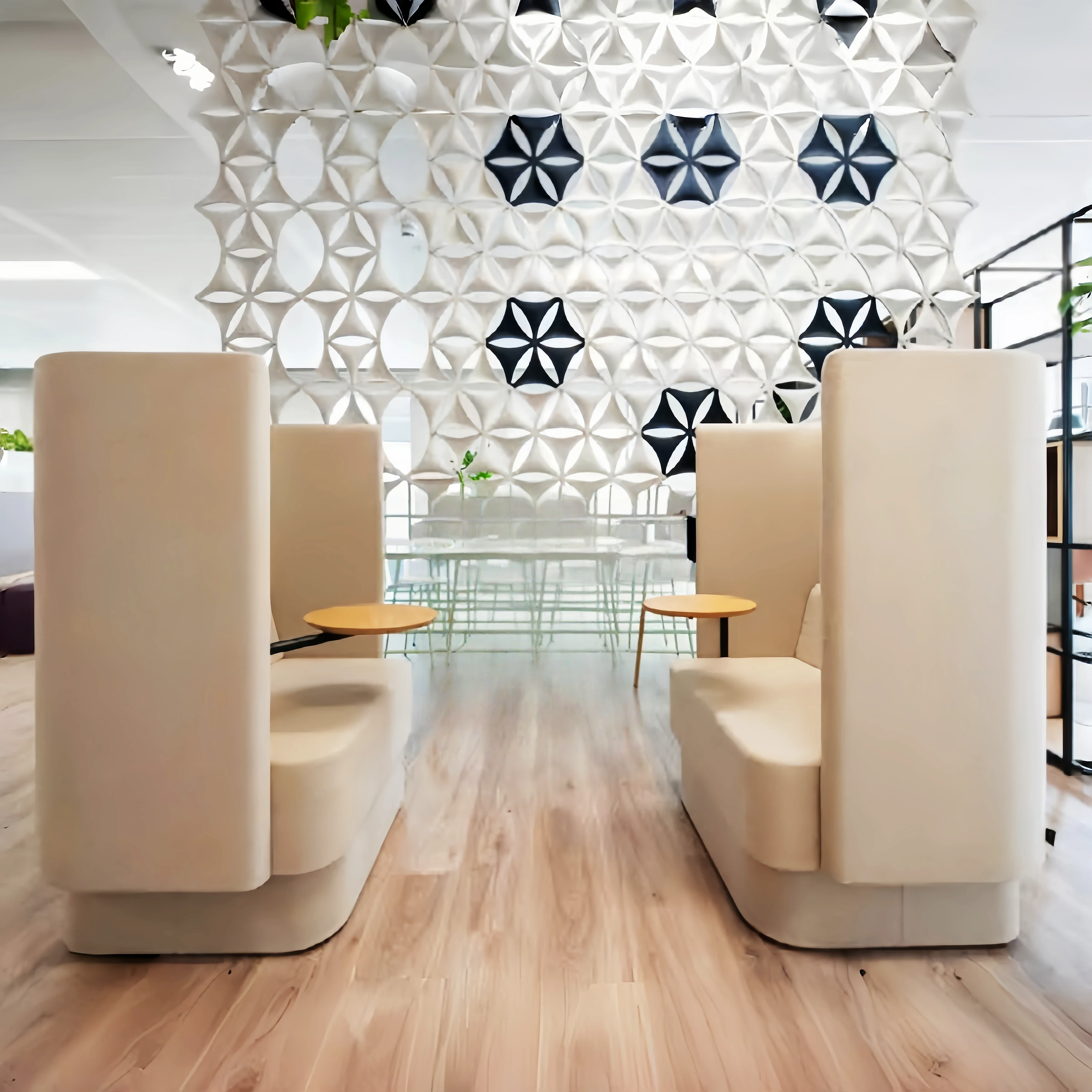

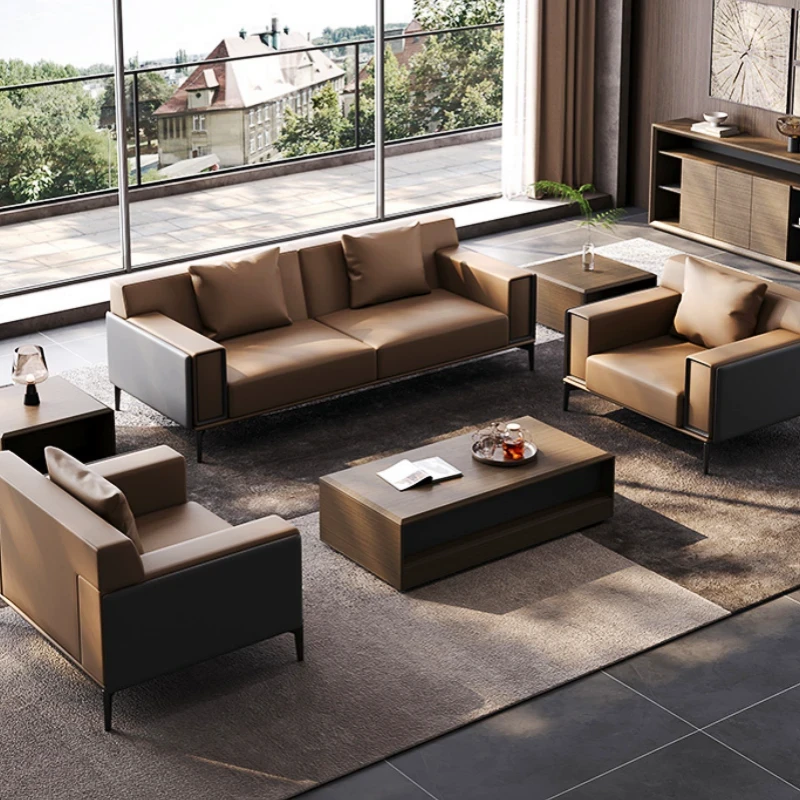
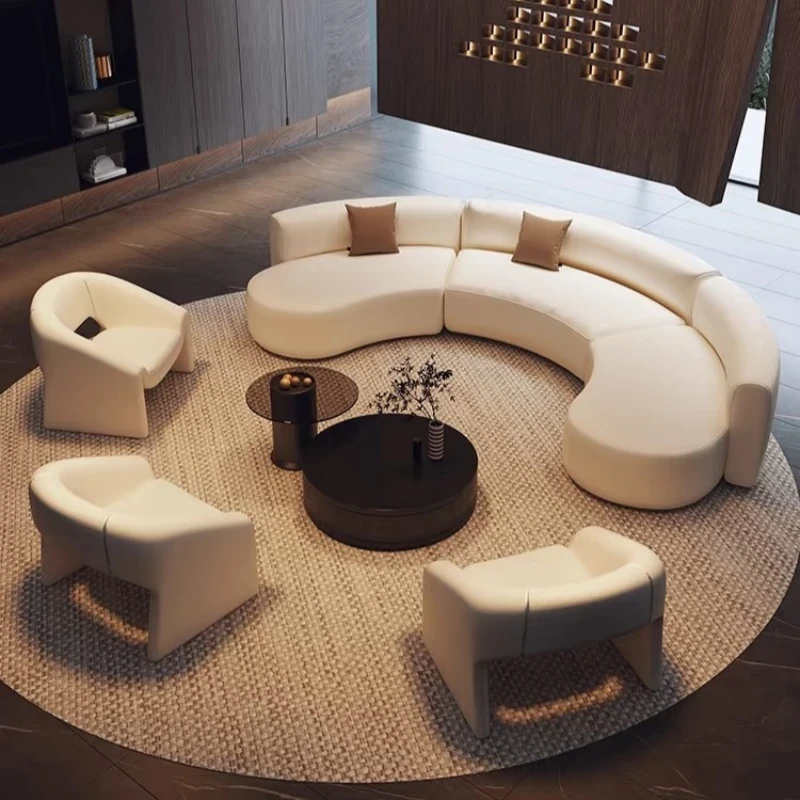


Before customizing a leader's desk, the layout of the office space where it will be placed should be clearly defined. Consider the size and shape of the room, the placement of other furniture, and ensure that the desk size is suitable for the overall space-neither too cramped nor too spacious. Furthermore, the flow of movement is crucial; it should ensure that the leader can move easily within the office, improving work efficiency.
2. Choose High-Quality Materials:
The choice of materials directly affects the desk's durability and visual appeal. Common materials include solid wood, composite boards, metal, and glass. While solid wood desks are more expensive, their natural grain and high-end texture effectively enhance aesthetics and the overall ambiance. For leaders seeking a modern style, a combination of materials such as metal and glass can be considered to enhance visual impact.
3. Ergonomic Design:
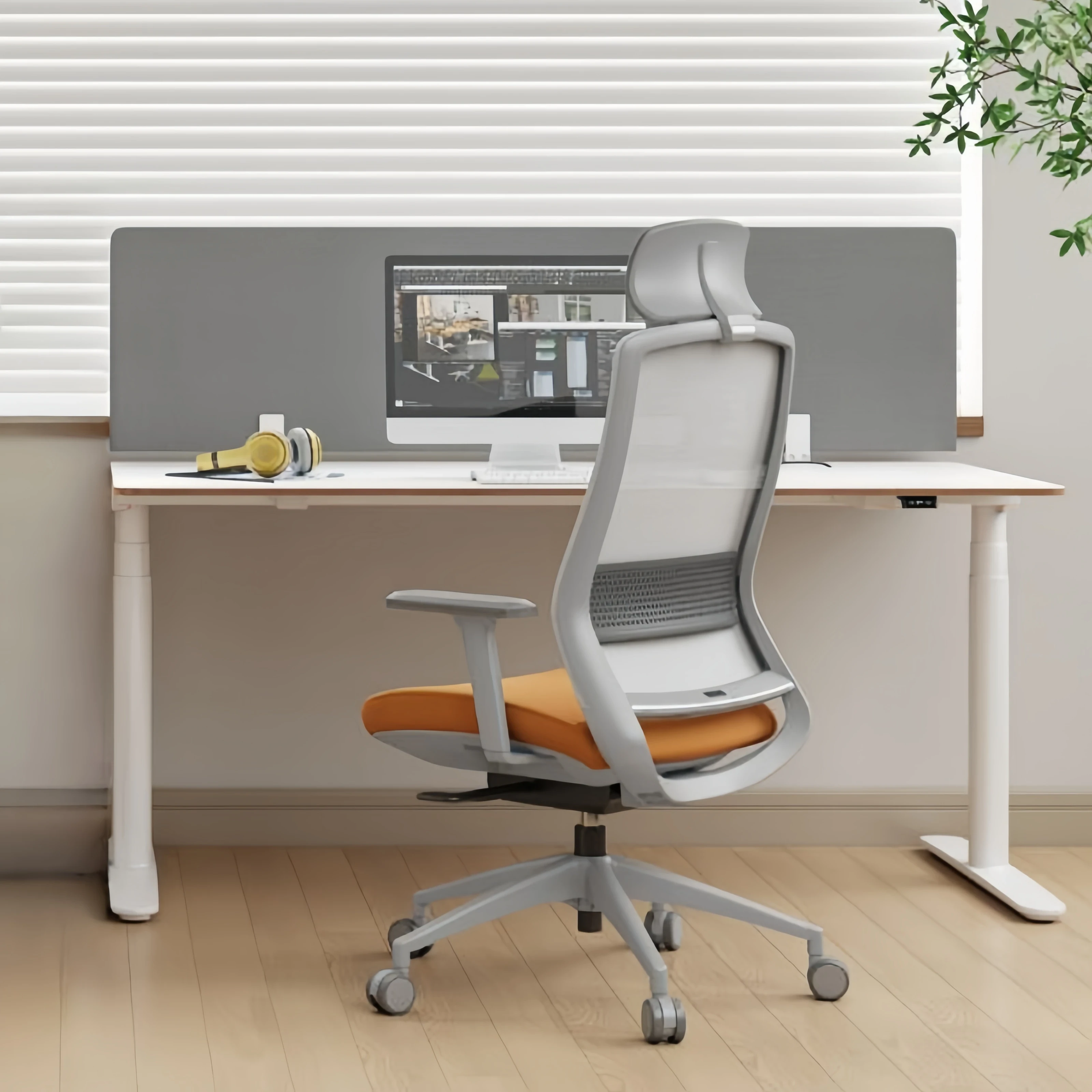
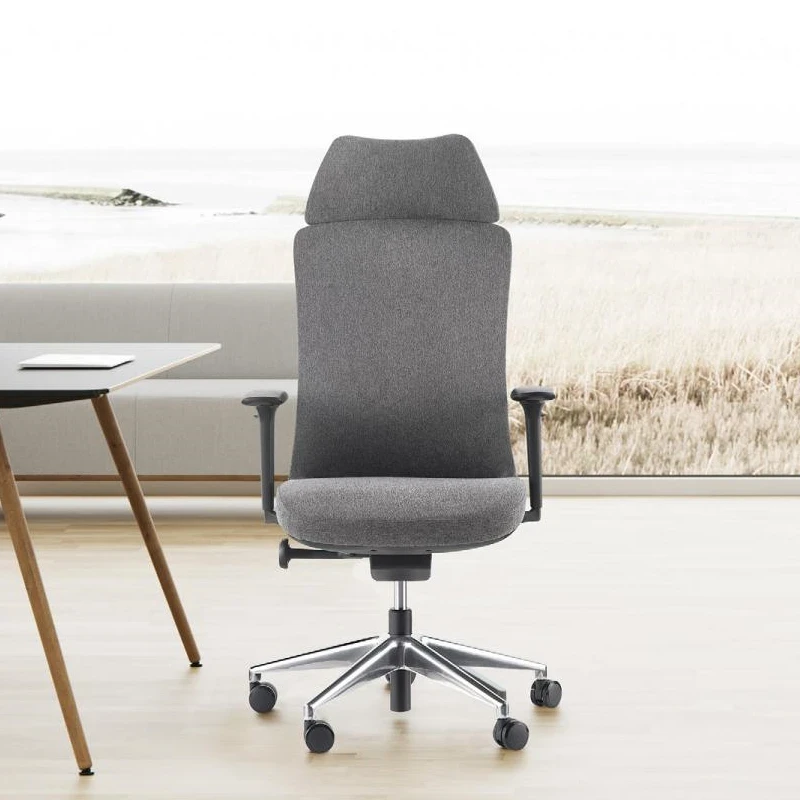
The design of a leader's desk needs to fully consider ergonomics, ensuring comfort and health benefits during extended use. The height of the desktop, the support of the chair, and the placement of the keyboard and monitor all need to be scientifically designed to reduce user fatigue. In addition, a well-designed storage system can help keep the desktop tidy and improve work efficiency.
4. Customized Functions:
Customize the desk's functionality according to the leader's work habits and needs. For example, add concealed power outlets for convenient use of various electronic devices; optimize drawer and filing cabinet layouts for more efficient document management; and design a dedicated extended desktop area for meetings and communication to meet the needs of small conferences. These functional designs enhance both ease of use and the desk's practical value.
5. Emphasize Color and Style Consistency
: In terms of aesthetics, the desk's color and design style should be consistent with the overall office style. Classic dark colors can convey a sense of stability, while simple light colors can create a modern feel. A unified overall style helps enhance the office's professional image and also makes the leader feel more at home and confident working in such an environment.
6. Brand and Craftsmanship:
Choosing a reputable brand and high-quality craftsmanship ensures a high-quality desk. Excellent craftsmanship not only results in more refined details but also guarantees the desk's long-term durability and stability. Understanding the manufacturer's craftsmanship level and reviewing past customer feedback and case studies helps in making better purchasing decisions.
Conclusion:
When customizing a leader's desk, functionality and aesthetics are two inseparable aspects. By employing a well-planned spatial layout, selecting high-quality materials, ergonomic design, functional customization, and a strong grasp of overall style, a practical and visually appealing office environment can be created. This not only improves work efficiency but also enhances the display of corporate culture, reflecting the professionalism and taste of leaders. By focusing on these key factors, companies can create an ideal office space for their leaders.