
 USD
USD GBP
GBP
 EUR
EUR





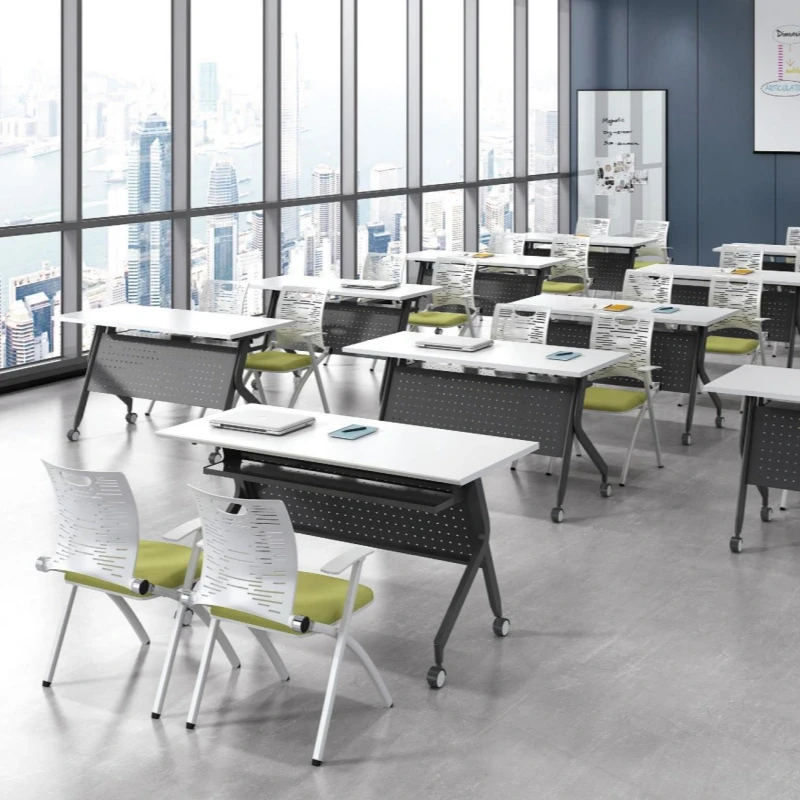












Selecting a supplier with a good reputation and rich experience is the first step in ensuring the quality of desks and chairs. Schools should conduct thorough background checks on suppliers before purchasing, including reviewing past customer reviews, success stories, and certifications. A reputable supplier is usually more willing to provide products that meet quality and environmental standards.
2. Define clear standards and requirements.
Before purchasing, schools should establish clear product quality and environmental standards. For example, the materials used for desks and chairs should comply with national environmental regulations, avoiding the use of materials containing harmful chemicals. In addition, schools should require suppliers to provide relevant quality certifications and test reports to prove that the products meet all established standards and requirements.
3. Implement rigorous product testing.
Before product delivery, schools should conduct rigorous quality testing. This can be done by commissioning a third-party testing agency to ensure that the desks and chairs meet established standards in terms of materials, structural stability, and ergonomic design. Furthermore, the testing should include a review of environmental indicators to prevent potential threats to student health from harmful substances.
4. Configure sample testing.
Schools can request samples from suppliers for trial use, allowing teachers and students to experience the comfort and functionality of the products firsthand. This approach not only allows for a direct understanding of the effectiveness of the desks and chairs but also enables the provision of adjustment suggestions based on actual usage, ensuring that the final mass-produced products better meet usage requirements.
5. Long-term monitoring and feedback mechanism:
After procurement, schools should establish a long-term monitoring and feedback mechanism to regularly evaluate the usage of the desks and chairs. Students and teachers can provide feedback on the comfort, durability, and any problems encountered. The school can then use this feedback for timely maintenance and adjustments, and even as an important basis for improvement in future procurements.
6. Emphasis on sustainable development:
While ensuring quality and environmental protection, schools should also consider the sustainability of desks and chairs. Choosing products manufactured using renewable resources and environmentally friendly processes not only aligns with current environmental trends but also demonstrates the school's commitment to social responsibility.
Conclusion:
When customizing classroom desks and chairs, schools need to consider multiple aspects, including supplier selection, clear standards, product testing, sample trials, and long-term feedback, to ensure product quality and environmental standards. This not only guarantees student health and safety but also helps create a more comfortable and efficient learning environment. Through strict control and proactive monitoring, schools can procure high-quality desks and chairs that meet both usage needs and environmental requirements.