
 USD
USD GBP
GBP
 EUR
EUR
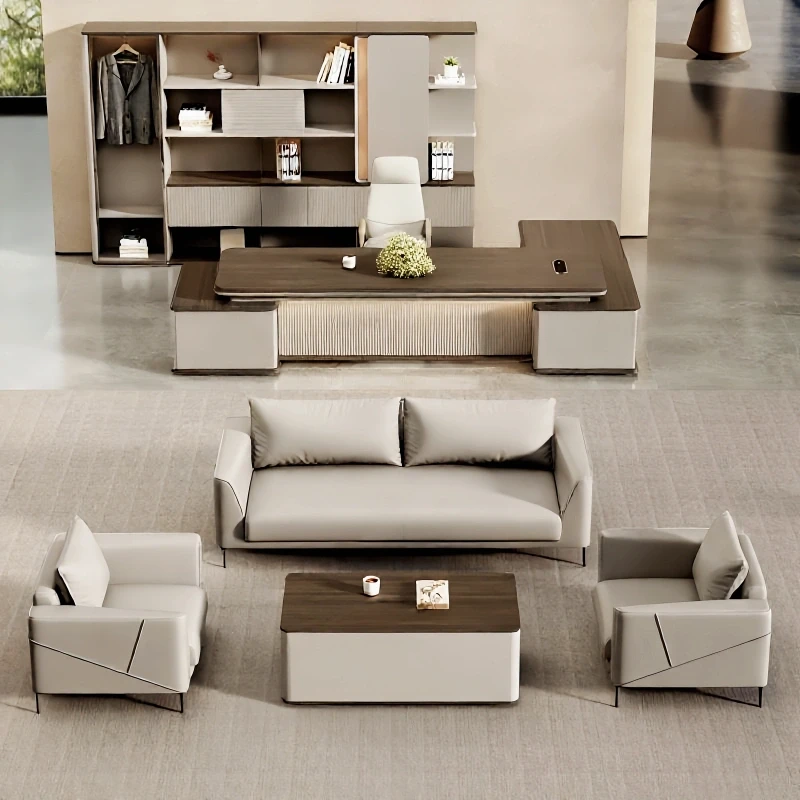
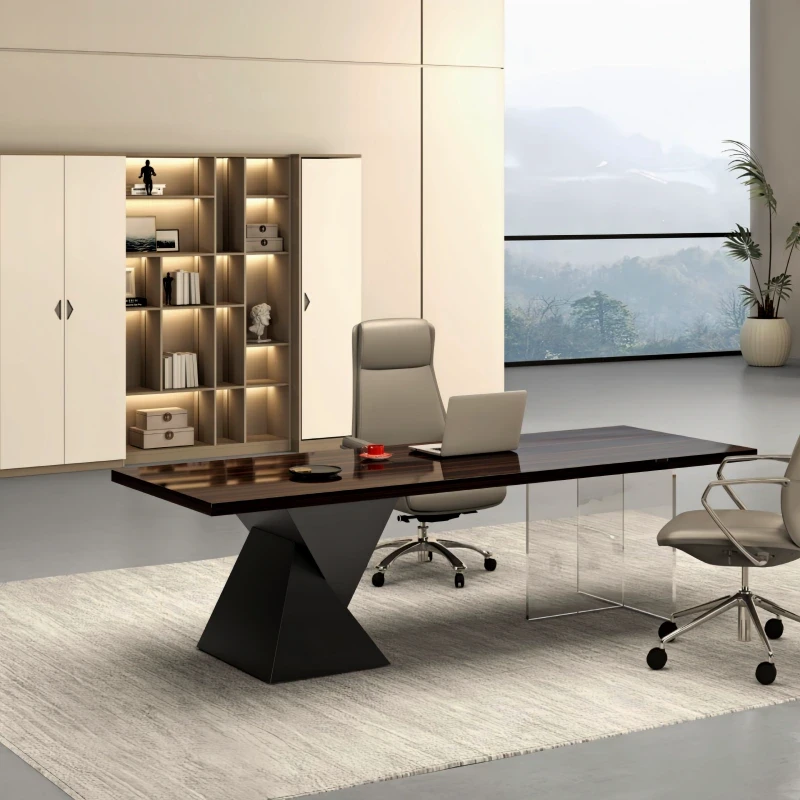


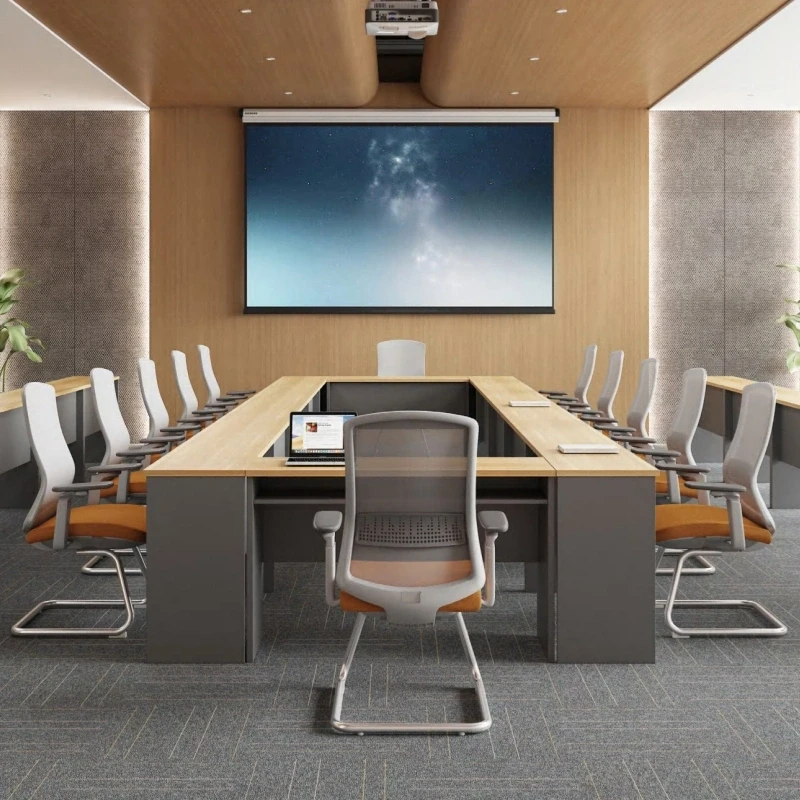
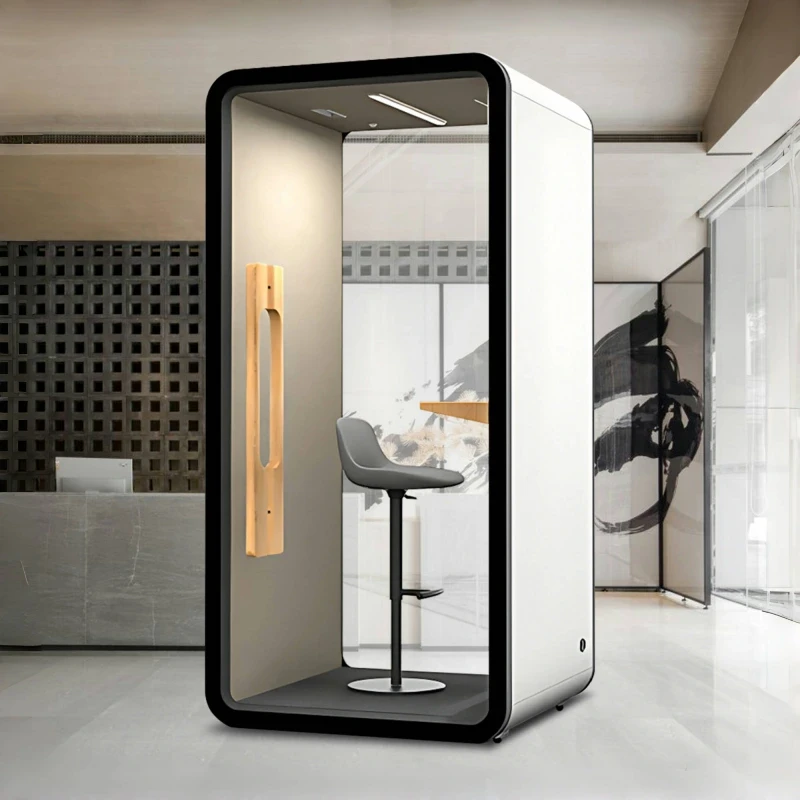
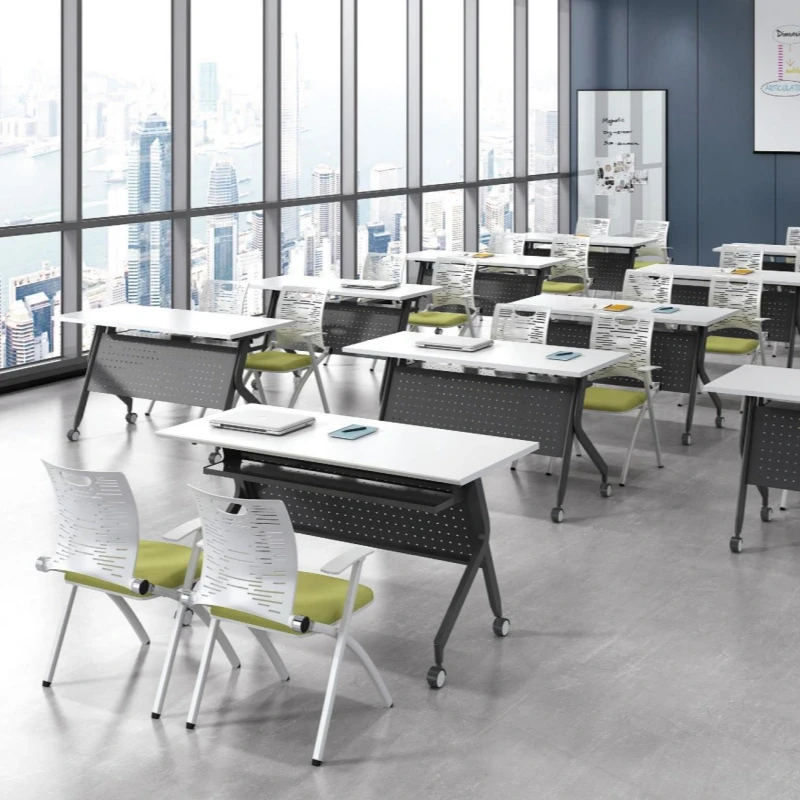
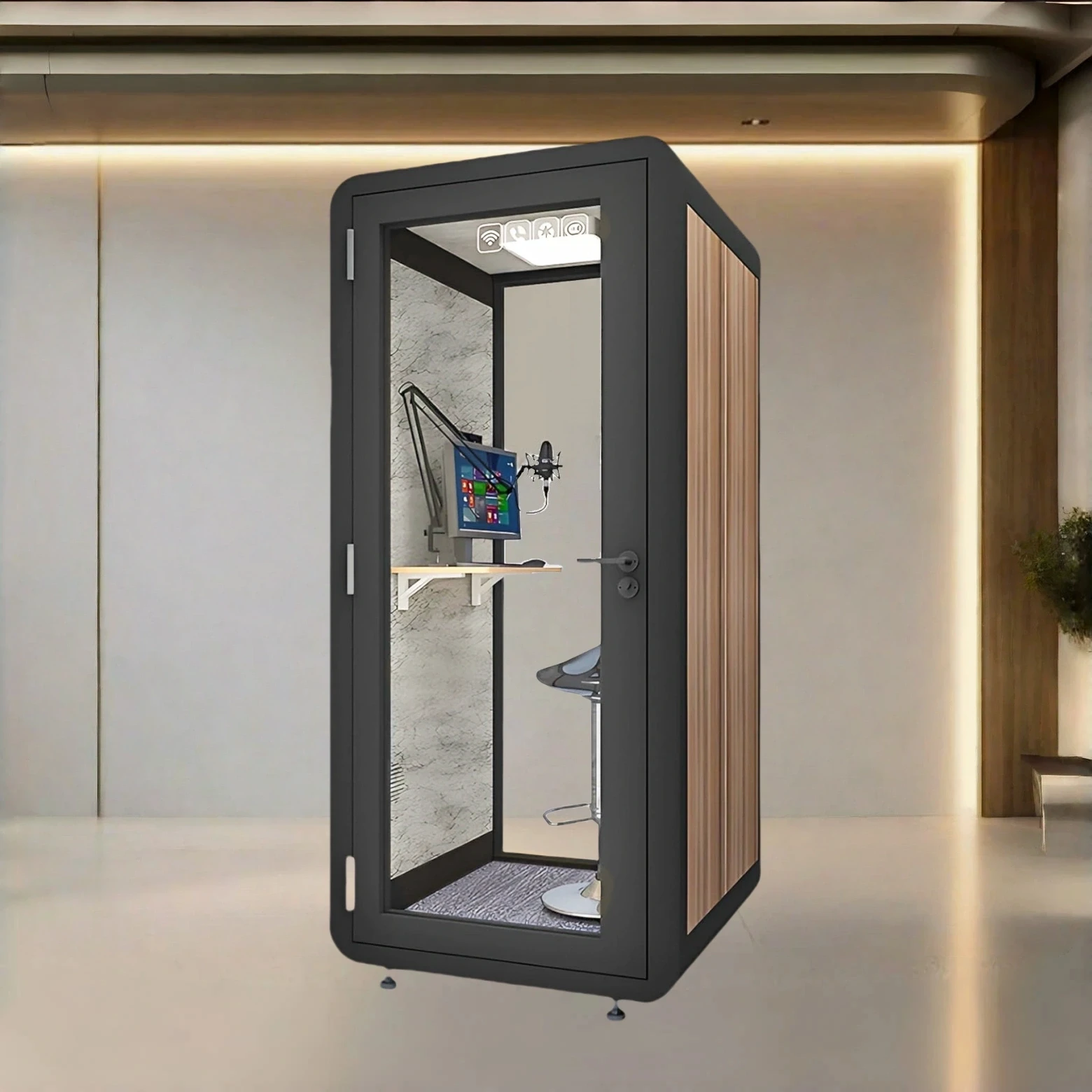
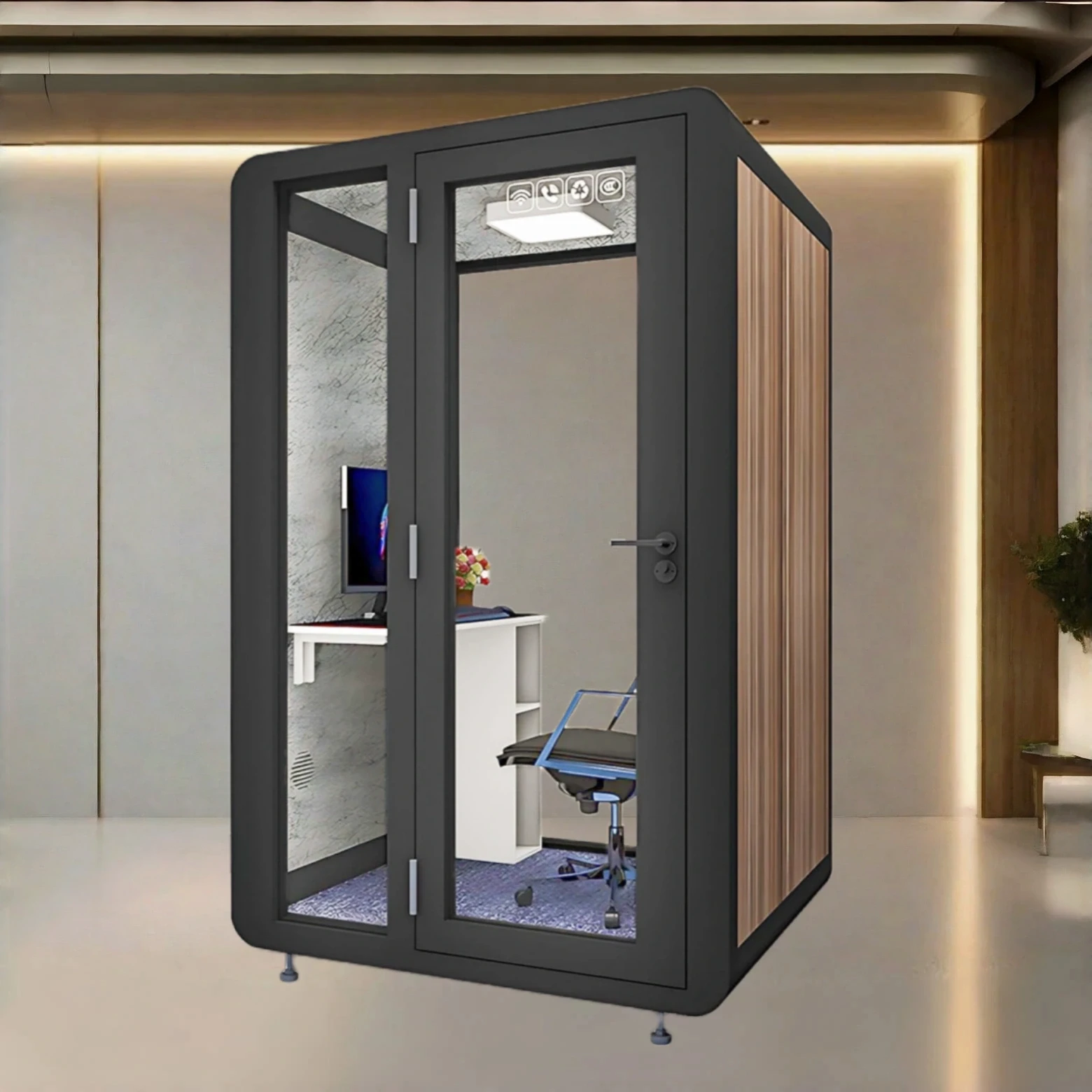
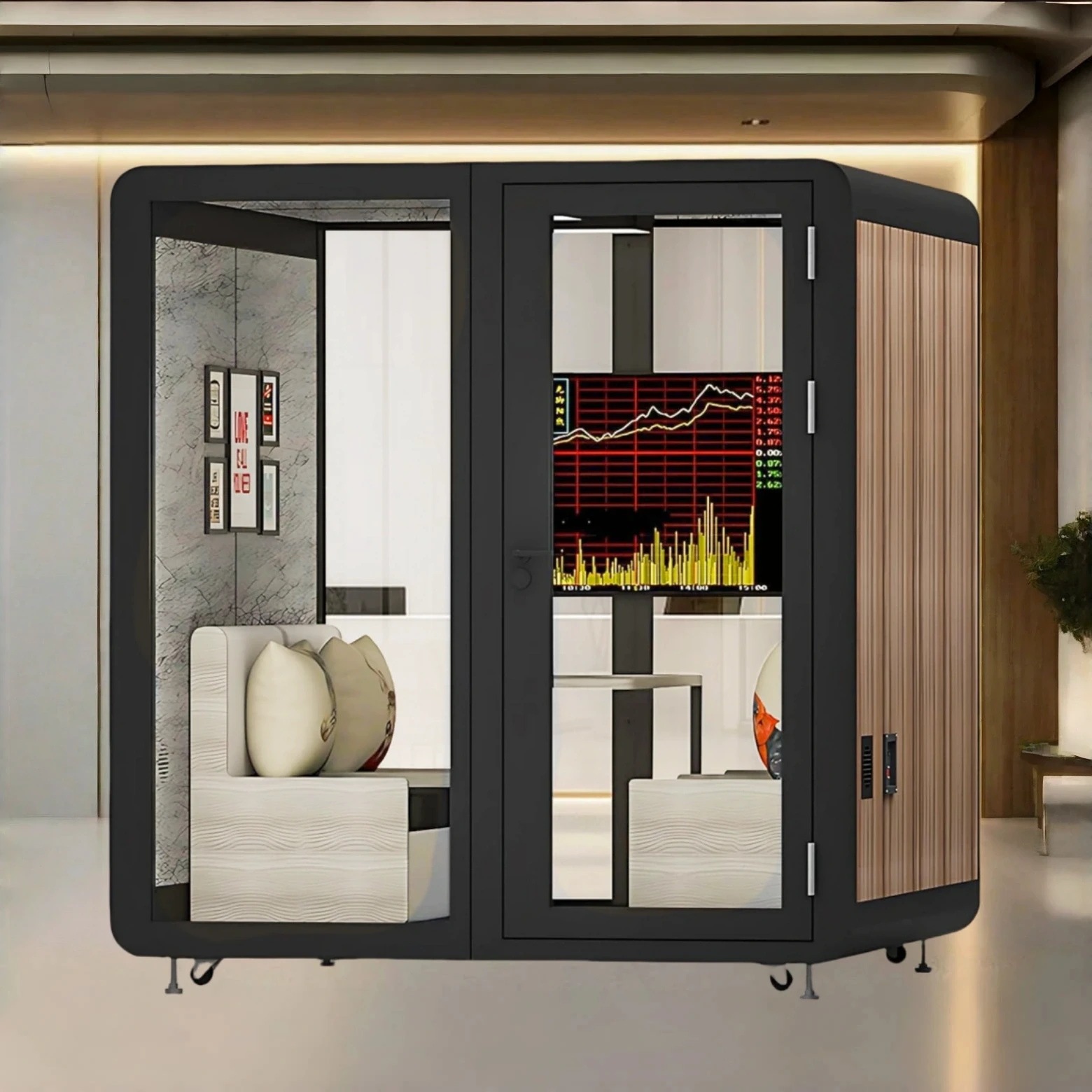
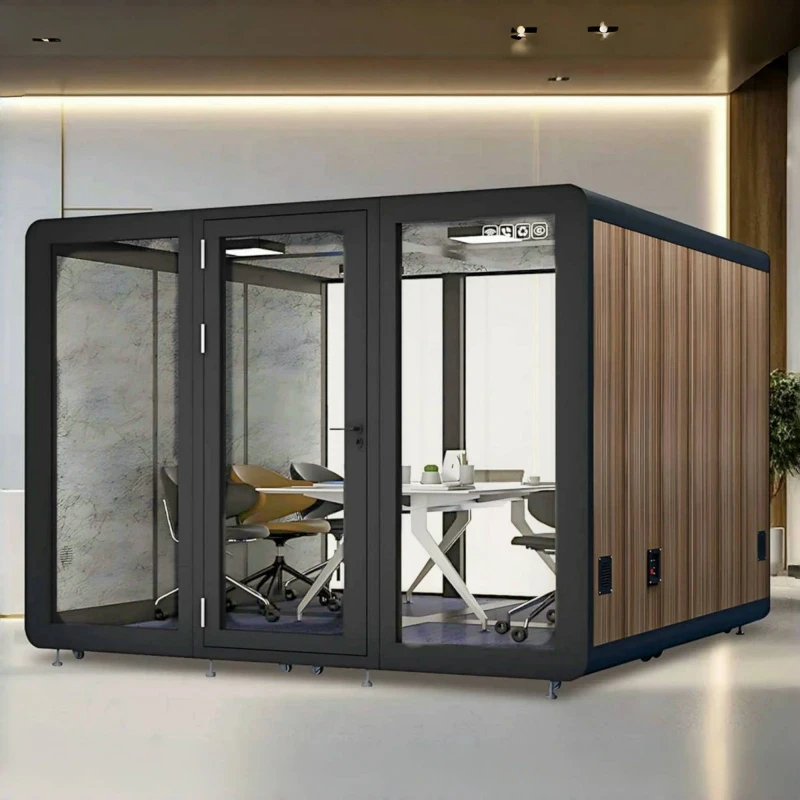
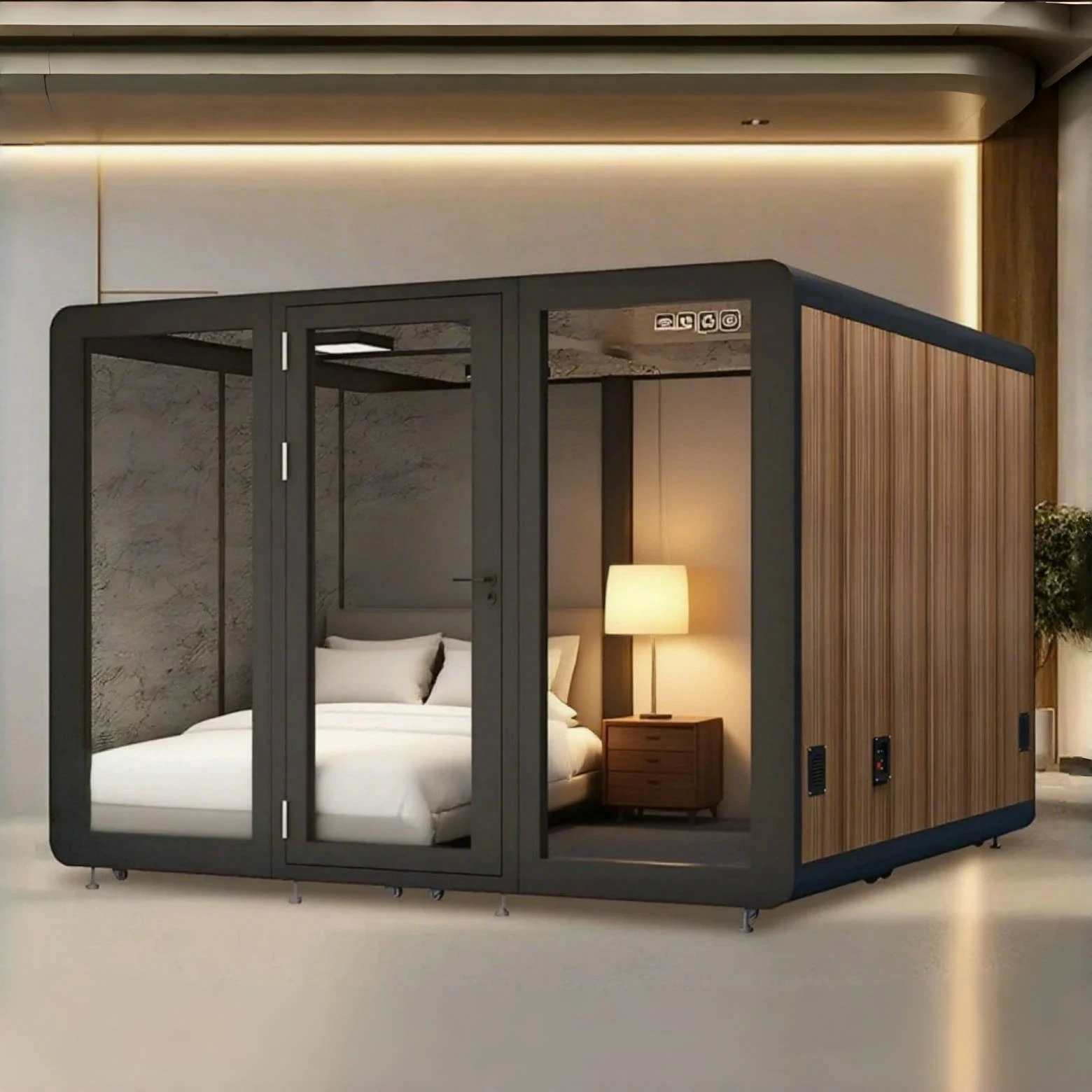


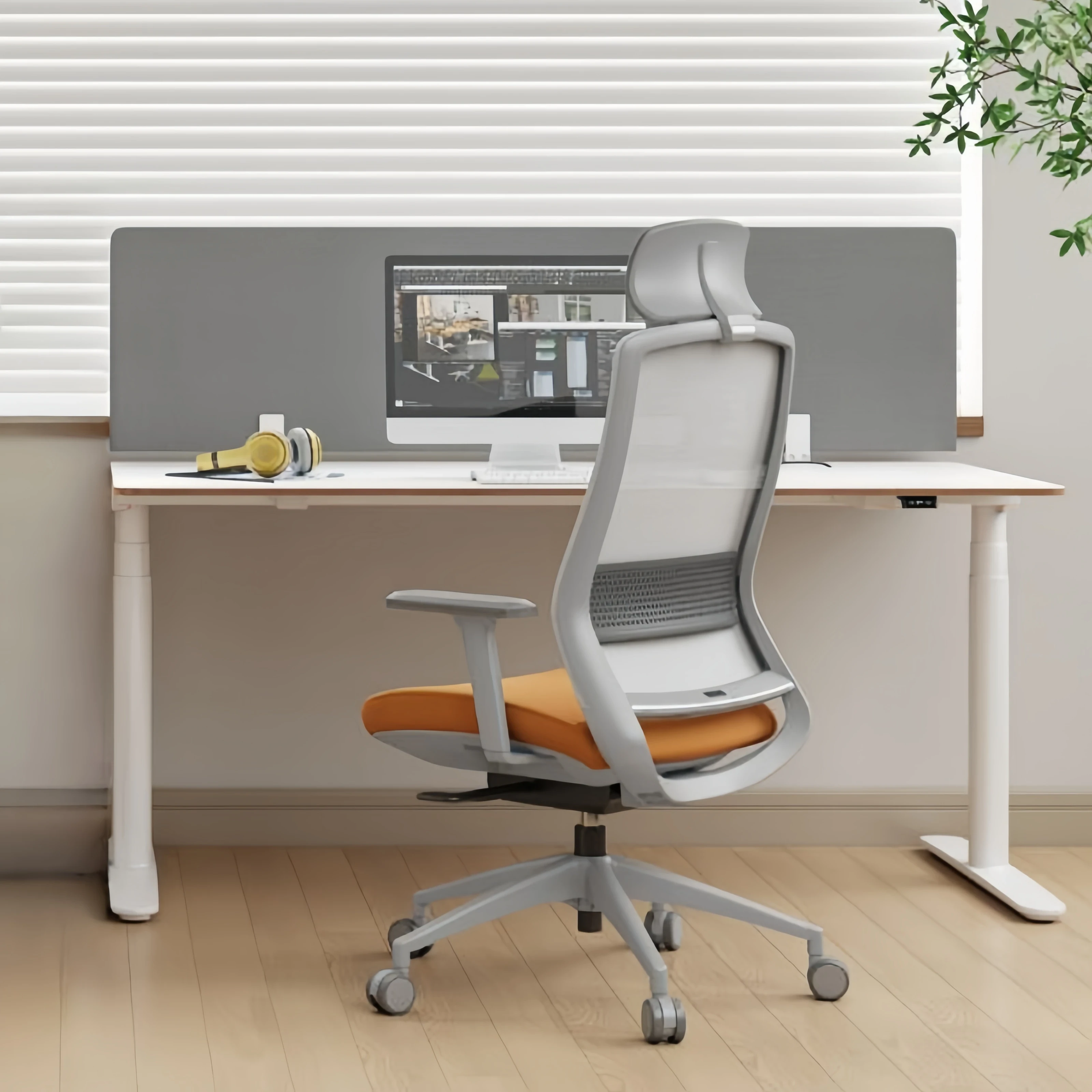


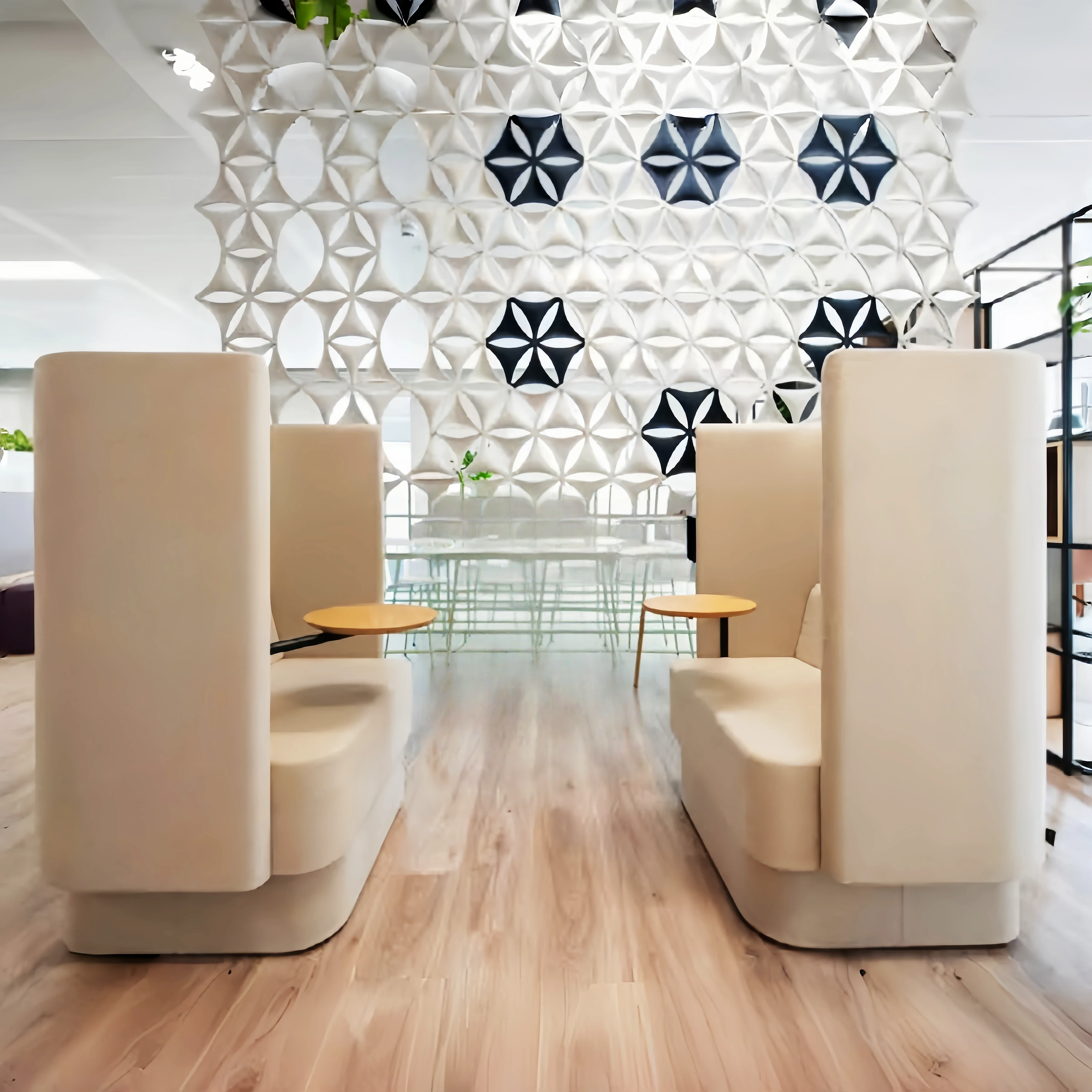

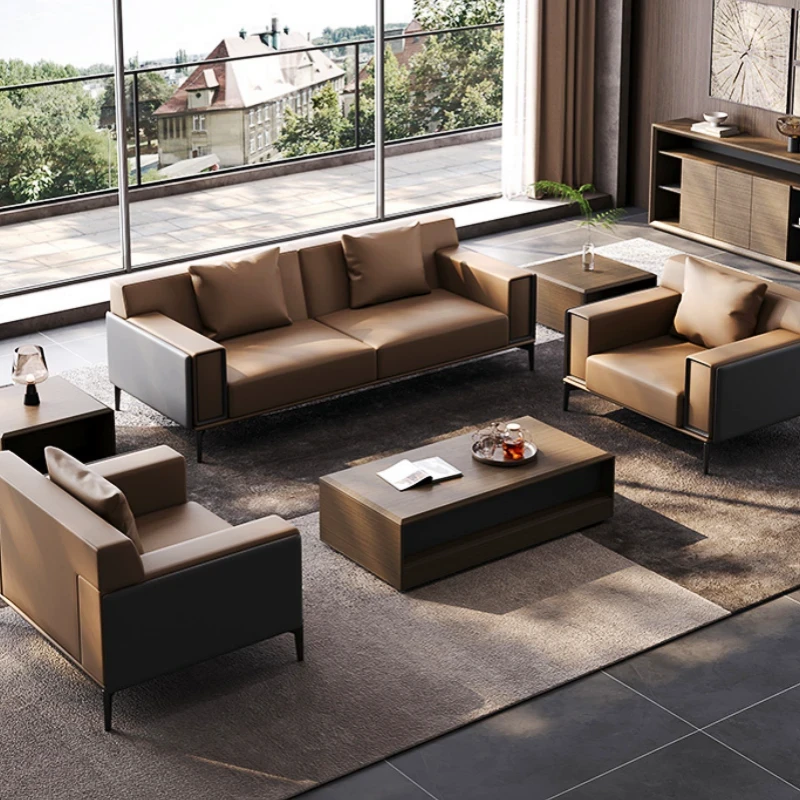
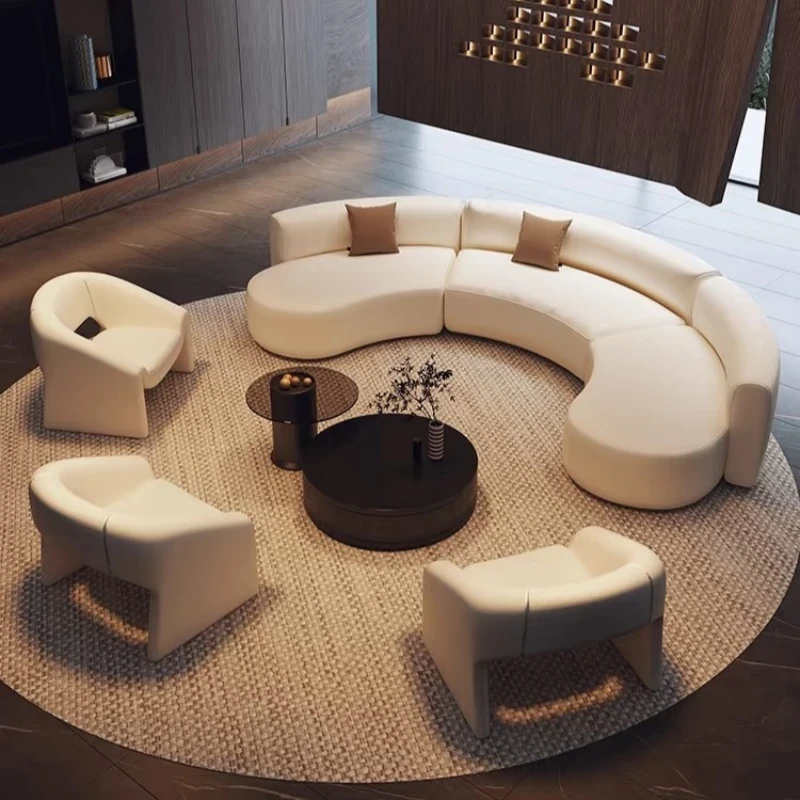
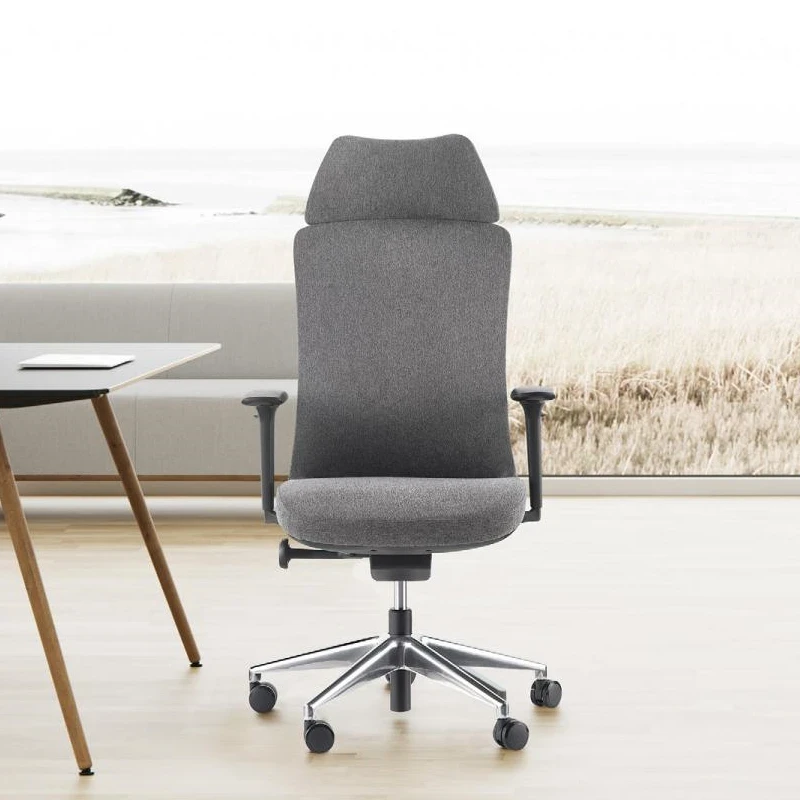


: Before designing, it's crucial to define the company's culture and brand image. This can be achieved through collaboration with the company's design department or brand team. Understand the company's core values, target customers, and market positioning, and integrate these elements into the restaurant space design. For example, a tech company might prefer a modern, minimalist style, while a traditional company might favor a classic and elegant design.
2. Analyze Employee Needs:
Employees are the primary users of the restaurant, and their needs are a key factor in determining the design direction. Collect employee expectations and feedback through questionnaires, focus groups, or one-on-one interviews. Understand their pain points and expectations regarding restaurant use, including seating comfort, privacy, and ambiance, and incorporate these into the furniture design.
3. Integrate Function and Aesthetics:
When designing company restaurant furniture, the corporate image should be combined with employee needs, achieving harmony through the integration of function and aesthetics. For example, furniture with the company's signature colors can be chosen while ensuring ergonomic design to improve employee dining comfort. Modular furniture or adjustable seating can also enhance the flexibility and practicality of the space.
4. Utilize professional design services
: Find professional companies or designers with experience in corporate restaurant design. They can provide targeted advice and design solutions. Excellent designers can help identify potential problems and subtly integrate corporate culture elements into the furniture design. Furthermore, they can provide practical spatial layout suggestions, making the restaurant not only aesthetically pleasing but also effectively utilizing space.
5. Choose appropriate materials and processes :
To maintain the durability and aesthetics of restaurant furniture, choosing suitable materials and manufacturing processes is crucial. Materials should meet the company's environmental standards and possess characteristics such as easy cleaning and wear resistance. Simultaneously, the choice of processes should ensure that the furniture maintains its design effect during long-term use.
6. Establish a feedback and adjustment mechanism:
After the restaurant furniture is put into use, establishing a continuous feedback mechanism is essential. Regularly collect employee feedback on the restaurant furniture's usage experience and make adjustments based on the actual situation. For example, add comfort accessories or adjust the layout to better adapt to changing employee needs.
Conclusion:
In the process of customizing corporate restaurant furniture, successful design requires finding a balance between the corporate image and employee needs. Through in-depth needs analysis, professional design services, and continuous user feedback, companies can provide employees with a dining environment that reflects the company's style while being comfortable and practical, thereby improving employee satisfaction and strengthening corporate culture.