
 USD
USD GBP
GBP
 EUR
EUR
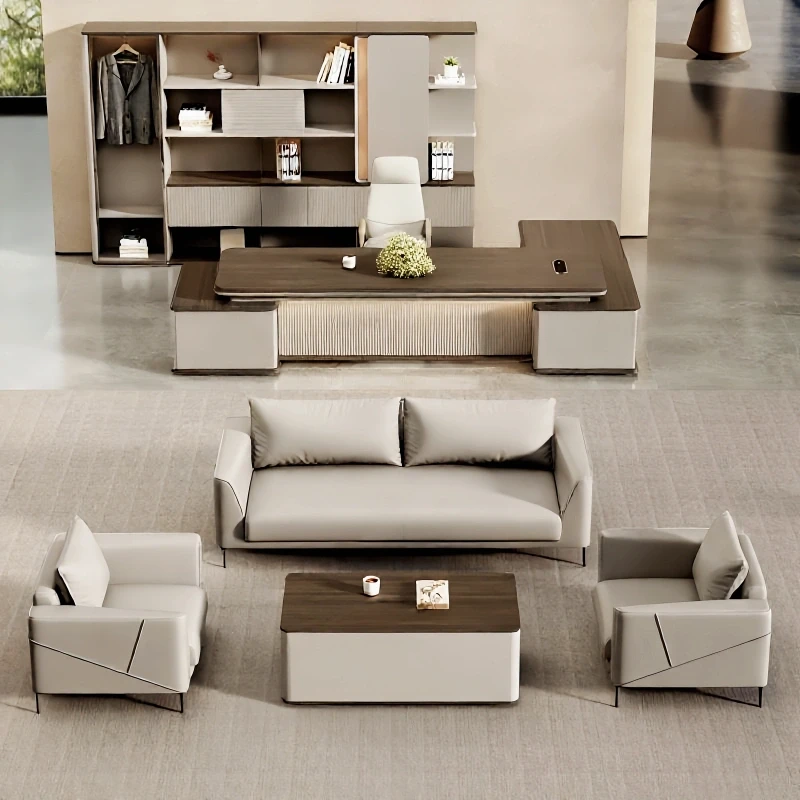
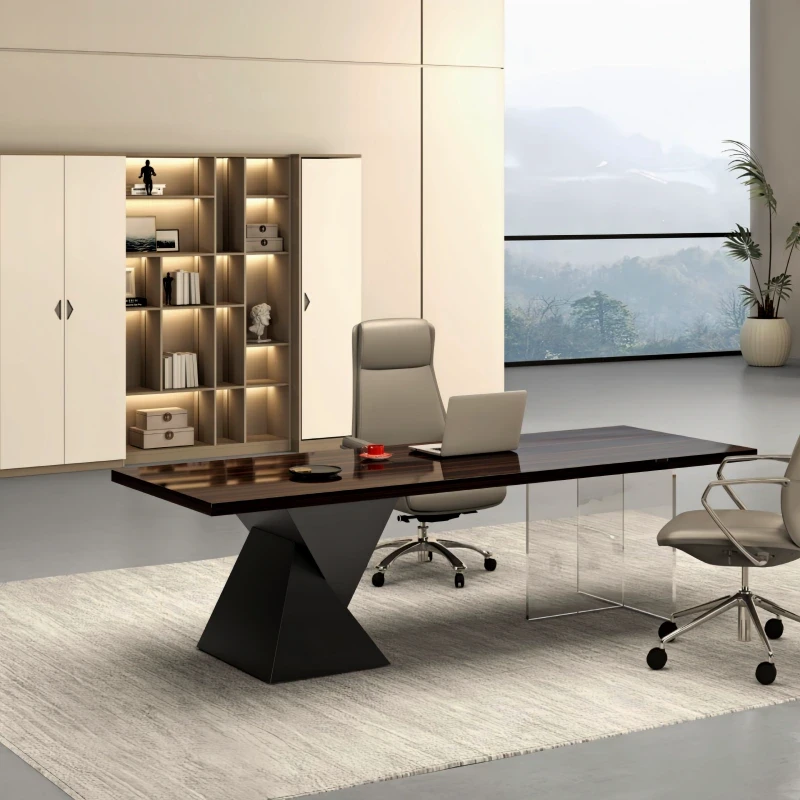


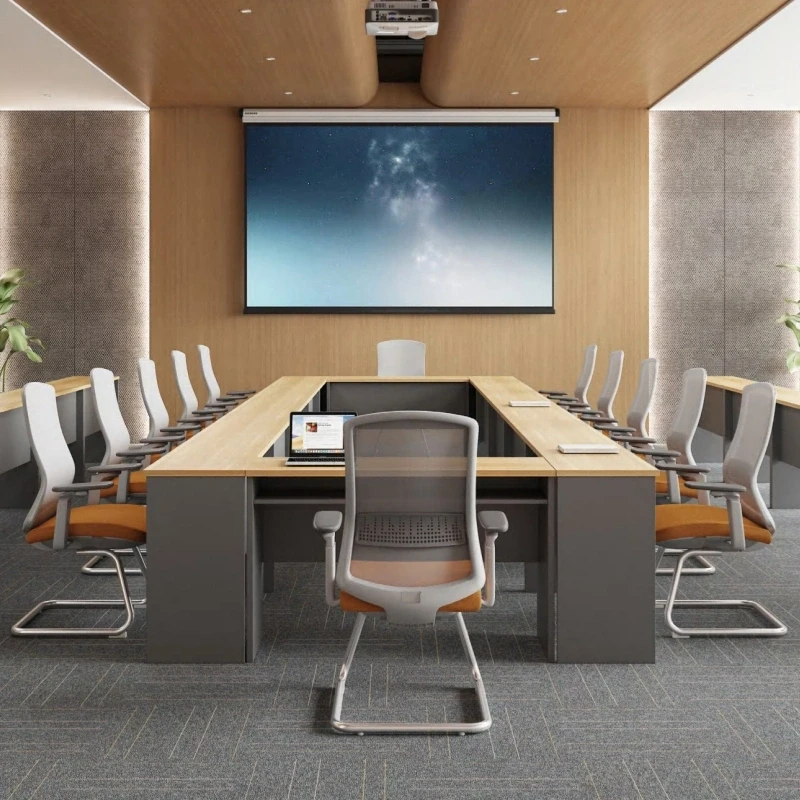
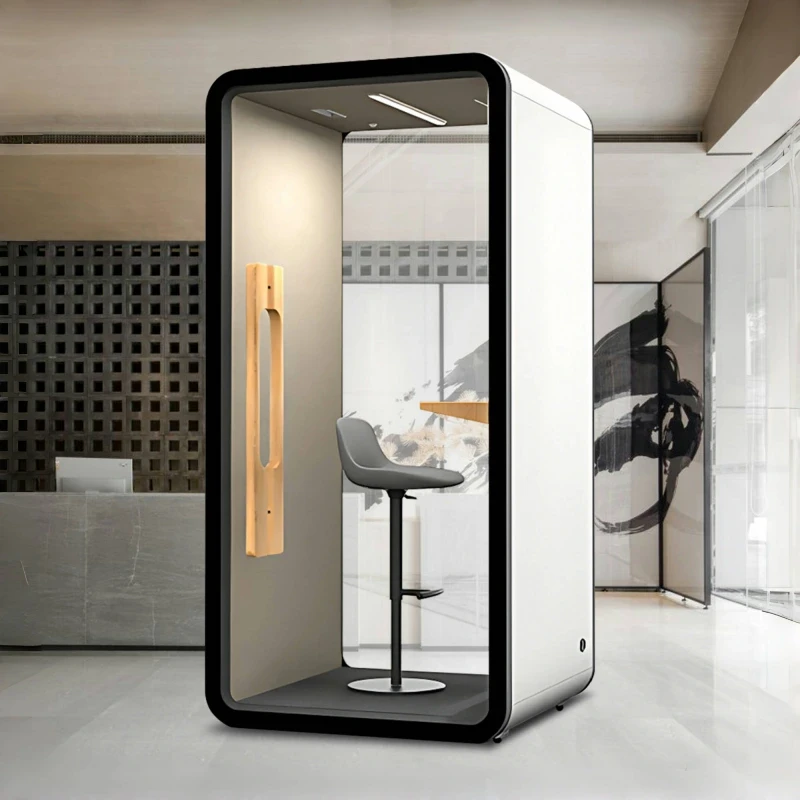
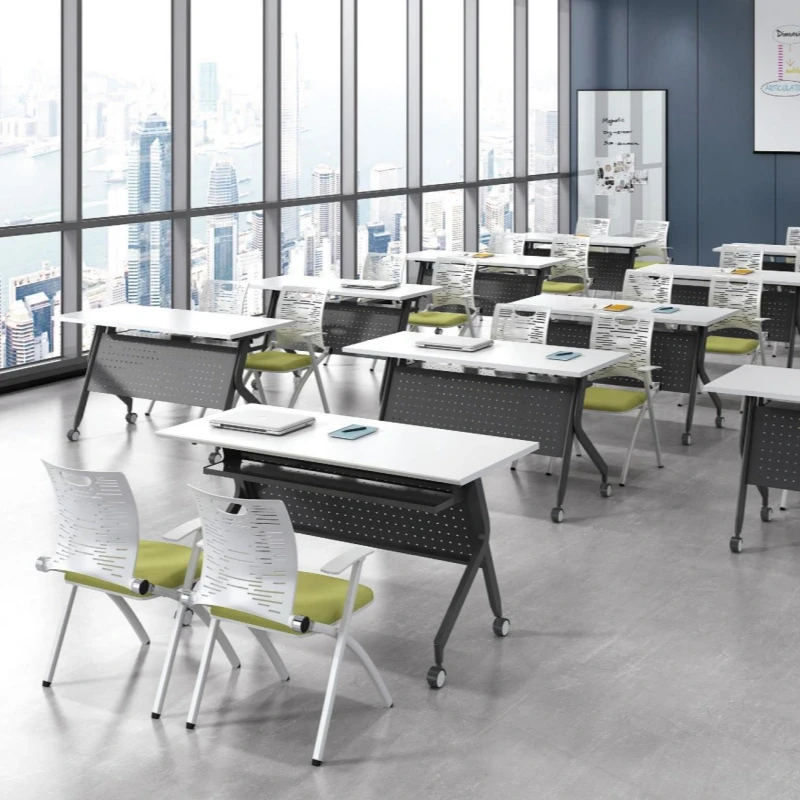
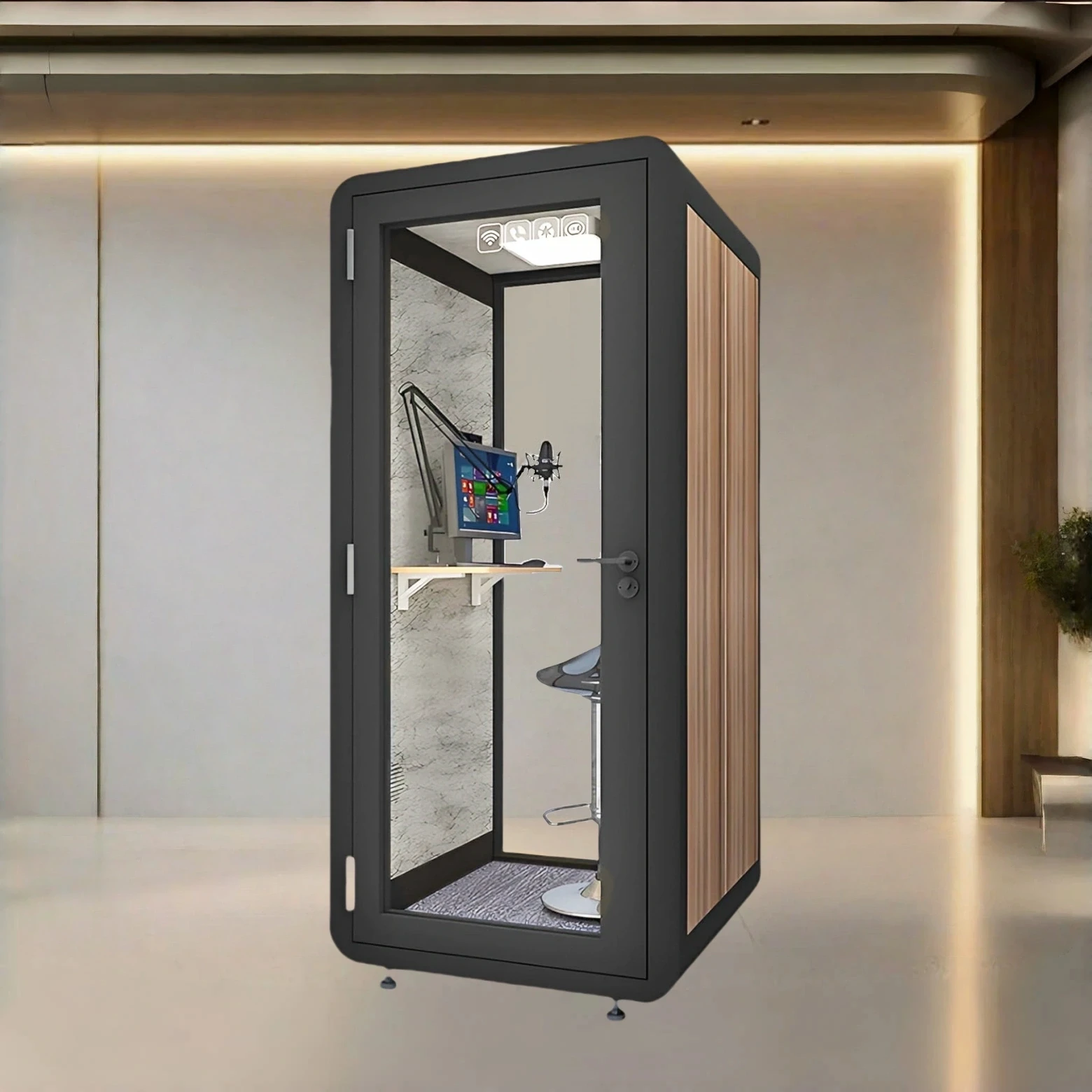
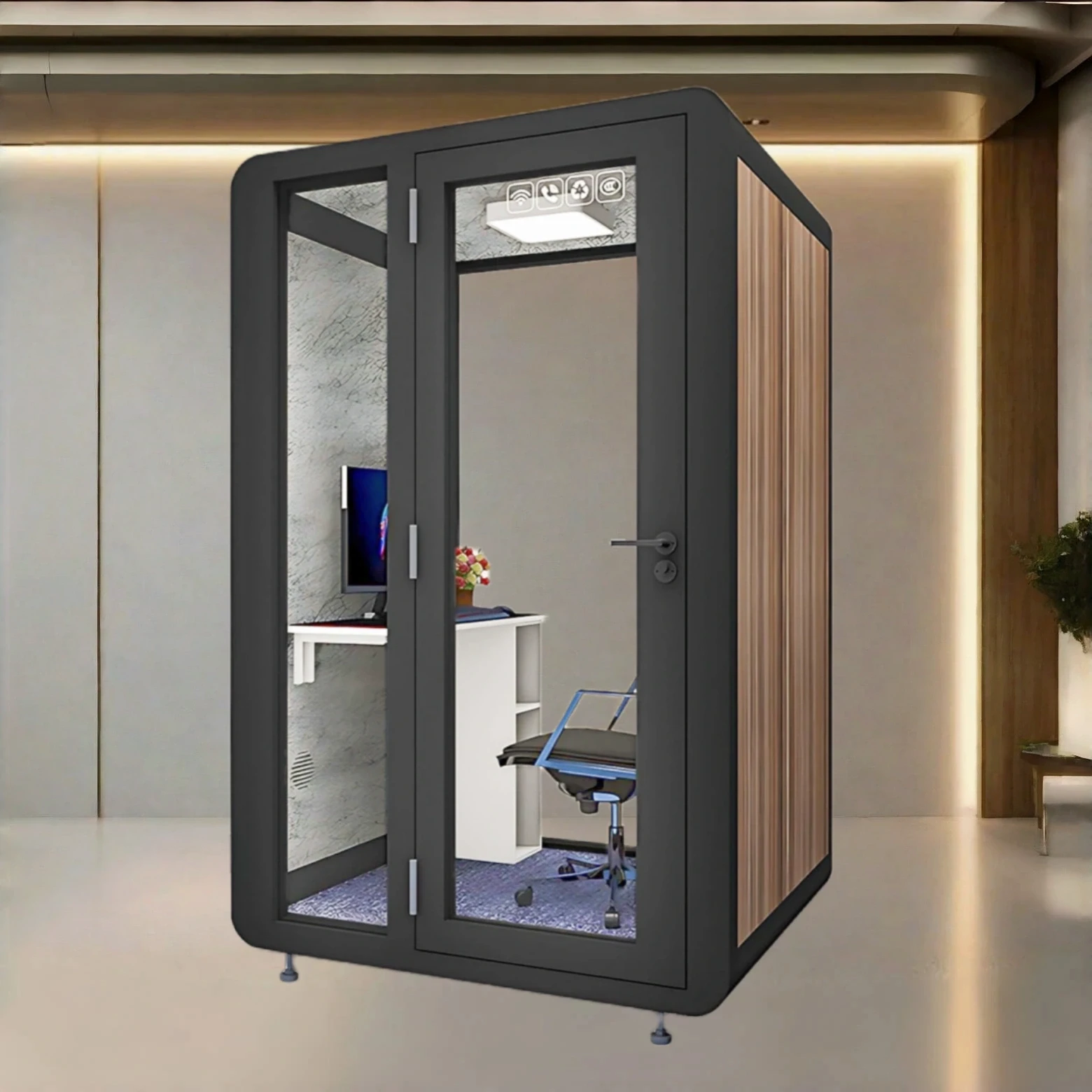
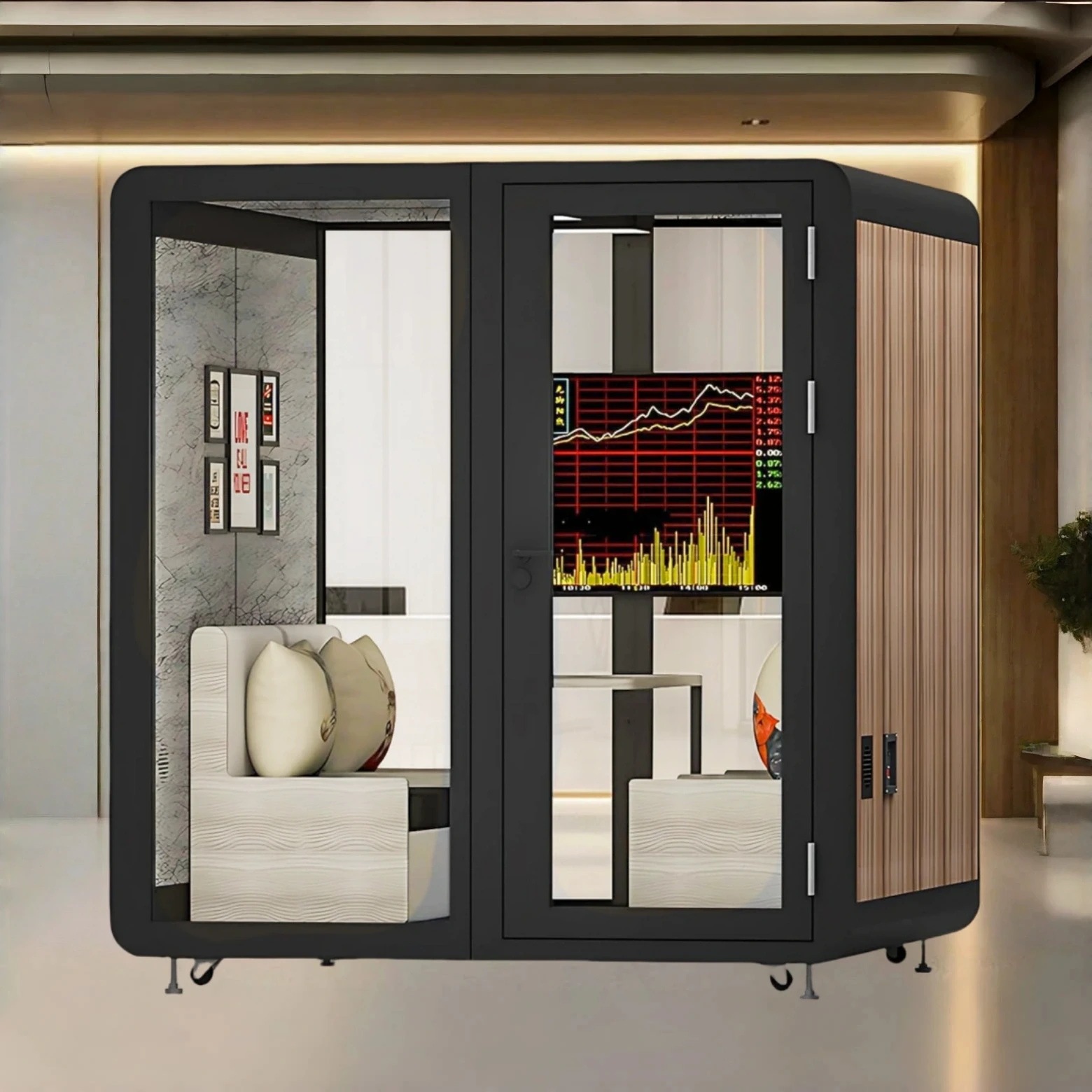


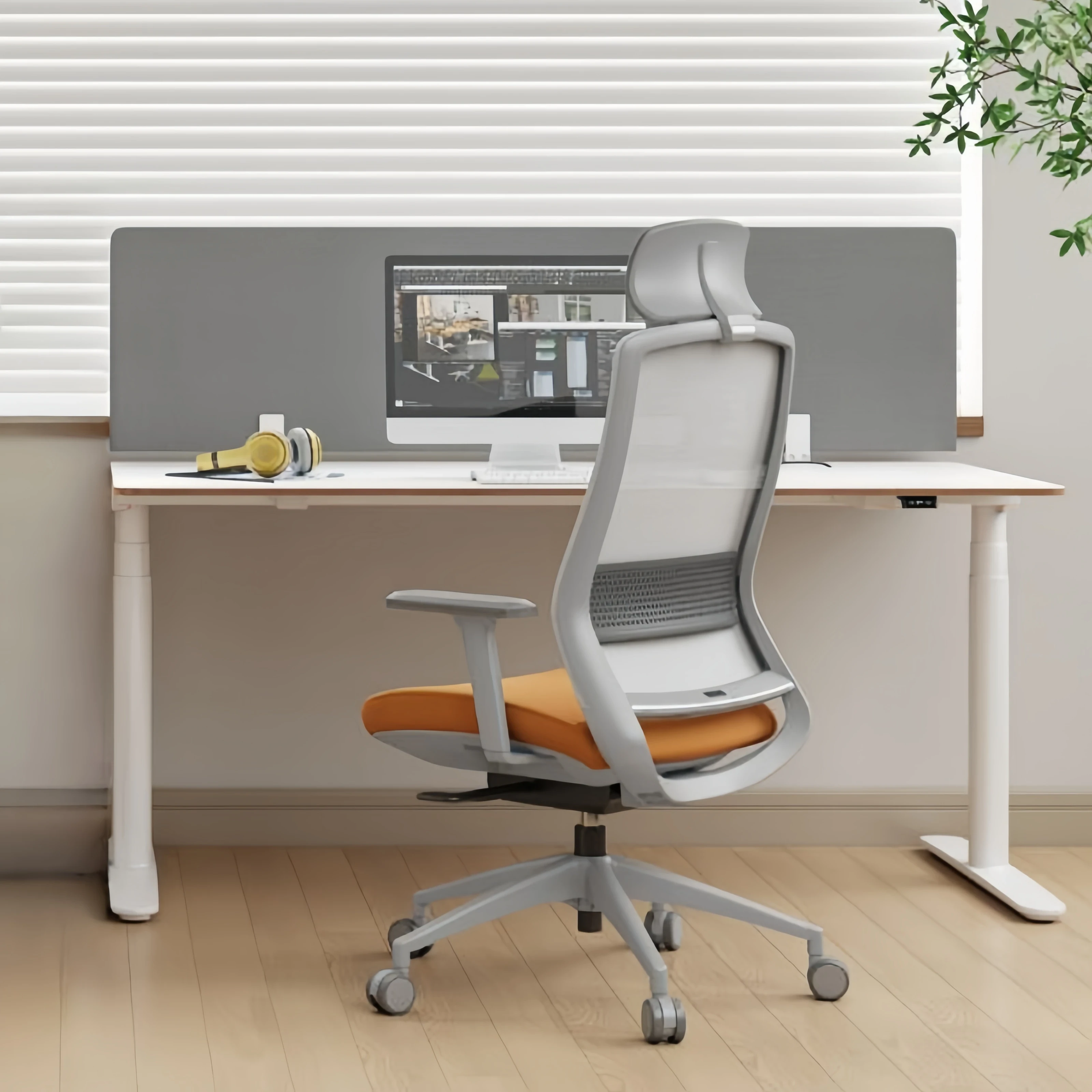



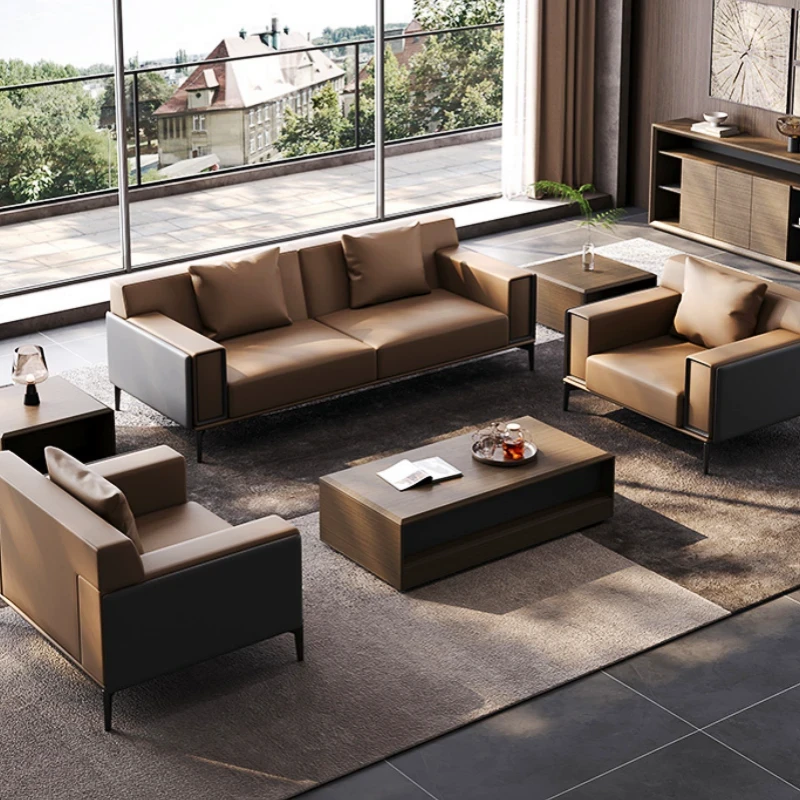
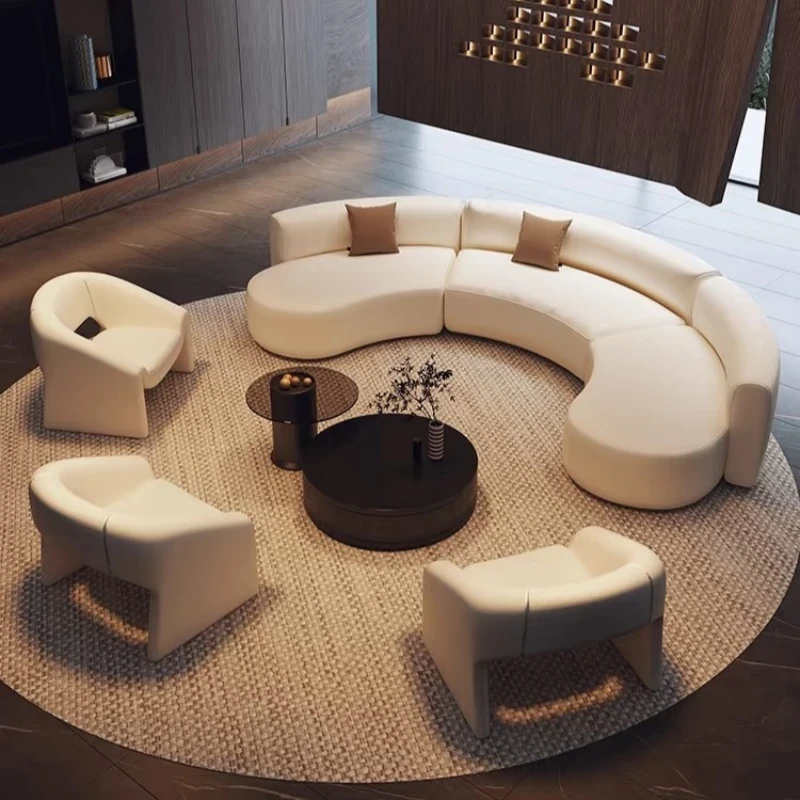
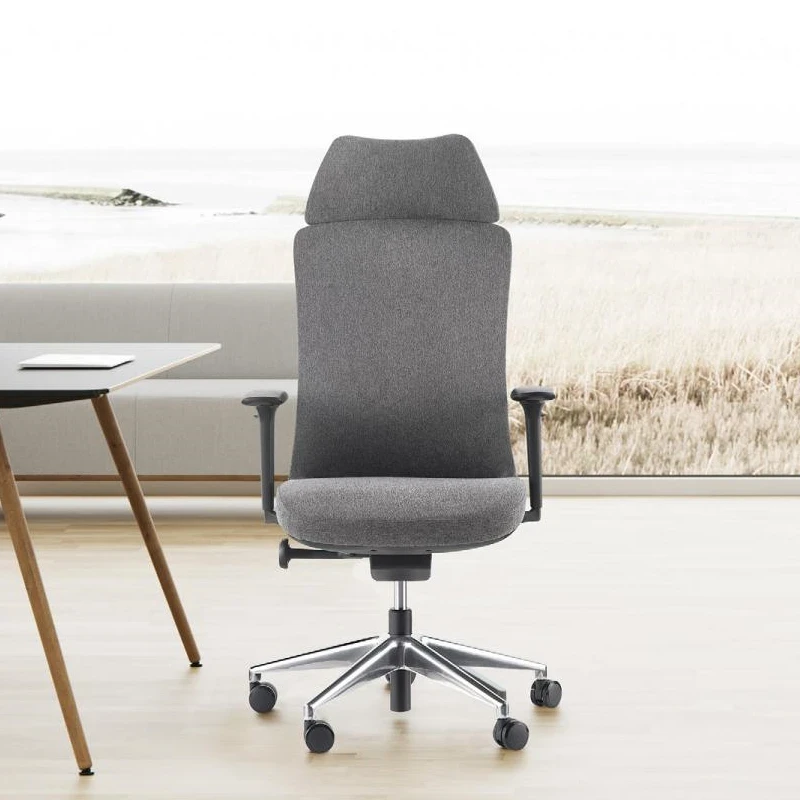


Second, ergonomic design is indispensable. Long hours of study pose challenges to students' physical health, and non-ergonomic furniture can lead to fatigue and even health problems. Customized school furniture should prioritize ergonomic design, allowing students to study in a more comfortable posture for extended periods, thereby improving concentration and learning outcomes.
Third, comprehensive technology integration is a trend in modern school furniture. With the widespread application of technology in teaching, furniture needs to support various electronic devices such as laptops, tablets, and smart boards. Power outlets, wireless charging facilities, and device storage space should all be integrated into the furniture design for easy student access to and use of these devices.
Furthermore, environmental protection and sustainability are also important aspects that customized school furniture needs to consider. Using environmentally friendly materials and sustainable production processes not only helps protect the environment but also cultivates students' environmental awareness. The durability and ease of maintenance of furniture can reduce the frequency of replacements, effectively lowering school costs in the long run.
Finally, the integration of aesthetic and cultural elements can enhance the attractiveness of the learning environment. Incorporating the school's cultural characteristics and aesthetic philosophy into furniture design not only improves the overall visual appeal of the school but also helps strengthen students' sense of belonging and pride.
In conclusion, to better meet the diverse learning needs of students, customized school furniture needs to comprehensively consider five aspects: flexibility, human-centered design, technological support, environmental friendliness, and cultural aesthetics. Through careful design and planning, schools can create a learning environment that inspires innovation, is comfortable and efficient, and fosters a positive learning atmosphere.