
 USD
USD GBP
GBP
 EUR
EUR
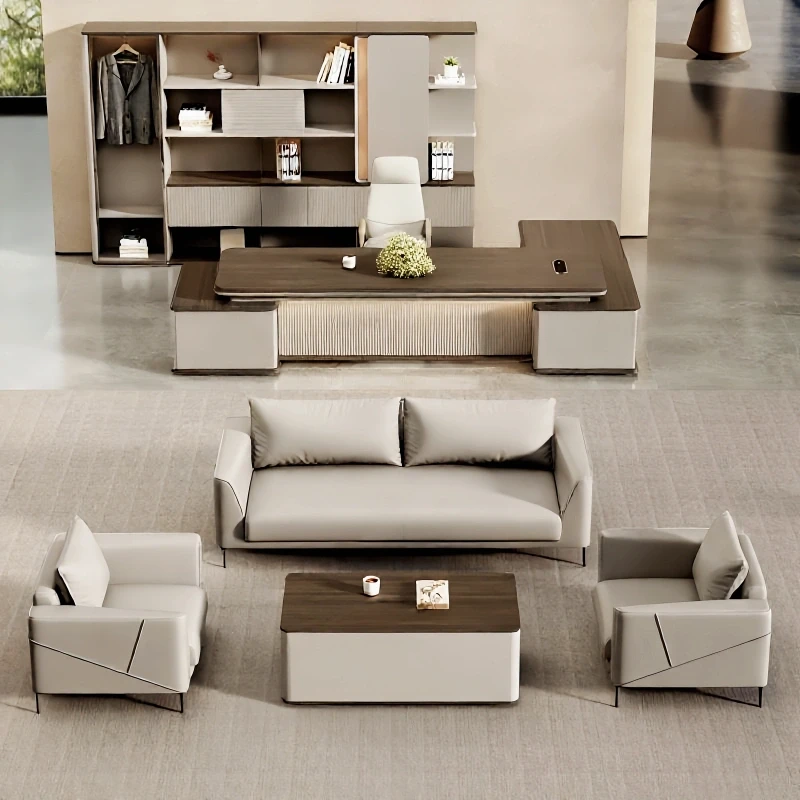
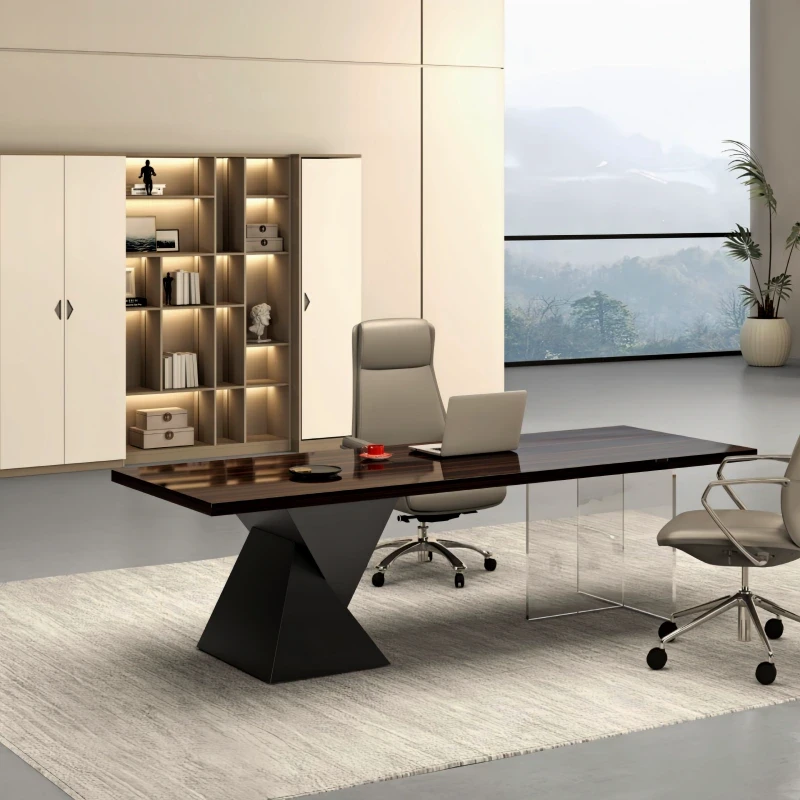


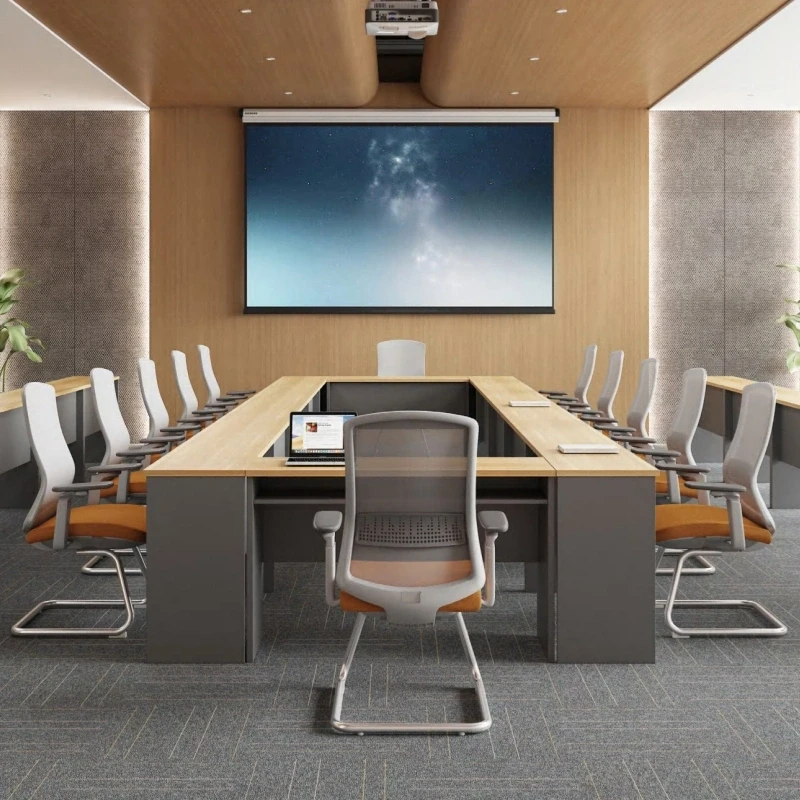
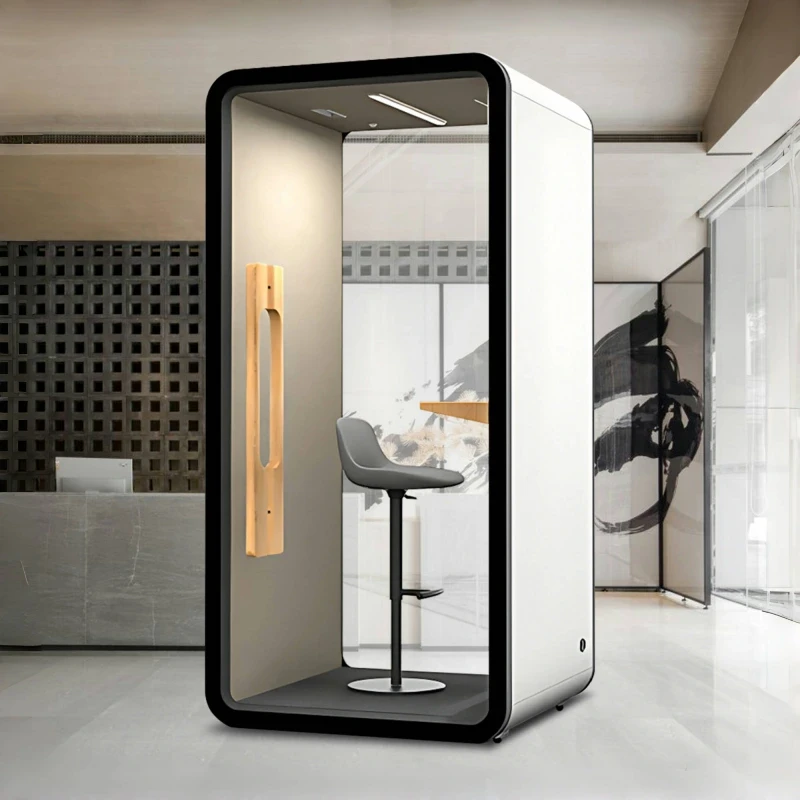







1. Corporate Vision and Values
Before starting the design process, a comprehensive understanding of the company's vision, mission, and values is essential. These elements form the foundation of the corporate culture and are important references during the design process. For example, an innovation-driven technology company might prefer furniture with a modern feel and flexibility, while a financial institution focused on tradition and stability might favor classic and elegant designs.
2. Corporate Brand Colors and Logo
Brand colors and logos are important visual elements of corporate culture. Integrating the company's logo and main color scheme into the furniture customization process not only strengthens brand recognition but also creates a harmonious and consistent office environment.
Defining the Design Style
1. Style Selection
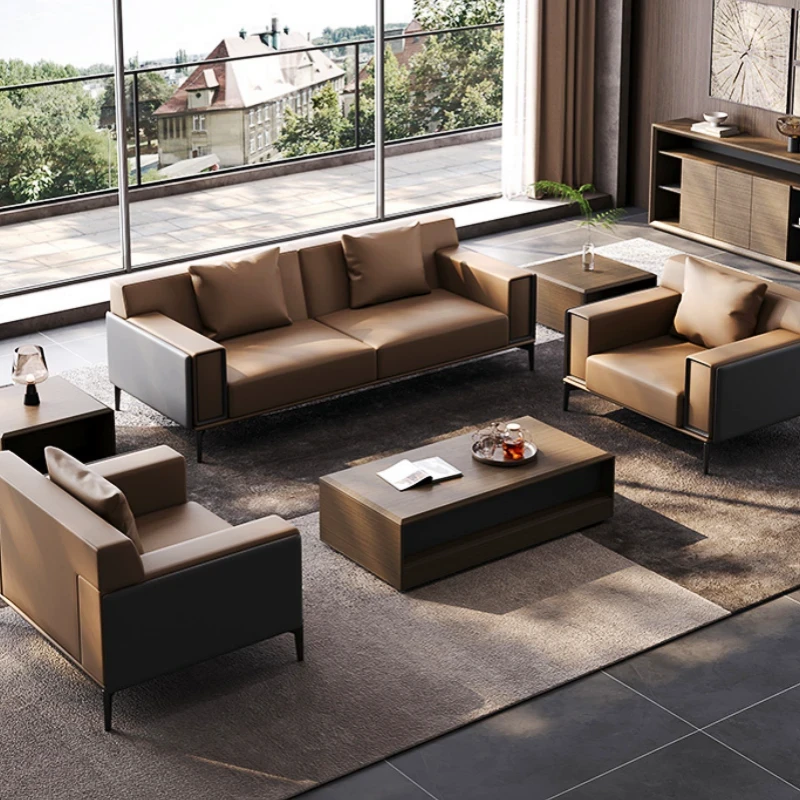
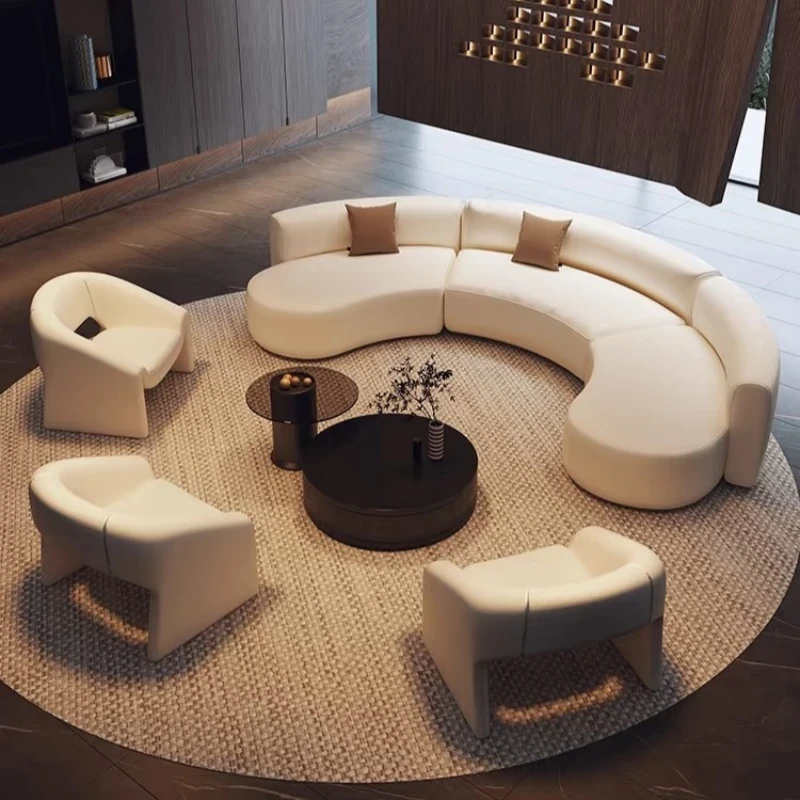
After gaining a deep understanding of the corporate culture, choosing a design style that matches it is crucial. Common office design styles include modern minimalism, traditional classic, industrial style, and futuristic technology. Each style has its unique characteristics and should be selected based on the company's industry, cultural positioning, and development vision.
2. Incorporating Practicality
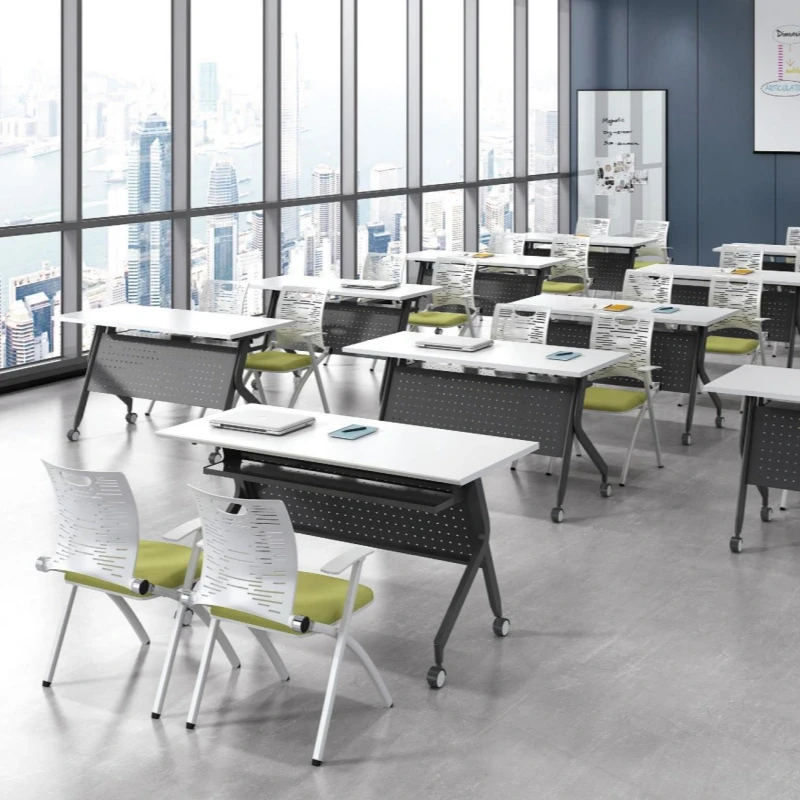
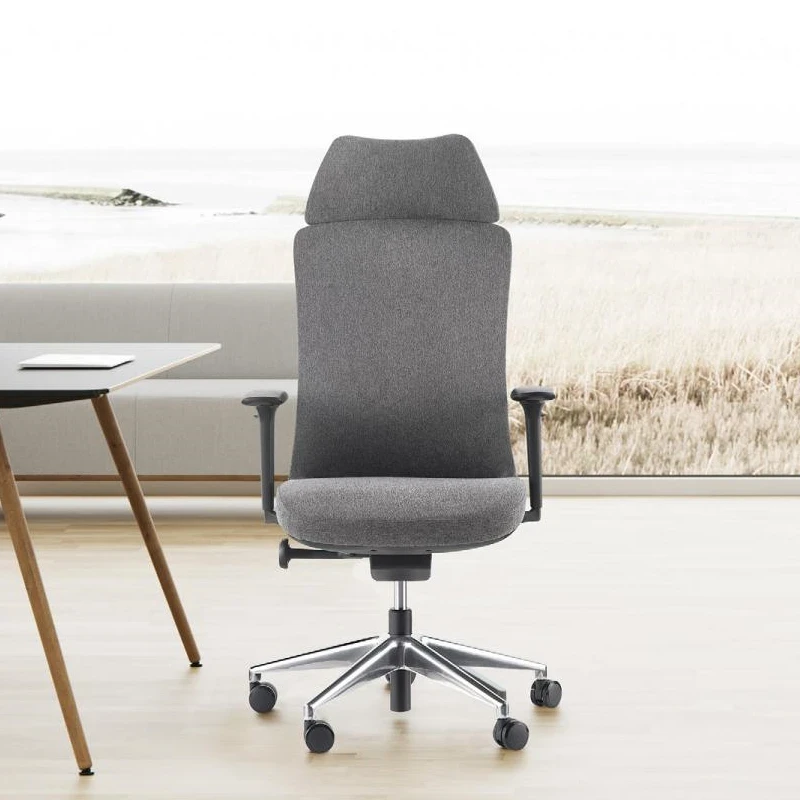
While pursuing aesthetics and stylistic unity, practicality cannot be ignored. Customized furniture needs to meet the daily work needs of employees, ensuring comfort and convenience. Reasonable space planning, ergonomic design, and fully functional furniture can improve employee productivity and comfort.
Employee Involvement and Feedback:
1. Soliciting Employee Opinions:
Employees are the direct users of office furniture, and their opinions and suggestions are crucial for creating a comfortable and efficient work environment. Understanding employee needs and ideas through questionnaires or focus groups in the early design stages can avoid design and functional deviations.
2. Pilot Implementation:
Before fully implementing the customized design, a pilot program can be conducted in a selected department or area. This process not only allows employees to experience the design effects but also provides valuable feedback for further improvement.
Collaboration and Professional Support:
1. Choosing a Professional Design Firm
: Collaborating with experienced and creative professional design firms is an effective way to ensure that furniture design aligns with corporate culture. Professional teams can propose innovative design solutions based on corporate needs and provide professional guidance on material selection, color matching, and spatial layout.
2. Continuous Communication and Adjustments
: Maintaining continuous communication with the design team throughout the customization process is crucial. This interaction ensures the accurate communication of design concepts and timely adjustments during implementation, ensuring that the final result perfectly matches the corporate culture.
In conclusion,
by deeply understanding corporate culture, defining design style, paying attention to employee feedback, and seeking professional support, companies can ensure that their overall office furniture customization aligns with their culture. This not only helps strengthen brand image but also creates a positive and comfortable work environment for employees, thereby improving overall work efficiency and corporate cohesion. In a highly competitive market, an office space that harmonizes with corporate culture will become a unique competitive advantage.