
 USD
USD GBP
GBP
 EUR
EUR
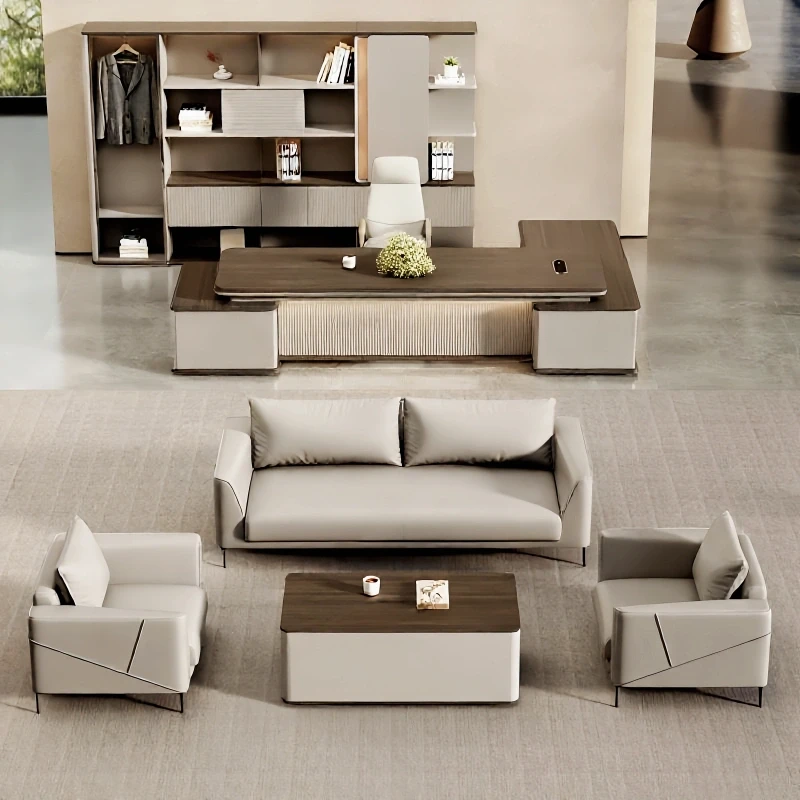
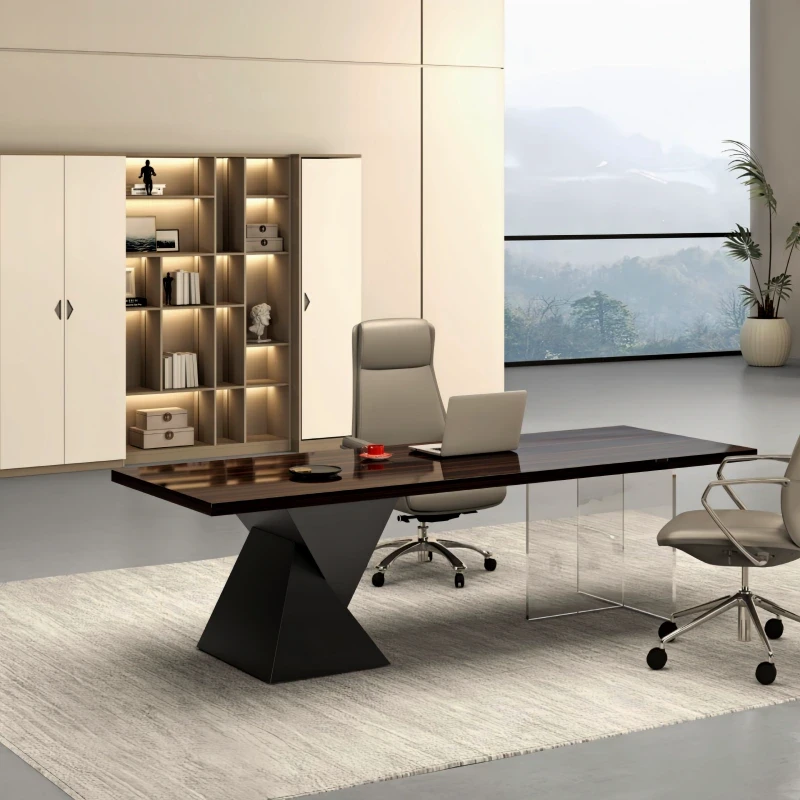


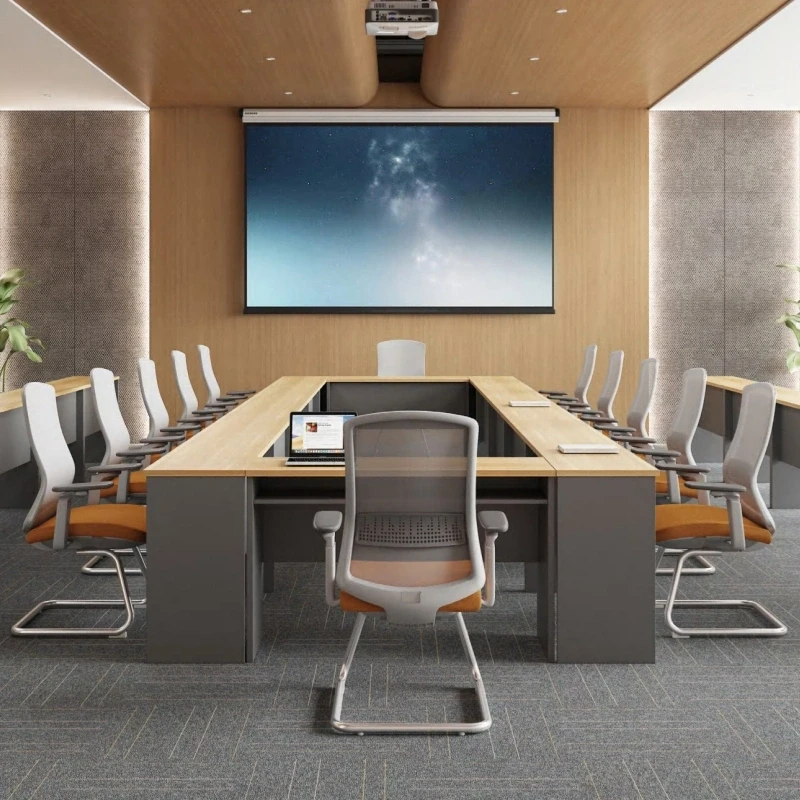
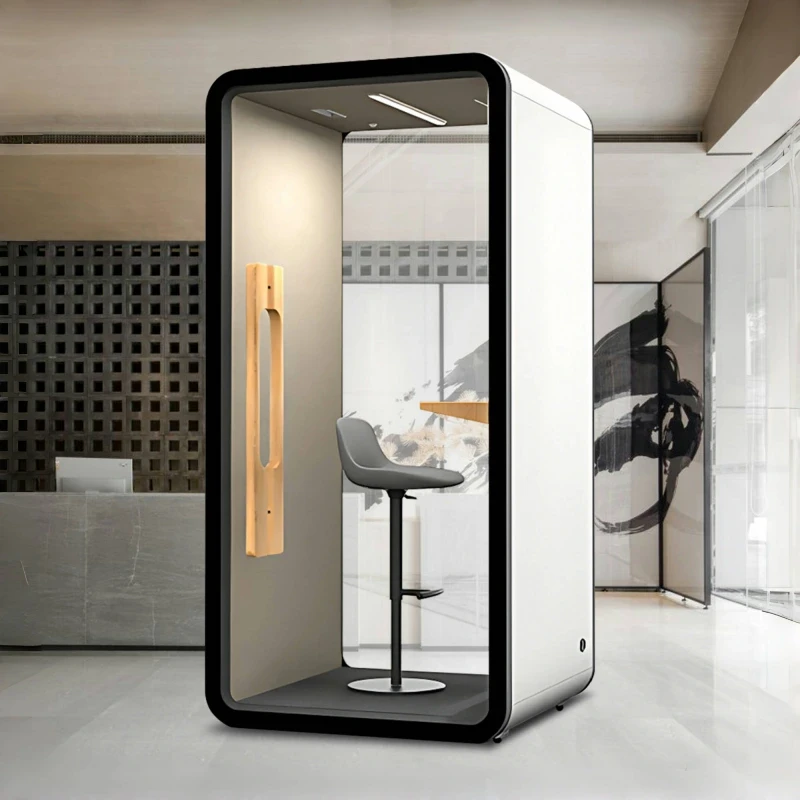
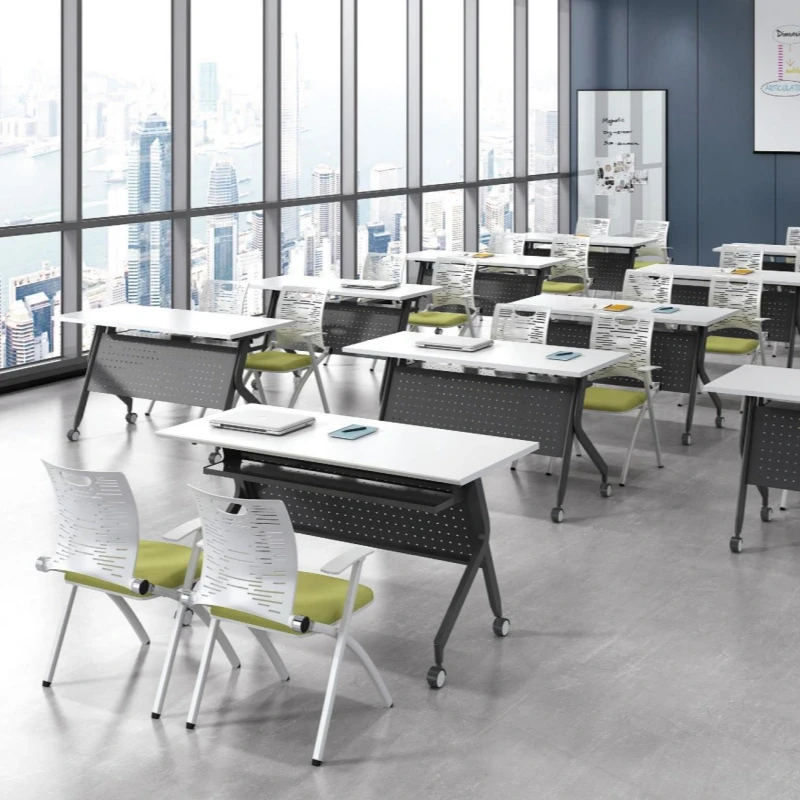
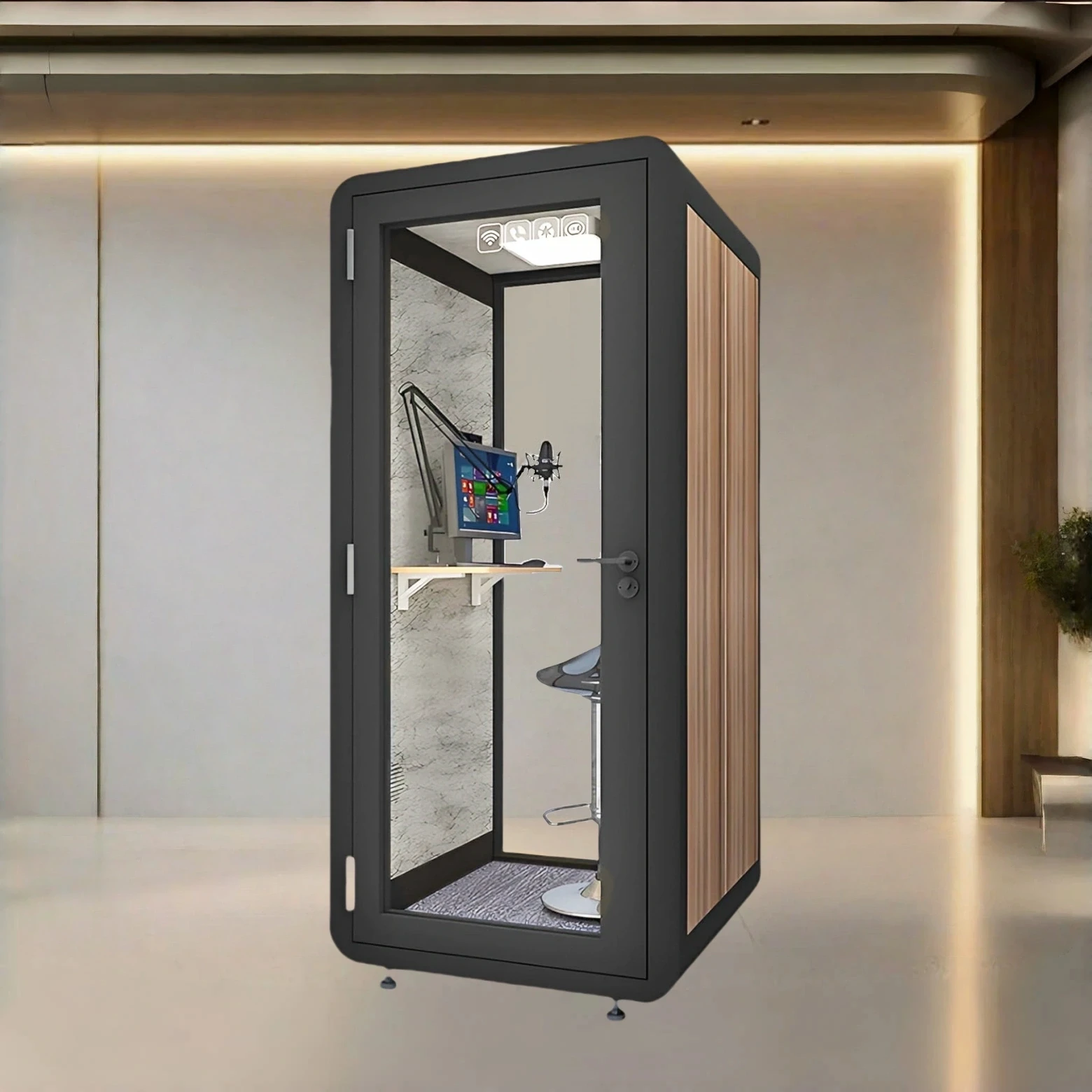
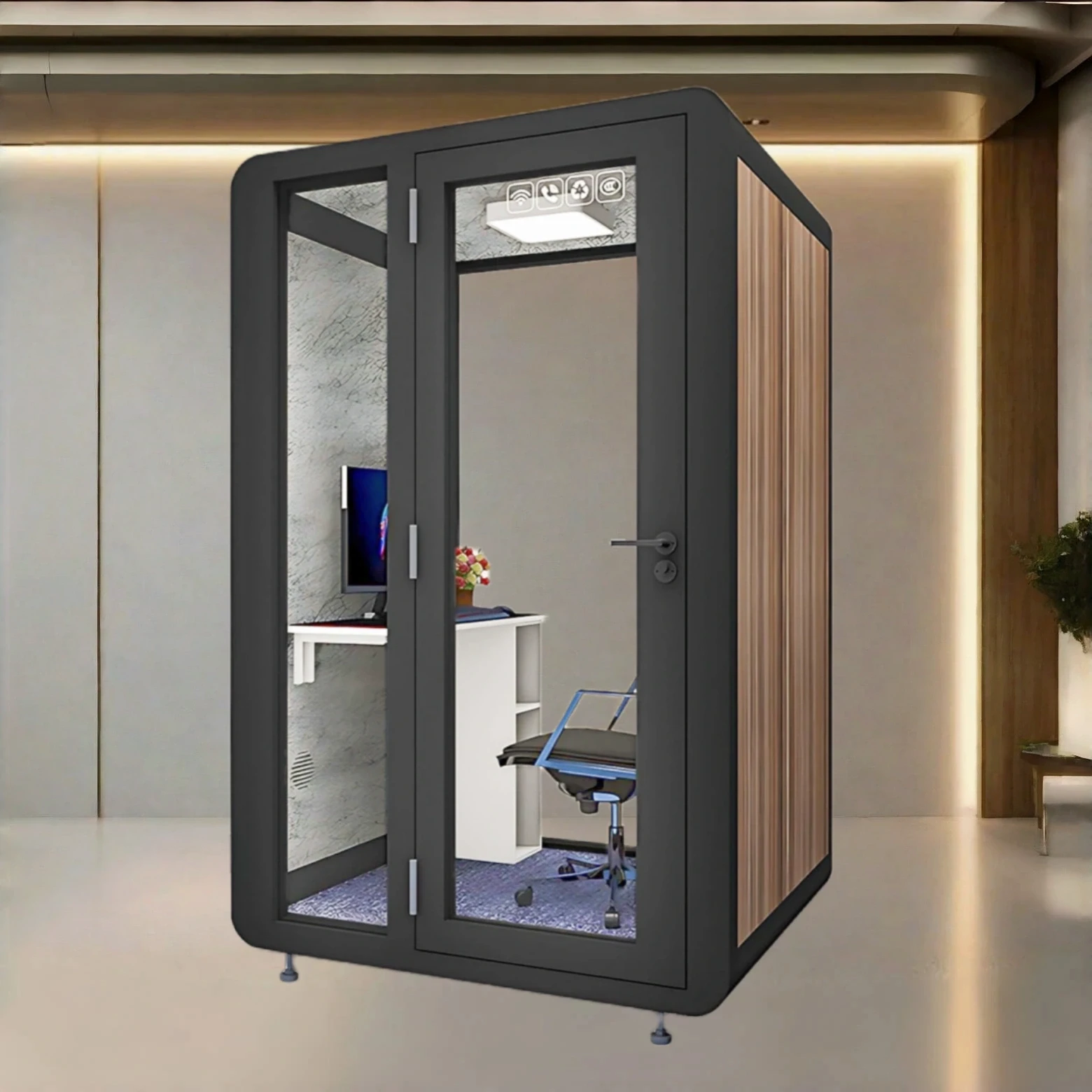
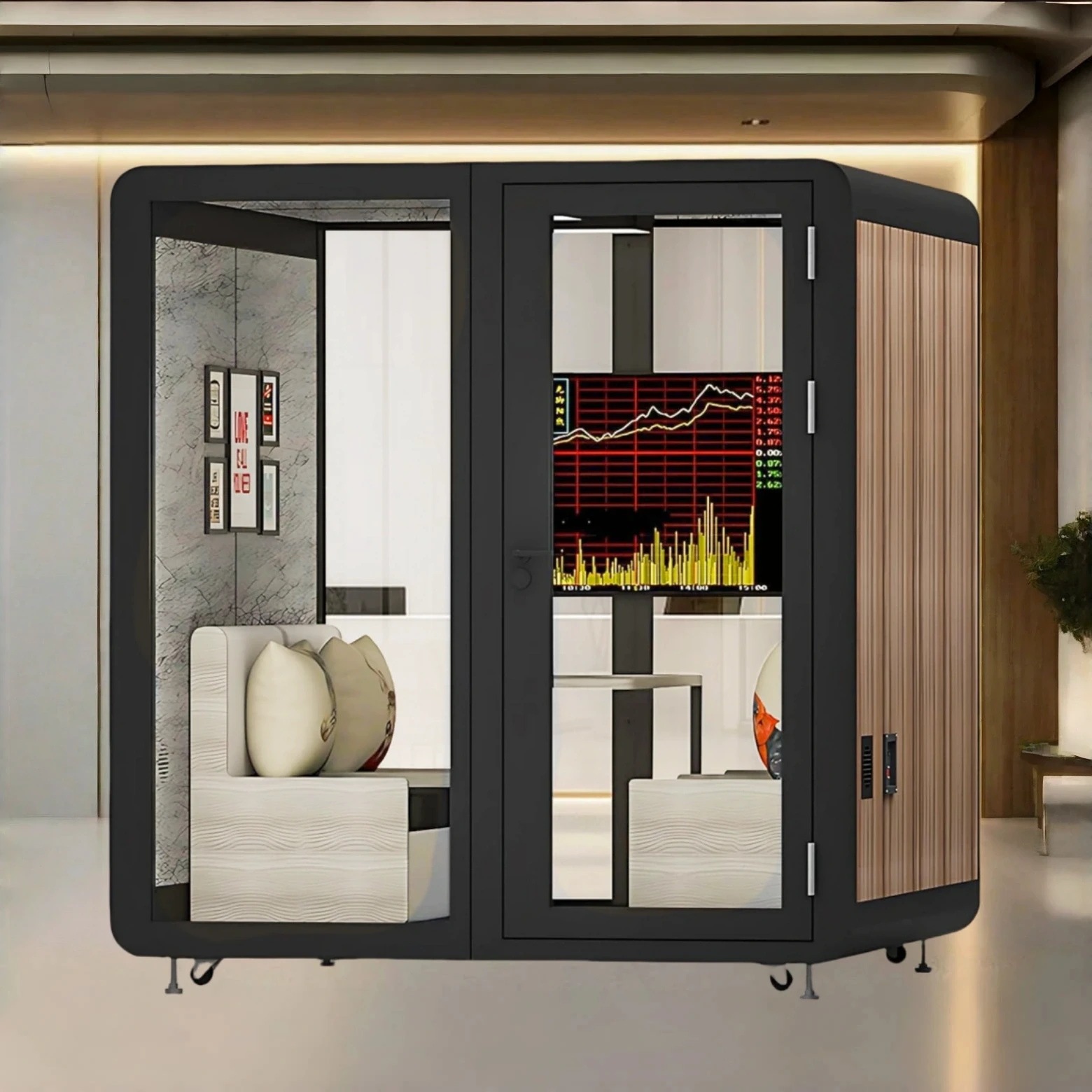





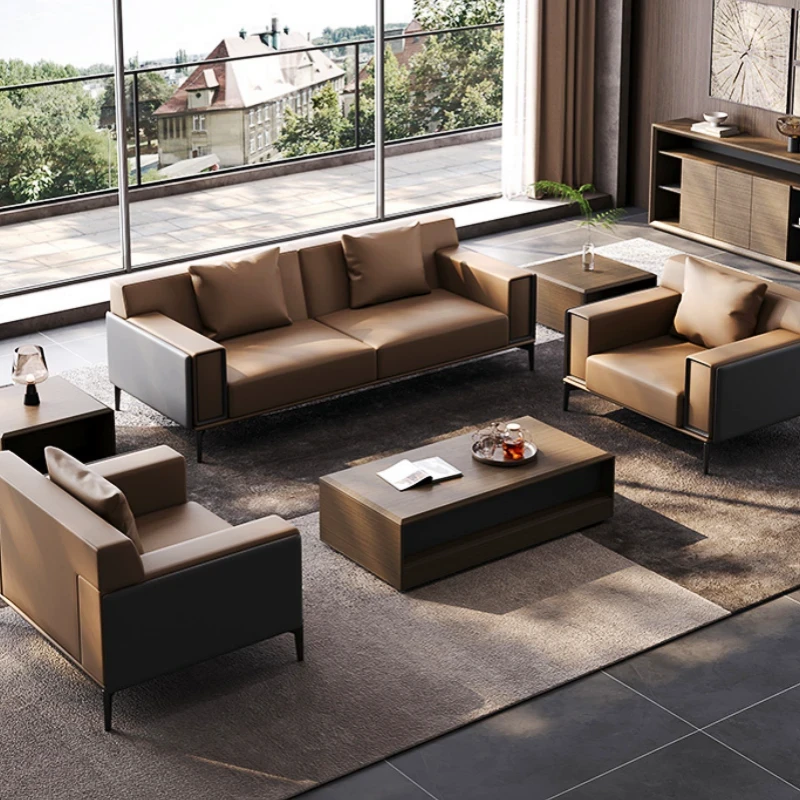
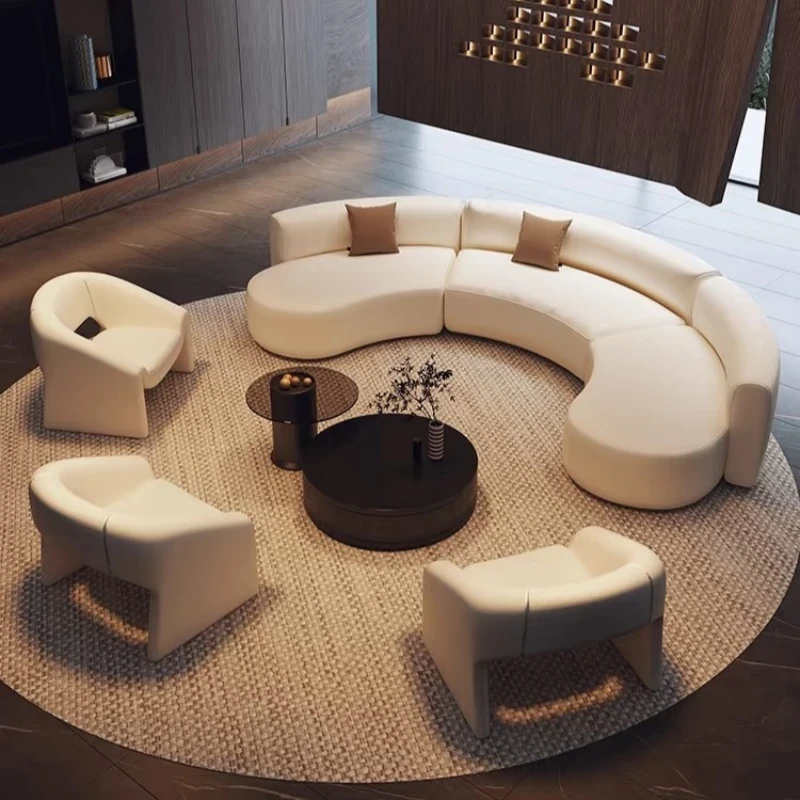
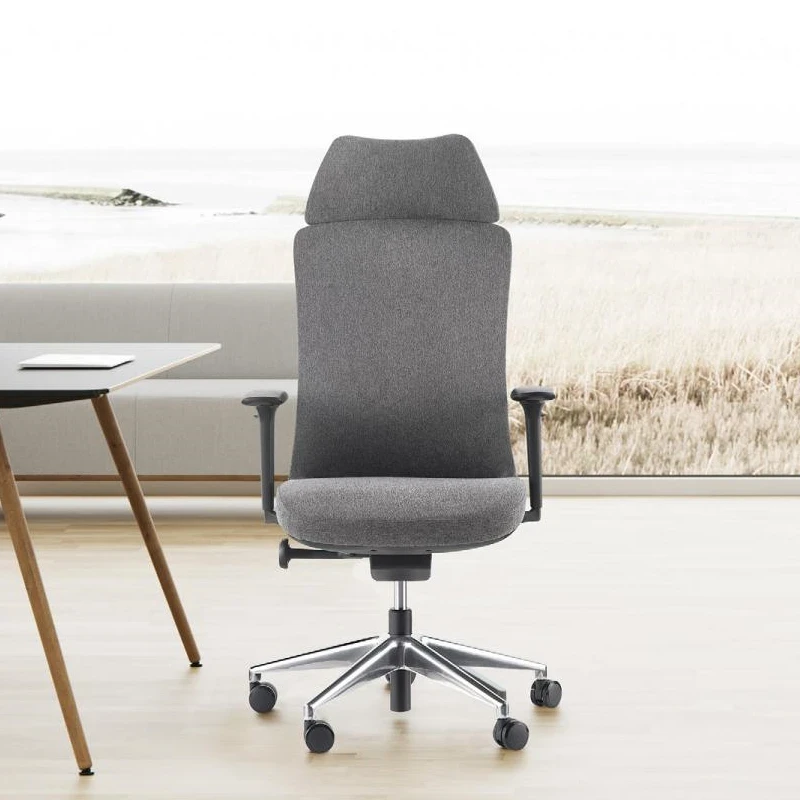


Analysis:
Many companies focus too much on aesthetic design when customizing furniture, neglecting actual functional needs. Office furniture should not only be beautiful but also meet the daily work needs of employees.
Solution:
During the design phase, a thorough understanding of employee workflows and needs is crucial to ensure the furniture's functionality is closely integrated with actual office needs. Detailed needs assessments and employee interaction before customization can help design more suitable furniture solutions.
Myth 2: Lack of Overall Planning
Analysis:
Blindly purchasing and customizing furniture without comprehensive planning can lead to inefficient space utilization, inconsistent styles, and even unnecessary costs.
Solution:
Comprehensive planning is a key step in customizing office furniture. Companies should consider the overall space layout, employee flow, and departmental needs to develop a detailed furniture configuration plan, ensuring that each piece of furniture harmonizes with the overall space.
Myth 3: Choosing Suppliers Based Solely on Price
Analysis:
Many companies prioritize price when selecting furniture customization suppliers, neglecting the supplier's quality, reputation, and service level.
Avoidance Strategies:
While price is important when choosing a supplier, it's even more crucial to consider their product quality, design capabilities, past projects, and customer reviews. Furthermore, on-site visits to suppliers can help understand their production processes and service systems, leading to a more informed choice.
Misconception Four: Ignoring Personalization and Flexibility
Analysis:
Some companies, when customizing furniture, overemphasize standardized designs, neglecting the individual needs of employees and the flexibility of office space.
Avoidance Strategies:
During the design process, the specific needs of different positions and potential future space adjustments should be considered. Choose adjustable and modular furniture designs to allow for easy adjustment and reconfiguration as needed, improving the adaptability of the office space.
Misconception Five: Neglecting Environmental Protection and Sustainability
Analysis:
Environmental protection and sustainability have become essential components of modern office environments. However, companies lacking environmental awareness may overlook the environmental characteristics of customized furniture, causing long-term negative impacts.
Avoidance Strategies:
When customizing furniture, prioritize products using sustainable materials and with environmental certifications. Additionally, focusing on the lifespan of furniture and choosing more durable products is also an important way to demonstrate sustainability.
Conclusion:
Customizing overall office furniture is a complex process involving considerations of design, function, budget, and the environment. In this process, businesses need to avoid common pitfalls. Through in-depth research, overall planning, and the rational selection of suppliers, they can ensure that customized furniture meets the company's long-term needs and improves employee productivity and satisfaction. Only in this way can they truly optimize office space and create a work environment that is both aesthetically pleasing and functional.