
 USD
USD GBP
GBP
 EUR
EUR


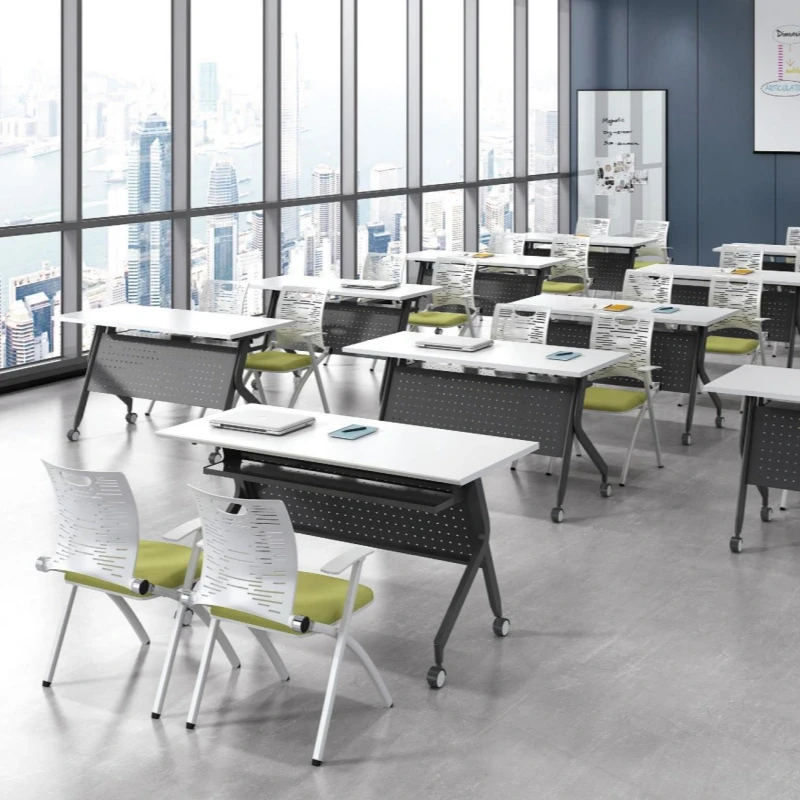







1.1 Adjustment Function
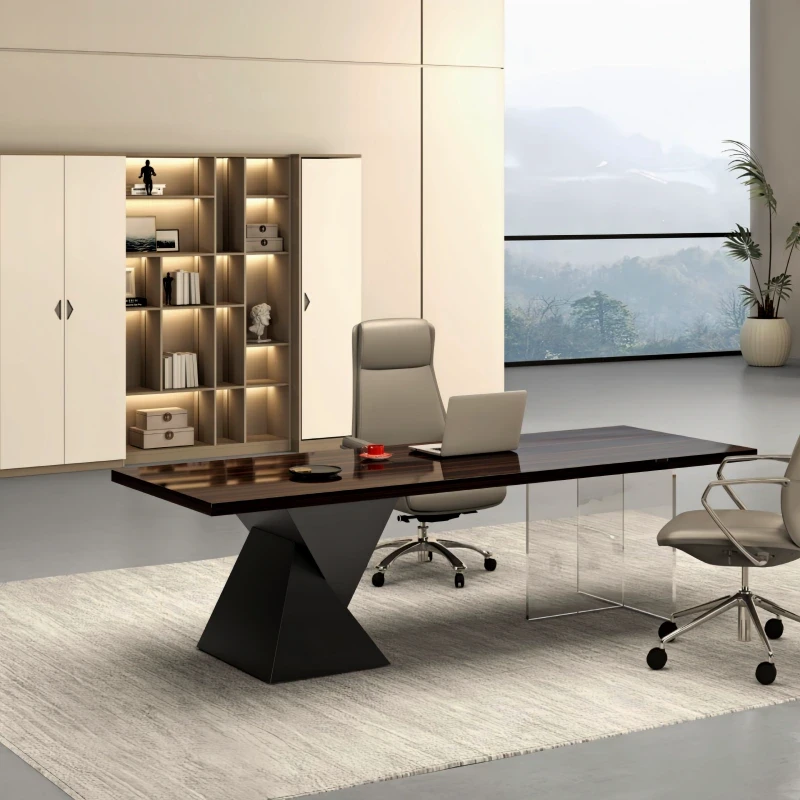
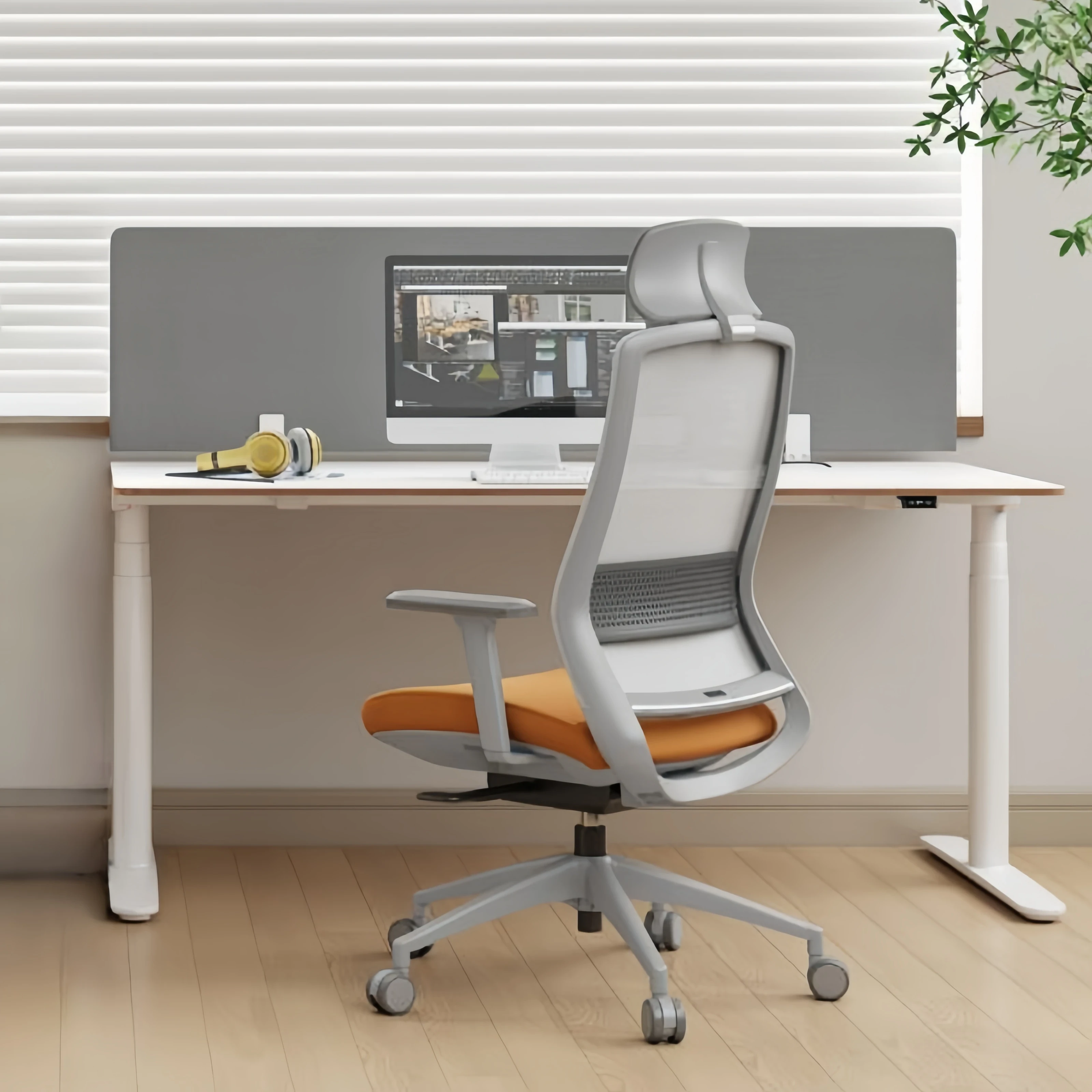
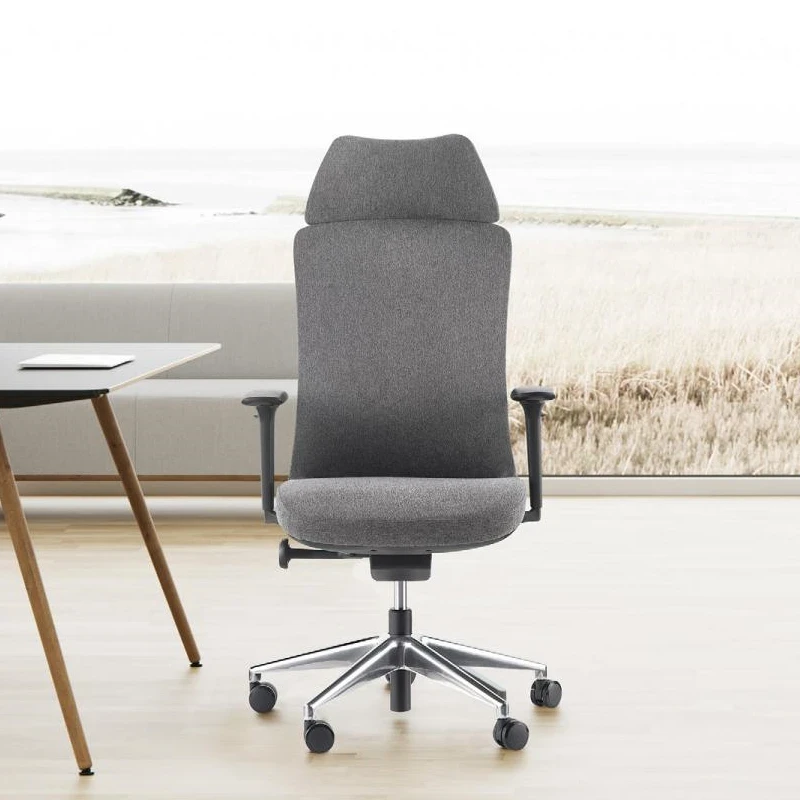
Ergonomic design is key to ensuring employee comfort. Adjustable chair height, backrest angle, and armrests can be adjusted according to individual needs, allowing each employee to find the most comfortable sitting posture. In addition, the height of the desk should also be adjustable to accommodate different task requirements and employee heights.
1.2 Support and Cushioning
A well-designed chair should provide sufficient lumbar support to reduce pressure on the spine from prolonged sitting. Simultaneously, the seat cushion should have good cushioning, being both soft and providing sufficient support to prevent fatigue caused by prolonged sitting.
2. Workflow-Adapting Design
2.1 Space and Layout
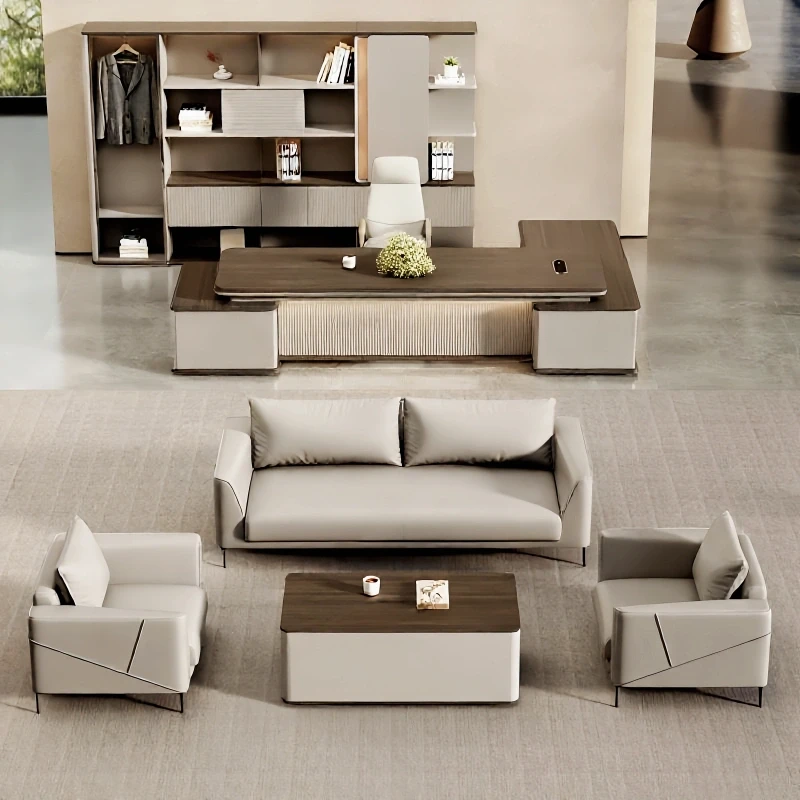
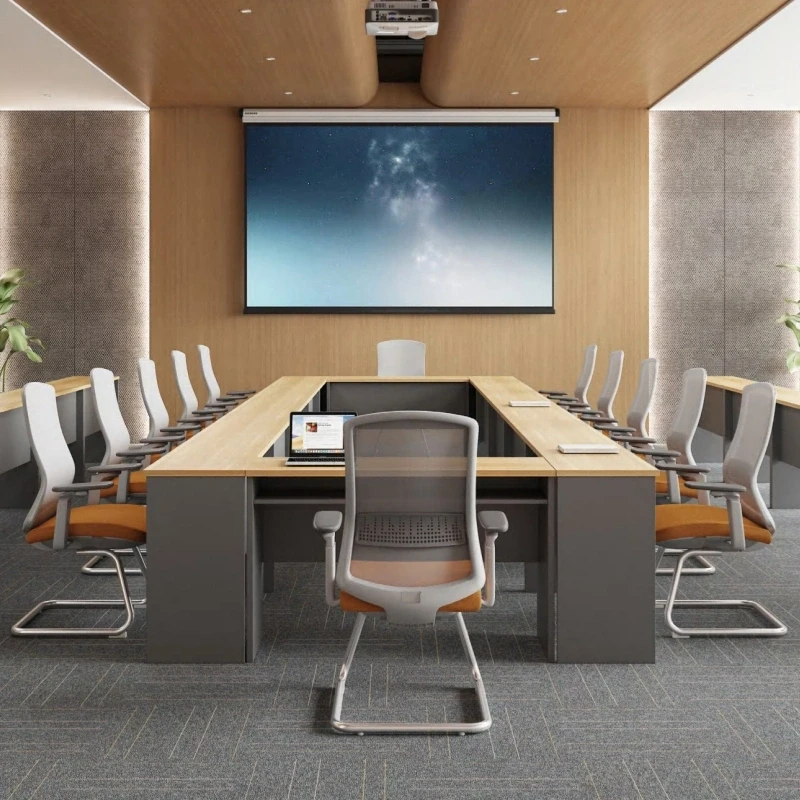
The size and shape of the desk should adapt to the overall office layout and the specific workflow of employees. L-shaped or U-shaped desks can provide more work surface and flexibility, suitable for multitasking and a wide range of equipment layouts.
2.2 Storage and Organization
Desks should have sufficient storage space, such as drawers and filing cabinets, to help employees keep their workspace tidy and organized. This not only reduces visual clutter but also improves work efficiency.
3. Materials and Durability
3.1 Quality and Durability
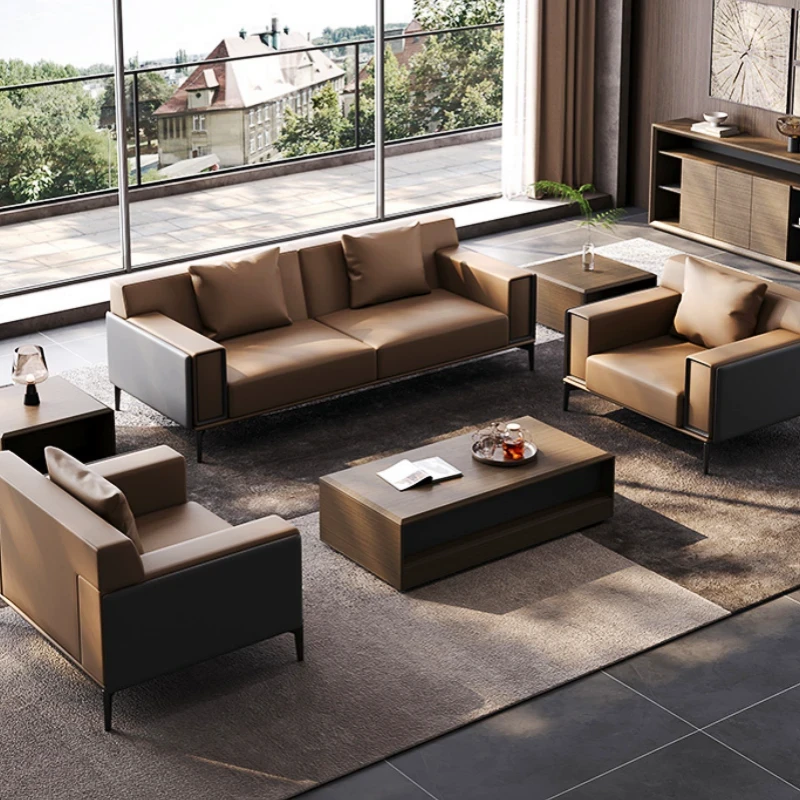
The choice of materials for desks and chairs directly affects their lifespan and user experience. When purchasing office furniture , choose durable and easy-to-clean materials such as sturdy wood or high-quality metal to ensure the products maintain their good condition for a long time.
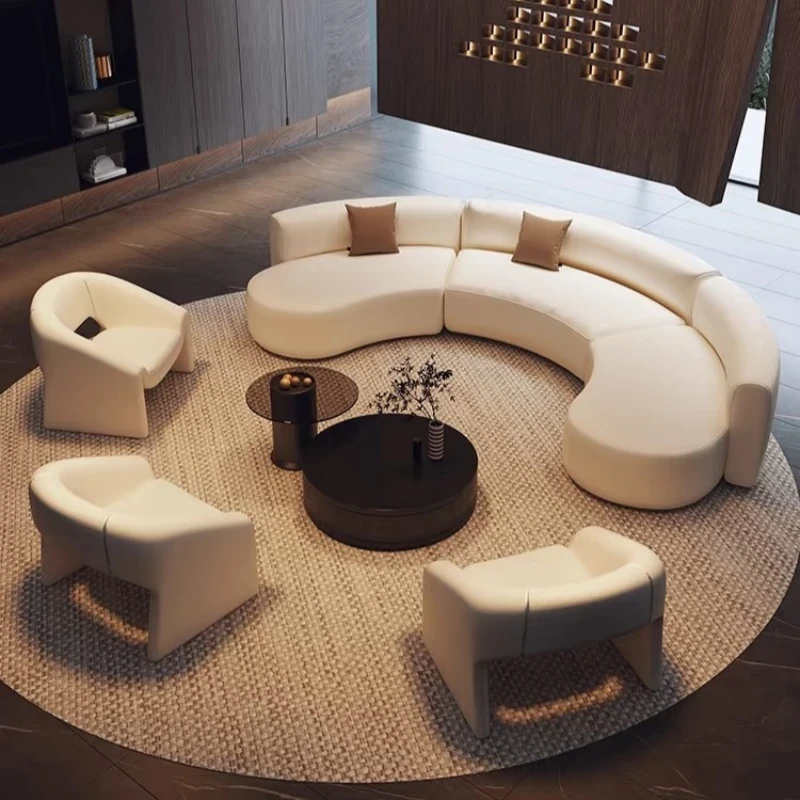
3.2 Environmental Protection and Health: Considering the impact on the environment and employee health, prioritize furniture made from environmentally friendly materials to reduce the release of harmful chemicals and protect employee health. 4. Aesthetics and Cultural Harmony: The design style of desks and chairs should match the company culture and the overall office decoration style. A harmonious and aesthetically pleasing office environment helps improve employee satisfaction and cohesion. Color and design not only affect employee mood but also convey the company's brand value and culture. 5. Budget and Cost-Effectiveness : Finally, while comfort and functionality are important, budget constraints must also be considered. Finding cost-effective products while ensuring quality is a major challenge in procurement. By comprehensively comparing products and prices from different manufacturers, suitable options that meet employee needs without exceeding the budget can be found. In summary, when purchasing office desks and chairs, multiple factors need to be considered, including ergonomic design, workflow adaptability, material quality, aesthetics, and budget. Only by comprehensively considering these aspects can the best working environment be provided for employees, thereby improving overall work efficiency and comfort.