
 USD
USD GBP
GBP
 EUR
EUR
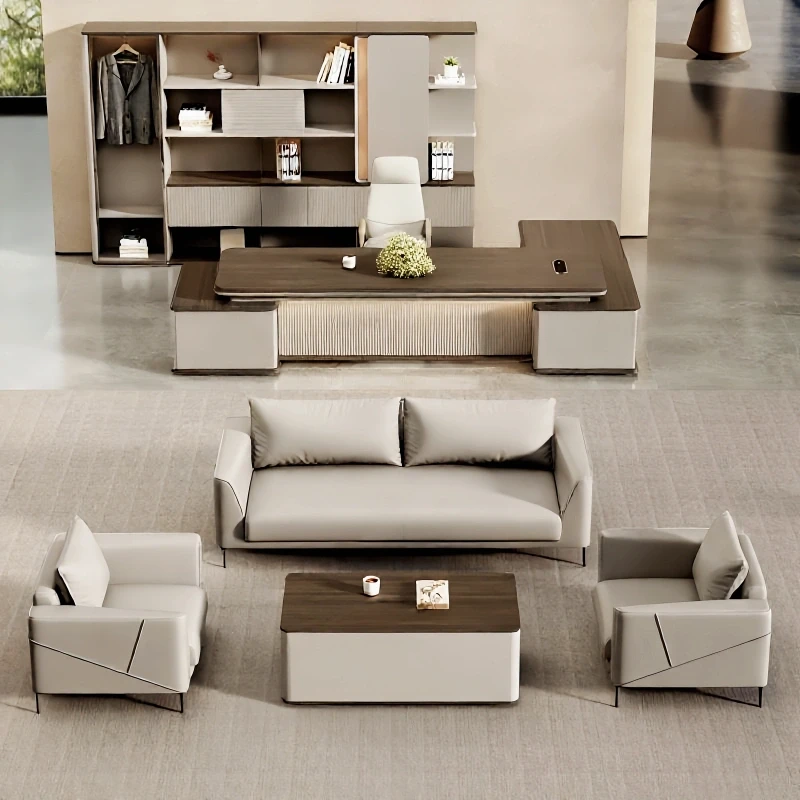
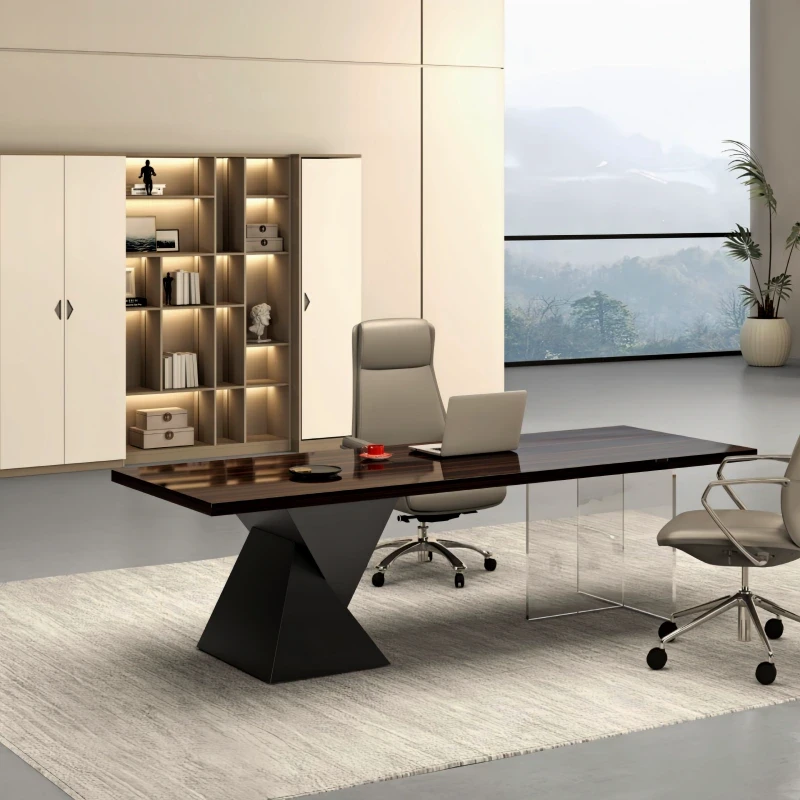


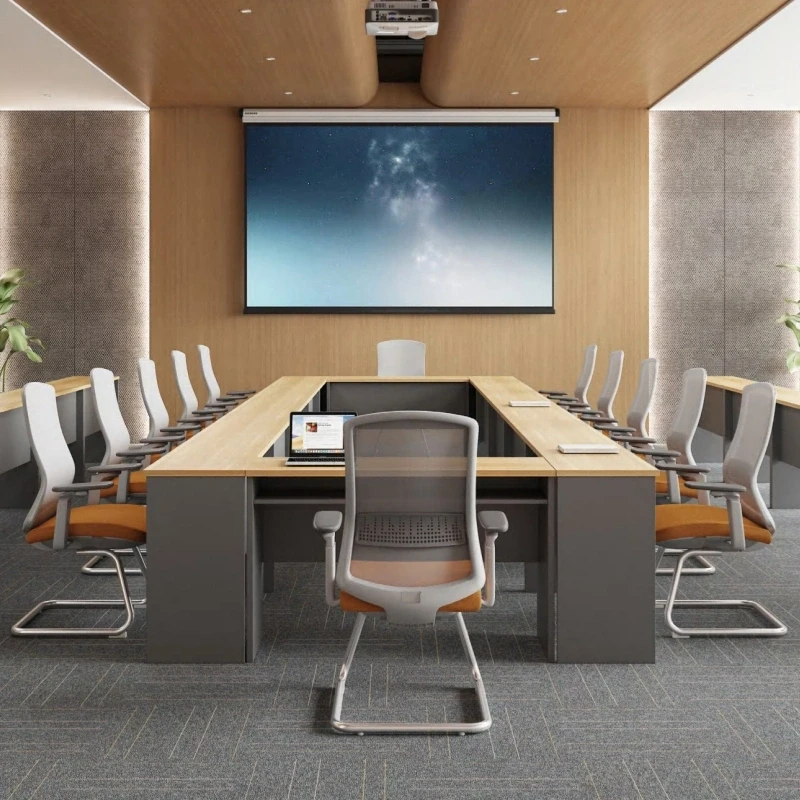
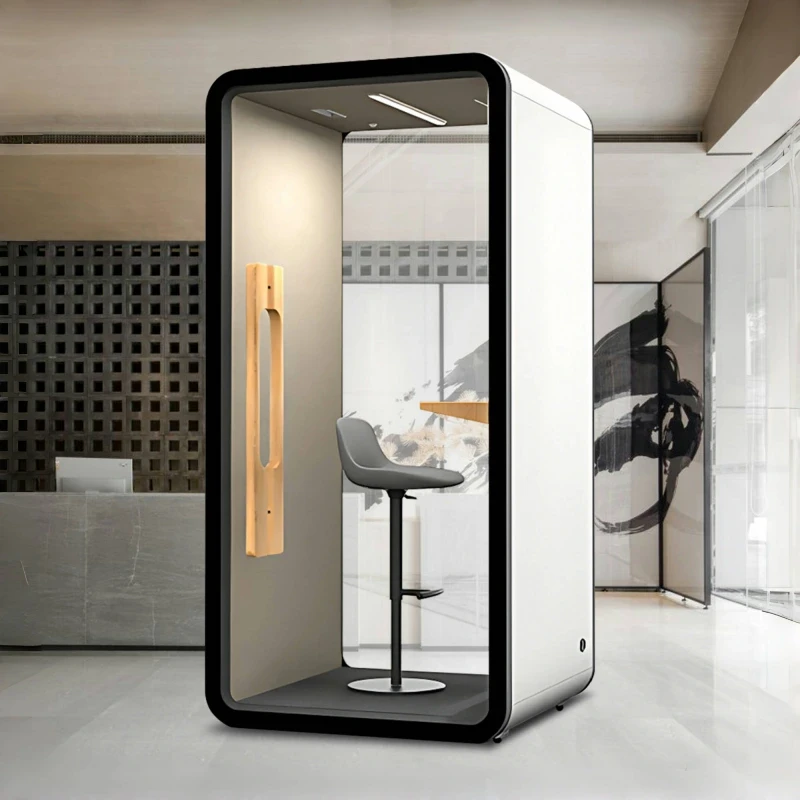
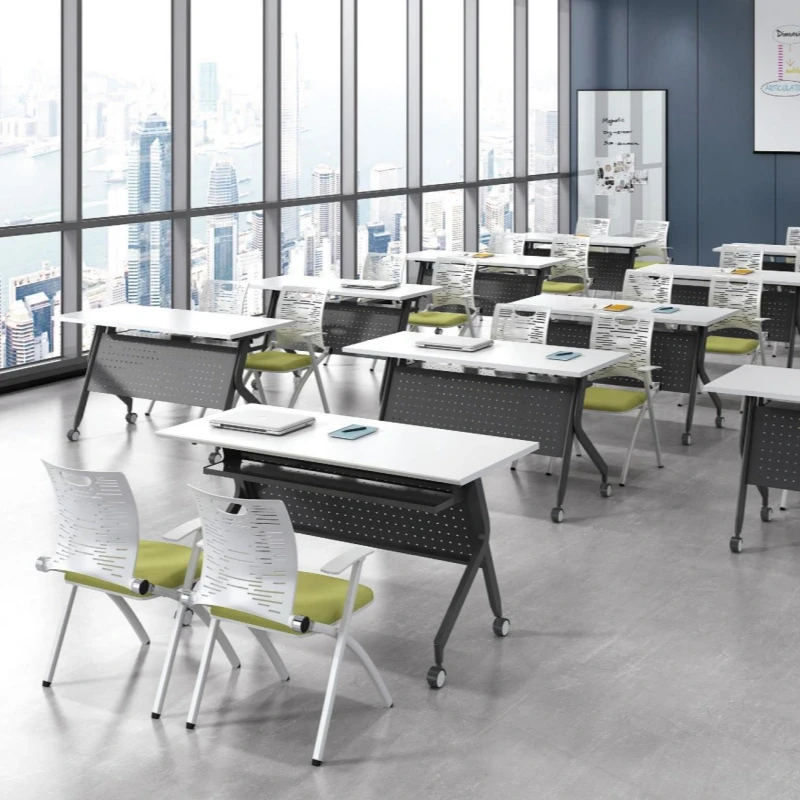
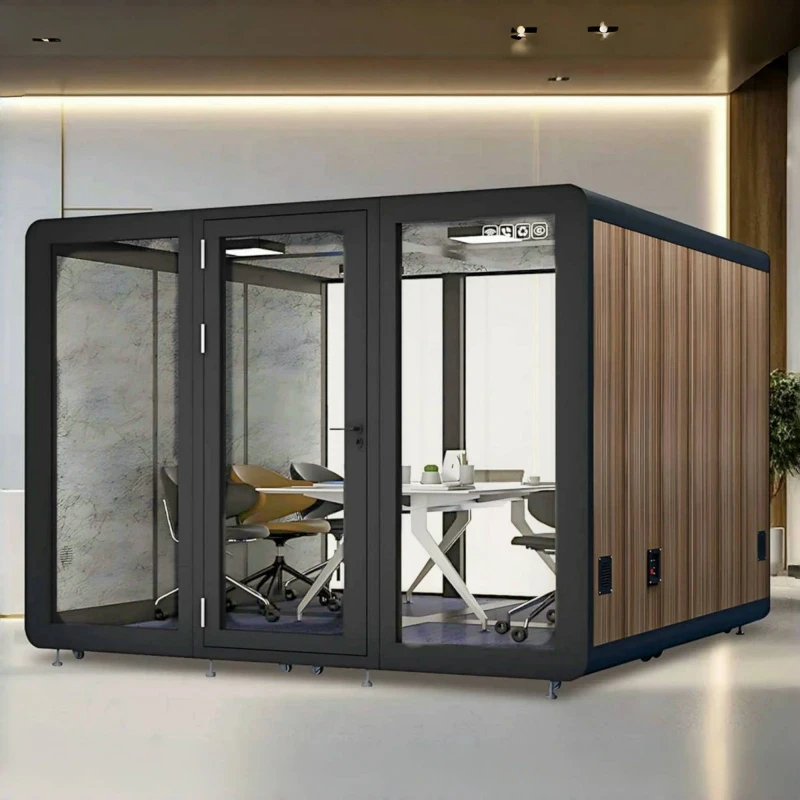
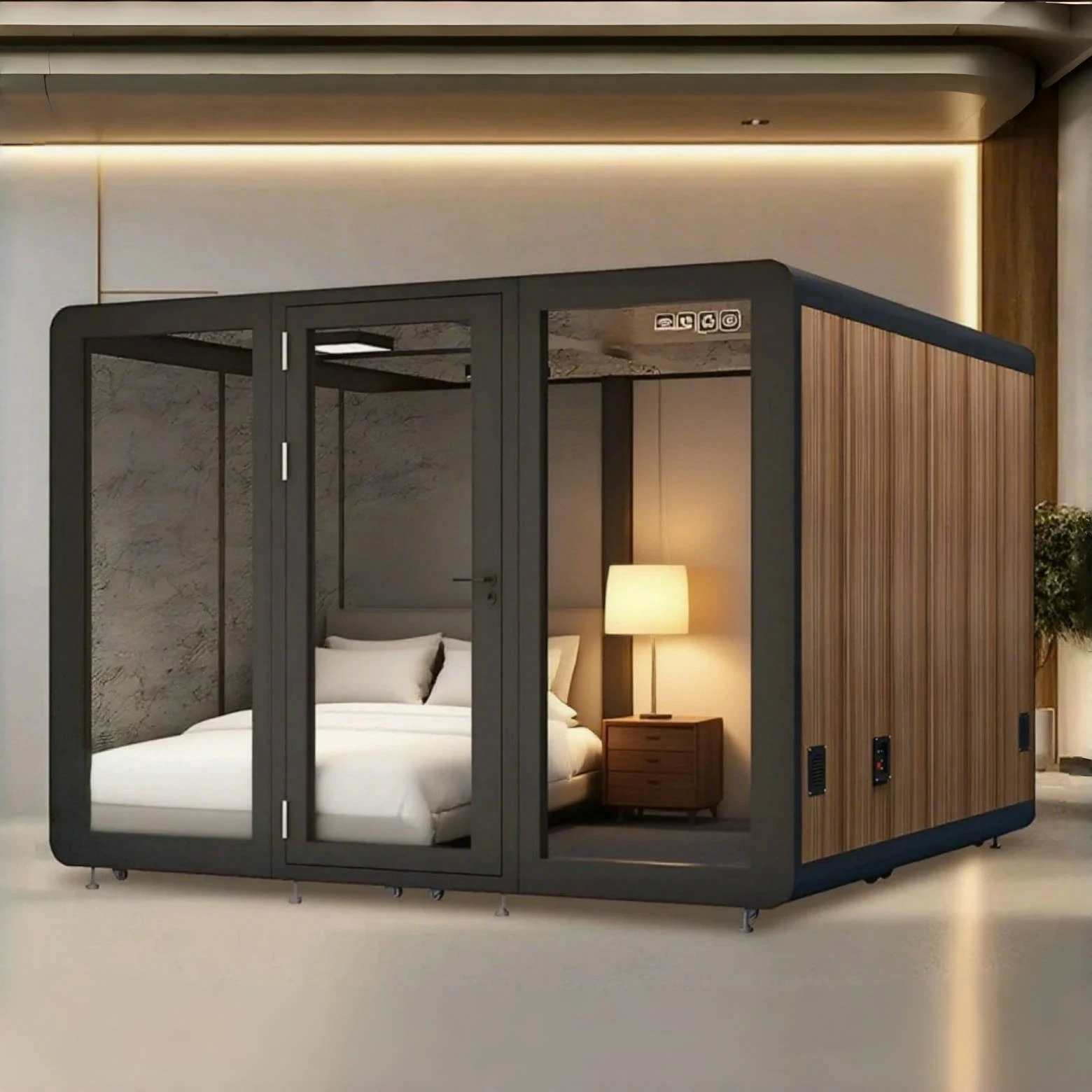


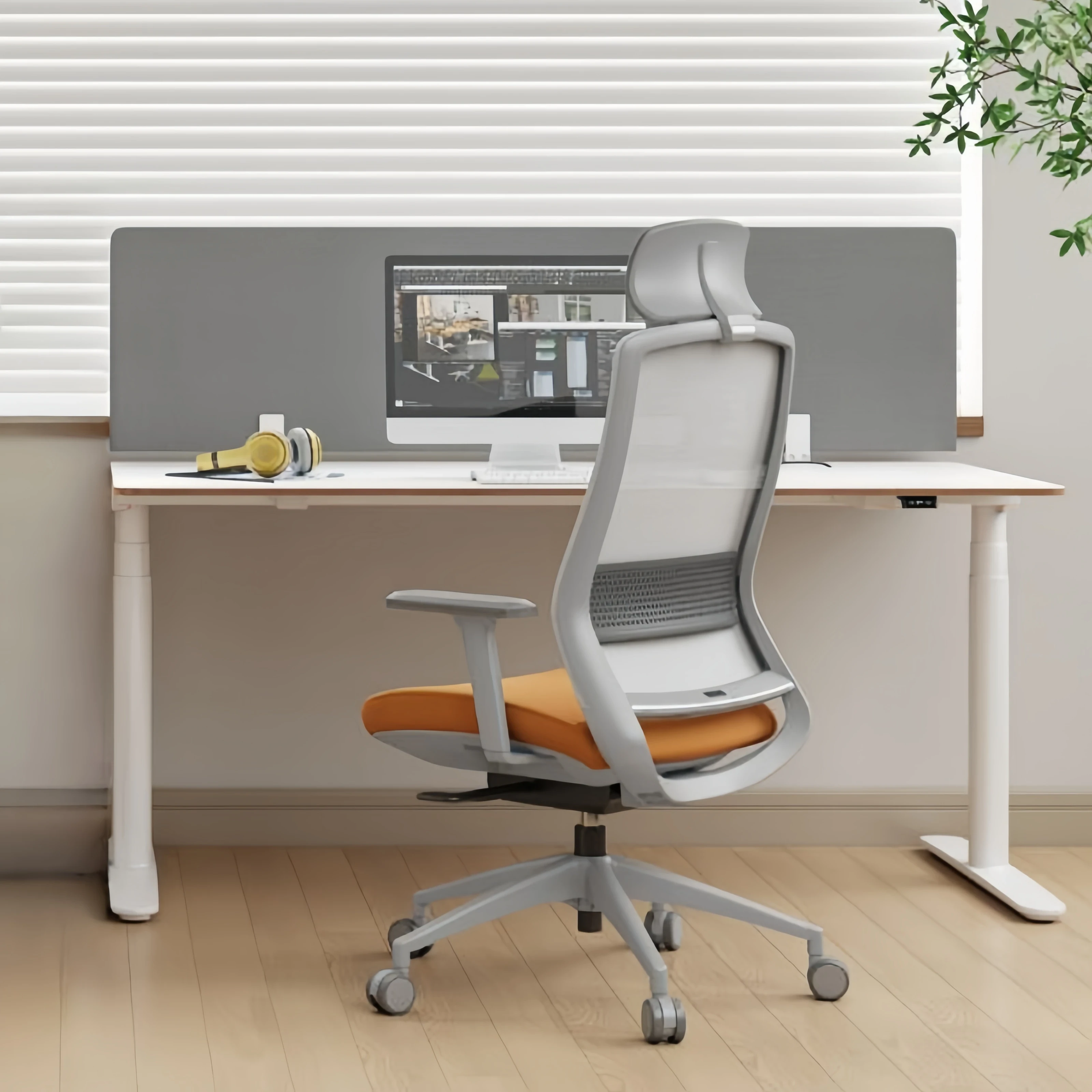


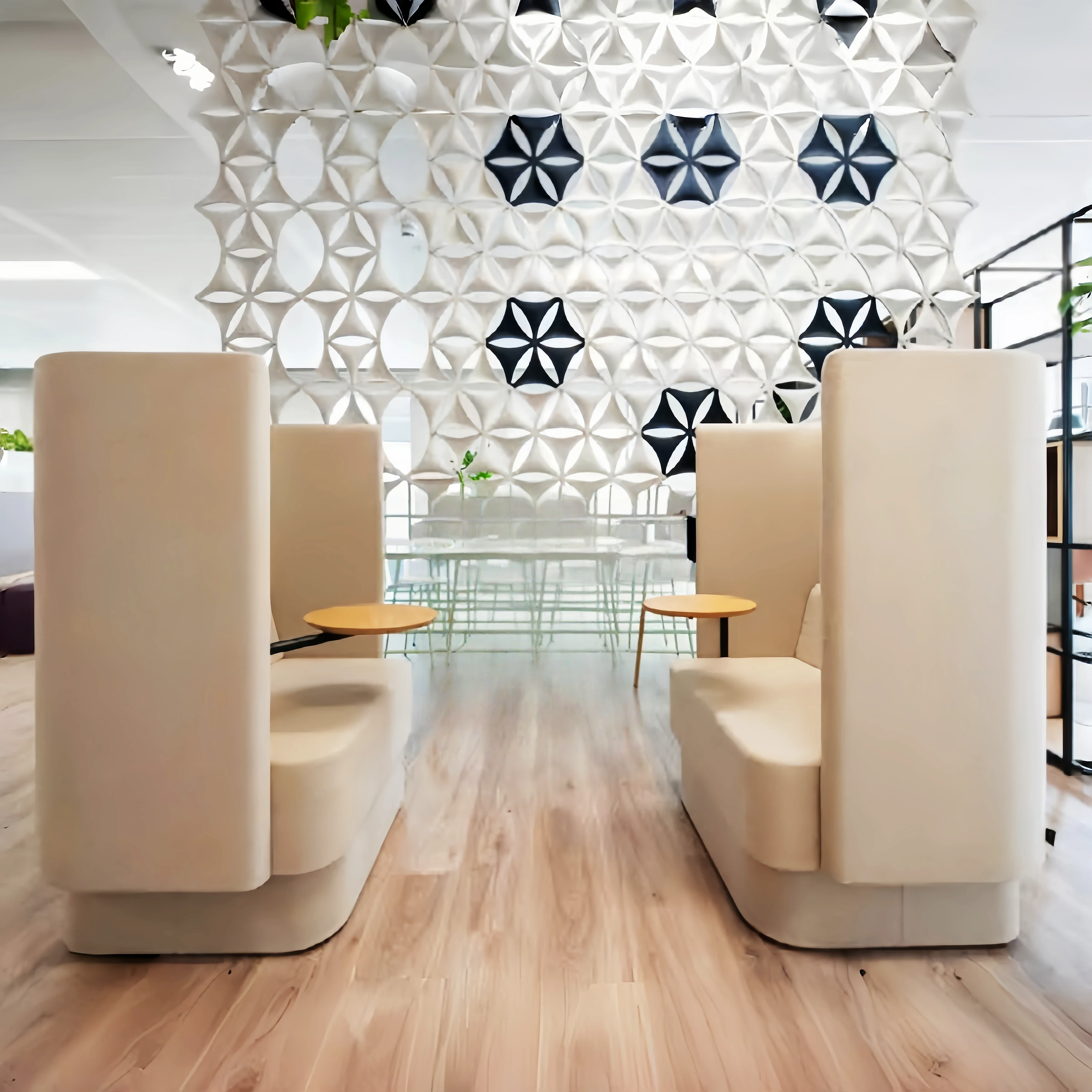

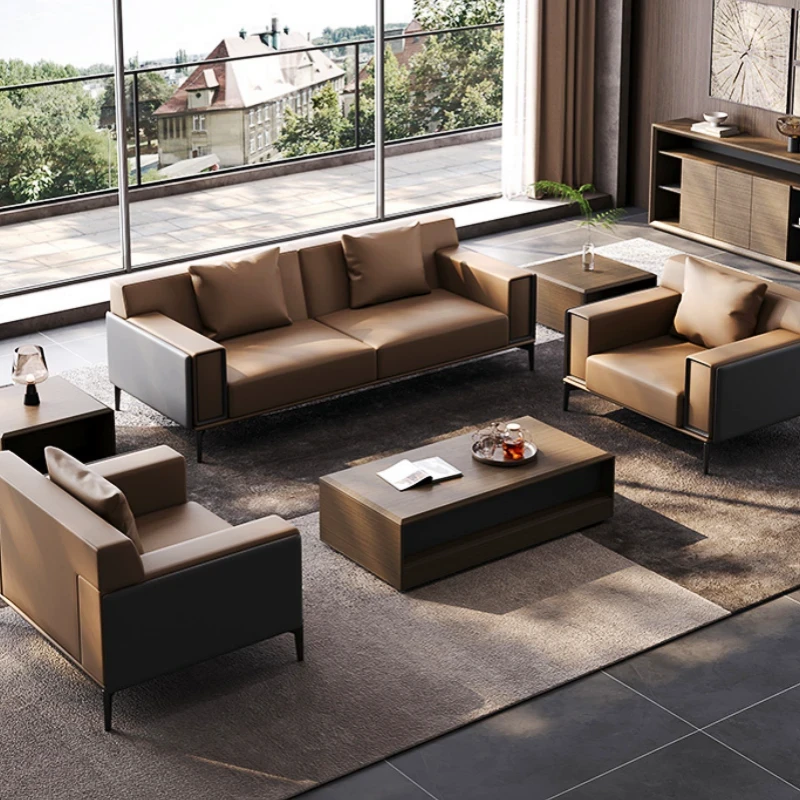
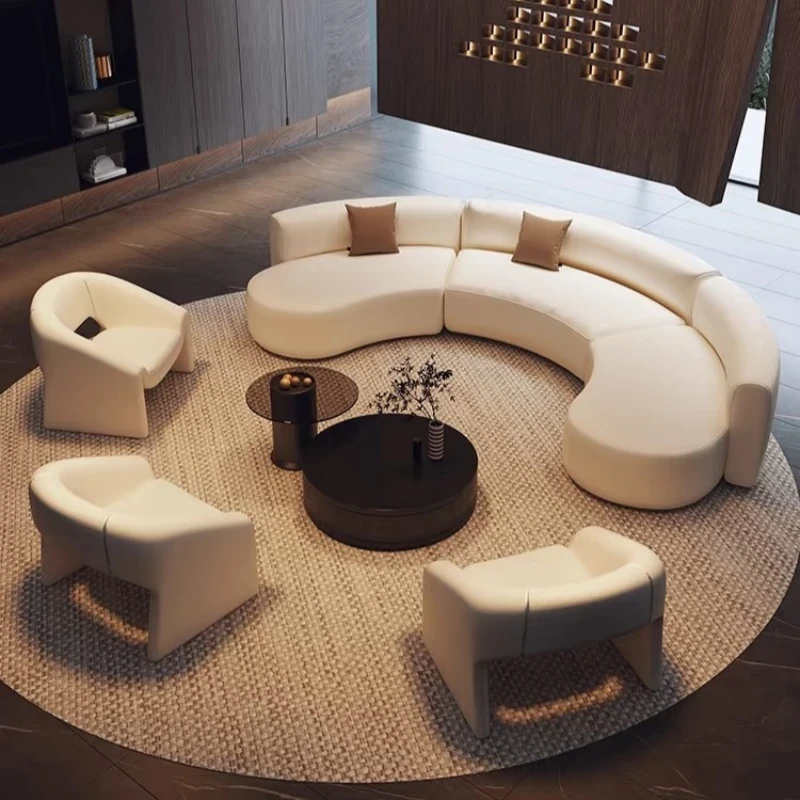
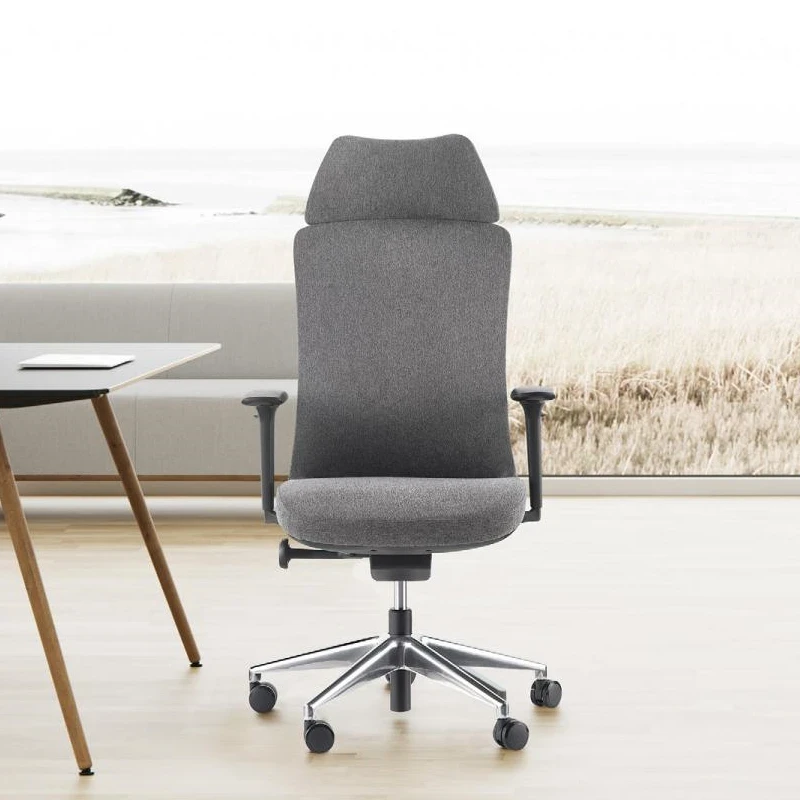


1. Assessing Basic Needs
Understanding usage frequency and scenarios: Different positions may have different usage needs; finance personnel and designers may have significantly different requirements for desks and chairs.
Determining the number of employees and space limitations: Based on the number of company employees and the size of the office space, determine the required number and specifications of desks and chairs.
2. Defining Priorities
Identifying core needs: Prioritize ergonomic design and durability, while making appropriate compromises in aspects such as appearance design.
Categorizing needs: Based on urgency and importance, categorize needs into essential and optional to better control the budget.
II. Market Research and Supplier Selection
1. Conducting Market Research
Comparing Prices and Quality: Search and consult multiple suppliers online to obtain comprehensive information on prices, quality, and after-sales support.
Reviewing User Reviews: Pay attention to feedback from other enterprise users to evaluate the product's performance in actual use.
2. Multi-party Negotiation and Cooperation
Flexible Negotiation: Negotiate with multiple suppliers to obtain preferential prices or additional services.
Establishing Long-term Partnerships: Establishing long-term relationships with reputable suppliers may secure better discounts and after-sales conditions.
III. Focusing on Cost-Effectiveness and Long-Term Investment
1. Considering Overall Cost-Effectiveness
Choosing products with high cost-effectiveness: The most expensive product is not necessarily the best. Comparison reveals that moderately priced desks and chairs that meet basic needs offer true value.
Explore the secondhand market: High-quality secondhand desks and chairs can sometimes be an economical option.
2.
Invest in durability for long-term benefits: Choosing products with high strength and long lifespan, while requiring a slightly higher initial investment, reduces replacement and maintenance costs in the long run.
Prioritize health factors: Excellent ergonomic design helps reduce health problems caused by poor posture among employees, thereby lowering company medical expenses and employee absenteeism.
IV. Combine flexible payment options with
installment payment plans: In situations with tight budgets, negotiate installment payment plans with suppliers to alleviate one-time financial pressure.
Rental options: For startups or companies with uncertain future office needs, renting desks and chairs may be more flexible and economical than purchasing.
By employing these strategies, companies can more effectively balance budget constraints with quality requirements when purchasing office desks and chairs. This not only creates a comfortable and efficient working environment for employees but also provides greater flexibility in cost control, thereby improving the company's operational efficiency and competitiveness in the long run.