
 USD
USD GBP
GBP
 EUR
EUR
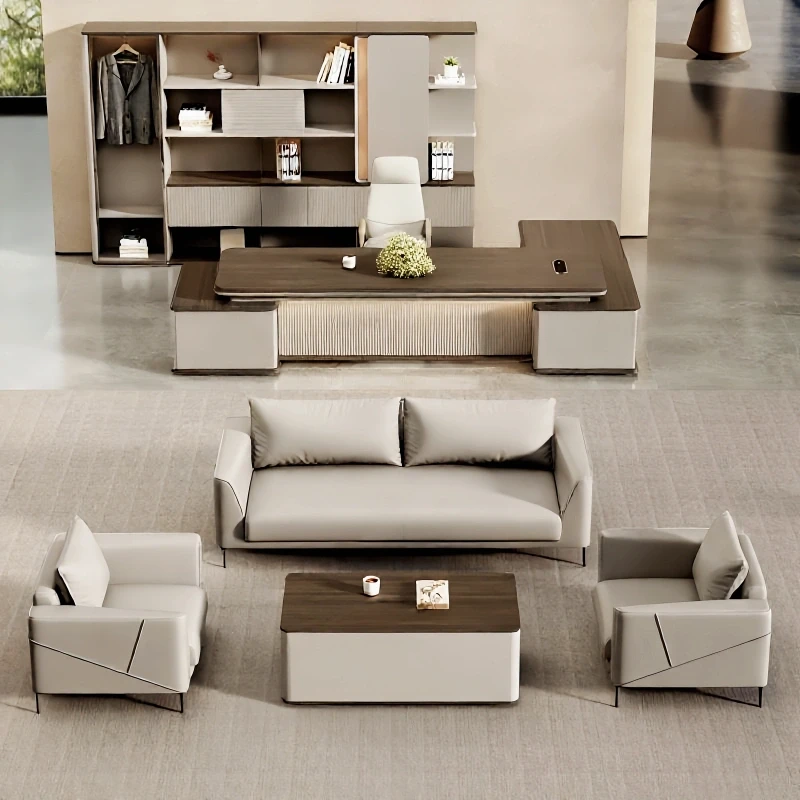
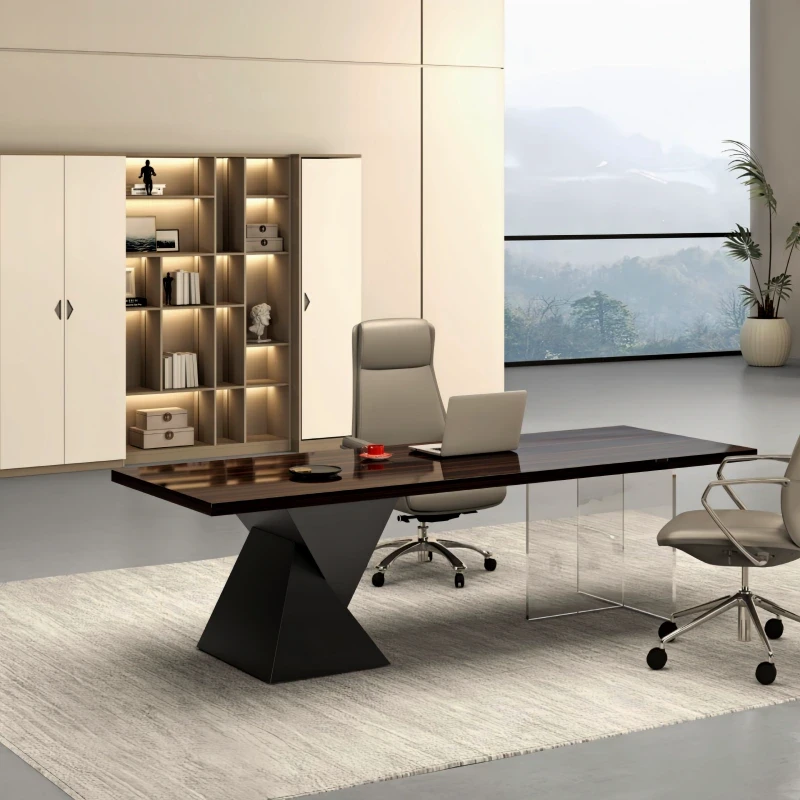


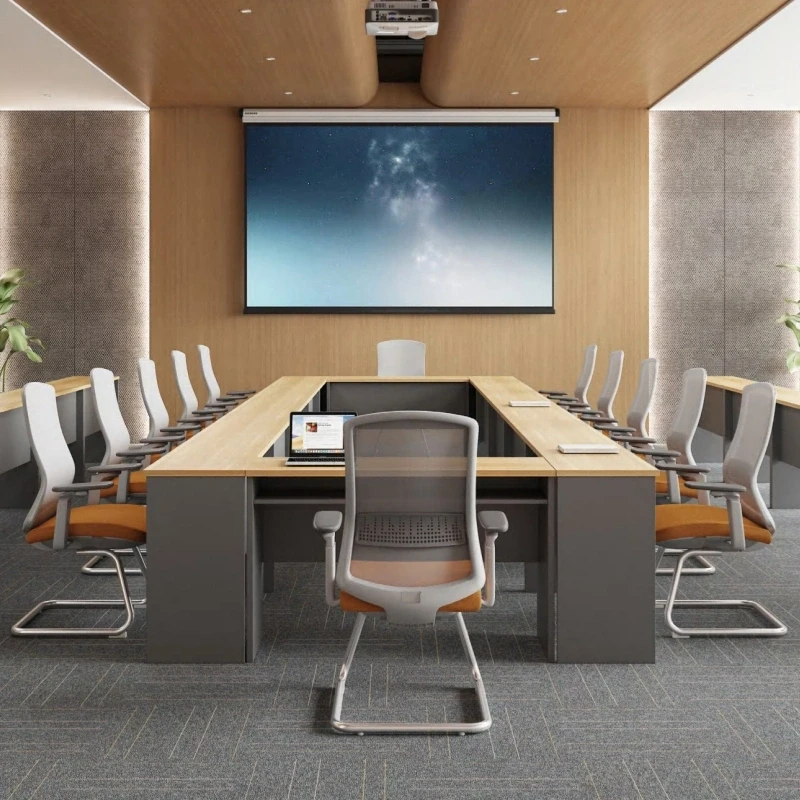
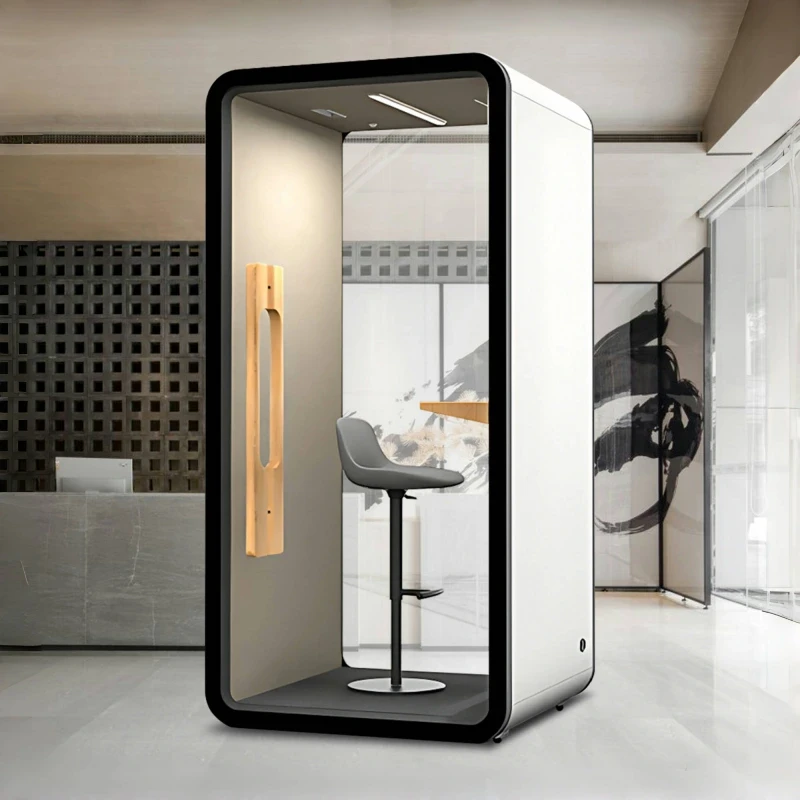
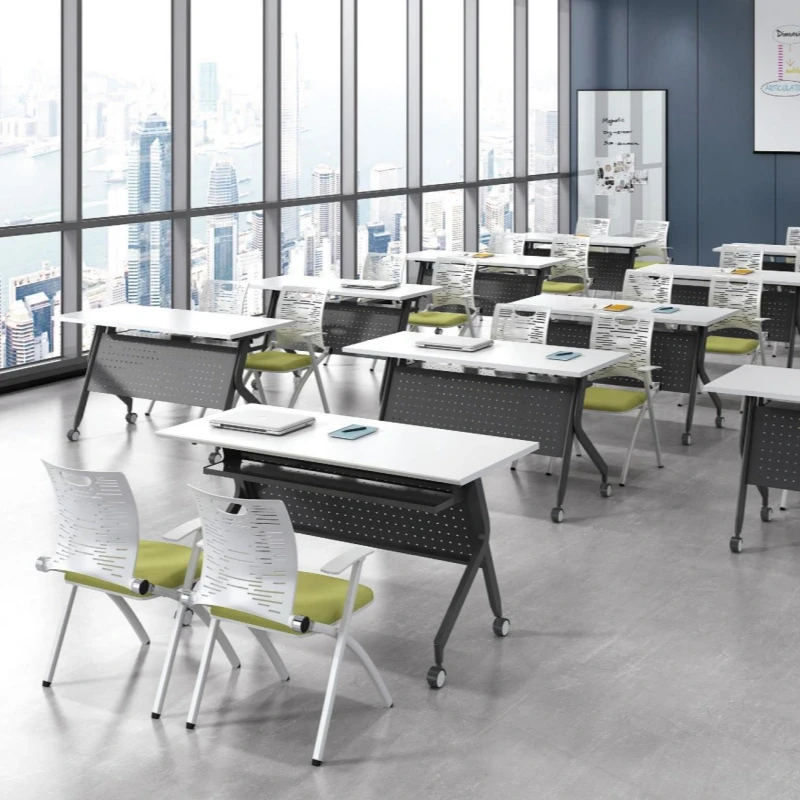
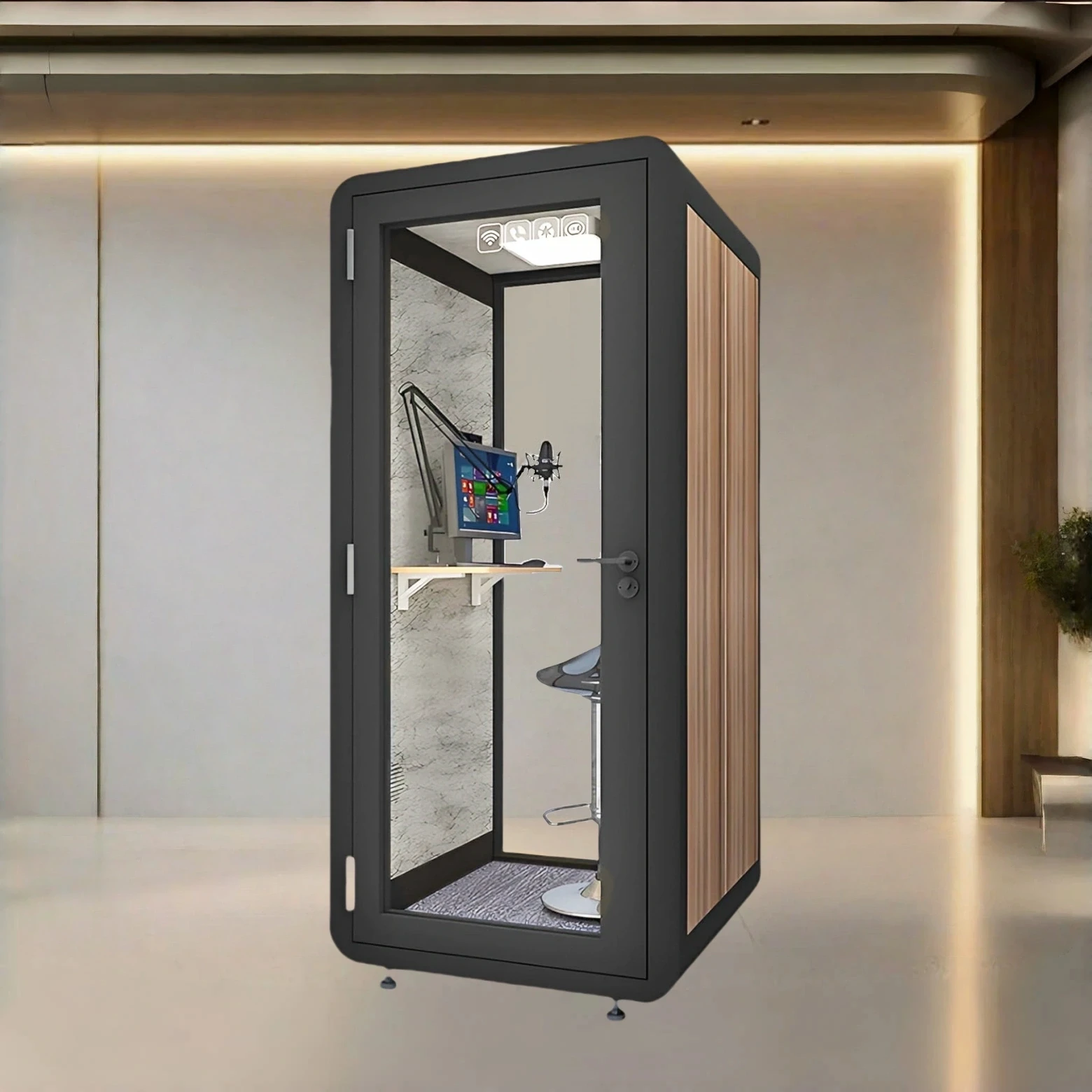
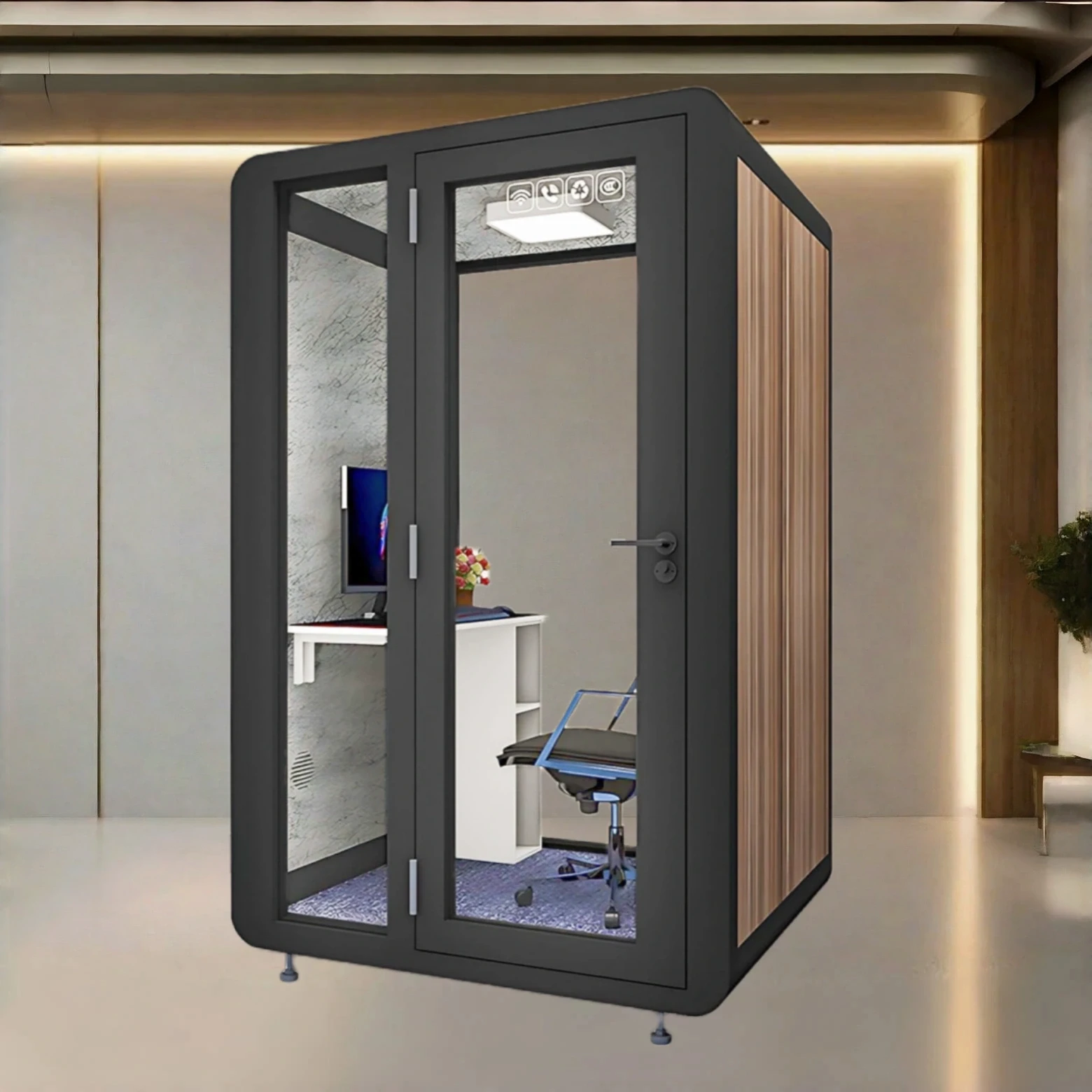
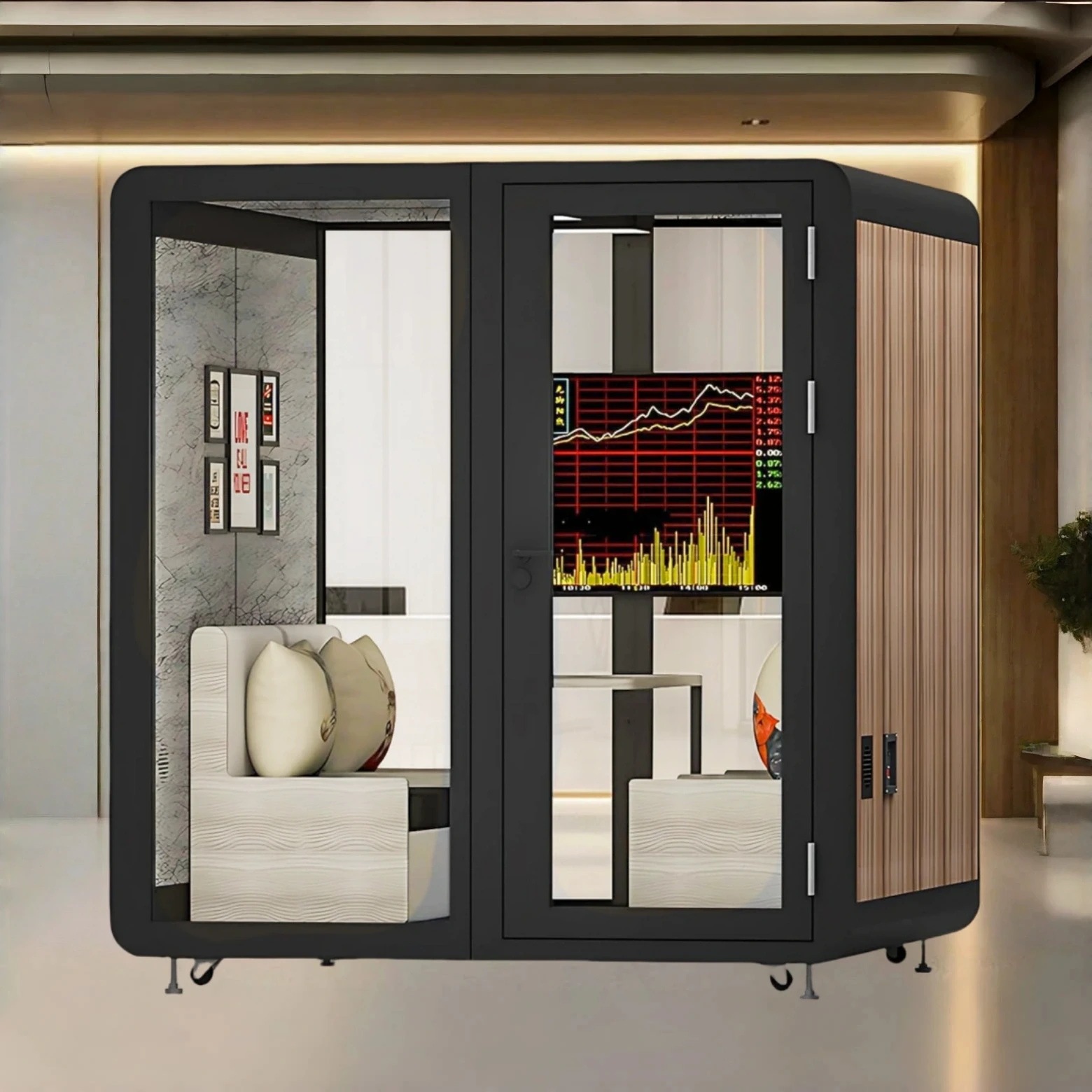
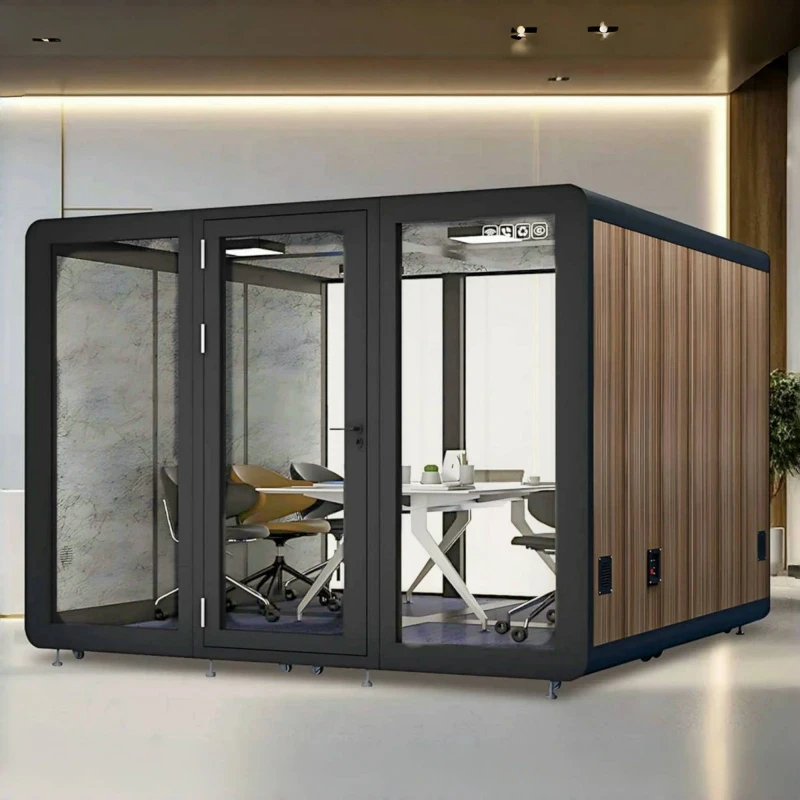
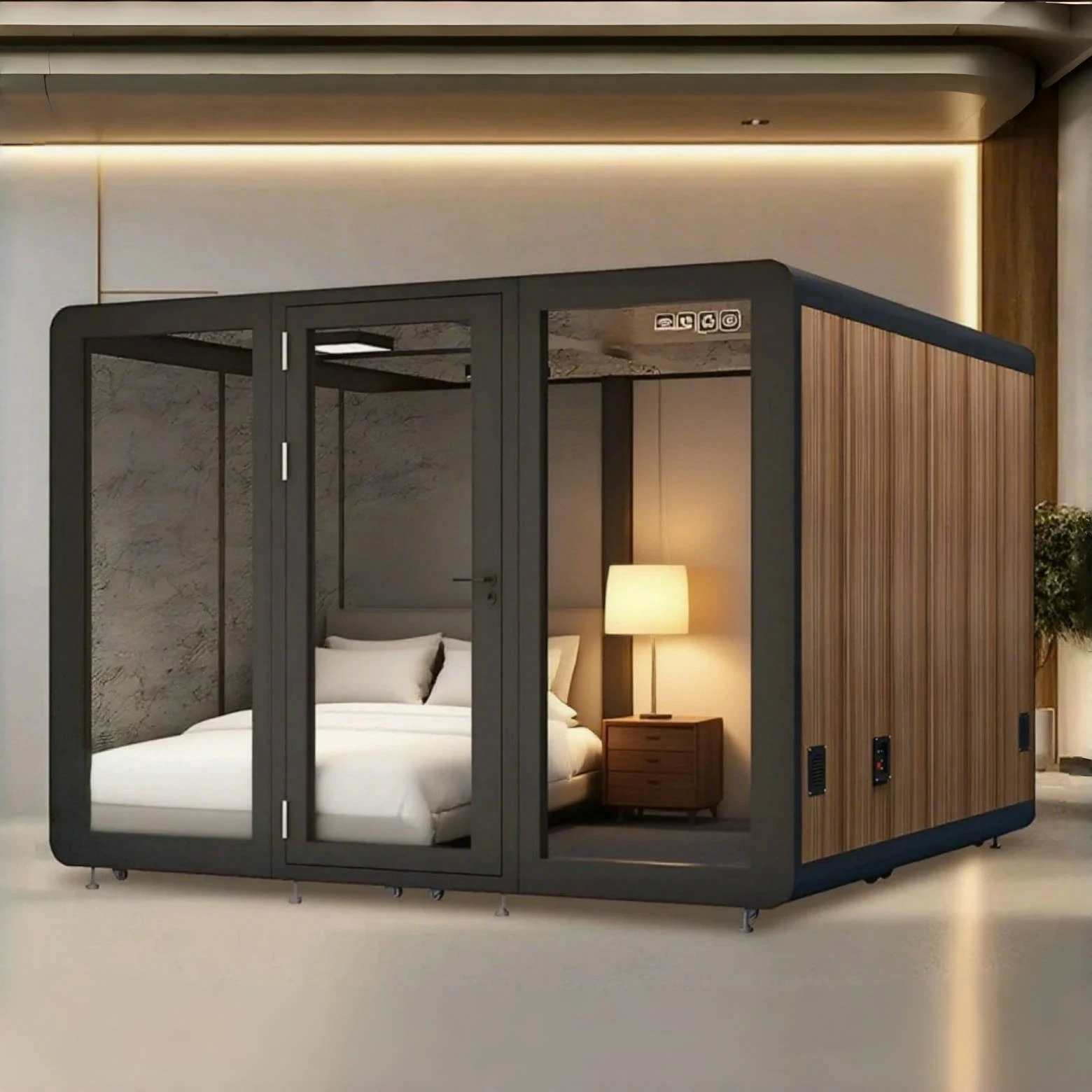


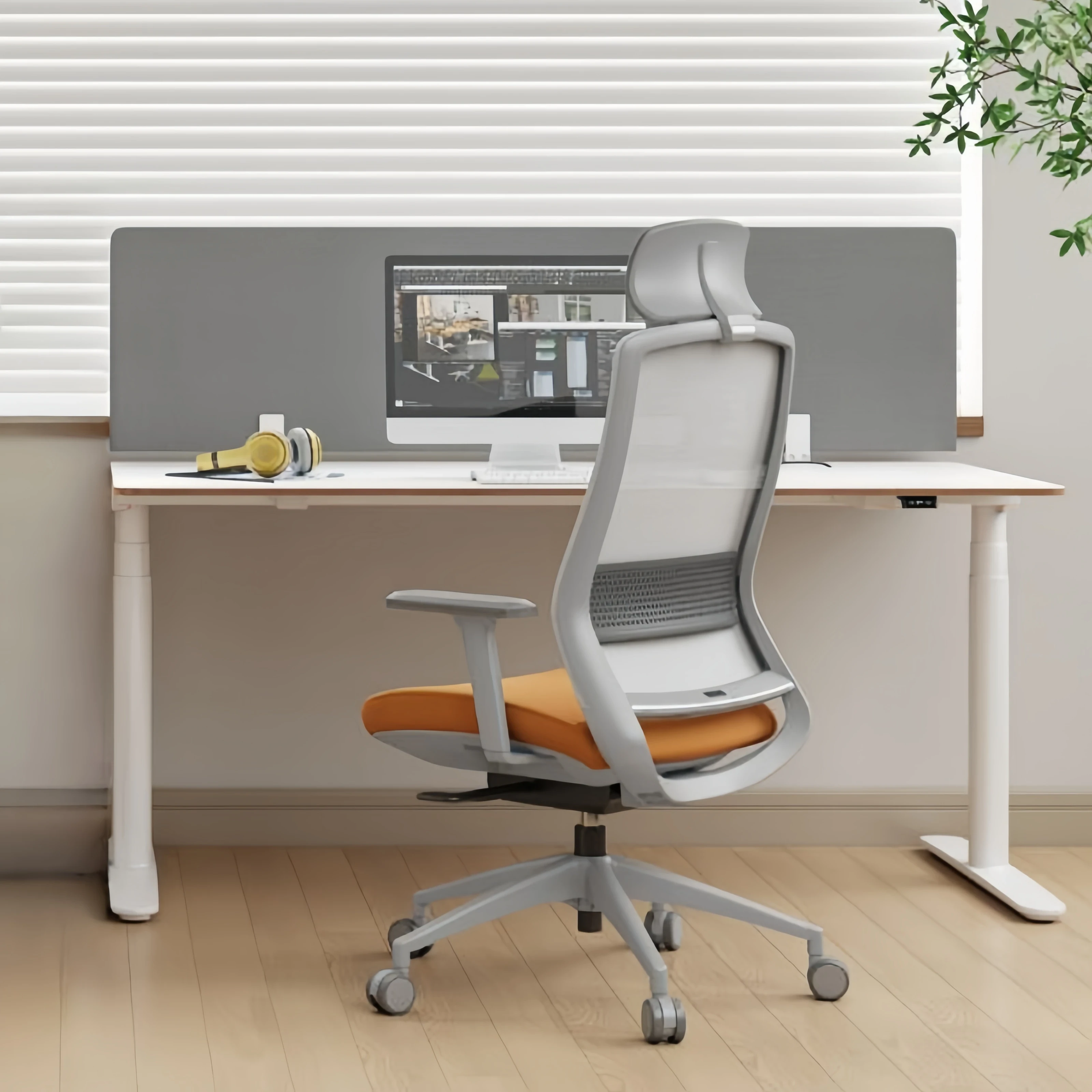


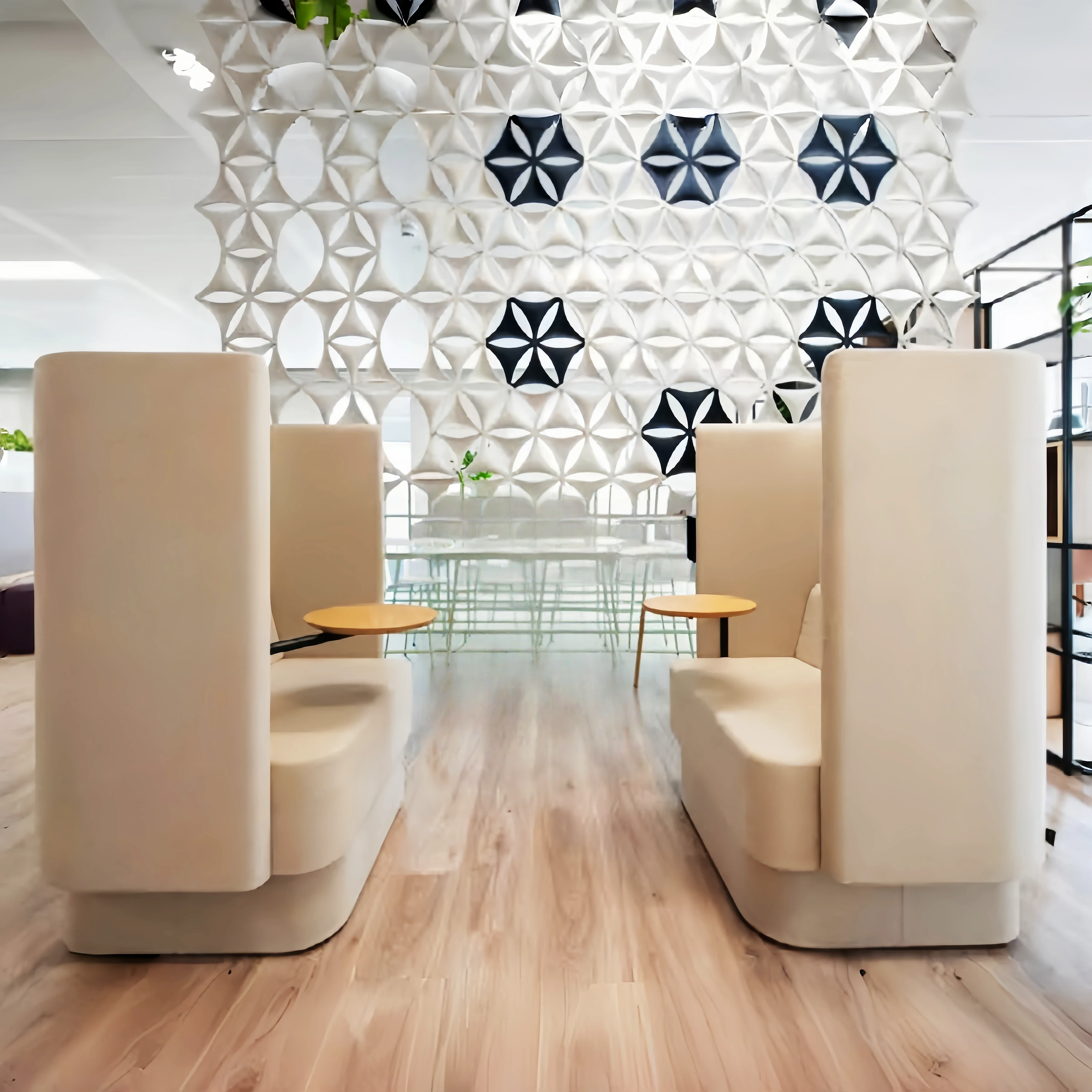

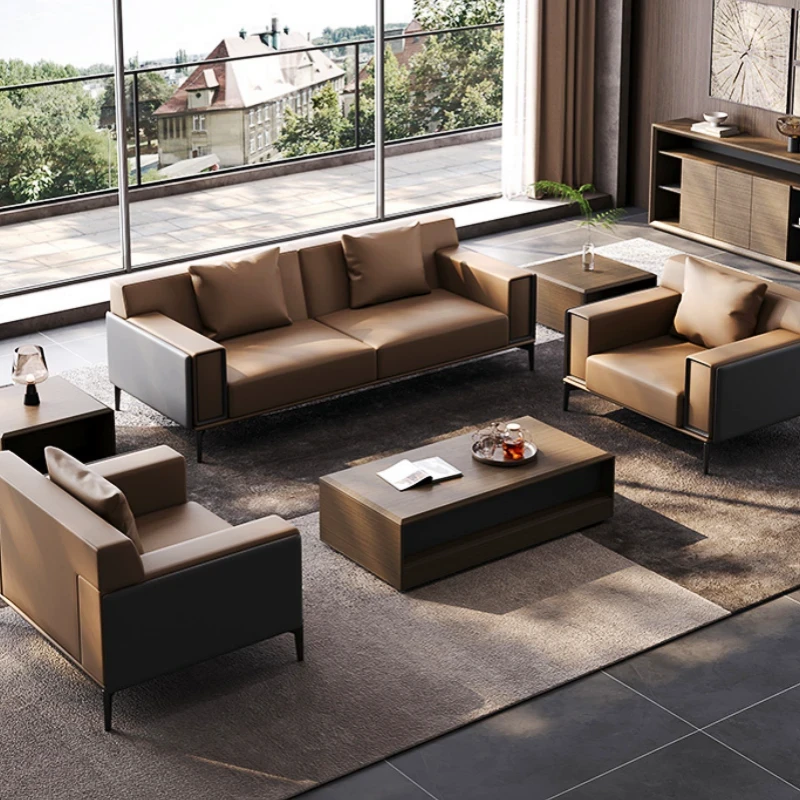
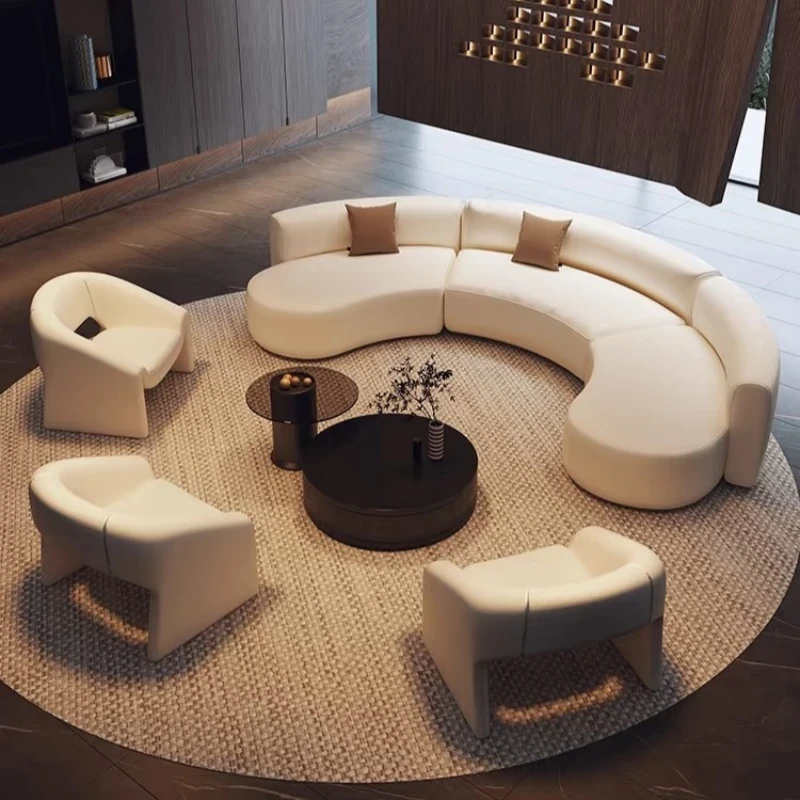
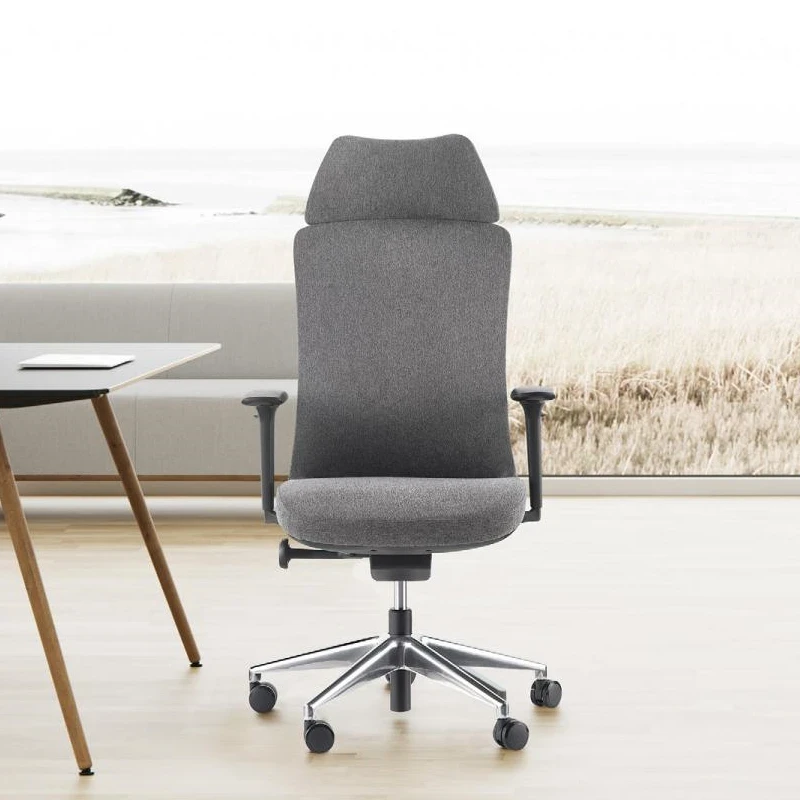


The furniture industry suffers from severe homogenization. Although brands may differ, they often offer essentially the same products, leading to a vicious cycle of competition. So, how can one stand out in the furniture industry? Perhaps the following seven suggestions can help:
1. Originality leads the industry.
Originality is always the winning formula for success in market competition. Although many companies have their own design capabilities, they often fail to achieve a perfect integration of "product-culture-lifestyle," resulting in most furniture products lacking distinctive features, unable to stand out from the crowd, and unable to adapt quickly enough to escape the vicious cycle of homogenization. Therefore, finding an original brand is key to success, and the value of an original brand can be judged by these three aspects: first, nationally recognized patent certificates; second, a professional design team; and third, a clear competitive advantage in the industry. For example, a genuine leather sofa manufacturer must maintain originality in its sofa production, possessing its own unique designs to stand out in the sofa industry.
2. Culture determines the future.
Human needs manifest in two aspects: spiritual and material. When material needs are met, spiritual needs inevitably take a dominant position. Currently, both domestically and internationally, the cultural industry economy, with culture at its core, is developing rapidly. Products that embody culture and satisfy people's spiritual enjoyment are widely popular. Therefore, products with high cultural added value and that showcase cultural taste are a major trend in future marketing.
3. Customized and locked advantages.
Meeting customers' personalized needs has always been a reflection of a company's strength and a crucial means of deepening brand loyalty. Those born in the 70s, 80s, and 90s have become the undisputed main force in home furnishing consumption. While brand loyalty is decreasing, their demand for personalization is increasing. They not only focus on the rational functions of products but also seek the emotional intelligence and value alignment that a brand brings. If companies can appropriately extend and improve their products and services around consumer needs, offering personalized customization services, they will extract greater value from individual consumers. Furniture manufacturers must listen to their customers' voices and needs to produce best-selling products. Ignoring customer needs and blindly following their own ideas will inevitably lead to being eliminated by the market.
4. Sales model innovation.
Experiential selling is currently the best marketing model. In today's information age, consumers can not only compare prices and materials from multiple vendors across the country, but they can even criticize salespeople. As consumers become increasingly self-aware, their purchasing decisions are often based on in-depth product experience and understanding. Therefore, launching experiential marketing by focusing on consumers' sensory experiences can not only reduce the traditional haggling and bargaining but also increase customer goodwill towards the store.
5. Cross-industry and mixed business operations.
Cross-industry operations not only break with tradition and integrate resources, but also achieve complementary advantages and differentiated marketing, often yielding unexpected results. For example, selling tea tables in a furniture mall provides an elegant display environment and a resting area for tea tasting, giving the entire furniture mall a refreshing feel. This not only avoids direct competition with other furniture products but also gains high recognition from the furniture mall property management, allowing them to choose a better location to operate.
6. High cost-performance ratio for investment.
In a generally sluggish economic climate, the return on investment (ROI) is a crucial consideration. It's common in the furniture industry for a good furniture brand to have renovation costs exceeding tens of thousands of yuan, and the lifespan of such decorations is relatively short. Add to that the normal cost of stocking inventory, and it's not uncommon for a single store to cost over a million yuan, not to mention the tens of millions needed to create an original brand. Furthermore, intense competition from similar products and imitations significantly reduces profit margins, resulting in a very limited return on investment. Therefore, choosing a product with low initial investment, minimal reinvestment, and high returns is a crucial consideration for every furniture dealer. If a furniture brand is represented by many dealers, it signifies high market recognition of that brand.
7. Stable rigid demand.
China is, after all, a country with thousands of years of cultural heritage. Many traditional aesthetic characteristics and consumption habits are passed down from generation to generation and are ingrained in our blood. Even some people who pursue fashion and modern culture will still return to the taste of traditional culture once they reach a certain level. Therefore, products of traditional Chinese culture are not only the first choice for the affluent middle class to improve their quality of life, but also often have a long life cycle and are not easily eliminated.