
 USD
USD GBP
GBP
 EUR
EUR
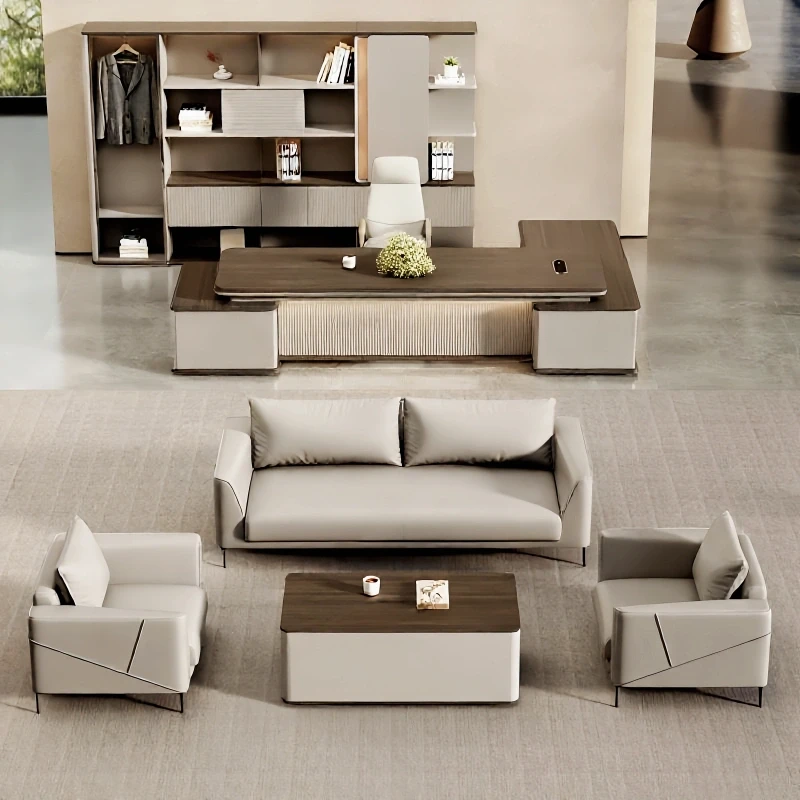
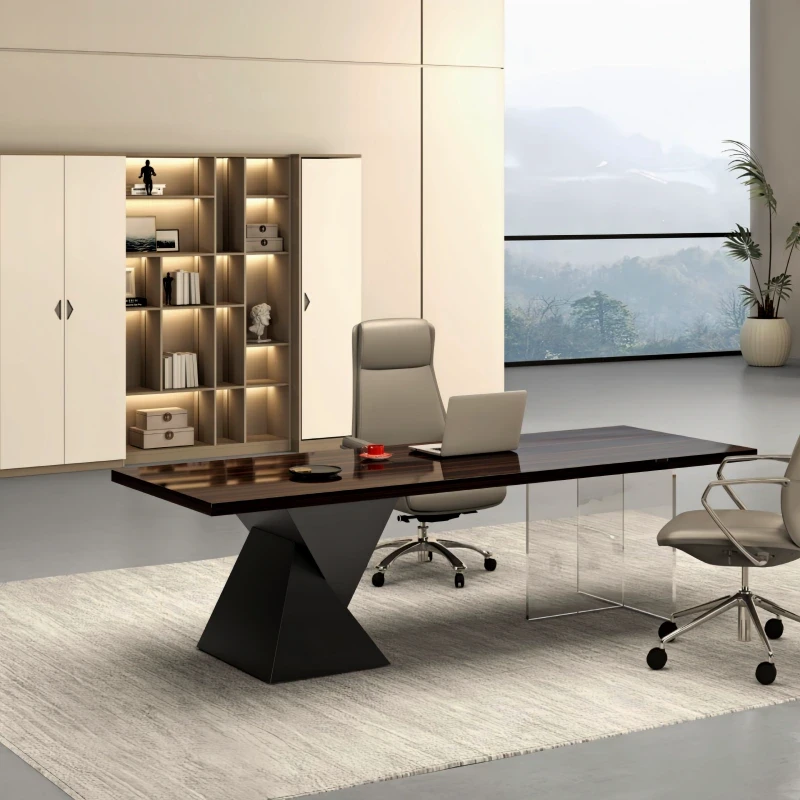




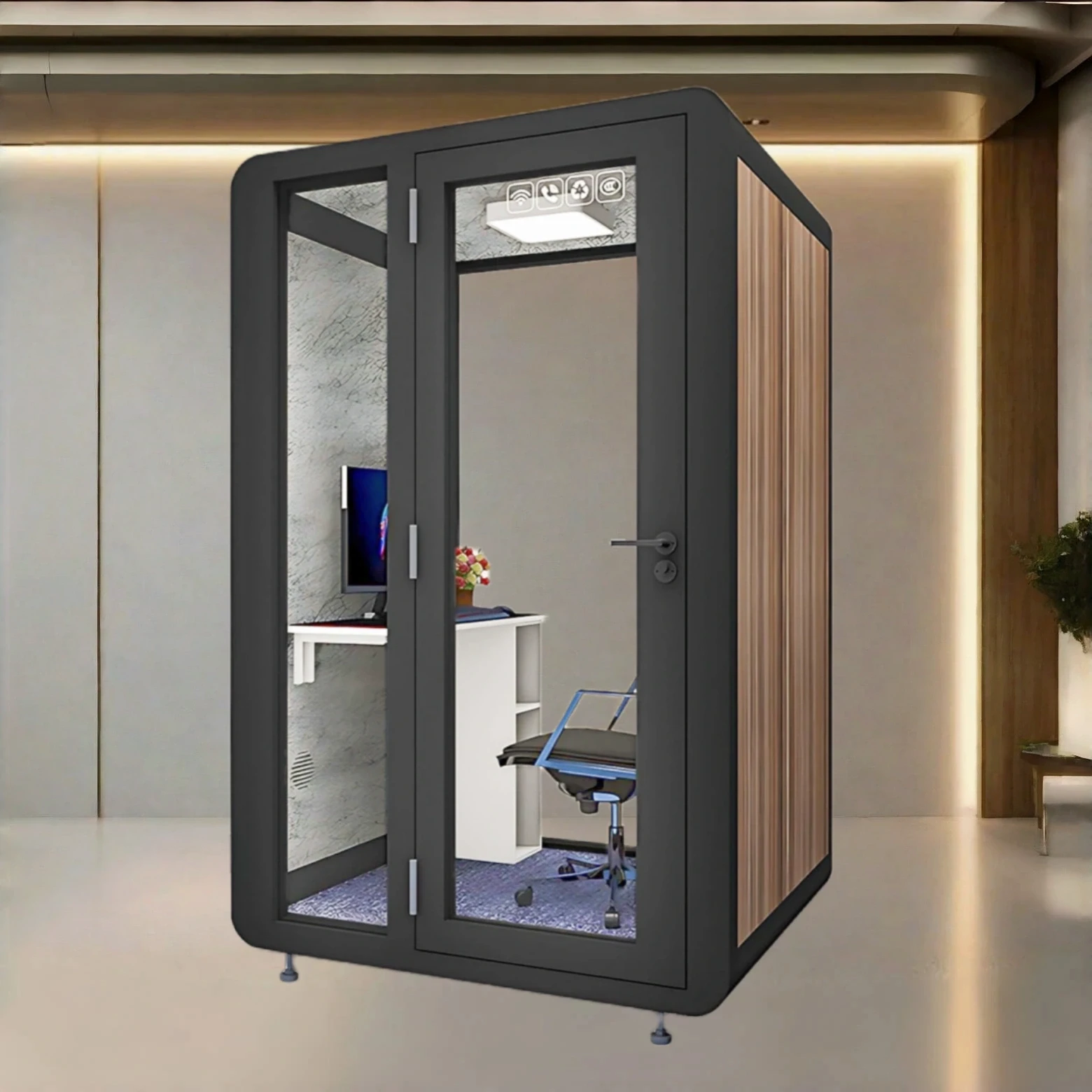
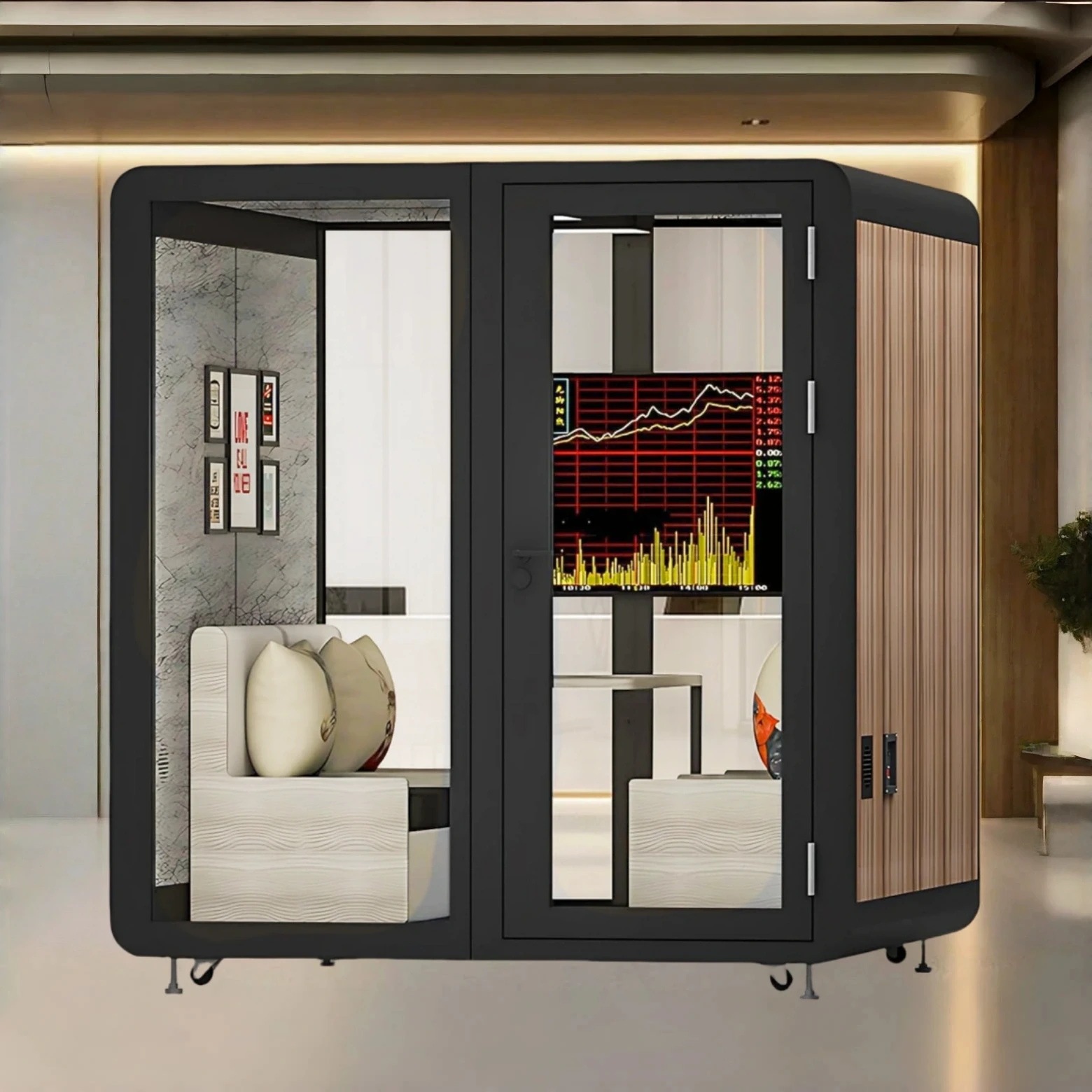




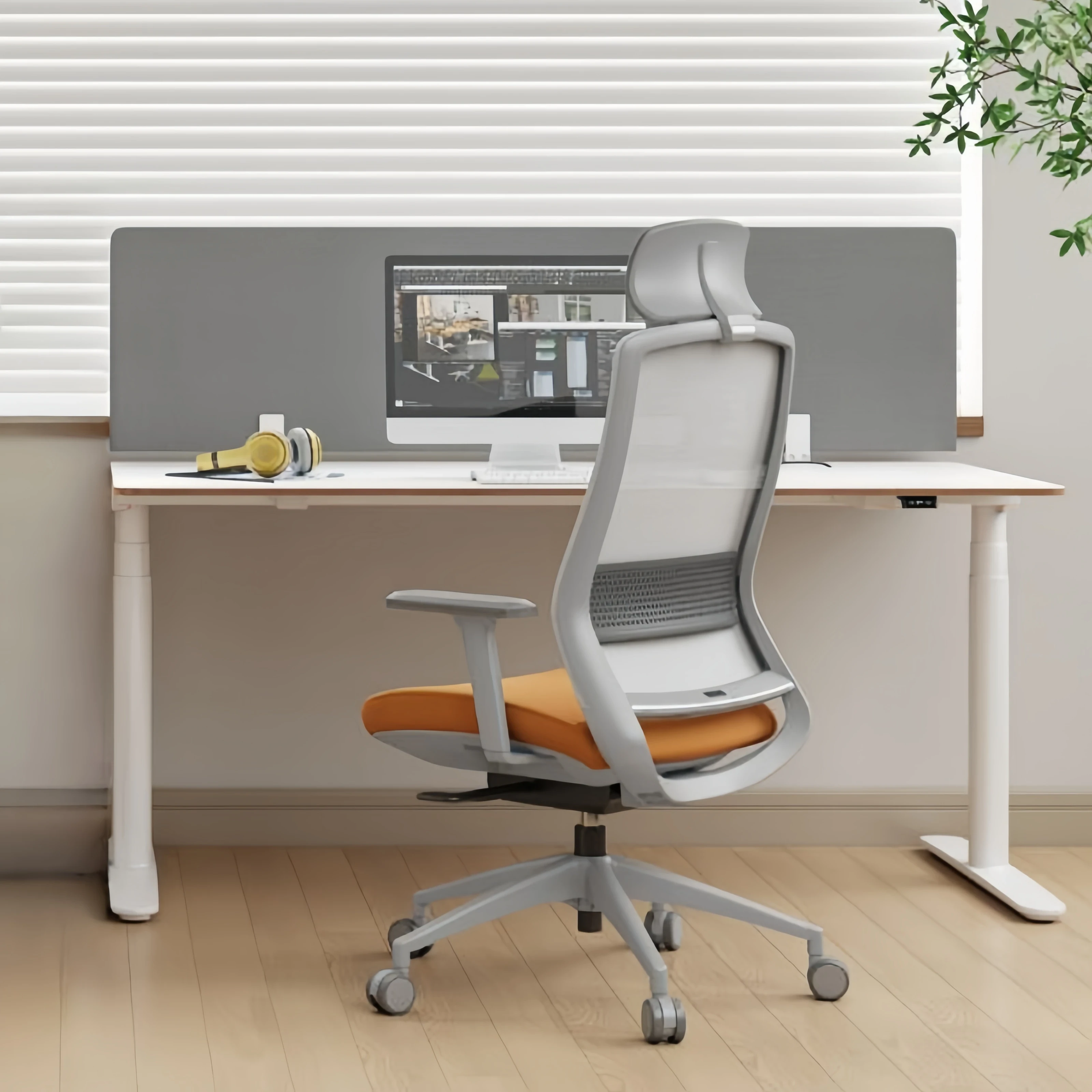




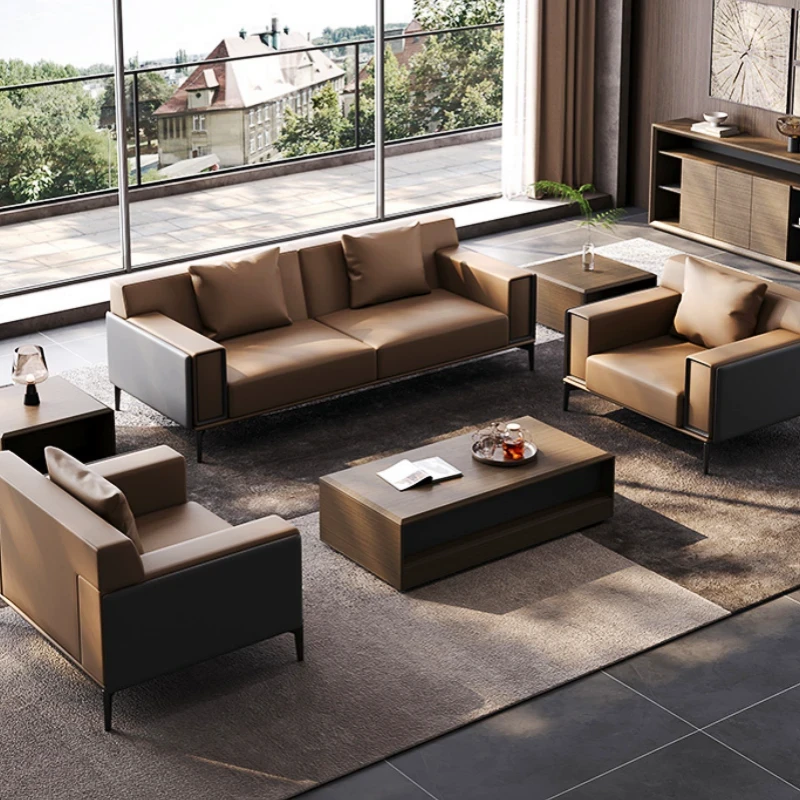
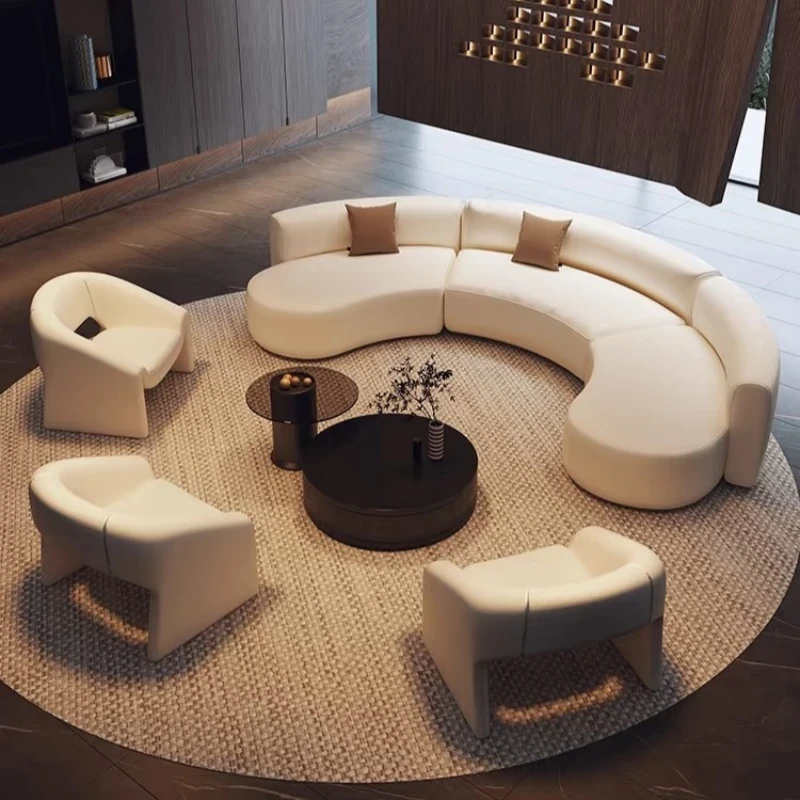


The implementation of fixed-price furniture sales for a year has yielded less than satisfactory results. Yesterday, a reporter visited several furniture stores in Chongqing and found that although the stores require merchants to display fixed prices, many furniture items still have inflated prices.
In a European-style furniture store in a shopping mall in Yubei District, a reporter saw a sofa set priced at 38,800 yuan. When asked if there were any discounts, the salesperson said a 25% discount was available, and then added that further discounts were possible.
Reporters learned that in recent years, clearly marked prices for home decoration and building materials such as kitchen cabinets, lighting fixtures, ceramics, and bathroom fixtures have remained a pipe dream. "Some lighting products are priced at tens or hundreds of thousands of yuan, but the actual transaction price is only one-tenth of that," said a manager of a lighting market.
With transparent pricing for home furnishing and building materials being difficult to achieve, how can consumers save money when making purchases? Wang Haijuan, a veteran in the furniture industry, suggests that consumers can choose discounted products from vendors. Bargain expert Yan Yaxi advises: First, compare prices from multiple vendors and inquire about the prices of similar items; second, choose shops located further inside or in more secluded areas, as these shops often attract customers with their price advantages; third, after roughly agreeing on a price, don't pay upfront. Look for flaws in the purchased goods, point them out, and there should be room for further price reductions.
The furniture industry promotes "transparent pricing," but the problem of inflated prices for home furnishing products is still common. Unlike clothing and home appliances, bargaining when buying furniture has become commonplace. Even in large, reputable home furnishing stores, bargaining is a common occurrence, and in many cases, the final price of home furnishing products depends entirely on the consumer's bargaining skills.
Furniture worth 120,000 yuan being sold for 70,000 yuan is a mere formality; clearly marked prices are meaningless.
With the wedding season approaching, furniture sales have also entered their peak season. In recent years, despite repeated emphasis and strict supervision from relevant departments regarding transparent pricing, furniture pricing has been implemented in major stores. However, consumers have found that the transparent pricing of furniture is merely a formality, with furniture actually sold at discounted prices, and the extent of the discount is very opaque.
Price tags are almost always just for show.
Ms. Zhao, a consumer, told reporters that last month, she bought a set of solid wood furniture for her daughter's new house at a furniture store. The initial price of the 13-piece set was just over 120,000 yuan. She felt the price was too high and did not intend to buy it, but the salesperson offered to give her a discount.
After some haggling, she finally bought the furniture for less than 60% of the original price, spending 70,000 yuan. Ms. Zhao said that with the experience of buying this set of furniture, she put in a lot of effort to negotiate the price repeatedly when she went to buy other furniture.
Based on Ms. Zhao's experience, reporters visited several furniture stores in the city and found that although brand stores in regular stores were implementing price marking, the price marking was almost a formality, and furniture from different brands was being sold at different discounts.
At a home furnishing plaza in Shahekou District, the reporter observed that every salesperson in the store carried a calculator. After the reporter inquired about prices, the salesperson would proactively pull out their calculator, type away, and give the reporter a discounted price. It was common to see customers and salespeople using calculators to input their respective discounts and haggling back and forth.
I got a chair that cost 2500 yuan for 1300 yuan.
Inside a store, a reporter spotted a bar stool priced at 2,500 yuan. Initially, the salesperson stated that the 5% discount was a city-wide standard. However, after several rounds of negotiation, the salesperson consulted with the manager and agreed to sell it at a 60% discount to 1,500 yuan.
Subsequently, when the reporter suggested that he could buy a pair if the price was lowered further, the manager agreed to a price of 1,300 yuan per pair.
A building materials business owner told reporters that the large profit margins in the home furnishing and building materials industry are an open secret. "Furniture is different from fruits and vegetables; people don't buy it every day, so they don't know the actual cost. The less people know about a product, the more room there is for negotiation."
"Discounts are rampant"; furniture prices often have inflated figures.
Summer is peak season for home renovations, and major furniture markets are launching price reductions and promotions to take advantage of the summer holidays. However, faced with a dazzling array of promotions, consumers often find it difficult to actually get a good deal.
Netizen "Li Bing Loves Rice" pointed out that the same brand of product has different prices in different stores, sometimes differing by two or three times. Netizen "Demoka" posted on Weibo that the prices of most products on the market are determined by the merchants, with no standard to refer to. How can one avoid being cheated by merchants?
A dining table priced at over 2,000 yuan can be sold for less than 1,000 yuan; a solid wood bed priced at over 10,000 yuan can be discounted by at least 2,000 to 3,000 yuan... If you still think it's too expensive and your purchase intention is not strong, the salesperson will hint that the price can be further reduced on top of the lowest discount, or that you can get an even better price if you pay a deposit on the same day. Reporters found in several furniture stores in Jinan that products are priced initially, and then discounts are offered to customers upon purchase.
Whether it's furniture or building materials, the price tags usually indicate a high price, but the final transaction price is often only half or even lower. For example, a double bed from Dongya Home Furnishings' "Impression Shangmu" brand is priced at 3680 yuan, but after a discount, it's 2080 yuan. A set of finished sofas from Dongya Home Furnishings' Nanyang Rattan brand is priced at 6200 yuan, but after a discount, the price is around 5100 yuan.
The price of similar furniture varies greatly among different brands, with many pieces marketed as imported or from famous brands and priced exorbitantly high.
In the lobby of Dongya Home Furnishings, two fabric sofas, "Red Apple" and "Shuchi," are identical in style but differ significantly in price. The "Red Apple" sofa costs over 7,000 yuan, while the "Shuchi" sofa is priced at just over 3,000 yuan after a "discount."
Intentionally raising prices to encourage consumers to bargain
A survey shows that 55% of netizens find the biggest headache when buying furniture to be the discrepancy between the product price and the merchant's advertised price. In reality, even after calculating the price according to the so-called company-mandated discount, some merchants often still have room for negotiation. Therefore, buying furniture products actually becomes a process of comparing and bargaining for consumers. Even if they successfully negotiate a price after some haggling, there is still a significant amount of markup hidden in the so-called bottom price.
Zhang Rong, a salesperson at Zhigao Kitchen Appliances in the Jinniu Building Materials and Home Furnishings Market, said that no matter how low the price is set, consumers will still try to bargain. Sometimes, a low price won't attract customers, while a high price can actually draw them in.
Therefore, many merchants may set high prices and then ask consumers to bargain. Consumers may think they've gotten a good deal, but they haven't actually gotten any real benefit. Many consumers who buy home furnishing products have reported that because they are not knowledgeable about the products, they have no idea about the final price, which forces them to repeatedly compare prices, wasting time and energy.
"Compared to some low-end products, the profit margin of mid-to-high-end home furnishing products is definitely higher, and there is more room for negotiation," said a professional in the home furnishing industry. He added that comparing prices from multiple vendors is still essential when buying high-end home furnishing products, and one should not only focus on the brand awareness of the product, but also consider its practicality.
Currently, the prices of some panel furniture are indeed inflated. Compared with solid wood furniture of the same grade, panel furniture with a cost of only one-third that of solid wood furniture is sometimes priced higher than solid wood furniture.
Exaggerated pricing and various tricks have become an "open secret" in the industry.
Inflated prices have become an open secret in the furniture industry, but this practice leads to unsatisfactory products for consumers and a deep distrust of furniture retailers.
The manager of a home furnishing mall stated that, taking a typical home furnishing store as an example, a dealer with 400-500 square meters of space has to pay 600,000 to 700,000 yuan in rent annually. Such high operating costs force dealers to rely on increasing the average transaction value to maintain profits. Furthermore, the mall's rule of not interfering with pricing largely creates opportunities for dealers to arbitrarily set prices.
Furniture pricing is extremely difficult.
The topic of implementing "transparent pricing" in the furniture industry has sparked heated discussions on Weibo. Many believe that transparent pricing faces numerous challenges, but if leading retailers and merchants take the lead, it could promote honest transactions and healthy competition in the home furnishing market. Xu Jinghong, vice president of the All-China Federation of Industry and Commerce Furniture and Decoration Industry Chamber of Commerce, said on Weibo that no famous brand or century-old store in the world offers arbitrary discounts.
Many imported brands do not offer discounts, and we urge the home furnishing industry to sell at fair prices and be honest with everyone.
The era of exorbitant profits in the home furnishing industry is over, so it's better to take this opportunity to implement transparent pricing, saving consumers the trouble of comparing prices and engaging in price wars. "It's very difficult to implement transparent pricing for furniture now because the domestic furniture market is not mature and there is a serious problem of product homogenization. If we don't work on pricing, many brands will not be able to survive."
The wages for skilled artisans and ordinary workers vary greatly among companies, so transparent pricing is unlikely to serve as a reference for prices across the industry.
Be a savvy consumer and avoid falling into merchants' price traps.
Discounts, special offers, and group buying promotions are very common in home furnishing stores. How can you buy suitable furniture without wasting money? First, you need to see if there are any tricks behind the merchant's activities and avoid falling into the merchant's price trap.
1. Raise the original price before the event.
A common tactic used by manufacturers is to raise the original price a week before the promotion starts, then advertise low-price discounts to attract attention. Before the promotion, you should definitely visit the store to scout out the furniture you like, even try to negotiate the price, and see what discounts the store offers when there are no promotions. Then, check back when the promotion starts, noting that the original price will have increased.
2. "Lowest discount ever" isn't actually low.
Speaking of discounts, there's another tricky claim. For example, in a certain store, you might see posters claiming "the lowest discount ever," and the seller will confidently assure you it's absolutely the lowest discount since opening, offering compensation if it's untrue. However, the lowest discount is not the same as the lowest price. Some stores may offer historically low discounts, but the original price may not be the lowest.
3. Deliberately concealing the guidance price
Currently, some merchants use the promotional tactic of concealing the manufacturer's suggested retail price and attracting consumers with the word "special offer." This deceptive behavior is relatively subtle because if a specialty store wants to deliberately conceal the manufacturer's suggested retail price, it will tear off the suggested retail price label on the store's samples. However, for most furniture products, consumers can only see the suggested retail price label after they have paid for the product and it has been delivered to their home. By then, it is too late to realize that they have been cheated, and some careless consumers often do not notice this.
After selecting their desired furniture, consumers should carefully check the sample for the manufacturer's suggested retail price and inquire with the sales staff. They should keep the purchase receipt. Upon delivery, they should check the outer packaging for a price tag. If there is a discrepancy with the purchase price, this tag should be kept as evidence to claim the difference from the merchant and protect their rights.
In conclusion, many merchants interviewed by reporters stated that while the implementation of "transparent pricing" is beneficial to the industry, it is quite difficult to put into practice. Some stores that implemented transparent pricing, cutting out inflated prices and not accepting price negotiations, did not maintain this policy for long, and the campaign ended regrettably amidst skepticism from both distributors and consumers.