
 USD
USD GBP
GBP
 EUR
EUR
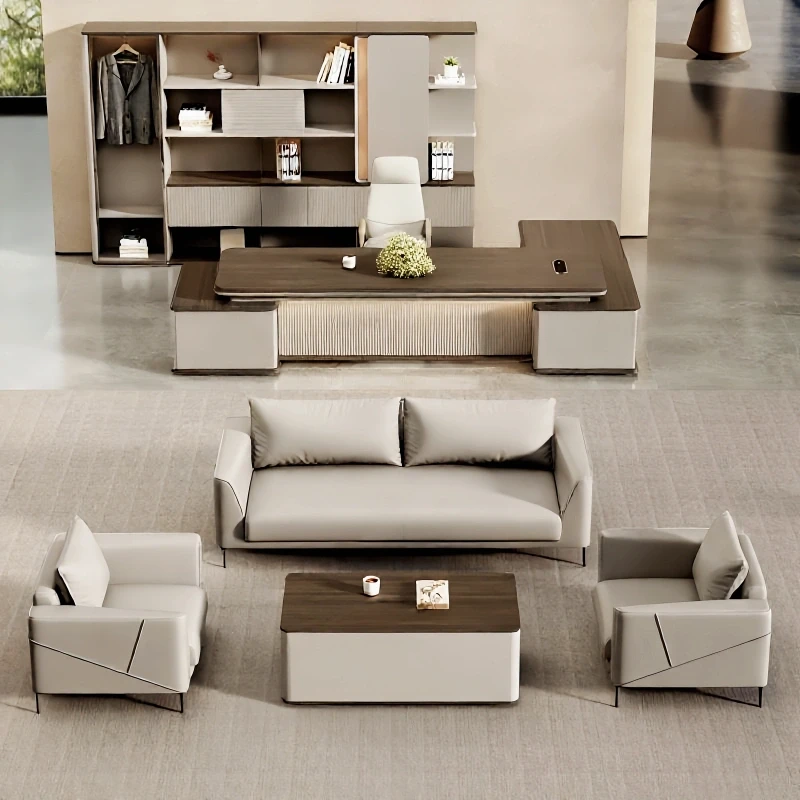
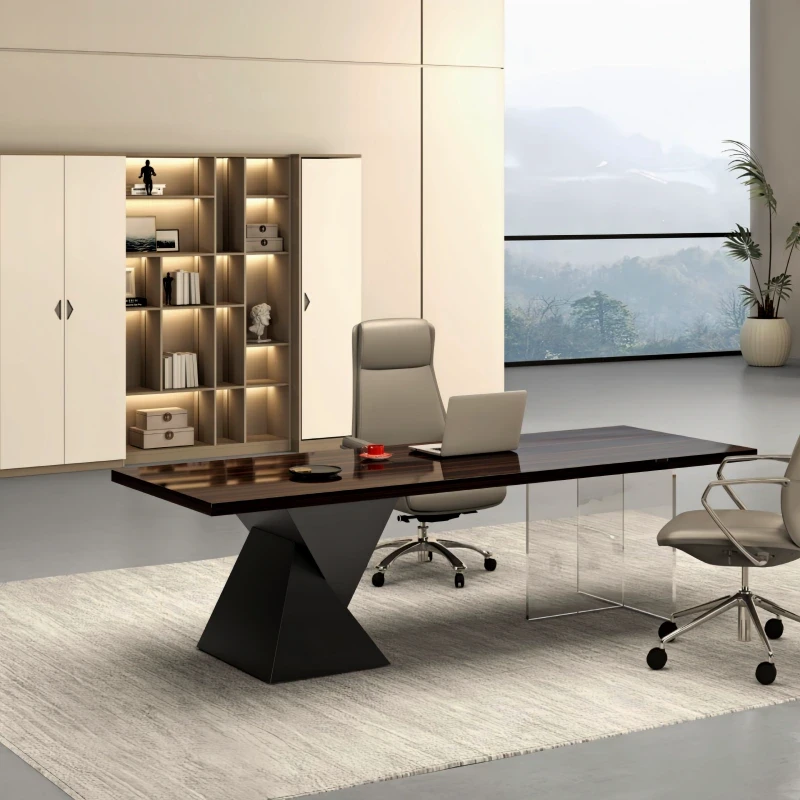


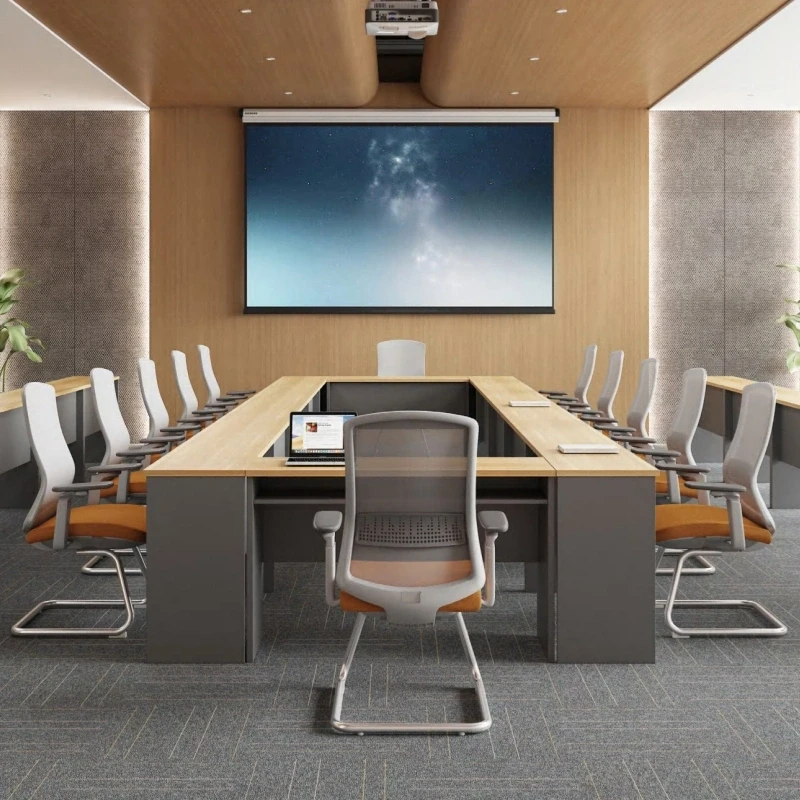
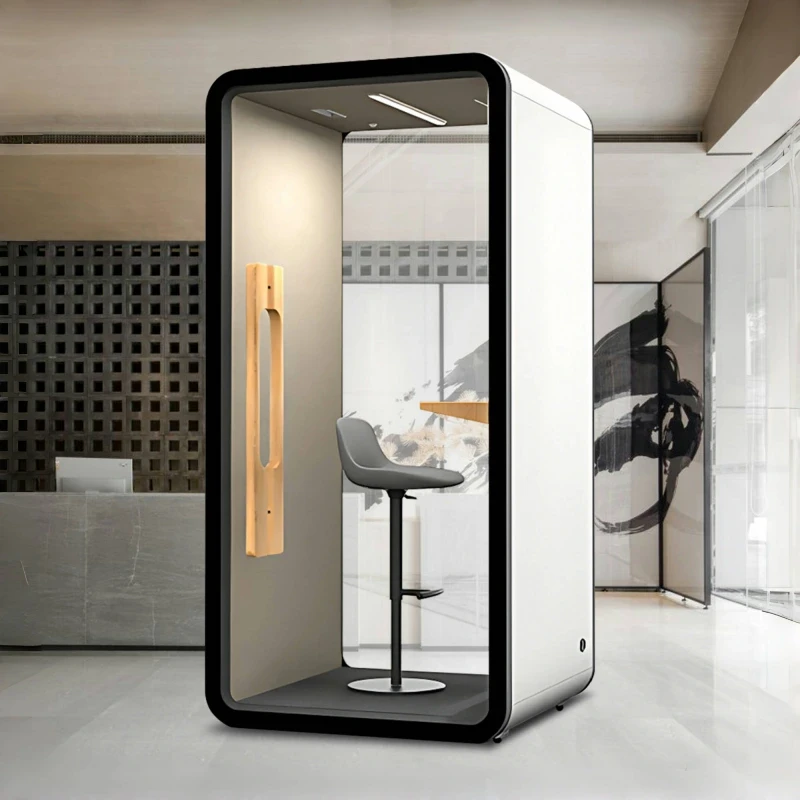
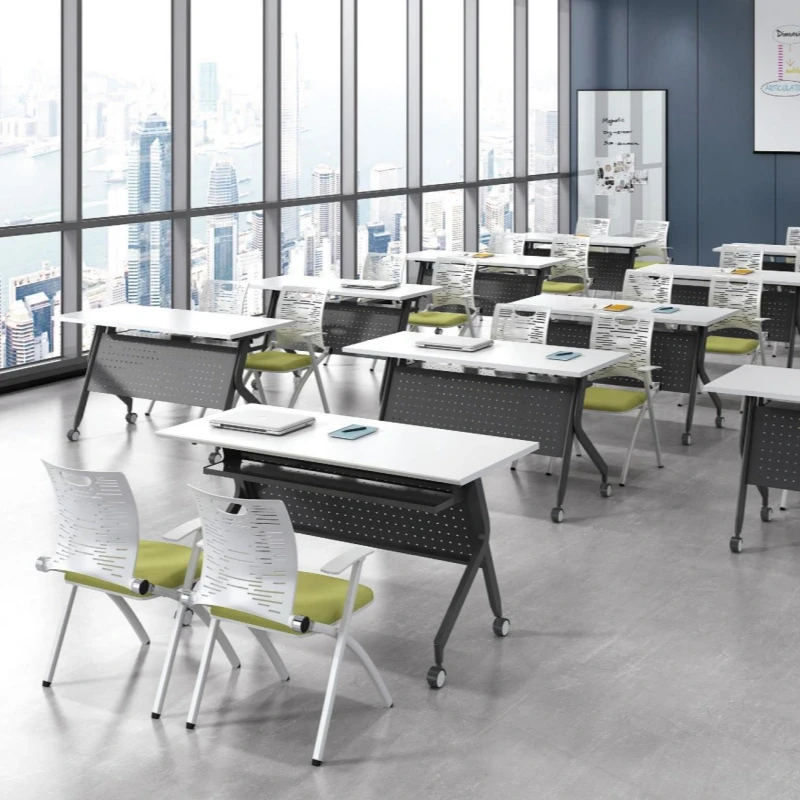
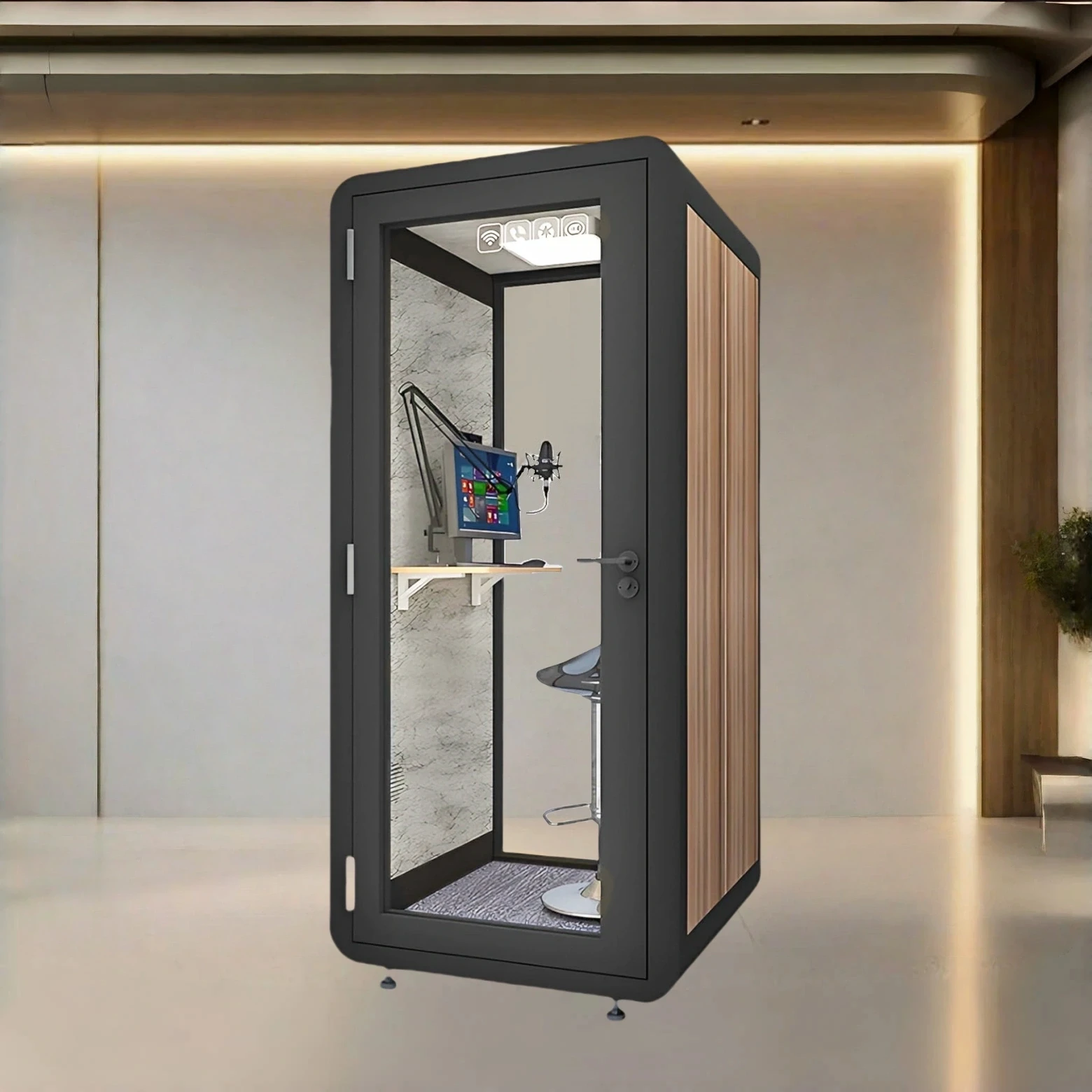
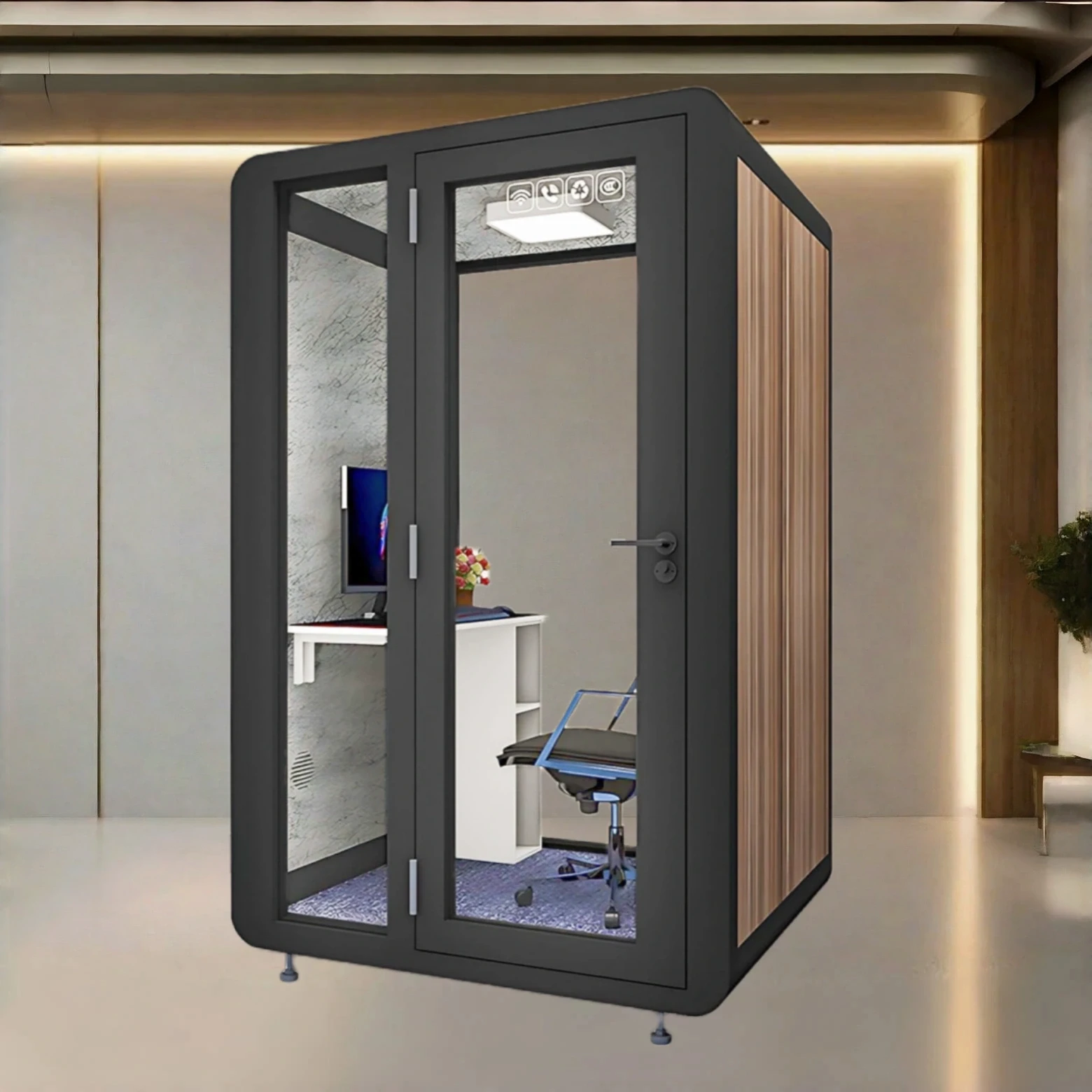
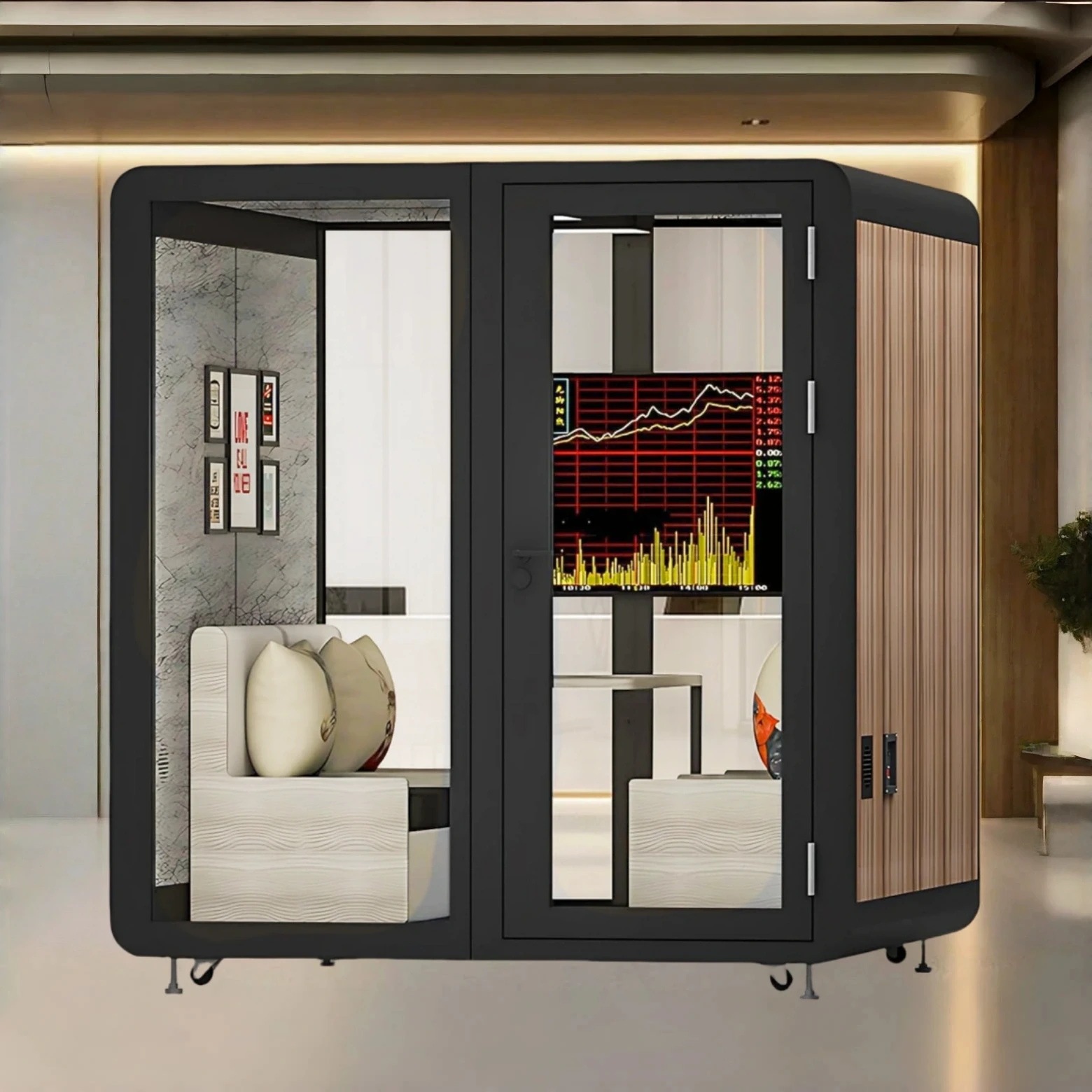
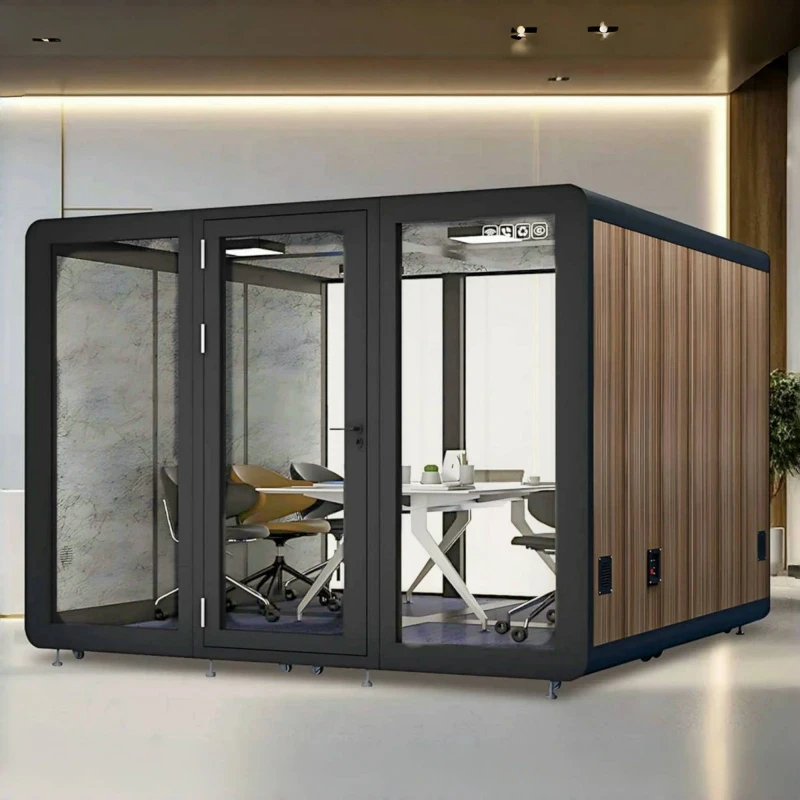



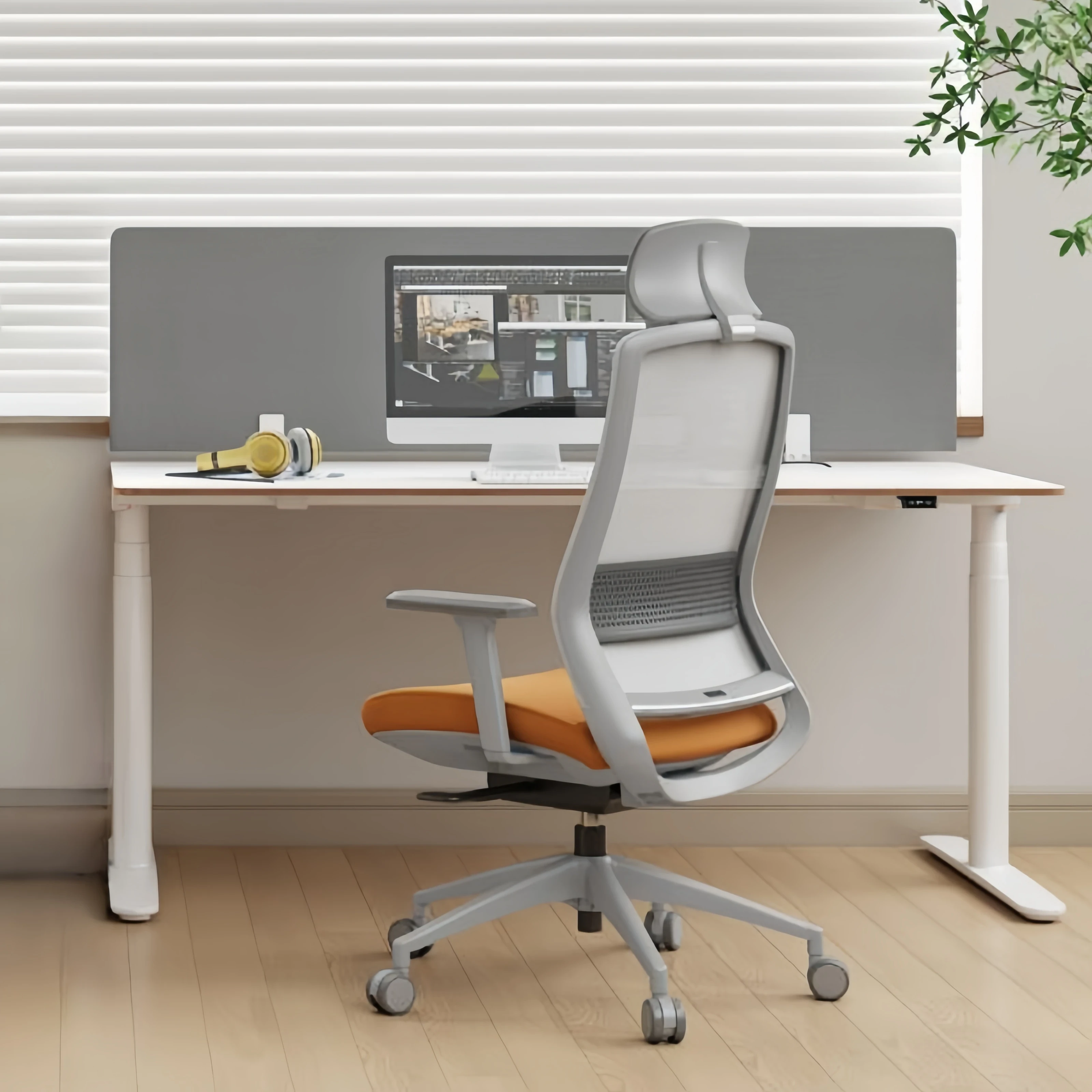


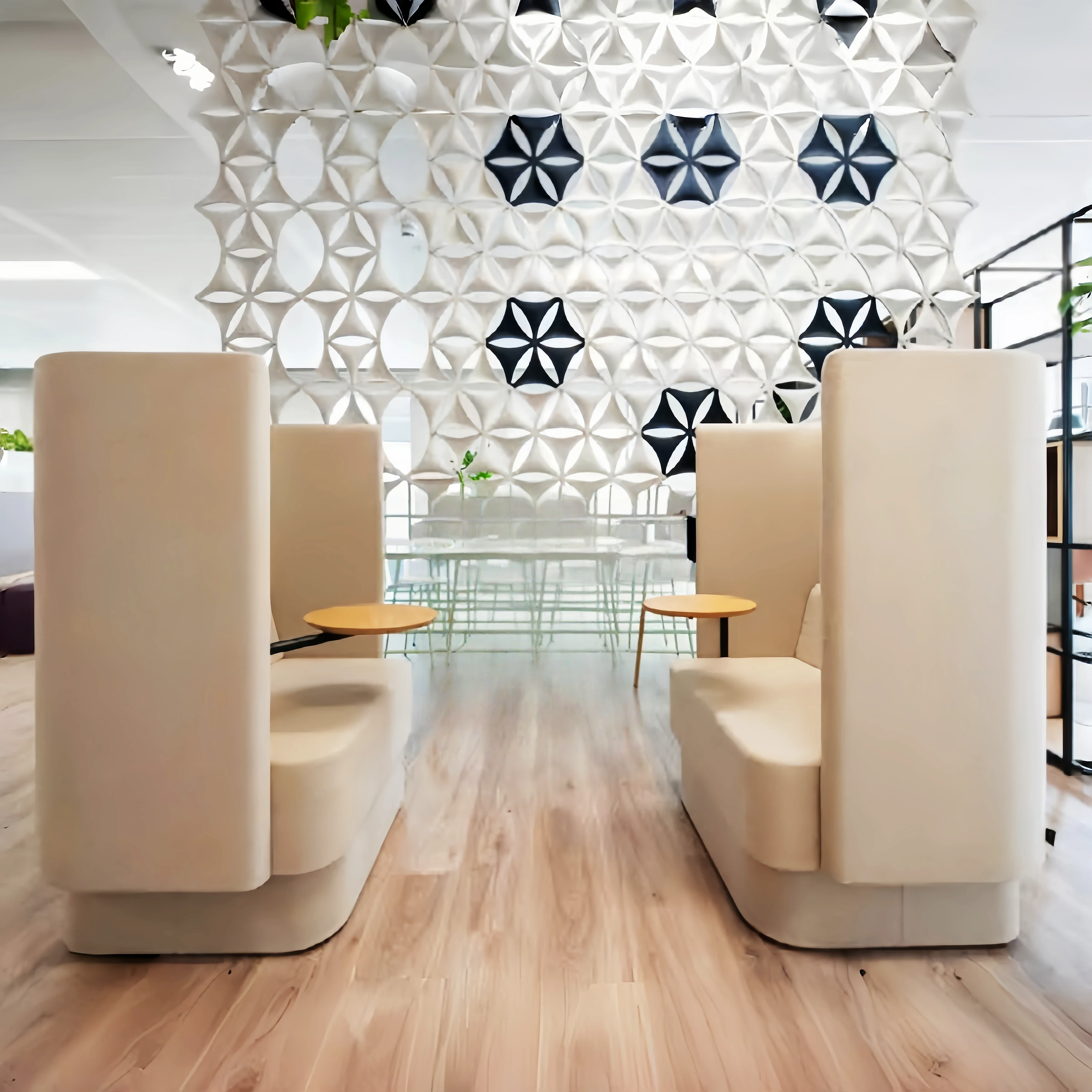

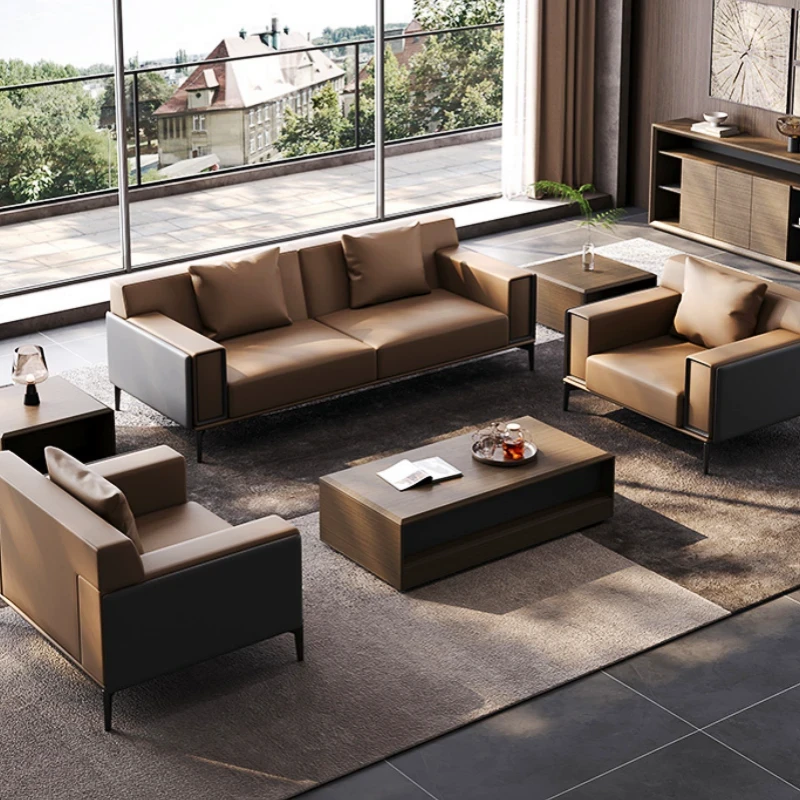
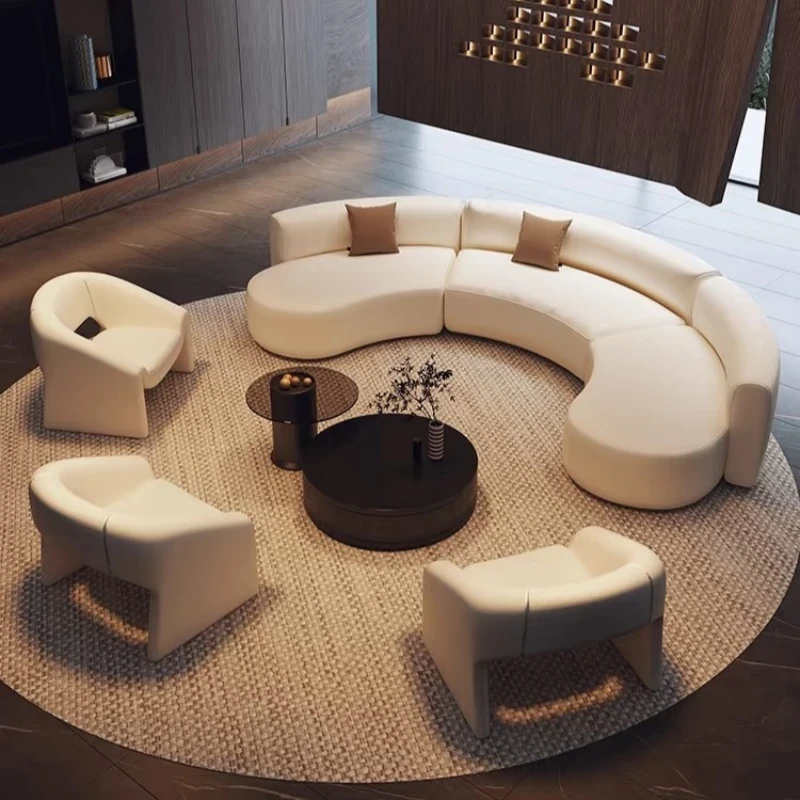
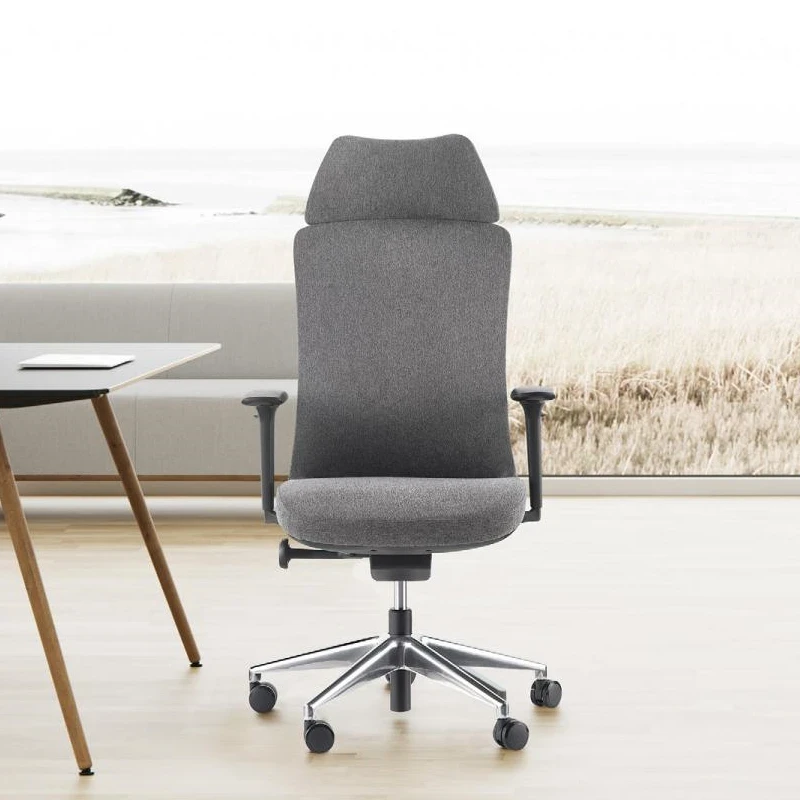


Panel furniture has become a new category of furniture due to its novel styles, vibrant colors, clear wood grain, and advantages such as resistance to warping, cracking, and insects, as well as its moderate price. Buying office furniture requires careful consideration; even if you choose it yourself, you may not be able to fully understand everything. I have compiled some statistics. Here are six points to consider when correctly selecting panel furniture:
Surface quality
Panel office furniture uses particleboard, medium-density fiberboard, and other engineered wood products as the base material, with surfaces finished with melamine, PVC, wood veneer, and paper wood grain veneers. The wood grain patterns are clear and natural, smooth and flat, offering good visual appeal and a pleasant feel. Almost all painted executive desks are currently labeled as solid wood executive desks, but they are actually just wood veneer desks-particleboard with a layer of wood veneer on the surface. When purchasing, mainly check the surface of the board for scratches, dents, bubbles, peeling, and glue residue; whether the wood grain pattern is natural and smooth, avoiding an artificial feel; for symmetrical furniture, pay more attention to the consistency and harmony of the board color and grain, making the symmetrical pieces appear as if they came from a single piece of material. For 0.6 wood veneer executive desks, non-experts often cannot distinguish between 0.3 and 0.6 wood grain, so it is necessary to have a professional examine it.
Production quality
Panel office furniture is manufactured by cutting pre-formed panels, edge banding, and assembling components. Its quality depends primarily on the quality of the cutting, edge and surface finishing, and the quality of the panel ends. During the cutting process, there are quality requirements for the straightness, perpendicularity, and angles of the panel components. Generally, the cutting precision is within 0.01 millimeters per meter. Panels that meet these precision requirements have smooth edges and good angles, preventing panel tilting in the finished furniture. The precision of the saw blade also affects the quality of the panel ends and edges; scratches, chipped edges, and collapsed corners also affect the appearance of the panel furniture. Edge and surface finishing mainly involves checking whether the glue is applied evenly and firmly, whether the edges are smooth and even, and whether visible areas such as the bottom edges of side panels, door panels, and drawer fronts are edge-banded. Well-finished panels will not show any visible glue marks on their edges. When assembling the parts, check if the tongue and groove joints at the drilled holes are neat and precise, if the connectors are securely installed, if there are gaps in the T-shaped joints after the flat surfaces and end faces are connected, and if there is any looseness when pushed by hand. Also check if the gaps between doors and drawers are too large, generally requiring between 1mm and 2mm, and whether the doors and drawers open and close smoothly and freely.
Quality of metal and plastic parts
Panel furniture uses metal and plastic parts as fasteners, so the quality of the metal parts determines the overall quality of the furniture. Metal parts must be flexible, smooth, and well-plated, free of rust and burrs. The precision requirements for mating parts are even higher. Plastic parts should be aesthetically pleasing, brightly colored, and have sufficient strength and elasticity in areas under stress, avoiding excessive thinness. Opening mechanisms must rotate smoothly, and internal springs should be appropriately tight to ensure smooth, easy, and noiseless opening and closing. Imported hardware, including genuine British rails and German locks, is indeed of the highest quality; however, very few domestic manufacturers consistently purchase large quantities of international brands of hardware.
Main dimensions of panel furniture
Currently, the market is mainly dominated by office furniture. National standards specify the main dimensions (i.e., functional dimensions) of this furniture.
Office desk: Length: 1200-1600mm; Width: 500-650mm; Height: 700-760mm.
(2) Office chair: Height: 400-450mm; Length × Width: 450 × 450 (mm).
Sofa: Width: 600-800mm; Height: 350-400mm; *Backrest: 1000mm.
Coffee table; Front-mounted type: 900×400×400 (height) (mm); Center type: 900x900×400 (mm), 700×700×40 (mm); Left and right type: 600×400×400 (mm)
Bookcase: Height: 1800mm, Width: 1200-1500mm; Depth: 450-500mm.
Bookshelf: Height: 1800mm, Width: 1000-1300mm; Depth: 350-450mm.
Employee partition height 1200mm
High-ceilinged screen, 1600mm~1800mm
The front desk has a double-layer design with an inner height of 700mm and an outer height of 750-1500mm.
Office desk height 750mm
Meeting and negotiation table height 750mm
Coffee table height 450mm
(13) Filing cabinet height 1800mm~2000mm
Wardrobe: Depth: generally 60-65 cm; Sliding door: 70 cm; Wardrobe door width: 40-65 cm; Sliding door: 75-150 cm; Height: 190-240 cm. Low cabinet: Depth: 35-45 cm; Cabinet door width: 30-60 cm. TV cabinet: Depth: 45-60 cm; Height: 60-70 cm.
Single bed: Width: 90, 105, 120 mm; Length: 180, 186, 200, 210 mm. Double bed: Width: 135, 150, 180 mm; Length: 180, 186, 200, 210 mm.
Formaldehyde release
Panel furniture typically uses particleboard and medium-density fiberboard (MDF) as its base materials. It's essential to request certificates of conformity from the furniture manufacturer regarding the raw materials used, ensuring the quality of the materials sourced directly. National standards regulate the formaldehyde emission levels of these boards. Specifically, particleboard is limited to 50 mg/100g or less, and MDF to 40 mg/100g or less. The national standard "Limits of Harmful Substances in Wooden Furniture for Interior Decoration and Renovation Materials" stipulates that formaldehyde emission from wooden furniture must not exceed 1.5 mg/L. If the wooden furniture you're considering exceeds this limit, do not purchase it. It's recommended to buy furniture made from E1 standard boards, as only E1 standard boards are truly harmless to the human body.
Formaldehyde, also known as formalin, is a harmful and toxic substance that can affect human health. If consumers notice a pungent odor when opening doors and drawers during purchase, causing eye irritation or coughing, it indicates that the formaldehyde release from the office furniture exceeds the standard requirements, and such furniture should not be purchased. Carefully check whether the edges of engineered wood furniture are sealed, as formaldehyde release is highest from the edges. According to furniture standards, the edges of engineered wood furniture must be sealed. Regarding the environmental concept and imported paint, domestic paint is not inferior; why insist on imports? And can you even distinguish between imported and domestic paint? Some brand manufacturers may use higher-quality brands.
Moisture content
Generally, the quality of wooden furniture can be judged by its moisture content. High moisture content makes the wood prone to warping, rotting, and reduced hardness. It's recommended to choose office furniture with a moisture content not exceeding 15%. I believe most people won't use professional testing equipment to measure this, but there are two methods: one is to touch the furniture with your hand, applying some pressure, and then see if your finger absorbs the furniture's color and smell. If so, the moisture content is likely high. The other method is to place a small amount of water on the furniture; if it doesn't absorb water or does so very slowly, the moisture content is also high.