
 USD
USD GBP
GBP
 EUR
EUR
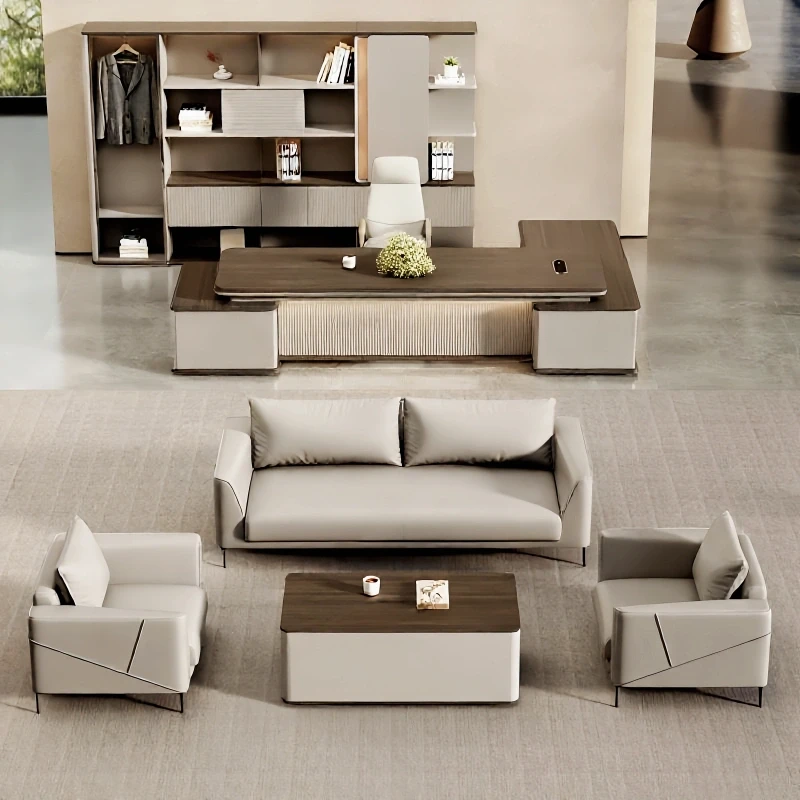
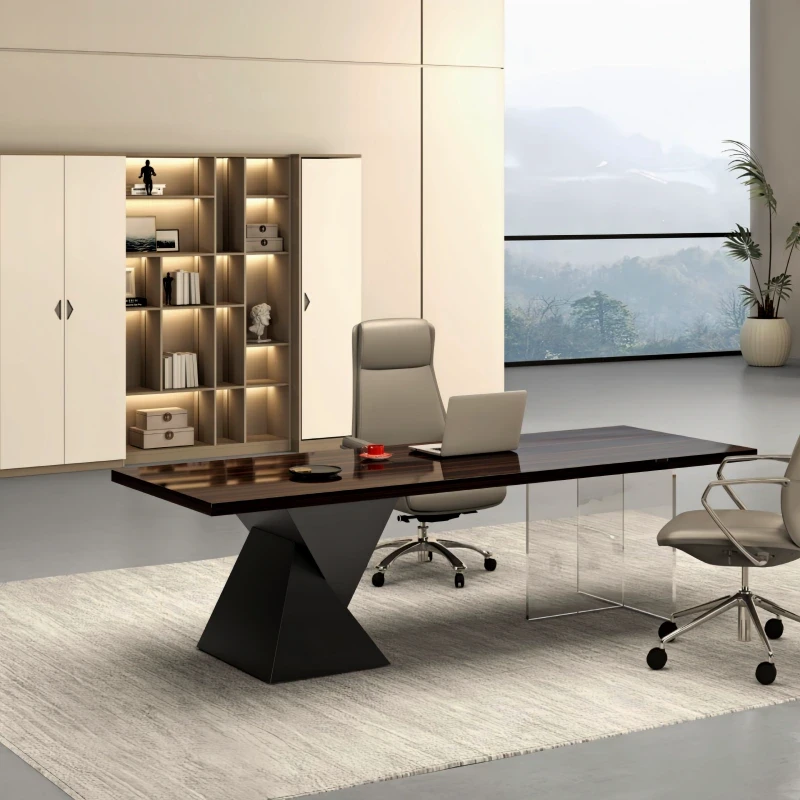


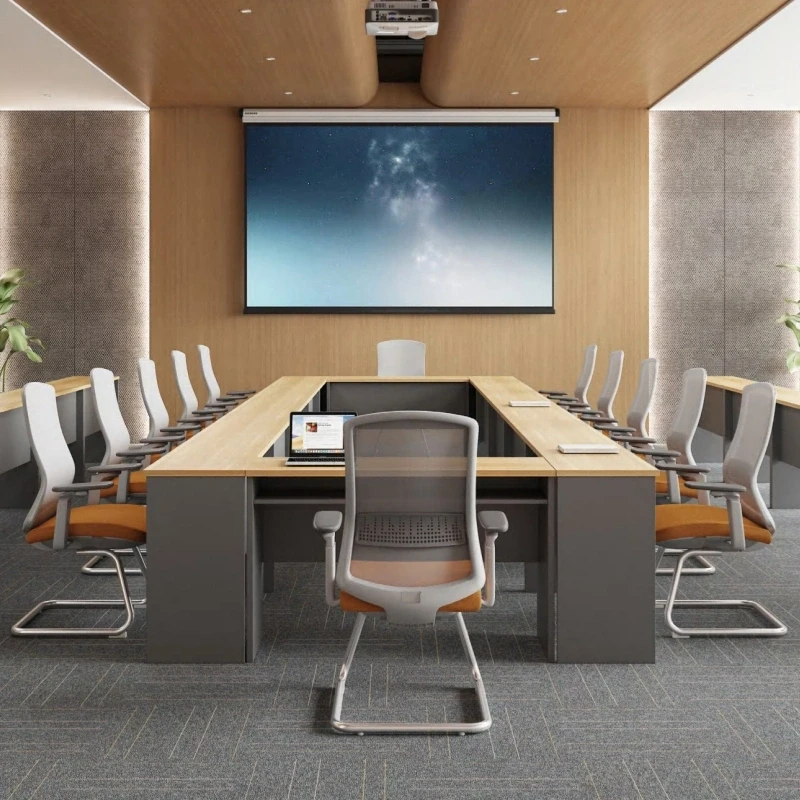
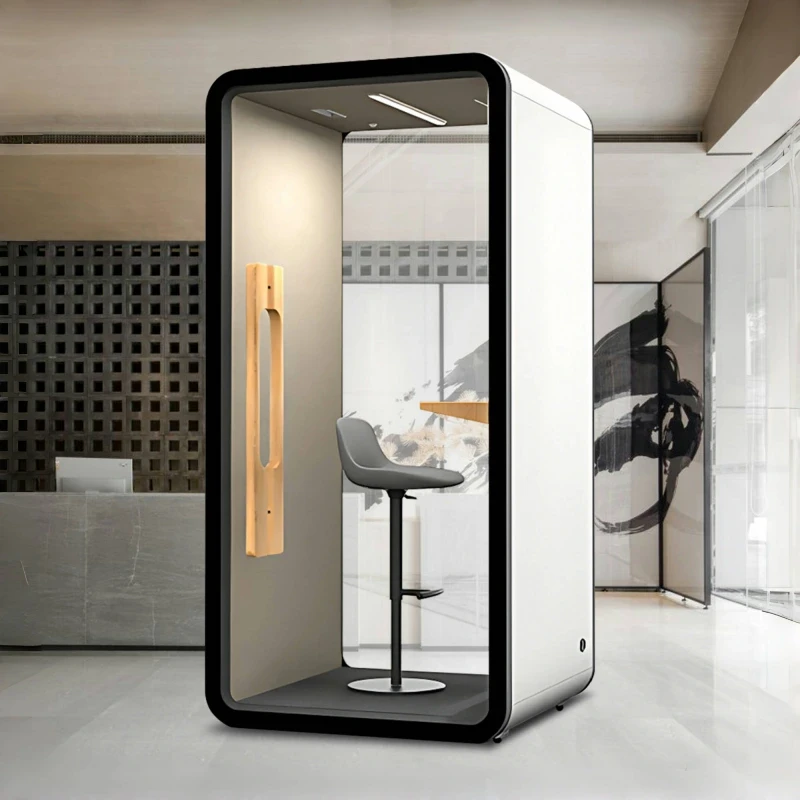
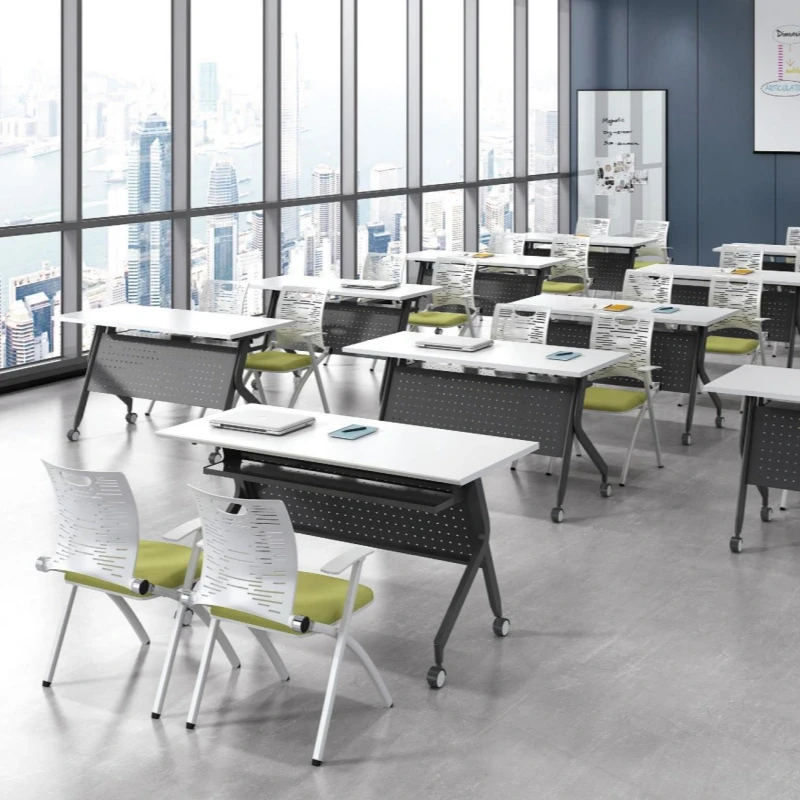
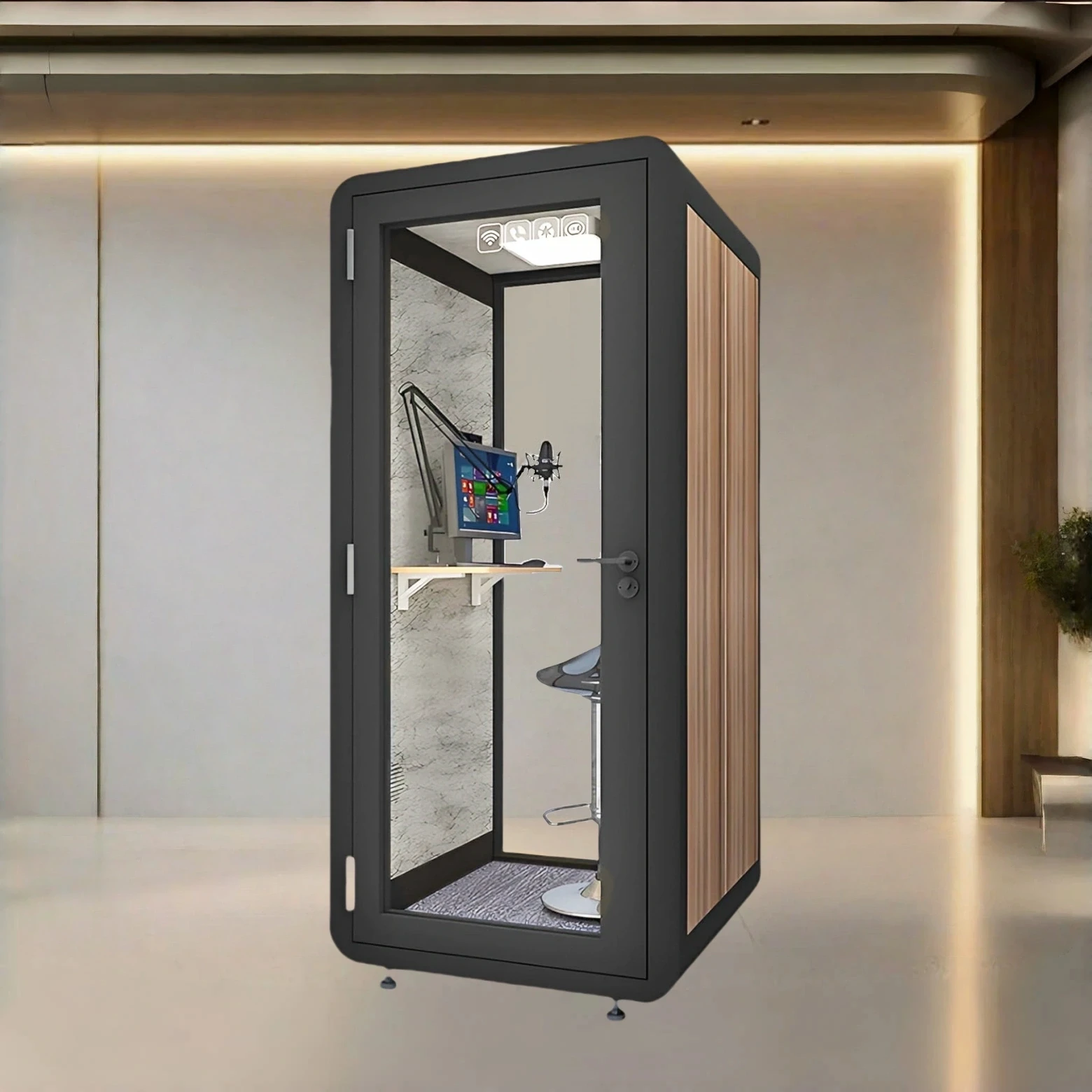
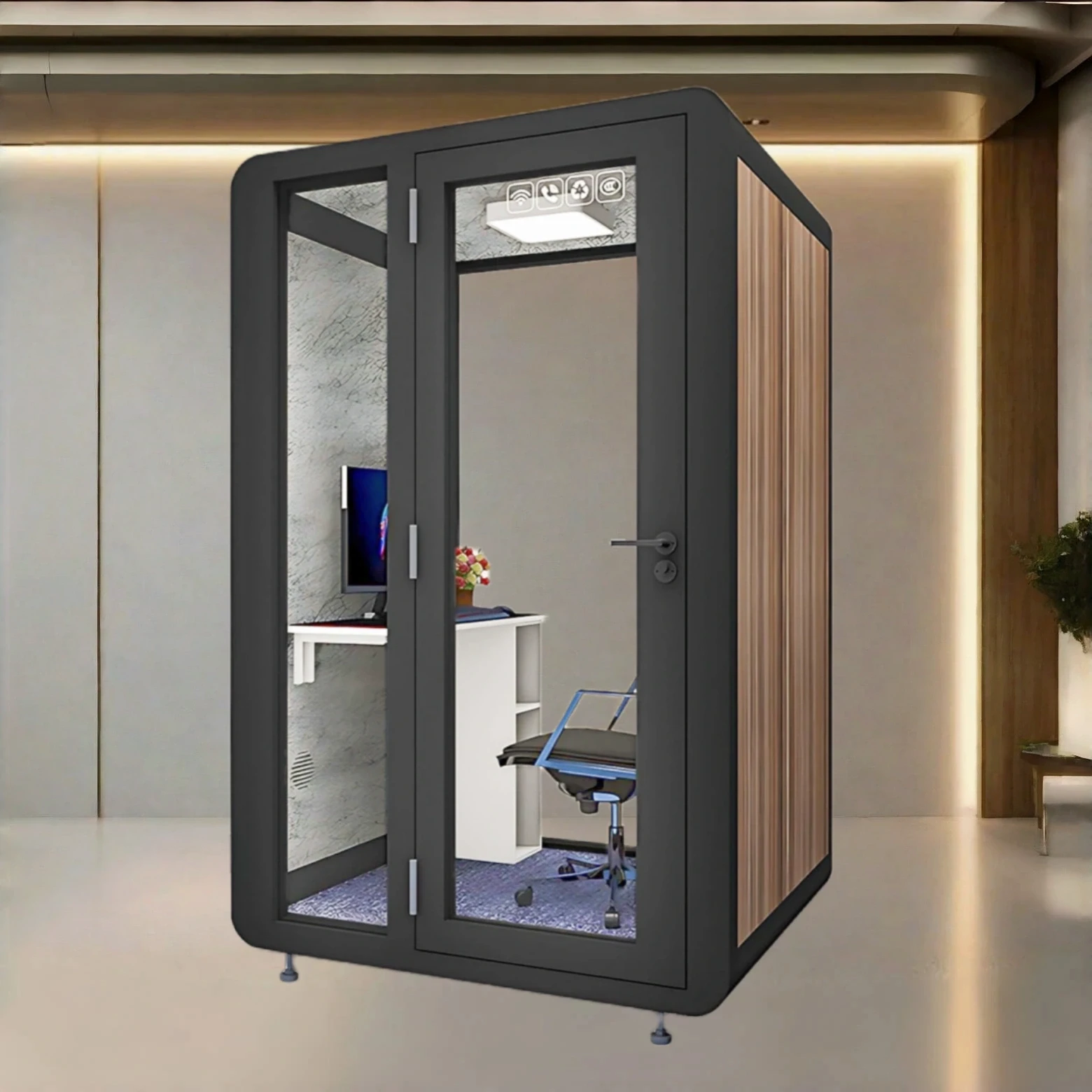
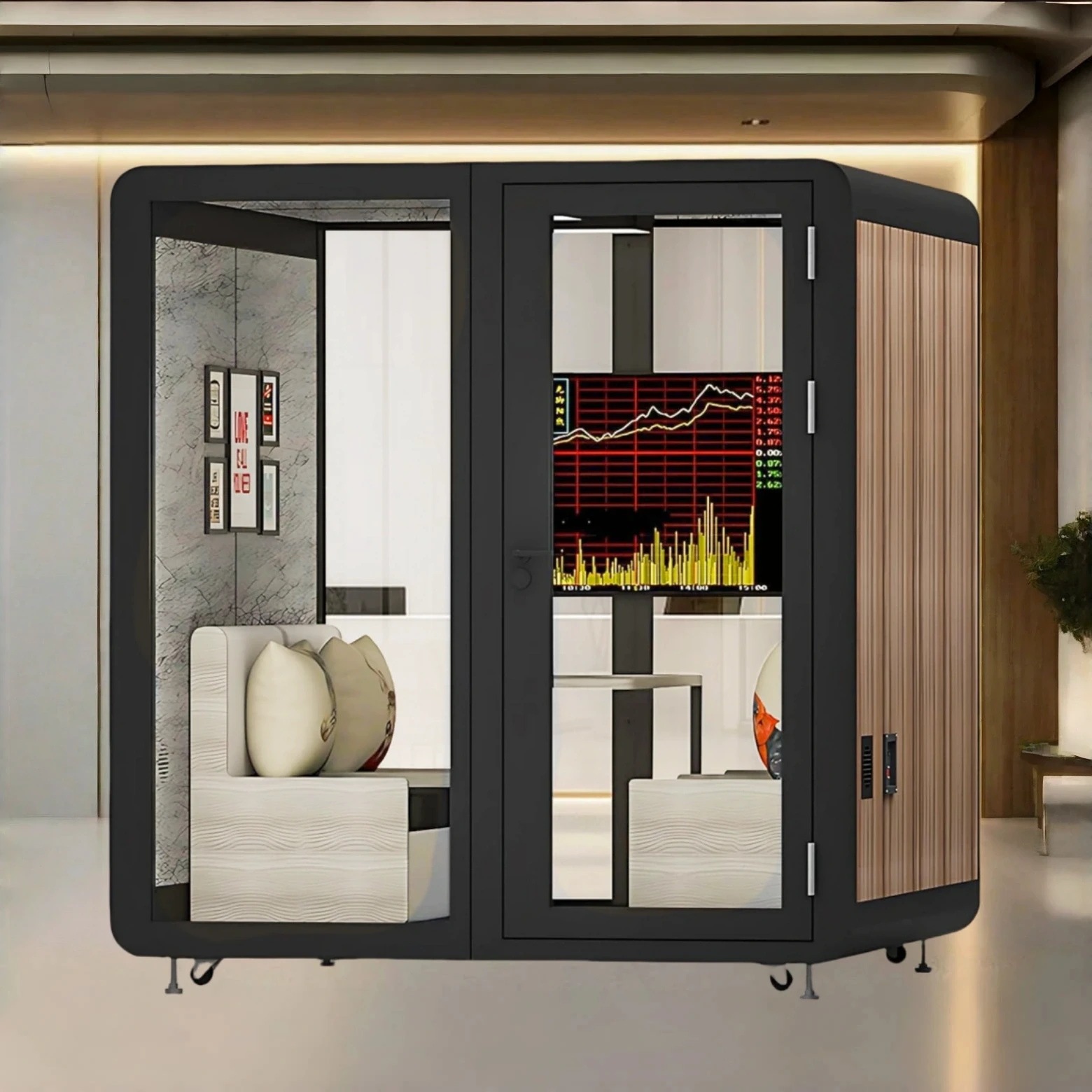
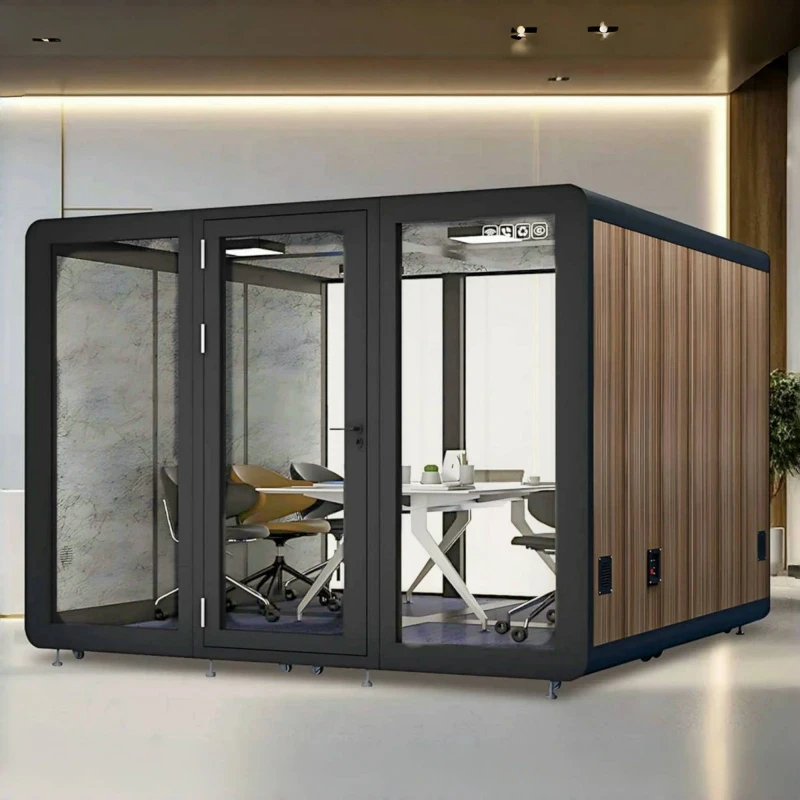
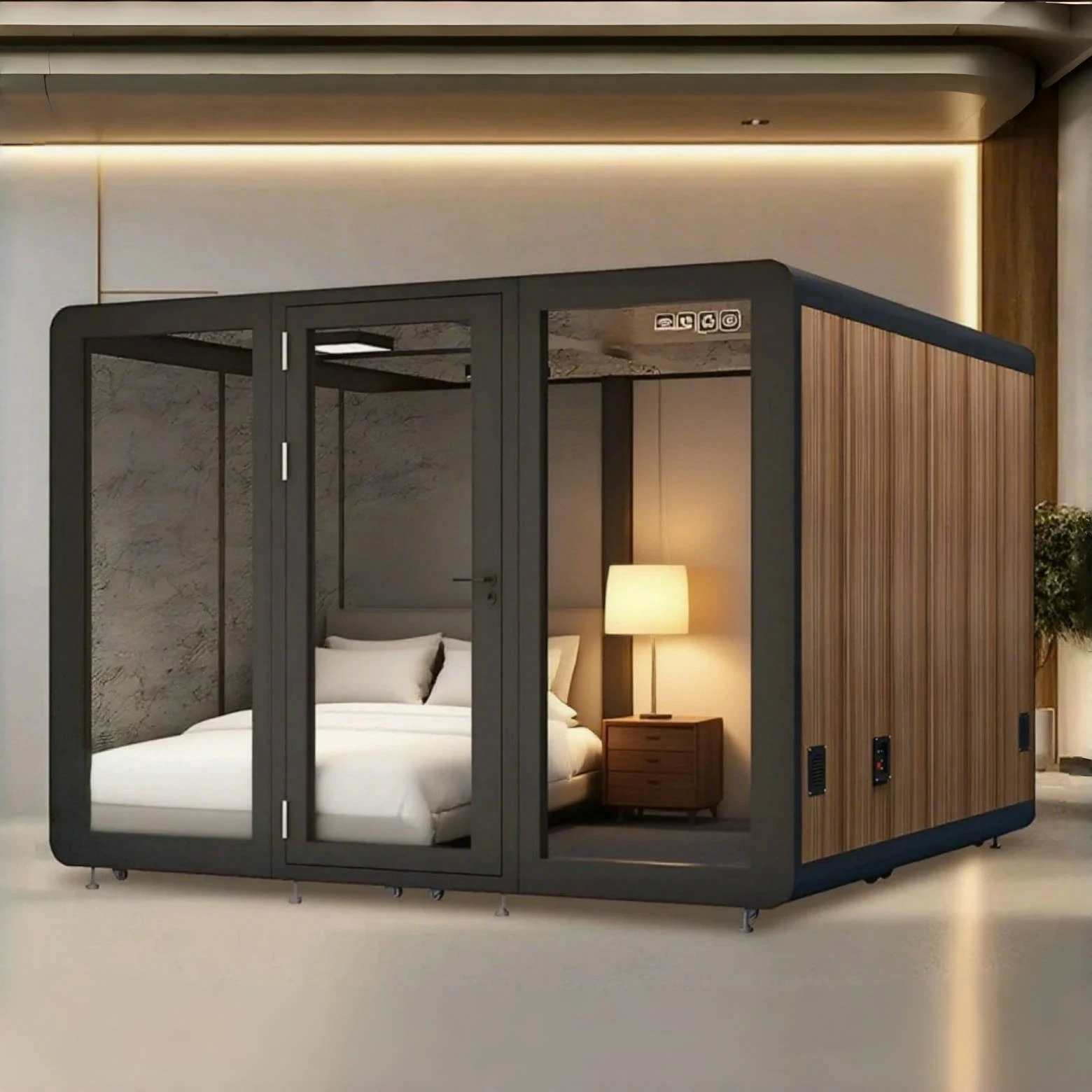


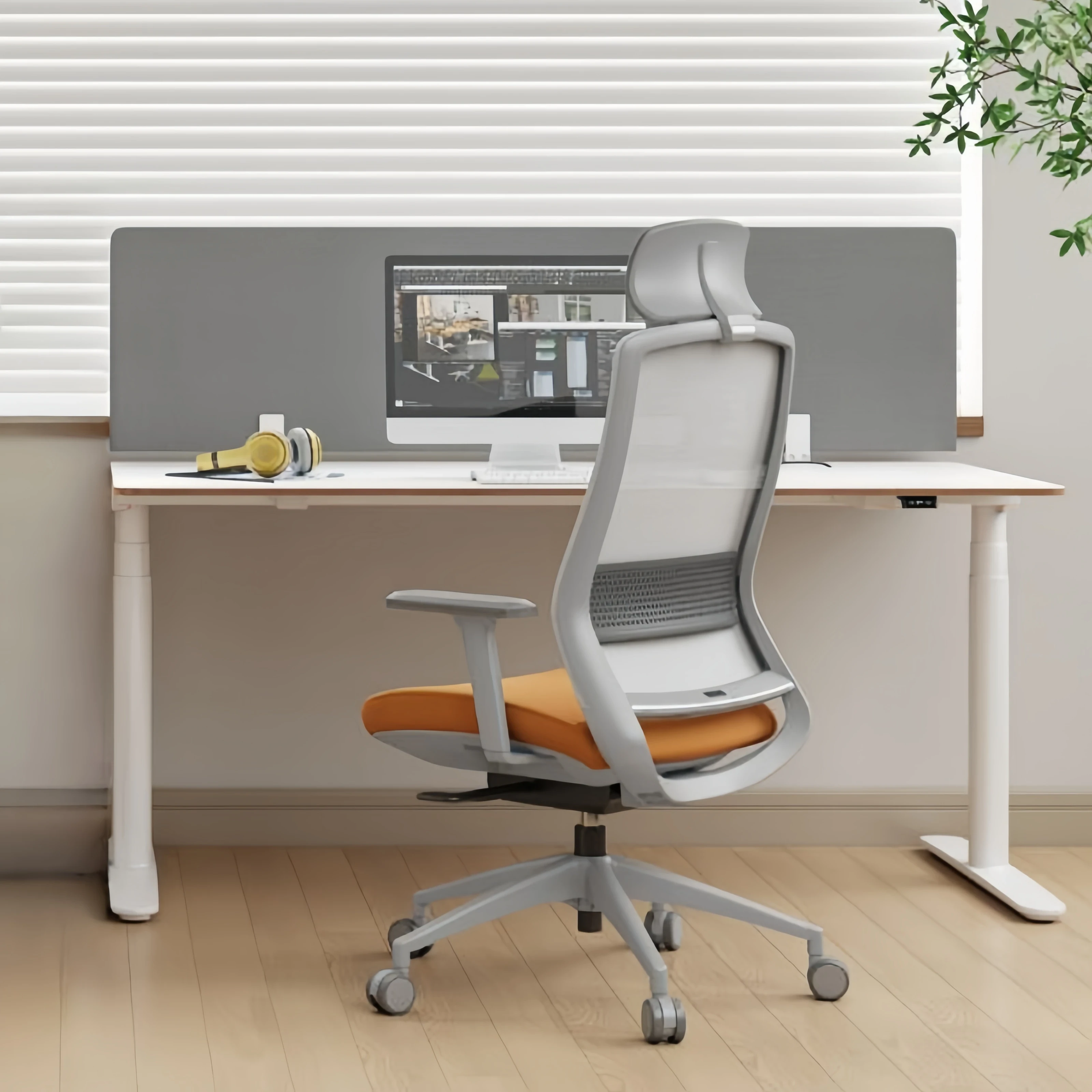


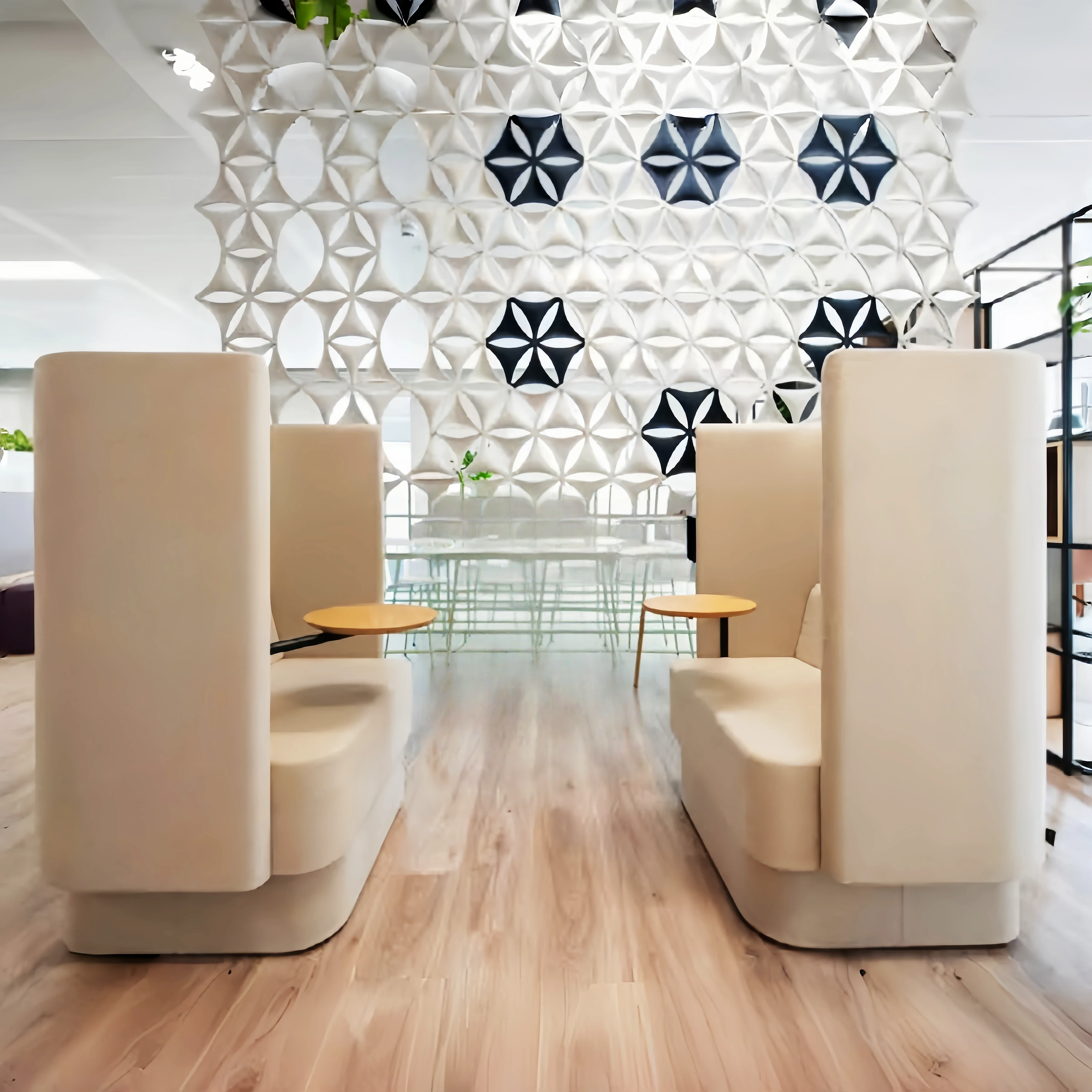

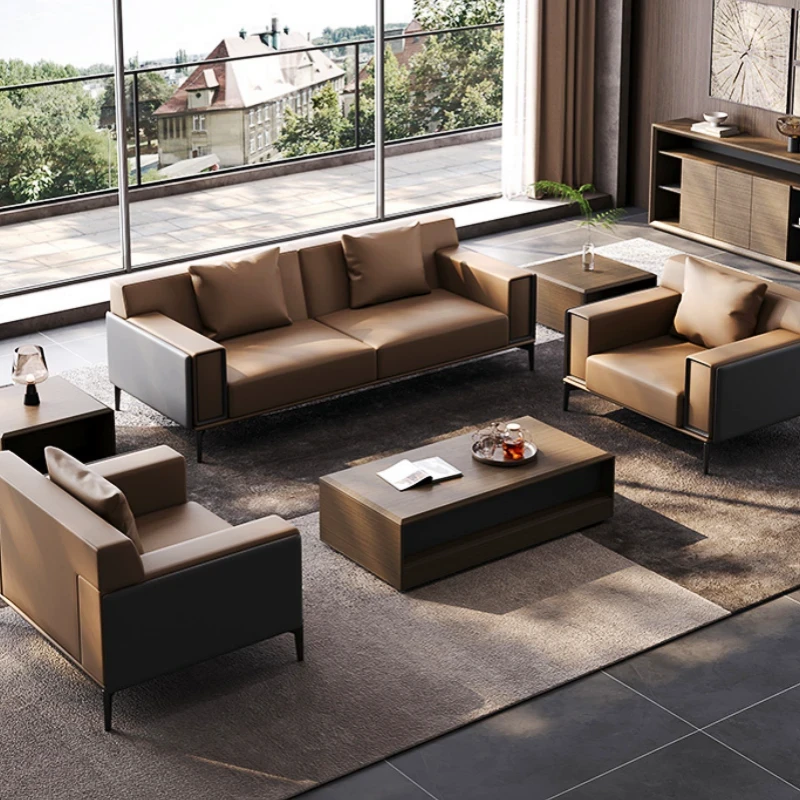
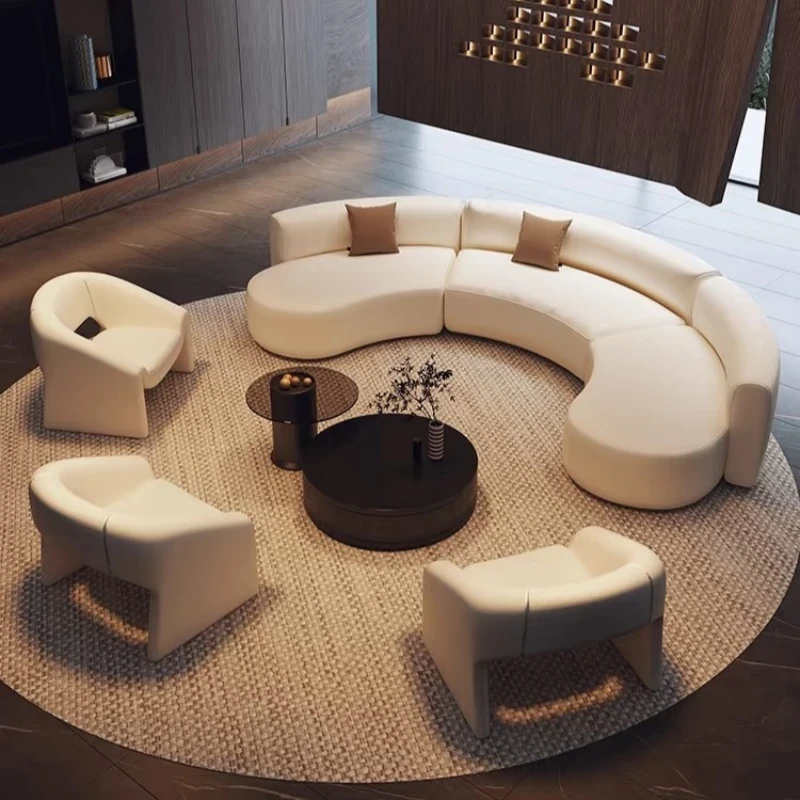
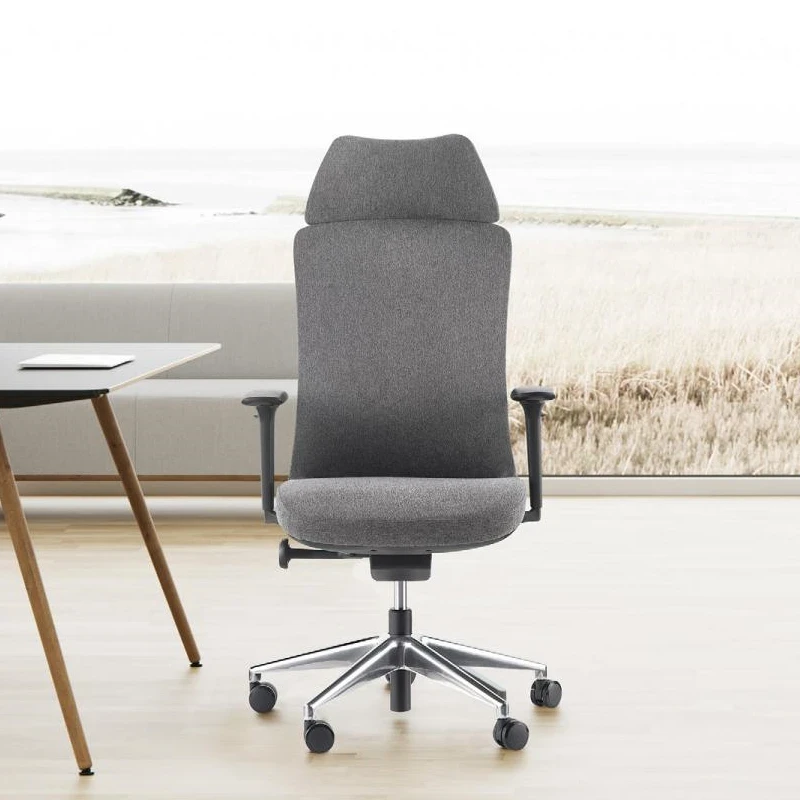


Customized office desks and chairs not only enhance the comfort and aesthetics of the office environment but also improve employee productivity and satisfaction. However, the customization process involves multiple costs, such as design and development, material procurement, manufacturing, transportation, and installation. How to effectively control these costs while ensuring quality and compliance with ergonomic standards is a key issue that companies need to consider during the customization process.
II. Clarify Needs and Avoid Resource Waste
1. Develop Detailed Requirements
Before starting to customize office desks and chairs, companies should develop detailed requirements, including the size, function, material, color, and adjustability of the desks and chairs. Clear requirements can avoid additional costs during later modifications and adjustments.
2. Assess Actual Needs and Avoid Over-Customization
Companies should assess needs based on actual usage to avoid over-customization. For example, for positions that do not require high adjustability, standardized products can be chosen to reduce the costs associated with complex designs.
III. Choose Appropriate Materials
1. Balance Material Cost and Quality
When selecting materials, both cost and quality should be considered. High-quality materials, although more expensive, have a longer lifespan and a better user experience, reducing replacement and maintenance costs in the long run.
2. Explore Alternative Materials:
For certain high-cost materials, consider alternatives with similar performance but lower prices. For example, using medium-density fiberboard (MDF) instead of solid wood can maintain the appearance while reducing costs.
IV. Optimize Design and Improve Cost-Effectiveness:
1. Modular Design:
Modular design allows for flexible combinations in different office environments, reducing design and production complexity and lowering costs. Furthermore, modular design facilitates future expansion and adjustments, offering greater adaptability.
2. Standardized Components:
Use standardized components whenever possible, such as standard table legs and chair seats, to avoid the high costs associated with customizing each part. Standardized components not only have lower production costs but also facilitate maintenance and replacement.
V. Select Suppliers Carefully and Negotiate Prices
: 1. Compare Multiple Suppliers to Choose the Most Cost-Effective Option:
When selecting suppliers, compare multiple options, comprehensively considering factors such as price, quality, delivery time, and after-sales service, to choose the supplier with the best cost-effectiveness.
2. Quantity Discounts:
Negotiate more favorable prices with suppliers through centralized procurement and bulk orders. Large orders not only reduce unit costs but also strengthen the cooperative relationship with suppliers and obtain better after-sales service support.
3. Long-term cooperation for stable prices
: Establishing long-term partnerships with suppliers provides an advantage in price negotiations, resulting in more stable and favorable procurement prices. Simultaneously, long-term cooperation helps suppliers better understand the company's needs and provide more tailored products and services.
VI. Considering Long-Term Use and Maintenance Costs
1. Evaluating Product Durability:
Choosing durable and easy-to-maintain office desks and chairs can reduce future replacement and repair costs. While durable products require higher initial investment, they offer greater cost-effectiveness in the long run.
2. Designing Easy-to-Maintain Products
: When customizing designs, ease of maintenance should be considered. For example, choosing easy-to-clean surface materials and designing structures that facilitate disassembly and replacement reduces time and cost investment during maintenance.
VII. Bulk Purchasing and Logistics Optimization
1. Bulk Purchasing Reduces Logistics Costs
: Bulk purchasing reduces the number of logistics shipments and associated costs. It also helps standardize product models and specifications, simplifying management and maintenance.
2. Optimizing Transportation Methods and Routes:
Choosing appropriate transportation methods and optimizing transportation routes can effectively reduce transportation costs. Collaborating with logistics companies to rationally arrange transportation plans avoids additional costs due to transportation delays.
VIII. Enhancing Efficiency Through Technological Means
1. Digital Design and Management:
Utilizing digital design tools, such as CAD software, can improve design efficiency, reduce design errors and rework, and lower design costs. Simultaneously, digital management systems can optimize procurement processes and improve overall efficiency.
2. Automated Production Technology:
Introducing automated production technology can improve production efficiency and reduce labor costs. Furthermore, automated production ensures product consistency and quality, reducing additional costs due to quality issues.
Conclusion:
Effective cost control in the process of customizing office desks and chairs requires a multi-pronged approach, including clarifying needs, selecting appropriate materials, optimizing design, carefully selecting suppliers, considering long-term use and maintenance costs, bulk purchasing and logistics optimization, utilizing technological means, and seeking government and industry support. By comprehensively applying the above strategies, enterprises can not only achieve cost-effective procurement goals but also create a comfortable and efficient office environment, improve employee satisfaction and work efficiency, and lay a solid foundation for the long-term development of the enterprise.