
 USD
USD GBP
GBP
 EUR
EUR
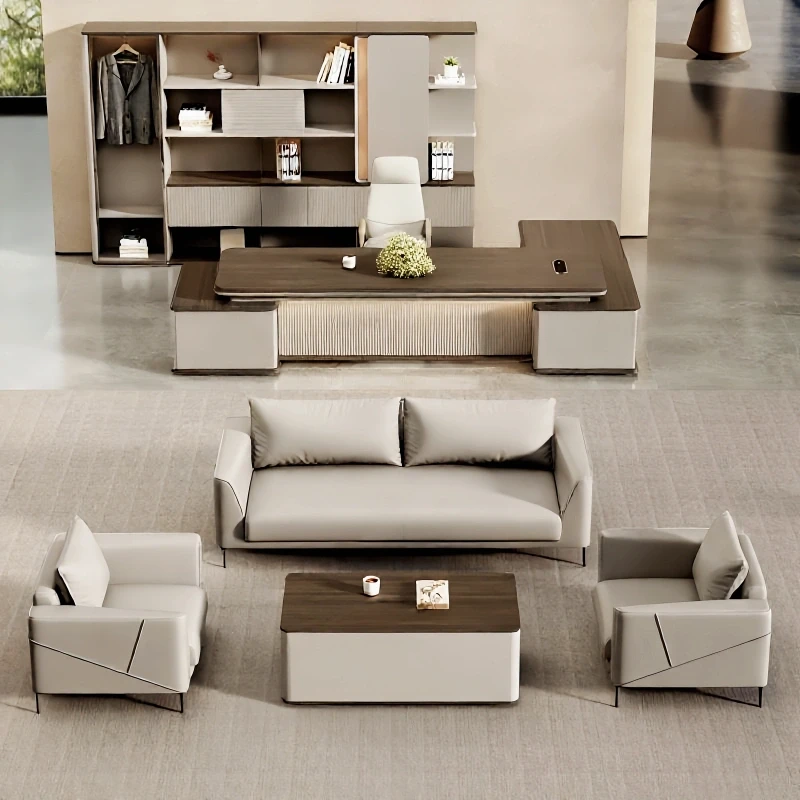
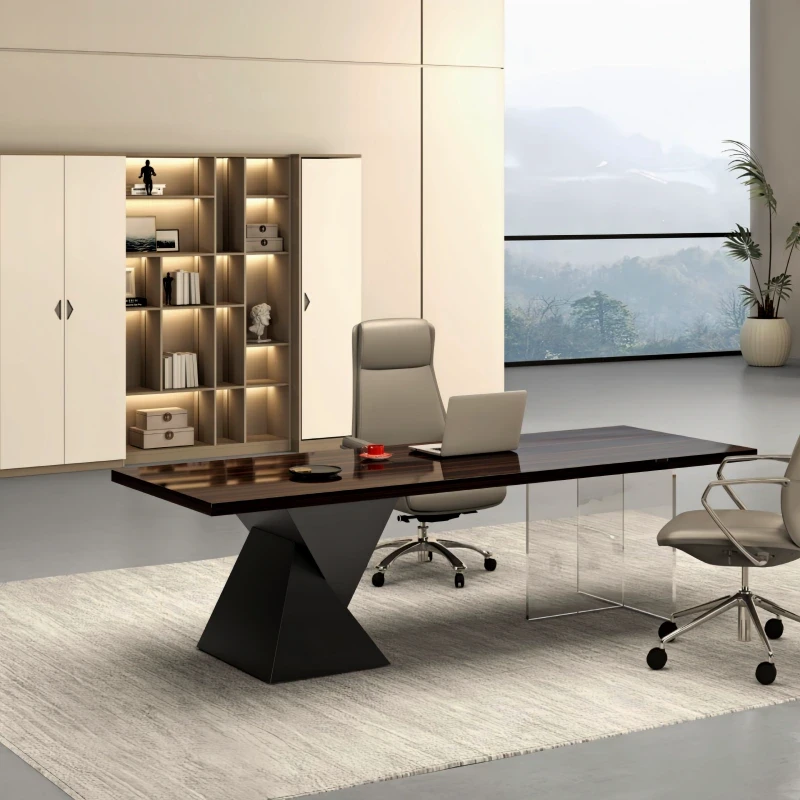


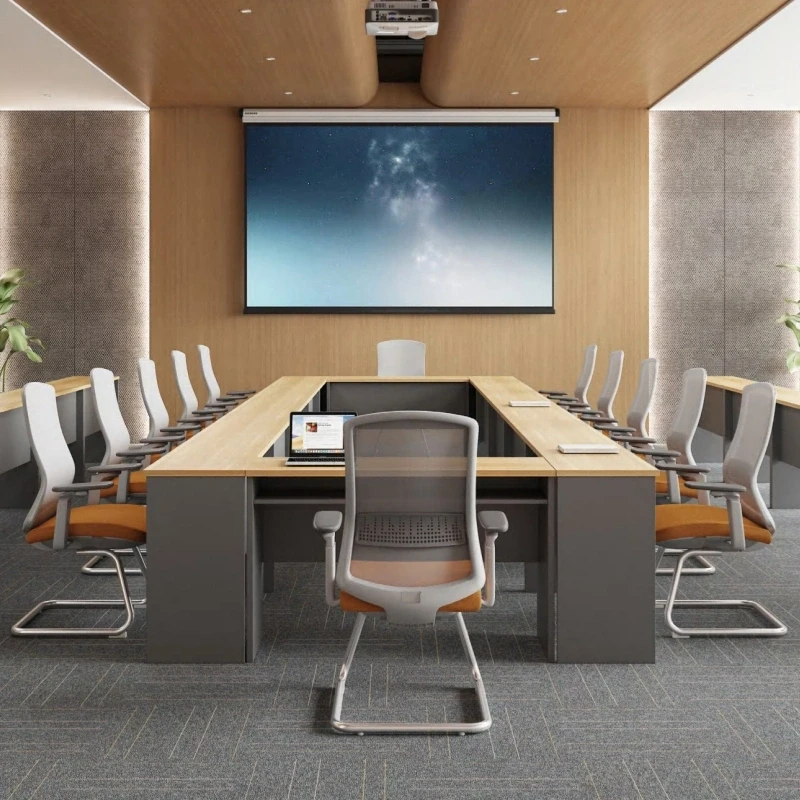
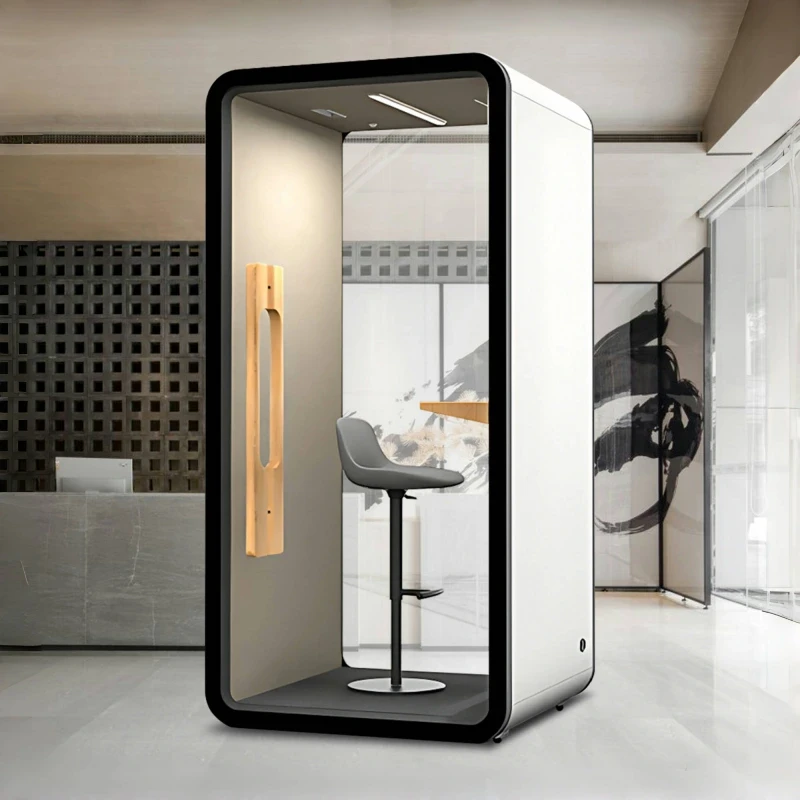
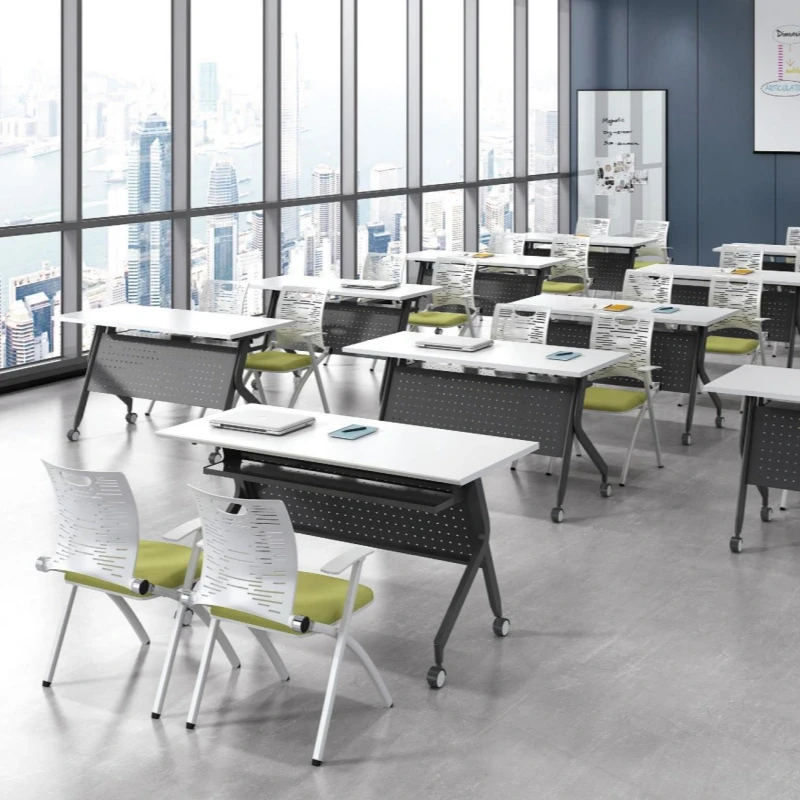
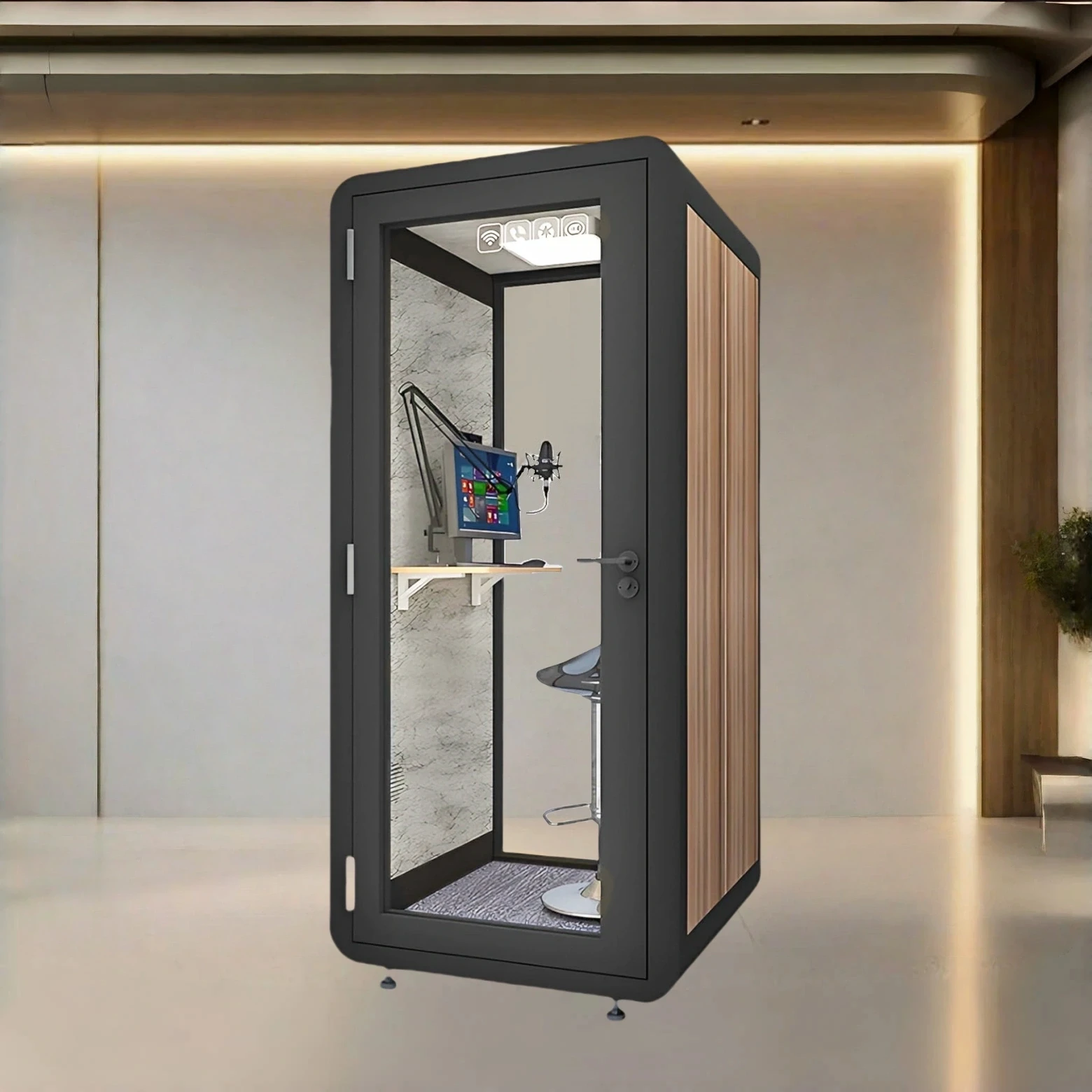
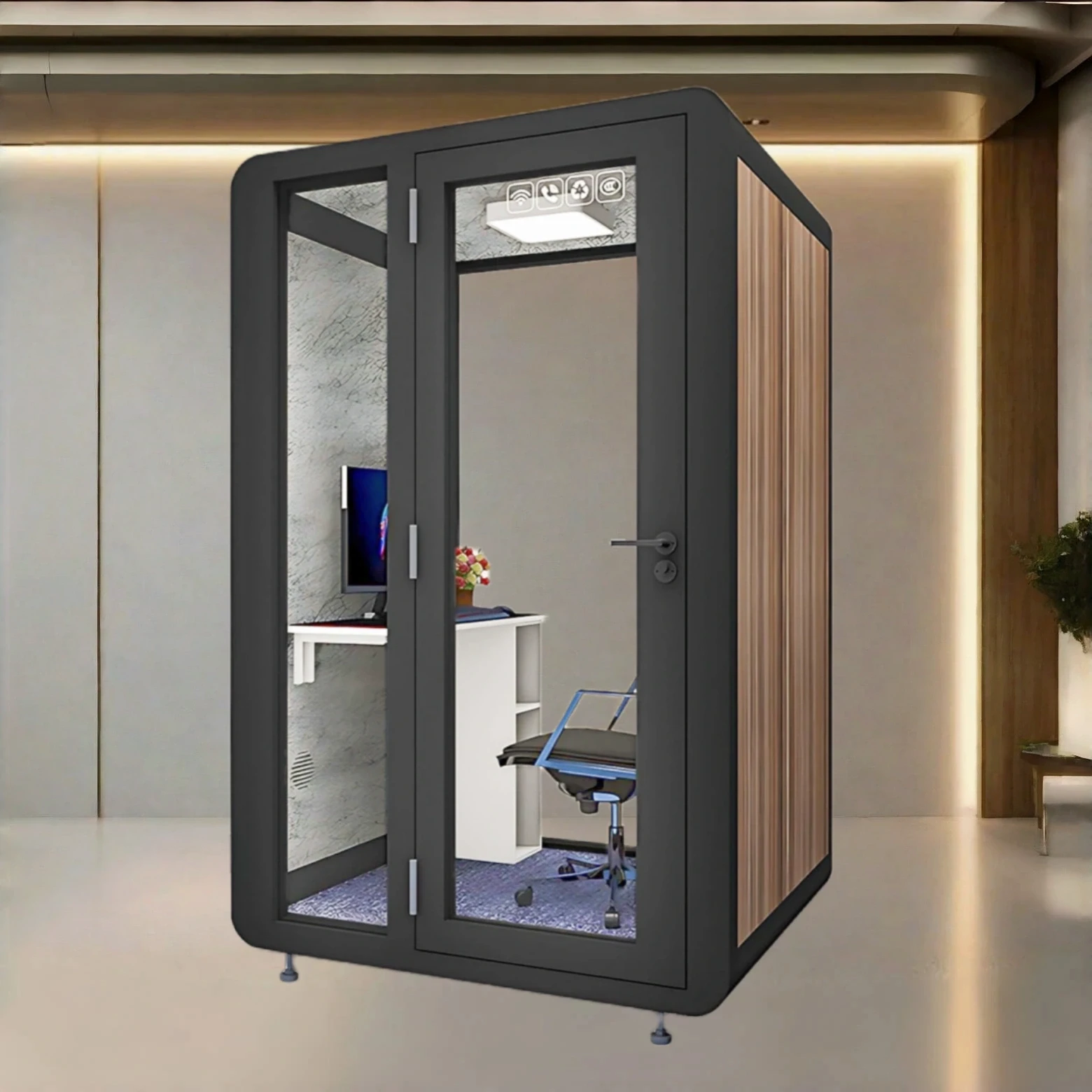
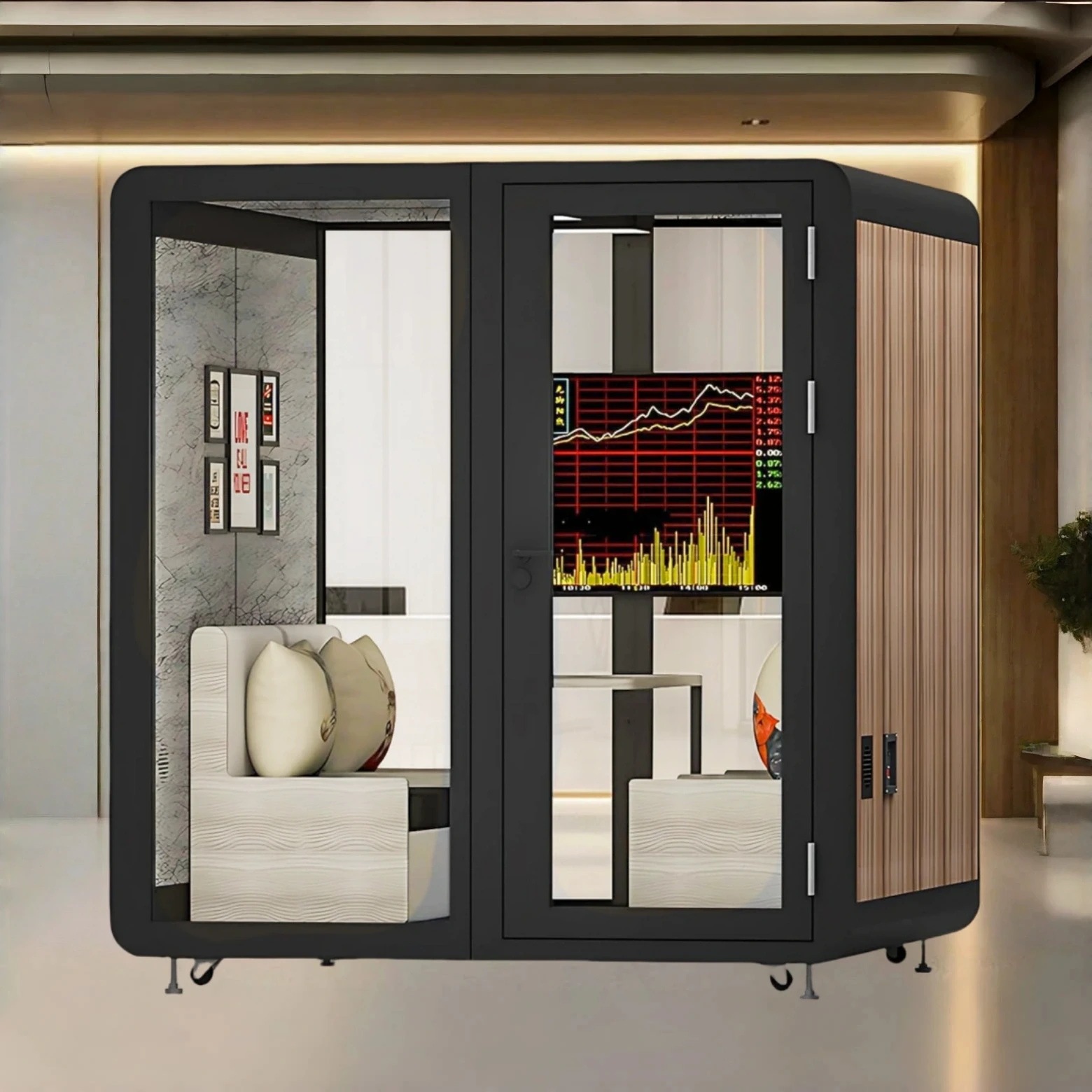
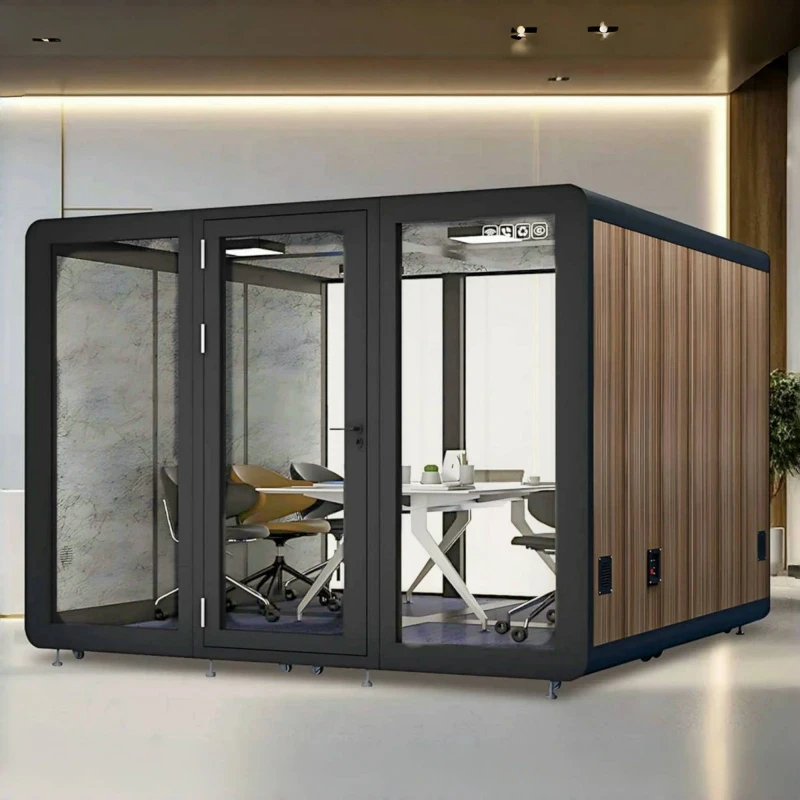
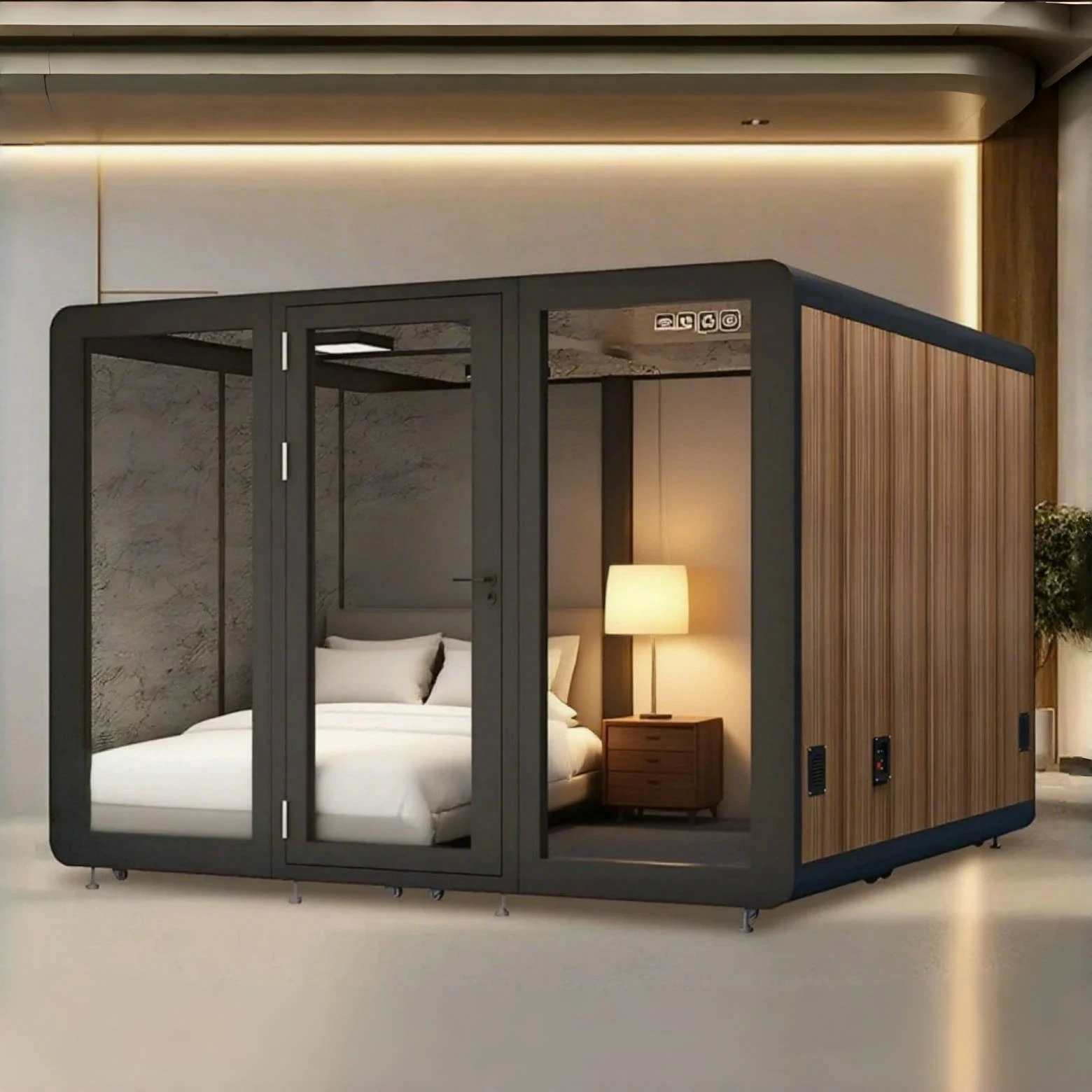


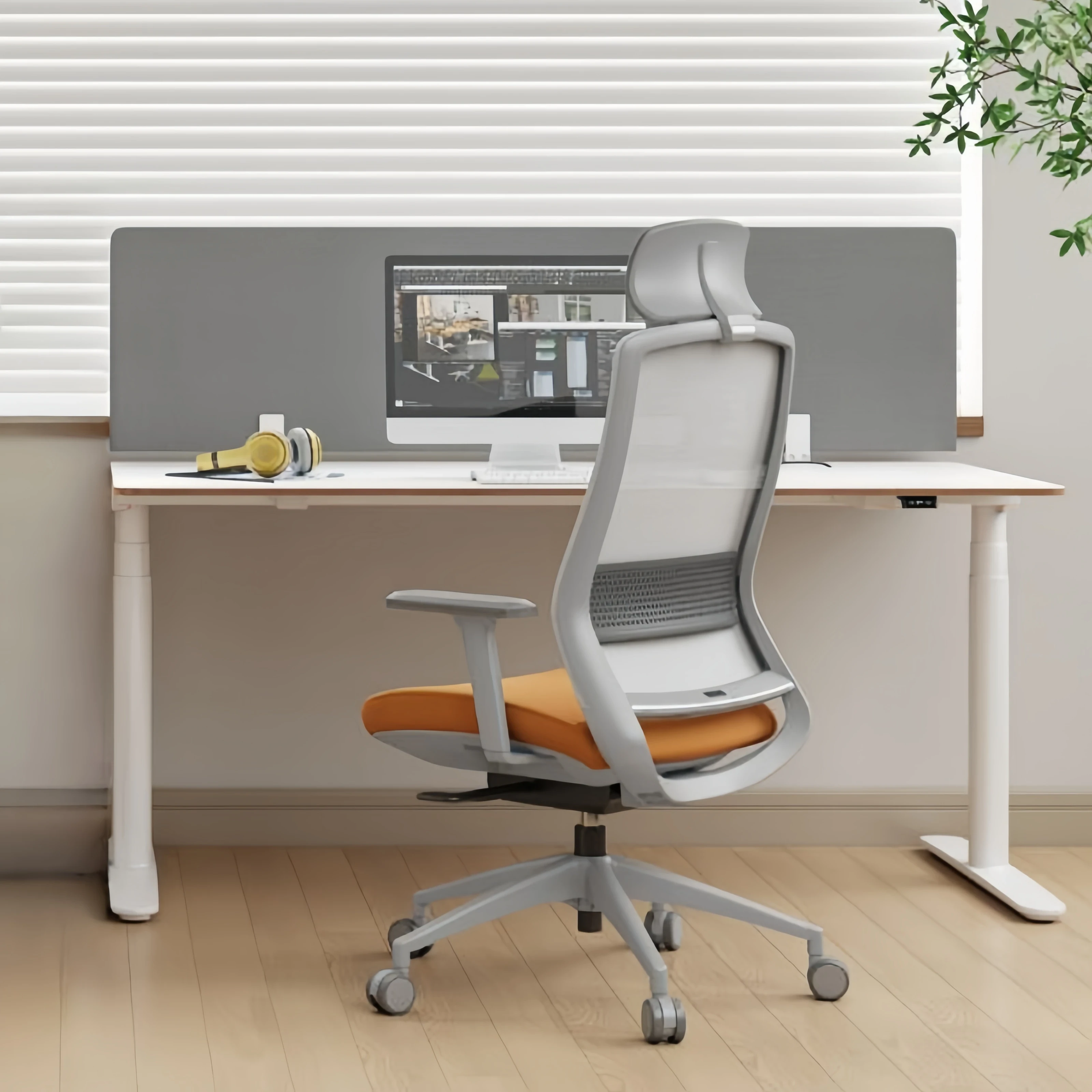


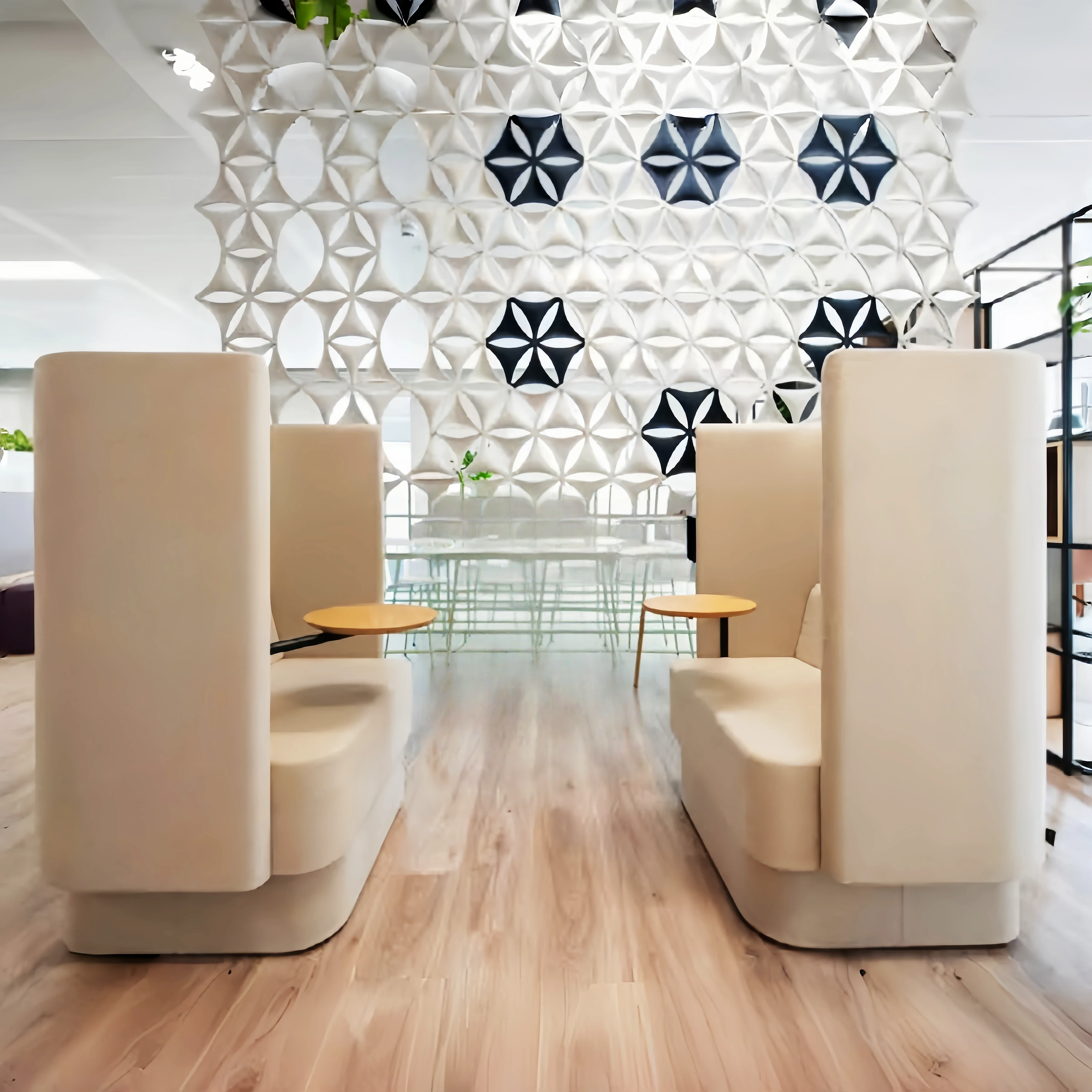

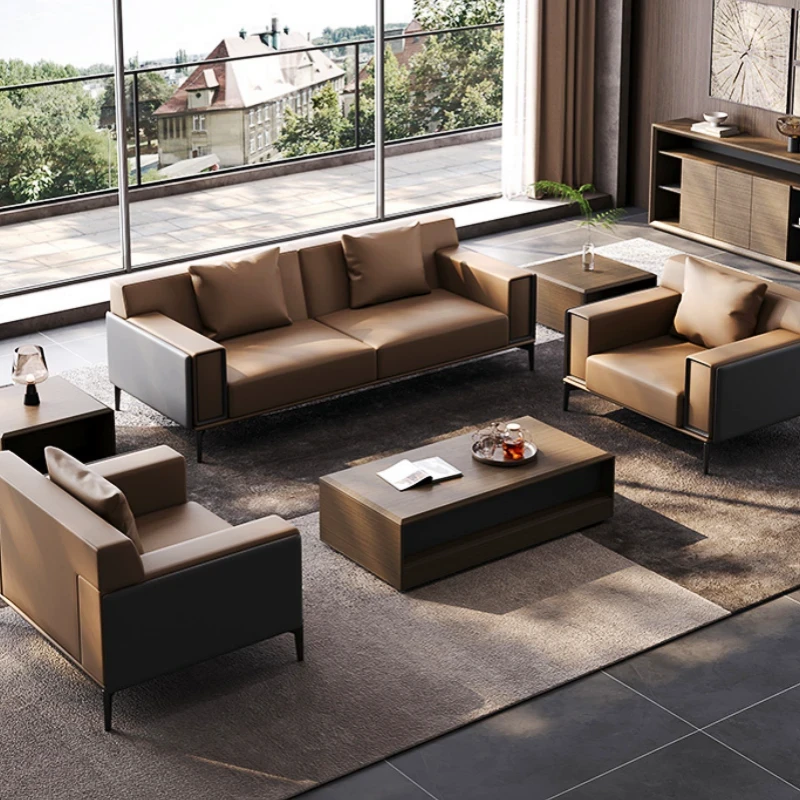
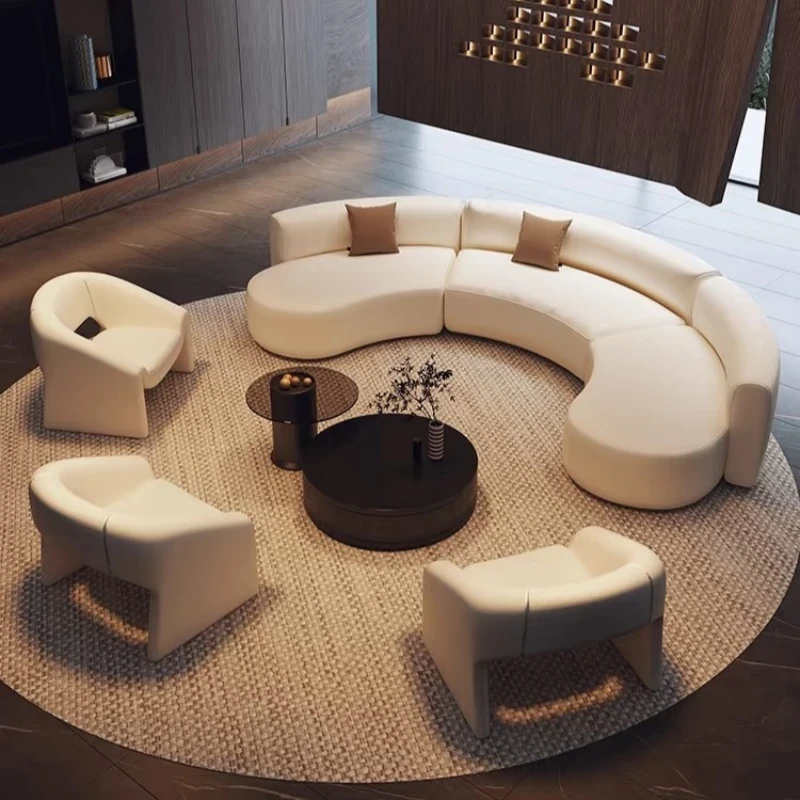


Office furniture is a highly complementary category in interior decoration projects, not only affecting the shaping of the interior decoration style but also influenced by the four major elements of space: form, color, light, and texture. Therefore, the design process involves understanding the artistic creation of the interior designer as well as communicating with the owner's business management philosophy. Corridors in office spaces are generally designed with low lighting to save energy and prevent employees from lingering, so they are often not furnished. However, currently, corridors are being transformed into leisure corridors where space allows. Here, natural lighting, wall paintings, naturally textured marble floors, and comfortable carpets all create a relaxed atmosphere, while the highly alluring sofa becomes the focal point of the space. In fact, the primary point of furniture design is to possess a certain allure in form: it can be vague and abstract, or concrete and explicit. Following international financial scandals, the structural systems of financial office buildings have become more open, with extensive use of glass from the outside in, signifying a fair and transparent office environment. Abundant natural light necessitates furniture with a relaxed, natural, and modern style, while the use of glass in the environment restricts the use of bright colors in the furniture. Otherwise, the directional nature of the space would be weakened, affecting work efficiency. Therefore, contrasting fabric upholstery sofas serve as a focal point. In this way, the full-length glass windows bring in ample sunlight and natural views, while the soft, comfortable sofas await visitors, creating a pleasant atmosphere. The precise positioning of APEC dictates the bright and clean overall style of the meeting hall, with the natural wood-textured conference table and warm-toned chairs complementing the national attire worn by the leaders. Many financial institutions are designed to convey a sense of authority and solemnity, while this scene evokes the interior design of an elegant and sophisticated residence. Stylistically, design can be summarized as "looking both forward and backward." It has a respectful aspect towards traditional culture, while also emphasizing forward-thinking concepts, innovative awareness, and the creation of new aesthetic directions. Office space design mainly focuses on two types: modern and avant-garde styles and creating a friendly atmosphere, and this design clearly belongs to the latter.
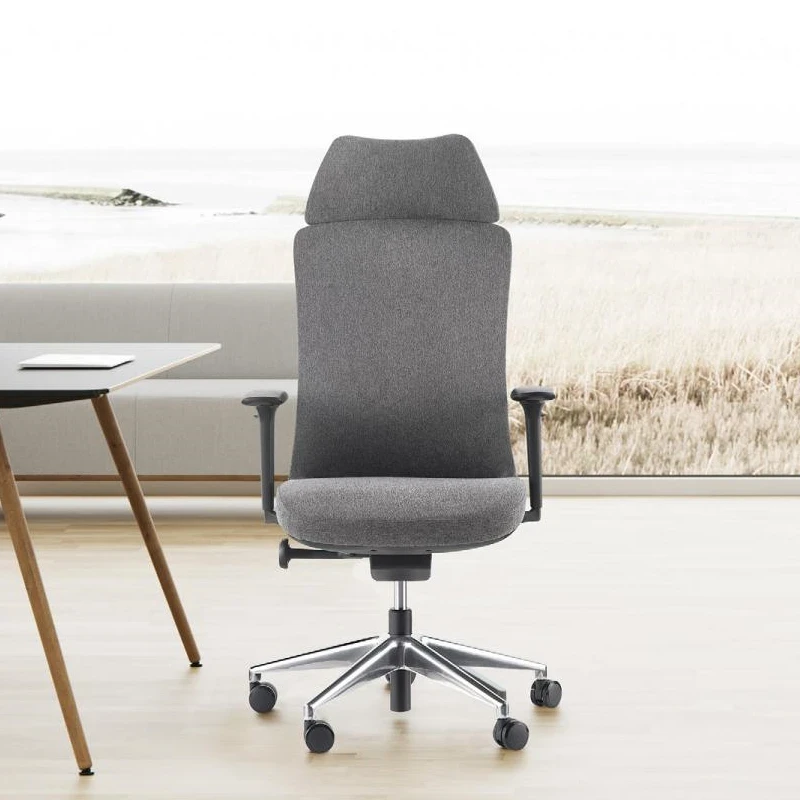
The combination of rough and refined elements in Shenzhen office furniture , along with a less open layout-a current trend in exhibition spaces-is now being widely adopted in office environment design. Large spaces often feature mechanical and exposed surfaces, while furniture is typically understated, with a natural wood texture, creating warm and inviting work units. Office spaces often strive for a simple and elegant style, but a lack of decoration can feel shabby and cold. Decorative furniture in various styles is used to add a human touch. To reflect a more humanized workspace and teamwork style, curved conference tables are becoming increasingly popular: they can facilitate formal face-to-face conversations, casual conversations across the room, or intimate or private communication with those to the left and right. These conference tables not only feature smooth, bar-like curves but sometimes even eliminate chairs, allowing people to sit at the table or lean against the wall, eliminating hierarchical distinctions and promoting freer communication. Dramatic settings are a common technique in Western design. Reception areas often feature humorous seating pieces with a sculptural touch, making visitors feel welcome and natural. Combined with comfortable sofas, this can effectively shorten waiting times. Also in this office, the dramatic spatial character, imbued with a sense of humor, is created by furniture of different styles, exuding a warm and welcoming atmosphere. The design, with its bright color contrasts between furniture and space, is suitable for spaces with high mobility. The floor plan typically uses flowing lines to reflect the natural presence of users and visitors. The fundamental design challenge is to resolve the relationship between routine and innovation. In private offices, furniture often forms two functional areas. A set of bookshelves, a relatively imposing executive chair, a large desk, and two visitor chairs opposite create a relatively formal transition zone; another set of enclosed sofas fosters a friendly and intimate atmosphere, thus meeting different needs during the work process. This model is gradually changing. The workload brought by some office equipment can affect the mood of employees, so the design not only needs to use visual environmental design to alleviate this, but also emphasizes the importance of pleasant facilities; adjustable, movable, and the mood-balancing effect of wood are all incorporated into office furniture to support human needs. When a particular interface in an empty office space has a large "movement," the furniture is cleverly treated as a sculptural work of art.