
 USD
USD GBP
GBP
 EUR
EUR
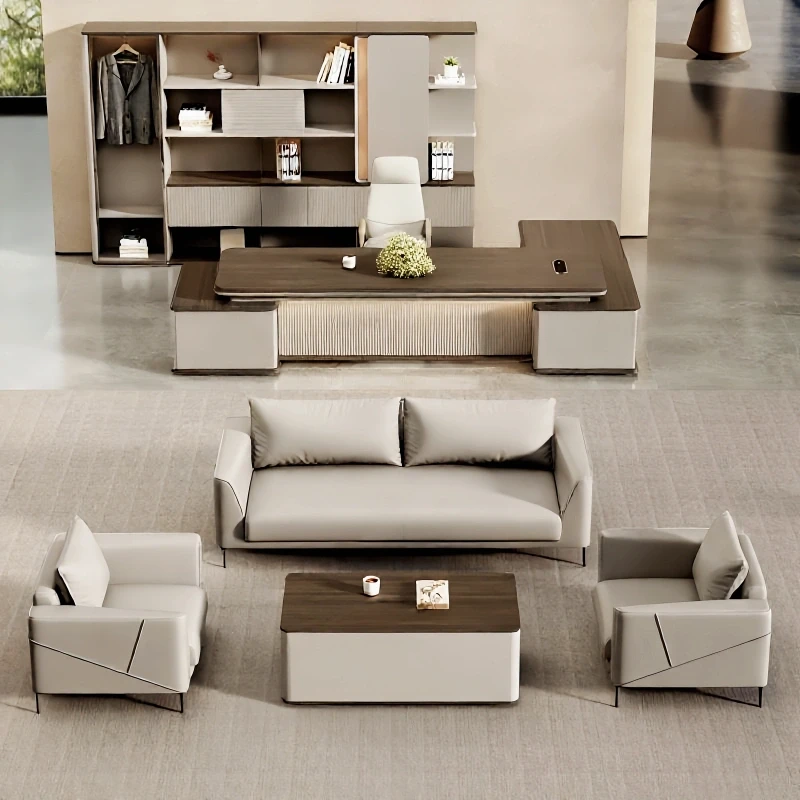
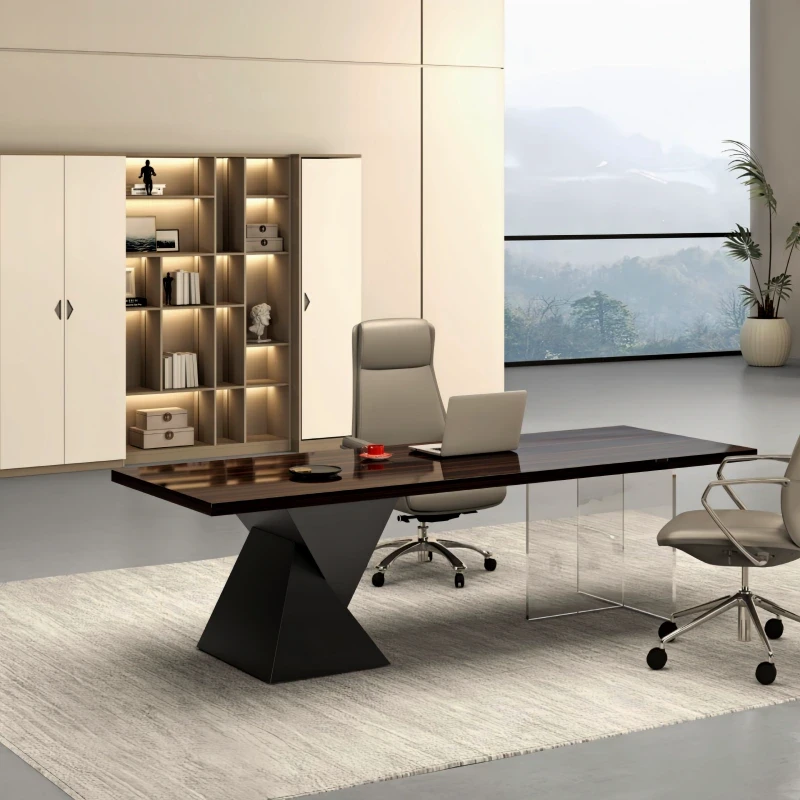


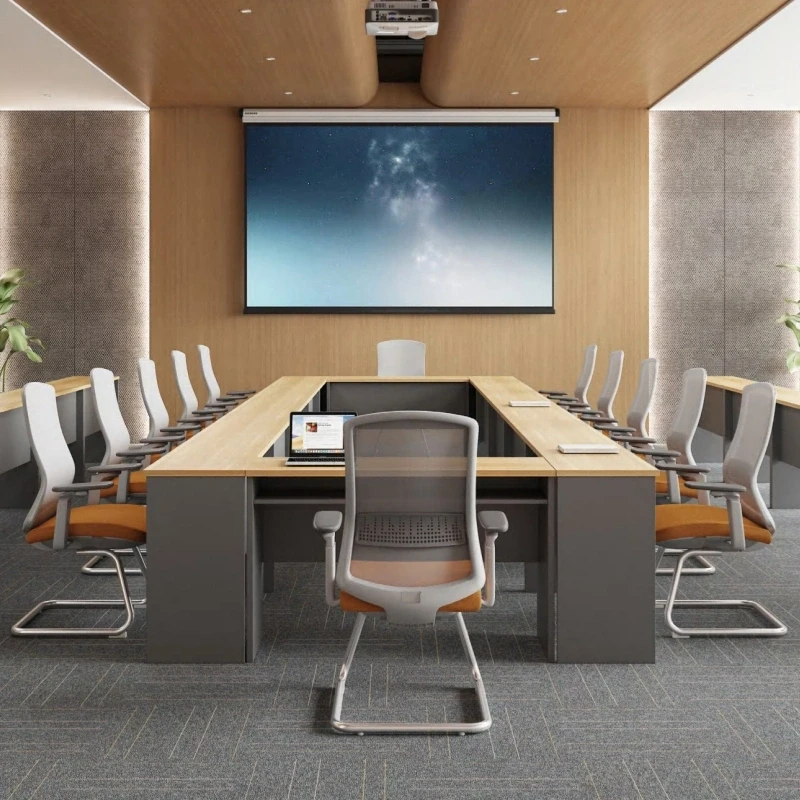
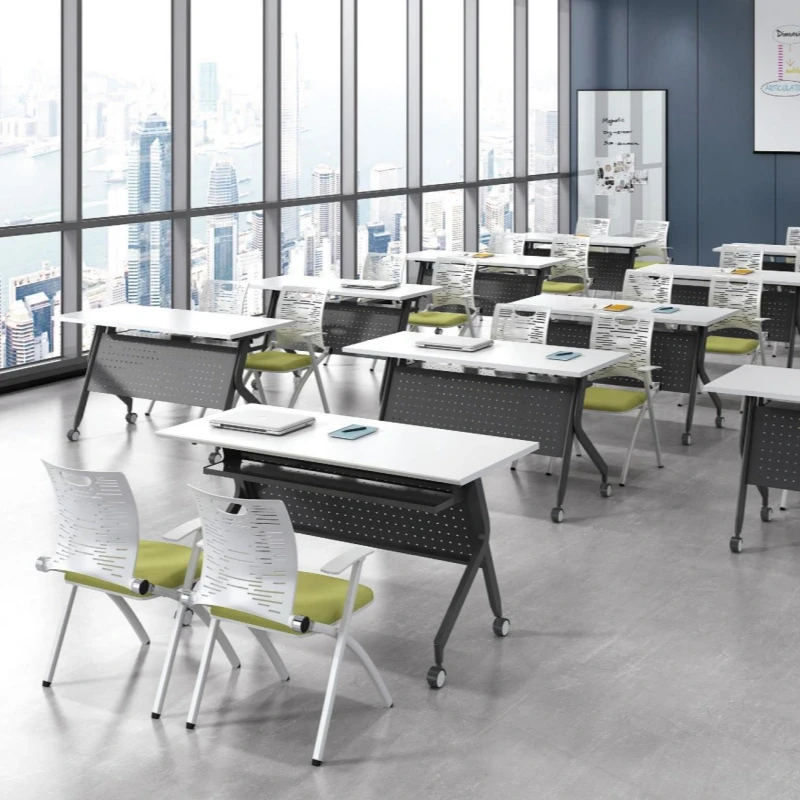
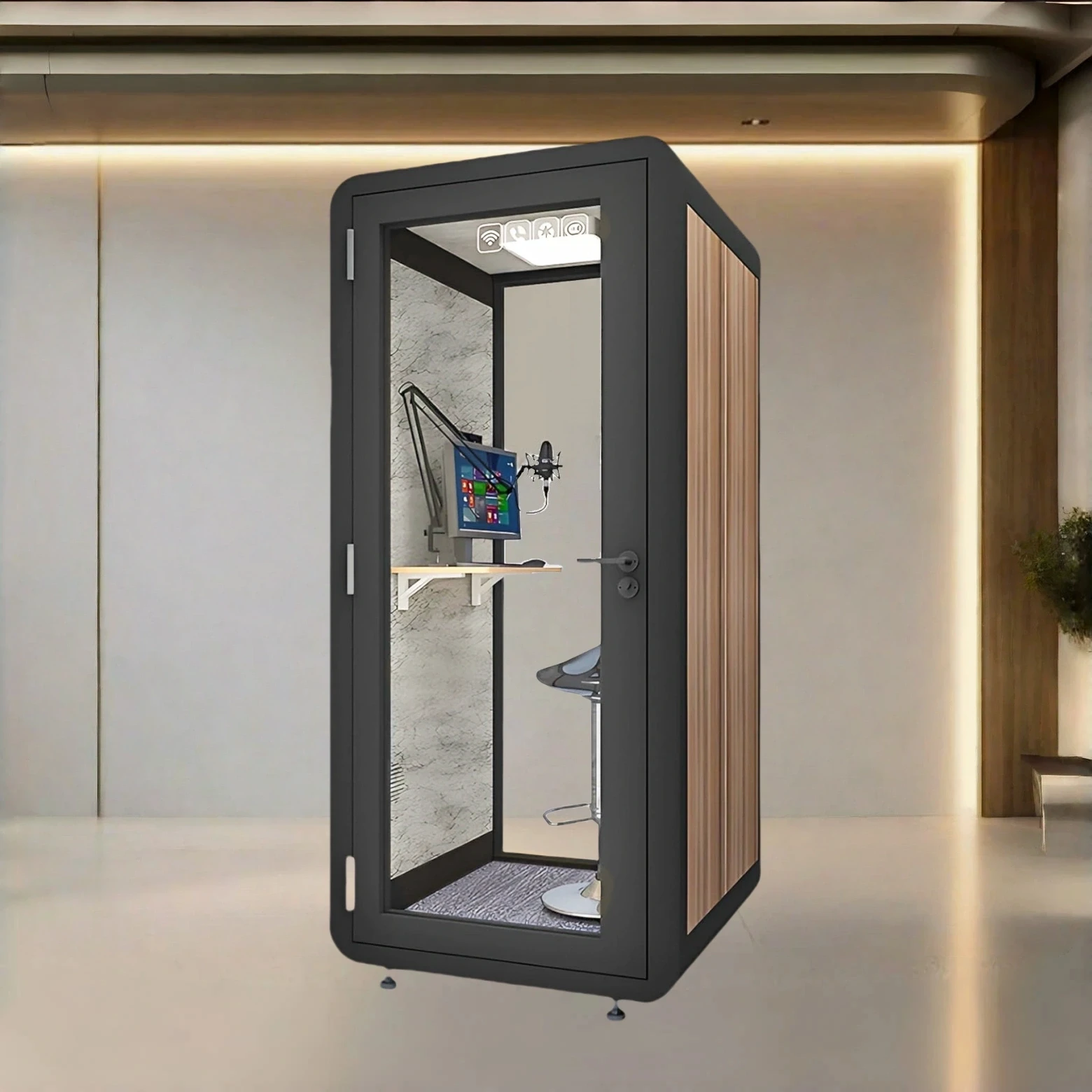
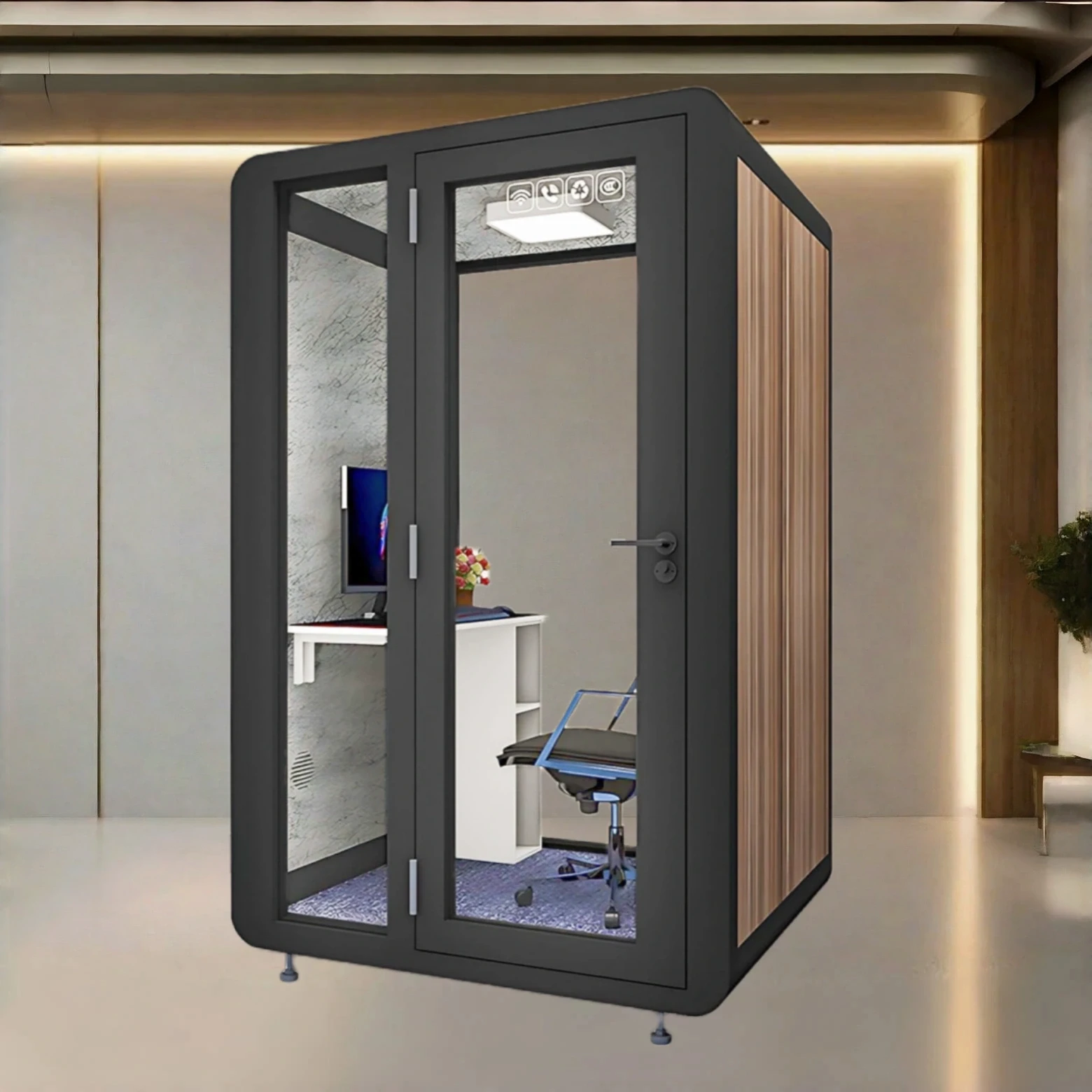
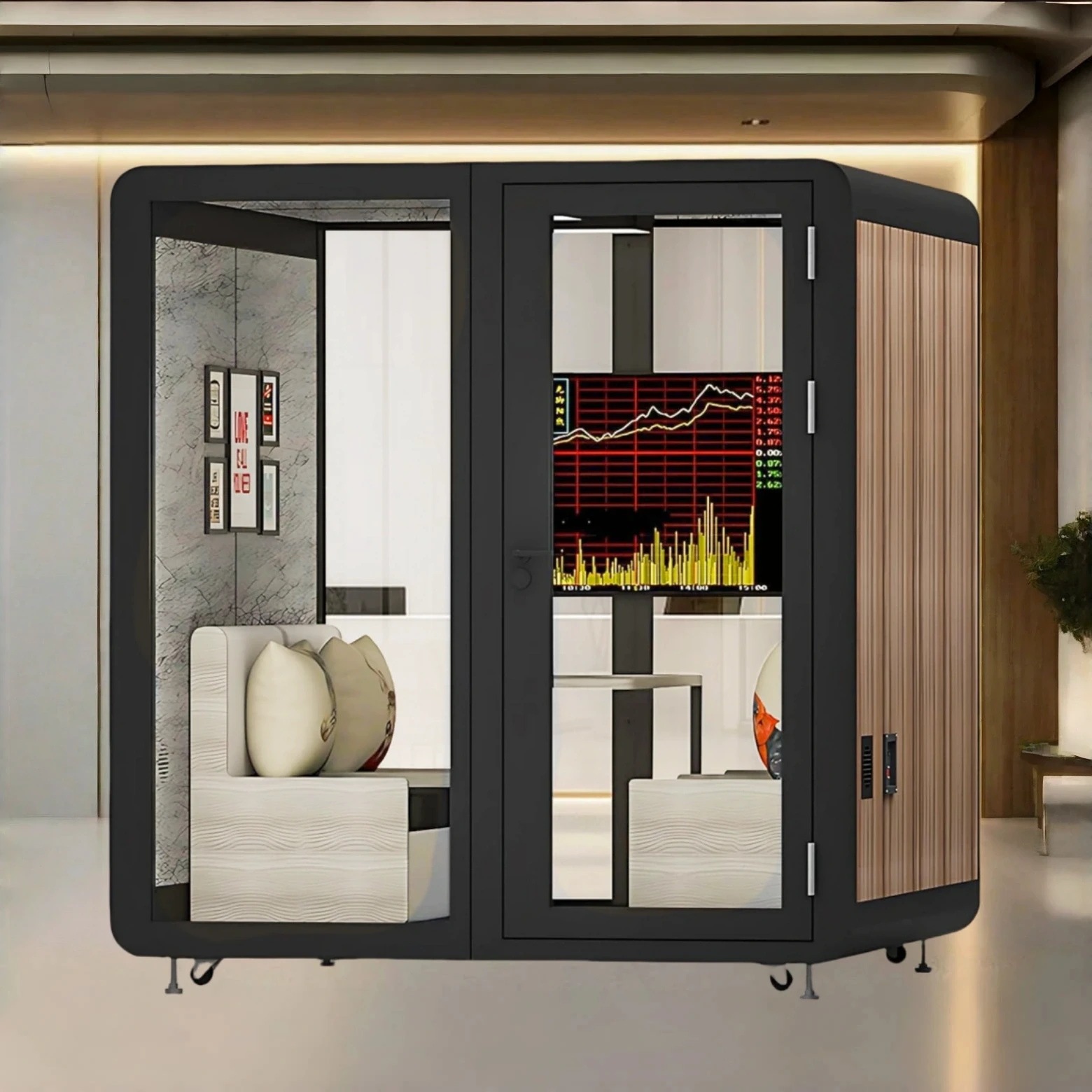


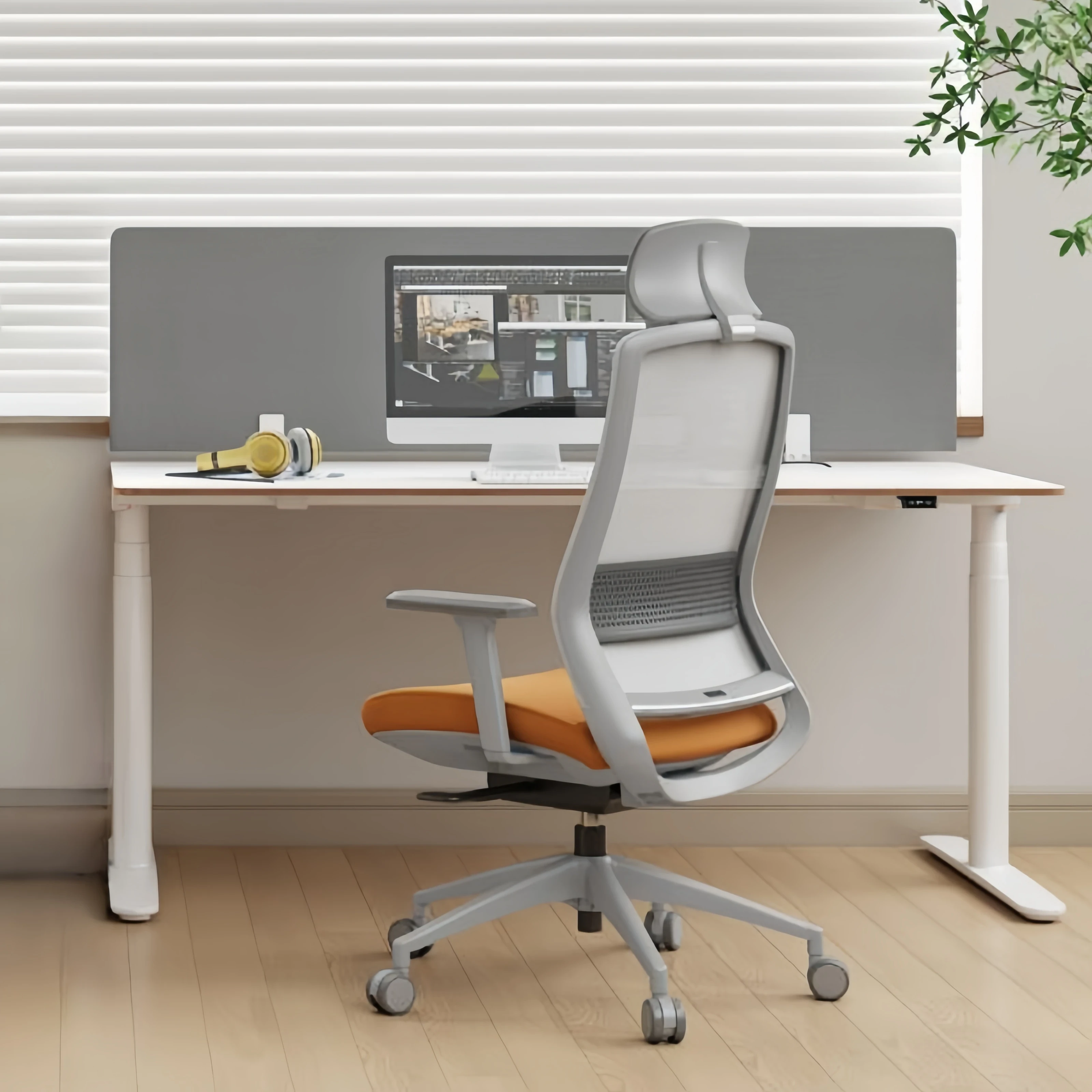



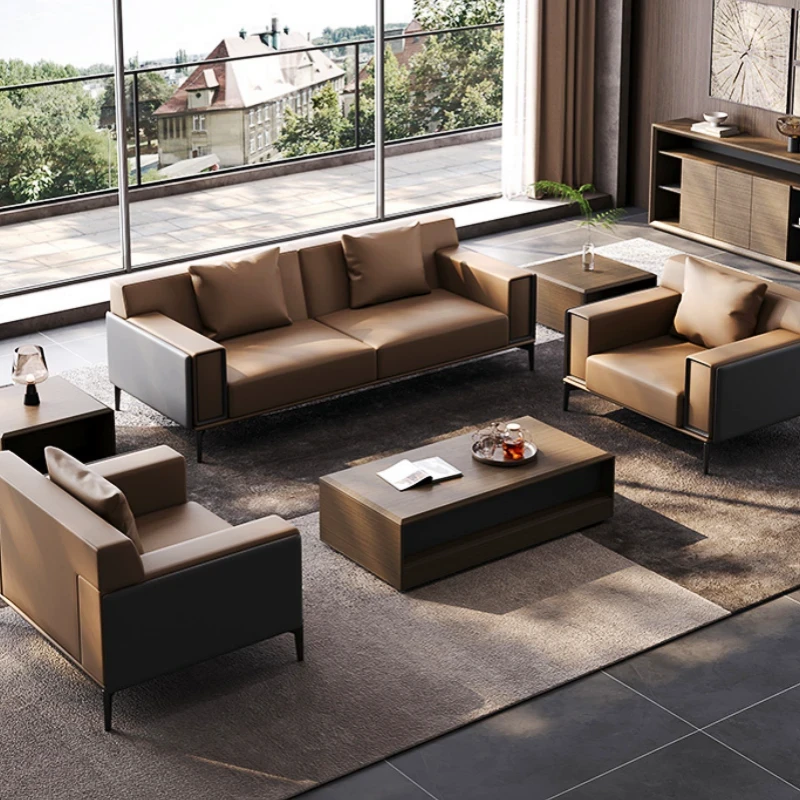
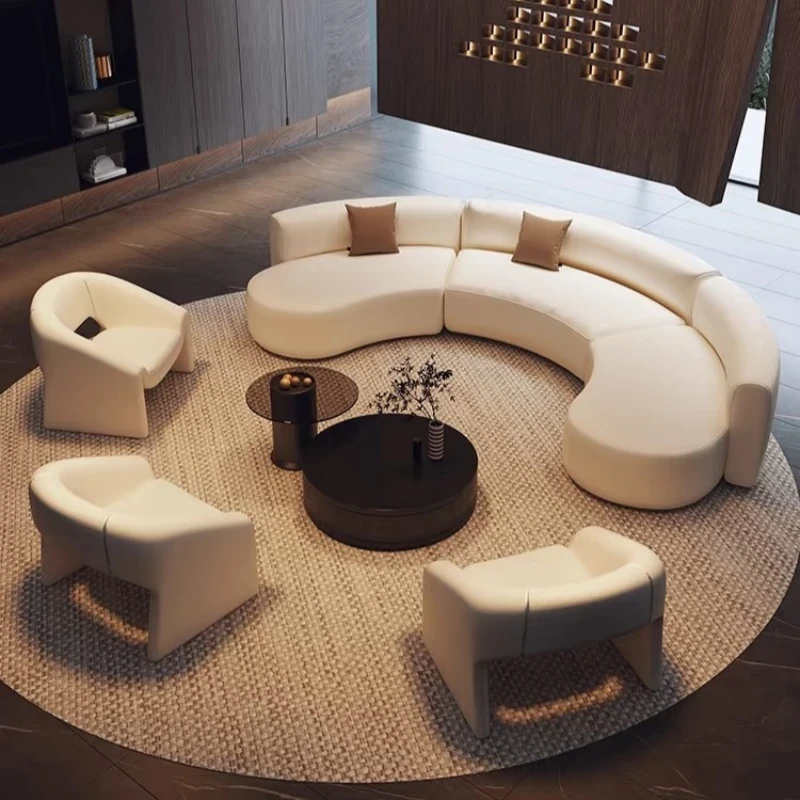
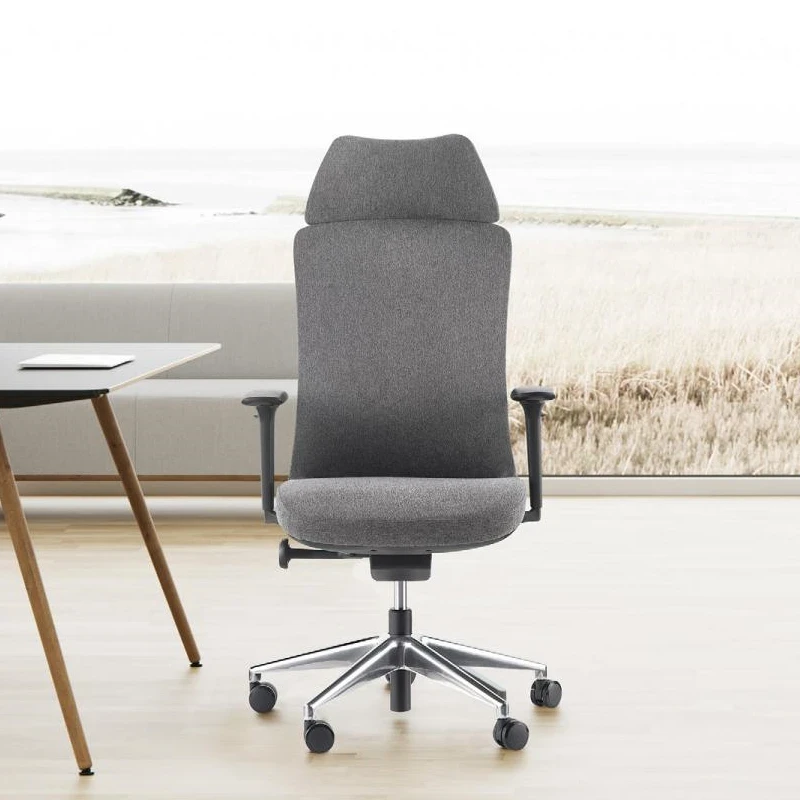


We spend at least 8 hours a day in the office, and a comfortable office chair can ensure our health and energy. So what kind of office chair is the most comfortable? Henan Huadu Times will share some information with you:
Key Selection Point 1: Ergonomic Design An ideal office chair must be designed according to ergonomic principles.
Ergonomics studies the relationship between humans and their bodies, as well as their work, environment, and equipment. An ergonomically designed and manufactured office chair will provide comfort for the user-regardless of their weight or posture. More importantly, it can provide spinal support for users who need to sit for long periods of time. It also helps reduce pressure on various parts of the body, promotes blood circulation, eliminates work fatigue, and improves work efficiency.
Second key point in selection: Sturdiness. Office chairs are a type of office furniture that is used for a long time and frequently.
A good chair can typically last 5 to 10 years. A substandard chair often malfunctions, develops loose screws or makes noise after a short period of use, which can significantly affect a worker's mood and work efficiency.
Selection Point 3: Key Components and Functions
1. The mechanical chassis is the most important part of an office chair. The most common mechanical chassis functions can be divided into: backrest tilt; synchronized backrest and seat tilt; backrest angle adjustment; and seat forward tilt angle adjustment. Appropriate evaluation and consideration must be made during procurement to ensure that a chair equipped with suitable functions meets actual work needs.
2. The backrest height and angle adjustment function can provide users with appropriate back support, help users maintain the correct sitting posture, and protect the user's spine from damage due to long-term work.
3. Lumbar support is an essential design feature on the cotton-like chair back. Its function is to help users maintain correct posture, reduce pressure on the spine, and prevent the spine from twisting due to poor posture.
4. Mesh fabric is now widely used in office chair backs. Due to its elasticity and softness, the design of the chair back can better highlight the lumbar support. When a person leans back, the mesh fabric will automatically adjust to fit, so that the chair back can closely support the entire back of the user regardless of body shape.
5. Adjustable seat height is equally important for an office chair. Users of different heights can easily adjust the seat to a suitable height, allowing the seat cushion to properly support their thighs while their feet can rest flat on the ground. This way, even when sitting in the chair for a long time, normal blood circulation will not be affected.
6. The seat can be rotated freely, allowing users to easily change their body orientation according to the desktop situation and work needs without twisting their waist.
7. Polyester (PU) cotton is an excellent material for seat cushions that is highly elastic and does not deform over time. Because it is produced by die casting, the seat cushion can be made to conform to the shape of the human buttocks, which not only provides balanced support for the body weight, but also gives the chair a modern design.
8. The armrest height adjustment function allows users to adjust the armrest to a suitable height. This way, when their arms are resting on the armrest, their shoulders can also relax and reduce the pressure from work.
9. The headrest height adjustment function is becoming increasingly important in a modern office chair. Users can adjust the headrest to a suitable position according to their own height and body shape, so that when they need to recline for a short rest, their head and neck will be fully supported, eliminating fatigue.
10. Five-pronged chair legs and casters place particular emphasis on their load-bearing capacity, which is crucial and difficult to discern from the surface due to the quality of the raw materials used. Internationally recognized standards require five-pronged chair legs to withstand 1400 kg of pressure; two-pronged casters must pass a rolling friction resistance test of 15 N.