
 USD
USD GBP
GBP
 EUR
EUR
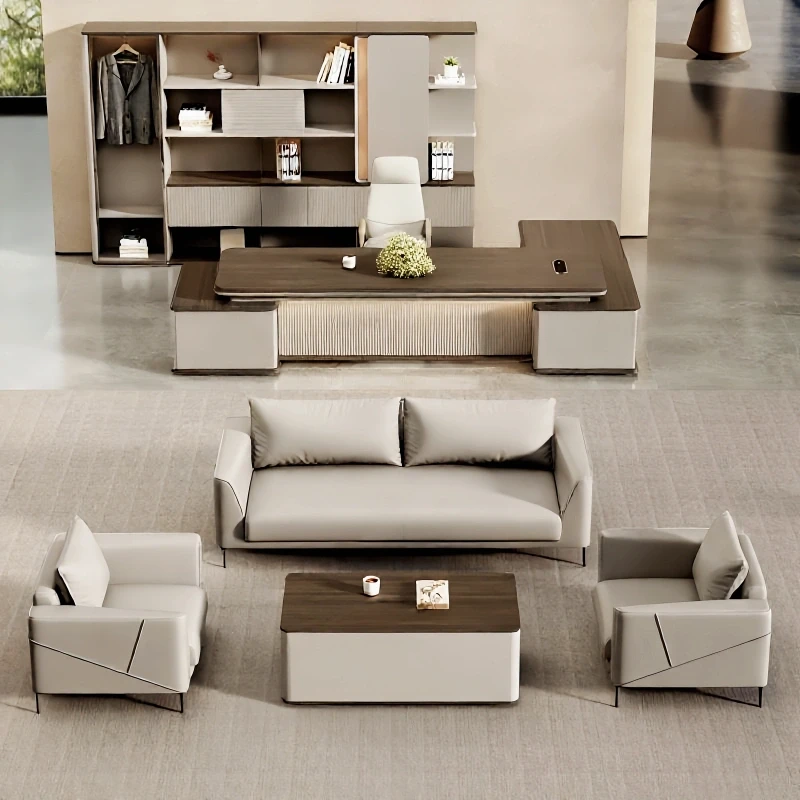
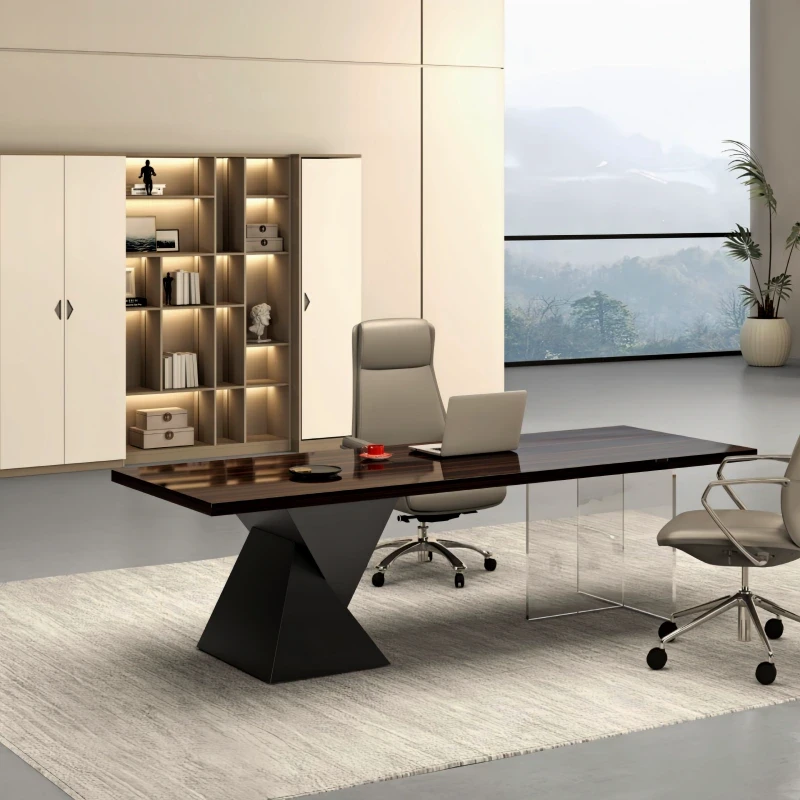


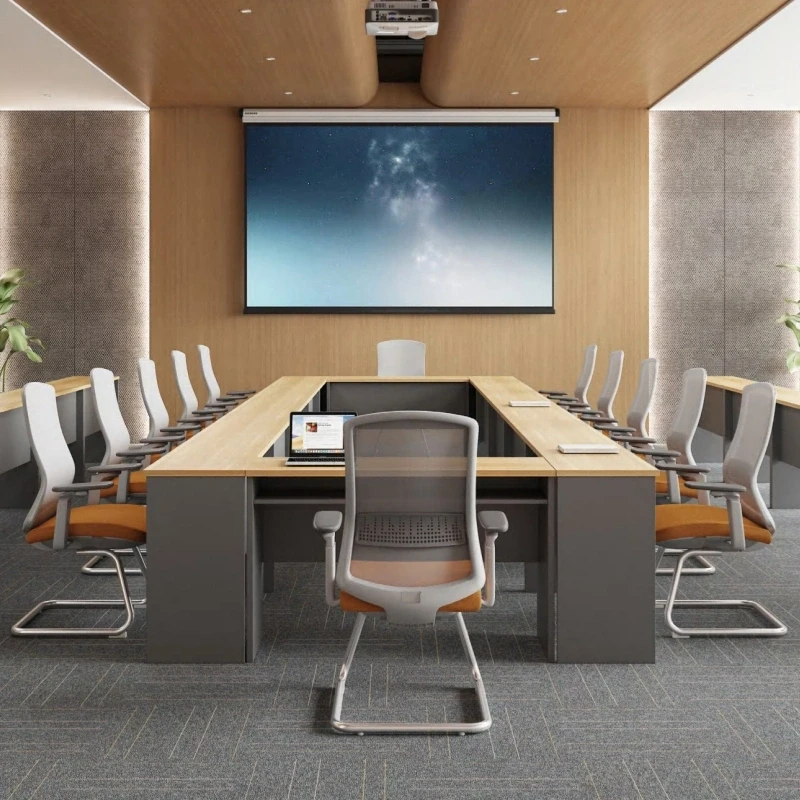
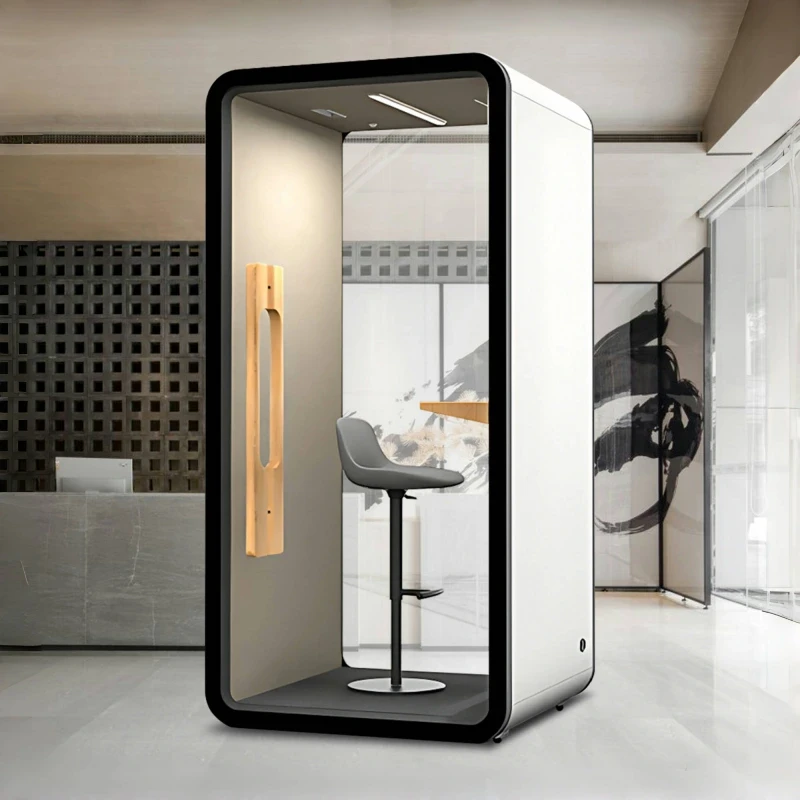
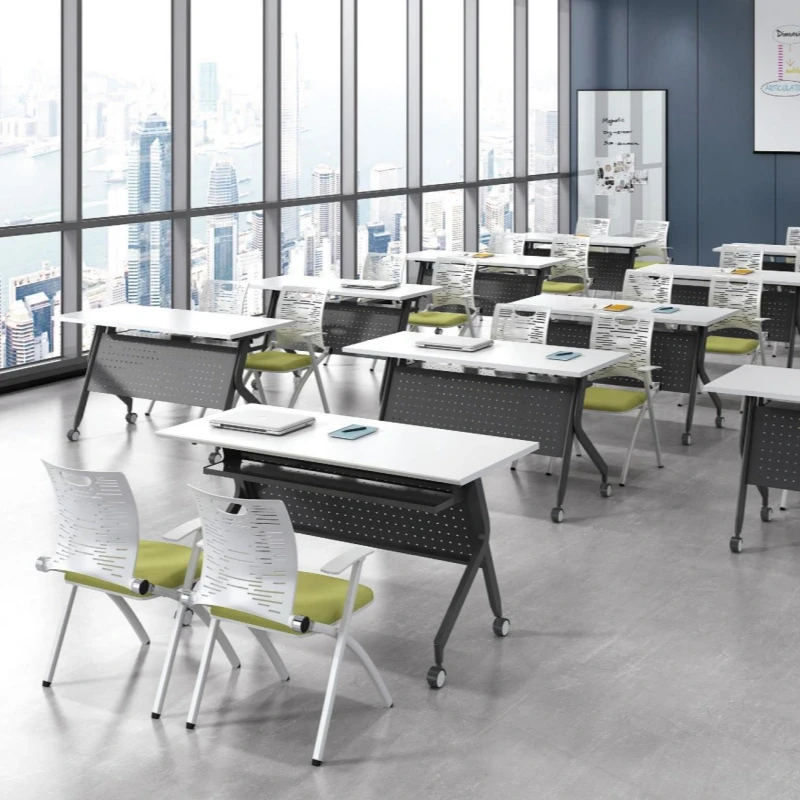
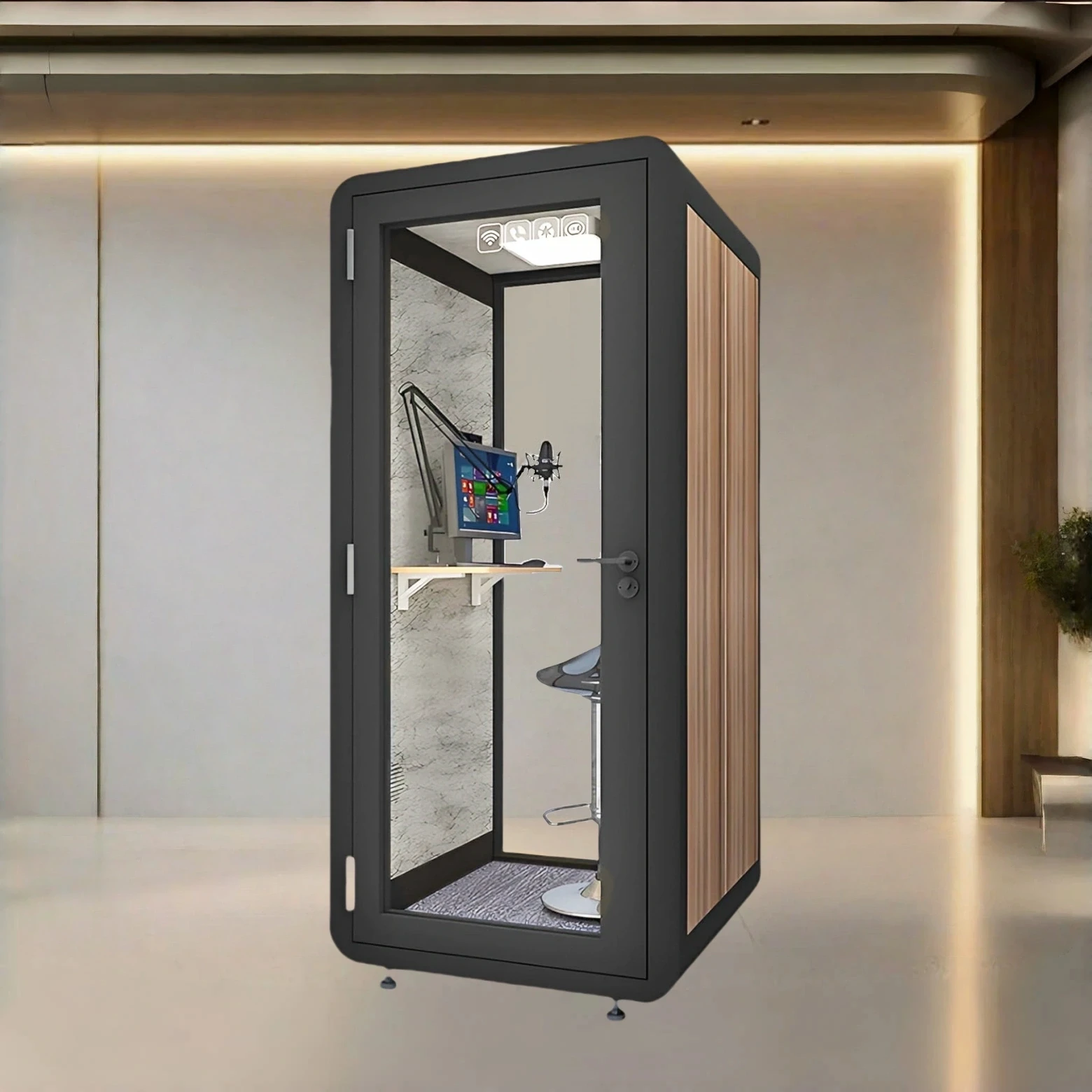
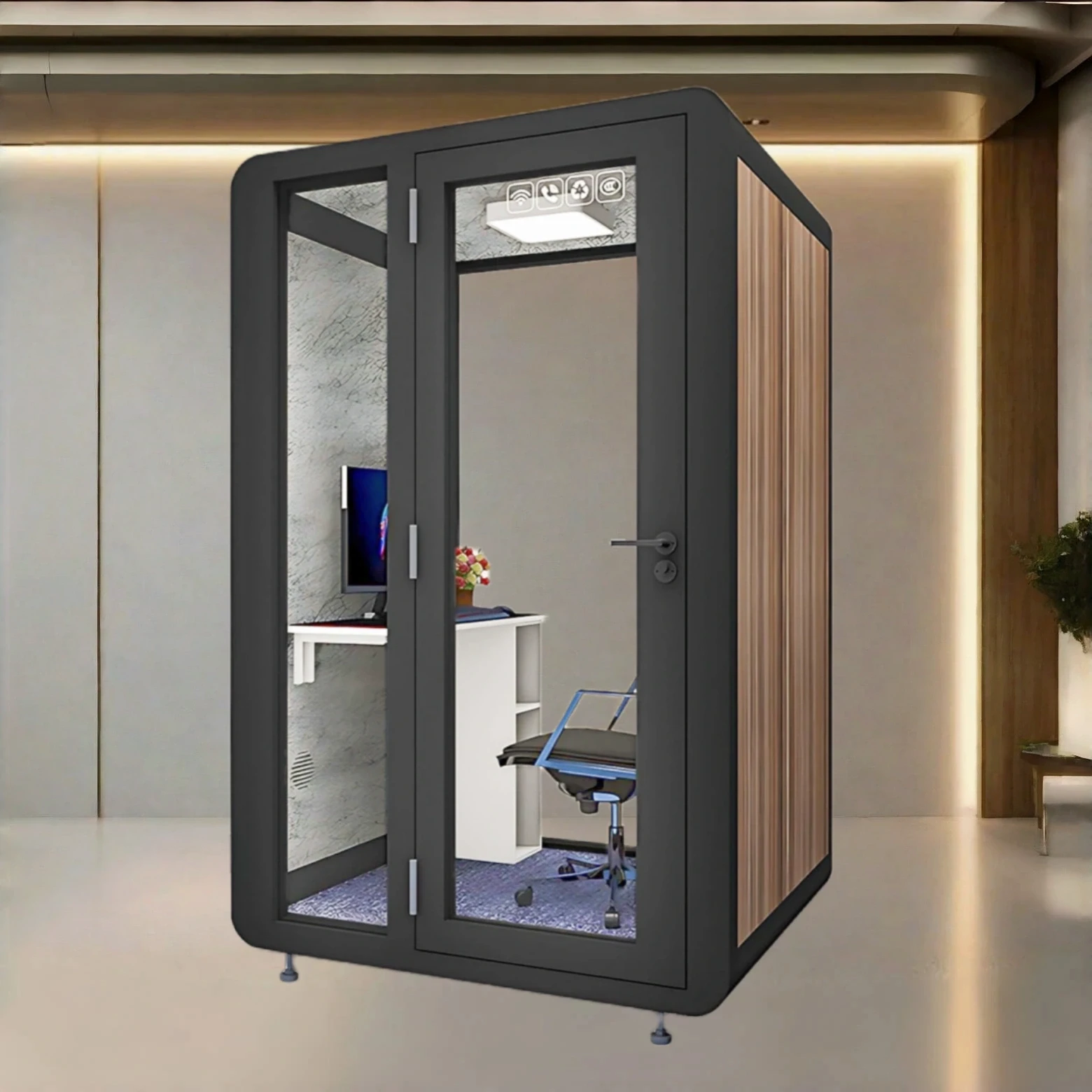
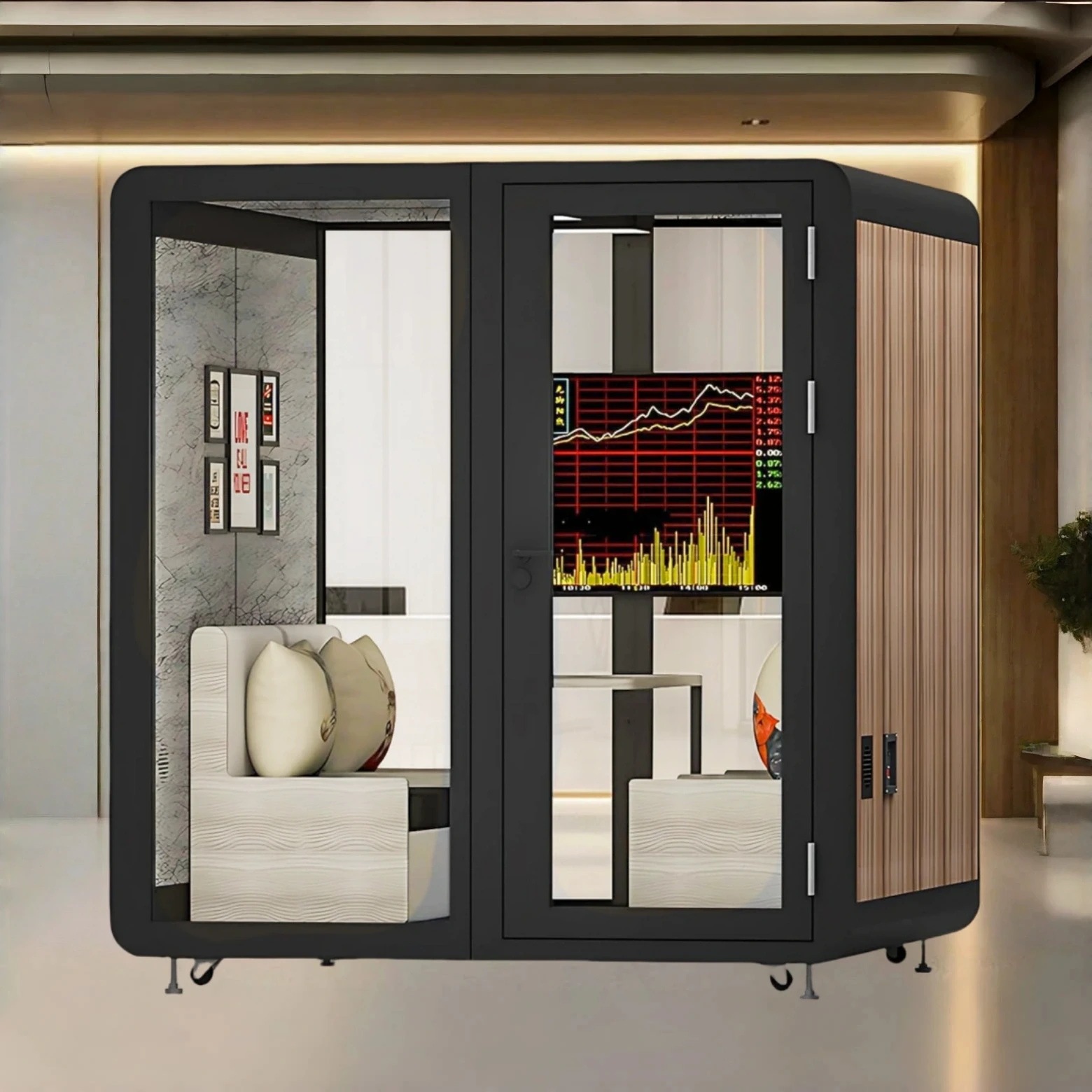
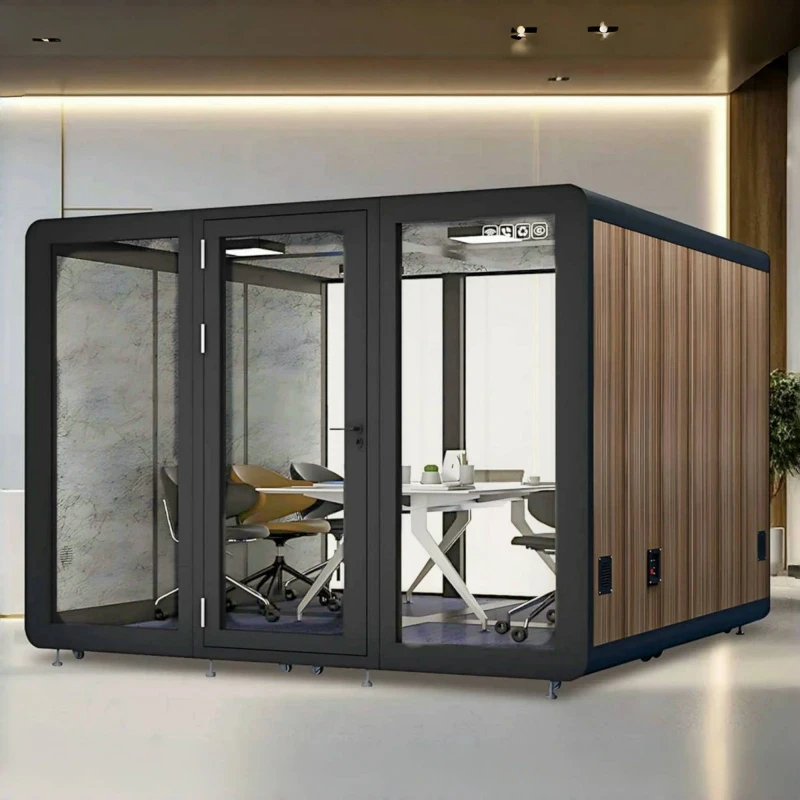
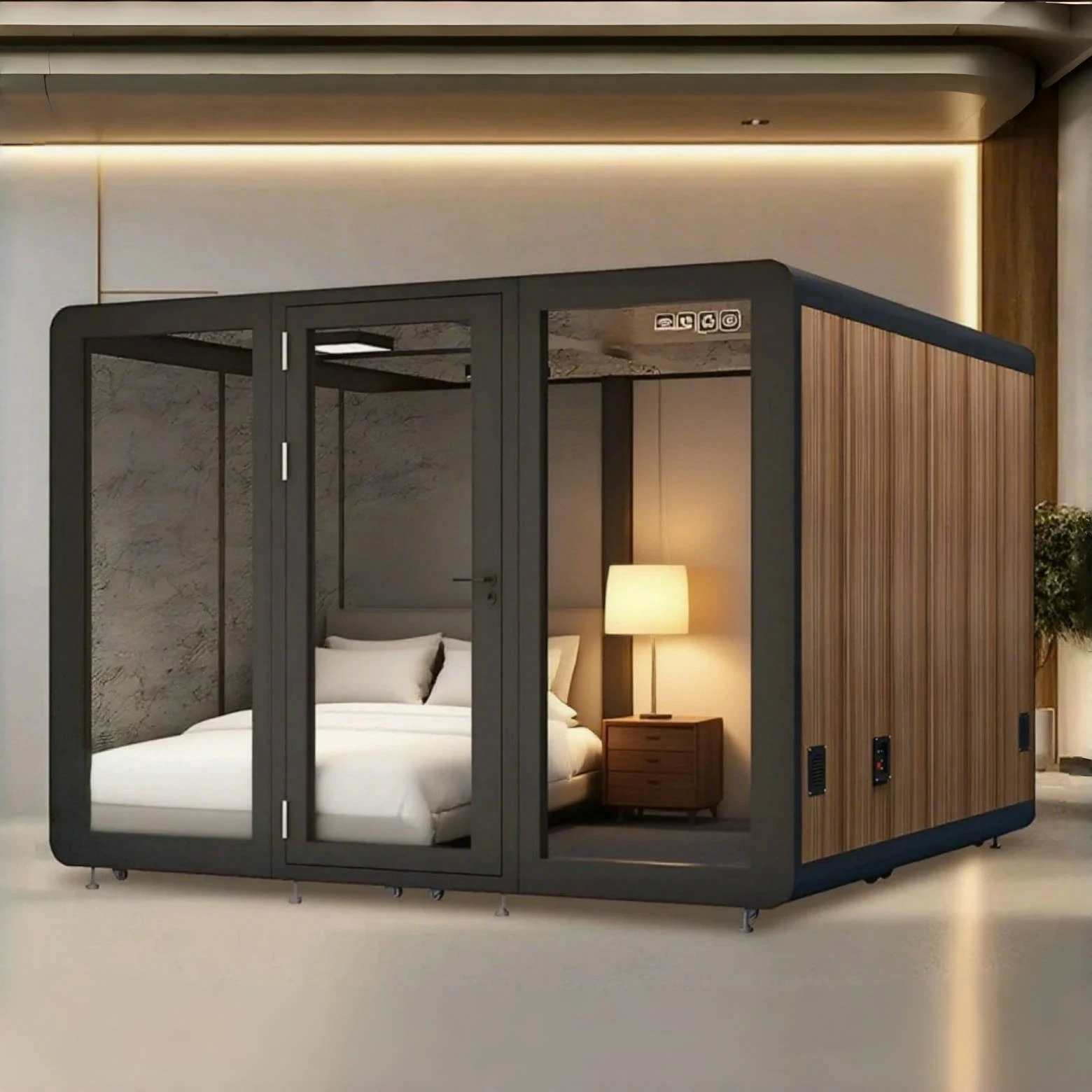





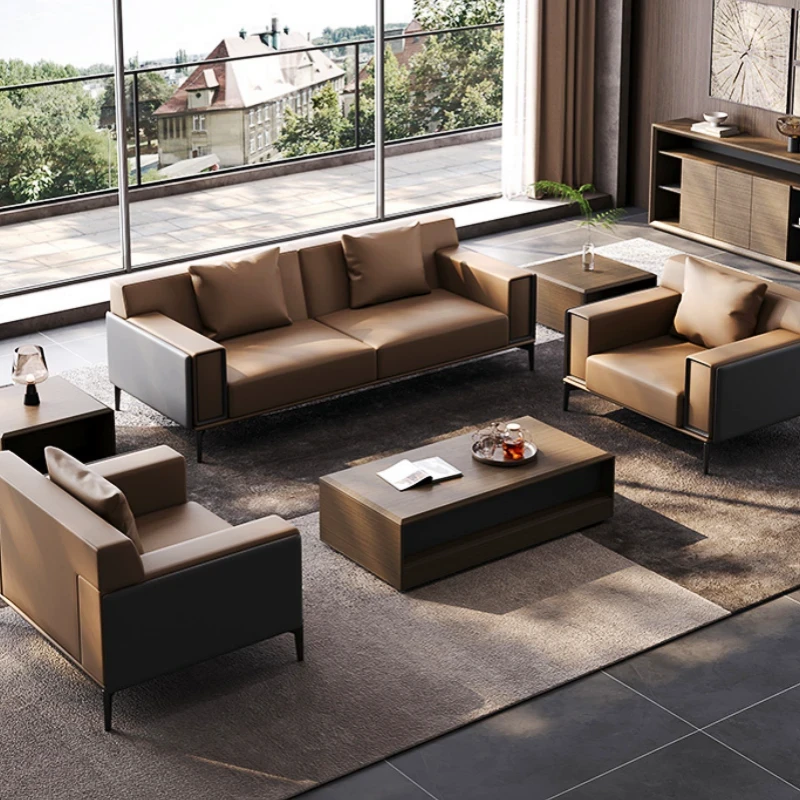
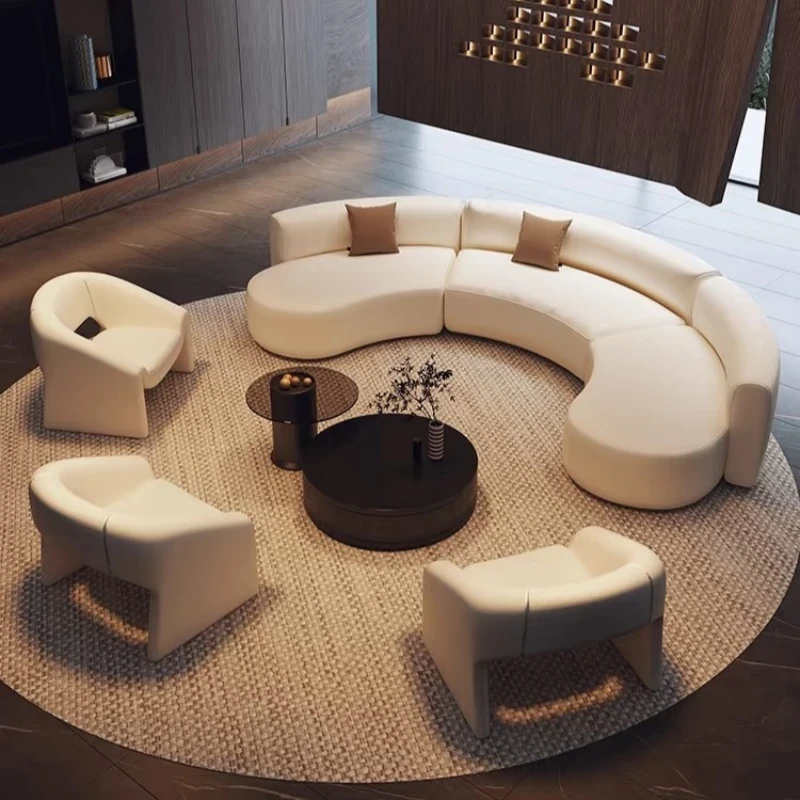


A bank's primary service target is its customers; therefore, furniture design should revolve around customer experience. Whether it's the reception area or the office area, the environment customers encounter upon first contact with the bank should inspire comfort and trust. When selecting furniture, attention should be paid to the layout of accessible spaces, allowing customers to feel relaxed and at ease while waiting or seeking information.
2. The Influence of Design Style:
Bank furniture design should generally maintain a professional and stable style. Most banks choose modern minimalist or classic styles to create a sense of trust and stability. For example, the reception desk can be made of marble, with simple shapes to enhance the overall image, while sofas in the rest area should be made of comfortable and easy-to-clean materials to ensure a good user experience.
3. The Importance of Comfort:
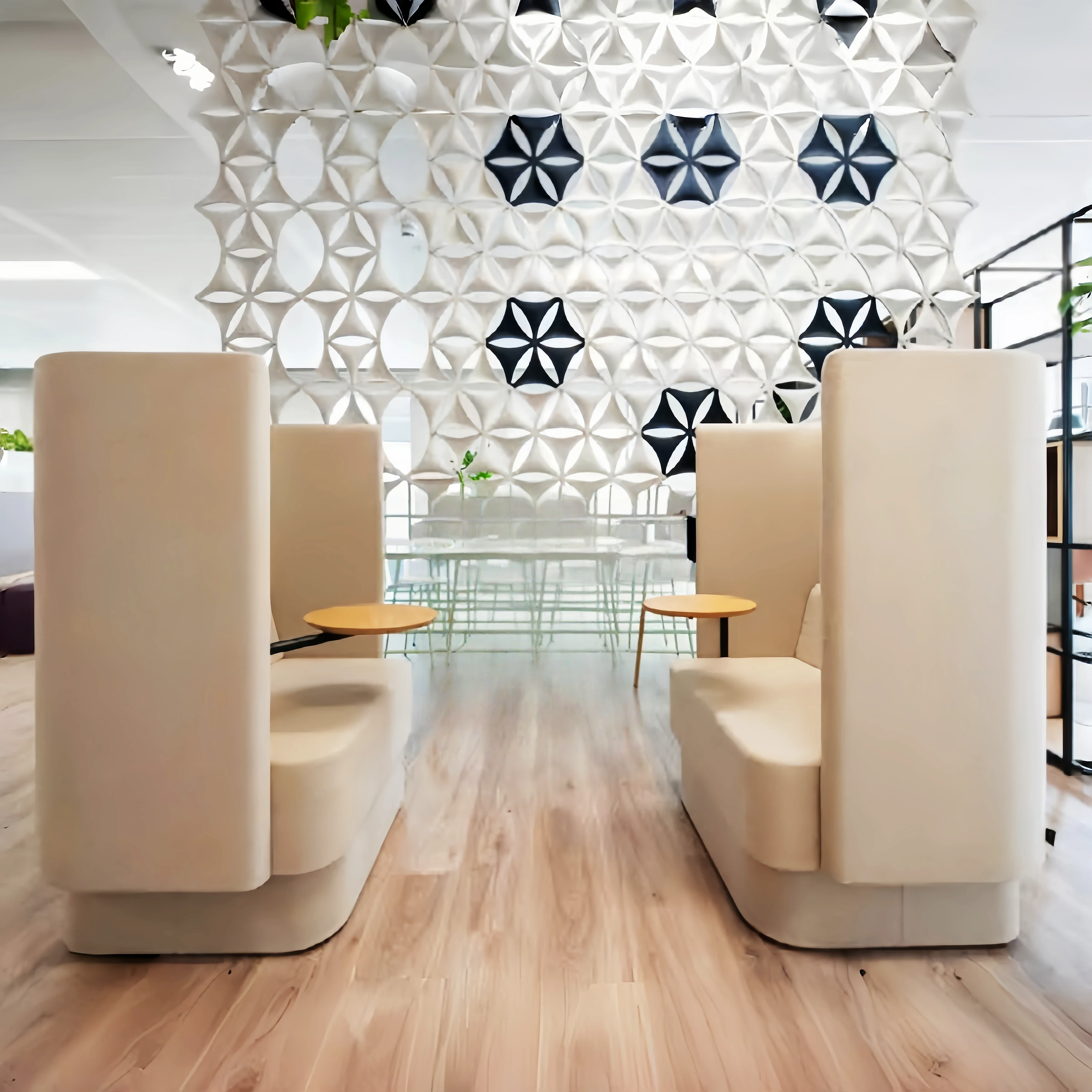
In the bank's waiting area, customers often need to wait to conduct business; therefore, comfortable seating and appropriate layout are essential. The design of dining chairs can be complemented by soft cushions to provide sufficient relaxation space. At the same time, the needs of different groups must be considered; the design of children's seats, elderly seats, etc., should be taken into account to ensure the comfort of all types of customers.
4. Balancing Functionality and Security:
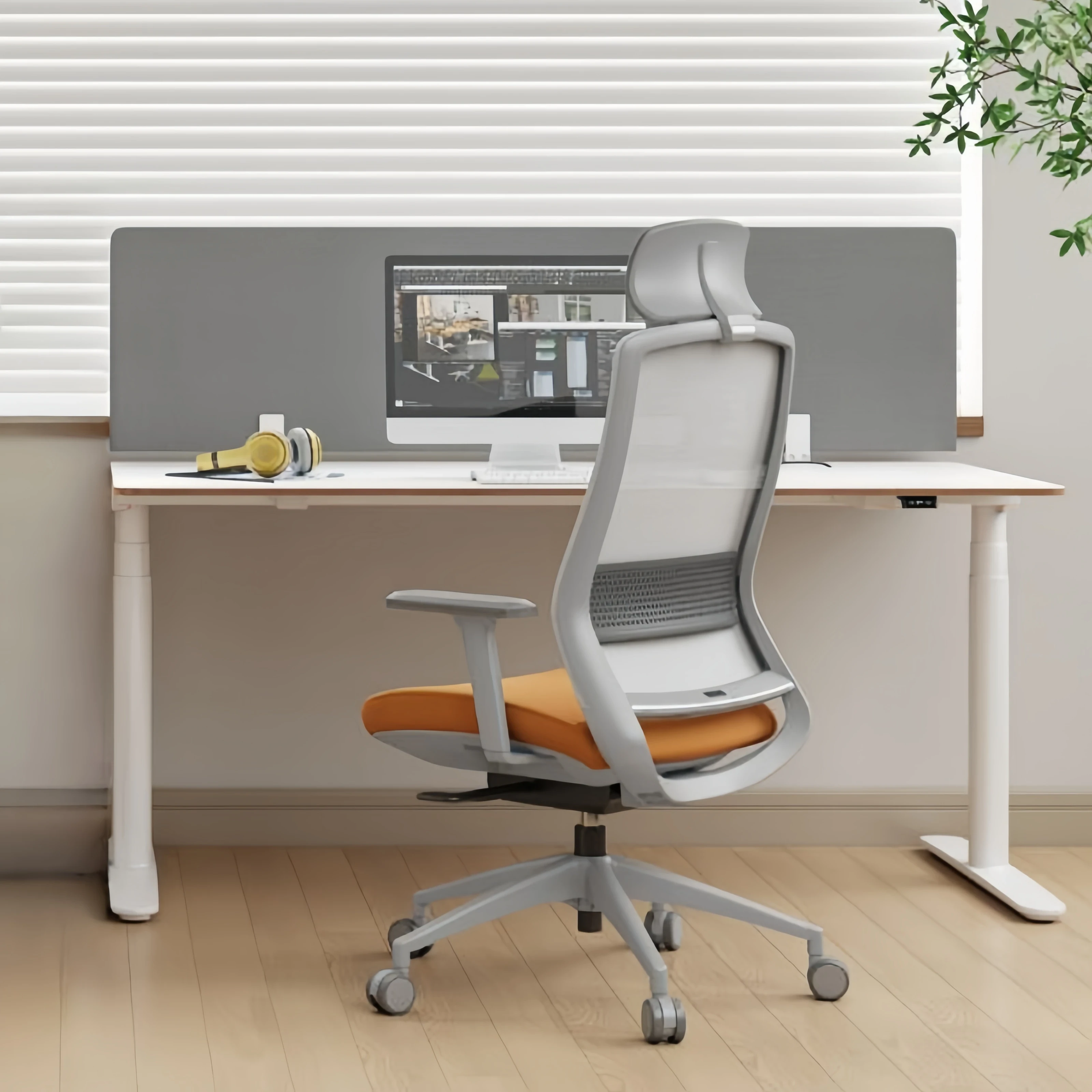
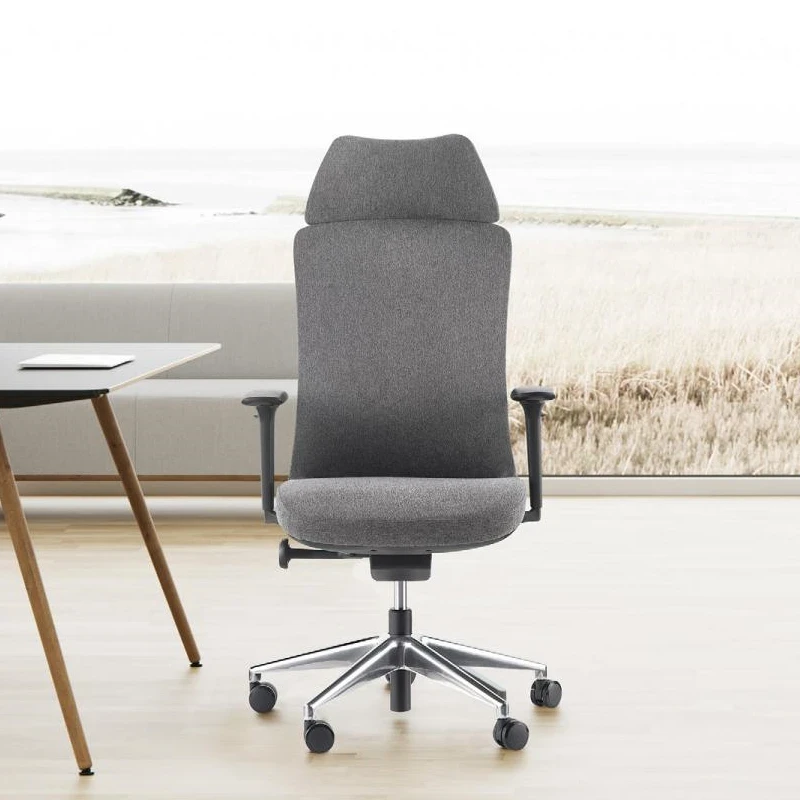
Bank office furniture needs to possess certain functionalities. For example, desks should have sufficient storage space so that employees can effectively manage documents and materials. Furthermore, due to the special nature of banks, choosing highly secure lockers is also crucial. This includes safes and filing cabinets with fireproof and anti-theft designs to ensure the safety of customer data and funds.
5. Material Selection and Environmental Friendliness:
The selection of materials for bank furniture should also prioritize environmental factors. Nowadays, more and more customers are concerned about corporate social responsibility. Choosing furniture made of environmentally friendly materials not only enhances the bank's image but also creates a healthy working and waiting environment. High-quality materials also ensure the durability and safety of the furniture.
6. Rational Spatial Layout:
The spatial layout of a bank should be rational, facilitating customer flow and employee work. The design should rationally divide different functional areas, such as the front desk, customer consultation area, and back office area. There should be clear signage between functional areas. A rational flow can be achieved through furniture placement and spatial division, helping customers complete their business smoothly.
7. Attention to Detail:
In the selection of bank furniture, every detail can affect the overall customer experience. For example, setting up separate consultation areas and providing private call spaces can prevent the leakage of financial information between customers; at the same time, placing charging equipment and water dispensers in waiting areas can improve customer satisfaction.
In conclusion,
the choice of bank furniture not only affects customers' first impression but also their ongoing experience. By considering the bank's service principles, design style, comfort, functionality, security, material selection, and layout rationality, a professional and comfortable financial service environment can be created for customers, thereby improving customer satisfaction and trust in the bank.