
 USD
USD GBP
GBP
 EUR
EUR
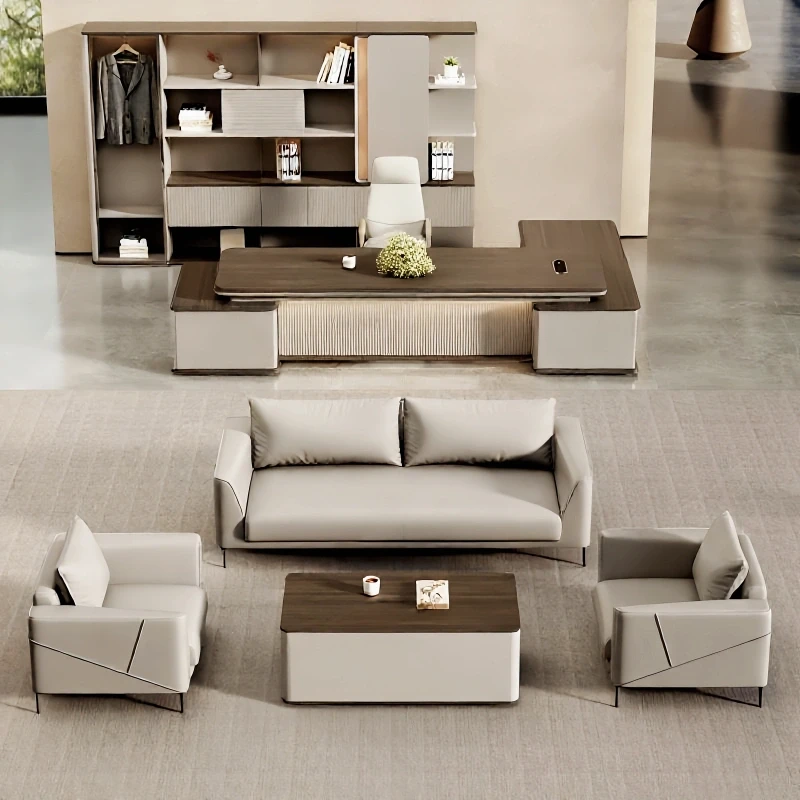
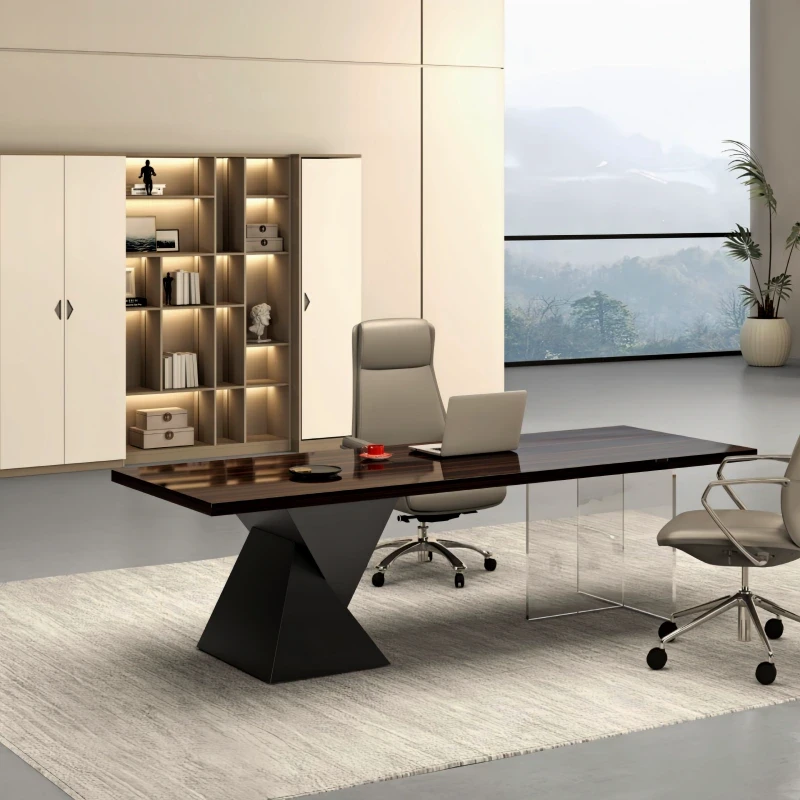


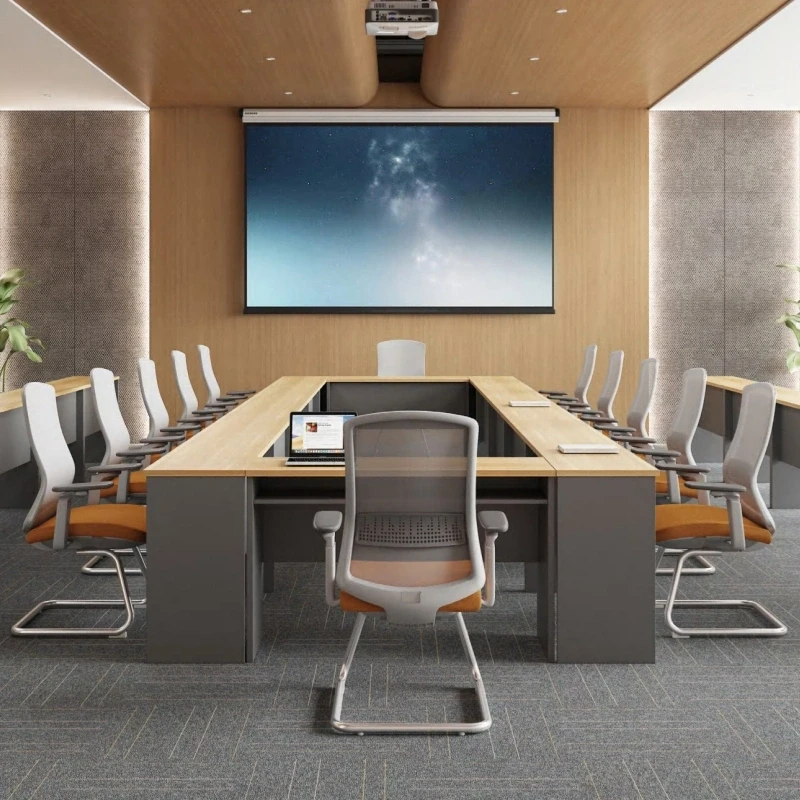
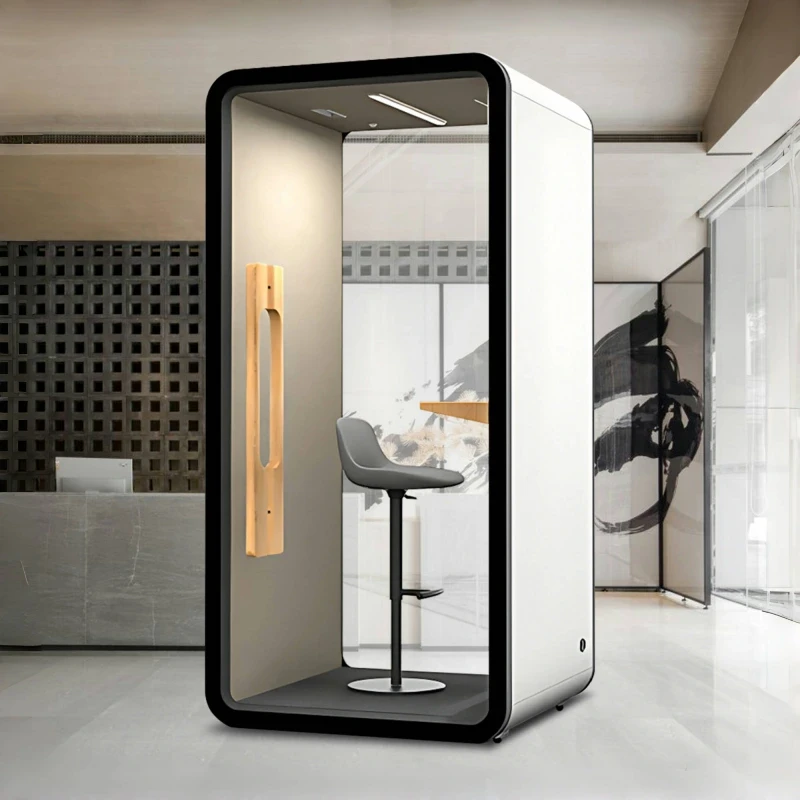
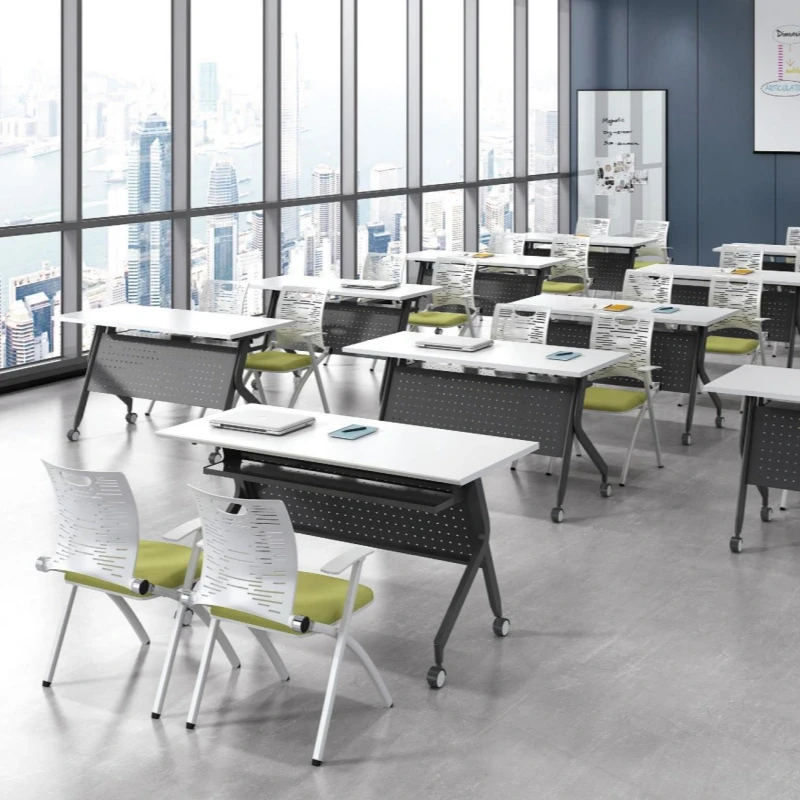
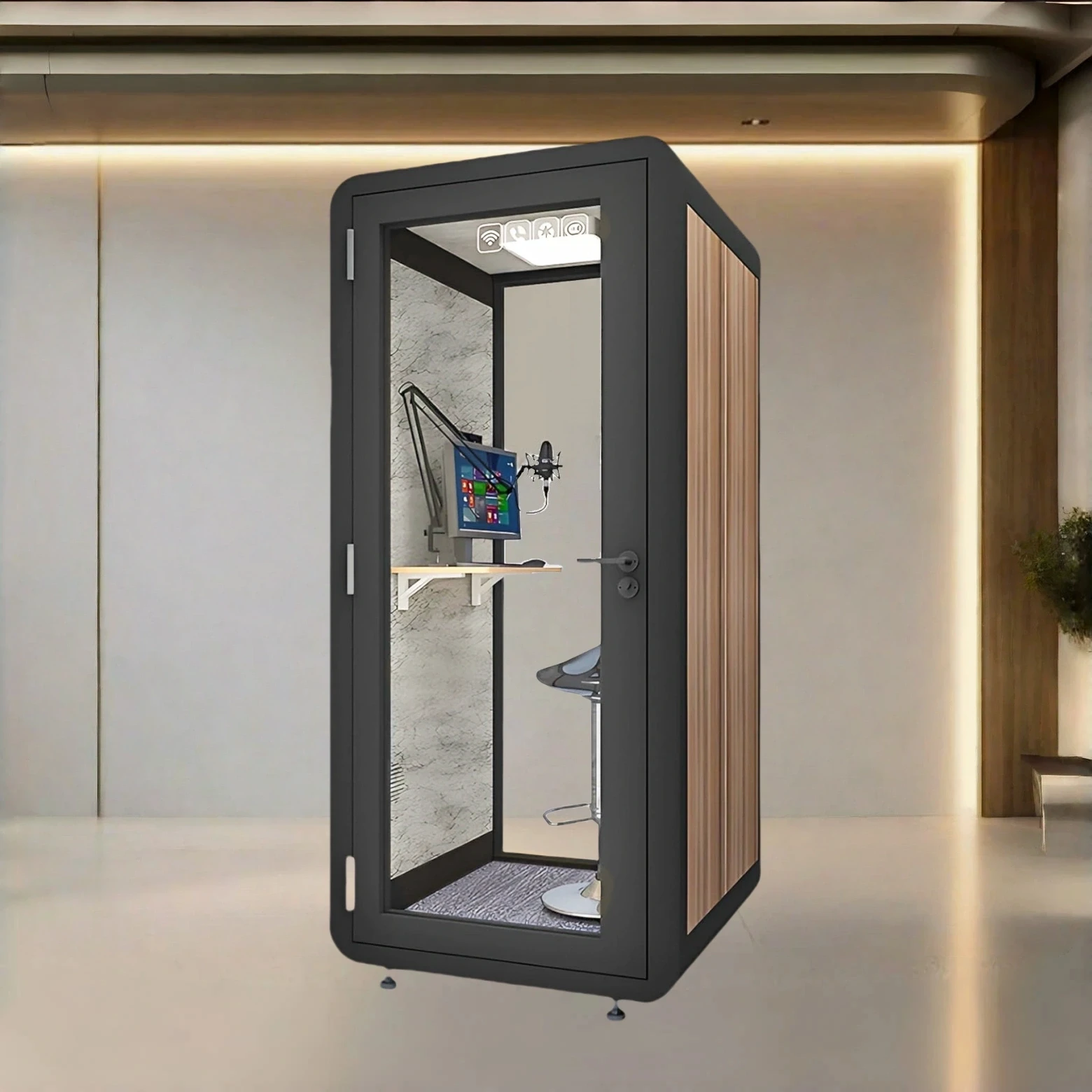
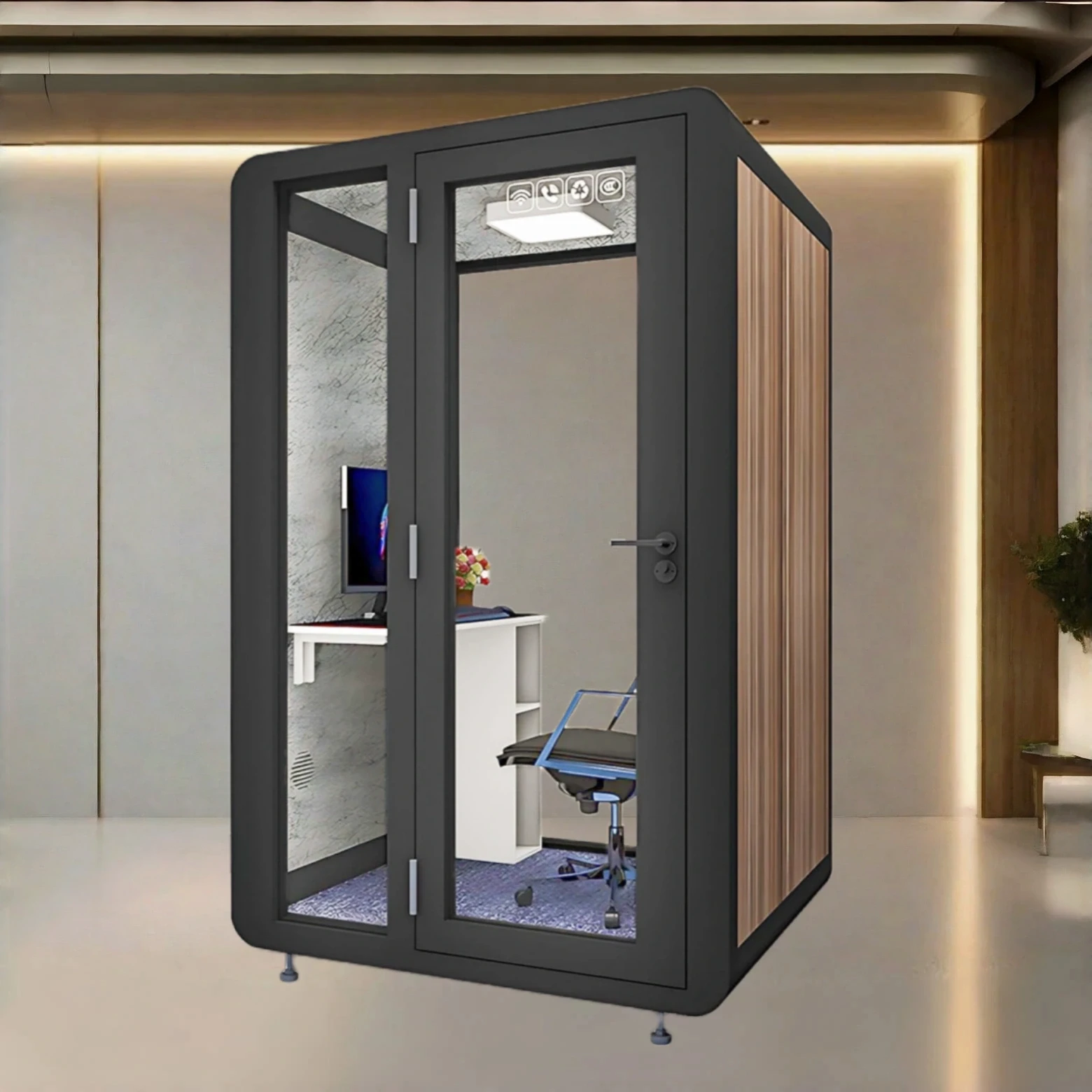
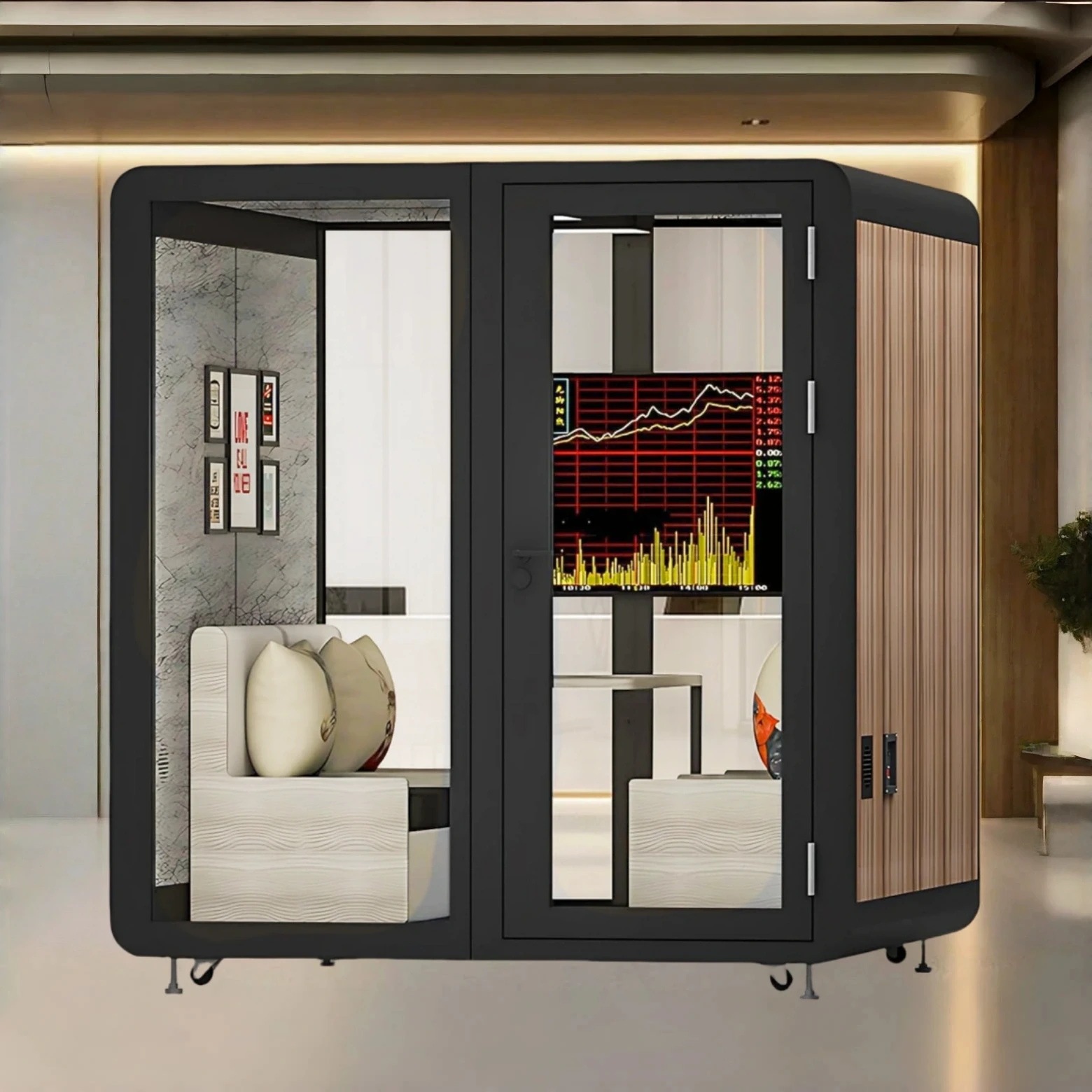

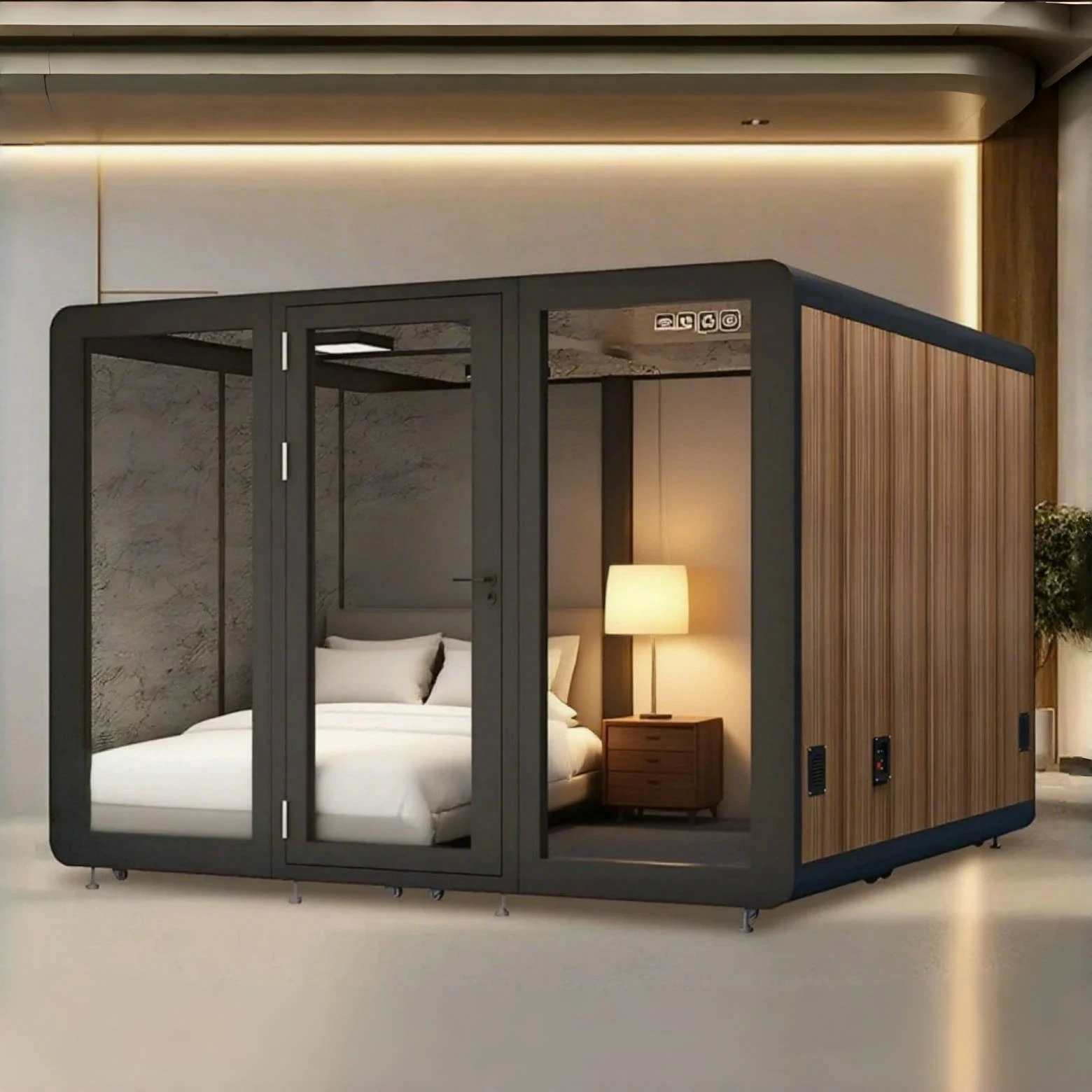


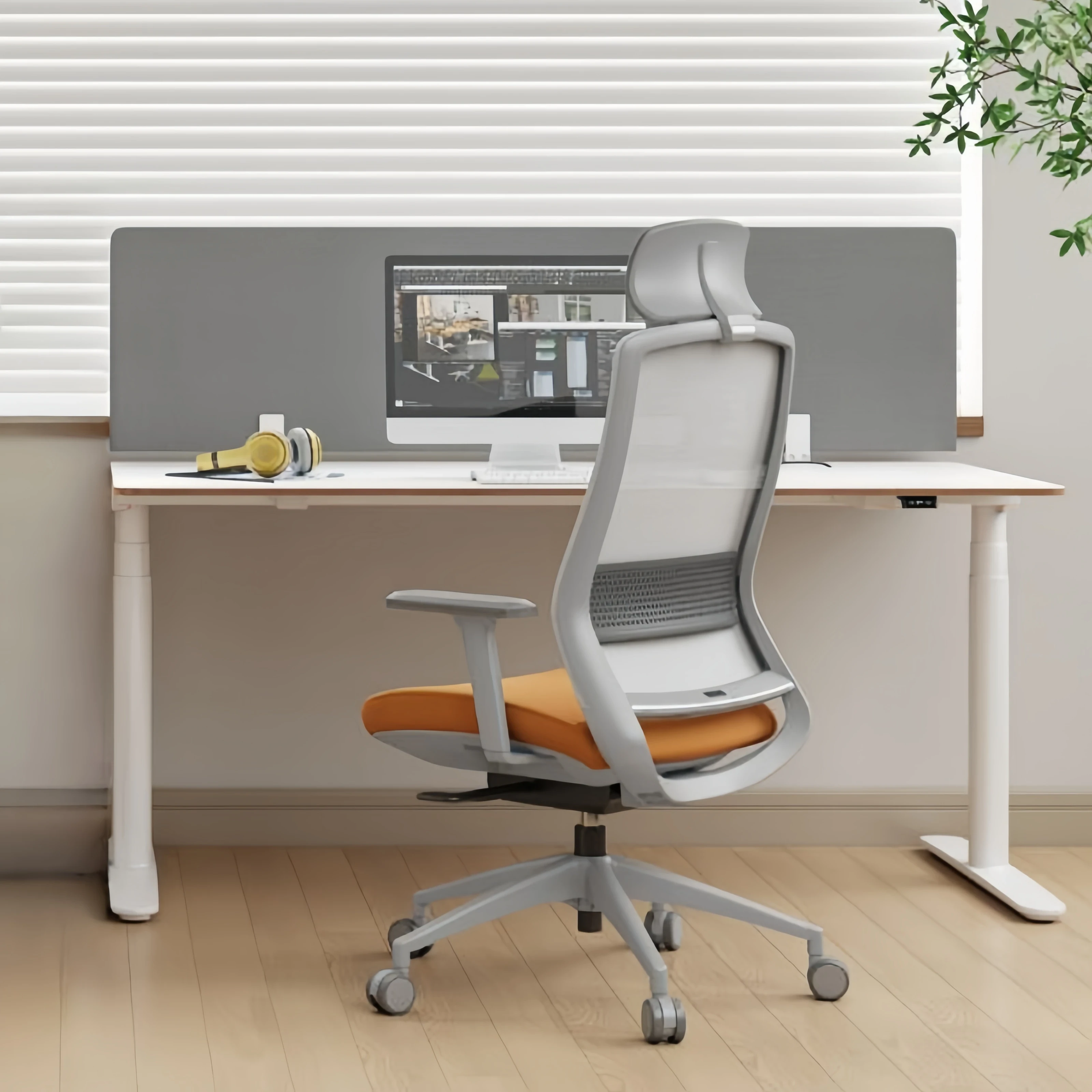


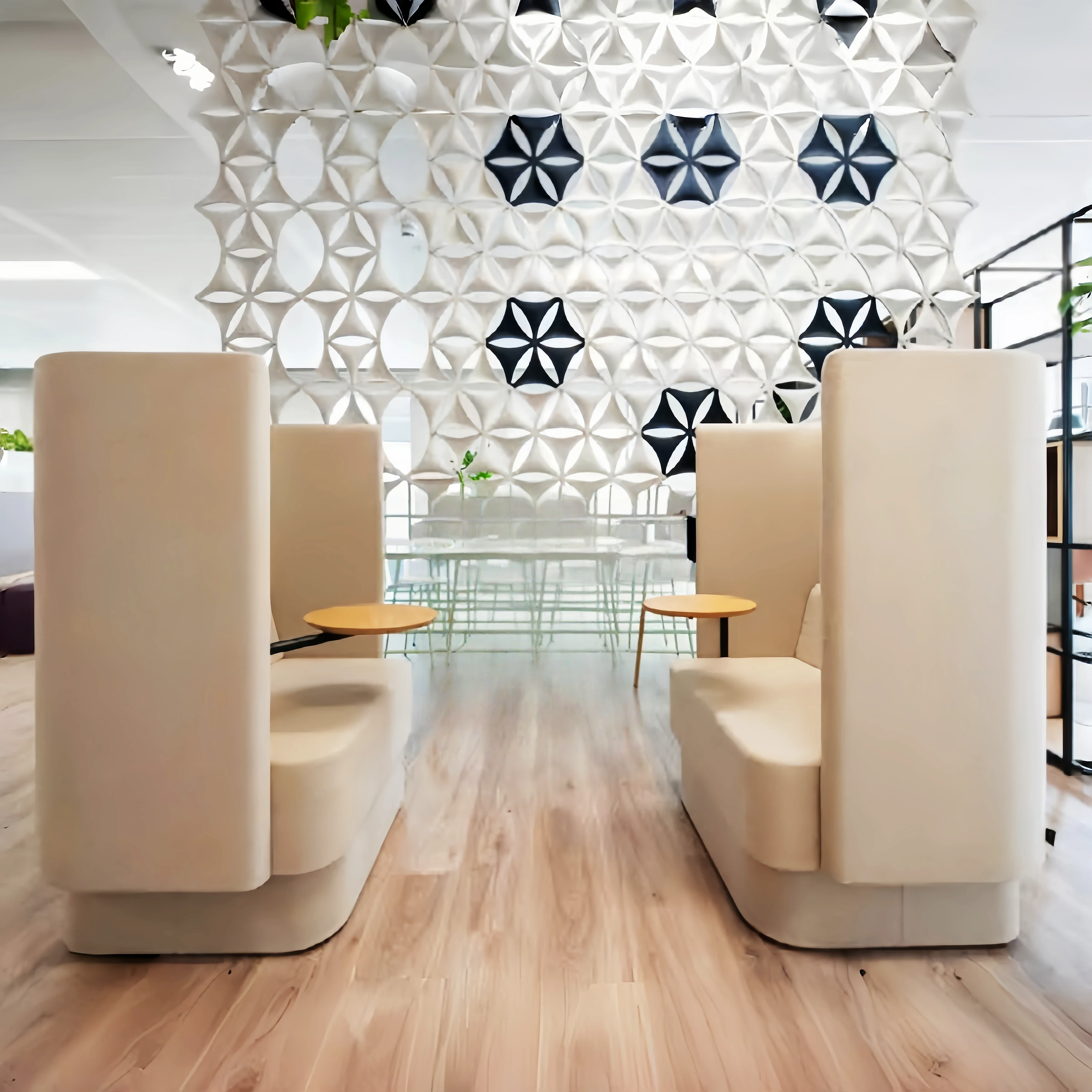

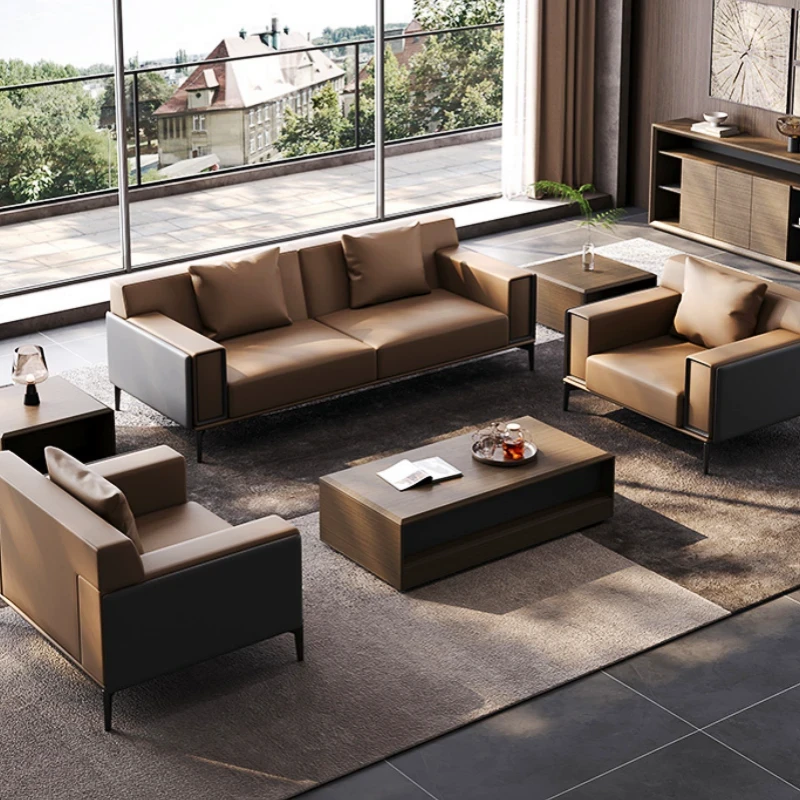
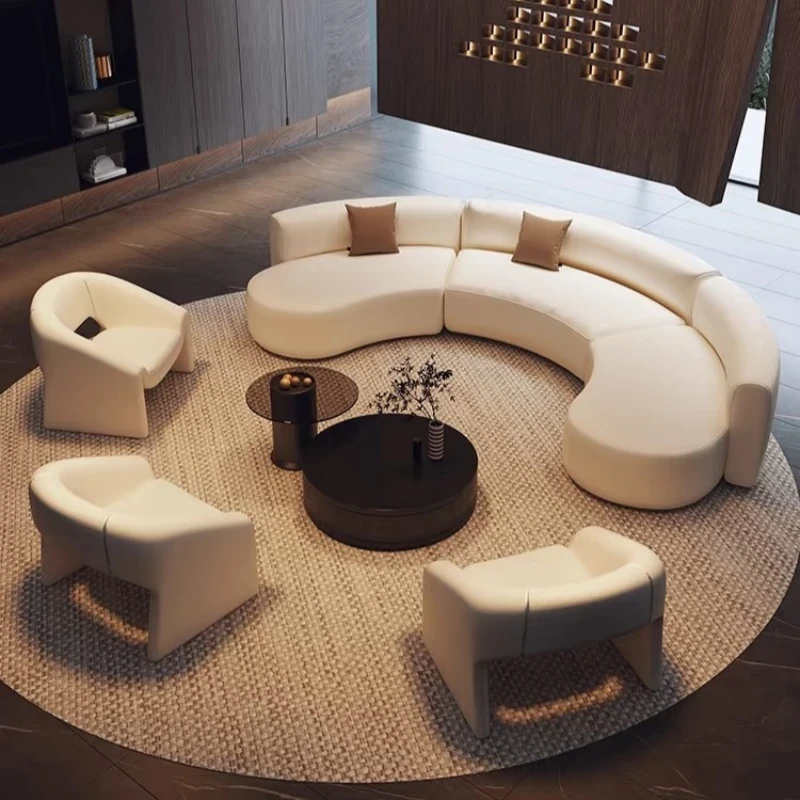
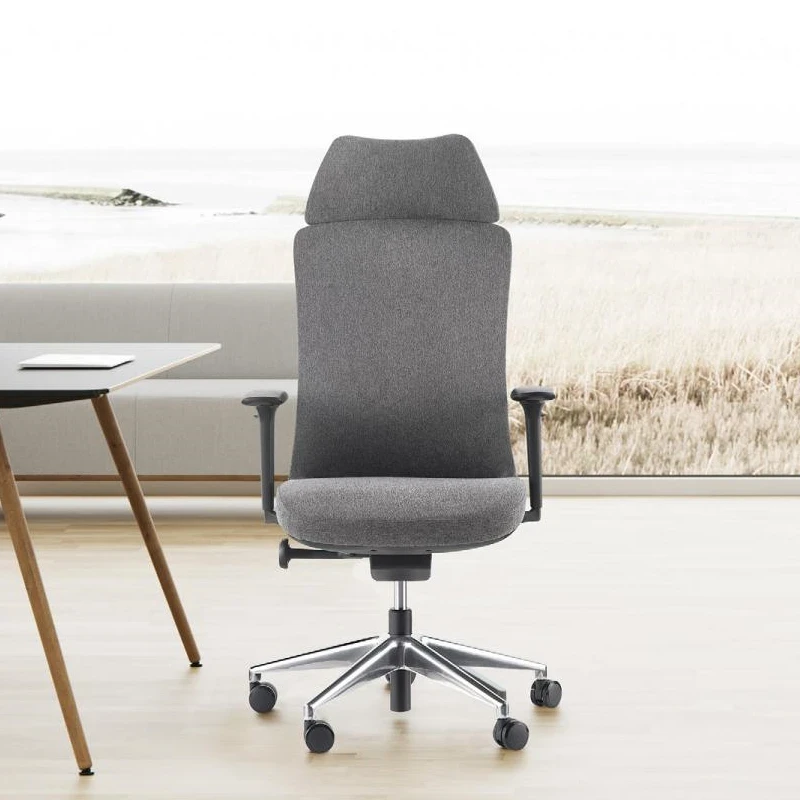


Choosing suitable hotel furniture begins with defining the hotel's positioning. Different types of hotels require different styles of furniture to reflect their brand image.
High-end hotels, such as five-diamond luxury hotels, often require carefully selected high-quality, high-end furniture. These hotels should choose solid wood or imported materials, paired with high-end, comfortable mattresses and bedding to create a luxurious and warm stay environment.
Budget hotels, primarily targeting short-term guests with limited budgets, are best suited to cost-effective, easy-to-clean furniture. They typically use simple designs and durable materials to provide basic comfort.
2. Consider Comfort and Functionality
: Customer comfort is always a key focus for hotel owners, and the comfort and functionality of furniture directly impacts customer perception of the hotel.
Guest Room Furniture: Beds, tables, and chairs in guest rooms should be ergonomically designed to ensure guests feel relaxed during their stay. Mattress selection is particularly important, as quality directly affects sleep quality. Public
Area Furniture: Areas such as the lobby and restaurant need to consider guests' social needs, providing sufficient sofas, chairs, coffee tables, etc., for guests to relax and socialize.
3. Material Selection is Crucial
: In modern hotels, environmental protection is increasingly valued, and choosing high-quality environmentally friendly materials has become standard practice for hotel furniture.
Environmentally Friendly Materials: Many customers are now focusing on the environmental performance of hotel rooms, so materials with no or low formaldehyde emissions should be selected to ensure a healthy stay.
Durability: Since hotel furniture typically withstands frequent use, durable materials such as high-density fiberboard and solid wood can effectively extend the lifespan of the furniture, reduce replacement frequency, and lower the hotel's long-term operating costs.
4. Color and Style Coordination:
Color matching and style consistency are particularly important in furniture design. Good furniture can enhance the overall aesthetics and brand value of the hotel.
Color Matching: Choose colors that match the overall decoration style of the hotel. For example, modern hotels often use fresh and bright colors; classic hotels are suitable for using dark tones and gold decorations, giving a warm and luxurious feeling.
Style Consistency: Ensure that the furniture style is consistent in different areas. Through a unified design language, the overall sense of space is enhanced, allowing customers to experience a higher level of taste and enjoyment during their stay.
5. After-sales Service and Support
: Choosing furniture is not just a one-time purchasing decision, but also involves daily maintenance and service systems. Selecting a supplier with excellent after-sales service is crucial.
Maintenance Guarantee: Choosing a supplier that provides excellent after-sales service ensures timely handling of issues such as malfunctions and wear repairs, avoiding impact on hotel operations.
Continuous Innovation and Upgrades: Long-term cooperation with high-quality furniture suppliers can bring regular furniture updates to the hotel, thereby maintaining market competitiveness and customer interest.
Conclusion:
Through the above analysis, we can see that choosing furniture to enhance a hotel's image is a comprehensive process, including hotel positioning, customer needs, material selection, and after-sales service. Only by doing well in all these aspects can a satisfactory stay environment be created, laying a solid foundation for the hotel's success.