
 USD
USD GBP
GBP
 EUR
EUR
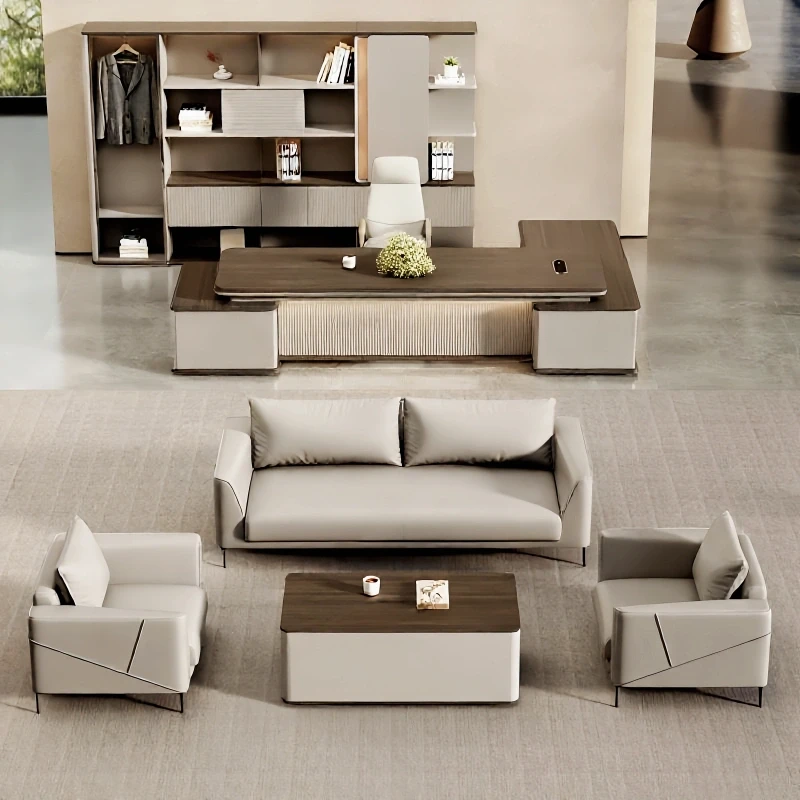
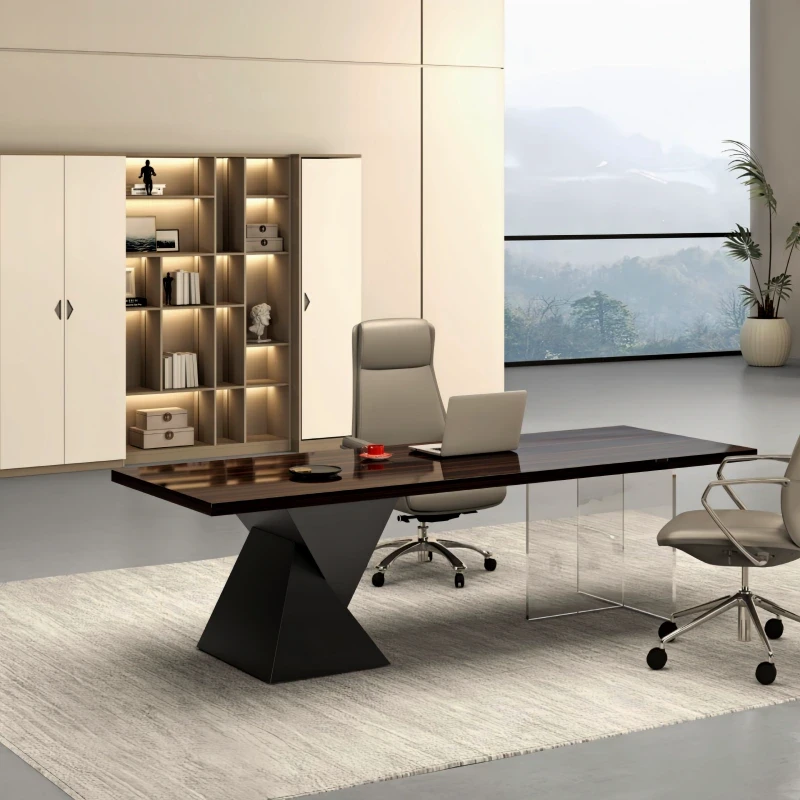


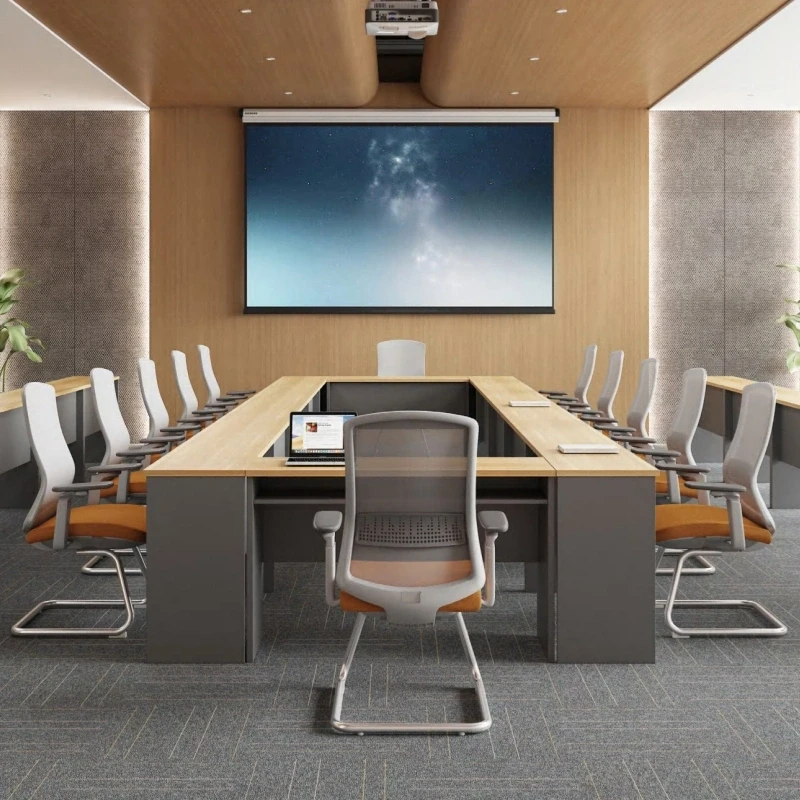
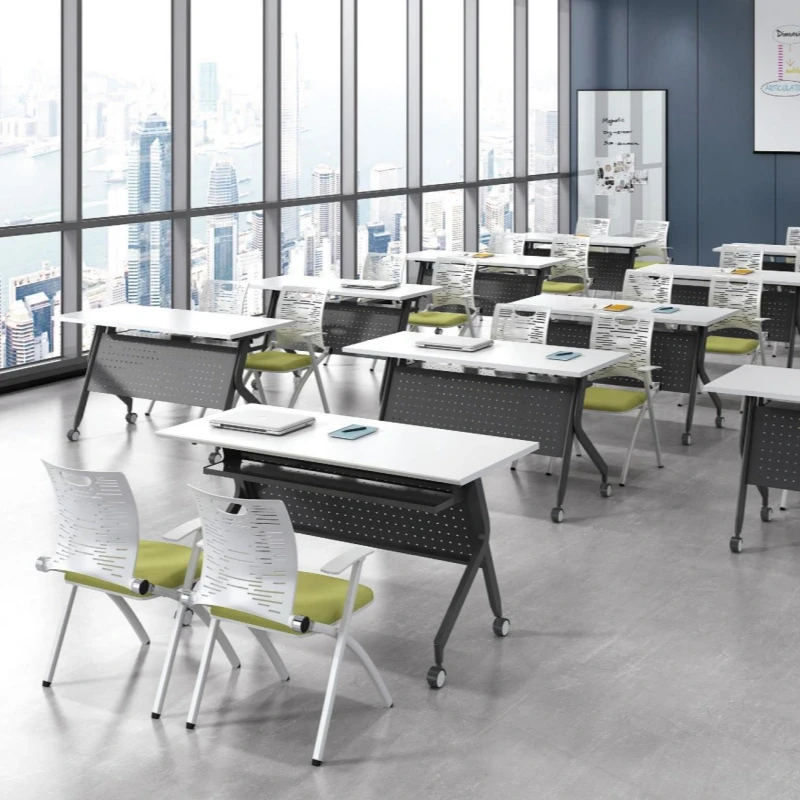





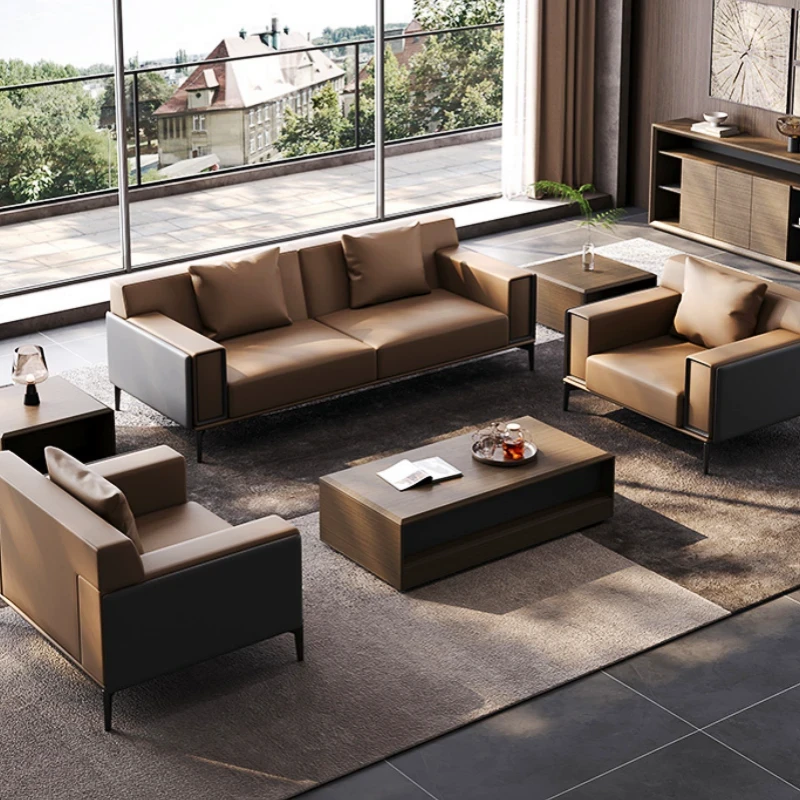
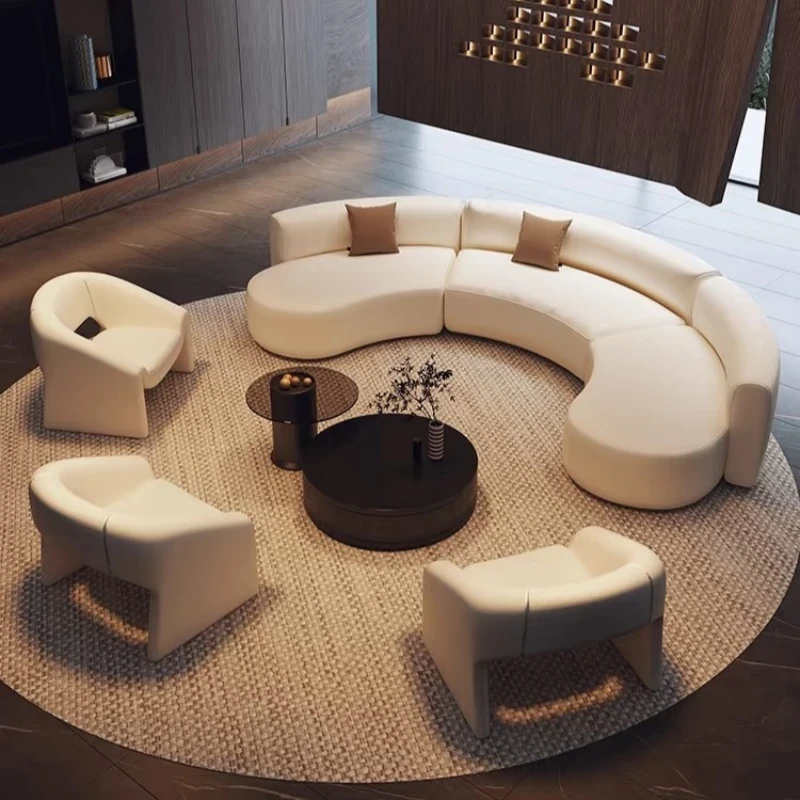
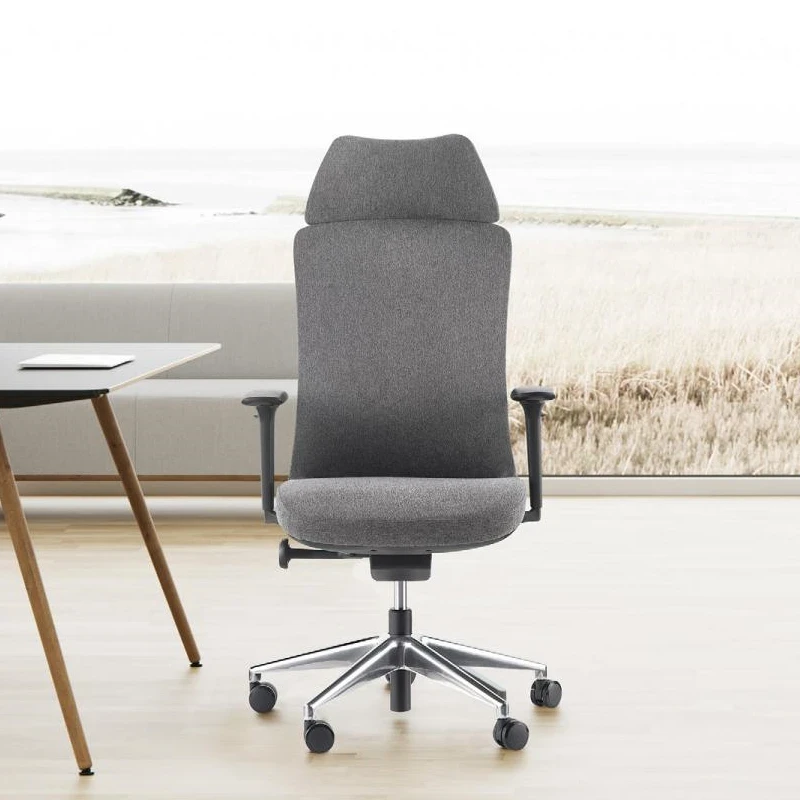


1. Determining Usage and Number of People
Before starting procurement, it is necessary to first clarify the nature of the canteen's use and the number of diners. Canteens of different sizes have different furniture needs. For example, large corporate canteens and school canteens may have significant differences in the number of seats, table size, and arrangement. By statistically analyzing the number of diners and usage frequency, the required quantity and specifications of furniture can be preliminarily determined.
2. Developing a Budget Plan
The budget is a crucial part of the procurement process. Based on actual needs, a reasonable procurement budget should be developed, covering the furniture purchase cost, transportation costs, installation costs, and possible maintenance costs. Ensuring the scientific nature and operability of the budget plan helps in effective cost control during subsequent procurement.
II. Space Measurement and Layout Planning
1. Conducting On-Site Measurements
Before finalizing procurement, a detailed measurement of the canteen's actual space should be conducted, including the area of the dining area, the area for placing tables and chairs, the width of aisles, and the location of entrances and exits. Accurate dimensional data is the foundation for selecting suitable furniture, avoiding unreasonable space utilization or difficulties in furniture placement due to incompatible dimensions.
2. Developing a Detailed Layout Plan
Based on the measurement data, a detailed layout plan should be developed. Consider the flow of people during peak dining hours to ensure unobstructed passageways. Simultaneously, rationally plan the arrangement of tables and chairs, such as joining long tables together or grouping round tables, to improve space utilization and dining comfort. Using professional design software or seeking help from professional designers can improve the scientific nature and feasibility of the layout plan.
III. Choosing the Right Furniture Type and Material
1. Determining Furniture Type:
Based on the actual needs of the canteen, determine the required furniture type. Common canteen furniture includes tables, chairs, sideboards, and buffet tables. Different types of furniture have different functional and design focuses; when choosing, consider their coordination and overall aesthetics.
2. Choosing the Right Material:
Furniture material directly affects its durability, comfort, and ease of cleaning. Commonly used materials for canteen furniture include stainless steel, PVC, particleboard, and solid wood. When choosing, comprehensively consider the material's wear resistance, water resistance, ease of cleaning, and environmental performance. For example, stainless steel and PVC tables and chairs are easy to clean and suitable for the frequently used canteen environment; solid wood furniture has a more luxurious feel, but attention should be paid to moisture and crack prevention.
IV. Focus on Ergonomics and Comfort
1. Ergonomic Design:
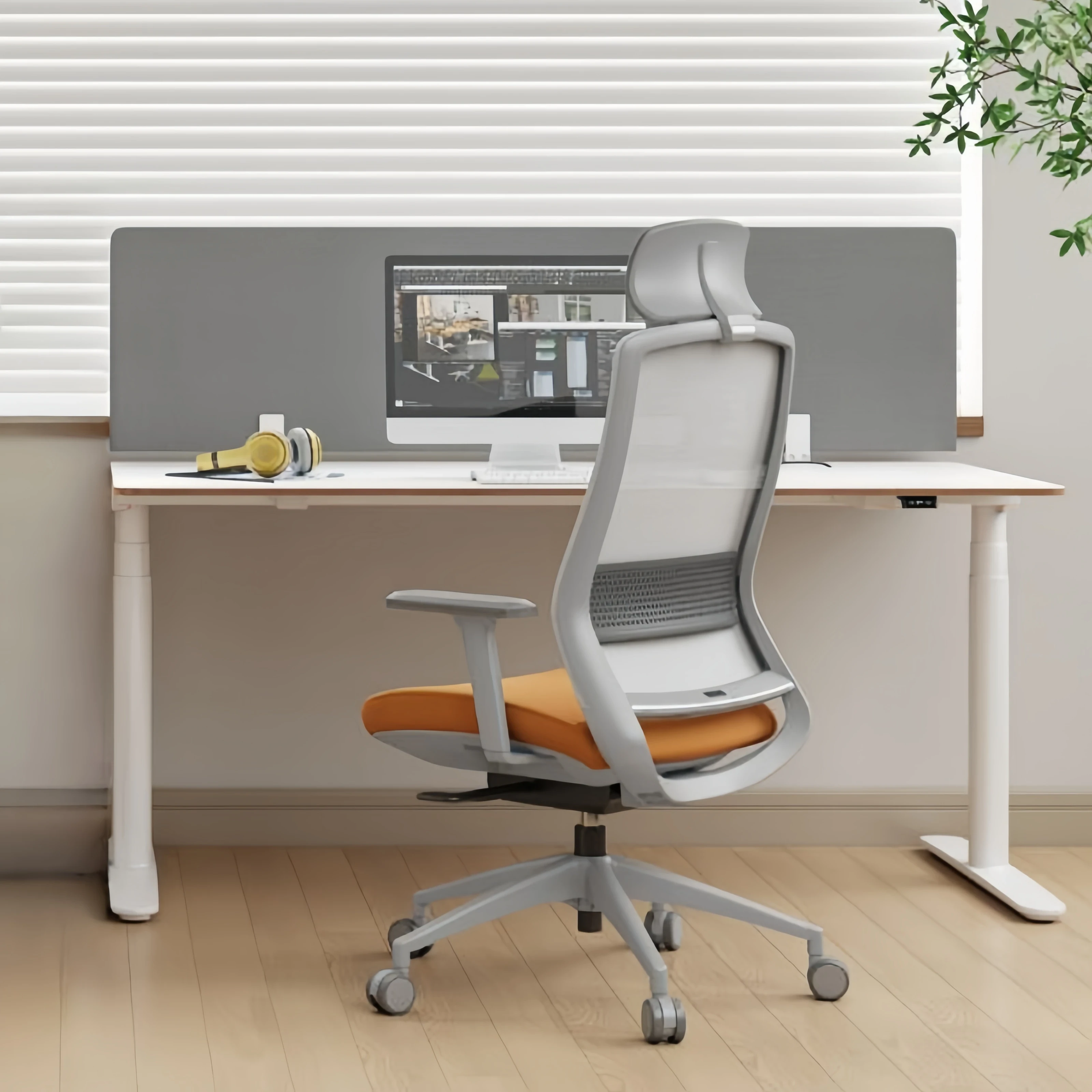
High-quality cafeteria furniture should conform to ergonomic principles, providing a comfortable dining experience. The height, seat depth, and backrest angle of the chairs should be suitable for users of different heights to avoid fatigue from prolonged meals. Ergonomic design not only improves comfort but also promotes dining efficiency and overall satisfaction.
2. Comfort Testing:
Before purchasing furniture, it is recommended to conduct actual comfort tests. By trying out the chairs, assess their comfort and stability to ensure that the furniture meets your needs. For large-volume purchases, it is recommended to negotiate sample trials with the supplier to obtain firsthand user feedback.
V. Evaluating Supplier Qualifications and Reputation
1. Supplier Qualifications:
Selecting suppliers with legal qualifications is a prerequisite for ensuring the quality of procurement. Check the supplier's business license, product certifications, production licenses, and other qualification certificates to ensure that they have legal production and sales rights.
2. Supplier Reputation and Word-of-Mouth:
Evaluate the supplier's reputation and service quality by reviewing customer reviews, user feedback, and case studies. High-quality suppliers usually have a good market reputation and a wealth of successful cases, and can provide stable, high-quality products and professional pre-sales and after-sales services.
VI. Quality and Safety Standards Control
1. Compliance with National Standards
Canteen furniture should meet relevant national quality and safety standards, such as environmental protection standards, durability standards, and fire resistance standards. Ensure that the purchased furniture will not pose a threat to health and safety during use.
2. Product Testing and Acceptance
During the procurement process, require suppliers to provide product testing reports and quality certifications. After the goods arrive, conduct a careful acceptance inspection to check whether the furniture's materials, workmanship, dimensions, etc., meet the contract requirements and ensure there are no quality issues.
VII. Logistics and Installation Arrangements
1. Logistics Plan
Based on the purchase volume and delivery deadline, negotiate a reasonable logistics plan with the supplier. Consider the safety during transportation to ensure that the furniture is not damaged during transport. If necessary, select a supplier with professional logistics services to reduce transportation risks.
2. Installation Coordination
Arrange installation time and personnel in advance to ensure that the furniture can be installed in a timely and smooth manner. For large or complex furniture, it is recommended that the supplier dispatch a professional installation team to ensure installation quality and efficiency.
VIII. After-Sales Service and Maintenance
1. After-Sales Service Commitment
Select a supplier that provides comprehensive after-sales service, including installation guidance, maintenance, and replacement services. 1. **Clearly define the content and response time of after-sales service to ensure timely resolution of any problems encountered during use.**
2. **Regular Maintenance Plan:
** Develop a regular maintenance plan for the furniture, including cleaning, inspection, and repair. Extend the lifespan of the furniture, ensuring it remains in good working order and improving the overall dining environment.
IX. **Contract Signing and Risk Control: **
1. **Clear Contract Terms:**
After finalizing the procurement plan, sign a detailed and clear contract with the supplier. The contract should include product specifications, quantity, price, delivery deadline, payment method, and after-sales service, ensuring the rights of both parties are protected.
2. **Risk Assessment and Control
:** Assess potential risks during the procurement process, such as supplier default, product quality issues, and logistics delays, and develop corresponding countermeasures. Reduce procurement risks and ensure the smooth progress of the project through contractual constraints and insurance.
Conclusion:**
The procurement of canteen furniture is a complex and systematic process involving multiple stages, including needs analysis, budget allocation, space planning, supplier selection, and quality control. Thorough preliminary preparation ensures that each stage is fully considered and implemented, effectively improving procurement efficiency, reducing cost risks, and ultimately selecting high-quality furniture that meets the actual needs of the canteen.
A well-designed cafeteria not only enhances the dining experience but also reflects the level of care an organization shows for its employees, fostering a positive work or learning environment. Therefore, paying attention to the preliminary work involved in purchasing cafeteria furniture is an important task that every manager should not overlook.