
 USD
USD GBP
GBP
 EUR
EUR
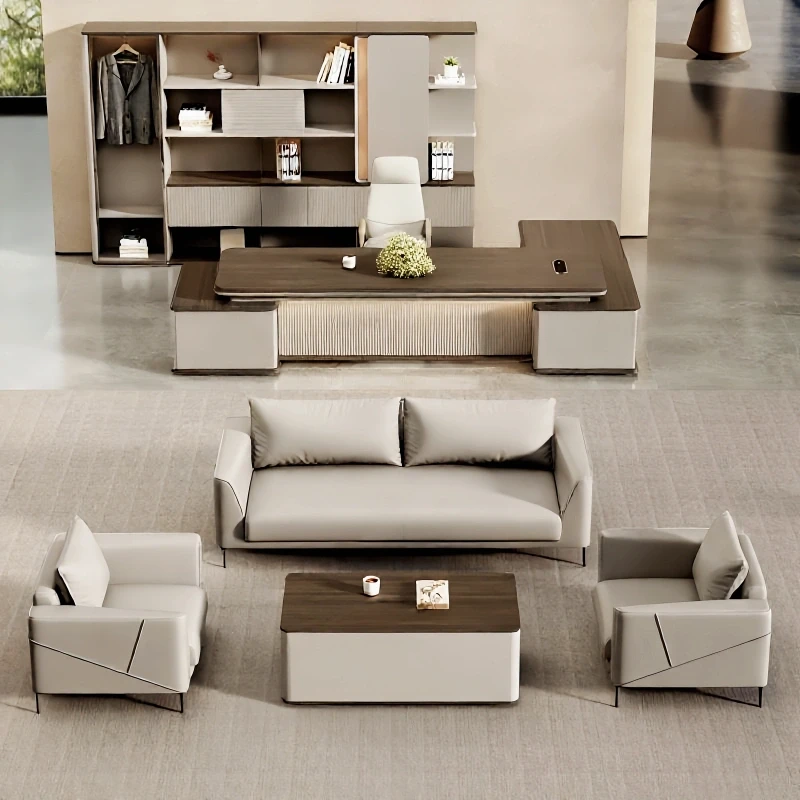
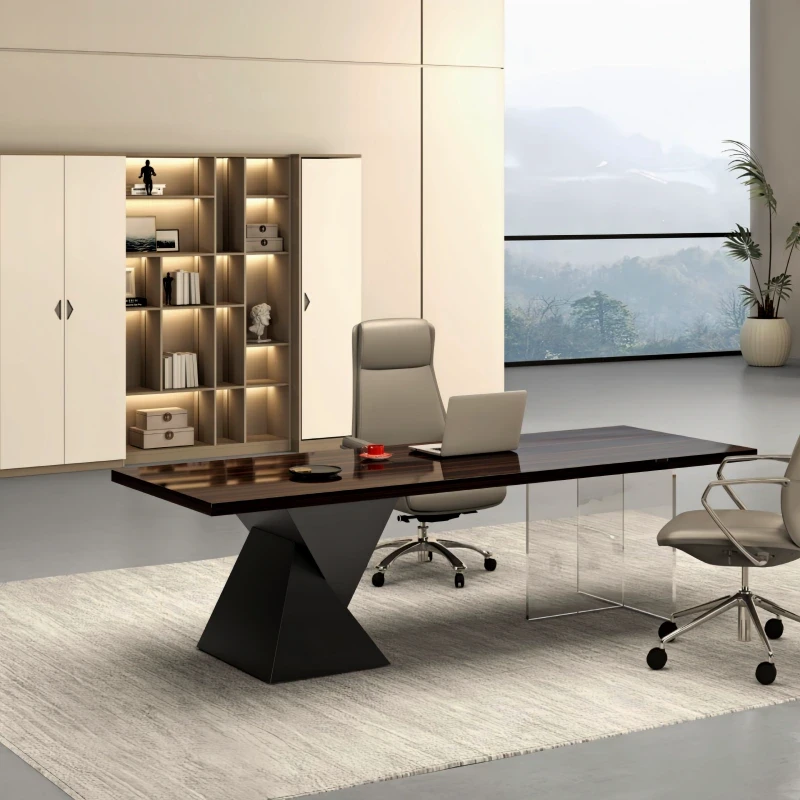


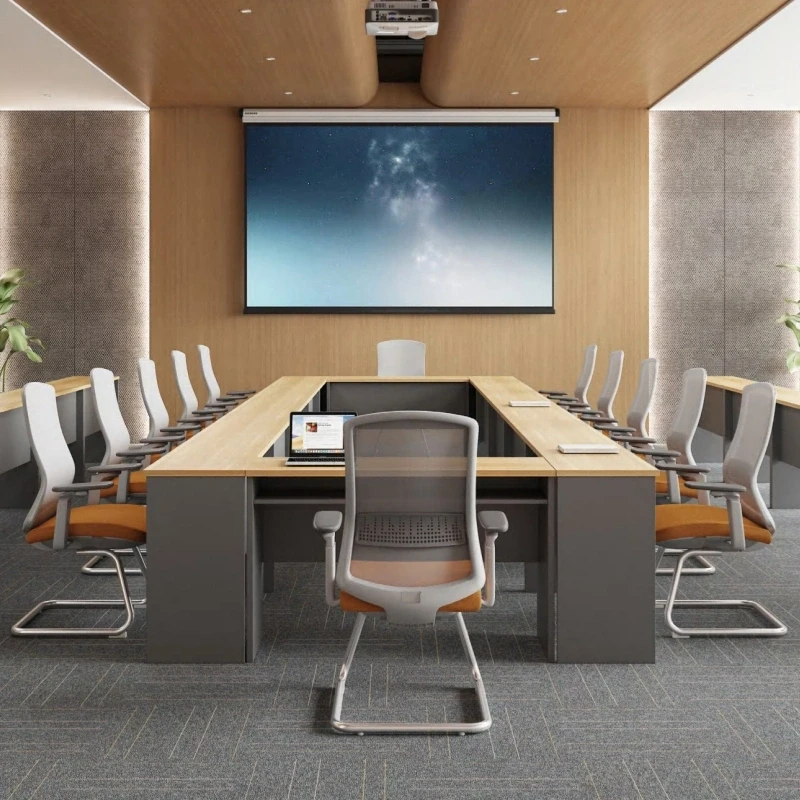
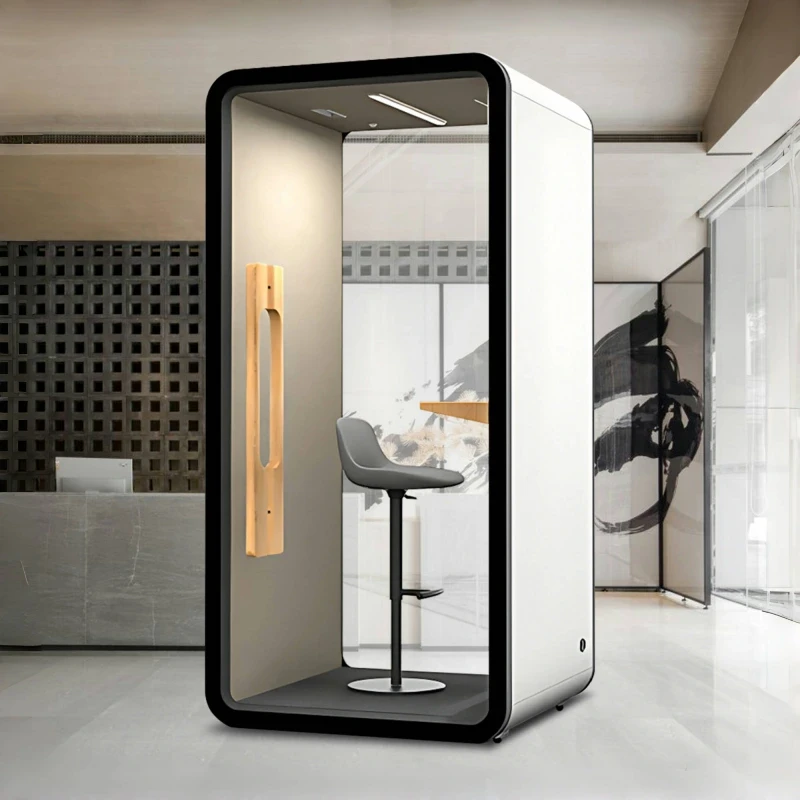
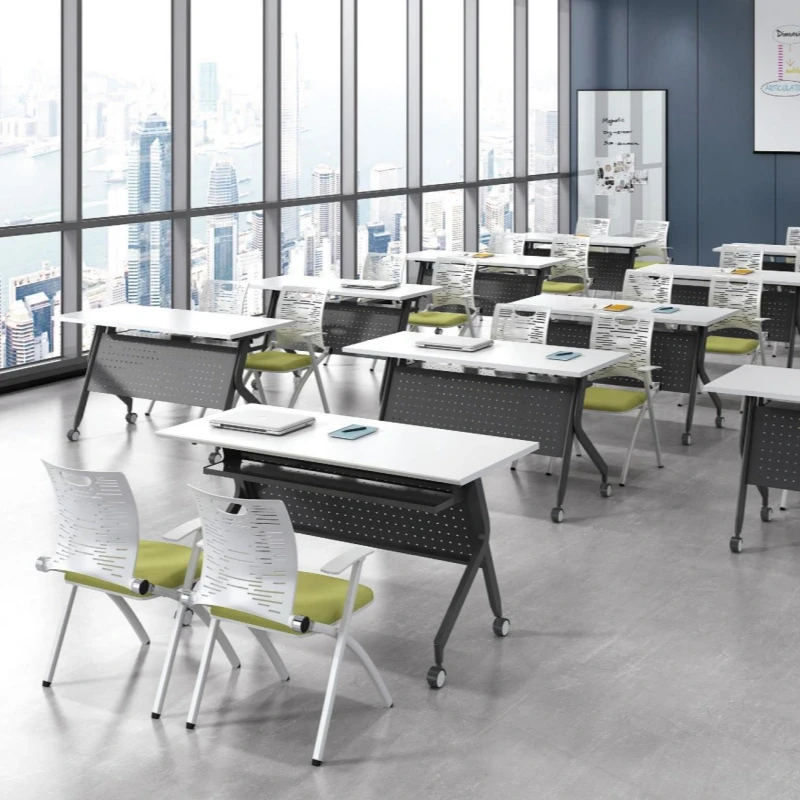
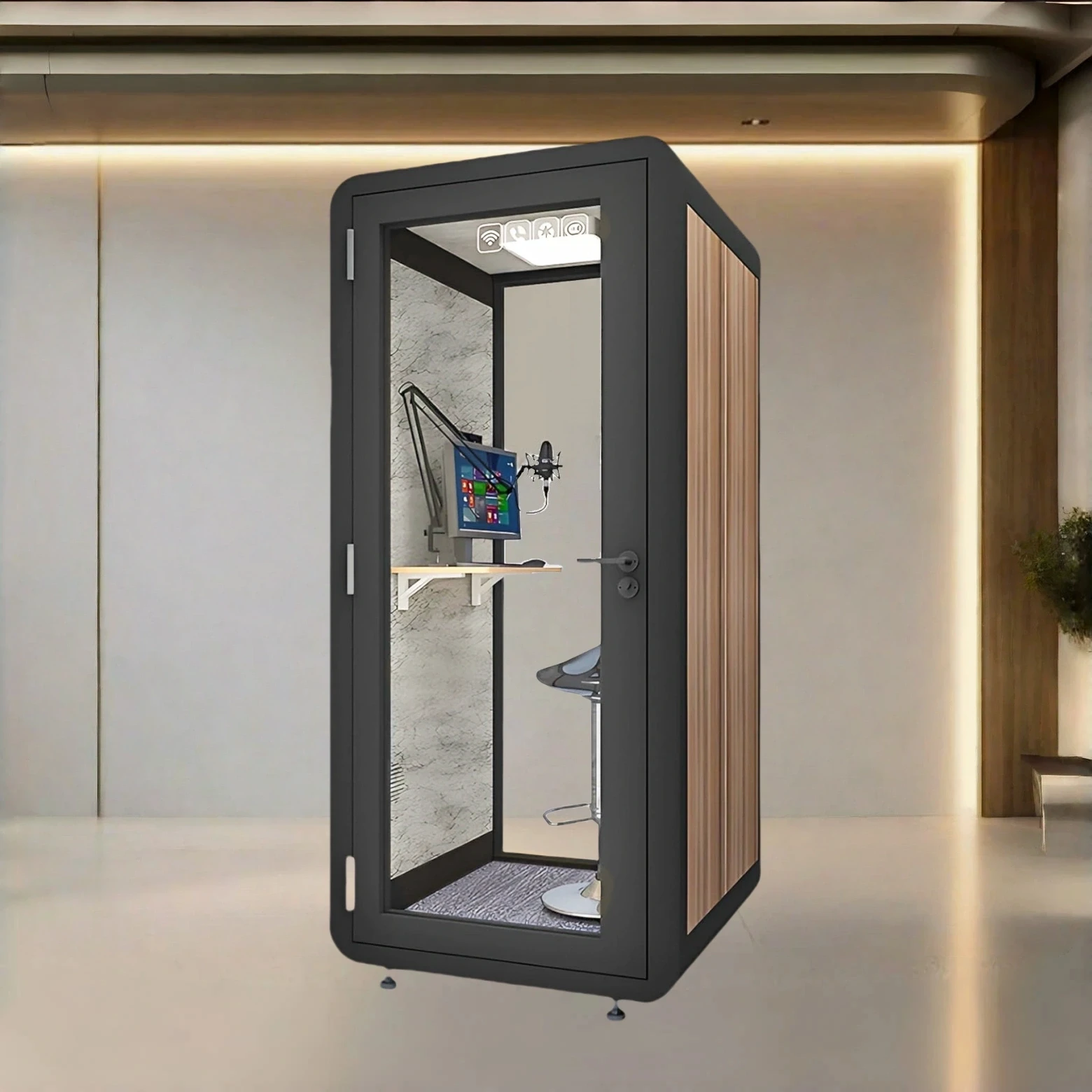
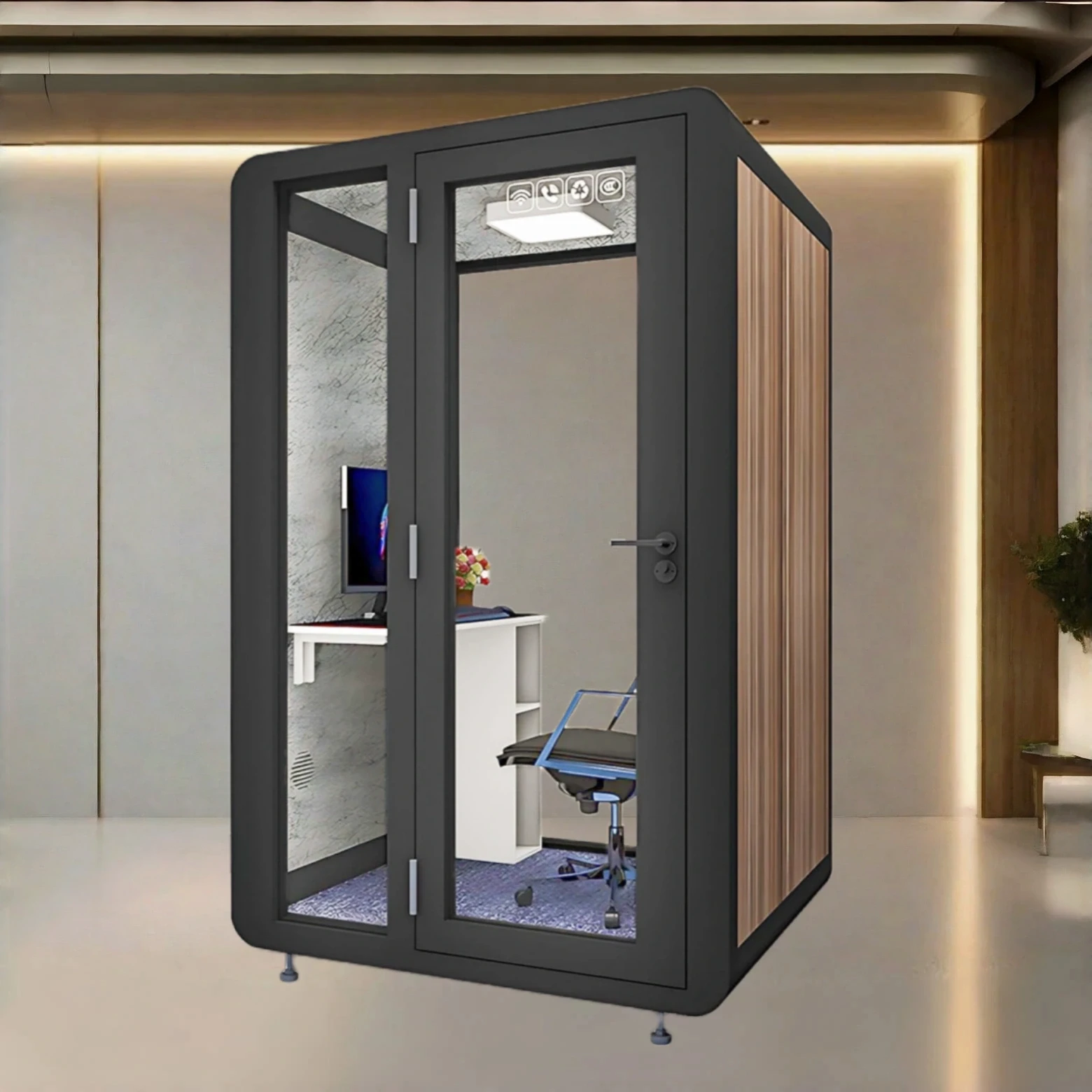
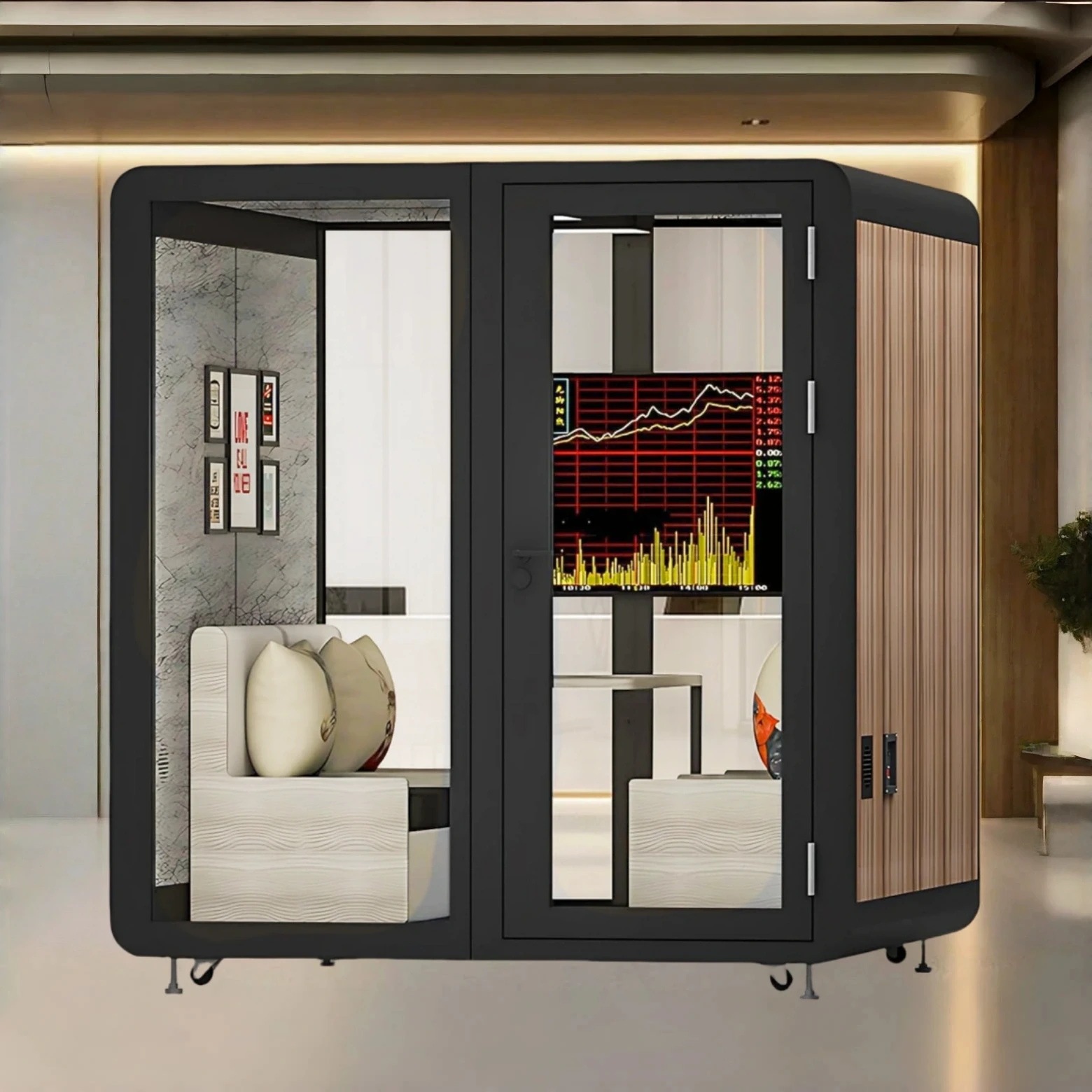
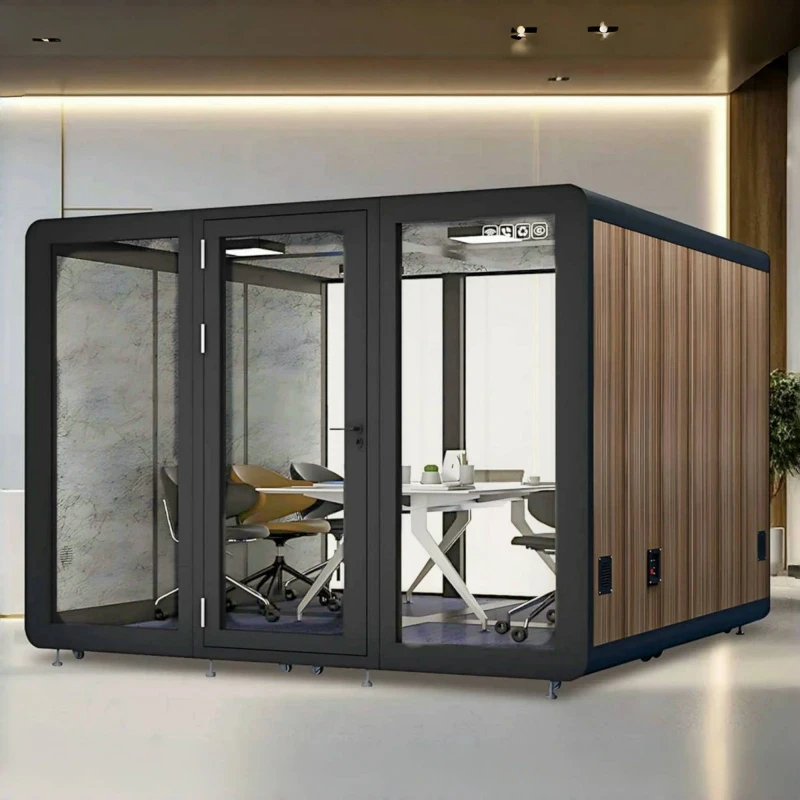
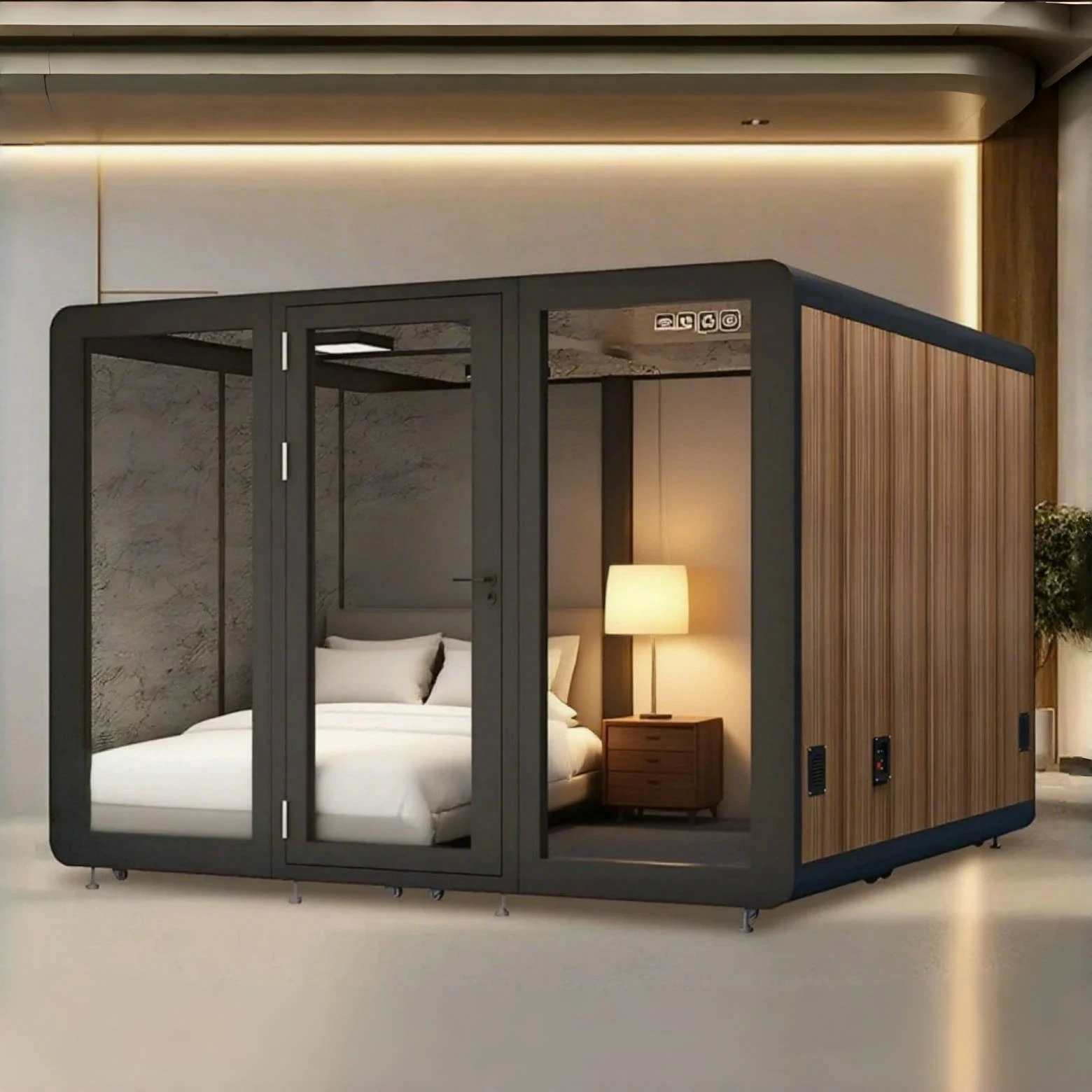


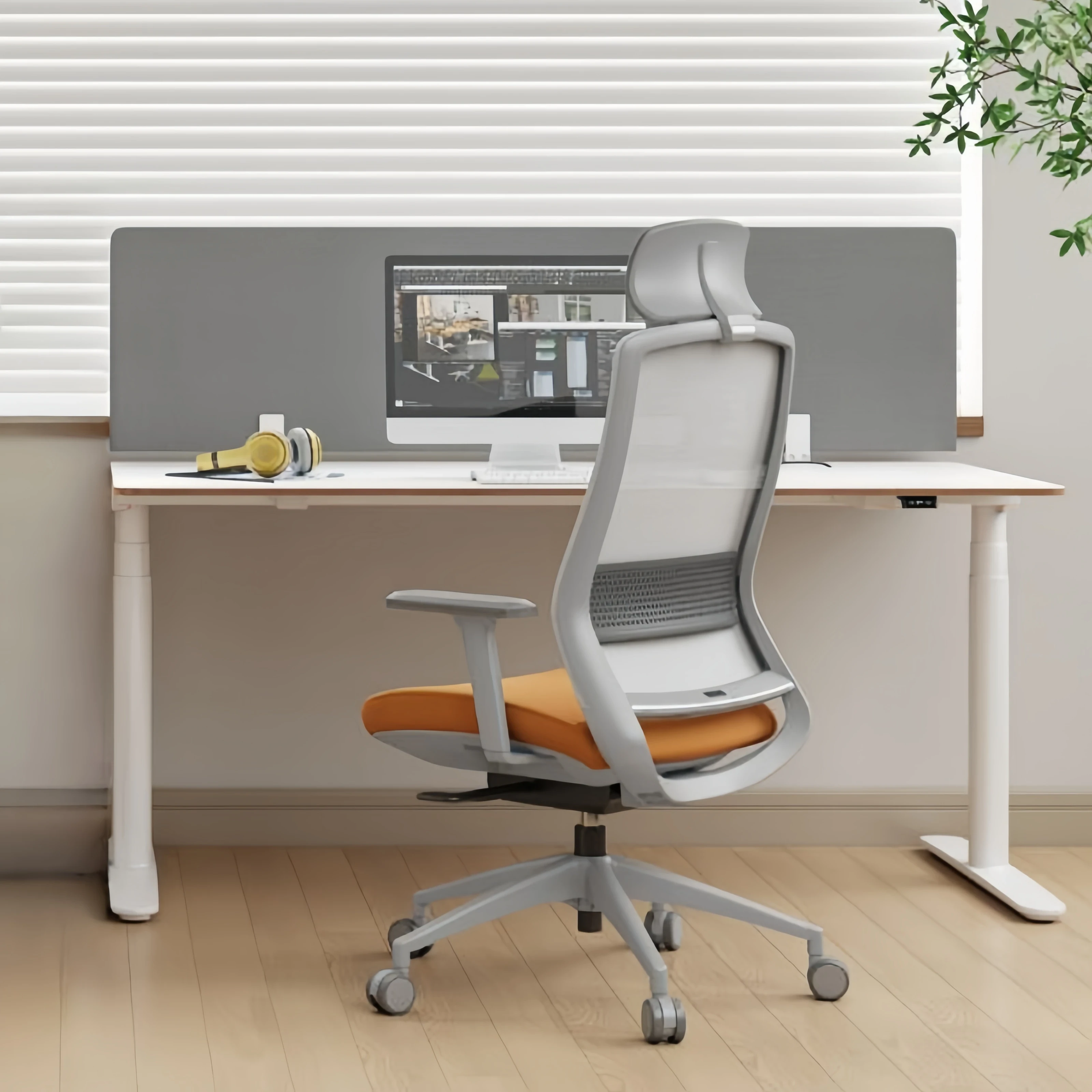


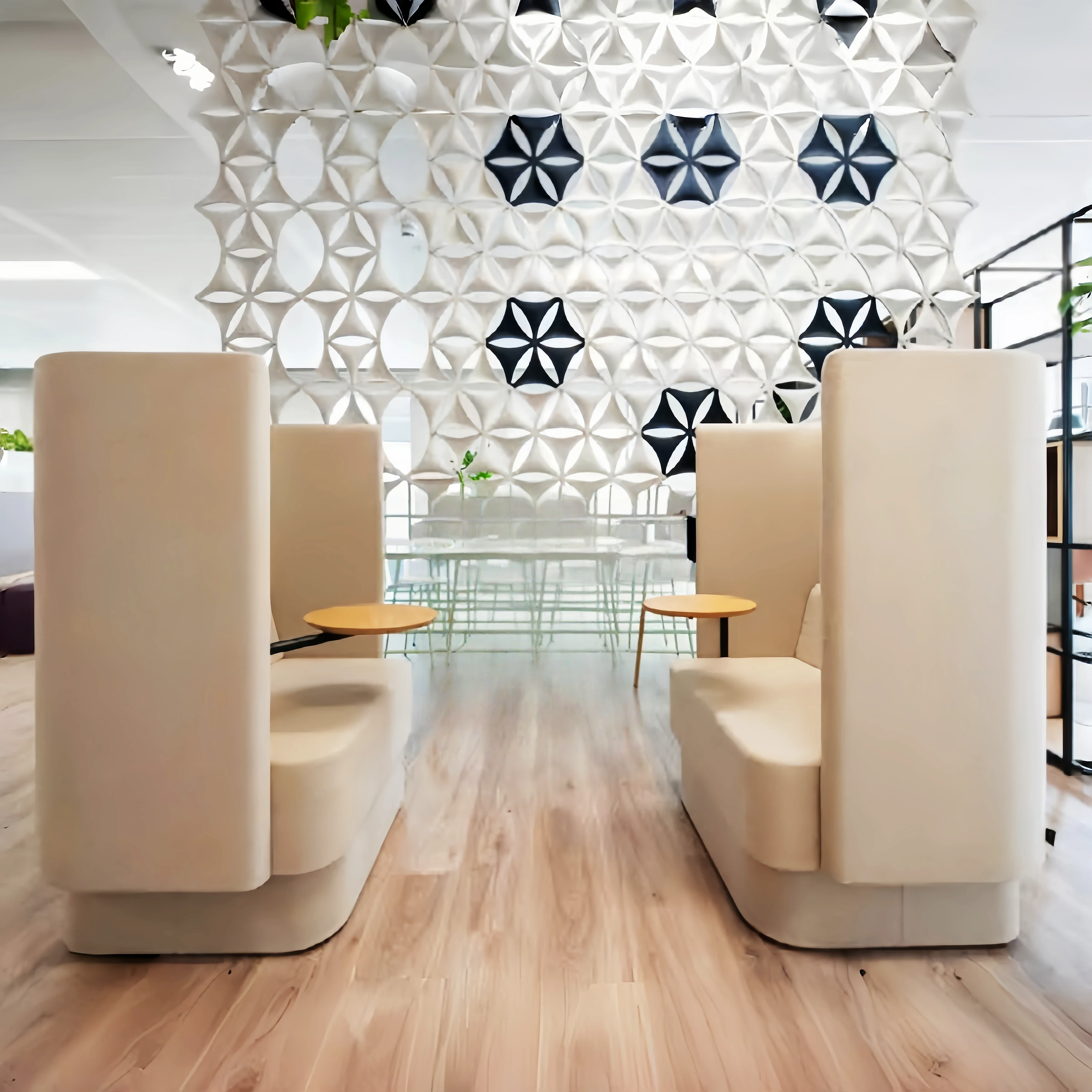

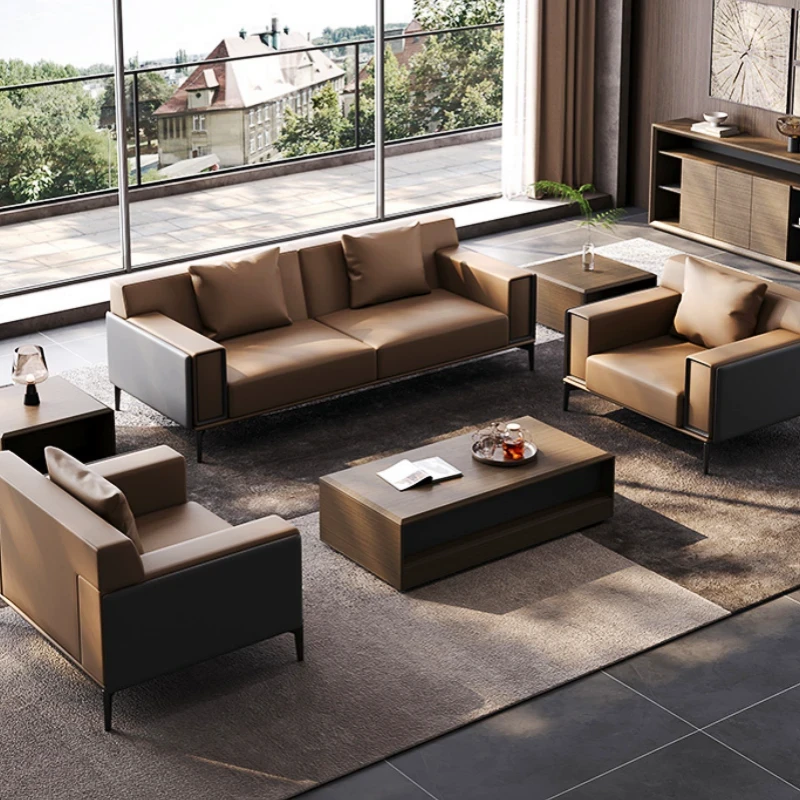
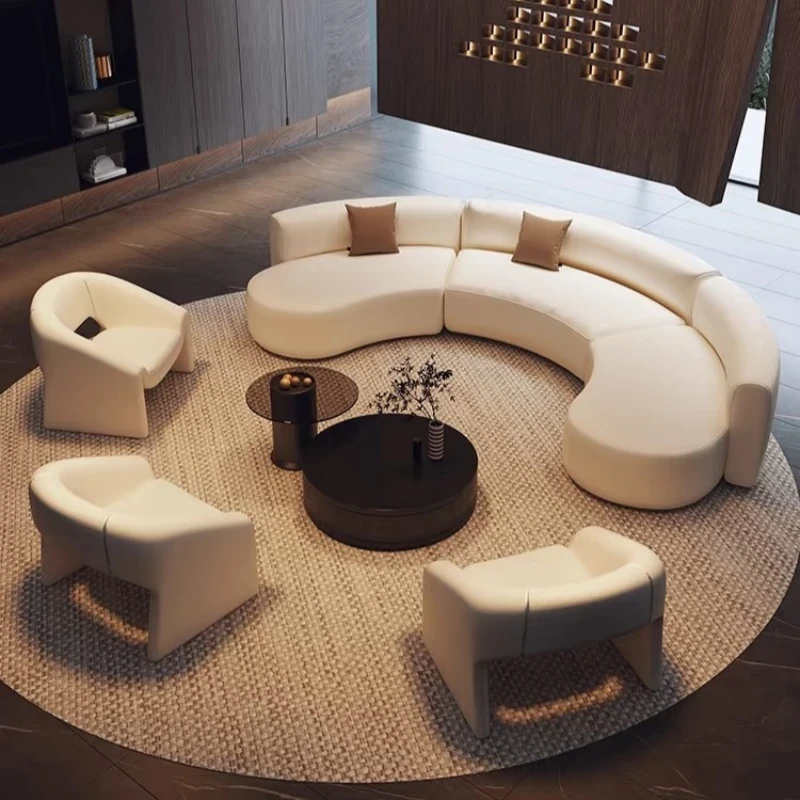
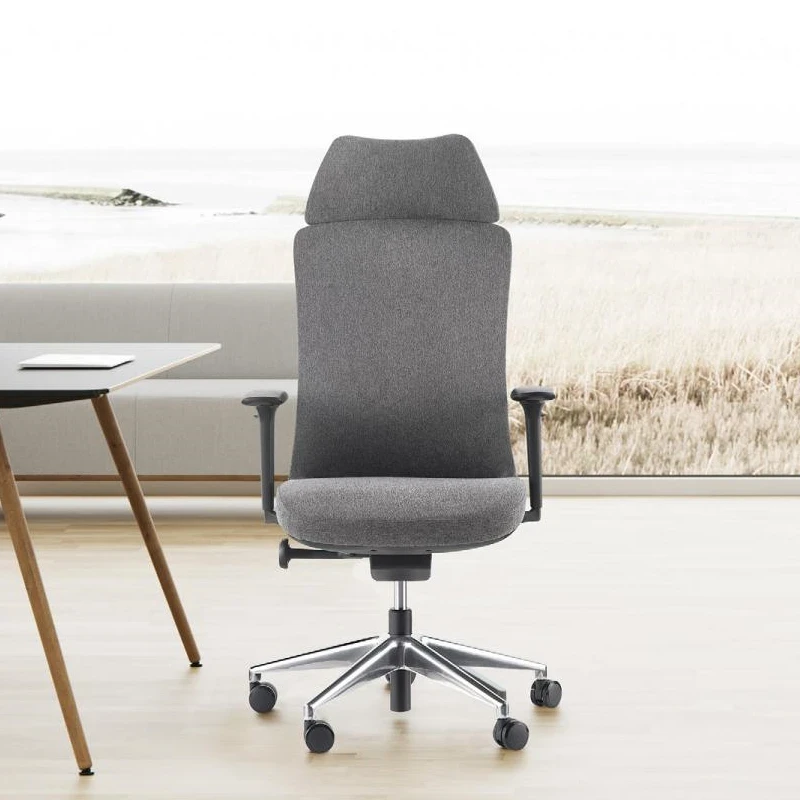


: 1. Flexible Spatial Layout:
Multifunctional needs mean furniture design needs to be flexible to support different types of activities and groups of people. Modular furniture is a good choice, as it can be quickly adjusted according to needs. For example, sofas can be disassembled into multiple units for easy reconfiguration to suit different scenarios such as small team meetings, large receptions, or relaxation.
2. Integrated Functional Design
: Considering integrated functionality in furniture design is key to achieving versatility. For example, chairs and coffee tables with hidden storage not only keep the reception area tidy but also provide additional storage space. Foldable or extendable tables can be adjusted as needed to adapt to different times of day.
3. Appropriate Technological Integration:
To enhance functionality, modern technological elements such as USB charging ports, wireless charging pads, and smart lighting can be integrated into furniture. These technological integrations can provide convenience for customers and employees, improving the practicality and technological feel of the space.
Enhancing Customer Experience:
1. Comfort and Ergonomics:
The primary factor in enhancing customer experience is comfort. Furniture should follow ergonomic principles, ensuring that the design of seats, cushions, etc., conforms to the natural curves of the human body and provides good support. Furthermore, material selection is also a crucial factor in enhancing comfort; soft fabrics or high-quality leather can improve the user experience.
2. Aesthetic Design and Brand Consistency:
The aesthetic design of furniture should be consistent with the company's brand image and overall spatial style. Choosing colors, materials, and styles that align with the company culture not only strengthens brand impressions but also creates a harmonious and unified environment. This aesthetic consistency helps customers subtly understand the company's values and characteristics.
3. Cultural and Creative Elements:
Integrating cultural and creative elements into furniture design can make the reception area more attractive and unique. For example, adding regionally distinctive artwork or custom-designed furniture that reflects the company's innovative spirit. These elements not only become visual focal points but also provide customers with topics of conversation and points of resonance.
Conclusion
: In summary, when customizing furniture for a leisure reception area, companies need to fully consider multifunctional needs, focusing on flexibility, diversity, and technological integration, while enhancing the customer experience through comfort, aesthetic design, and cultural creativity. Such customized space design not only meets actual operational needs but also subtly enhances customer goodwill and trust, laying a solid foundation for long-term customer relationships.