
 USD
USD GBP
GBP
 EUR
EUR
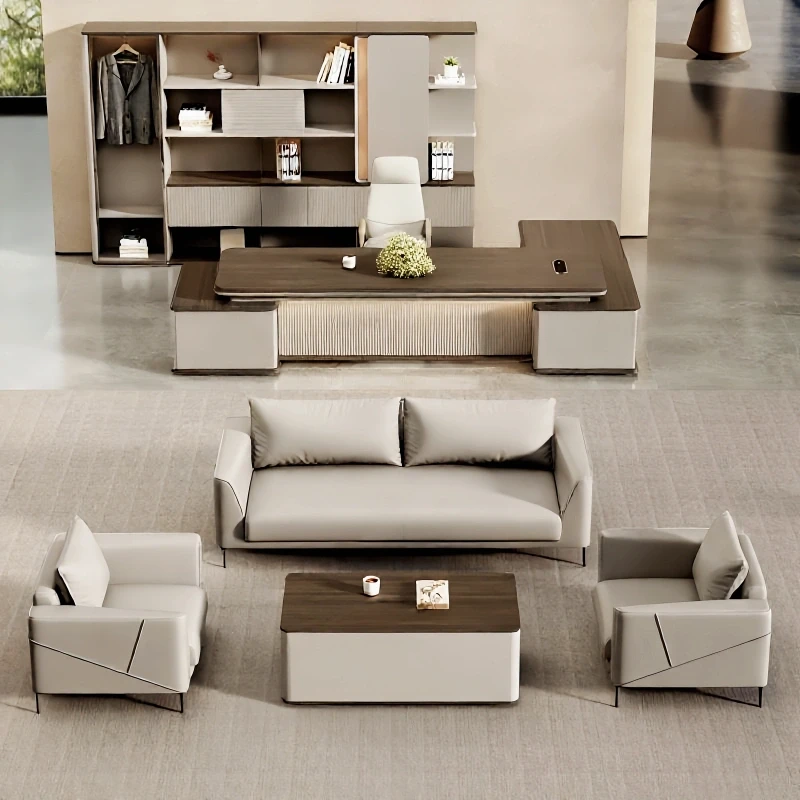
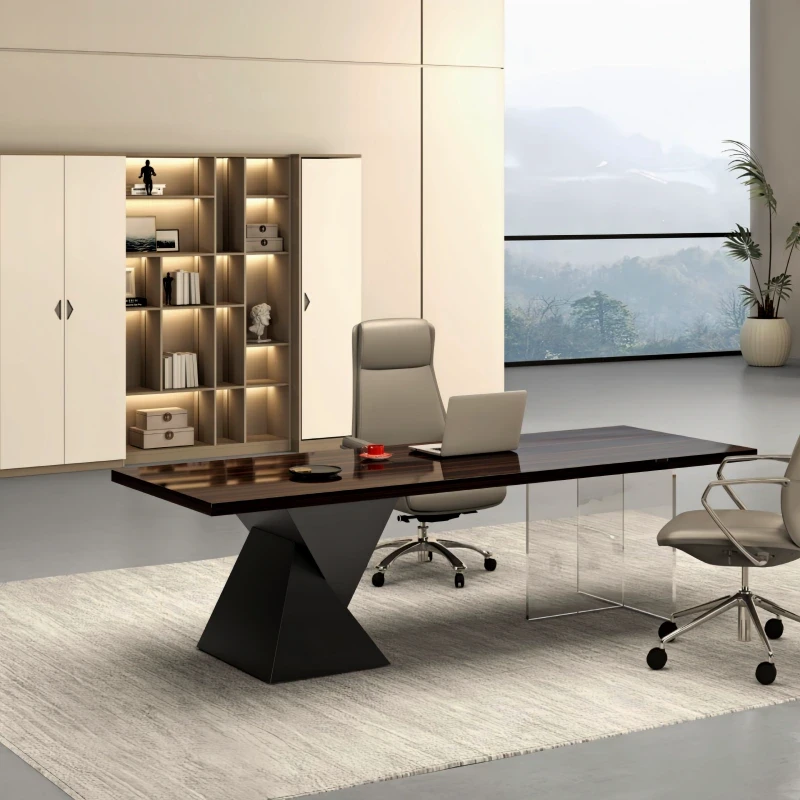


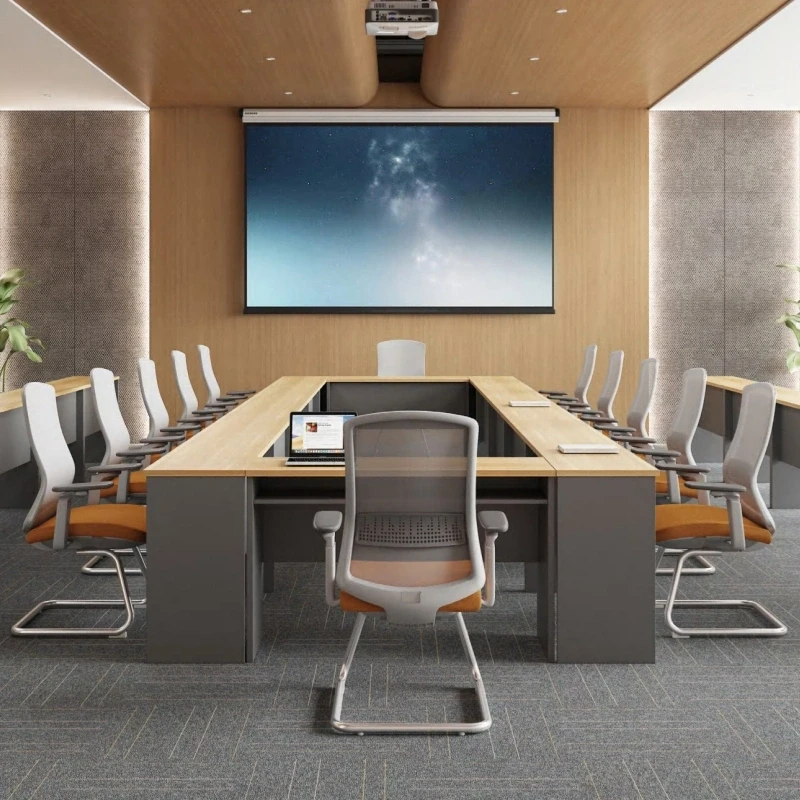
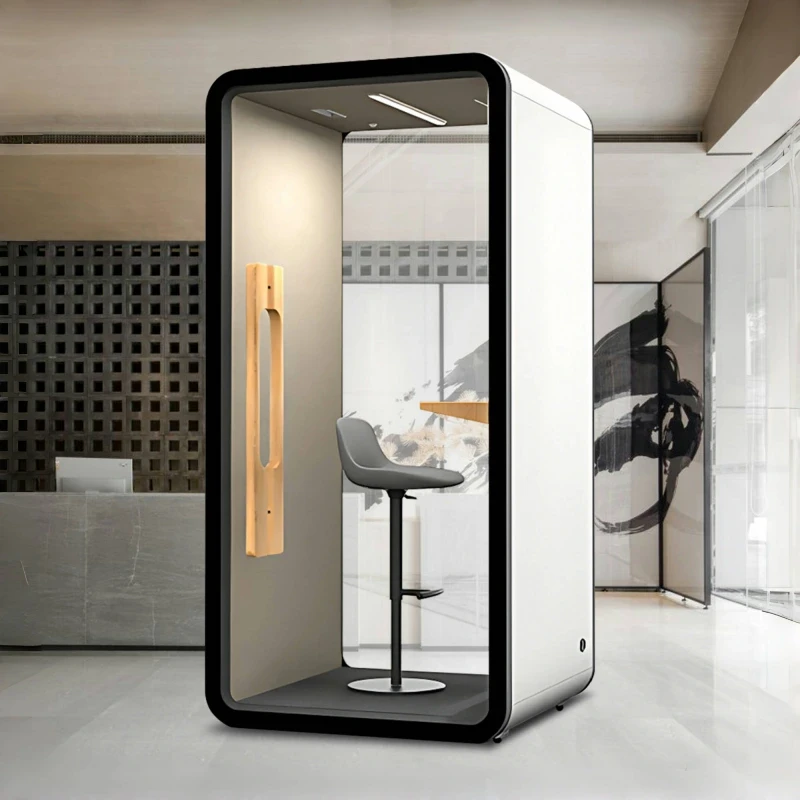
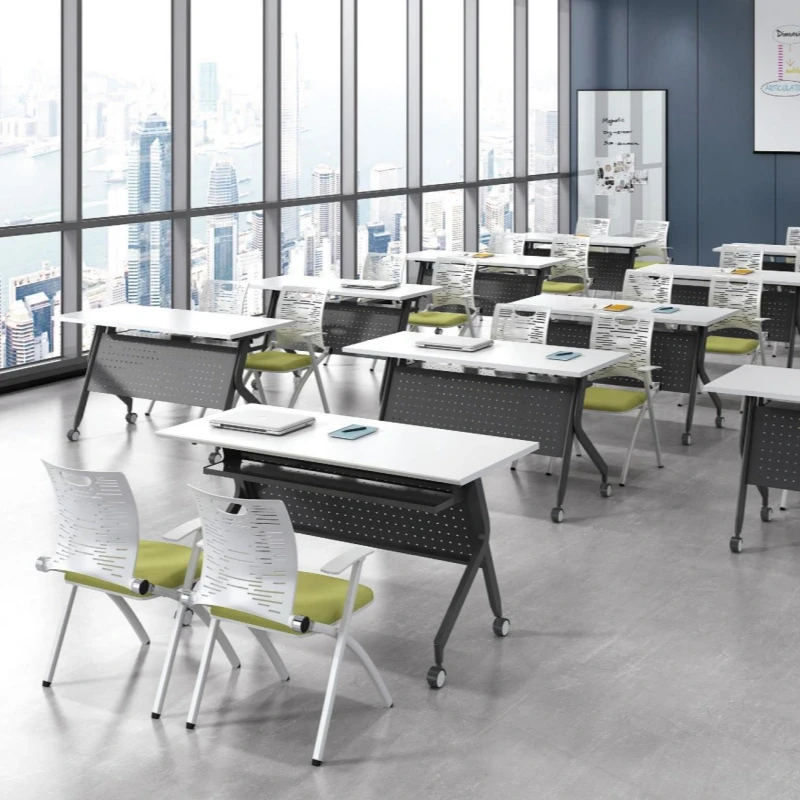
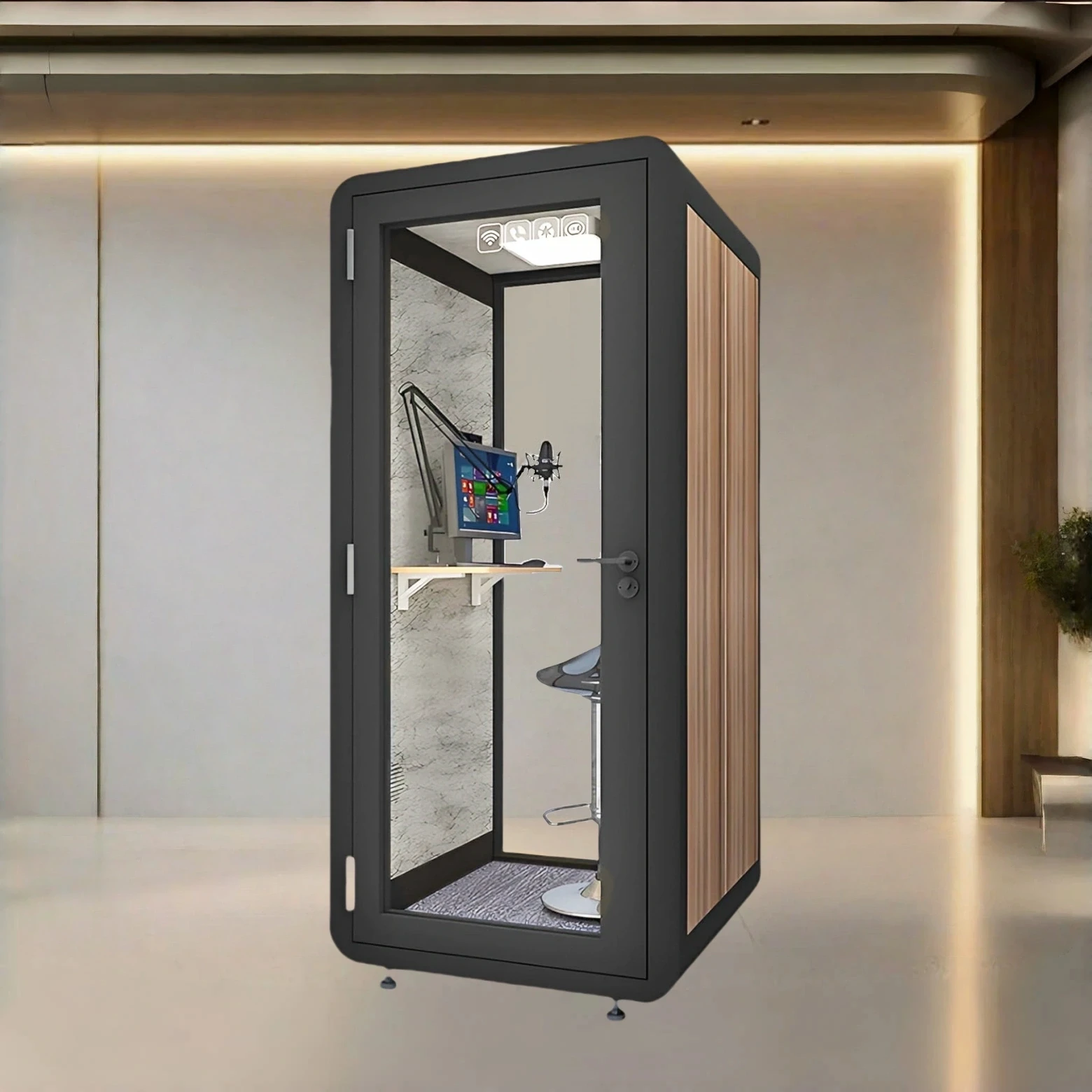
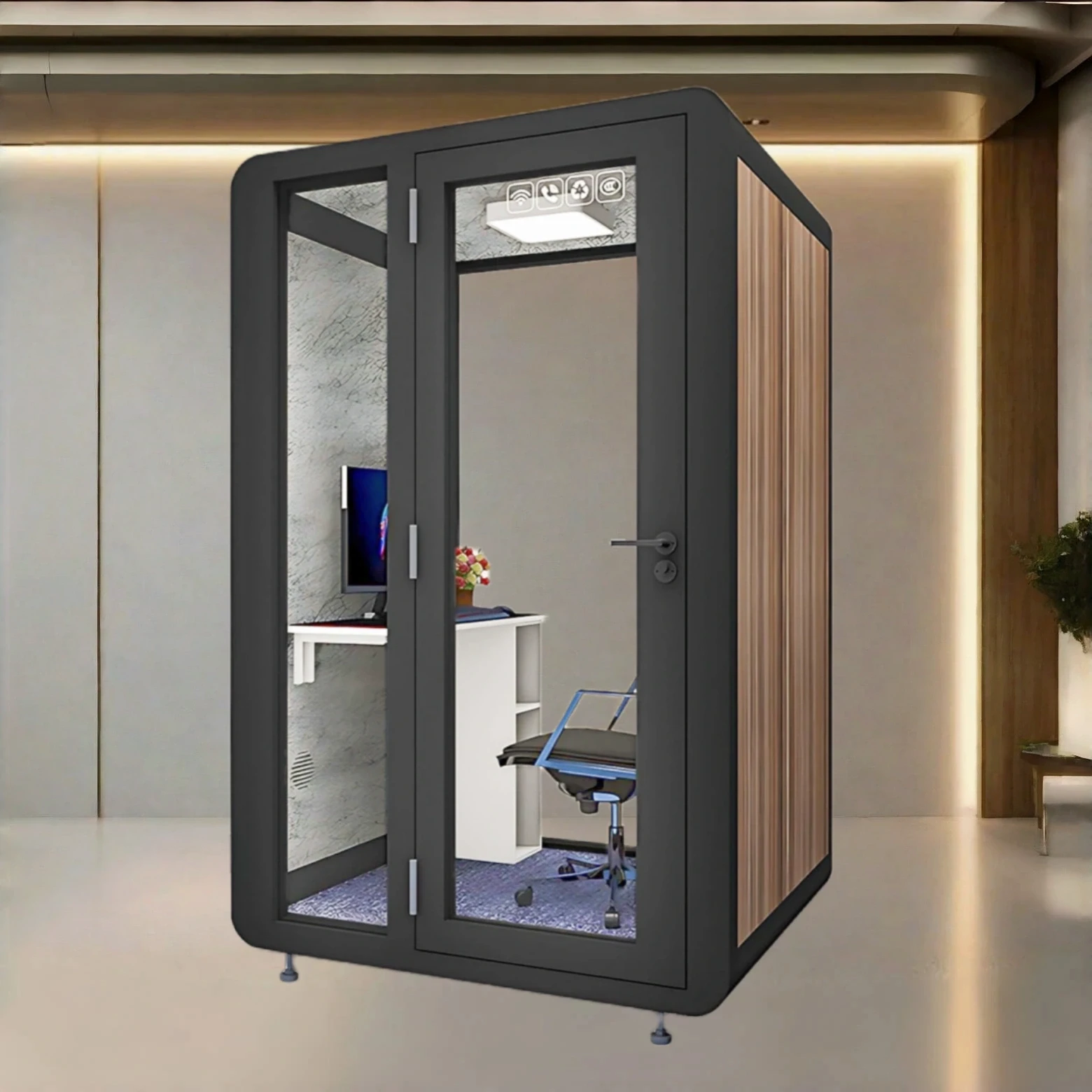
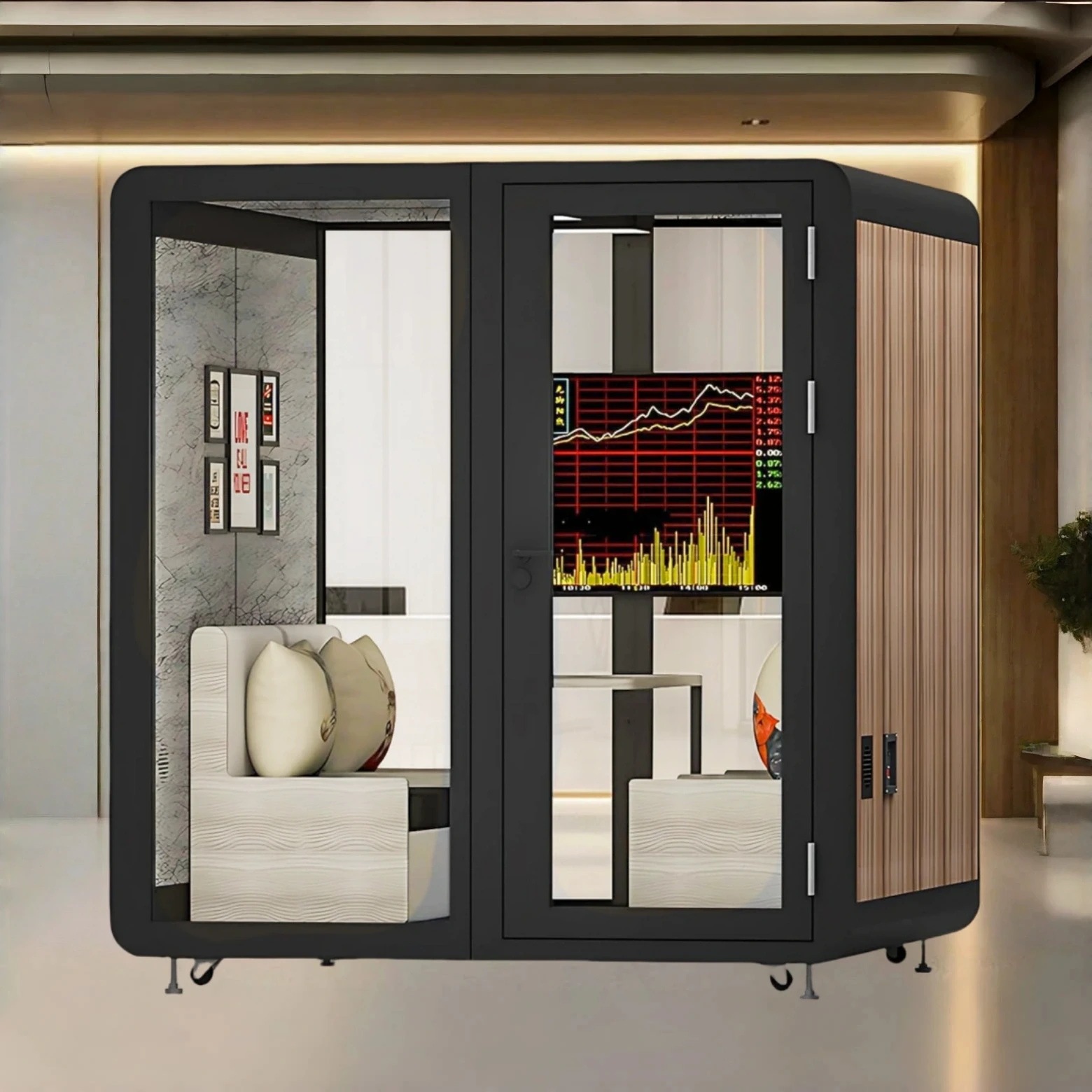
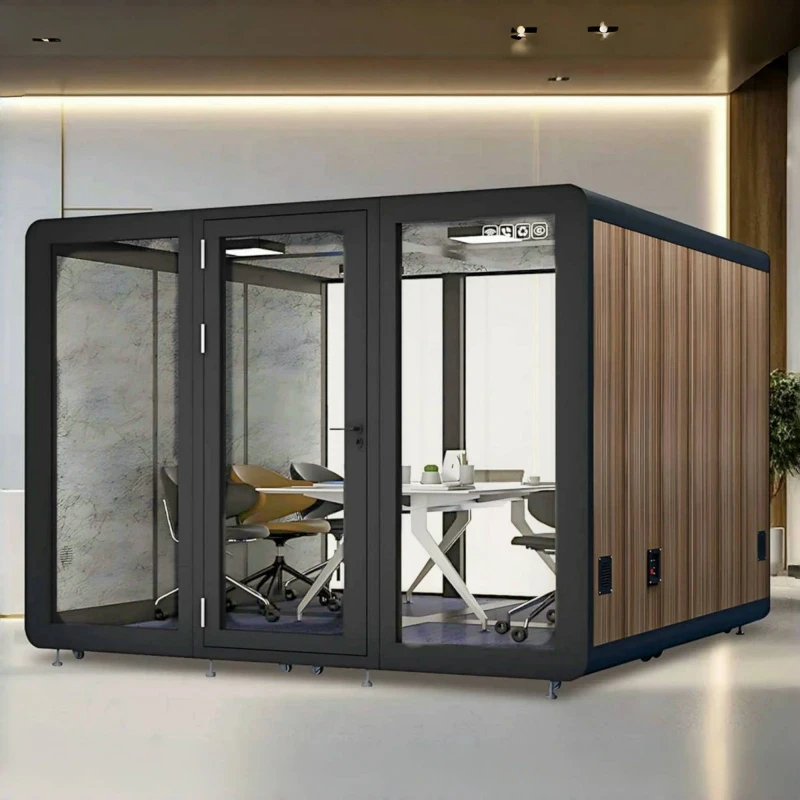
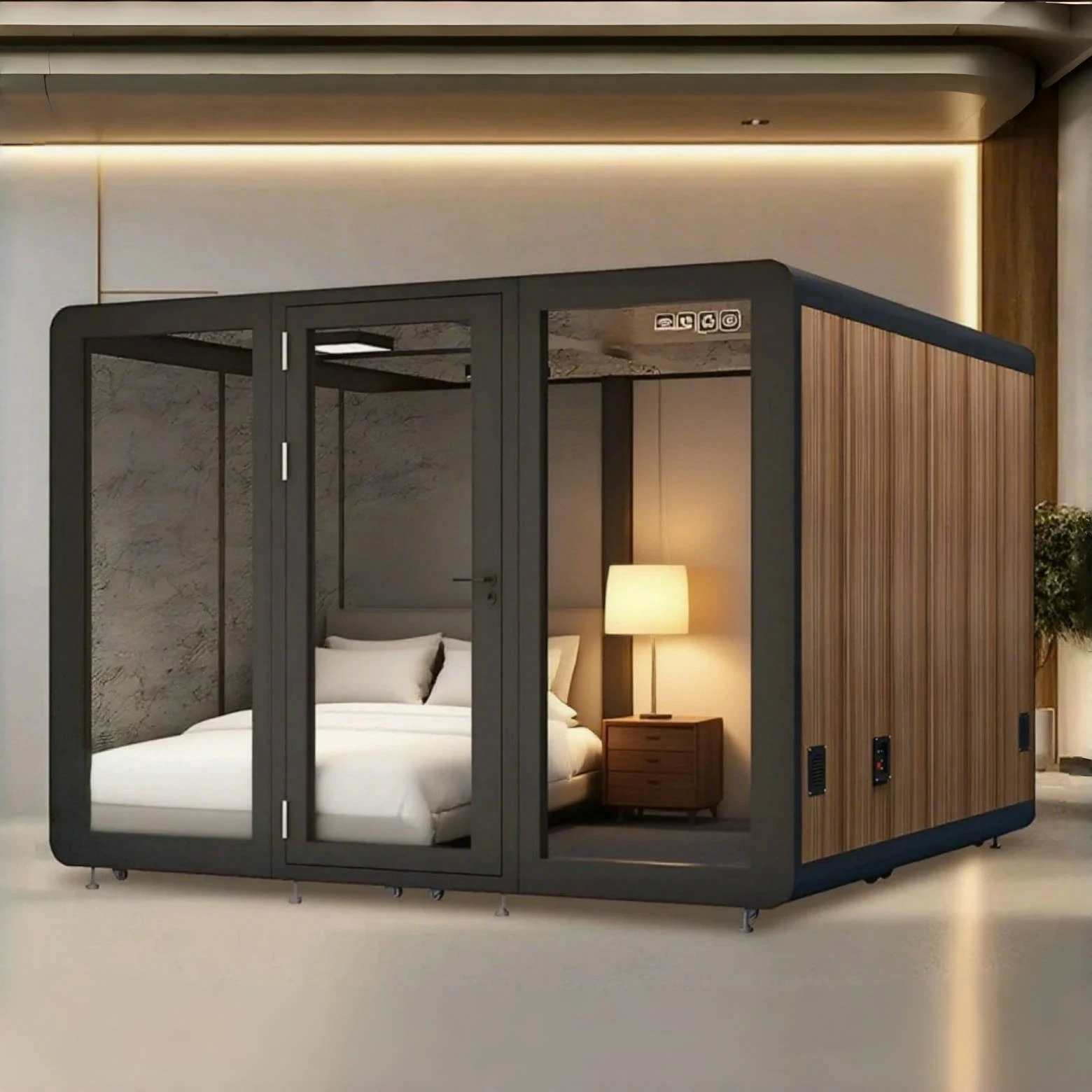


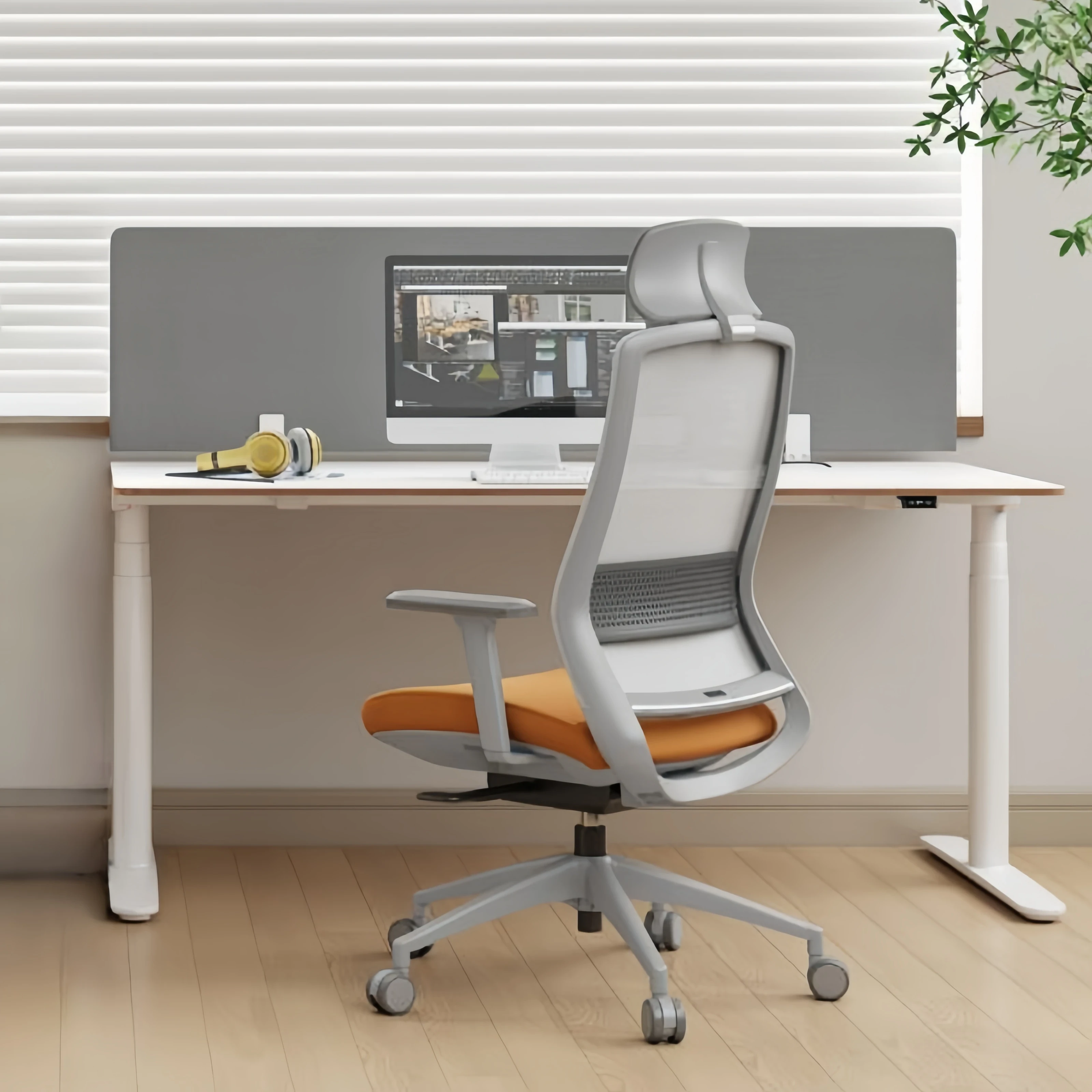


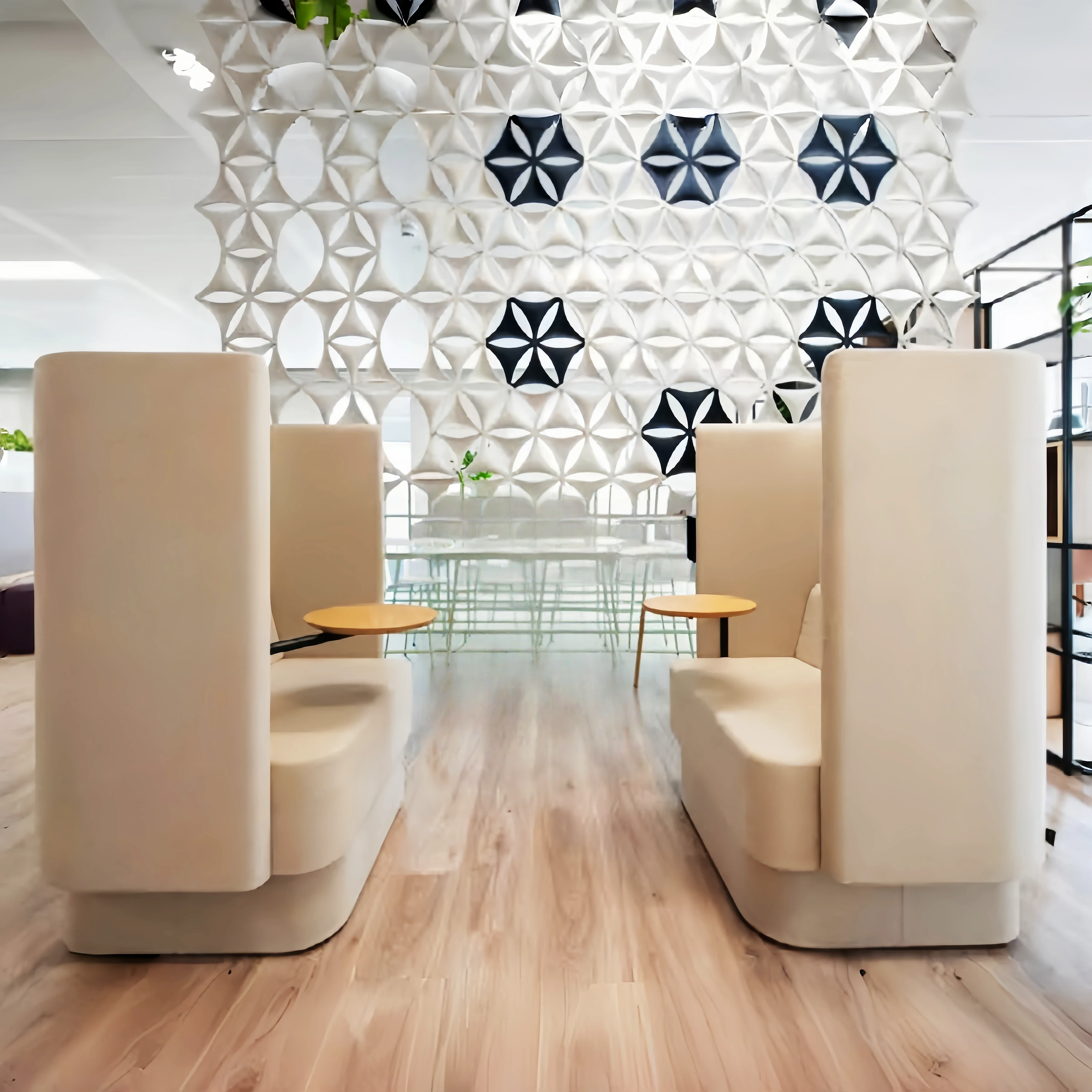

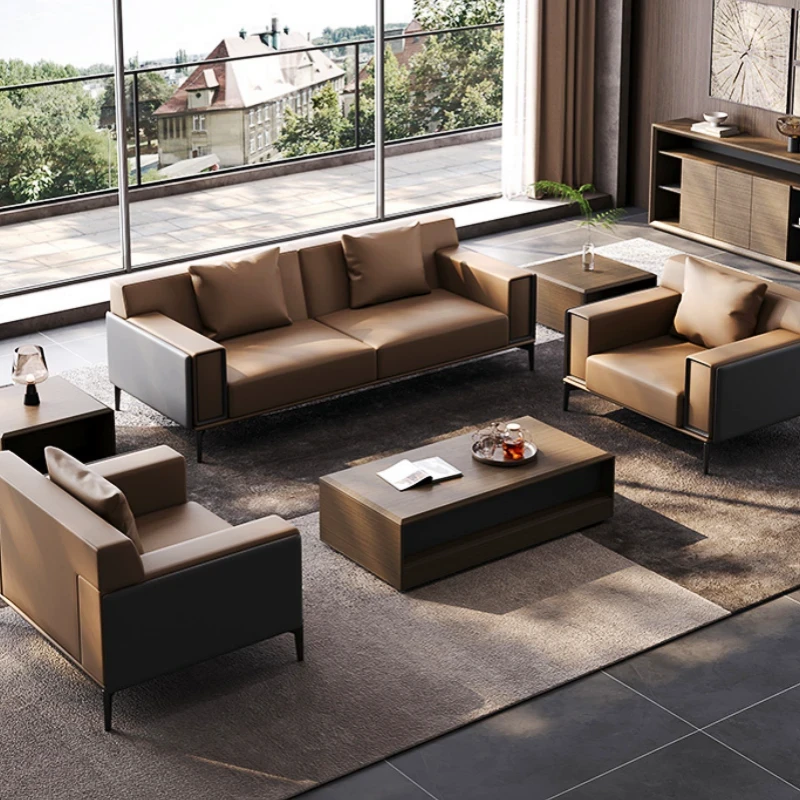
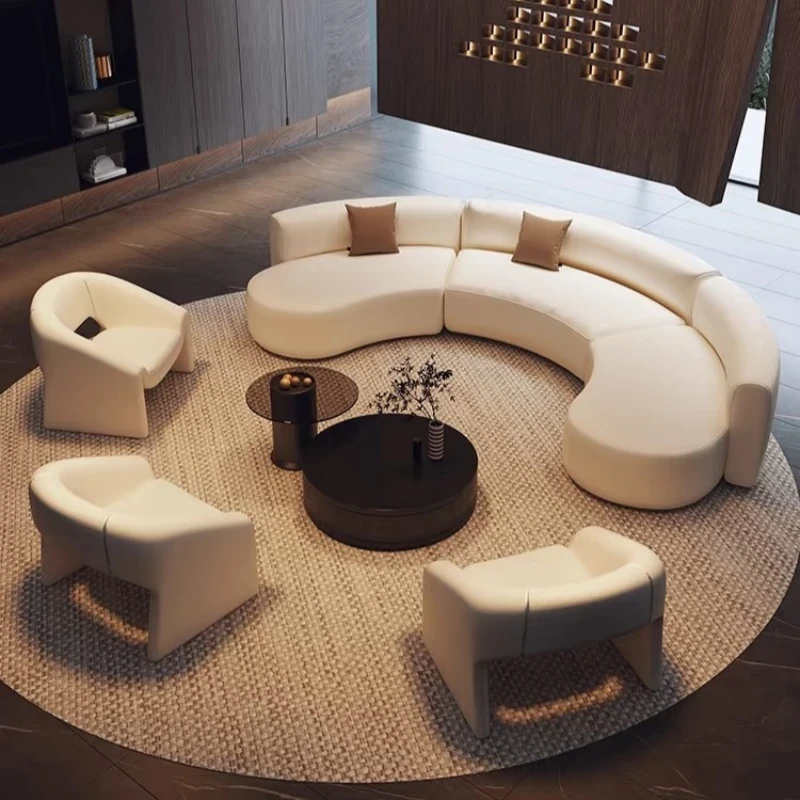
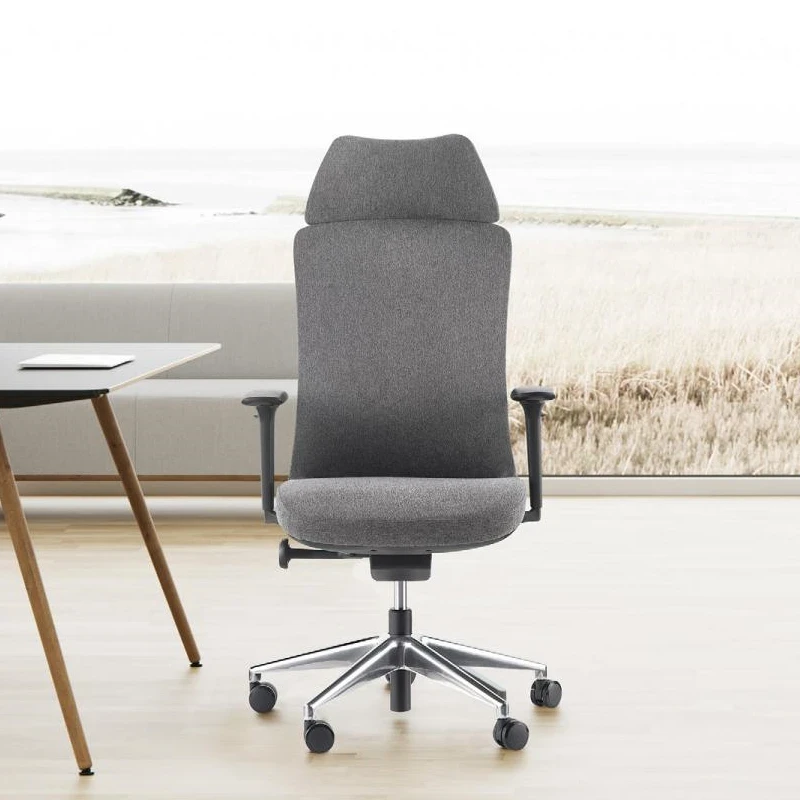


: Every resident or patient has unique needs, making personalized design an essential part of customized medical and elderly care furniture. For example, some elderly people with limb dysfunction may require specially designed beds and chairs to facilitate sitting, lying down, and movement. These pieces of furniture can be equipped with height and angle adjustments to improve ease of use and comfort. Personalized furniture designs can also incorporate home-like elements, allowing residents to feel the warmth and relaxation of home even in hospitals or nursing facilities.
2. Balancing Functionality and Comfort:
Medical and elderly care furniture should not only be functional but also ensure comfort. For example, mattresses and cushions should be made of breathable and soft materials to prevent pressure sores caused by prolonged sitting or lying down. Simultaneously, the furniture design needs to consider ergonomics to reduce potential fatigue and discomfort during use.
3. Safety and Durability:
Safety is another crucial factor in customized medical and elderly care furniture. Customized furniture must consider safety designs such as fire resistance, slip resistance, and impact resistance, ensuring stability during use. The selection of sturdy and durable materials and meticulous manufacturing processes guarantee the lifespan of the furniture, reducing the inconvenience and costs associated with frequent replacements.
4. Flexibility and Adaptability
: In medical and elderly care environments, furniture often needs to be flexible to adapt to changing layouts or different usage scenarios. Movable, foldable, and modular furniture designs greatly improve space utilization and functional versatility, facilitating quick adjustments and modifications to meet the needs of different stages and occasions.
5. Environmental and Health Considerations:
Environmental and health factors also need to be considered when customizing medical and elderly care furniture. Furniture materials should meet environmental standards, avoiding the use of chemicals harmful to the human body to protect the health of users, especially the elderly and those with weakened immune systems. Furthermore, simple and easy-to-clean designs can effectively reduce the risk of bacterial growth and maintain a hygienic environment.
Conclusion:
Customizing medical and elderly care furniture is a complex process that requires comprehensive consideration of multiple factors. Through personalized design, enhanced functionality and comfort, ensured safety and durability, and attention to flexibility and environmental and health standards, medical and elderly care furniture can truly meet diverse care needs and provide a better quality of life and care experience for the elderly and those requiring long-term care.