
 USD
USD GBP
GBP
 EUR
EUR
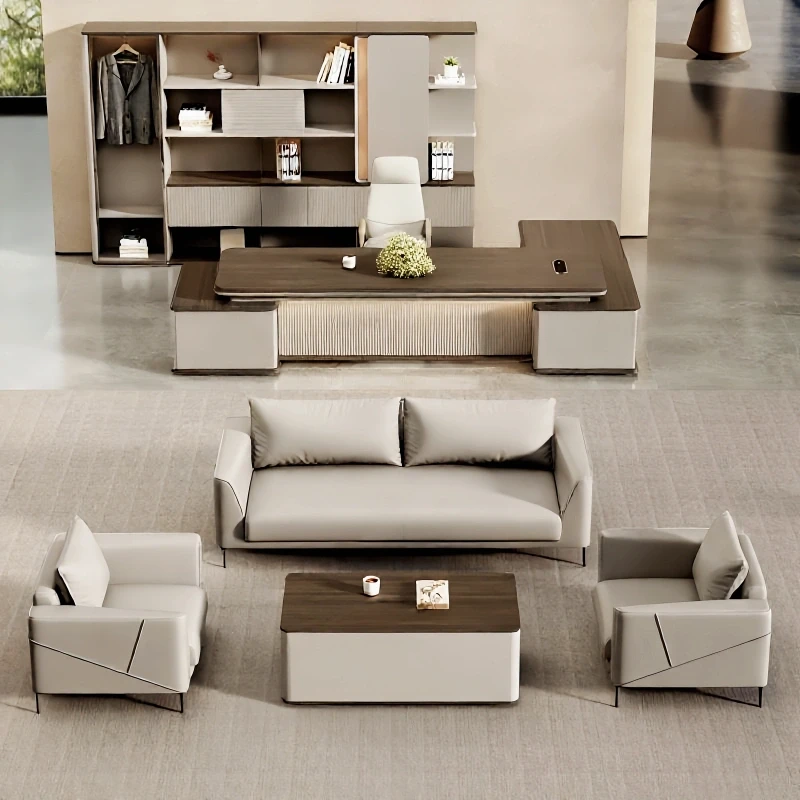
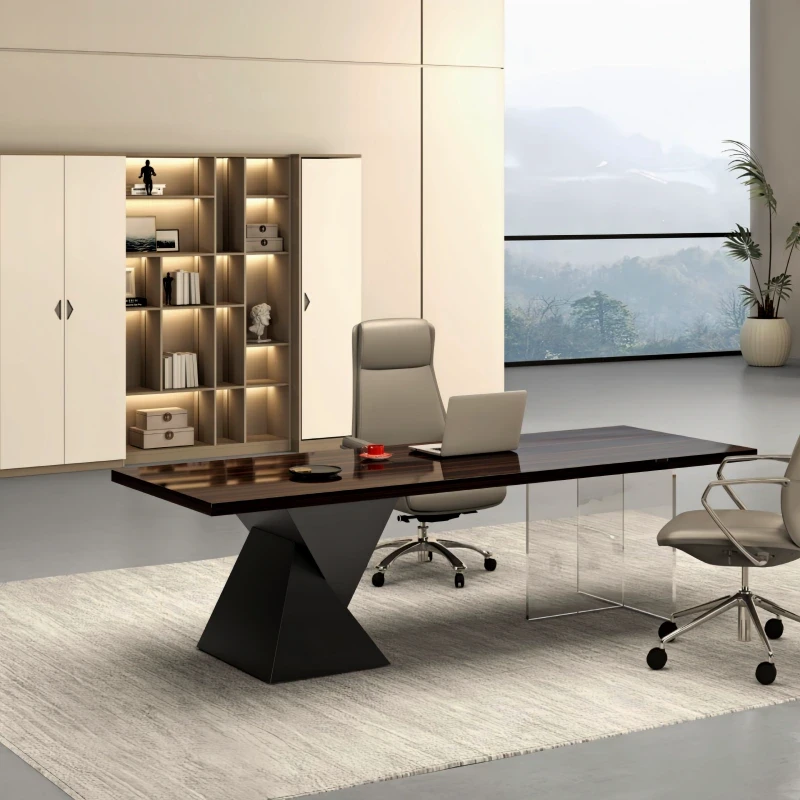


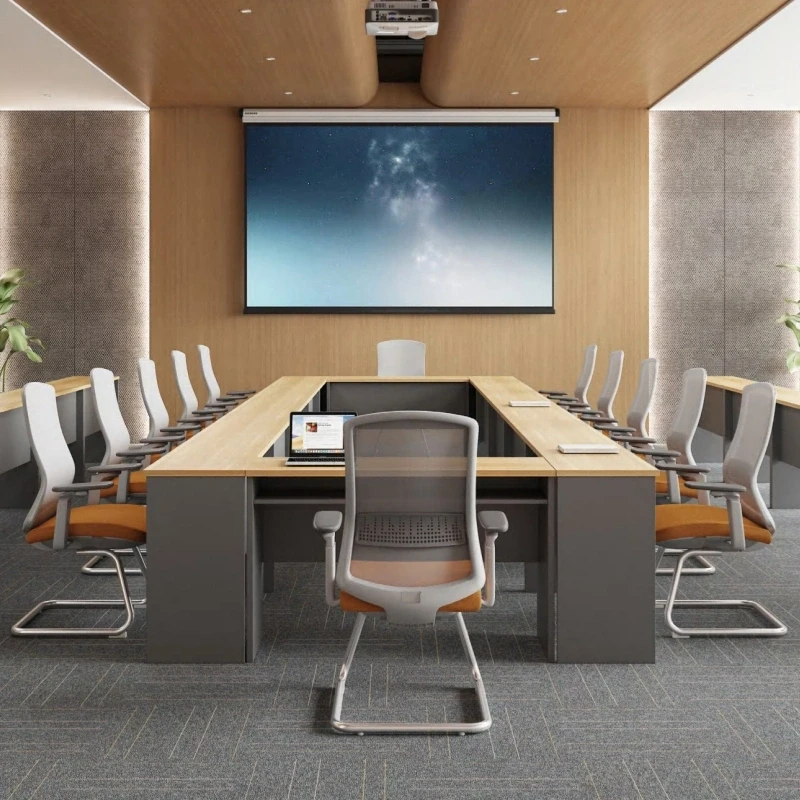
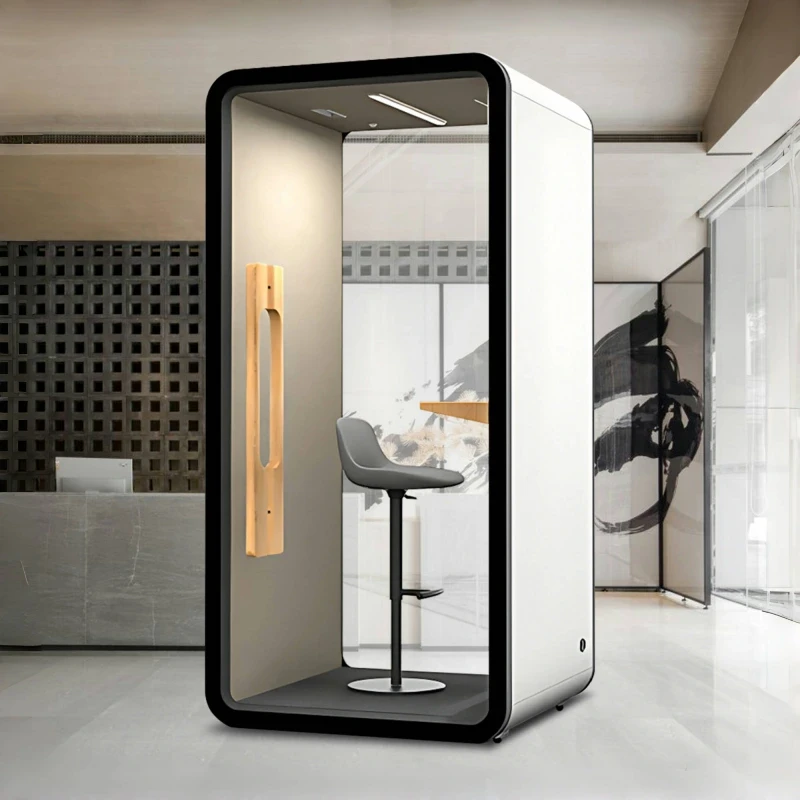
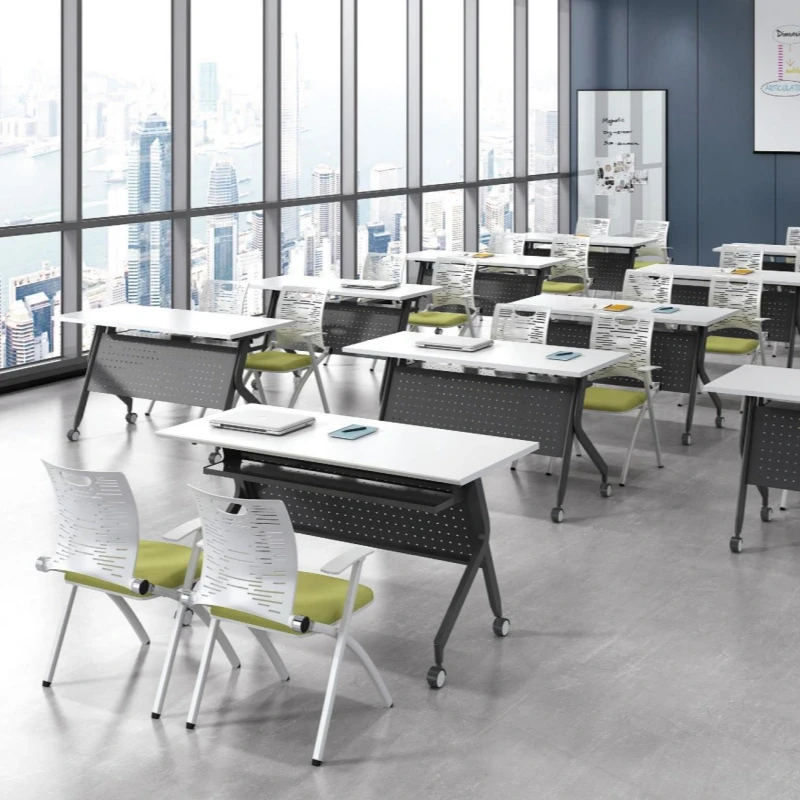
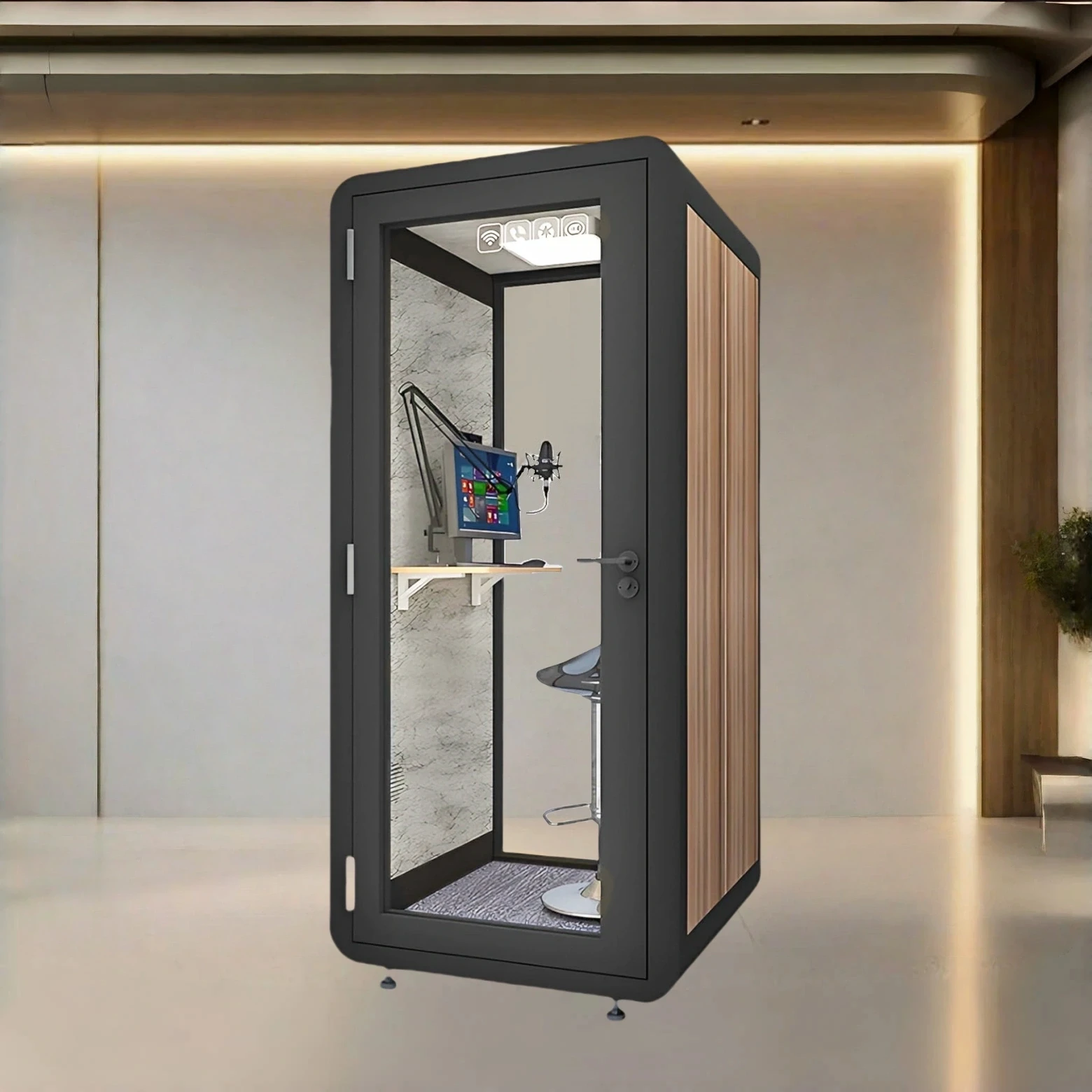
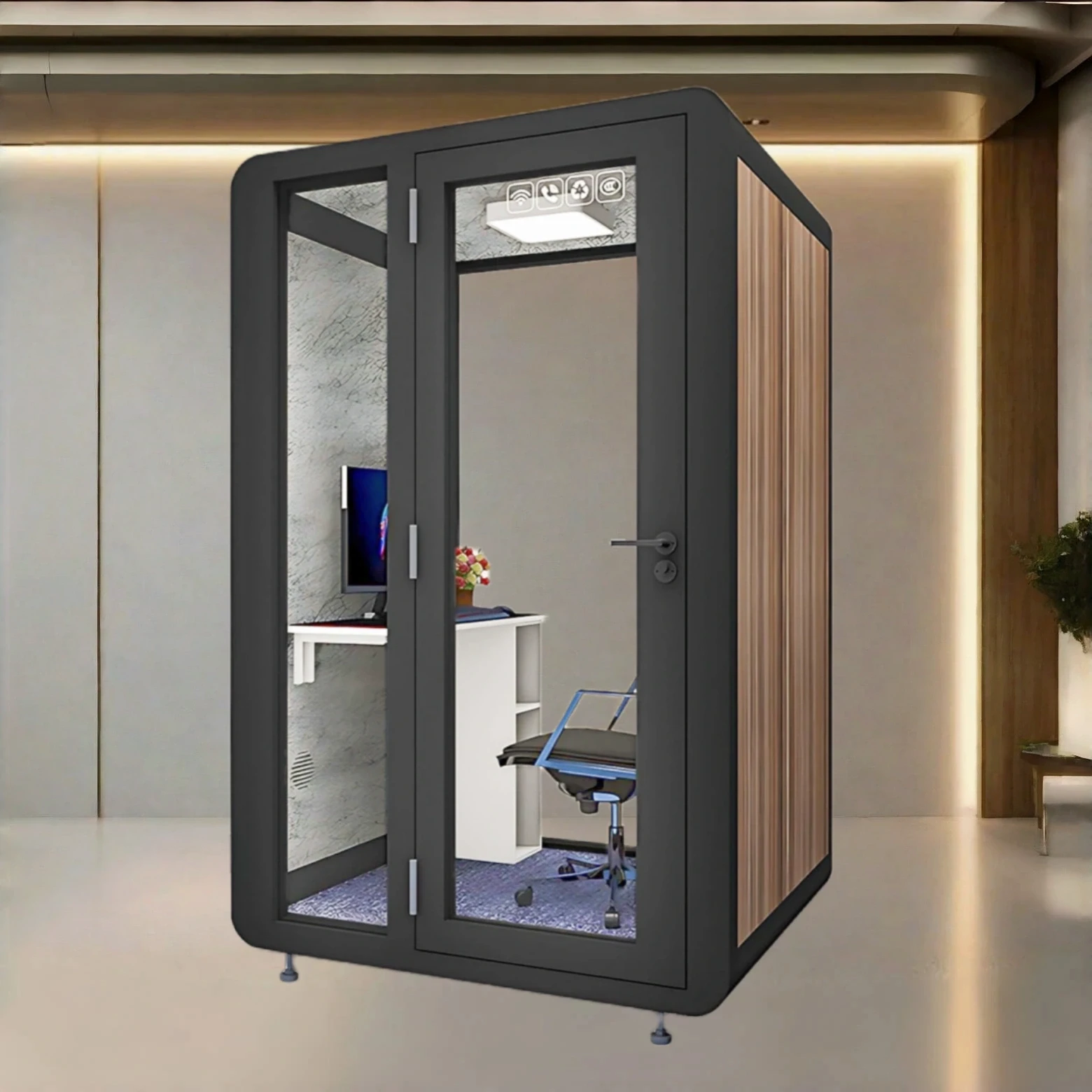
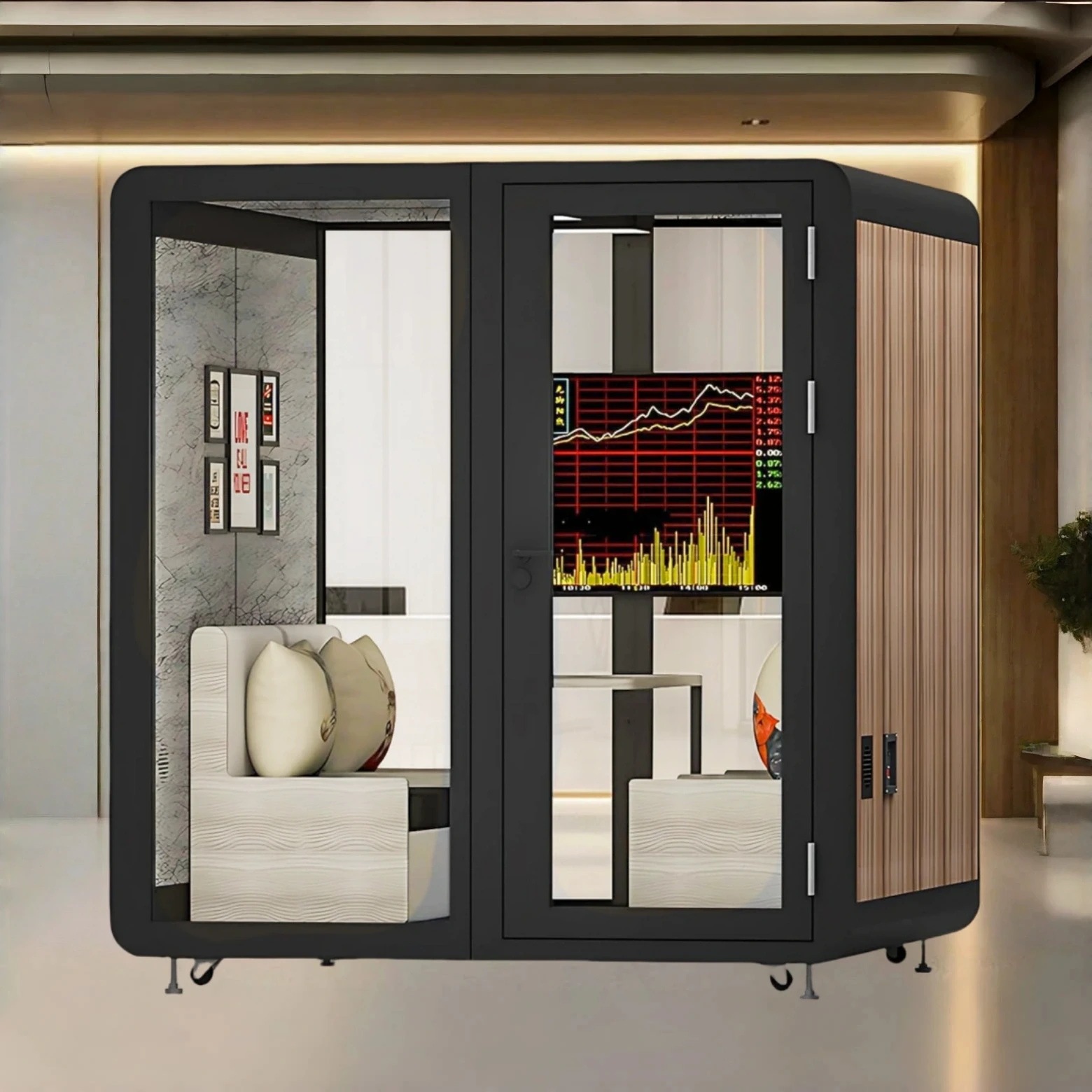
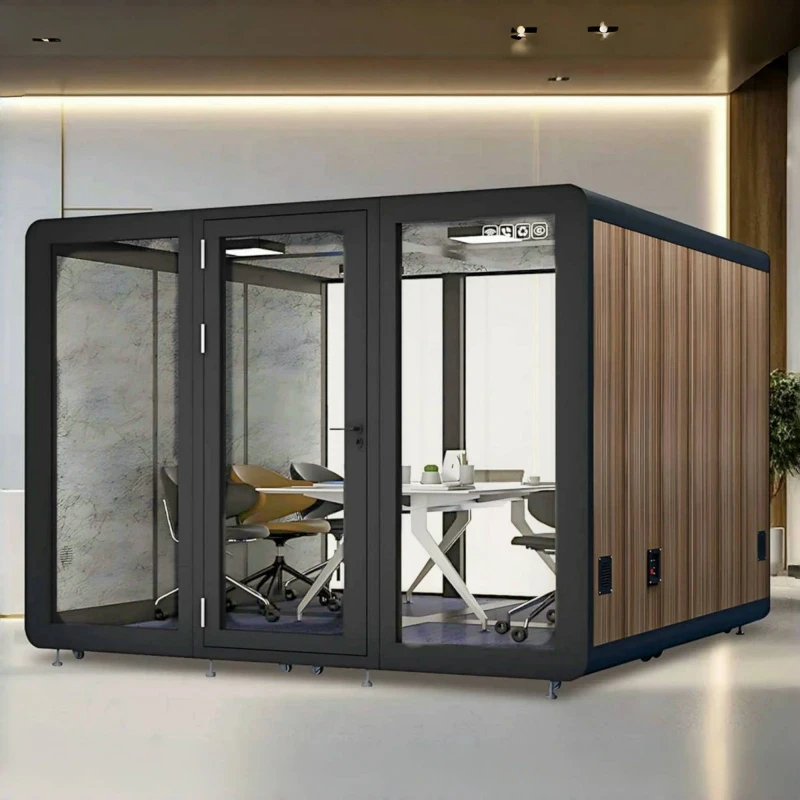



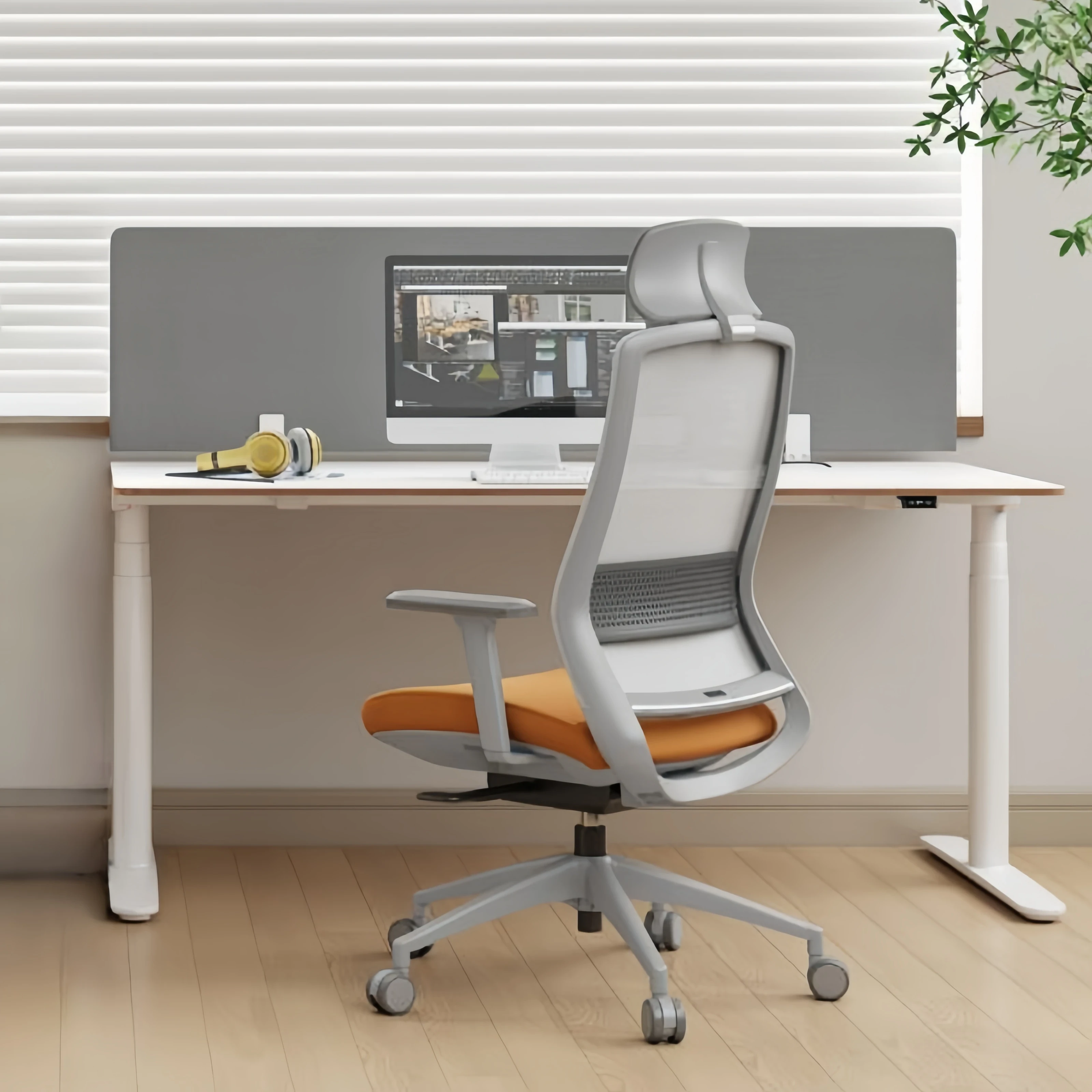


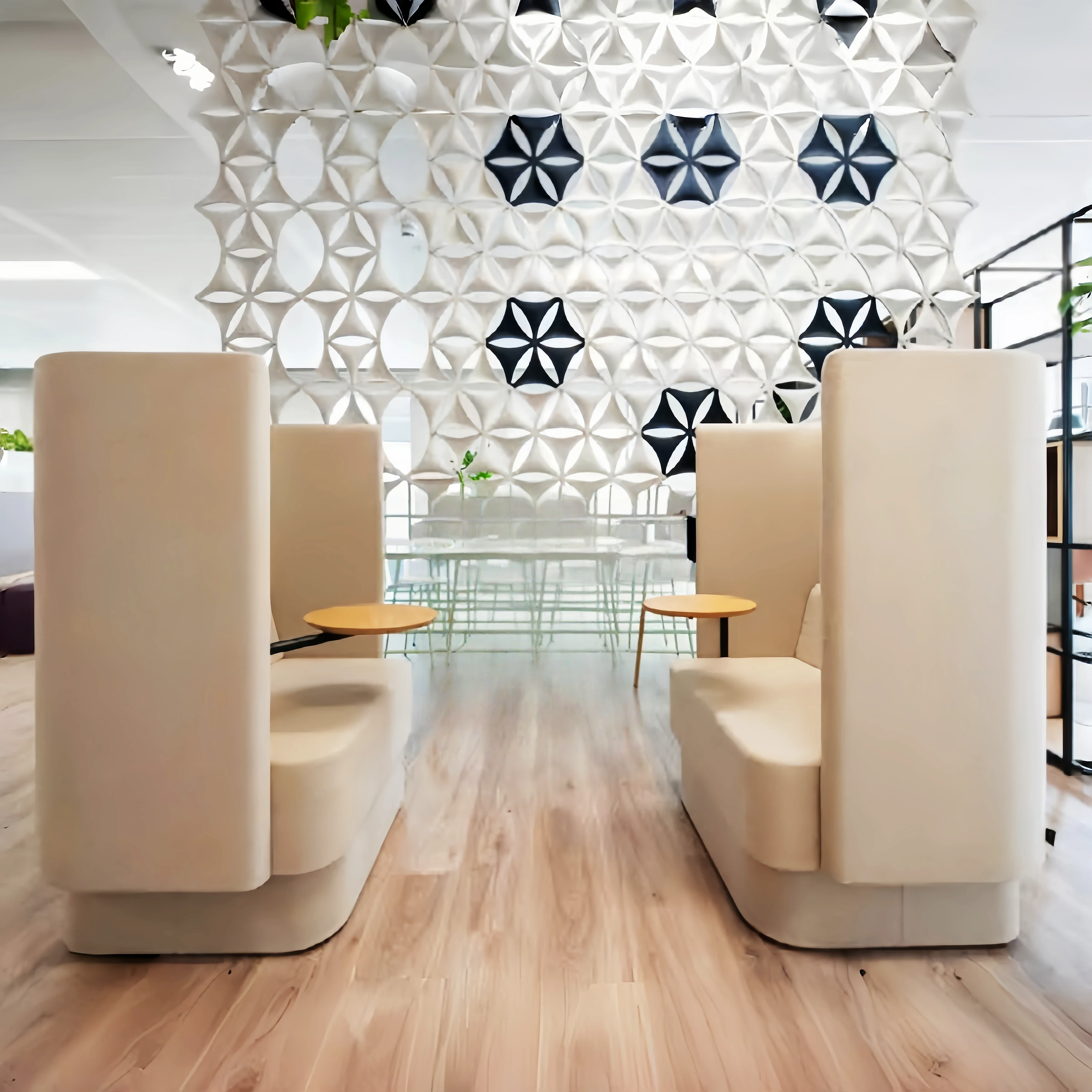

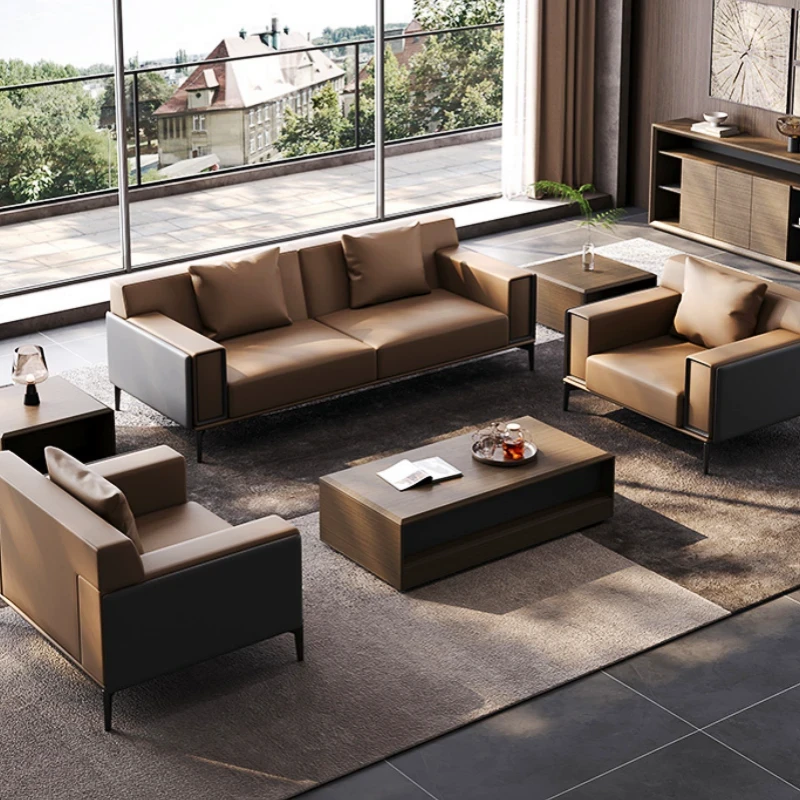
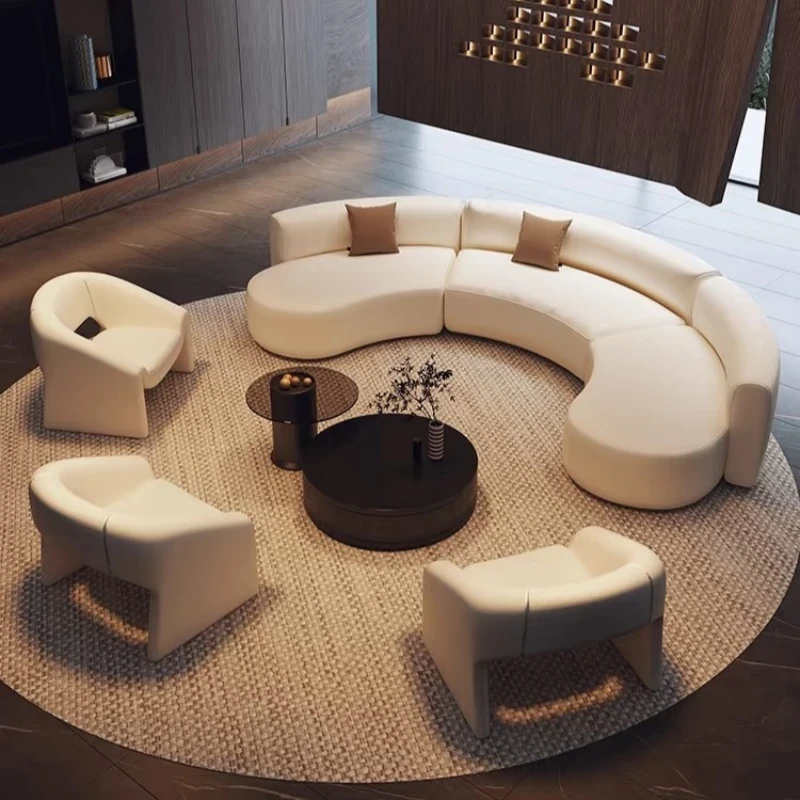
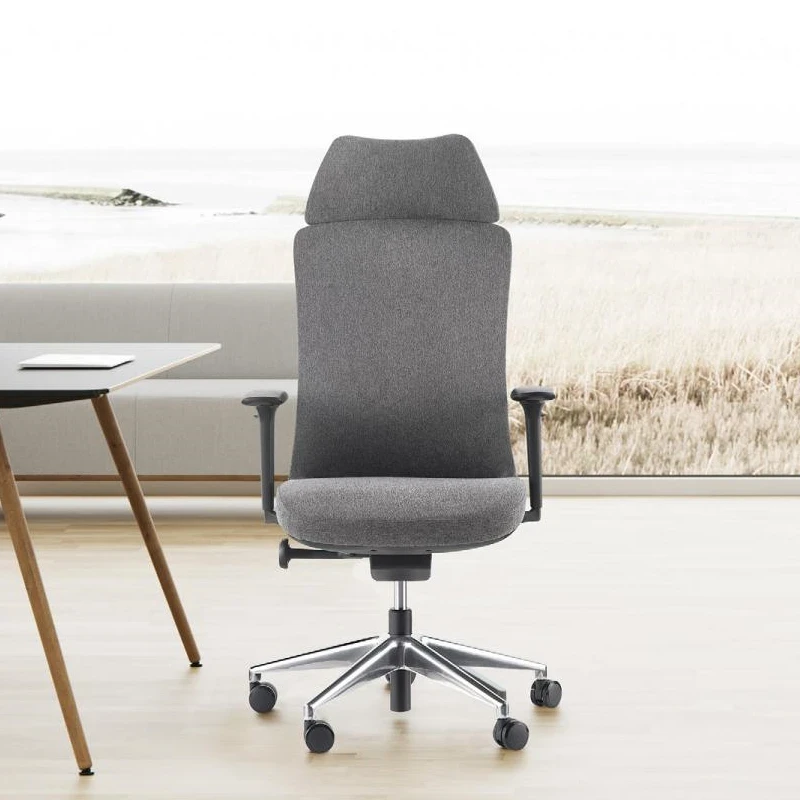


First and foremost, product quality is the core element when choosing an office furniture brand. Companies should pay attention to the materials and craftsmanship used by the brand. High-quality materials and mature manufacturing processes not only ensure the durability and aesthetics of the furniture but also affect employee comfort and health. Meticulous workmanship, reliable structure, and high-quality finishes are specific standards for evaluating product quality.
2. Customization Capability:
Modern office environments often require flexible furniture configurations to adapt to different workflows and spatial layouts. Therefore, choosing a brand with strong customization capabilities is particularly important. Companies should focus on whether the brand can provide tailored designs to specific needs, meeting personalized requirements in areas such as size, color, and function.
3. Design and Aesthetics:
Office furniture should not only be practical but also aesthetically pleasing and reflect corporate culture. Whether the brand's design style aligns with the company's style directly affects the overall atmosphere of the office environment and the employee's work experience. Choosing a brand whose design resonates with the company's philosophy helps enhance the company image and employee identification.
4. Environmental Protection and Sustainability:
More and more companies are beginning to focus on environmental protection and sustainable development when purchasing office furniture. Understanding a brand's environmental protection measures in material selection, production processes, and product lifecycle management can help companies fulfill their social responsibility and implement sustainable development strategies. Prioritizing brands that use certified environmentally friendly materials is not only environmentally friendly but also improves employee health and comfort.
5. Service and Support:
When choosing an office furniture customization brand, comprehensive pre-sales, sales, and after-sales service is crucial. Companies should examine whether the brand provides professional space planning and design consultation, maintains good communication during the customization process, and demonstrates responsiveness and problem-solving capabilities in after-sales service. A comprehensive service system ensures a worry-free and effortless experience for companies during furniture selection and use.
6. Cost and Budget:
Finally, clarifying the budget range and finding a balance between quality and price is an important step in choosing an office furniture brand. Companies should identify the cost-effectiveness of different brands to ensure they obtain the highest quality products and services within their budget. Transparent pricing and flexible payment methods are also aspects to consider when choosing a brand.
Conclusion:
When choosing an office furniture customization brand, companies need to comprehensively consider multiple factors, including product quality, customization capabilities, design aesthetics, environmental sustainability, service support, and cost budget. By gaining a deeper understanding and making comparisons, these key factors can help companies select office furniture brands that can improve work efficiency, align with corporate culture, and offer good value for money.