
 USD
USD GBP
GBP
 EUR
EUR
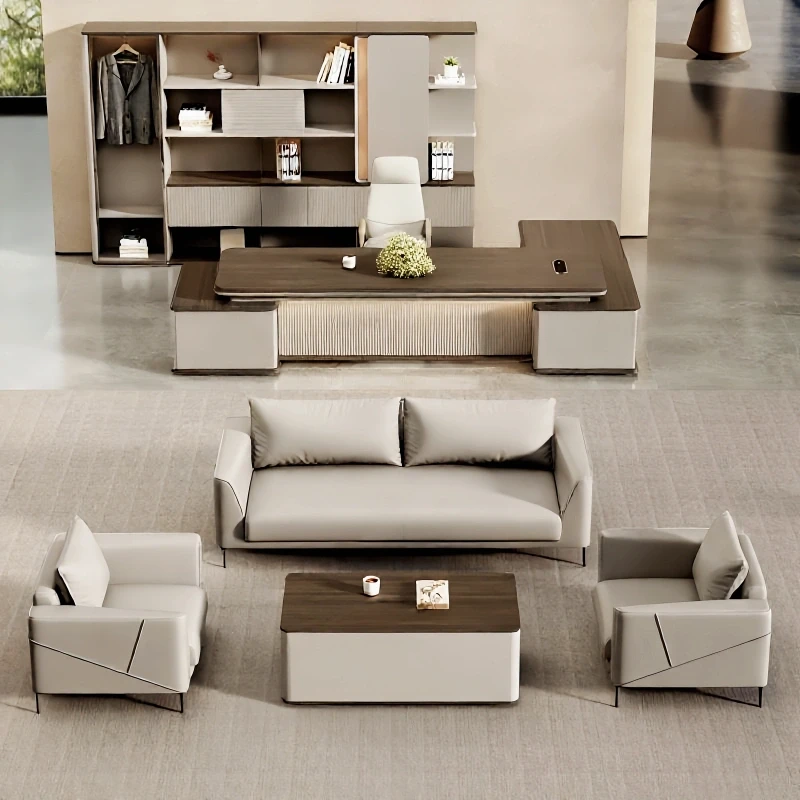
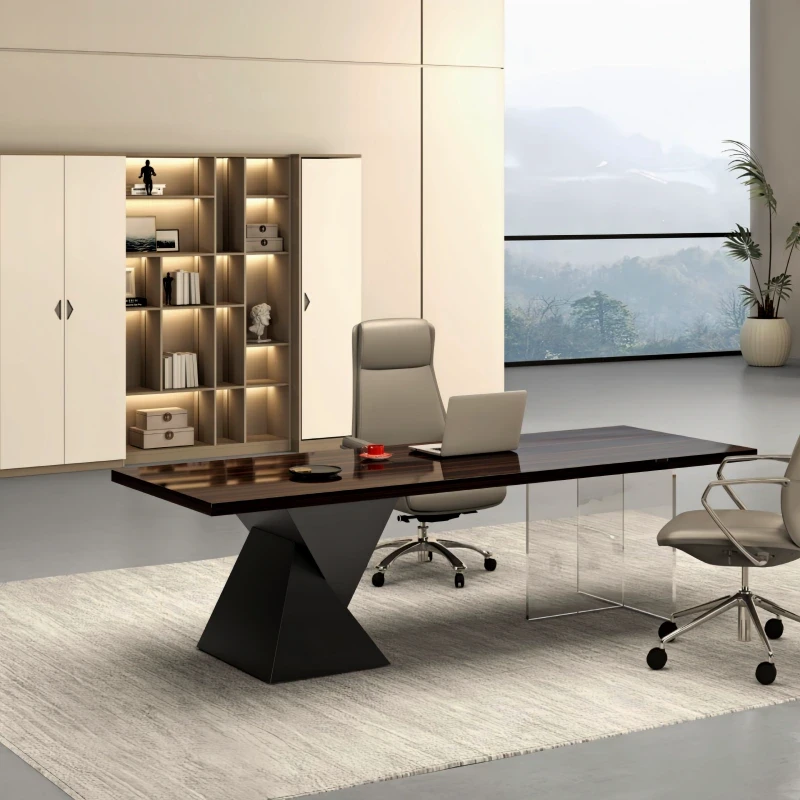


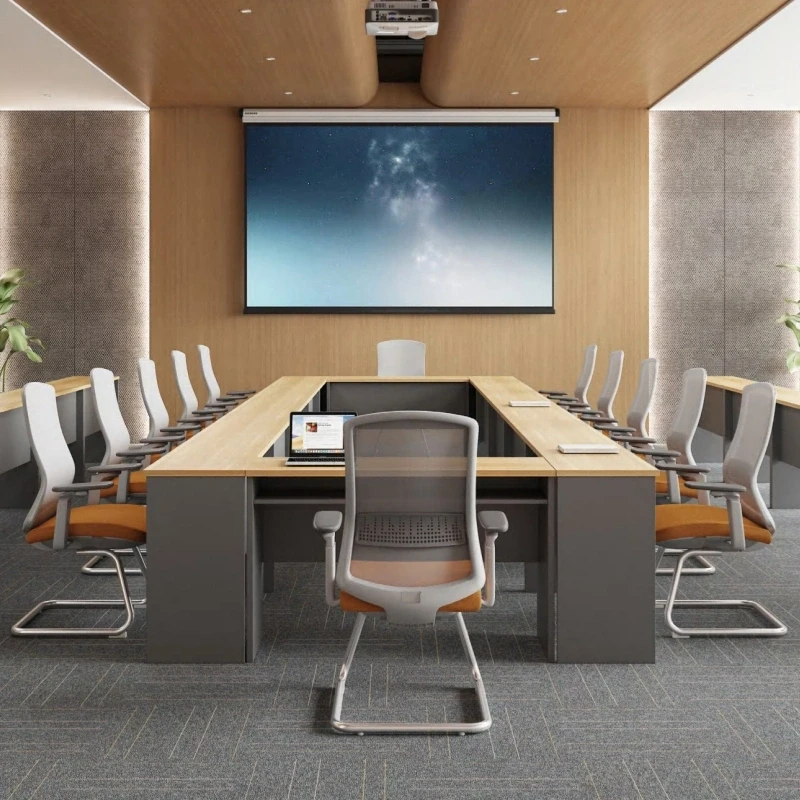
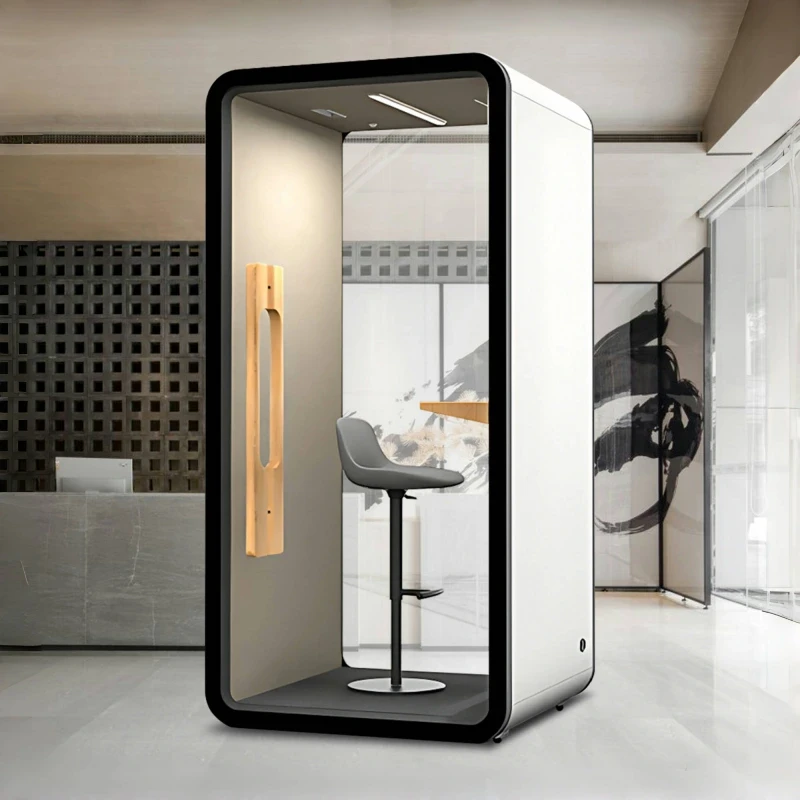
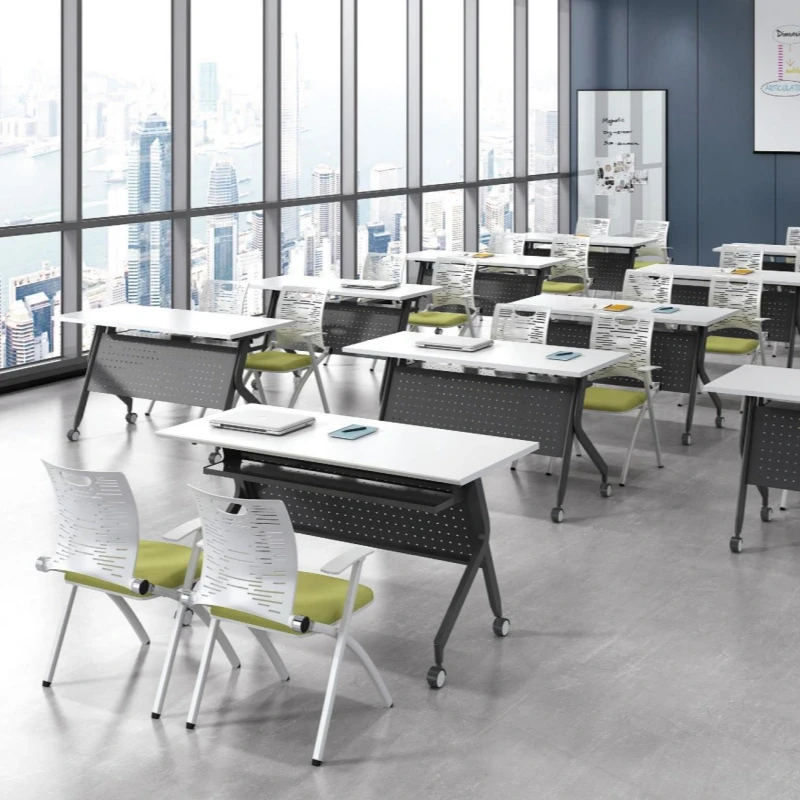
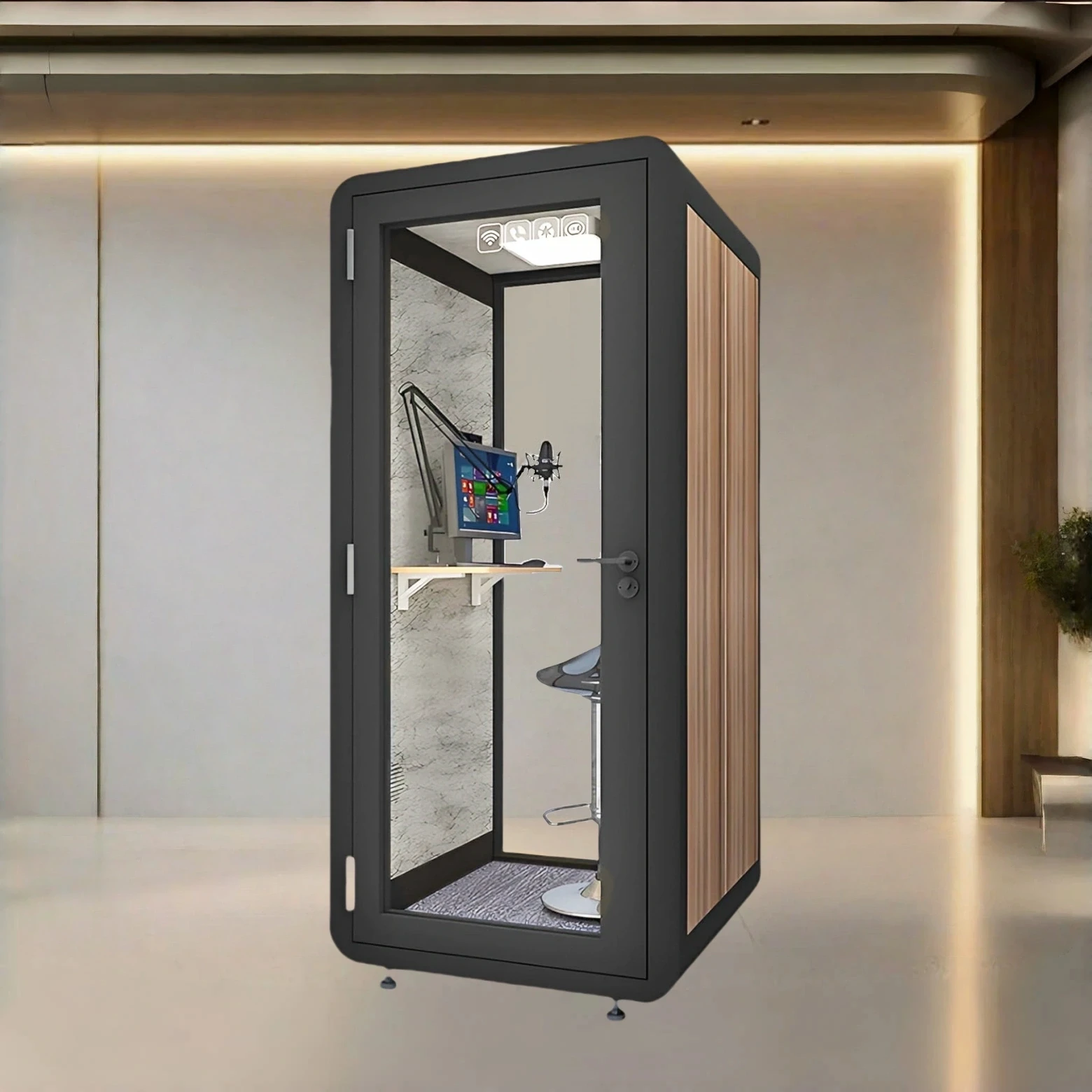
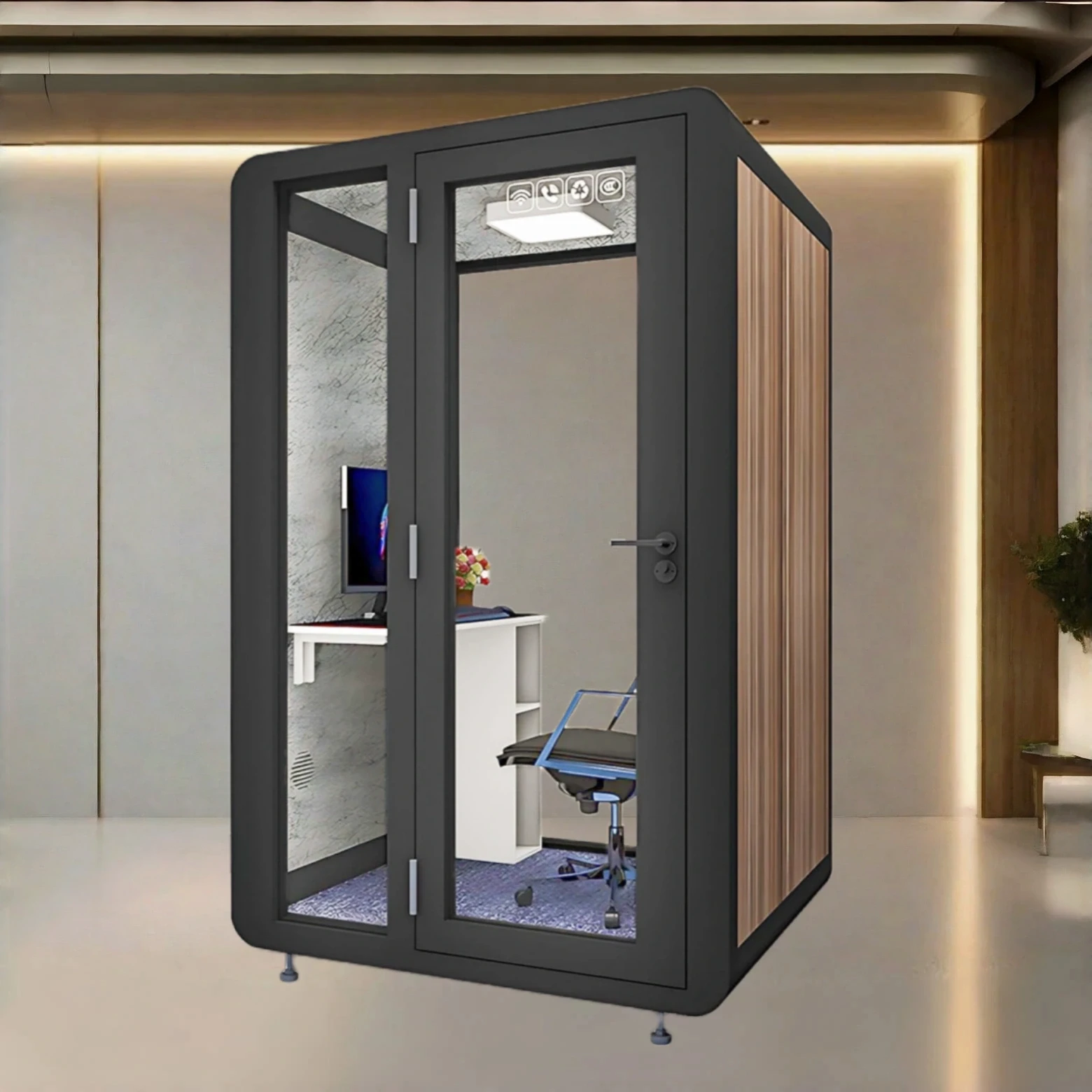
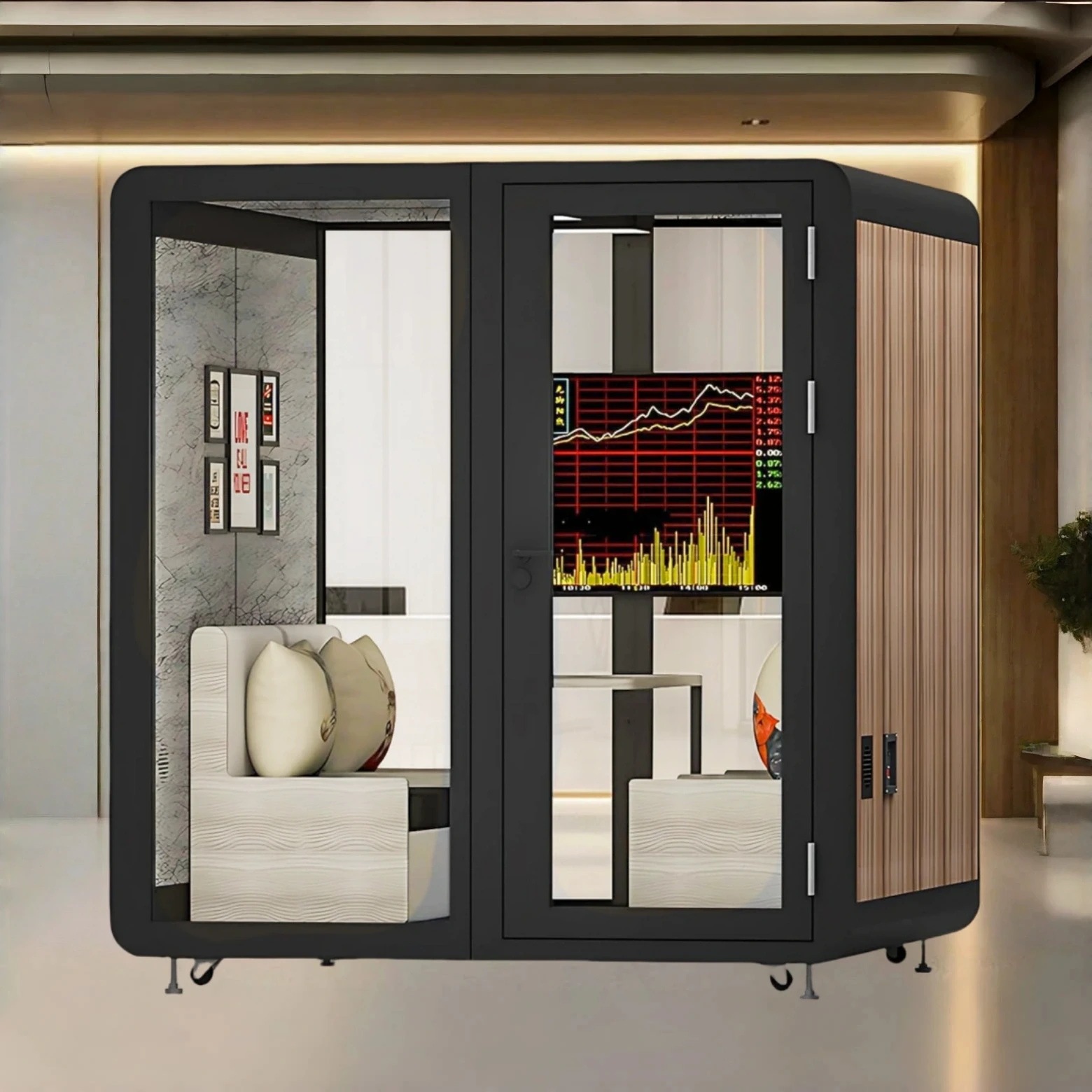
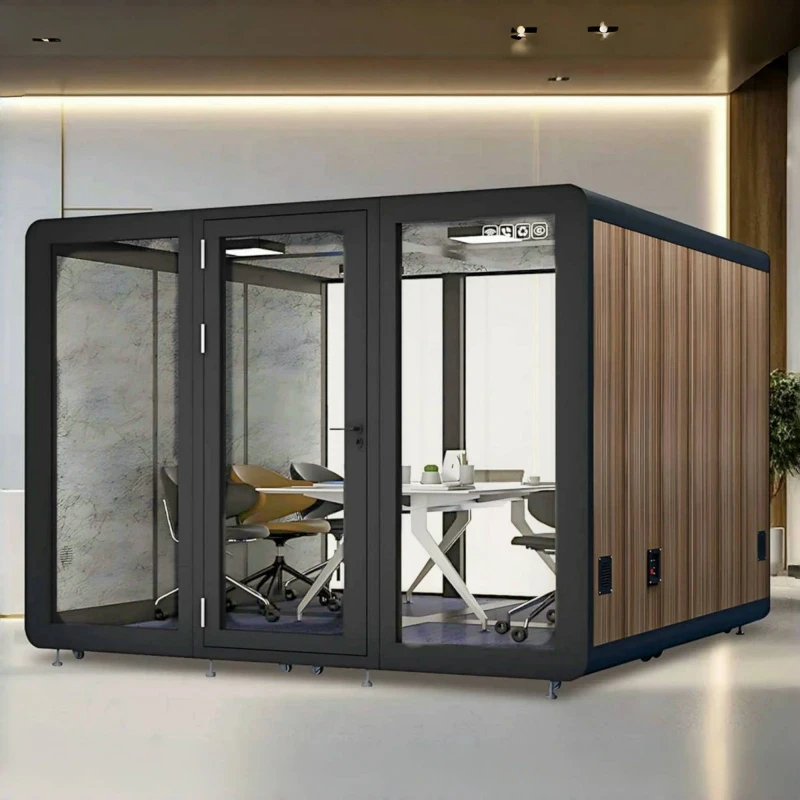
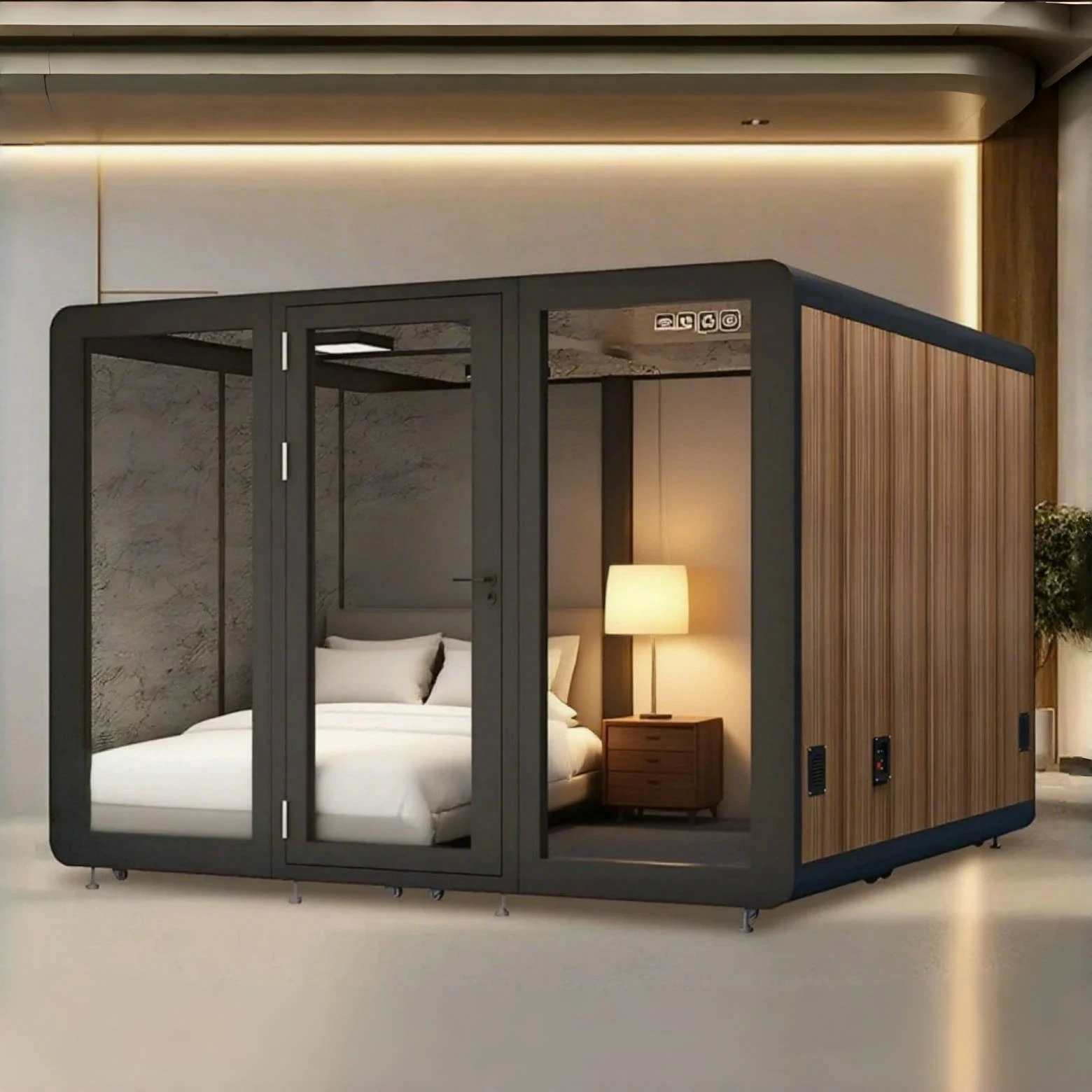




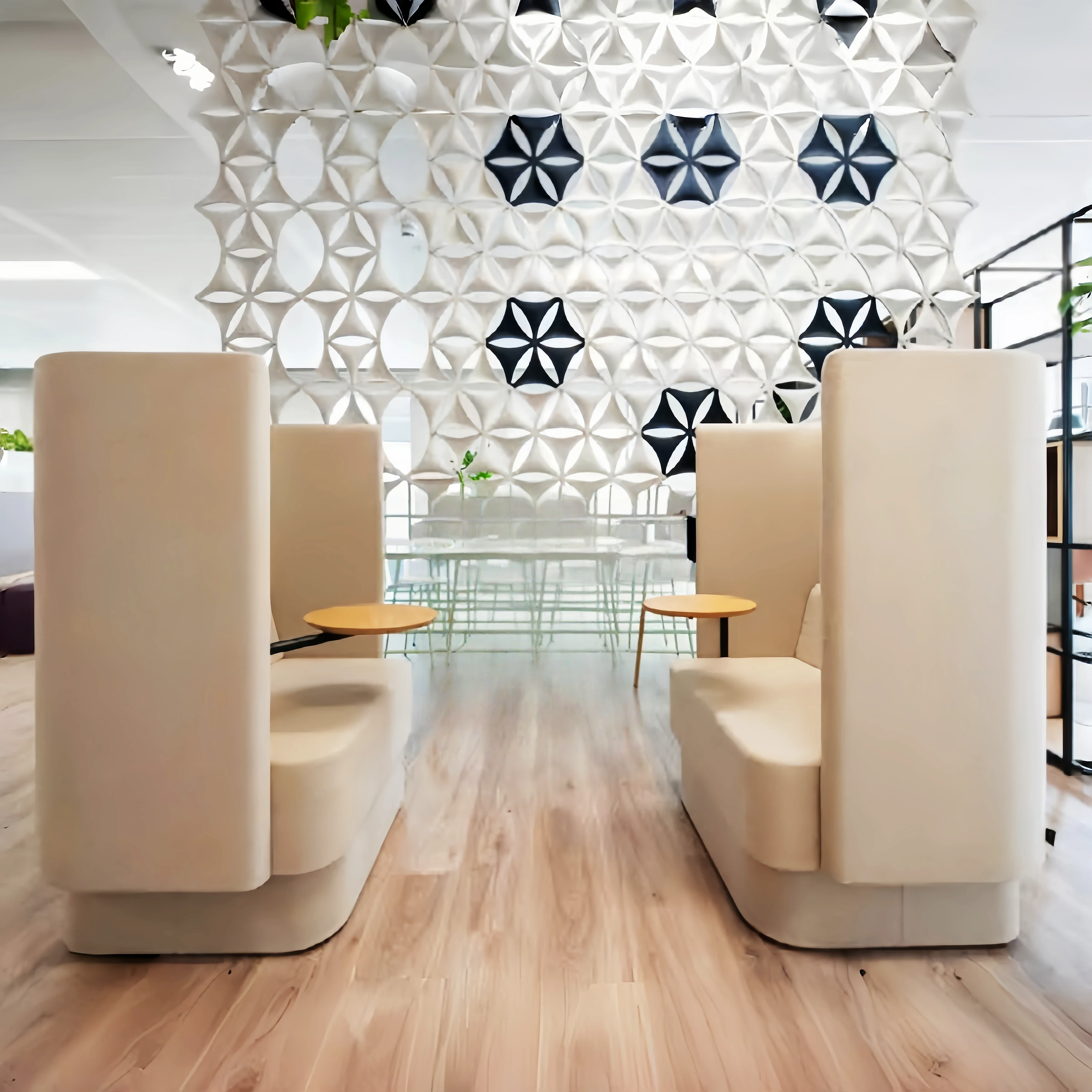

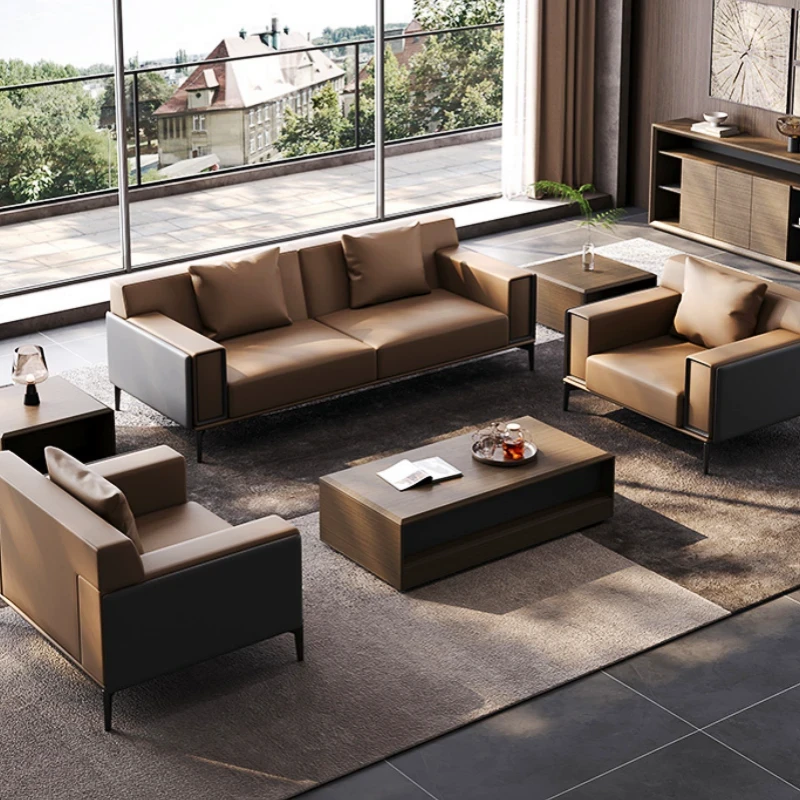
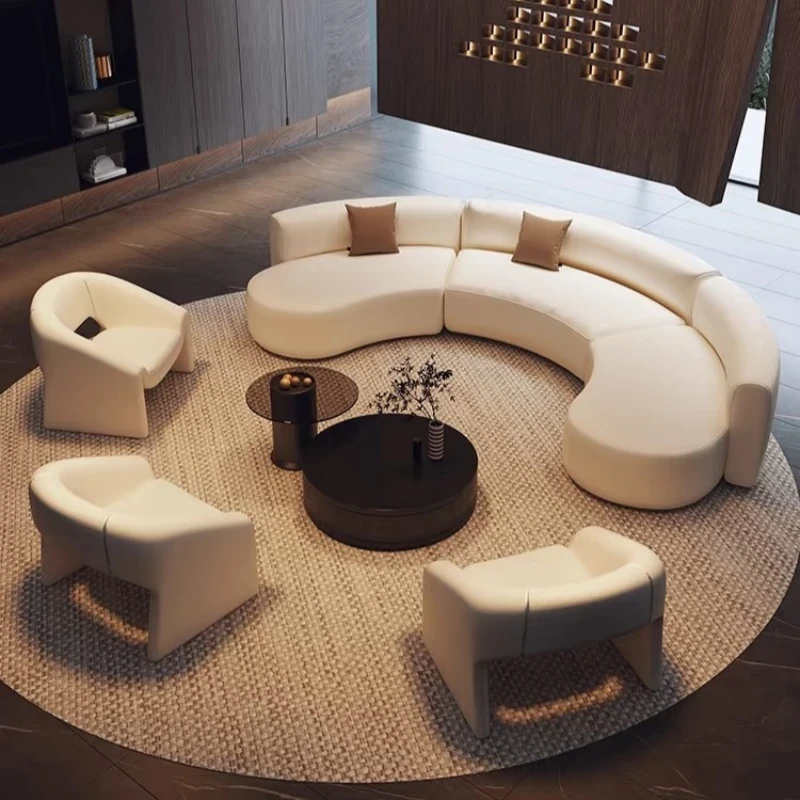
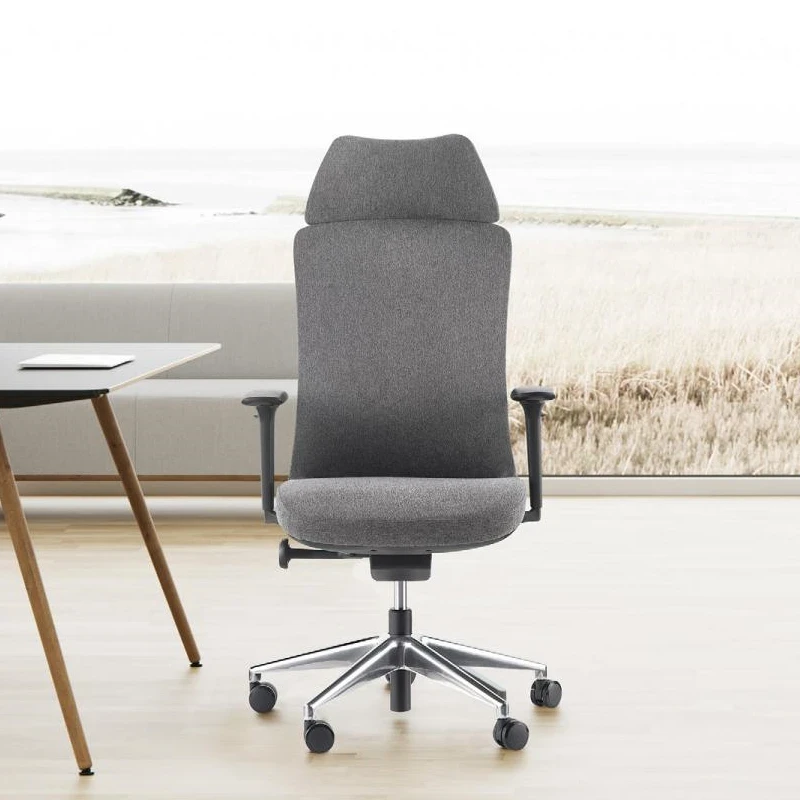


1. Define Specific Needs
Before starting to customize office furniture, it is necessary to first define the company's specific needs. This includes the layout of the office space, the number of employees, workflow, and functional requirements for the furniture. For example, is an open workbench, individual office cubicles, or special configurations such as meeting rooms and rest areas needed? Defining needs helps avoid unnecessary duplication and waste during the procurement process, thereby effectively controlling costs.
2. Develop a Detailed Budget Plan
Developing a detailed budget plan is the foundation of cost control. The budget should include the cost of furniture procurement, transportation costs, installation costs, and possible subsequent maintenance costs. Reasonable budget planning can help companies make targeted purchases and avoid overspending. At the same time, a certain amount of budget should be reserved to deal with unforeseen circumstances to ensure the smooth progress of the project.
II. Choose Suitable Materials and Design
1. Cost-Effectiveness of Material Selection
The choice of materials directly affects the quality and cost of furniture. Common office furniture materials include solid wood, metal, glass, and high-density fiberboard. Companies should choose cost-effective materials based on actual needs. For example, while solid wood furniture is durable and beautiful, it is more expensive; while high-density fiberboard has a cost advantage, it may be less durable and environmentally friendly. 1. **Comprehensive Consideration of Material Costs, Durability, and Maintenance Costs:** Select the materials best suited to the company's needs.
2. **Optimize Design to Enhance Functionality
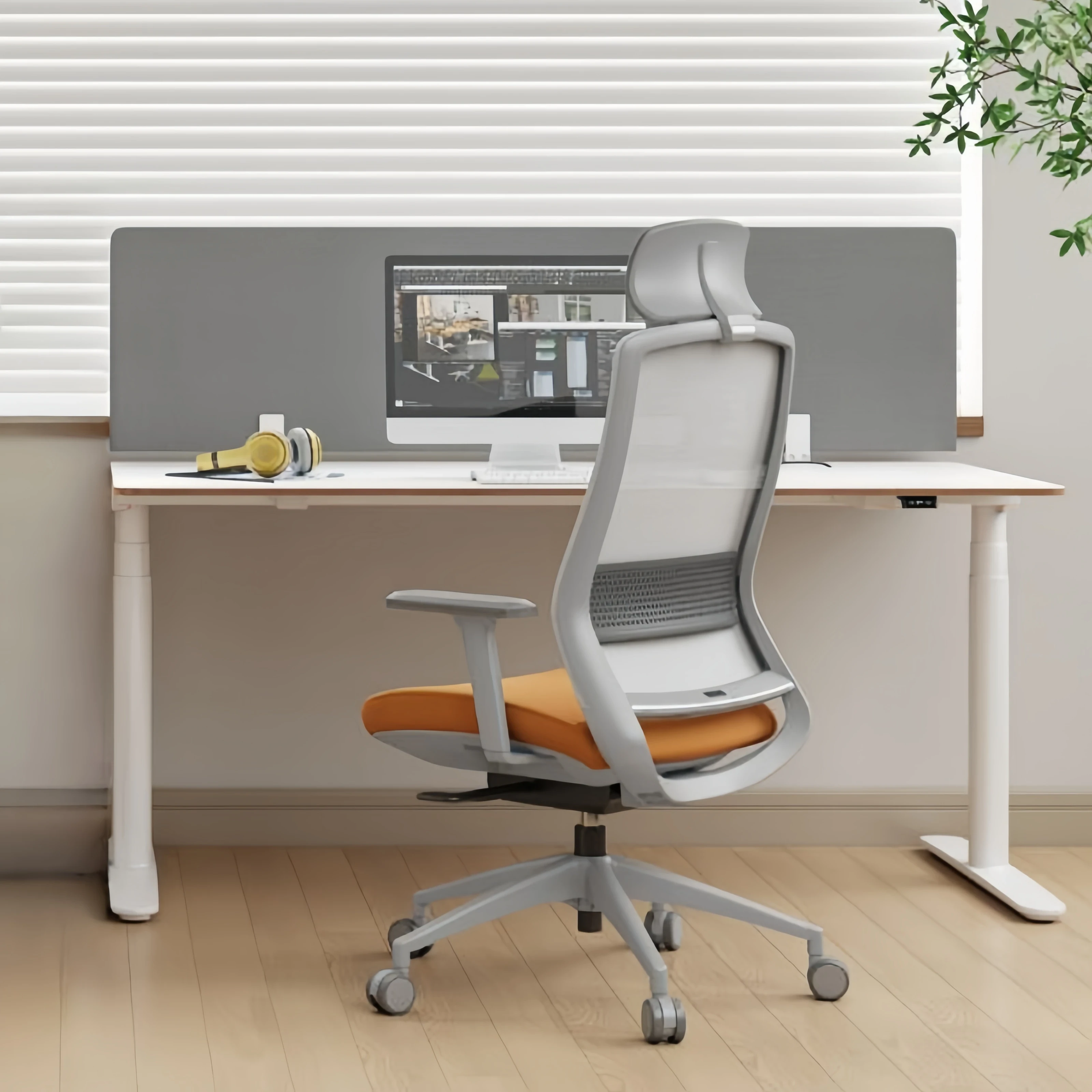
:** A well-designed furniture system not only improves practicality but also effectively utilizes office space, reducing overall costs. Design should emphasize multifunctionality and modularity, such as height-adjustable desks and multifunctional storage cabinets. Optimized design reduces the variety and quantity of furniture, thus controlling procurement costs.
III. **Selecting Reliable Suppliers:**
1. **Investigate Supplier Reputation and Qualifications:**
Choosing reputable and qualified suppliers is crucial for ensuring product quality. Companies should investigate supplier certifications, customer reviews, and success stories through multiple channels to select reputable and experienced partners. Reliable suppliers provide high-quality products and comprehensive after-sales service, reducing maintenance and replacement costs.
2. **Compare Prices and Services:**
When selecting suppliers, focus not only on price but also on the services offered, such as customization capabilities, delivery time, installation services, and after-sales support. Comparing multiple suppliers allows for cost-effectiveness selection, ensuring product quality while controlling costs.
IV. Implement Strict Quality Control
1. Establish Quality Standards and Testing Procedures
During the customization process, companies should develop detailed quality standards and communicate them clearly with suppliers. Establish strict testing procedures, including material testing, production process monitoring, and finished product acceptance, to ensure that every piece of furniture meets the expected quality requirements. Conduct regular quality inspections to promptly identify and resolve problems, avoiding additional costs due to quality issues.
2. Improve Acceptance and Feedback Mechanisms
After furniture delivery and installation, companies should conduct comprehensive acceptance, including appearance inspection, functional testing, and safety assessment. Establish a sound feedback mechanism to promptly provide suppliers with feedback on problems encountered during use and suggestions for improvement, promoting continuous improvement in product quality and service levels. V.
Consider Long-Term Maintenance and Usage Costs
1. Choose Easy-to-Maintain Materials and Designs
When selecting office furniture, ease of maintenance and upkeep should be considered. Materials that are easy to clean and maintain not only extend the lifespan of the furniture but also reduce the company's operating costs. For example, choosing stain-resistant and wear-resistant desktop materials, or designing furniture that is easy to disassemble and replace parts, helps reduce long-term maintenance costs.
2. Assess Furniture Durability and Lifespan
High-quality office furniture typically has a longer lifespan, reducing replacement frequency and related costs. When planning a budget, companies should comprehensively consider both the initial procurement cost and long-term usage cost of furniture, selecting products with a high overall cost-performance ratio to achieve optimal cost allocation.
VI. Improving Efficiency Through Technology and Innovation
1. Digital Procurement and Management
Utilizing digital procurement tools and management software can improve procurement efficiency and reduce labor costs. These tools also help companies better track procurement progress and budget usage, allowing for timely adjustments to procurement strategies and avoiding overspending.
2. Innovative Design and New Material Application
Focusing on innovation in furniture design and materials can lead to more cost-effective and high-quality solutions. The application of new materials and technologies can typically reduce production costs while maintaining quality. For example, using environmentally friendly materials not only aligns with corporate social responsibility but also enhances the company's image, bringing more benefits for long-term development.
VII. Establishing Long-Term Partnerships
1. Obtaining Preferential Treatment Through Long-Term Cooperation
Establishing long-term partnerships with high-quality suppliers can secure more price discounts and priority services in future procurement. Furthermore, long-term cooperation helps suppliers better understand the company's needs, providing more precise and efficient customized services.
2. Joint Development and Innovation
Close collaboration with suppliers to jointly develop new products and solutions can achieve a win-win situation. Combining supplier expertise with a company's actual needs enables the development of high-quality products that better meet market demands, while simultaneously optimizing cost structures and enhancing overall competitiveness.
VIII. Comprehensive Cost-Effectiveness and Return on Investment Assessment
1. Comprehensive Cost-Effectiveness Assessment
When assessing the cost-effectiveness of office furniture, it's crucial to consider not only initial purchase costs but also the furniture's lifespan, maintenance costs, aesthetic design, and its impact on the company's overall image. A comprehensive cost-effectiveness assessment helps companies make more informed purchasing decisions.
2. ROI Analysis
Through ROI analysis, the actual contribution of office furniture to the company's operations is evaluated. High-quality office furniture can improve employee productivity and satisfaction, reduce inconvenience and expenses caused by furniture issues, and enhance the company's professional image, thereby achieving higher long-term benefits.
Conclusion
In the process of customizing commercial office furniture, company managers need to comprehensively consider multiple aspects, including demand planning, material selection, supplier screening, quality control, maintenance costs, technology application, and long-term cooperation, to effectively control the budget while ensuring product quality. Through scientific planning and management, companies can not only optimize their office environment but also improve overall operational efficiency and market competitiveness. Ultimately, reasonable budget control and investment in high-quality office furniture will provide solid support for the long-term development of enterprises.