
 USD
USD GBP
GBP
 EUR
EUR
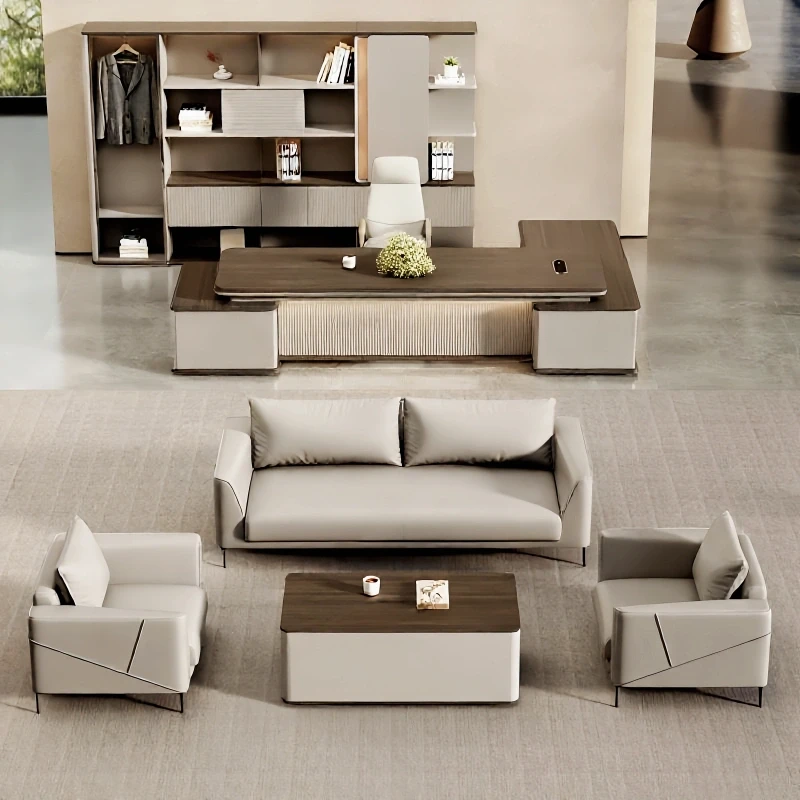
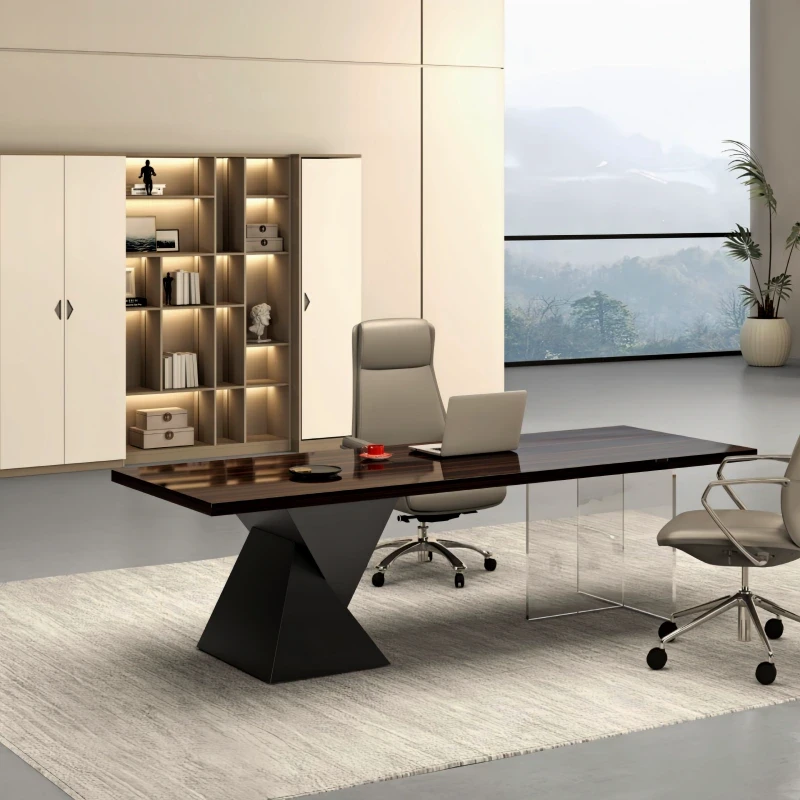


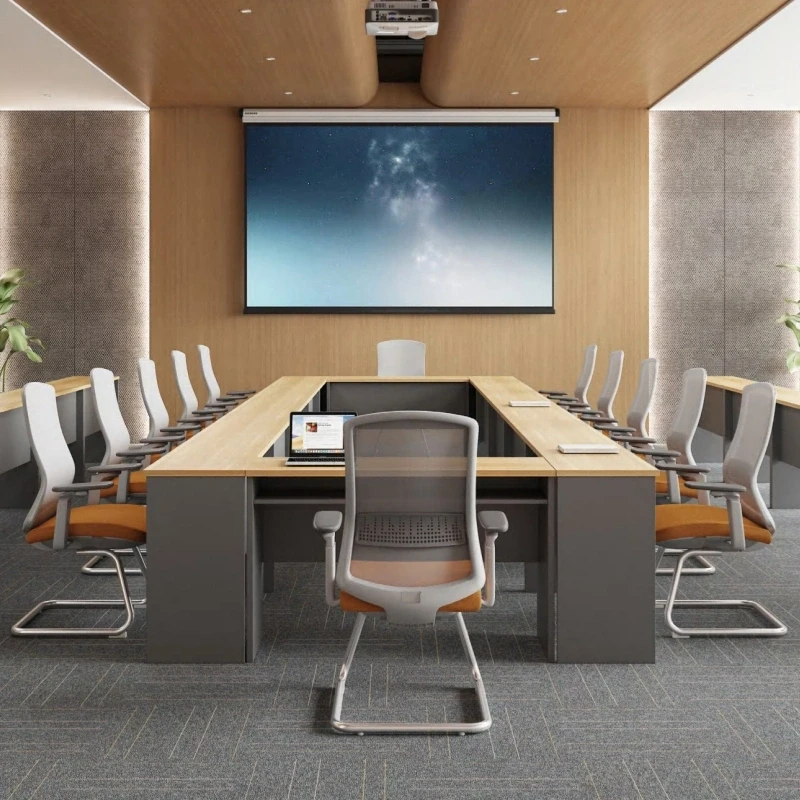
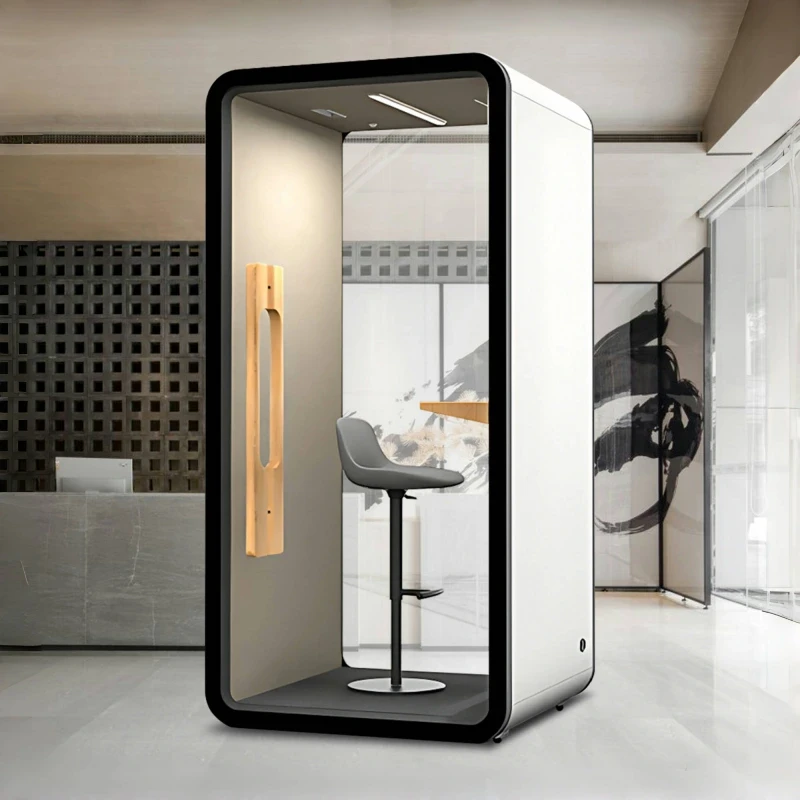
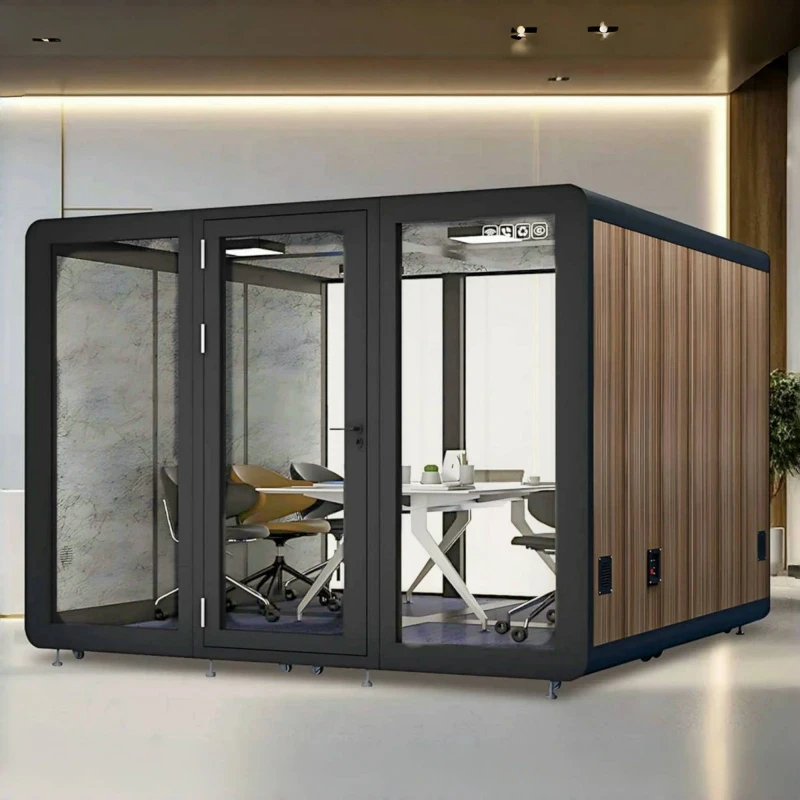
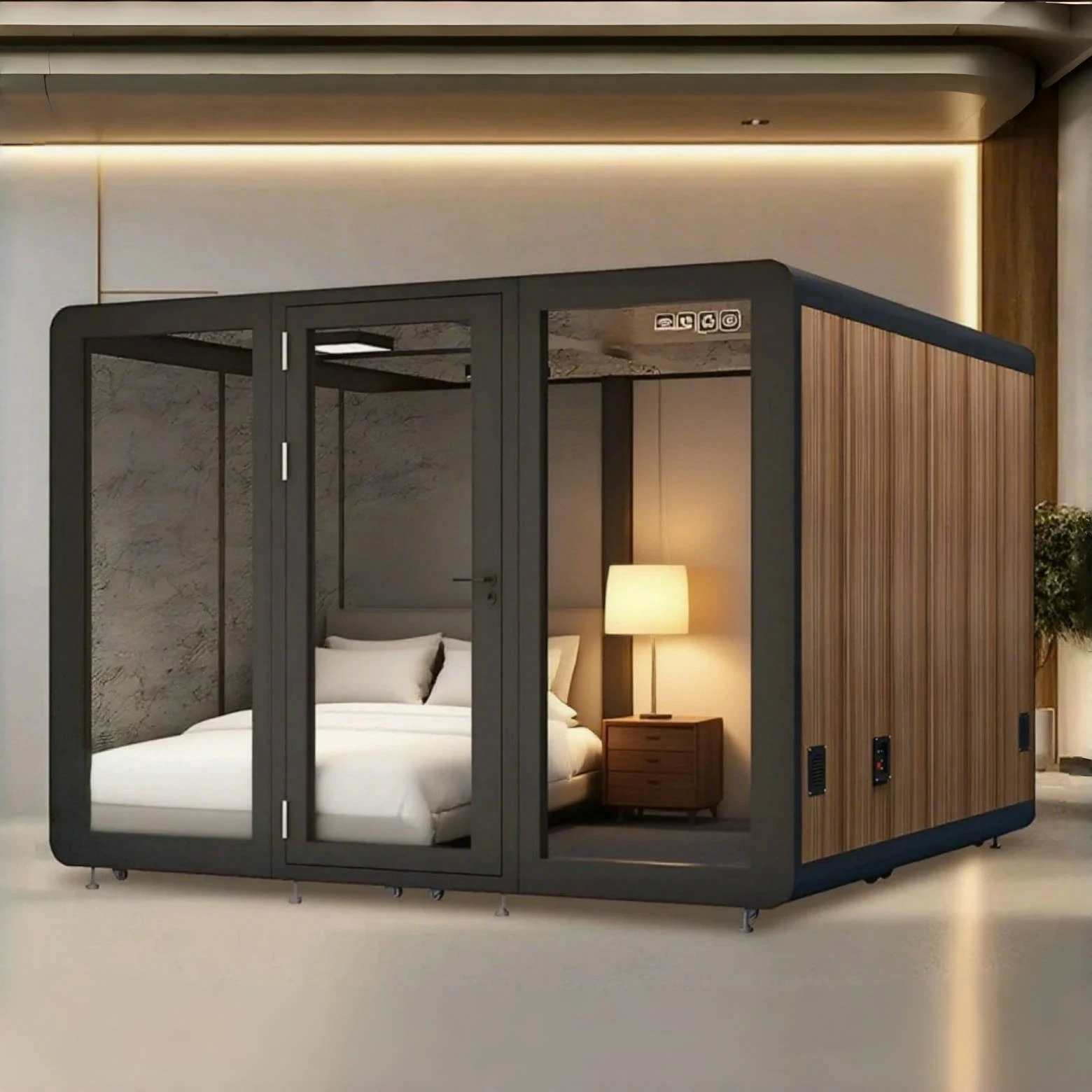




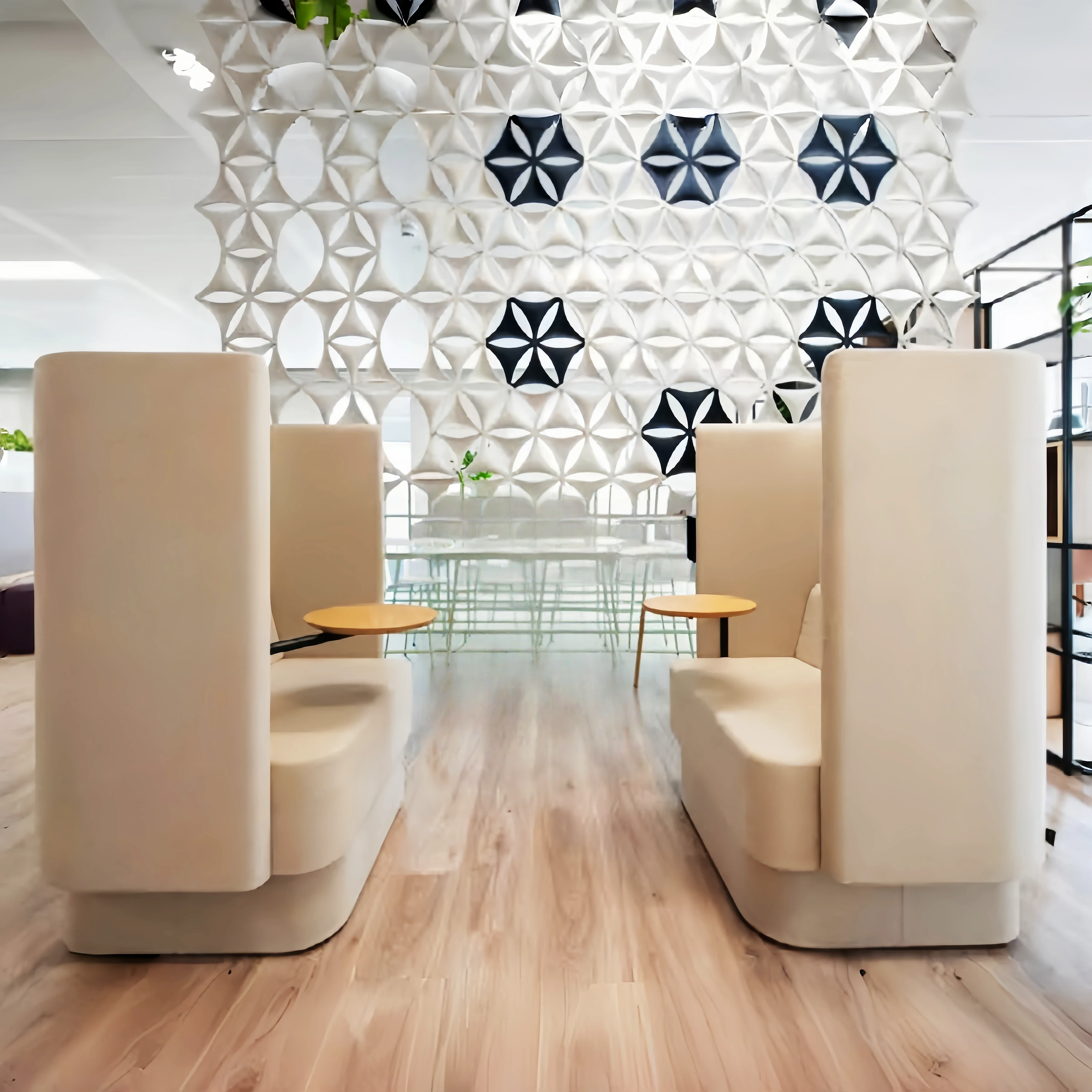

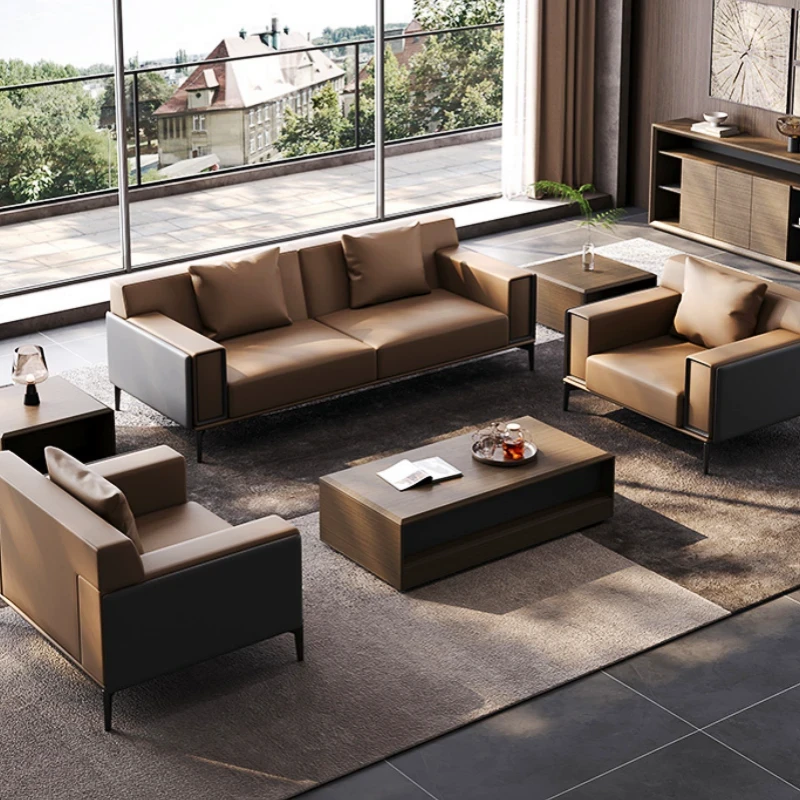
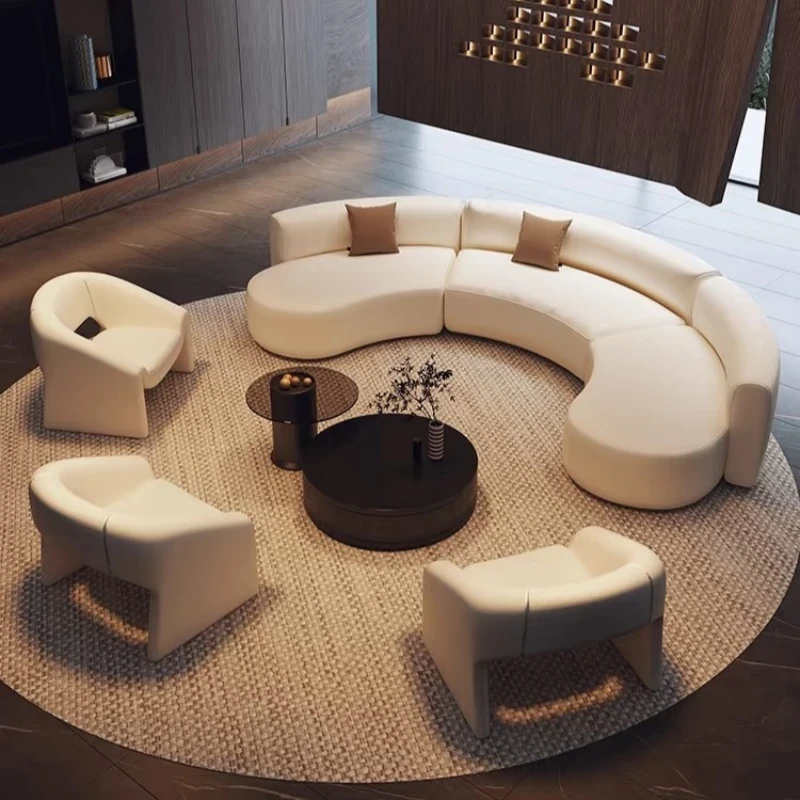
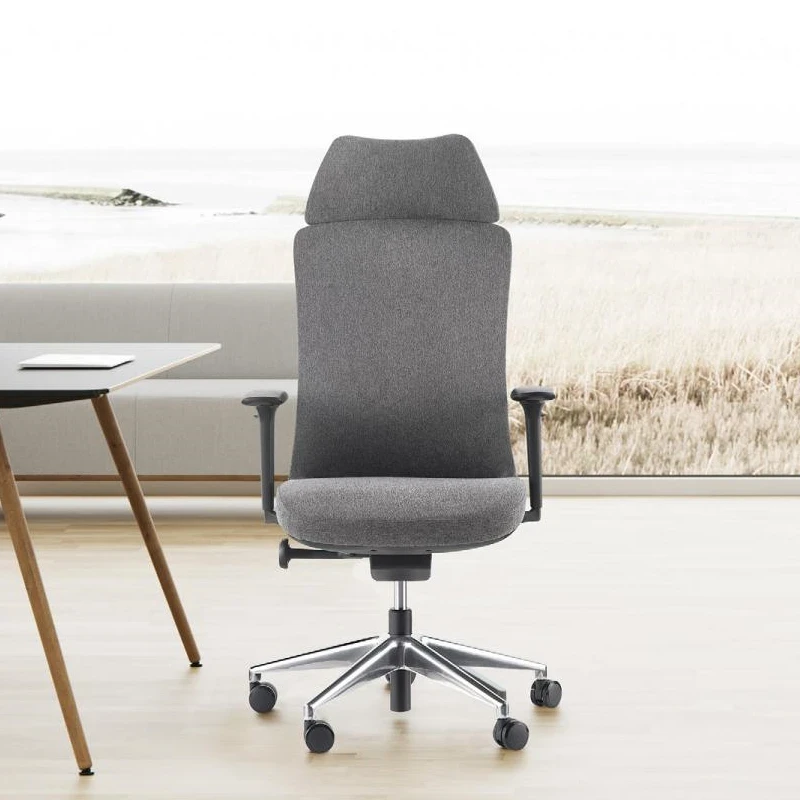


1. Determine the Meeting Type
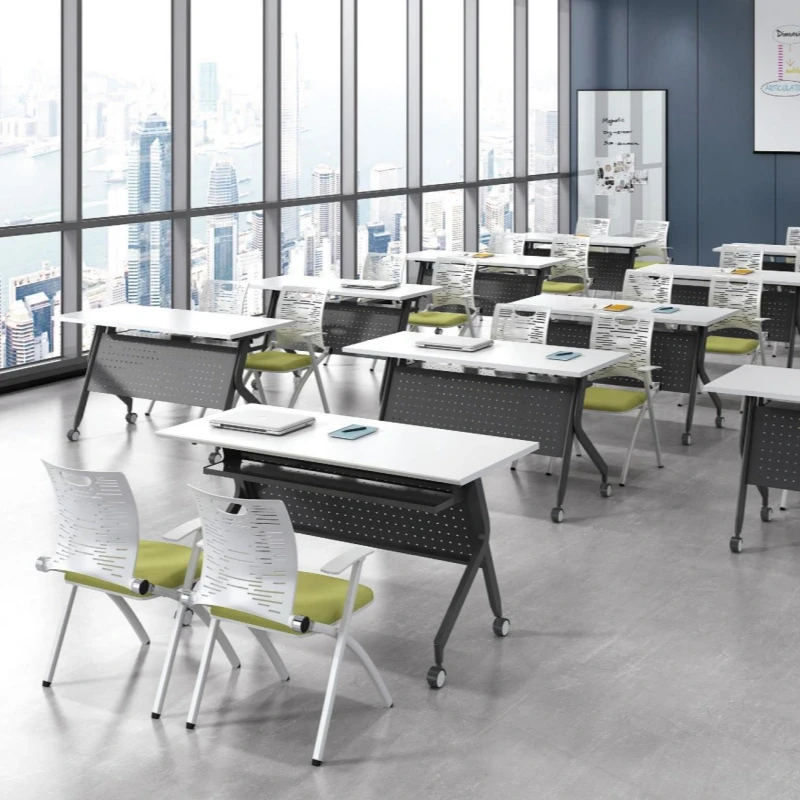
Different types of meetings have different furniture requirements. For example, board meetings require large tables and comfortable chairs for extended discussions and decision-making; while training or seminars may require flexible chairs and movable tables for group activities. Therefore, the primary purpose of the meeting room should be clearly defined first, followed by the basic furniture configuration.
2. Consider the Number of Attendees
The selection of meeting room furniture should be based on the expected maximum number of attendees. Too many or too few chairs and tables will affect the overall effectiveness of the meeting. A reasonable configuration of chairs and tables not only improves space utilization but also ensures the comfort of each attendee.
II. Emphasize Ergonomic Design
1. Chair Comfort
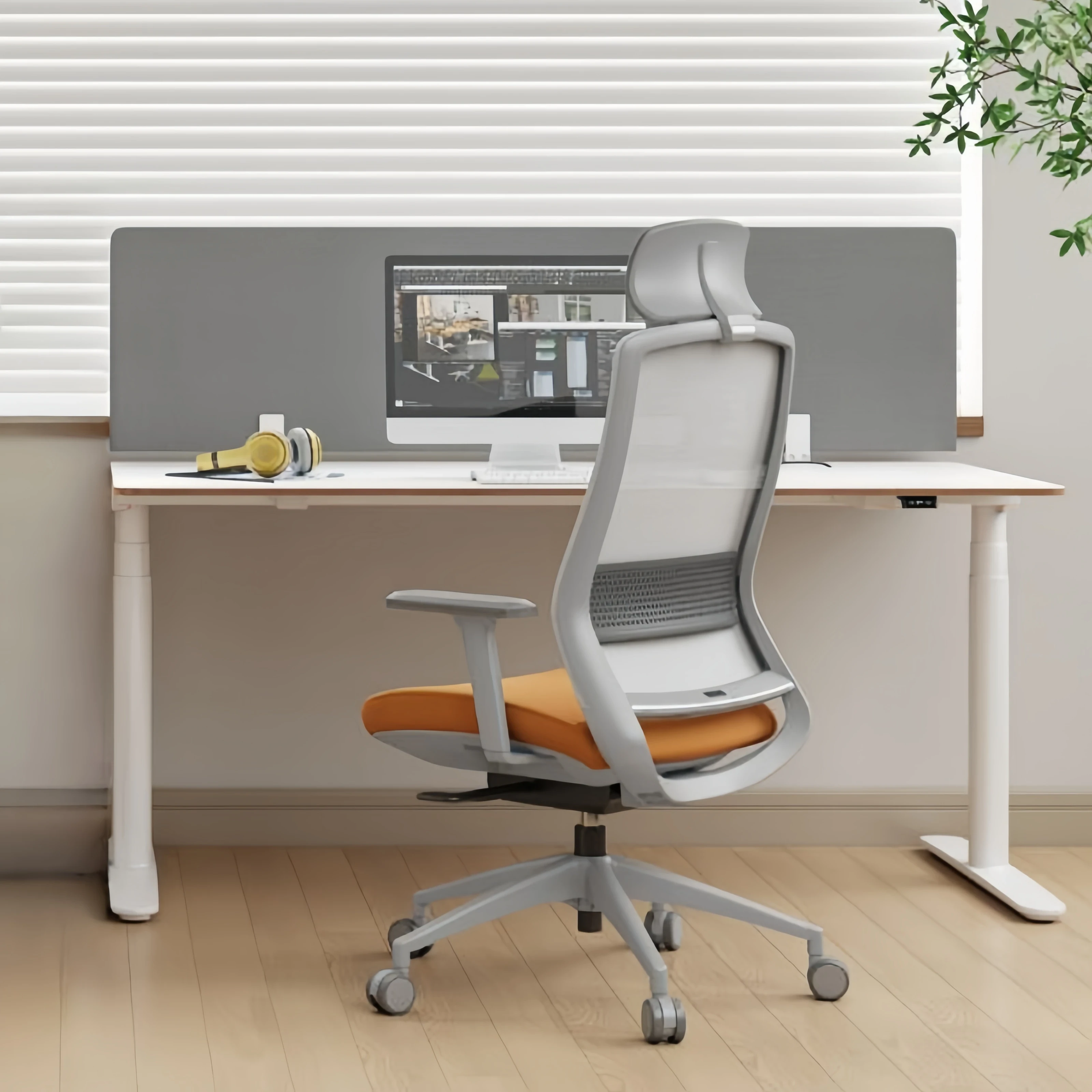
Long meetings can easily lead to attendee fatigue; therefore, choosing ergonomic chairs is crucial. Chairs should have good back support, a suitable seat height, and adjustability to accommodate users of different heights and body types.
2. Table Height and Space
The height of the table should conform to ergonomic standards to ensure the comfort of attendees when writing or using computers. At the same time, sufficient space should be left between tables to facilitate movement and equipment placement, avoiding unnecessary crowding and inconvenience during the meeting.
III. Functionality and Diversity
1. Adjustable and Modular Design
To adapt to the needs of different types of meetings, choosing height-adjustable, swivel tables and chairs, as well as modularly designed furniture, can greatly enhance the flexibility and adaptability of the meeting room. For example, movable tables and chairs facilitate quick adjustments to the meeting layout to suit the needs of meetings of different sizes and formats.
2. Integrated Technology Equipment
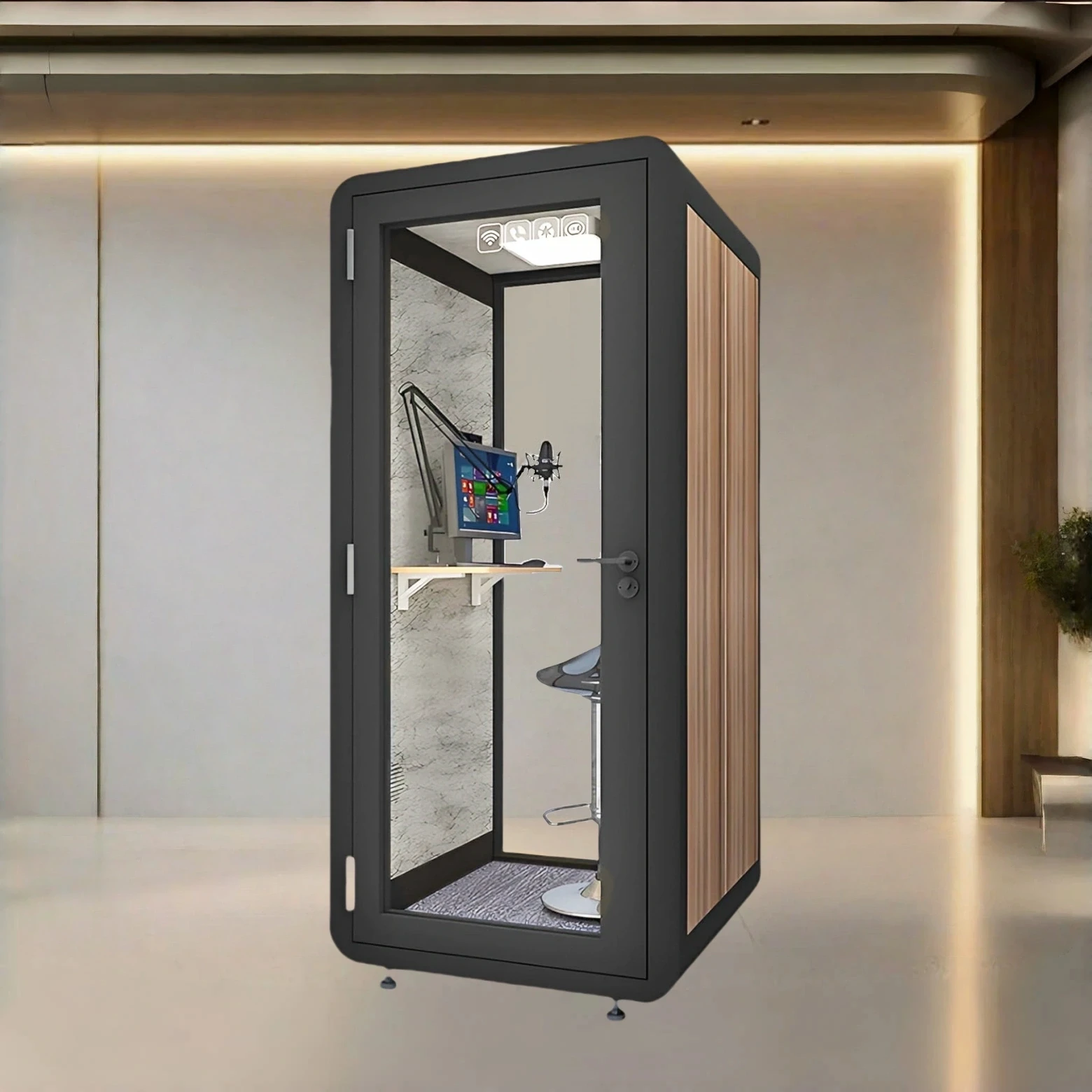
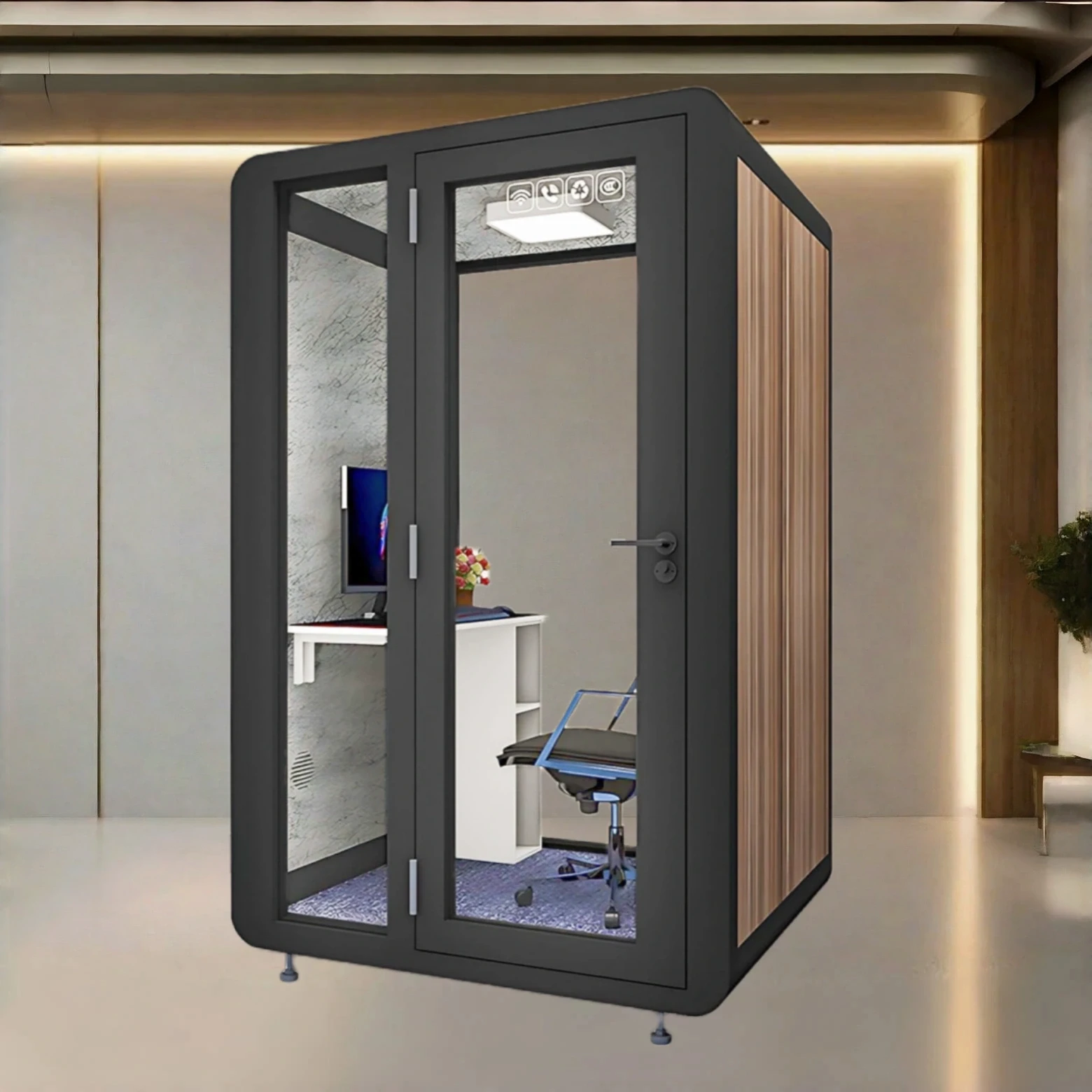
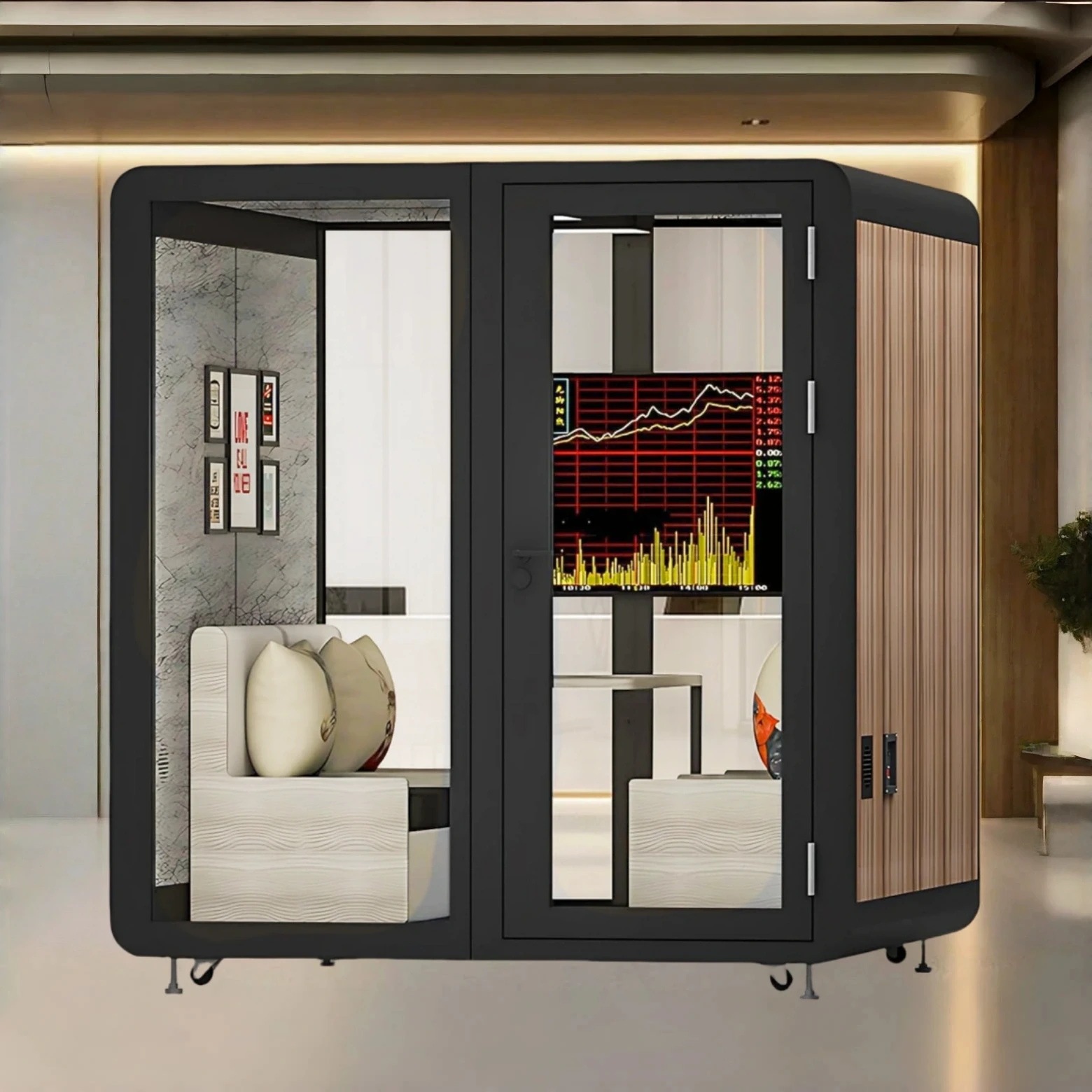
Modern meeting rooms often require the integration of various technological equipment, such as power outlets, data interfaces, wireless charging, and display screen mounting brackets. When customizing furniture, considering integrating these functions can reduce clutter during meetings and enhance the technological feel and convenience of the meeting.
IV. Aesthetics and Brand Consistency
1. Color and Style
The design of meeting room furniture should be consistent with the company's overall brand image and office environment style. Choosing colors that coordinate with the company's logo colors, or adopting modern minimalist, classic, and elegant styles, can enhance the professionalism and unity of the corporate image.
2. Materials and Texture
Choosing high-quality, durable, and easy-to-maintain materials not only enhances the overall aesthetics of the meeting room but also extends the lifespan of the furniture. For example, furniture made of wood, metal, or glass can bring different textures and atmospheres to the space, meeting different design needs.
V. Space Optimization and Layout Design
1. Space Utilization:
Making the most of space is key in the process of customizing conference room furniture. Choosing compact, foldable, or stackable furniture can save space when not in use and improve the flexibility of the conference room.
2. Flow Design:
Ensure that the furniture layout in the conference room is reasonable, allowing participants to move freely during the meeting and avoiding obstruction of entrances and exits. A well-designed conference room not only enhances the meeting experience but also ensures safety in emergencies.
VI. Sustainability and Environmental Considerations
1. Environmentally Friendly Materials:
Choosing environmentally friendly and renewable materials for furniture customization not only aligns with the sustainable development concept of modern enterprises but also enhances the company's social responsibility image. For example, using FSC-certified wood or low-VOC emission materials is both environmentally friendly and healthy.
2. Sustainable Design
: Designing furniture with long-term usability and adaptability can reduce resource waste and costs associated with frequent furniture replacements. Modular and upgradeable furniture designs are not only economical but also adaptable to the changing needs of business development.
VII. Budget and Cost Control
1. Budget Planning:
Before customizing conference room furniture, develop a detailed budget plan to clarify the reasonable range of various expenditures. 1. **Select appropriate materials, designs, and functions based on budget to ensure optimal results within an affordable range.**
2. **Cost-Benefit Analysis:
** When selecting furniture, consider not only initial costs but also the furniture's lifespan, maintenance costs, and potential added value. Cost-benefit analysis allows for the selection of the most cost-effective furniture, ensuring a long-term return on investment.
VIII. **Supplier Selection and Cooperation:
** 1. **Selecting Professional Suppliers:
** Choosing experienced and reputable furniture suppliers is crucial for ensuring the quality of customized furniture. Review supplier case studies, customer reviews, and after-sales service to identify reliable partners.
2. **Customization Services and Communication
:** Maintain good communication with suppliers throughout the customization process, clarifying needs and expectations to ensure the final product meets actual usage requirements. Regularly monitor production progress and promptly resolve any issues to ensure smooth completion of the customization process.
Conclusion:**
Customizing conference room furniture is not merely a simple configuration of space; it's a comprehensive consideration of corporate image, meeting efficiency, and participant experience. By clarifying needs, focusing on ergonomics, balancing functionality and aesthetics, optimizing spatial layout, prioritizing sustainability, and controlling the budget, companies can make informed choices in conference room furniture customization, creating efficient, comfortable, and brand-characteristic meeting spaces. Ultimately, this will help enhance the company's overall image and competitiveness, providing solid support for the company's long-term development.