
 USD
USD GBP
GBP
 EUR
EUR
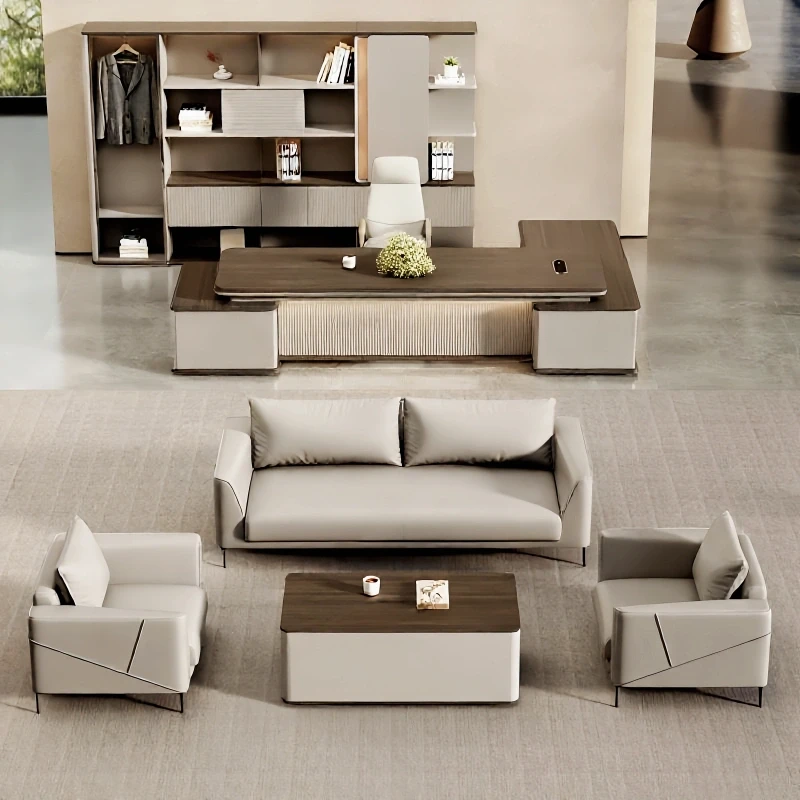
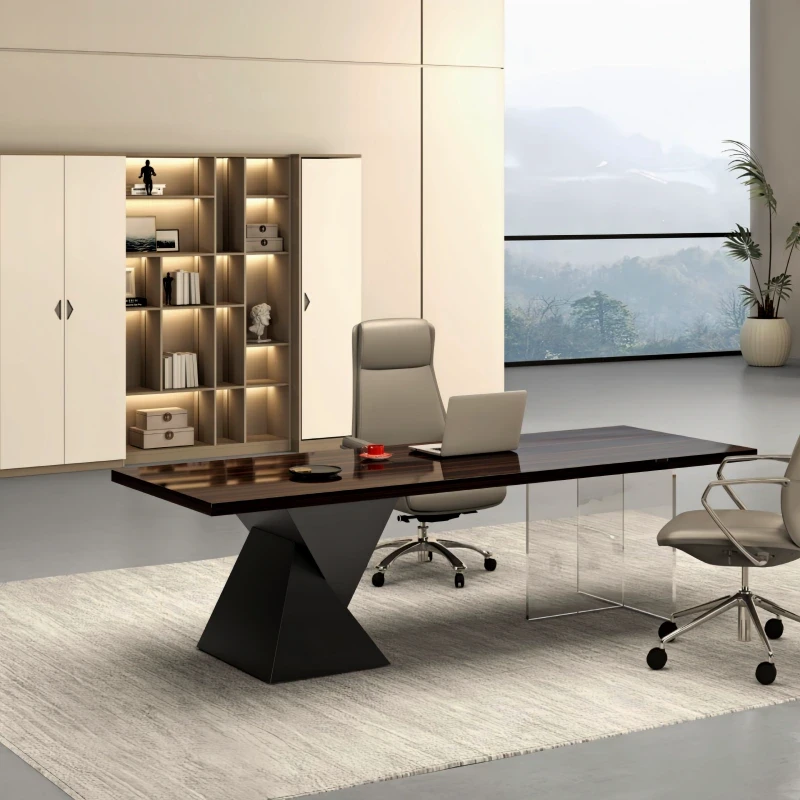


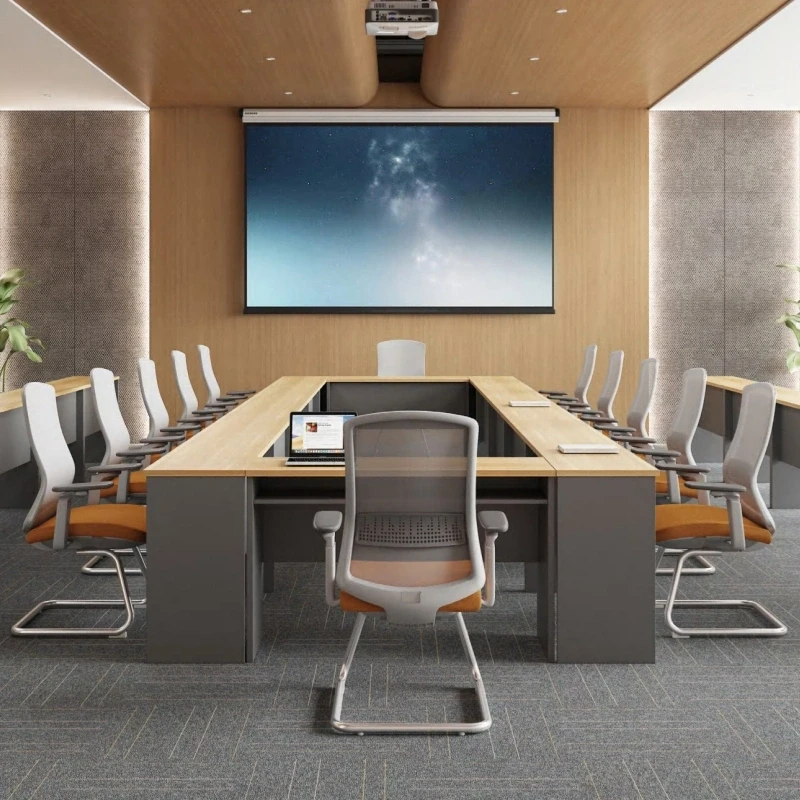
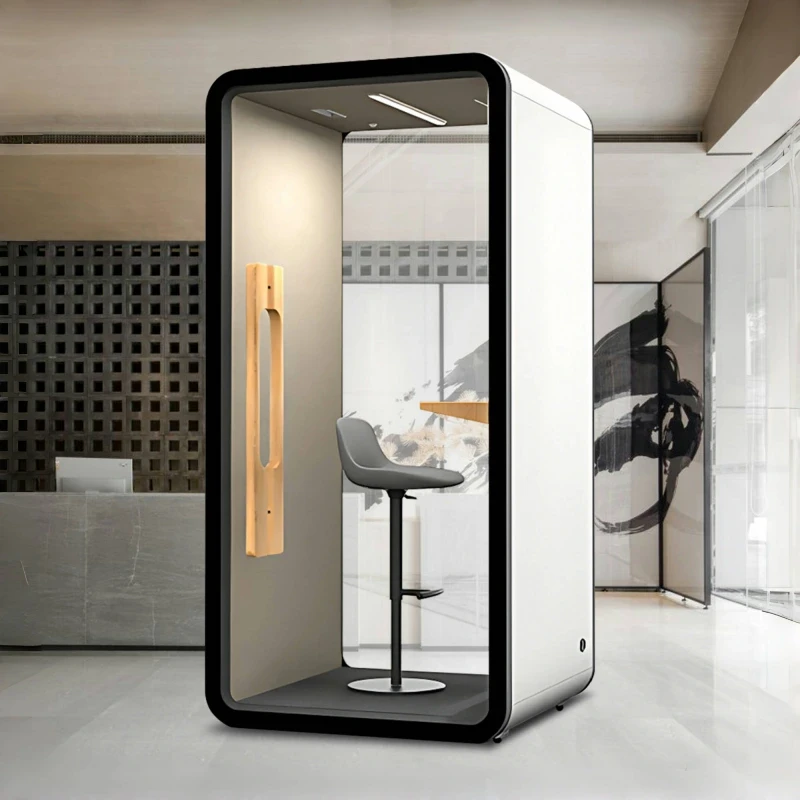
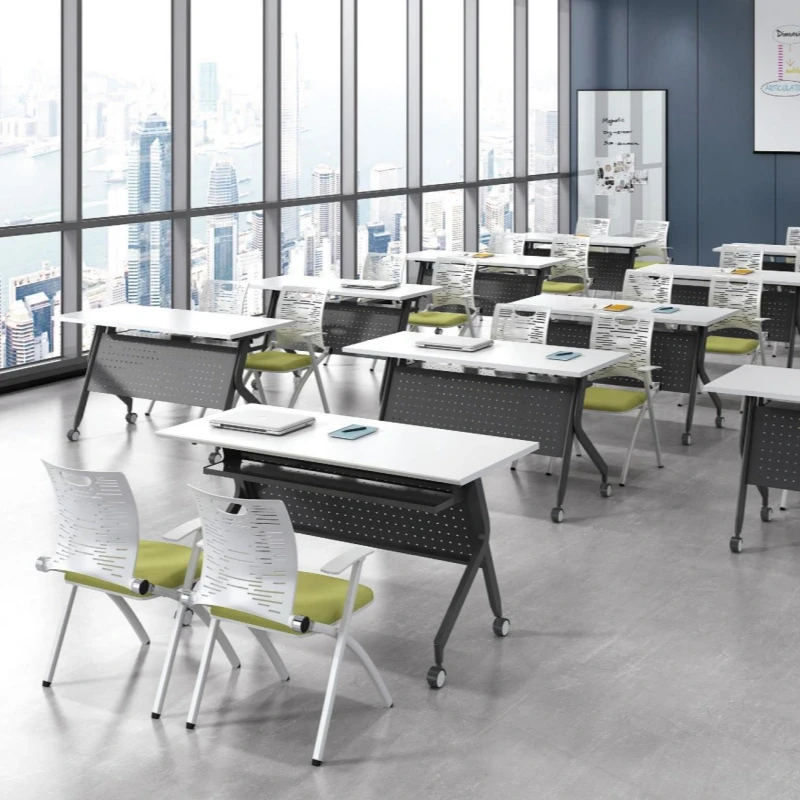
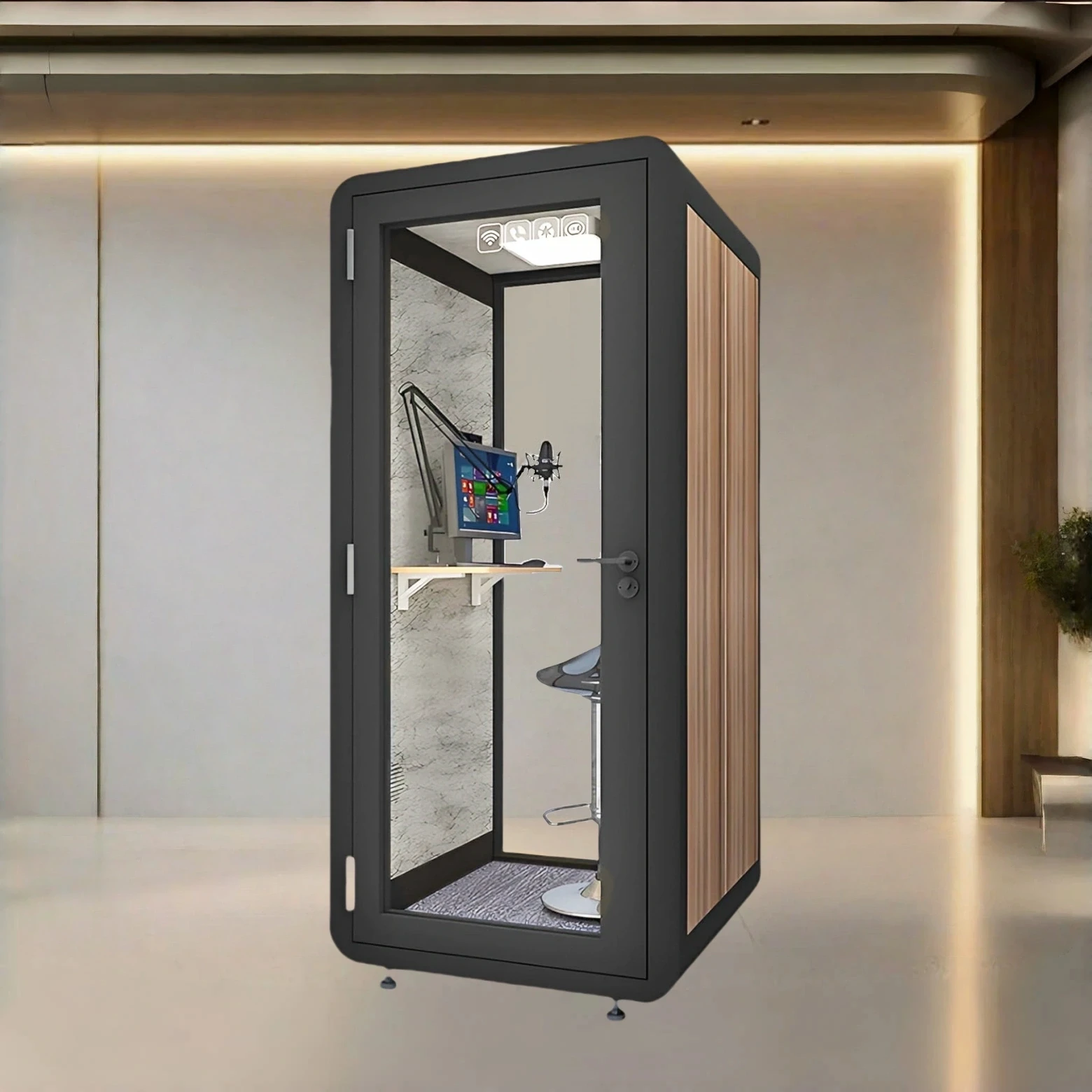
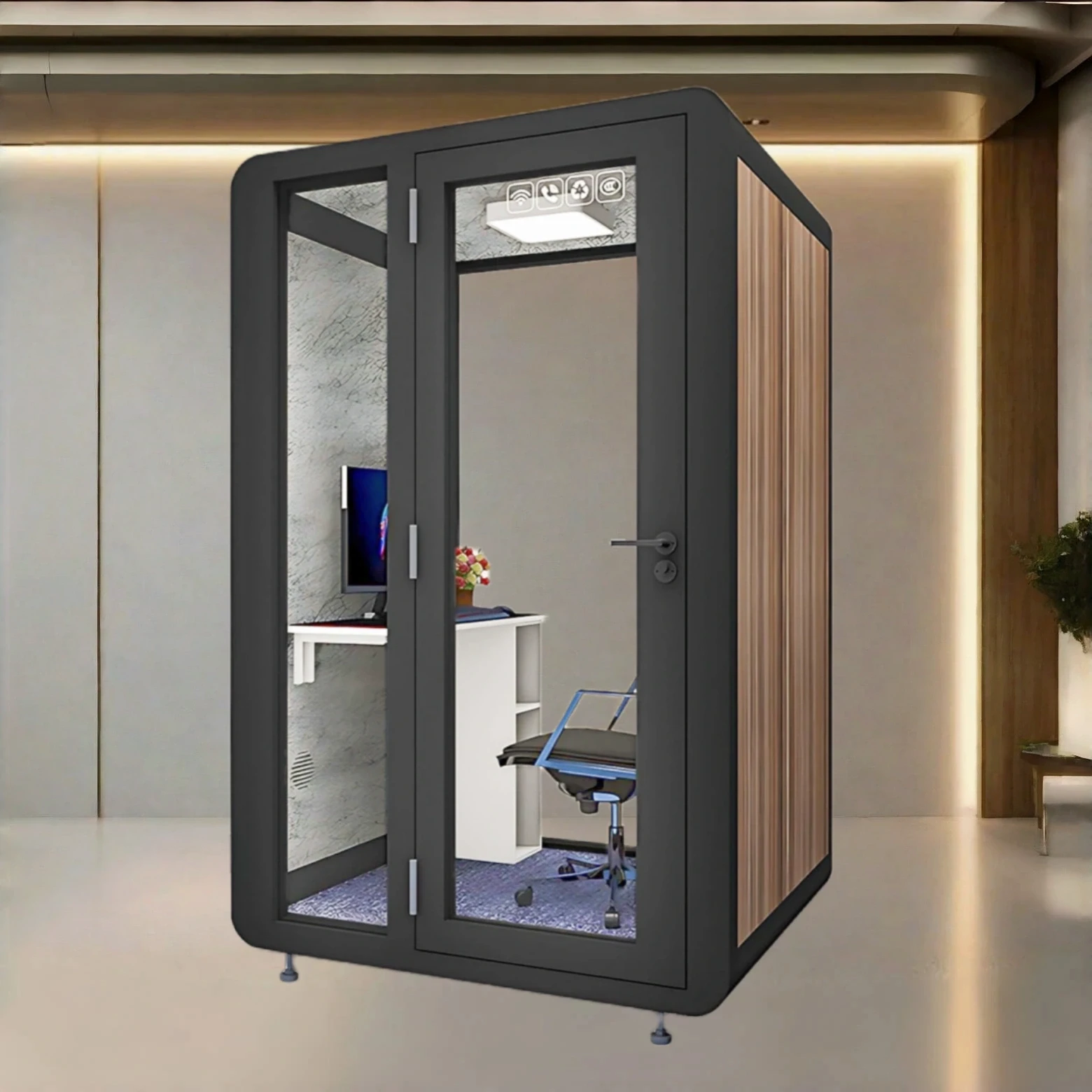
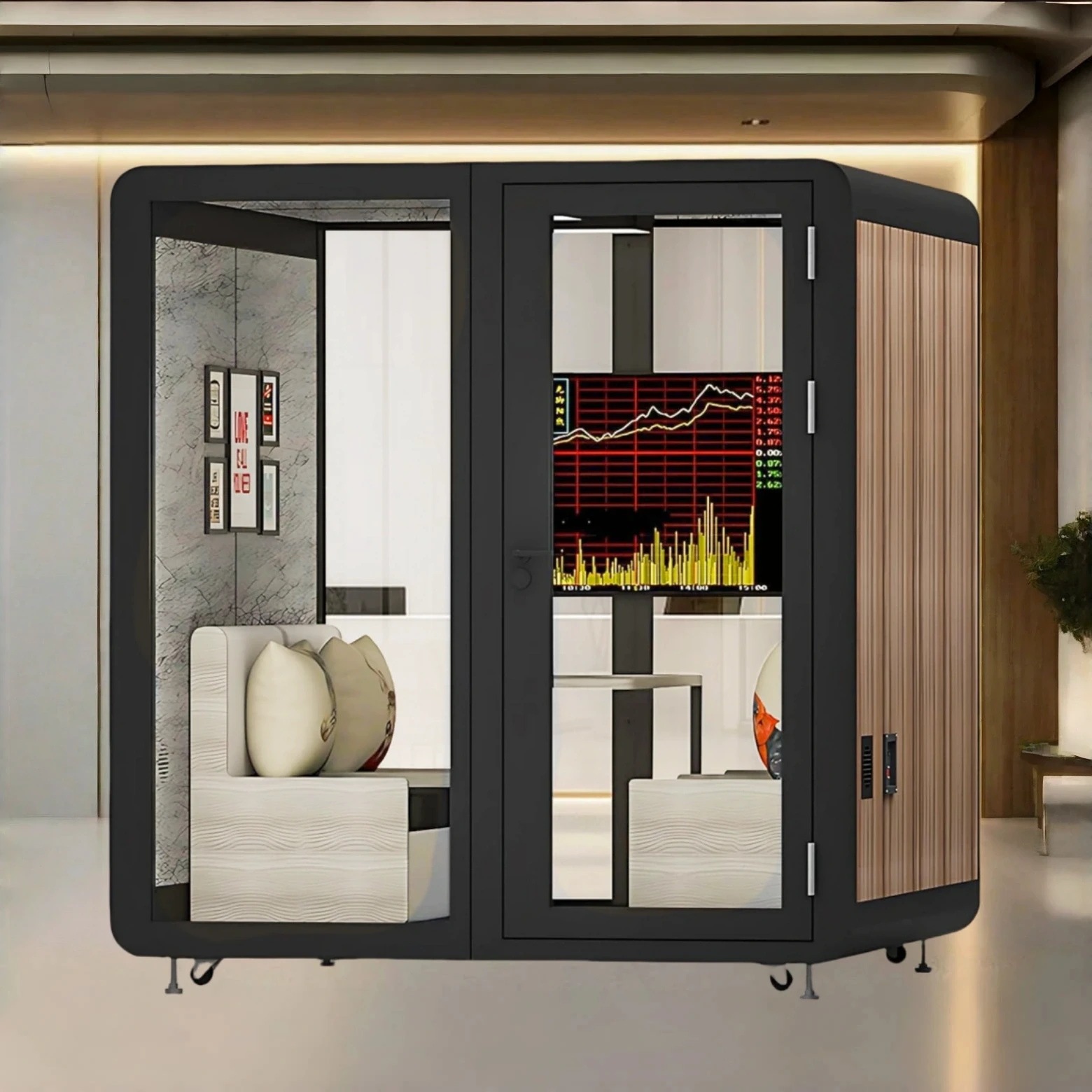
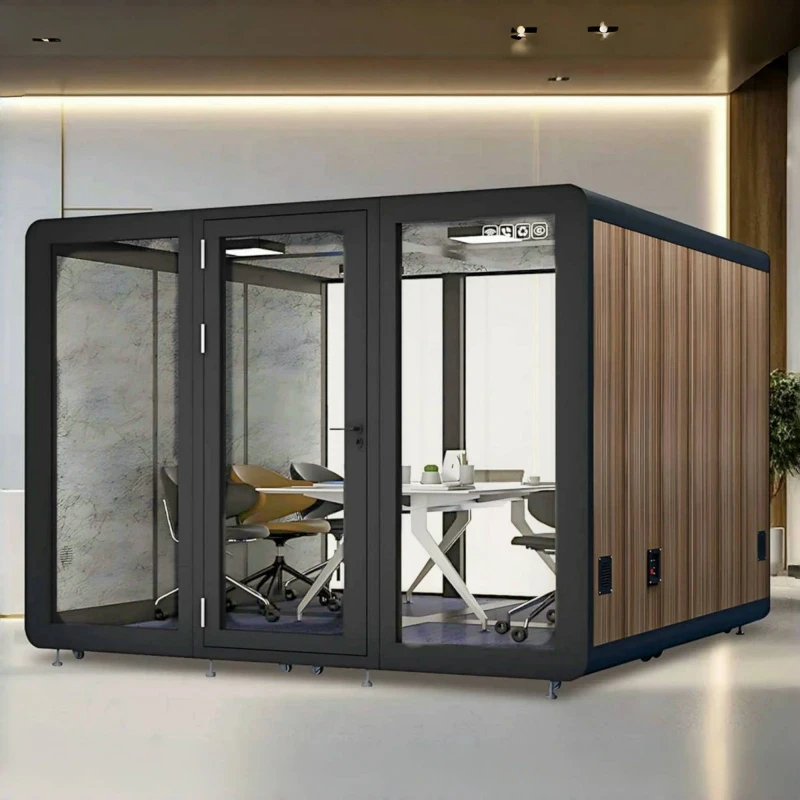
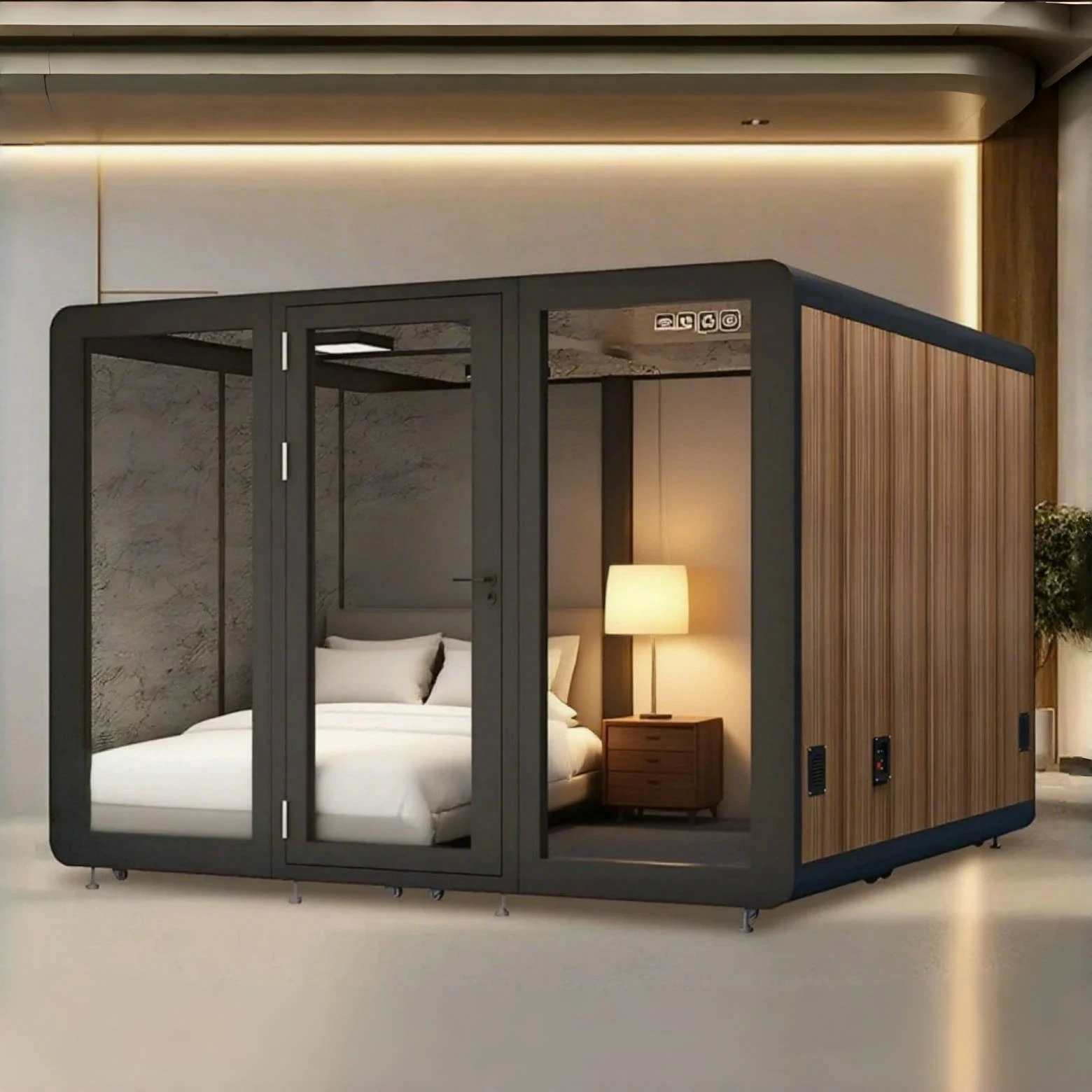


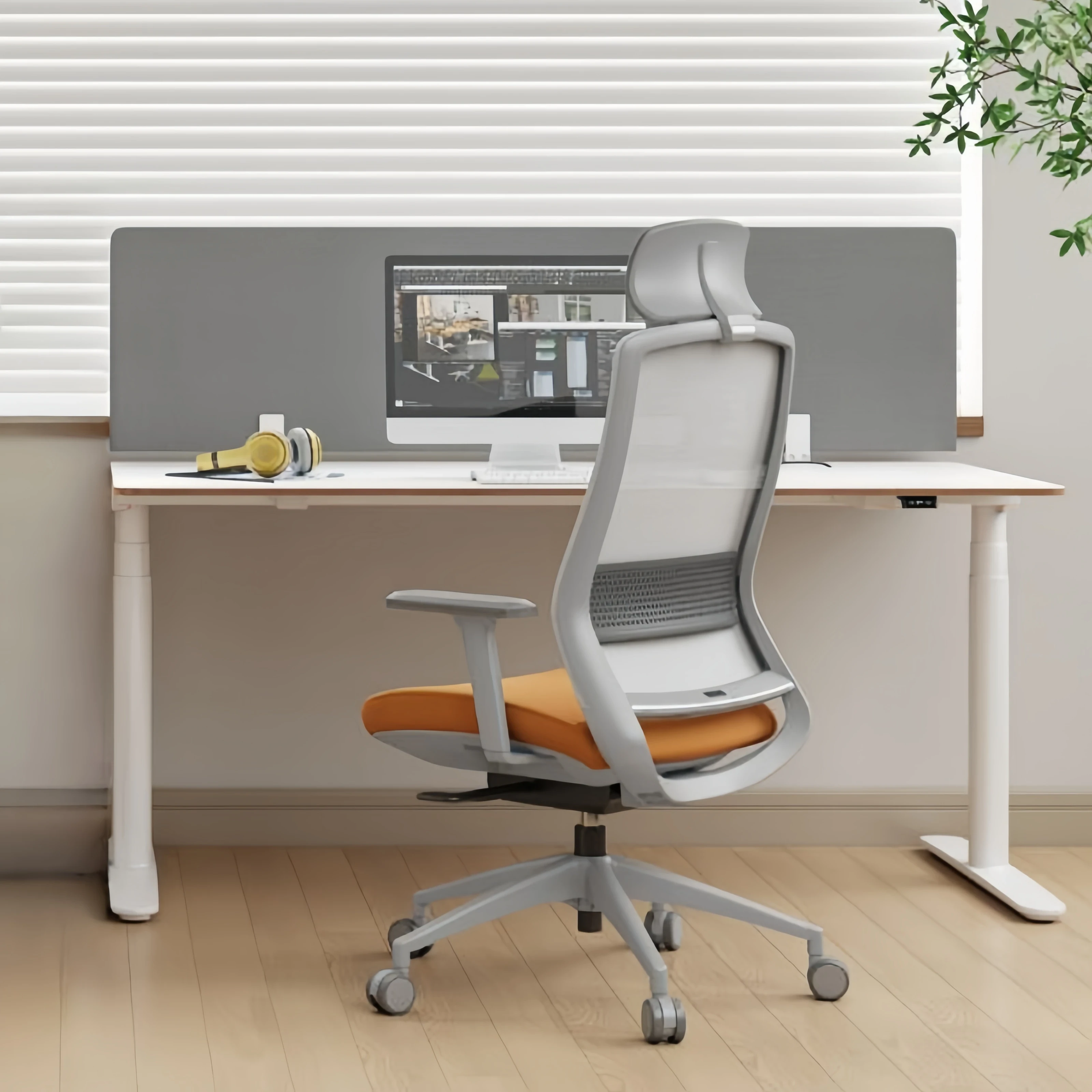




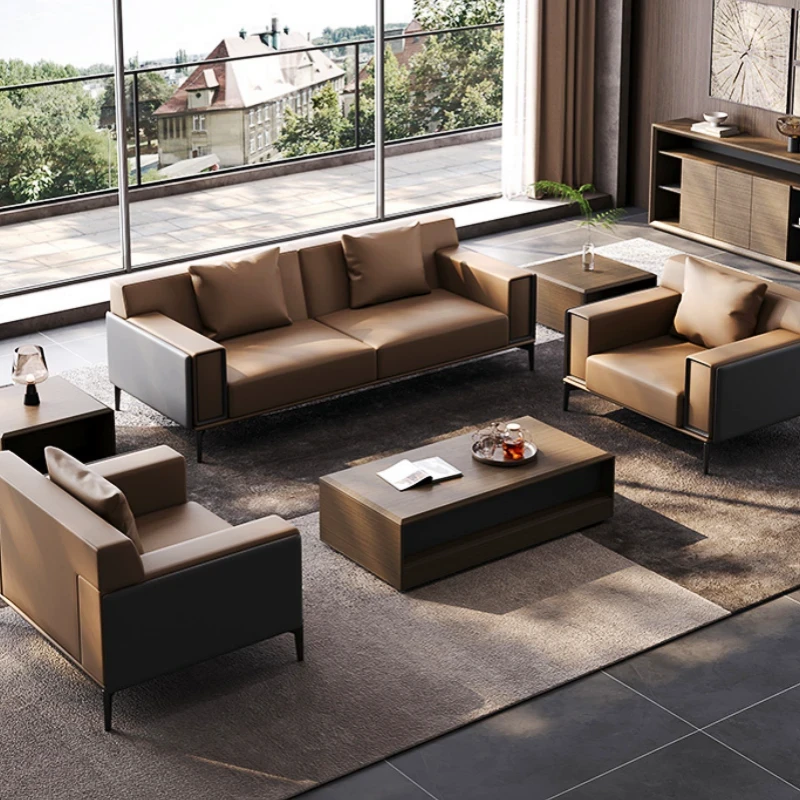
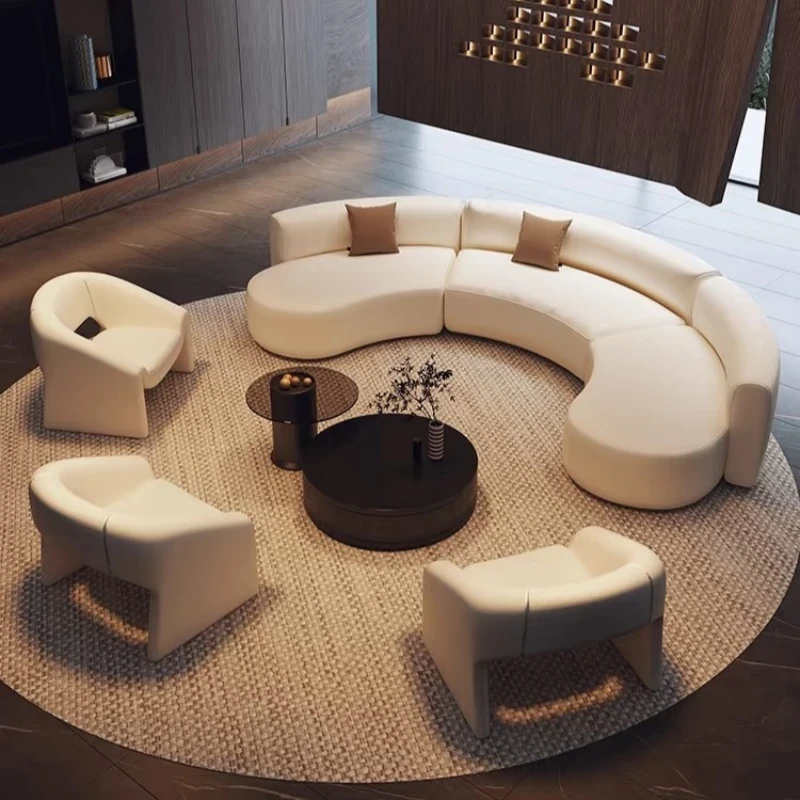
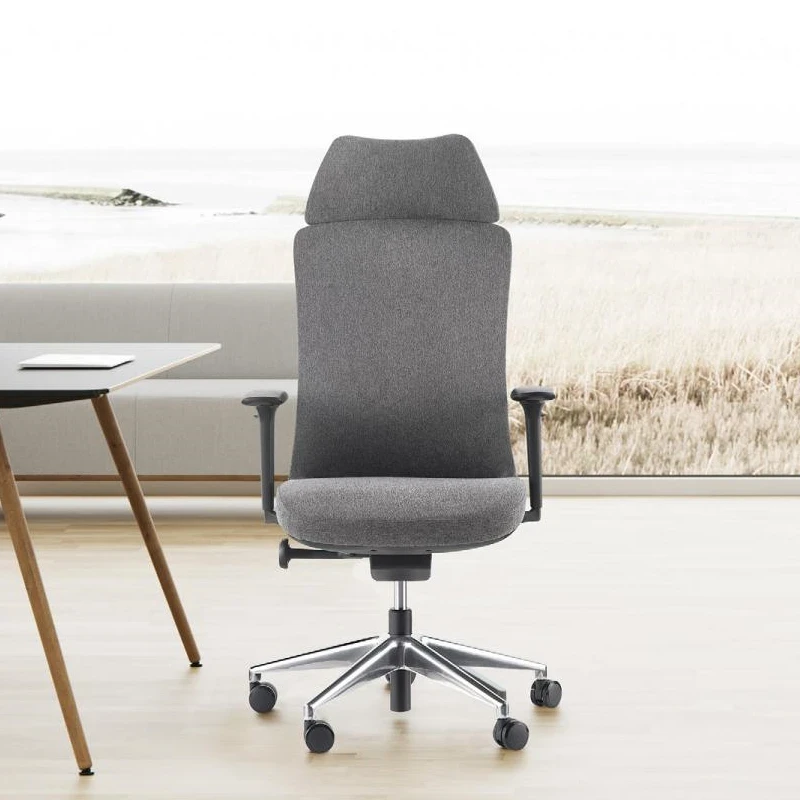


Office furniture has a longer lifespan compared to other office stationery items. Most customers only buy it every few years, and it's not necessarily handled by a dedicated person or even a professional. Therefore, there's not much expertise or experience involved. When amateurs act as professional judges, many purchasing mistakes are bound to occur. The editor of Henan Huadu Times Furniture has listed these mistakes one by one for your reference.
1. Overemphasis on low prices
Price, value, and cost are usually closely linked. Office furniture that is too cheap is typically low-cost and of poor quality, generally with inferior appearance and design, and little to no cultural value. Experienced buyers know that you get what you pay for; buying excessively cheap products often leads to many unforeseen problems, resulting in post-purchase regret. For most companies, a 10-20% difference in total cost is not a significant issue.
2. Buy brand names
Buying brand-name furniture isn't usually a mistake, but when purchasing in large quantities, it's important to be mindful of your budget. Brand-name furniture (especially imported furniture) is significantly more expensive than ordinary high-quality domestic furniture, ranging from 50-100% to 200-300%. A considerable amount of money is spent on brand promotion for brand-name furniture; furthermore, the perceived quality of a brand is often only discernible through subtle details that can be identified by professionals. In fact, strictly speaking, a brand is not the same as design. A brand company may have good designers, but that doesn't mean every designer is excellent, nor does it guarantee a perfect design for every project.
3. Overemphasis on company size
Scale only indicates strong production capacity, not necessarily good quality or strong design capabilities. In a sense, scale is contradictory to personalization and cultural value. Italian furniture is world-renowned, yet Italian furniture companies are generally small; many famous companies have only a few dozen employees. Italian furniture is famous for its design, not its size. Conversely, manufacturers of lower-end products are often very large, a common sight in Zhongshan and Shunde, China. Customers are buying quality and service (including design), which are largely unrelated to company size.
4. Buy products with fast delivery and buy in-stock items.
Many customers lack experience and don't consider the production cycle of mid-to-high-end products. They only make purchases when their office renovations are almost complete, missing the optimal timeframe. They are then forced to settle for products with fast delivery or readily available stock. These products are usually low-end, lacking personalization and cultural value, and may even be of poor quality, generally failing to meet the needs of high-end customers.
5. Buy products from furniture stores
Many customers treat buying office furniture as a trivial matter, thinking that furniture stores offer a wide variety of styles, and they can simply browse around and buy whatever suits their taste. However, while furniture stores have many styles, they lack truly exceptional pieces; high-end products are niche and rarely stocked, and most furniture stores have virtually no high-end items. In essence, furniture stores are just shopping malls, merely themed around furniture, like clothing or electronics stores. They lack in-depth knowledge of furniture and cannot provide professional services. Many customers only realize the furniture is unsuitable after purchasing it, but by then it's too late.
For example, asymmetrical desks have a specific orientation, which not all customers know, and they only realize the problem after buying them and finding out. Designing open-plan offices is even more challenging, requiring even more specialized knowledge. Furthermore, furniture stores don't manufacture their own furniture and incur significant costs (rent, salaries, administrative expenses, electricity, etc.). Finding manufacturers isn't difficult, and buying small quantities of furniture is fine, but buying large quantities from furniture stores is not a rational choice. Additionally, furniture stores usually require prepayment or cash on delivery (many collect payment before installation), leaving customers with no recourse if problems arise.