
 USD
USD GBP
GBP
 EUR
EUR
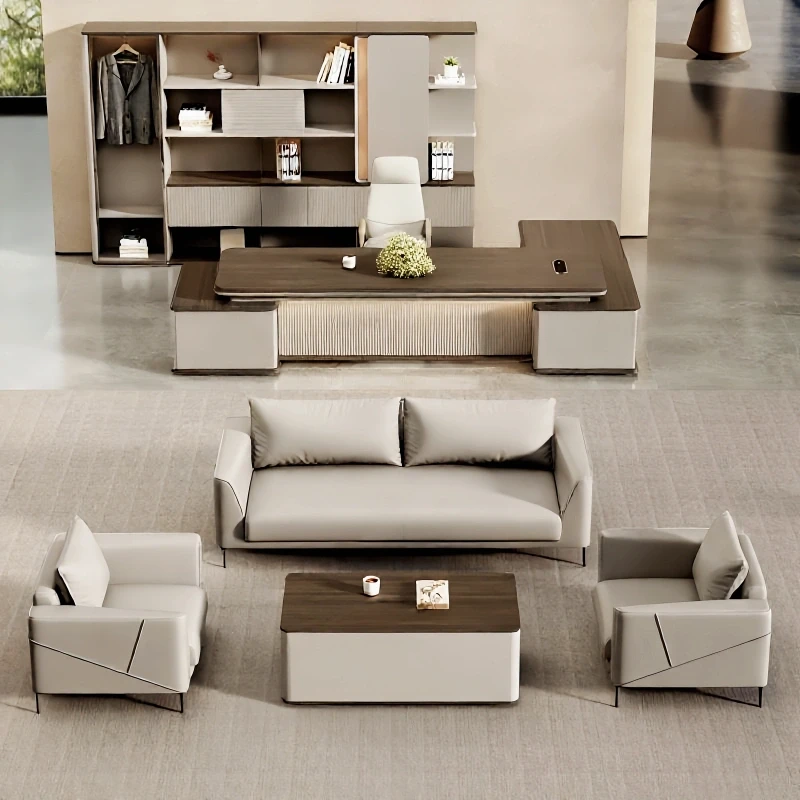
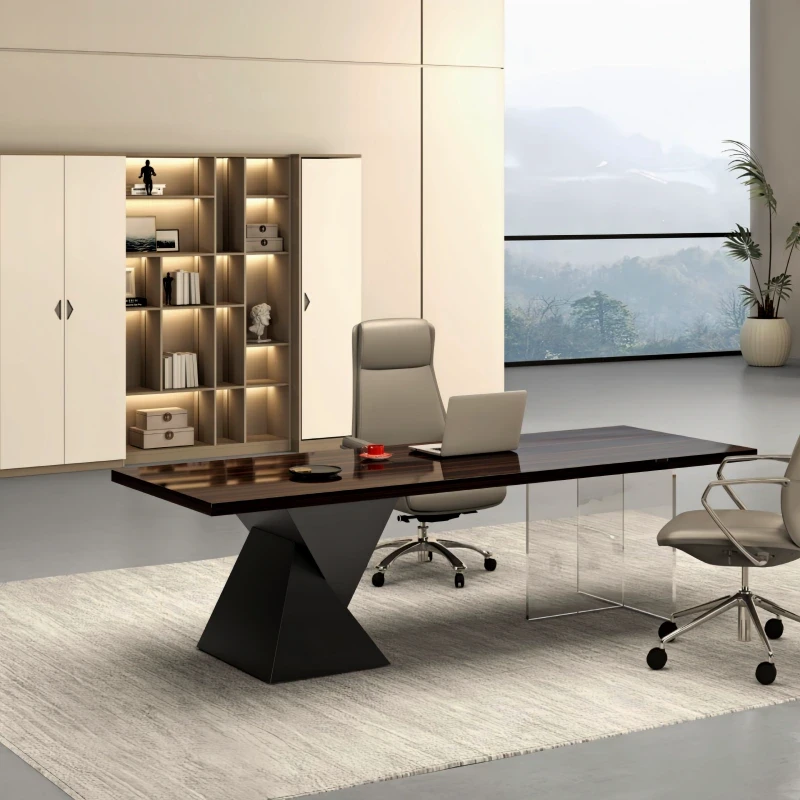


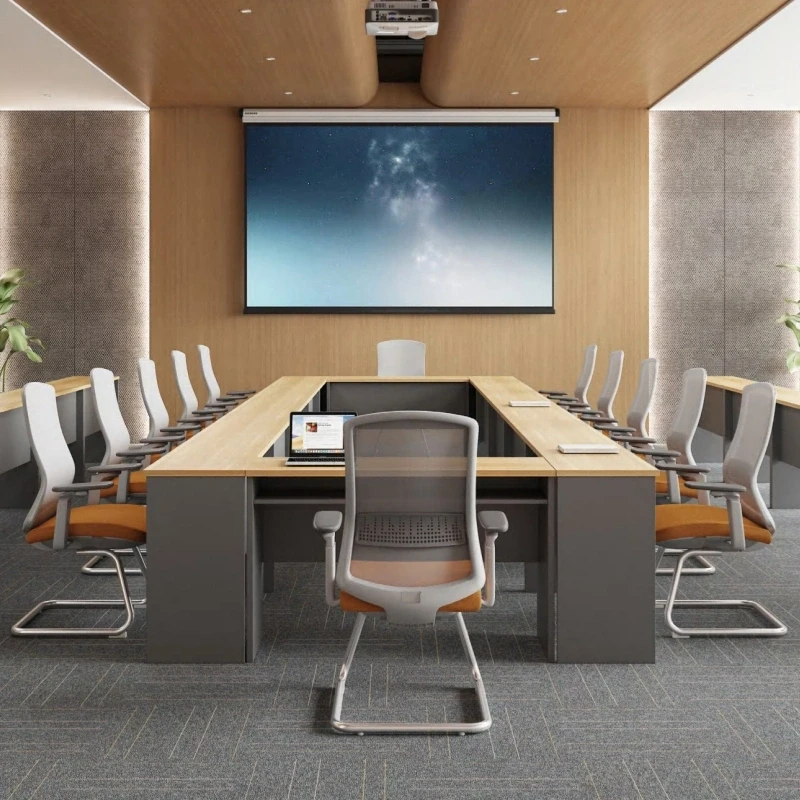
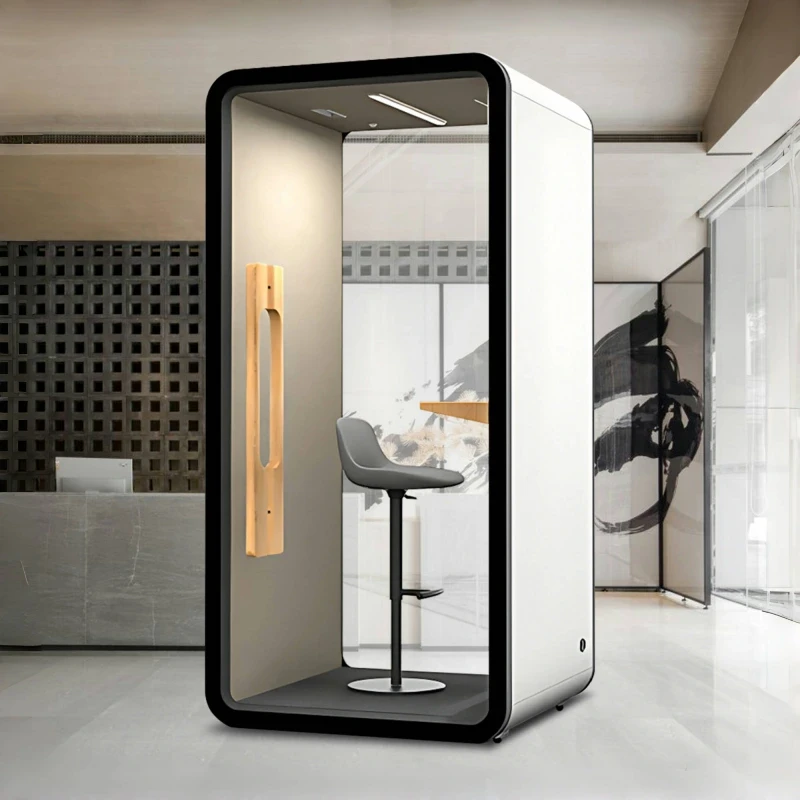
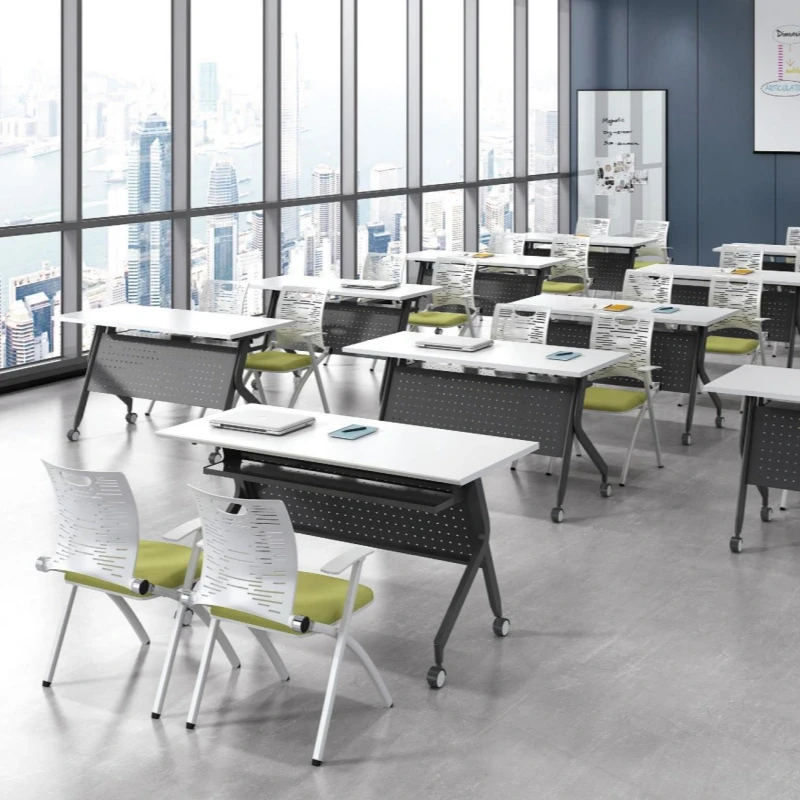
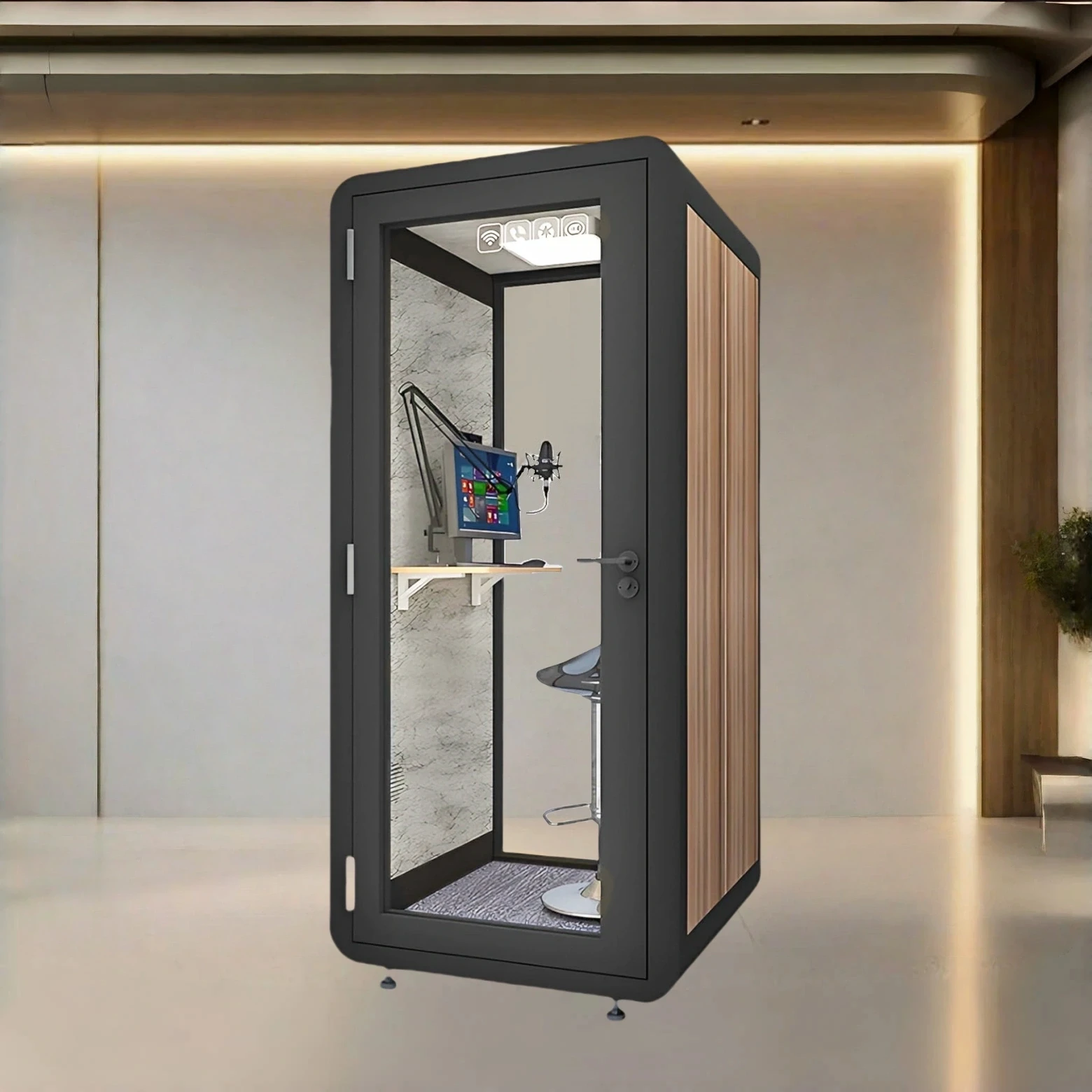
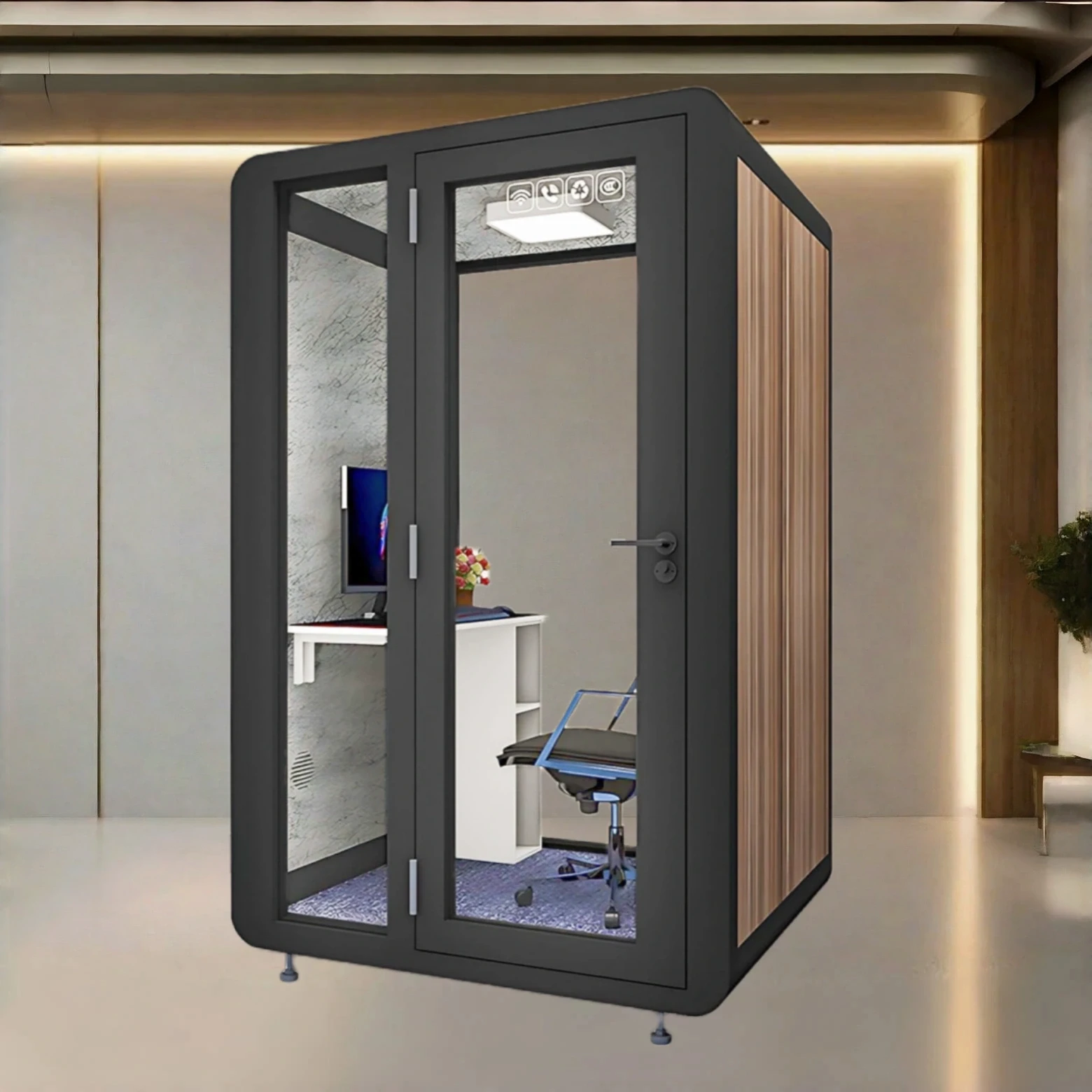
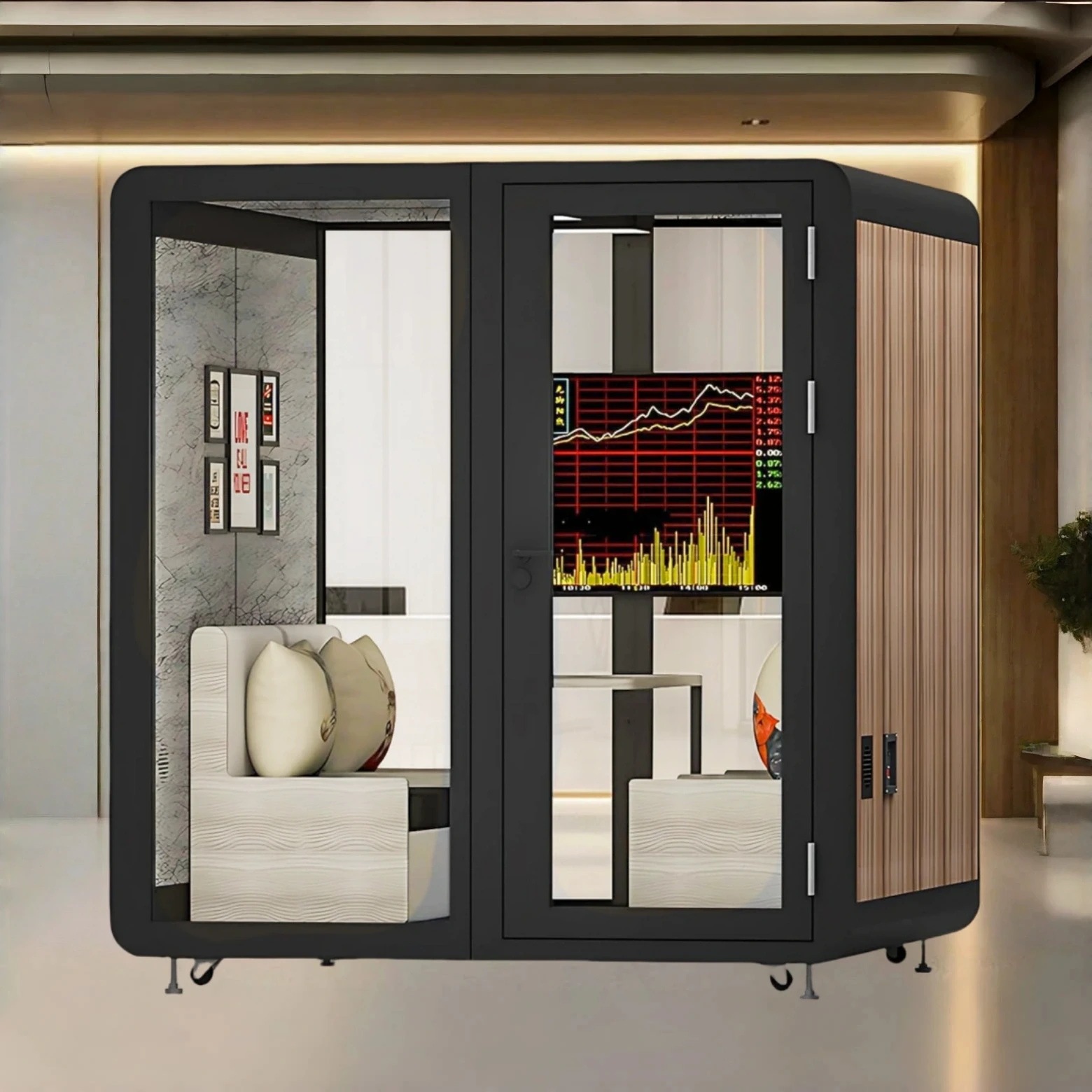










First, examine the supplier's experience and reputation within the industry. Experienced suppliers typically have a better understanding of customer needs and can provide innovative and feasible design solutions. You can assess a supplier's capabilities and customer satisfaction by reviewing past client case studies, project showcases, and online reviews.
2. Design and Customization Capabilities:
Restaurant furniture design needs to balance aesthetics, practicality, and comfort. Qualified suppliers should have strong design teams capable of providing tailored designs based on the company's culture and usage scenarios. Simultaneously, assessing their customization capabilities is crucial; understand whether they can personalize materials, sizes, colors, and functions to specific requirements.
3. Material Quality and Sustainability:
Restaurant furniture needs to withstand frequent use, making material quality paramount. Choosing suppliers who use high-quality, durable materials extends the furniture's lifespan and reduces later maintenance costs. Furthermore, with increasing environmental awareness, prioritizing suppliers using sustainable materials demonstrates a company's social responsibility.
4. Production Processes and Technology:
A supplier's production processes and technology directly impact the overall quality of the furniture. Understanding whether their production equipment is modern, their processes are efficient, and whether they employ leading technologies (such as dust-free spraying and precision cutting) helps determine the final product's refinement and durability.
5. Project Management and Delivery Capabilities:
Efficient project management is crucial for ensuring timely and satisfactory furniture delivery. Suppliers need to demonstrate strong planning, progress tracking, and risk management capabilities to ensure project completion within the stipulated timeframe and budget. Inquiring about their experience in handling unforeseen circumstances is also essential for a smooth delivery process.
6. After-Sales Service and Support:
Purchasing furniture extends beyond delivery; reliable after-sales service is equally important. Clearly defining the supplier's after-sales support, including warranty policies, response time and convenience of repair and maintenance services, helps ensure timely technical and service support during use.
7. Price and Cost-Effectiveness:
While price is an important consideration, it shouldn't be the sole deciding factor. Focusing on the overall quality, design, and lifespan of the furniture is crucial for truly assessing its cost-effectiveness. A comprehensive cost-benefit analysis helps select the supplier who offers the greatest value within the budget.
Conclusion:
Choosing a custom furniture supplier for a company restaurant is a decision requiring careful consideration. By focusing on factors such as experience, design capabilities, material quality, manufacturing processes, project management, after-sales support, and price, businesses can select a partner that provides high-quality and high-value services, thereby enhancing the employee dining experience and strengthening the company's image.