
 USD
USD GBP
GBP
 EUR
EUR
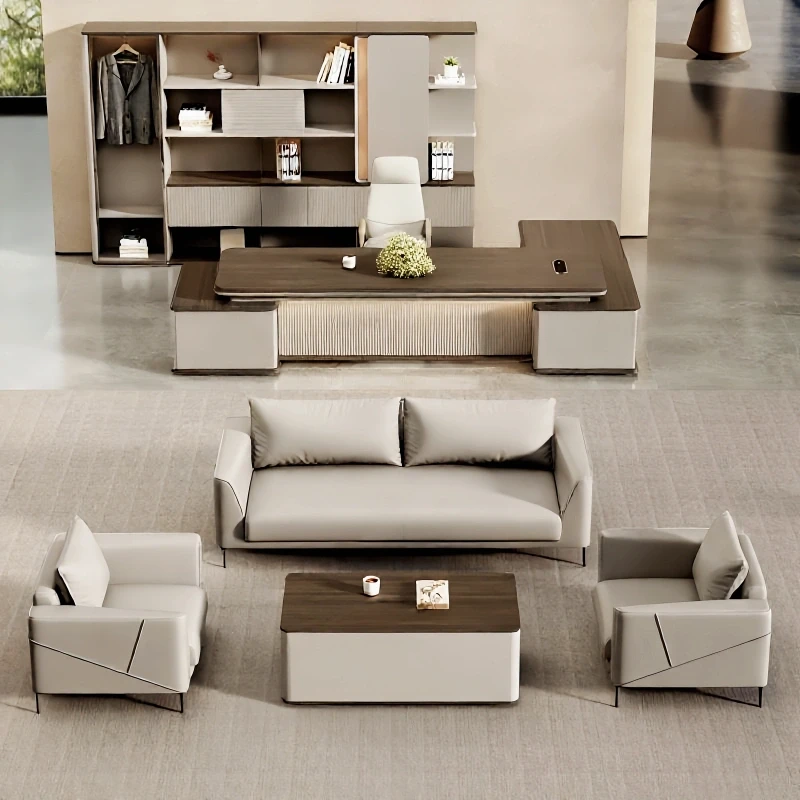
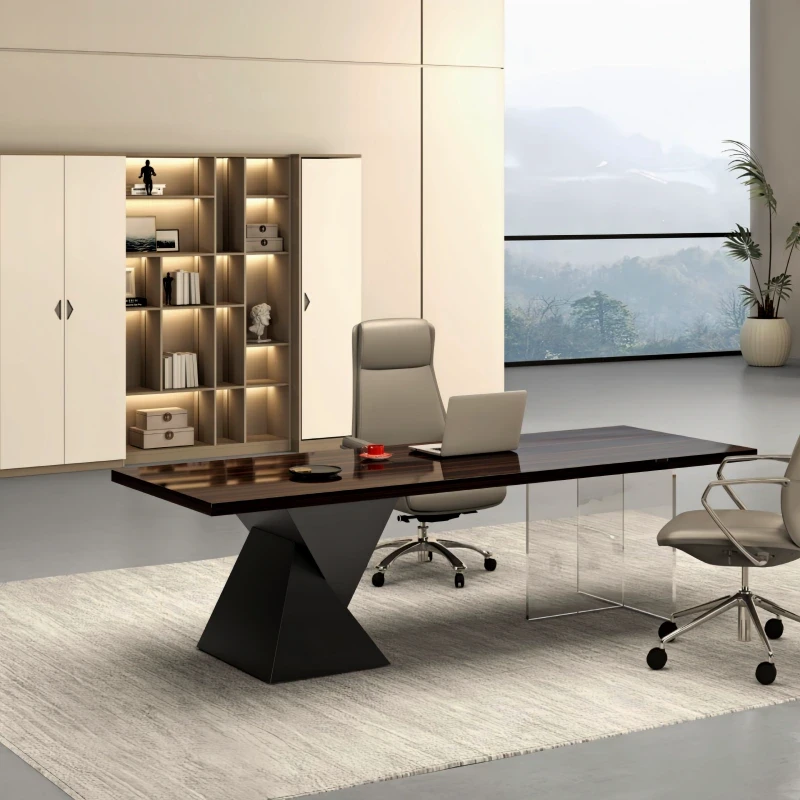


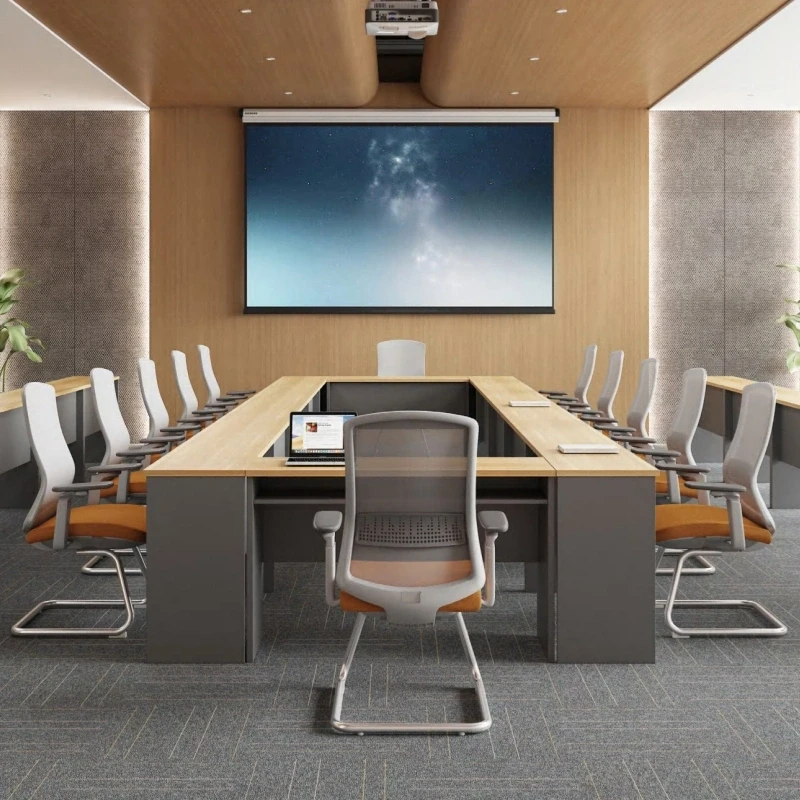
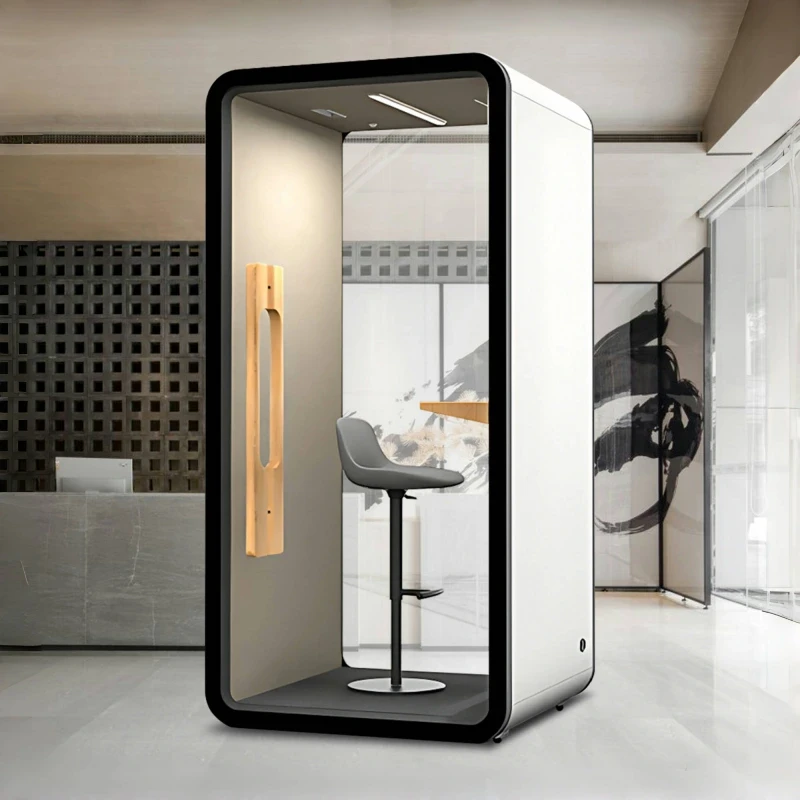
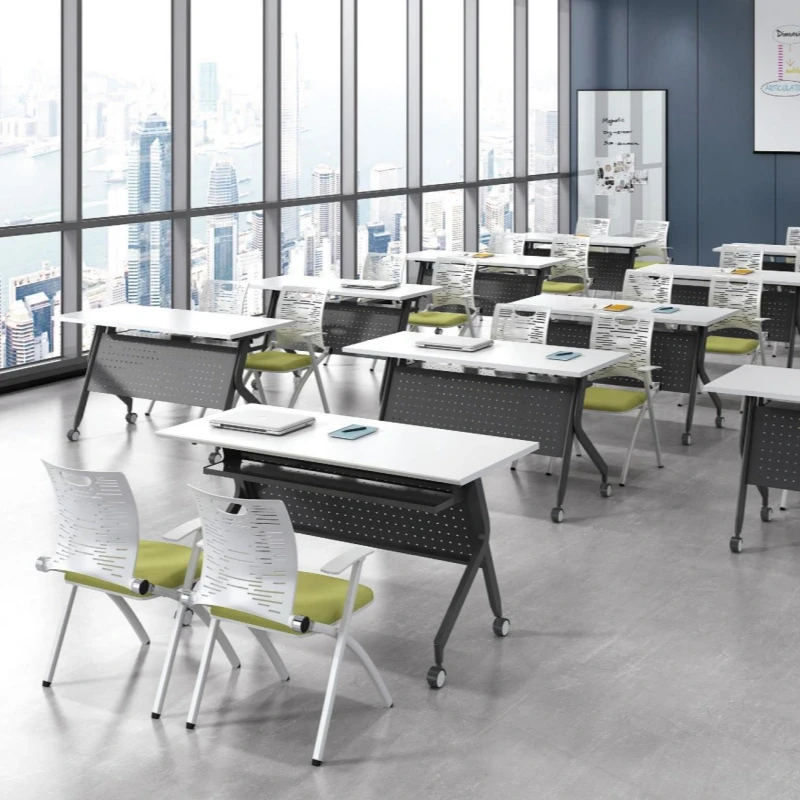
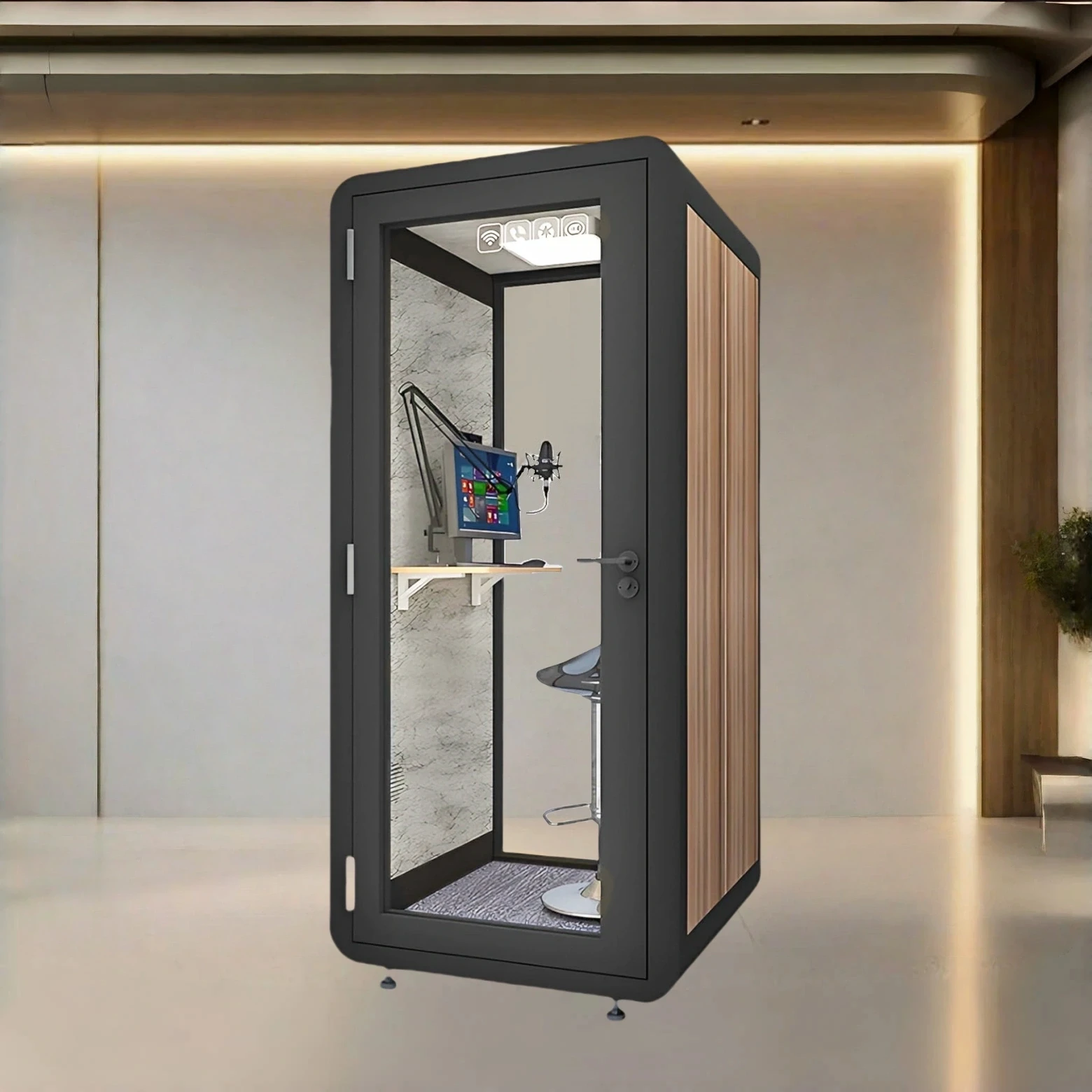
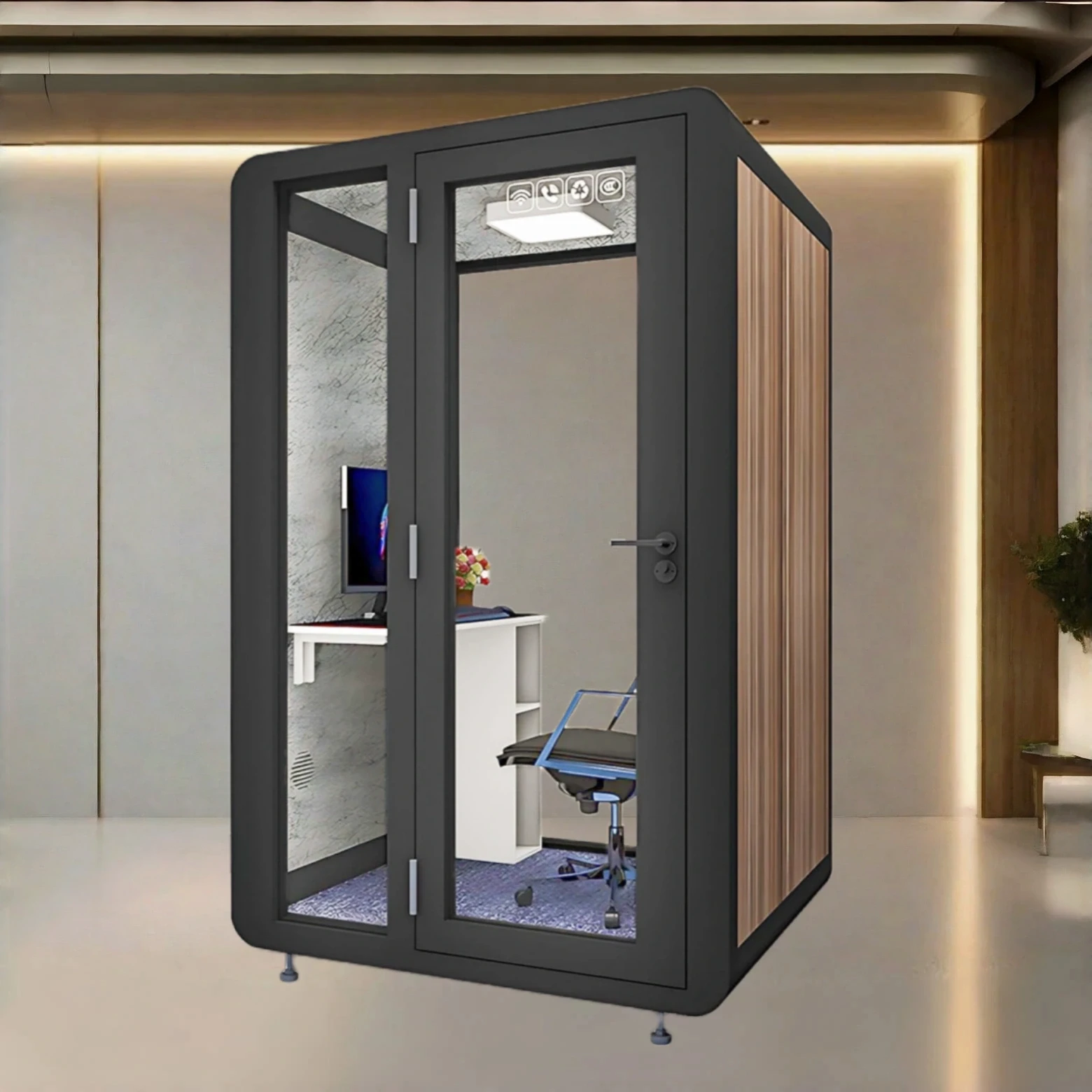
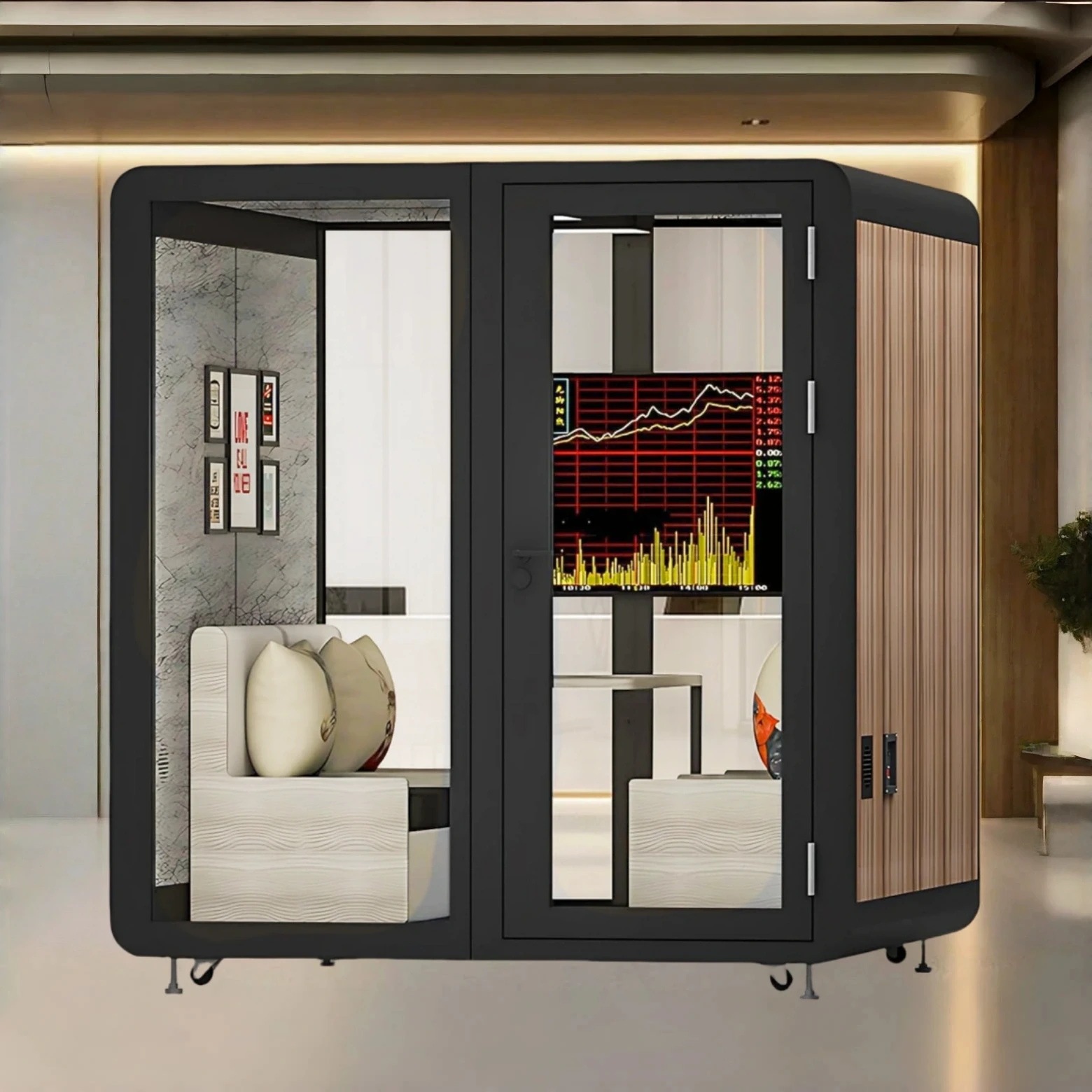
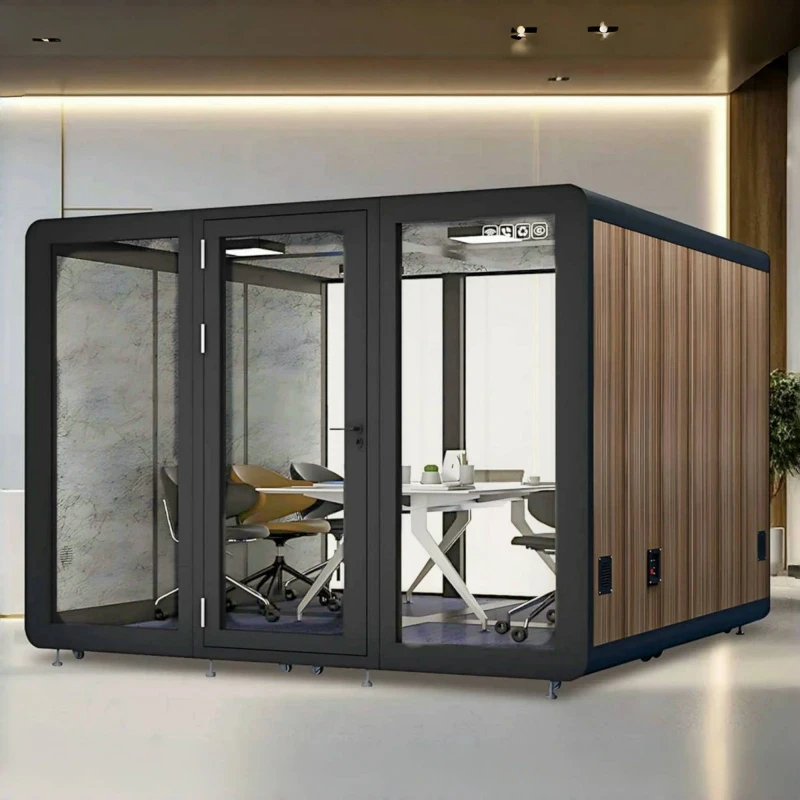
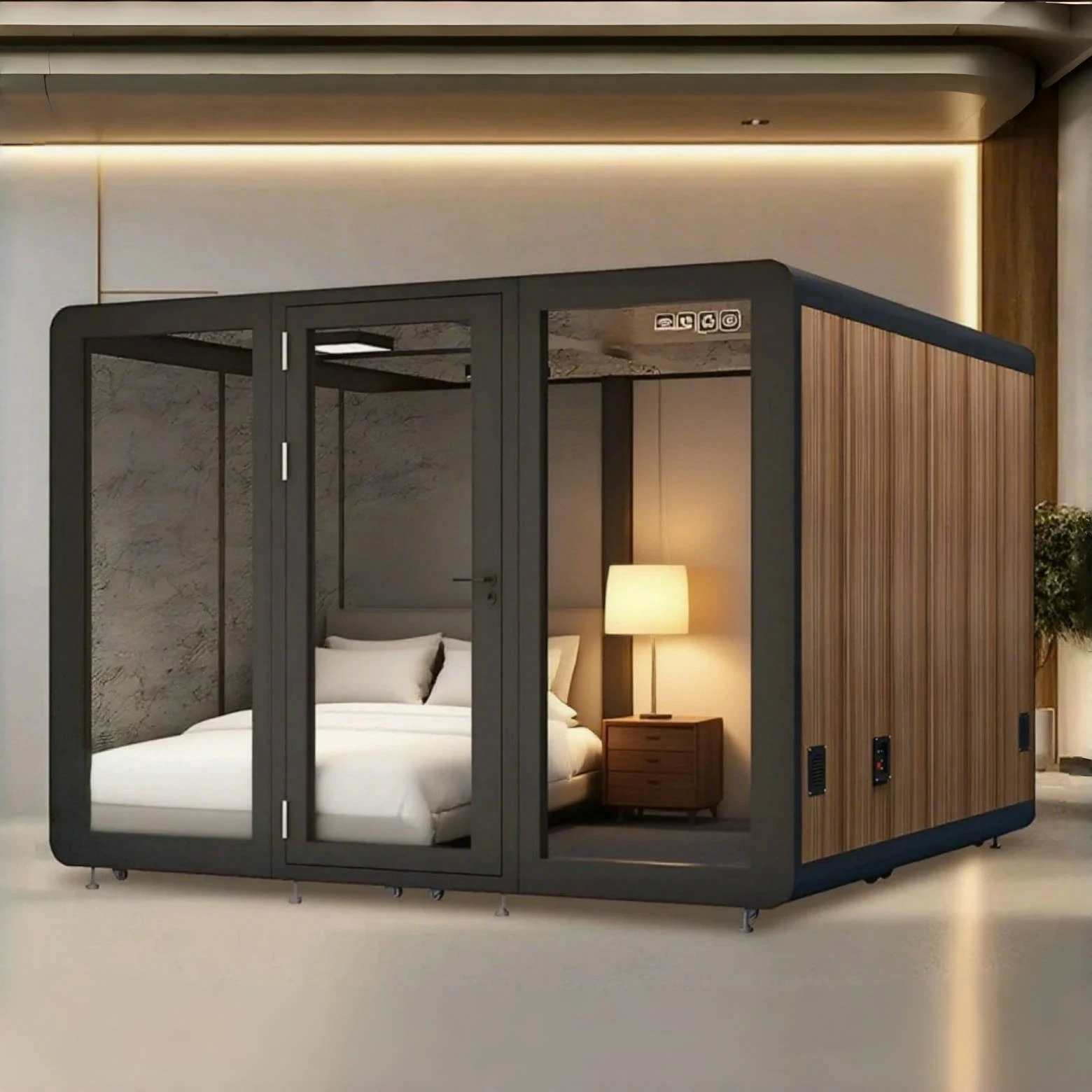


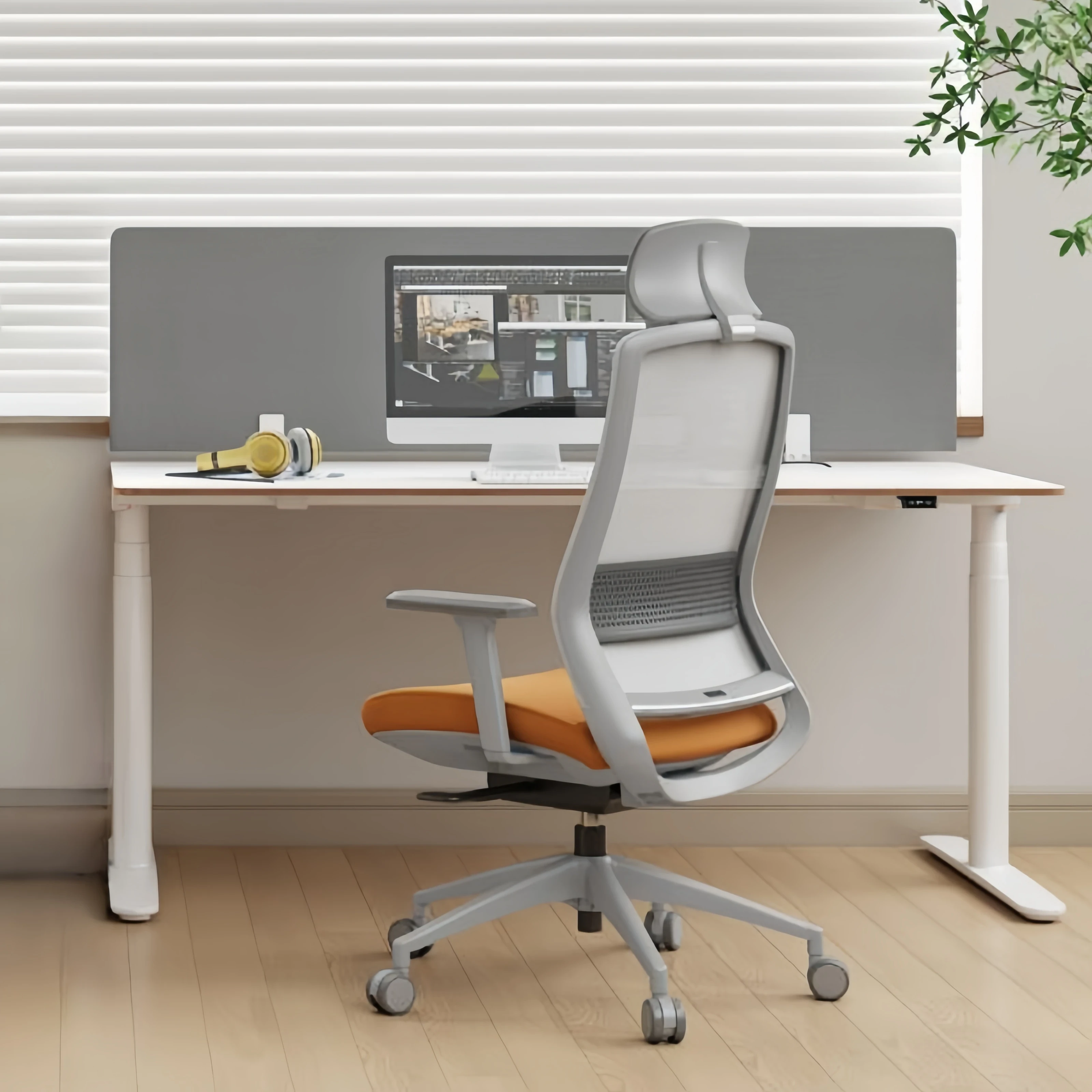


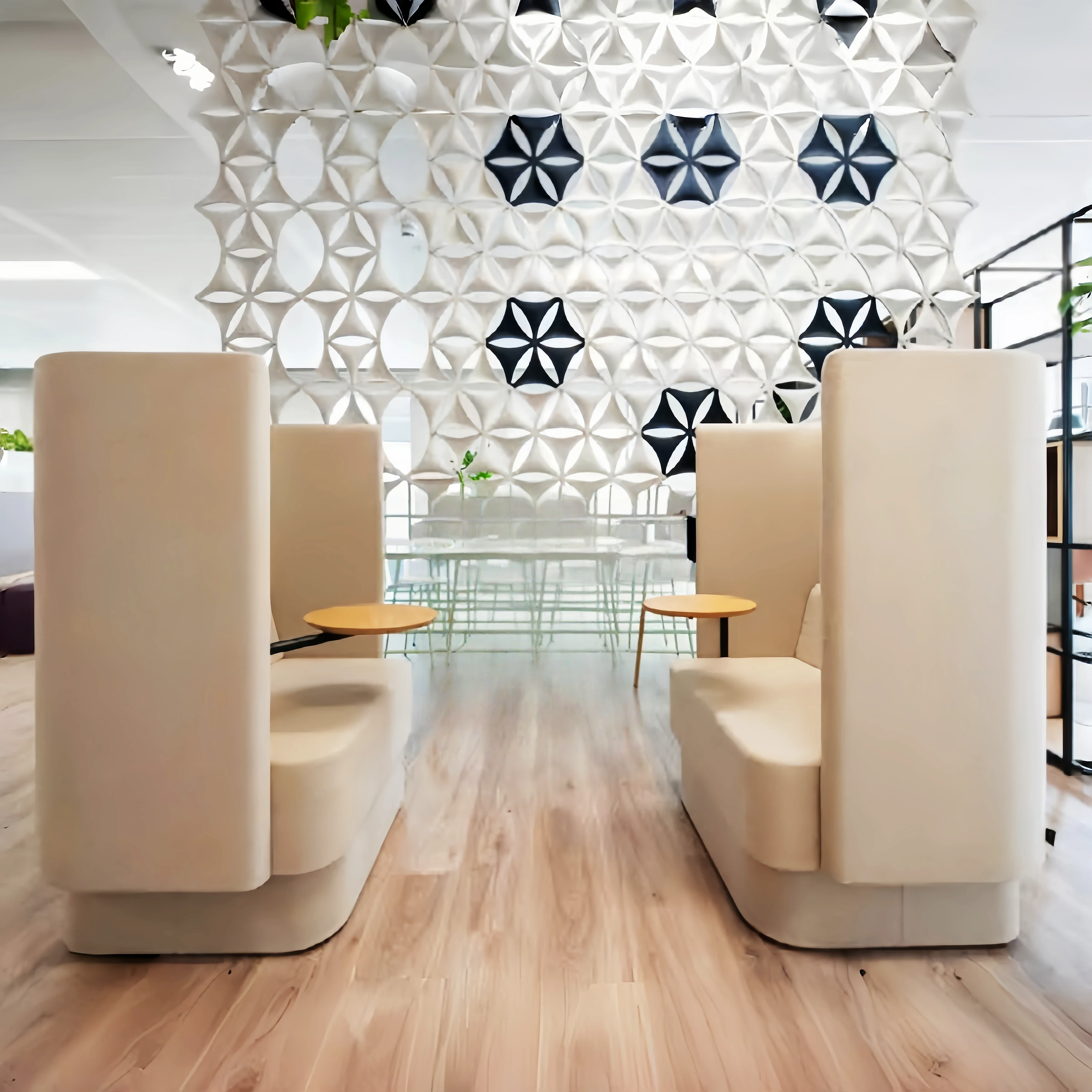

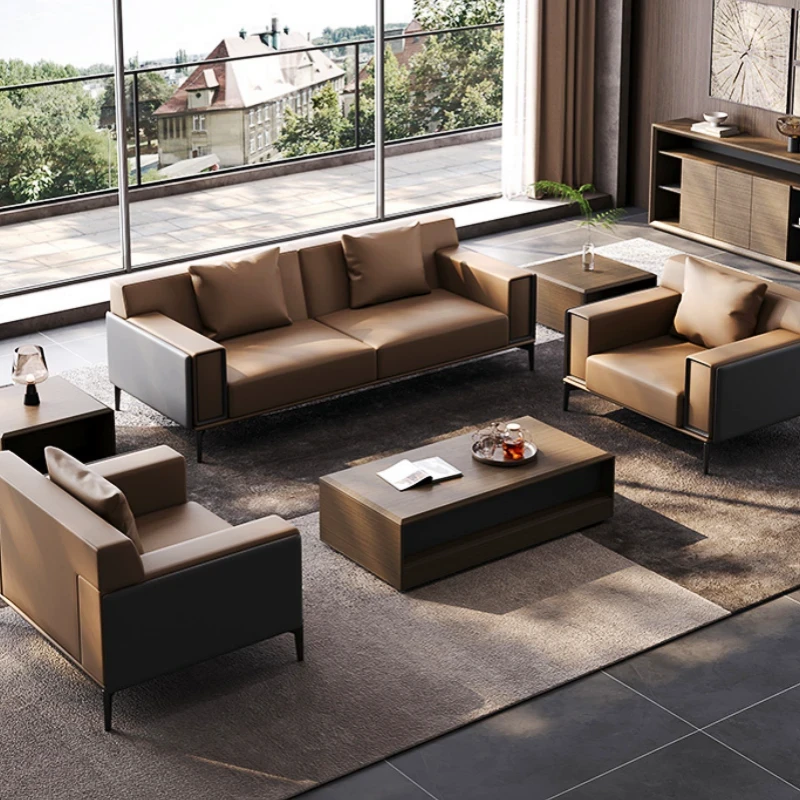
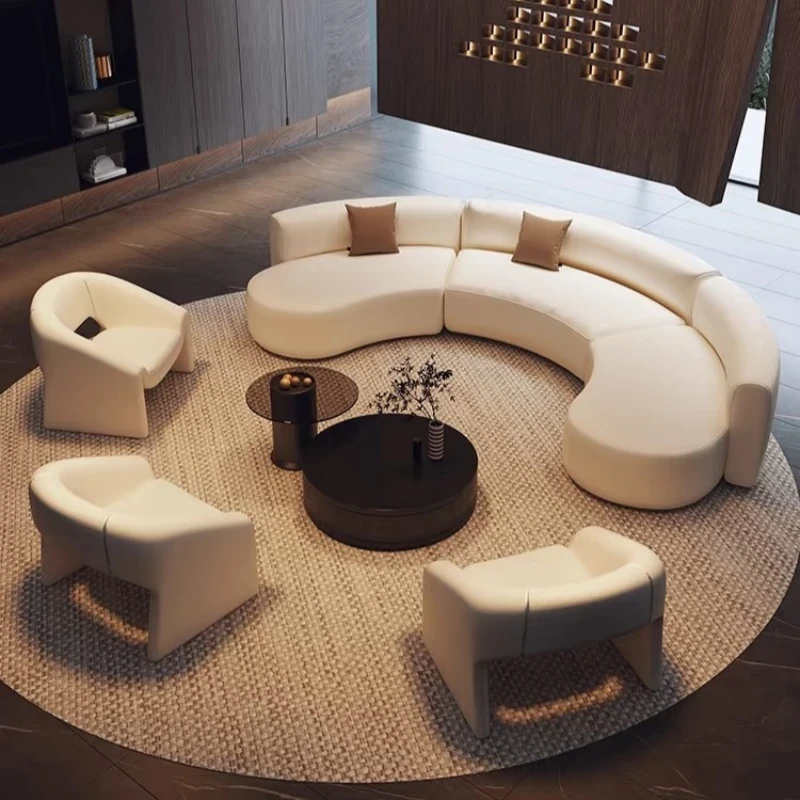


A detailed assessment of the existing space is crucial before starting custom storage cabinets. Accurately measuring room dimensions, analyzing room functions, and determining storage needs allows for the development of a practical design. For example, determining the types and quantities of items to be stored, analyzing usage frequency, and ease of access.
2. Utilizing Vertical Space:
Utilizing vertical space is an effective way to improve storage efficiency. Custom tall storage cabinets maximize room height, which is especially important for spaces with limited floor space. Layered cabinet designs not only increase storage space but also allow for better item categorization and management.
3. Modular and Multifunctional Design:
Choosing modular storage cabinets allows for flexible adjustment and combination according to needs. Multifunctional designs allow a single cabinet to serve multiple purposes, such as combining it with a desk or chair. This design flexibly adapts to future changes in needs, such as increased storage requirements or changes in room function.
4. Flexible Internal Configuration:
The internal configuration of custom storage cabinets can be designed according to specific needs, such as movable shelves, drawers, and hidden storage boxes. This not only increases the utilization rate of storage space but also facilitates the classification and retrieval of items, improving the convenience of daily use.
5. Sliding Doors and Concealed Designs:
Traditional cabinet door opening methods can be obstructive in small spaces, making sliding door designs an ideal choice. They not only save space required for opening but also blend better with the room's design. Concealed designs also allow the storage cabinets to integrate seamlessly with the wall, avoiding visual clutter and maintaining the room's aesthetic appeal.
6. Material and Color Matching:
When choosing the material and color of storage cabinets, consider their compatibility with the overall style of the room. Using light colors and glossy materials can visually expand the sense of space, while mirrored designs have a similar effect. In terms of materials, choosing durable and easy-to-clean materials can reduce maintenance needs over long-term use.
7. Seeking Professional Design Assistance:
In complex spaces or for families or businesses with particularly unique storage needs, seeking help from professional designers is worth considering. They can provide innovative solutions for space optimization, helping you achieve the best customized results.
Conclusion:
Optimizing storage in limited spaces through customized storage cabinets requires not only meticulous planning and design but also a focus on balancing functionality and aesthetics. Making full use of vertical space, adopting a multi-functional design, configuring flexible internal structures, and selecting appropriate materials and colors are all key steps in achieving the best storage solution. Through these strategies, you can create a storage environment that is both efficient and aesthetically pleasing within any limited space.